 YardMate



Sweet Mock Orange
Philadelphus coronarius
Easy · Beginner friendlyAbout Sweet Mock Orange
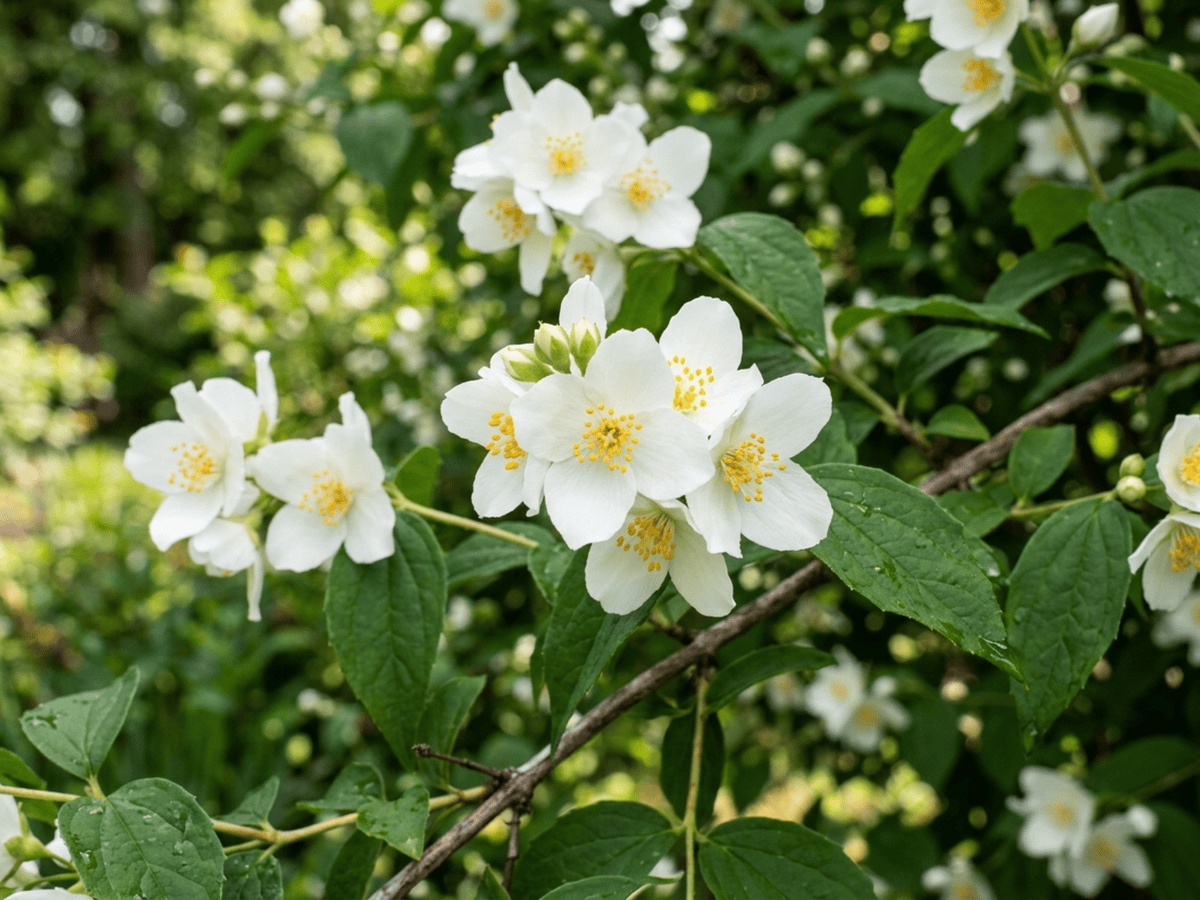
Philadelphus coronarius, the sweet mock orange, is a deciduous shrub native to southeastern Europe and Asia Minor, grown for its intensely fragrant white flowers that smell remarkably like orange blossoms. Growing 6 to 10 feet tall with arching branches, it produces clusters of four-petaled creamy-white flowers in late spring to early summer that perfume the entire garden. The fragrance is so powerful and sweet that a single bush in bloom can be detected from considerable distance. Despite its common name, it is unrelated to true oranges — the name refers solely to the scent. Mock orange is extremely hardy and adaptable, tolerating cold winters, poor soil, partial shade, and considerable neglect. Like forsythia, it blooms on the previous year's wood, so pruning should be done immediately after flowering. The shrub has been cultivated in European gardens since at least the 16th century and was a favorite in cottage gardens and Victorian-era shrubberies. While its appearance after bloom is unremarkable, the floral fragrance is considered one of the finest in the plant kingdom.
- Fragrant
- Low-maintenance
How to care for Sweet Mock Orange
Watering
- Springevery 5 days
- Summerevery 4 days
- Fallevery 10 days
- Winterevery 30 days
Soil · Rich & loamy
- Top dressingBark mulch15%
- Main mixRich loam + compost 3:170%
- DrainageGravel15%
Use fully finished compost — fresh compost burns roots.
FERTILIZER
Balanced Feed 14-14-14
An even feed covers all three needs at once, keeping leaves, roots and blooms moving together with nothing pushed out of balance.
- Nitrogen · Leaves
- Phosphorus · Roots + Blooms
- Potassium · Strength
- Springevery 45 days
At a Glance
- NativeMediterranean, Western Asia
- Height8–12 ft (2.4–3.7 m)
- Spread6–10 ft (1.8–3 m)
- Flower colorWhite
- Foliage colorGreen, Yellow
- SoilLoamy, Well-drained, Neutral
- LocationsYard
Bloom time
BLOOM CYCLE
Peak bloom
May–Jun
Powerfully fragrant white flowers in late spring; prune immediately after flowering as blooms form on old wood — renewal prune by removing oldest stems at base
Fragrance
STRONG FRAGRANCE
Intense orange-blossom scent — one of the most fragrant garden shrubs.
Toxicity
No toxicity has been reported for this plant. Still, it is wise to keep pets from chewing on any houseplant.
Educational information, not medical or veterinary advice. If exposure is suspected, contact a doctor or veterinarian.
DISTRIBUTION


- Native
- Introduced
- Mediterranean
- Western Asia
History

Philadelphus coronarius is native to southern Europe from northeastern Italy through the Balkans and southern Romania to the Caucasus. It reached western European cultivation in the 16th century via the Ottoman court — Holy Roman Empire ambassador Ogier Ghiselin de Busbecq, the same diplomat responsible for introducing tulips and lilacs, is credited with bringing mock orange from Istanbul to Vienna around 1563. The common name "mock orange" refers to the flowers' intense fragrance, closely resembling that of true orange blossoms (Citrus sinensis flowers), even though Philadelphus is not related to Citrus.
The species has been used for centuries in European gardens for its fragrance and its summer bloom, which falls conveniently after most spring-flowering shrubs have finished. French breeder Victor Lemoine of Nancy — also responsible for modern lilac cultivars — produced the foundational hybrids of modern Philadelphus in the late 19th and early 20th centuries, crossing P. coronarius with the smaller-flowered but heavily-scented P. microphyllus to produce the "Lemoinei" hybrid group.
Notable cultivars include "Belle Etoile," "Virginal," "Aureus," and "Innocence." Philadelphus coronarius has been cultivated since the 1500s and was a staple of European pleasure gardens. The fragrance was so prized that it inspired early European perfumers before citrus oils became widely available.
Symbolism & meaning
What It Symbolizes
Sweet Mock Orange expresses innocence through pure white blossoms whose orange-blossom scent has perfumed cottage gardens for centuries. It is also a flower of memory, its distinctive fragrance triggering powerful recollections of grandmothers' gardens and early summer evenings long past. It is the bloom of remembered childhood, a shrub whose meaning is bound less to it appearance than to the way its scent reaches across time to bring back a particular person.
- Innocence — The pure white blossoms and sweet scent represent youthful innocence and purity
- Memory — The distinctive fragrance triggers powerful memories of gardens past
Where the Name Comes From
The name Sweet Mock Orange describes its sweet scent or flavor. 'Philadelphus' is named after Ptolemy II Philadelphus, king of ancient Egypt. 'Coronarius' means 'used for garlands', as the fragrant flowers were woven into wreaths.
Uses & Fun Facts
- White flowers smell remarkably like orange blossoms
- Arching shrub forms informal flowering hedges
- Fragrant flowering branches cut for arrangements
Related plants
More Philadelphus plants
 Lewis' Mock OrangePhiladelphus lewisii
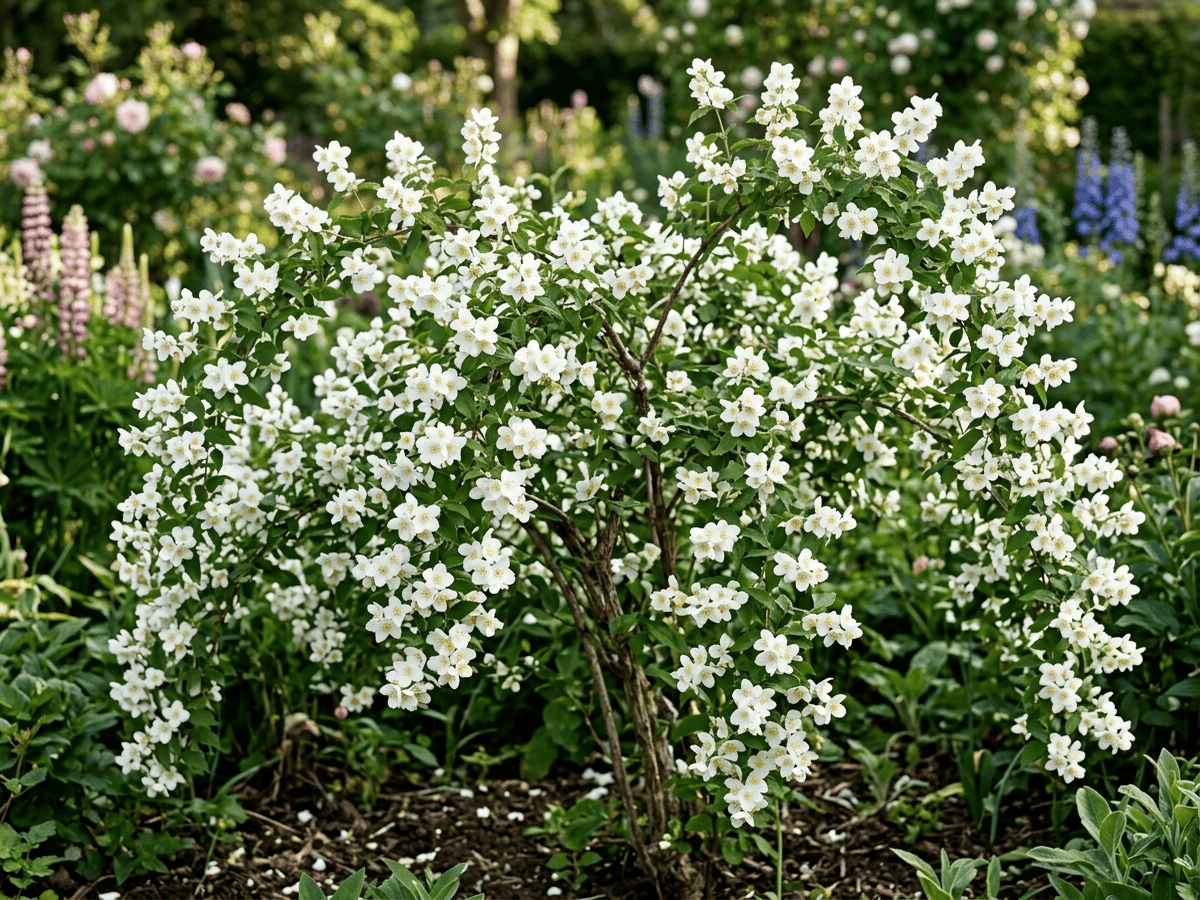 Mock OrangePhiladelphus x lemoinei
 Hairy Mock OrangePhiladelphus x virginalis
Plants with similar care
 Red BuckeyeAesculus pavia
 Blue BugleAjuga genevensis
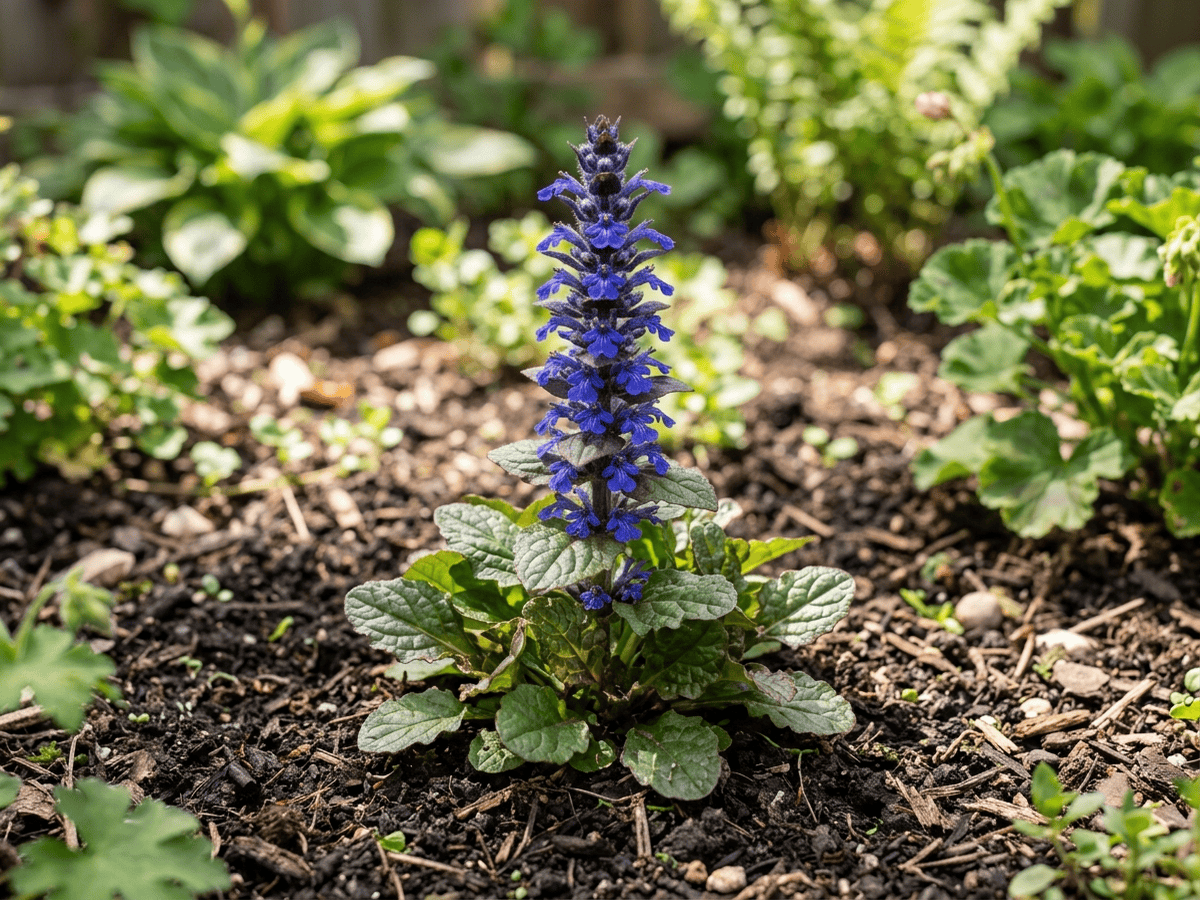 Pyramidal BugleAjuga pyramidalis
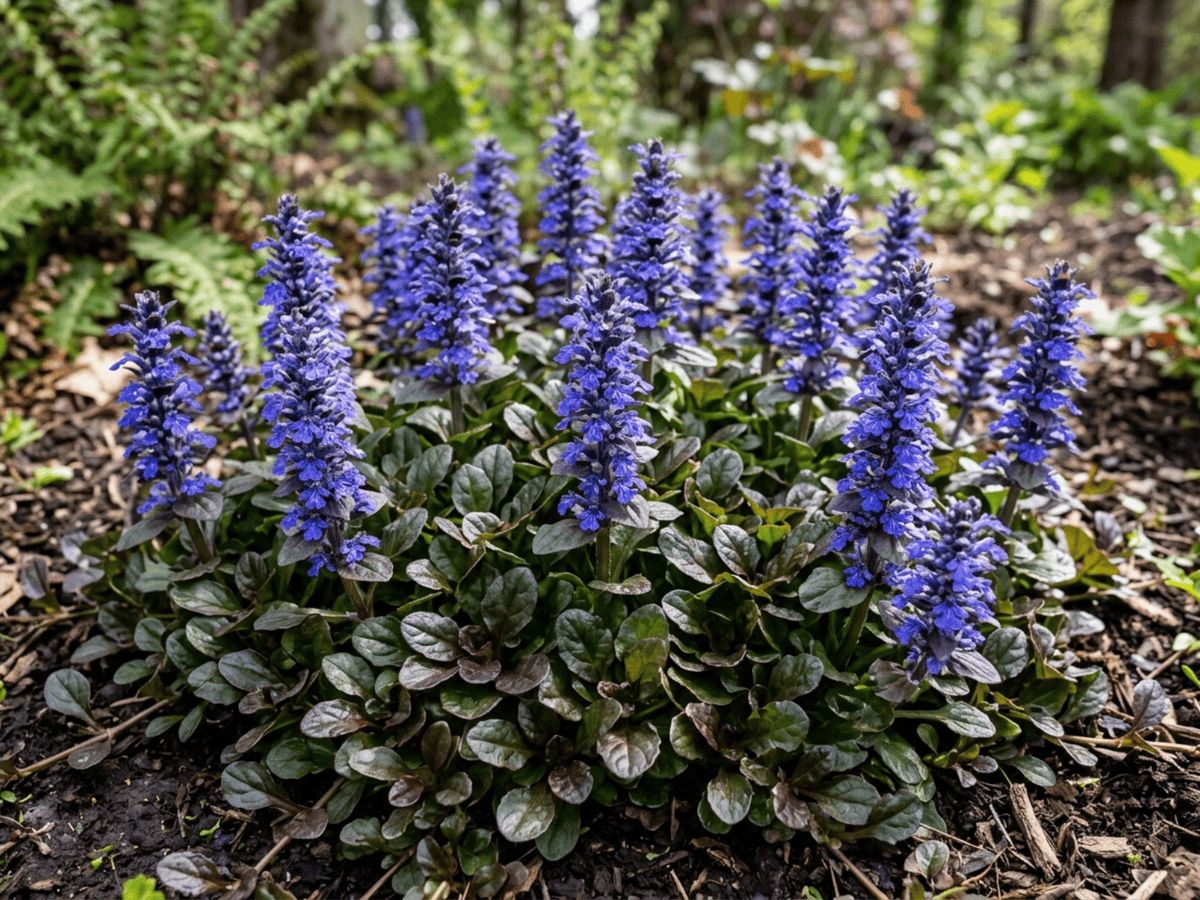 Carpet BugleAjuga reptans
Frequently asked questions
How often should I water Sweet Mock Orange?
In summer, water about every 4 days; in winter, about every 30 days. Adjust for heat, pot size and drainage.
How much light does Sweet Mock Orange need?
Part shade: 2–4 hrs direct. Watch the leaves — scorching or stretching means the light needs adjusting.
Is Sweet Mock Orange toxic to cats or dogs?
No toxicity has been reported for this plant. Still, it is wise to keep pets from chewing on any houseplant. Educational information, not medical or veterinary advice. If exposure is suspected, contact a doctor or veterinarian.
Is Sweet Mock Orange easy to grow?
Yes — it is considered an easy, beginner-friendly plant.
When does Sweet Mock Orange bloom?
It typically blooms May–Jun in the Northern Hemisphere.
YardMate
Identify any plant in seconds
Snap a photo — YardMate names the plant, diagnoses problems, and reminds you when to water.
Download on the App Store