 YardMate


Heart-Leaf Philodendron
Philodendron hederaceum
Easy · Beginner friendlyAbout Heart-Leaf Philodendron
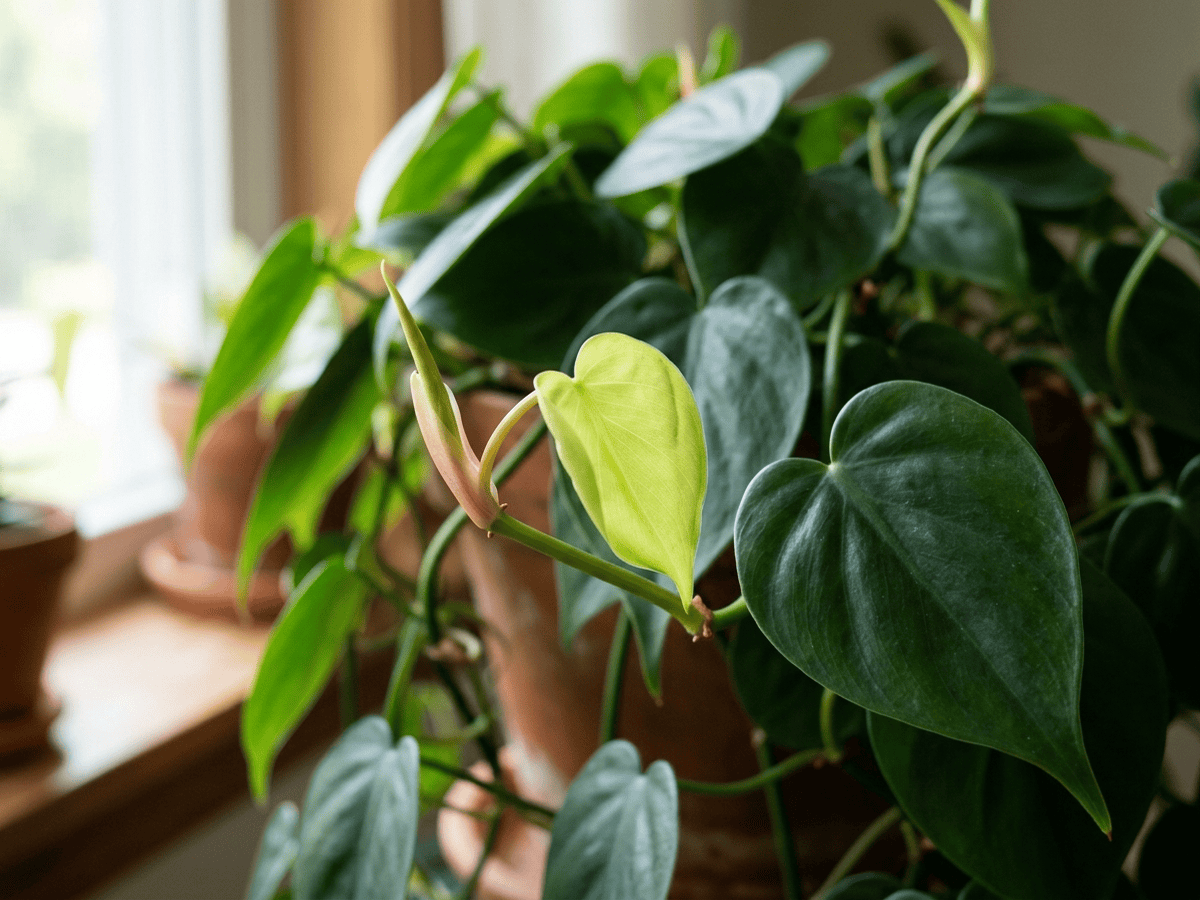
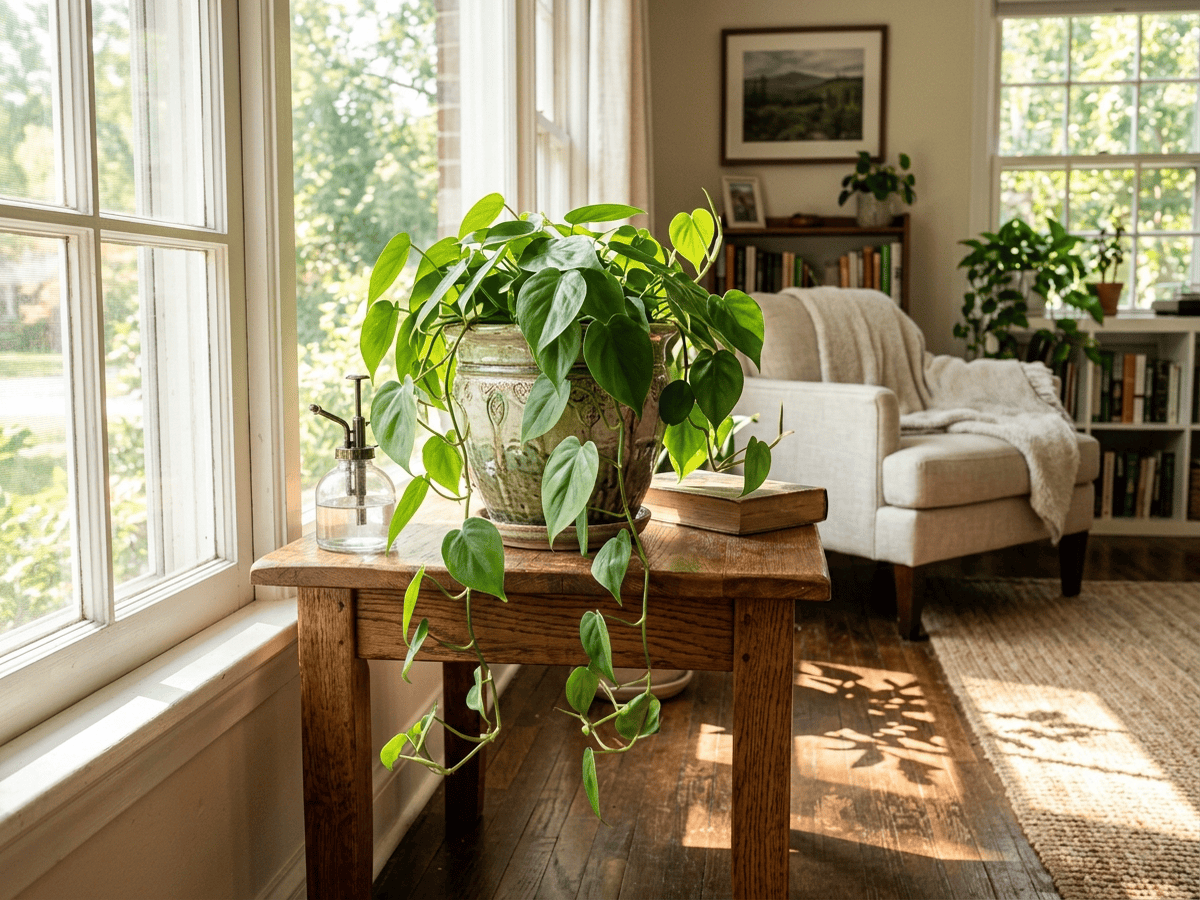
Philodendron hederaceum, the heartleaf philodendron, is one of the most forgiving houseplants available. Its trailing heart-shaped leaves emerge bronze then mature to deep glossy green, making it a natural choice for hanging baskets or shelf displays. Native to Central America and the Caribbean, it thrives in low to bright indirect light and tolerates occasional neglect. The vines can reach several meters indoors and are easily propagated from stem cuttings in water. It efficiently removes indoor air pollutants including formaldehyde. While beautiful, all parts contain calcium oxalate crystals and should be kept away from pets and small children.
- Air-purifying
- Trailing
How to care for Heart-Leaf Philodendron
Watering
- Springevery 7 days
- Summerevery 5 days
- Fallevery 10 days
- Winterevery 14 days
Soil · Chunky & airy
- Top dressingBark chips10%
- Main mixBark + potting soil + perlite 1:1:170%
- DrainageLECA20%
Chunky pieces hold air pockets open so thick roots don't suffocate.
FERTILIZER
Balanced Feed 14-14-14
An even feed covers all three needs at once, keeping leaves, roots and blooms moving together with nothing pushed out of balance.
- Nitrogen · Leaves
- Phosphorus · Roots + Blooms
- Potassium · Strength
- Springevery 30 days
- Summerevery 30 days
- Fallevery 60 days
At a Glance
- NativeCentral America, North America
- Height3–6 ft (0.9–1.8 m)
- Spread2–3 ft (0.6–0.9 m)
- Flower colorGreen, Cream
- Foliage colorGreen
- SoilLoamy, Well-drained, Rich
- LocationsIndoor
Bloom time
BLOOM CYCLE
Peak bloom
Jun–Aug
Rarely blooms indoors
Fragrance
NO FRAGRANCE
Rarely flowers indoors; foliage not fragrant.
Toxicity
Humans Slight · Pets Moderate
insoluble calcium oxalate crystals (raphides)
Slight
- Leaf
- Stem
- Sap
- Contact
- Ingestion
EXPOSURE Touching leaves, stems, and sap. Eating leaves, stems, and sap.
EFFECT Oral burning and swelling, drooling, and mild skin irritation from sap.
NOTE All Philodendron species share similar oxalate toxicity; severe cases in pets can involve airway swelling.
Moderate
- Leaf
- Stem
- Ingestion
EXPOSURE Eating leaves and stems.
EFFECT Oral irritation, intense burning of mouth, lips and tongue, excessive drooling, vomiting, difficulty swallowing and per ASPCA.
NOTE All Philodendron species share similar oxalate toxicity; severe cases in pets can involve airway swelling.
Moderate
- Leaf
- Stem
- Ingestion
EXPOSURE Eating leaves and stems.
EFFECT Oral irritation, intense burning and swelling, excessive drooling, vomiting, difficulty swallowing and per ASPCA.
NOTE All Philodendron species share similar oxalate toxicity; severe cases in pets can involve airway swelling.
Educational information, not medical or veterinary advice. If exposure is suspected, contact a doctor or veterinarian.
DISTRIBUTION


- Native
- Introduced
- Central America
- North America
History
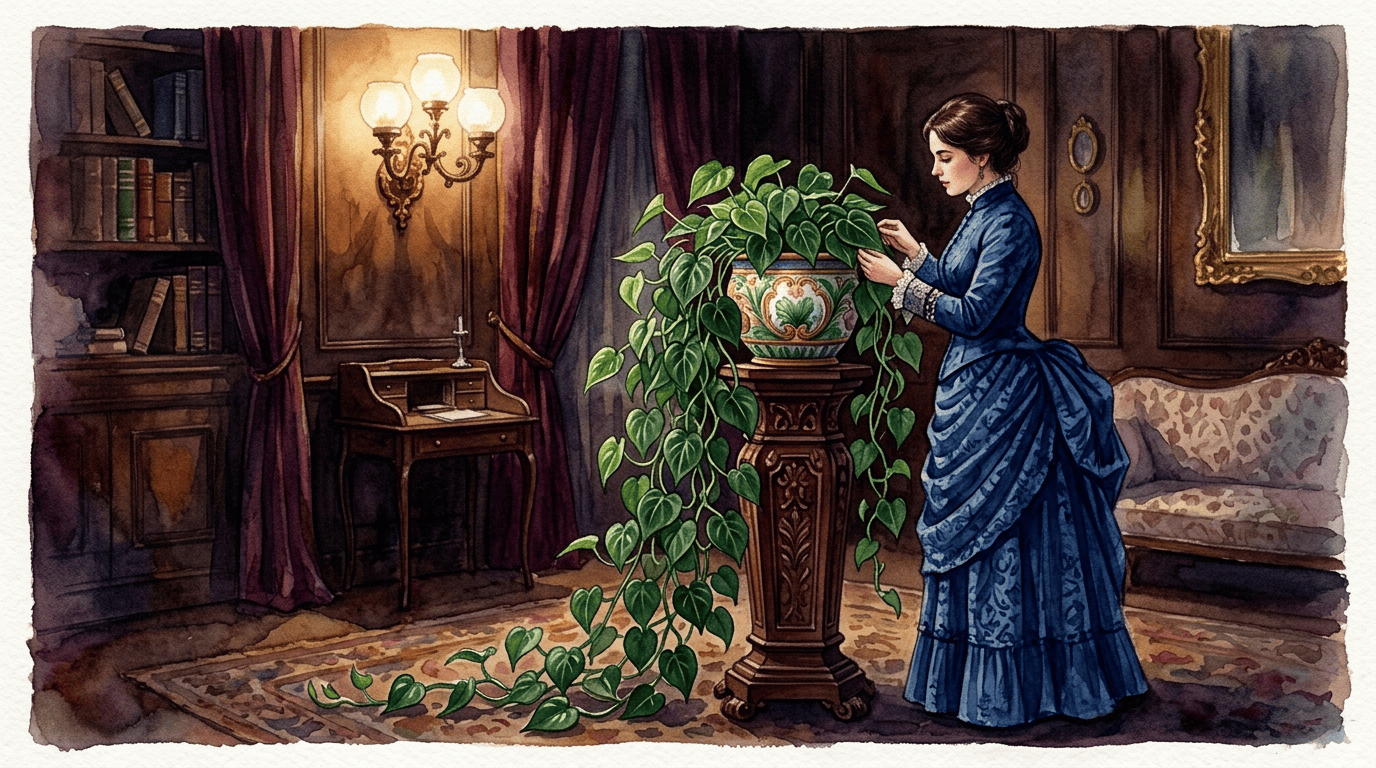
Philodendron hederaceum was described in 1829 and became one of the first tropical climbing aroids to be successfully cultivated in European heated glasshouses. Its ability to survive in low light and dry indoor air made it a Victorian parlor favorite, and it has remained a staple houseplant ever since. The genus name combines Greek 'philo' (loving) and 'dendron' (tree), describing how the plant sends aerial roots into tree bark as it climbs through the rainforest canopy.
In its native range — from southern Mexico through Central America and into the Caribbean — it can scramble thirty meters or more up a single host tree, gradually producing larger adult leaves. Indoors it almost always remains in its juvenile heart-leaved form. Heartleaf philodendron was first described in 1829 by Heinrich Wilhelm Schott and became one of the earliest tropical plants popularized as a houseplant in Victorian parlors.
During the mid-20th century, it was a staple of office decor across America, earning a reputation as nearly indestructible. NASA's 1989 Clean Air Study confirmed its ability to filter formaldehyde, boosting its popularity further. In its native Caribbean forests, the vine climbs towering trees using aerial roots, a behavior rarely seen indoors.
Symbolism & meaning
What It Symbolizes
The Heart-Leaf Philodendron makes visible love of nature, its tree-climbing habit a quiet expression of deep affinity for the wild. Trailing over shelves and reaching toward windows, it carries the impulse of the rainforest into modern apartments — a small green ambassador for the greater forest. To grow it is to keep an honest reminder that even the most domestic spaces remain bound, by leaf and root, to the natural world.
- Love of nature — Its tree-climbing habit symbolizes a deep affinity for the natural world
Where the Name Comes From
Philodendron comes from Greek 'philo' (love) and 'dendron' (tree), referring to its tree-climbing habit. Hederaceum means 'ivy-like', describing the leaf shape.
Uses & Fun Facts
- Trailing heart leaves soften shelves, bookcases, and hanging baskets
Related plants
More Philodendron plants
 Tree PhilodendronPhilodendron bipinnatifidum
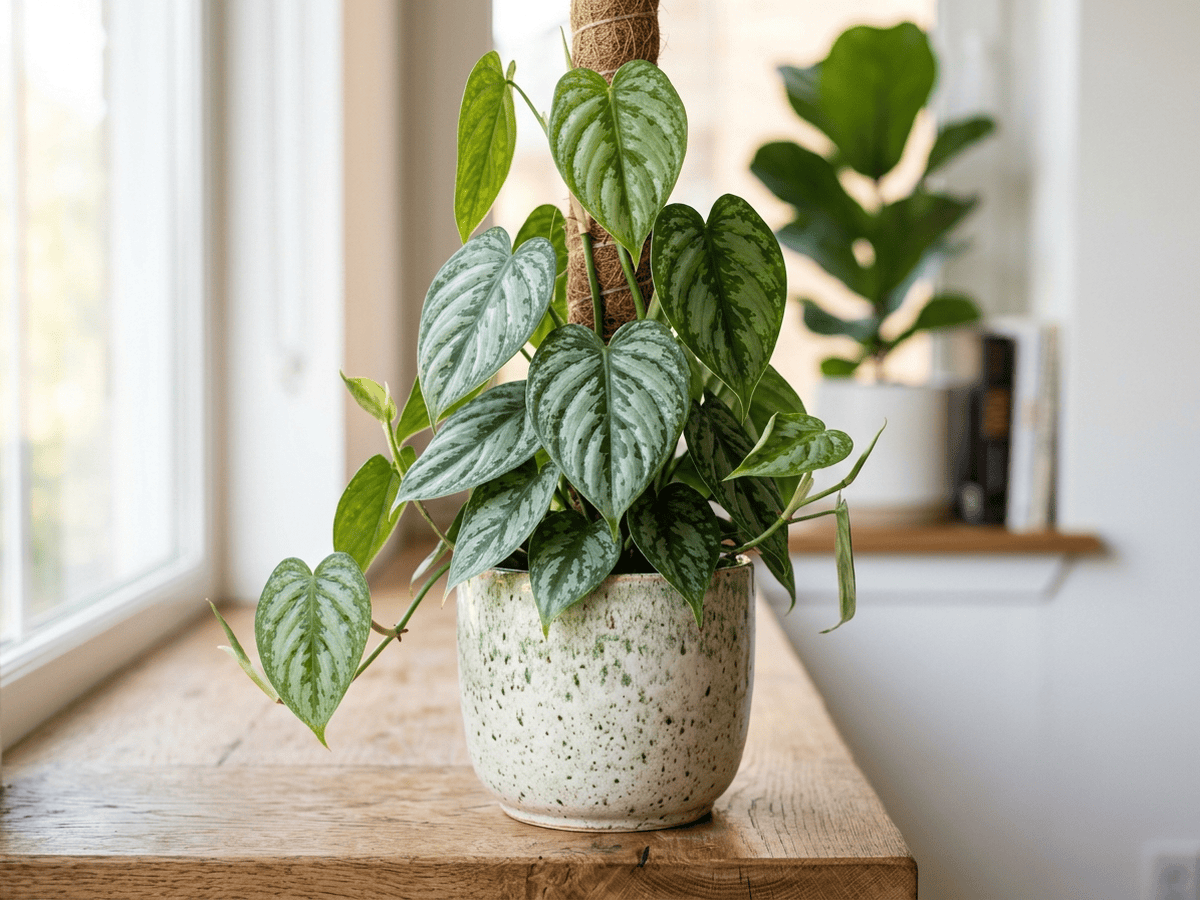 Silver Leaf PhilodendronPhilodendron brandtianum
 PhilodendronPhilodendron brasil
 Blushing PhilodendronPhilodendron erubescens
Plants with similar care
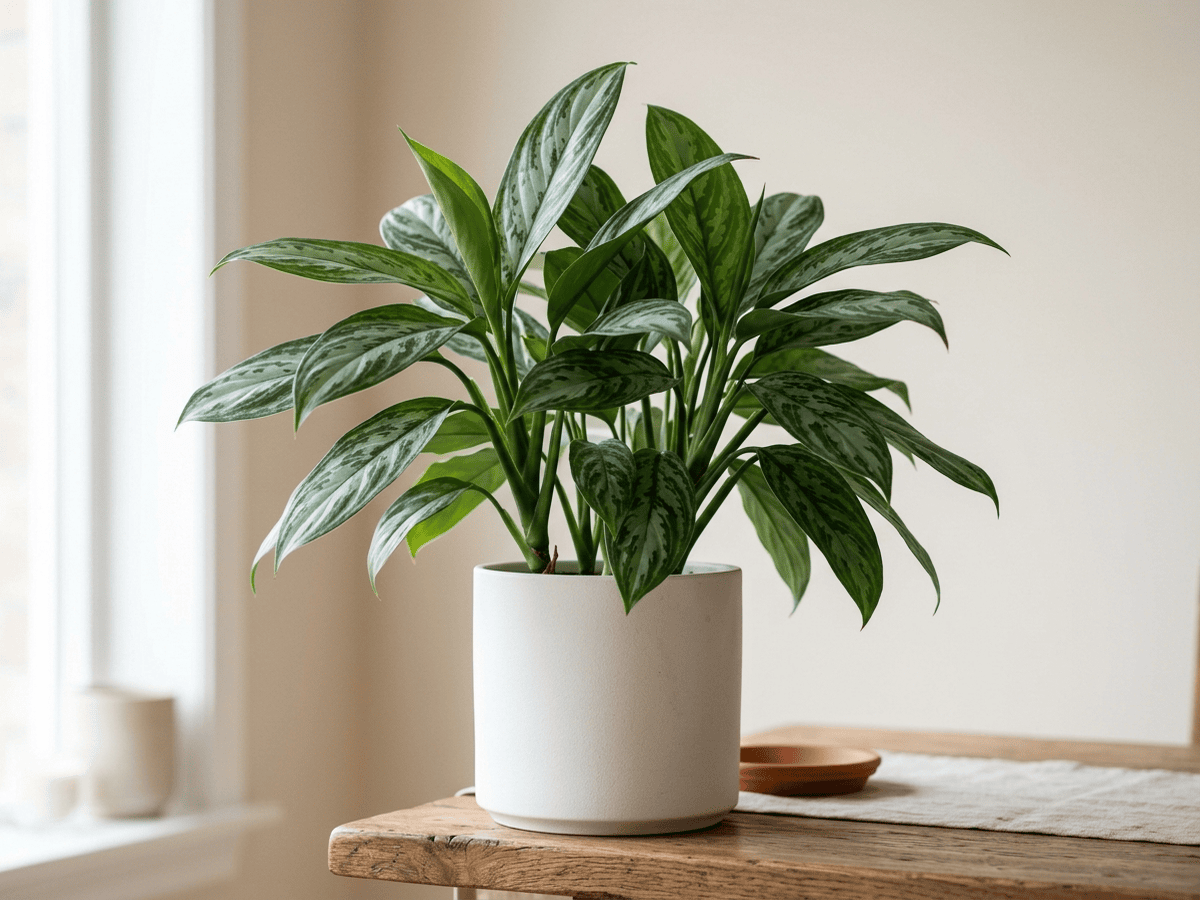 Philippine EvergreenAglaonema commutatum
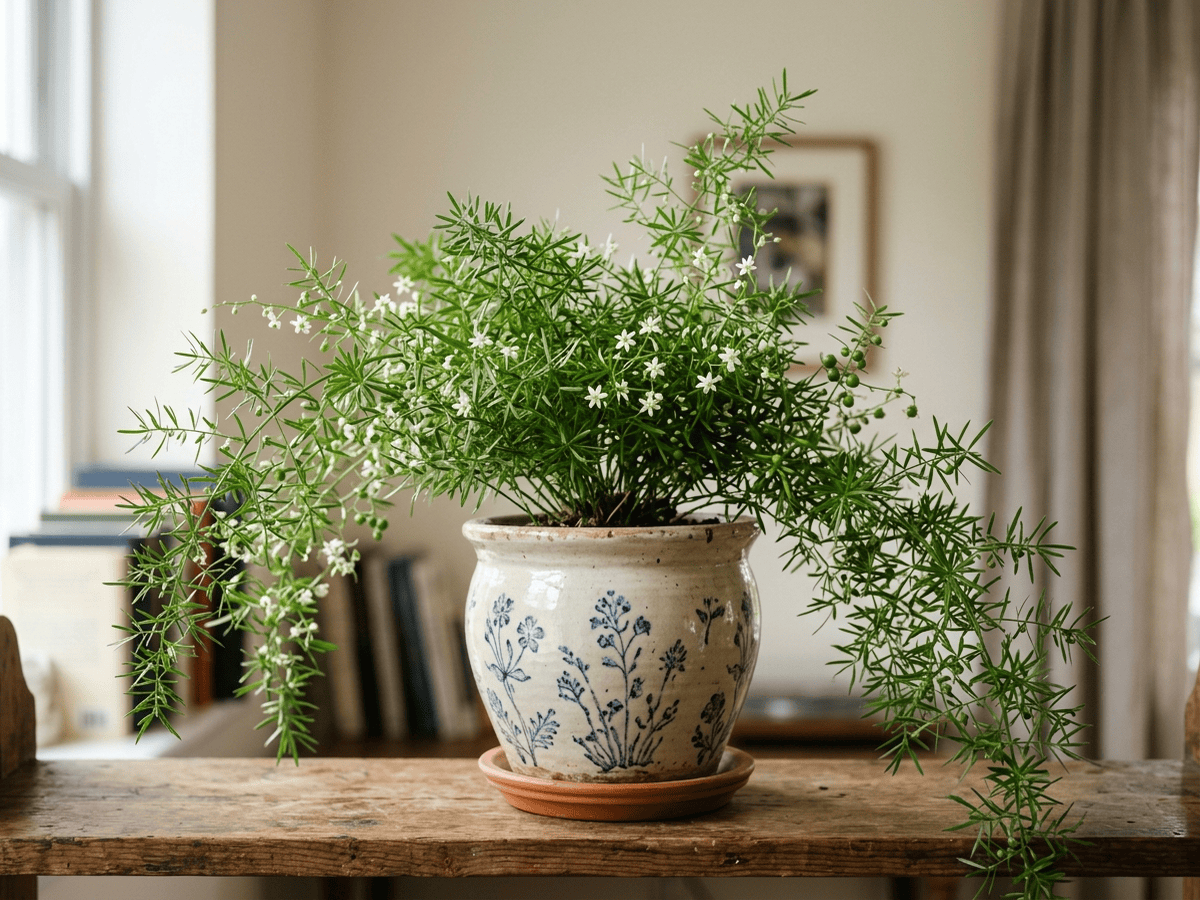 Sprenger's AsparagusAsparagus densiflorus
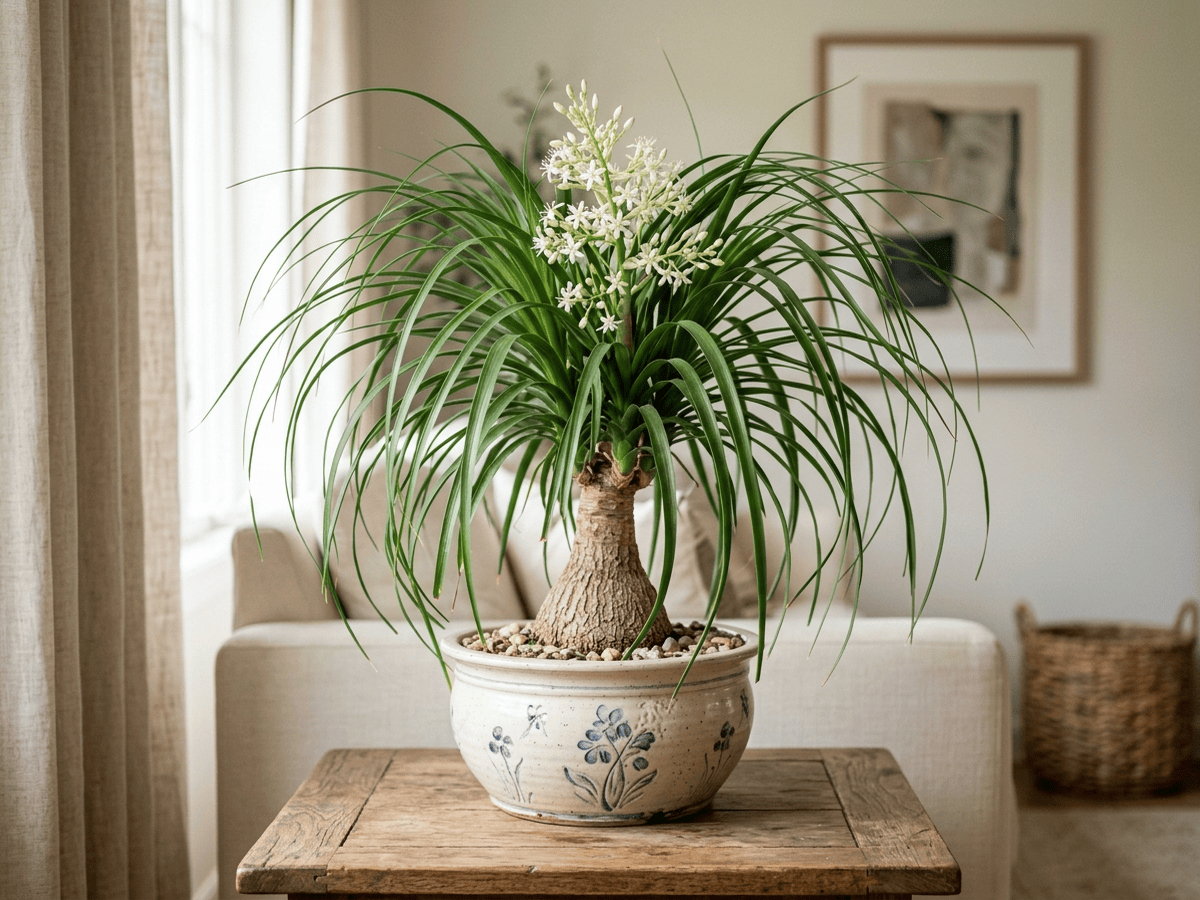 Ponytail PalmBeaucarnea recurvata
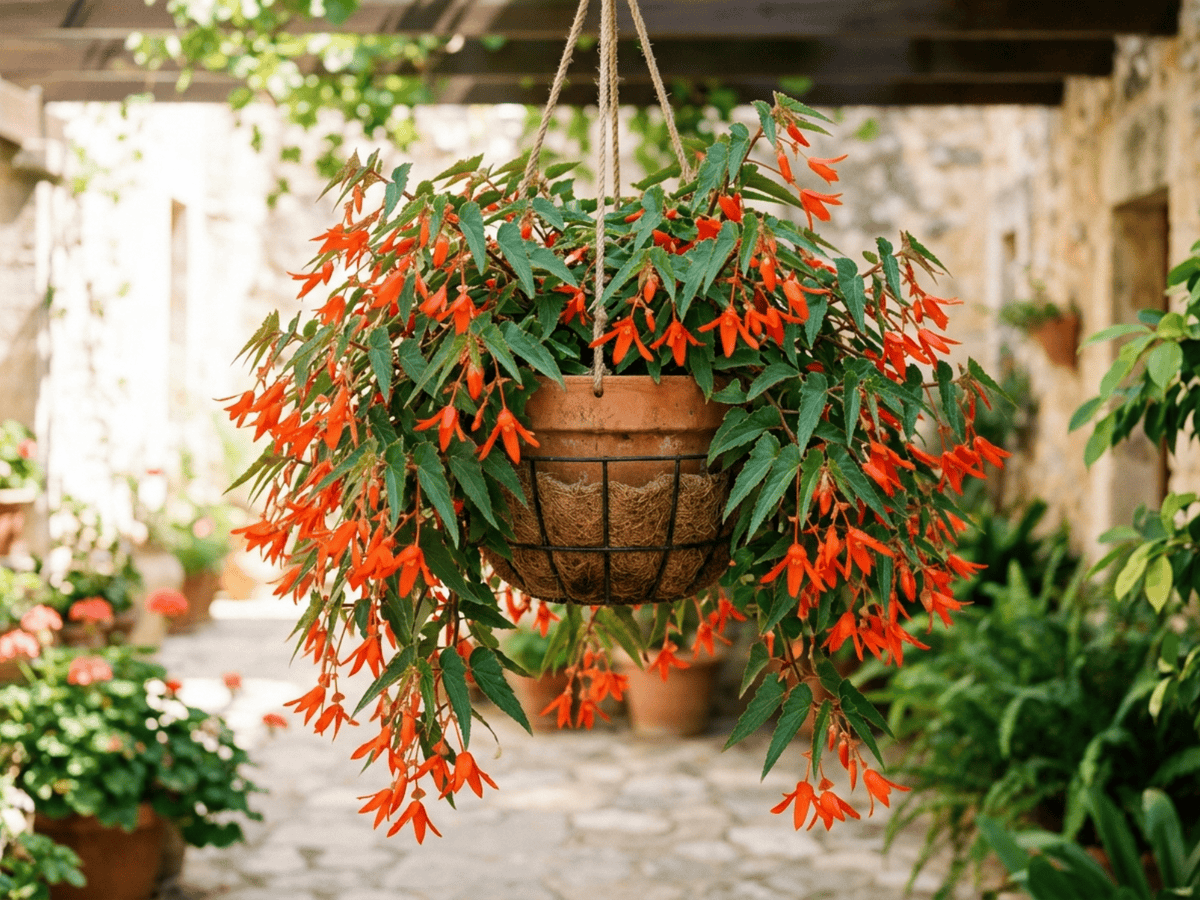 Tuberous BegoniaBegonia boliviensis
Frequently asked questions
How often should I water Heart-Leaf Philodendron?
In summer, water about every 5 days; in winter, about every 14 days. Adjust for heat, pot size and drainage.
How much light does Heart-Leaf Philodendron need?
Part shade: 2–4 hrs direct. Watch the leaves — scorching or stretching means the light needs adjusting.
Is Heart-Leaf Philodendron toxic to cats or dogs?
Pets Moderate (Dogs Moderate · Cats Moderate) Educational information, not medical or veterinary advice. If exposure is suspected, contact a doctor or veterinarian.
Is Heart-Leaf Philodendron easy to grow?
Yes — it is considered an easy, beginner-friendly plant.
Can Heart-Leaf Philodendron be grown indoors?
Yes, it adapts well to indoor growing given the right light.
When does Heart-Leaf Philodendron bloom?
It typically blooms Jun–Aug in the Northern Hemisphere.
YardMate
Identify any plant in seconds
Snap a photo — YardMate names the plant, diagnoses problems, and reminds you when to water.
Download on the App Store