 YardMate
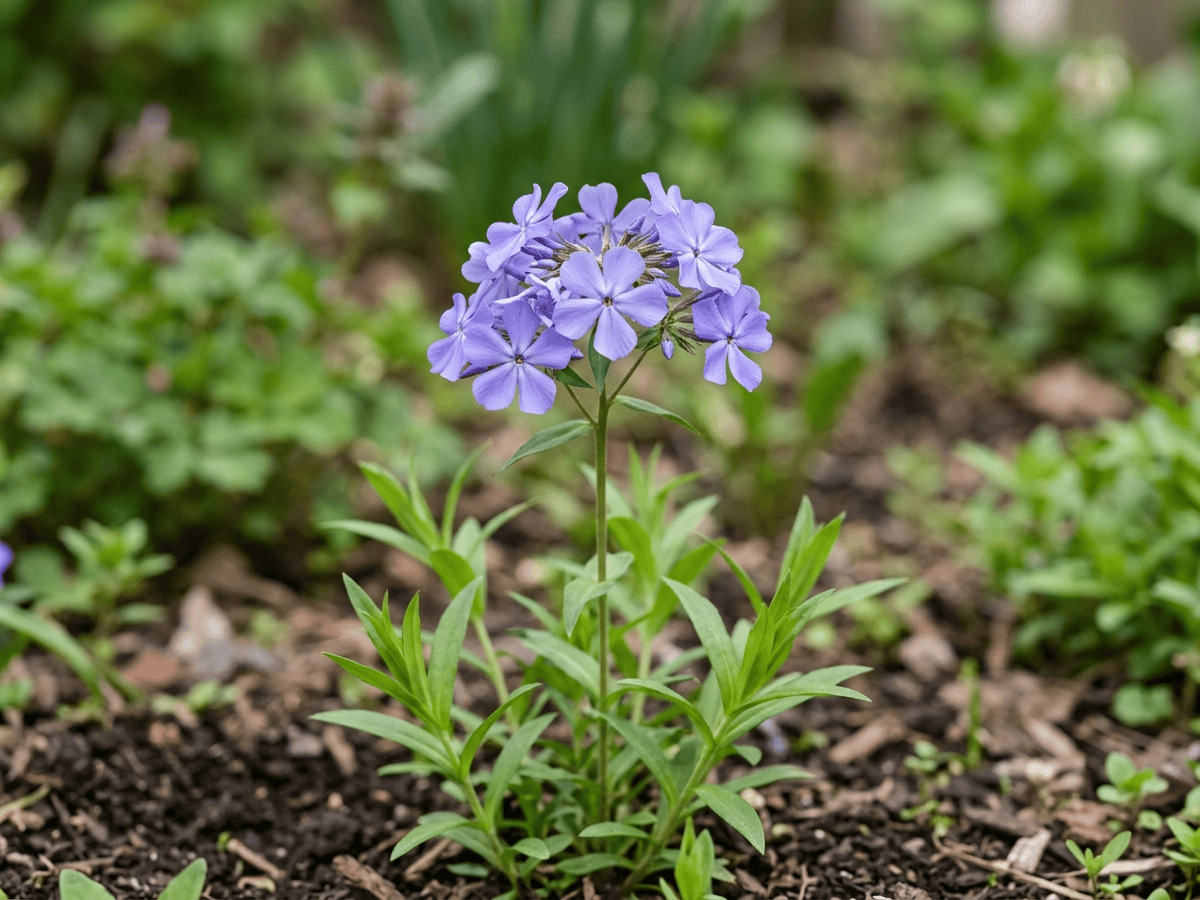


Blue Phlox
Phlox divaricata
Easy · Beginner friendlyAbout Blue Phlox
Woodland Phlox is an eastern North American native perennial reaching 12-15 inches tall with loose clusters of fragrant blue to lavender flowers rising above semi-evergreen foliage in spring. Native to woodlands and stream banks across the eastern US, it naturalizes beautifully in shade gardens. A favorite of spring butterflies and early-emerging bumblebees, and the ancestor of many garden phlox cultivars.
- Fragrant
- Native
- Pollinator-friendly
How to care for Blue Phlox
Watering
- Springevery 5 days
- Summerevery 3 days
- Fallevery 7 days
- Winterevery 14 days
Soil · Well-draining
- Top dressingPine bark mulch10%
- Main mixPotting soil + perlite 2:170%
- DrainageLECA / gravel20%
Never skip the drainage layer — standing water is the top cause of root rot.
FERTILIZER
- Springevery 30 days
At a Glance
- NativeNorth America
- Height0.8–1.5 ft (0.2–0.5 m)
- Spread1–1.5 ft (0.3–0.5 m)
- Flower colorBlue, Purple, White, Pink
- Foliage colorGreen
- SoilLoamy, Moisture-retentive, Rich
- LocationsYard
Bloom time
BLOOM CYCLE
Peak bloom
Apr–May
Fragrant blue-lavender flowers April to May
Fragrance
MODERATE FRAGRANCE
Sweet violet-like fragrance, strongest in the evening.
Toxicity
Pets Safe
None reported
Not reported
EXPOSURE No exposure route is reported.
EFFECT No toxic effect is reported.
NOTE No human toxicity is reported in this catalog; avoid eating ornamental plants unless confirmed edible.
Safe
EXPOSURE No exposure route is reported.
EFFECT No toxic effect is reported.
NOTE Listed as non-toxic for dogs; avoid eating ornamental plants unless confirmed edible.
Safe
EXPOSURE No exposure route is reported.
EFFECT No toxic effect is reported.
NOTE Listed as non-toxic for cats; avoid eating ornamental plants unless confirmed edible.
Educational information, not medical or veterinary advice. If exposure is suspected, contact a doctor or veterinarian.
DISTRIBUTION


- Native
- Introduced
- North America
History

Phlox divaricata occurs naturally throughout eastern and central North America from Quebec and New England south through Georgia and west to Minnesota and east Texas, typically in rich deciduous woodlands, floodplains, and shaded slopes. Linnaeus described the species in Species Plantarum (1753), the epithet divaricata meaning spreading or divergent for the widely branching inflorescence. The 30-40 cm plant produces loose clusters of 2-3 cm flowers in shades of pale lavender-blue to sky blue (occasionally white or pink) in April and May with a sweet fragrance reminiscent of violets.
Two subspecies are recognized: subsp. divaricata (eastern, with notched petal tips) and subsp. laphamii (midwestern, with unnotched petals and often deeper violet-blue). Cultivars include 'Blue Moon' (extra dark blue), 'Clouds of Perfume' (fragrant lavender), 'Fuller's White', 'May Breeze' (icy blue-white), and 'Montrose Tricolor' (variegated foliage).
One of the most enchanting North American spring wildflowers, forming rolling carpets under deciduous forest canopies. Cultivated by Thomas Jefferson at Monticello. Cultivars 'Blue Moon', 'May Breeze', and 'Louisiana Purple' extend the color range while retaining native character.
Symbolism & meaning
What It Symbolizes
Woodland Phlox holds sweet dreams in spring fragrance, its pale blue clouds drifting through eastern American forests in April and May with a perfume that reaches further than its flowers. It is native spirit at its most quintessential — a wildflower that defines what a Piedmont woodland in spring should smell like. It is the dream you only half remember, growing wild between trillium and mayapple.
- Sweet dreams — fragrance drifts through spring woodlands
- Native spirit — a quintessential eastern US wildflower
Where the Name Comes From
'Phlox' from Greek for flame; 'divaricata' means spreading or branching widely.
Uses & Fun Facts
- Loose blue clusters perfume spring woodland gardens softly
- Tubular flowers feed early butterflies and long-tongued bees
- Native semi-evergreen mats spread under deciduous trees
Related plants
More Phlox plants
 Thickleaf PhloxPhlox carolina
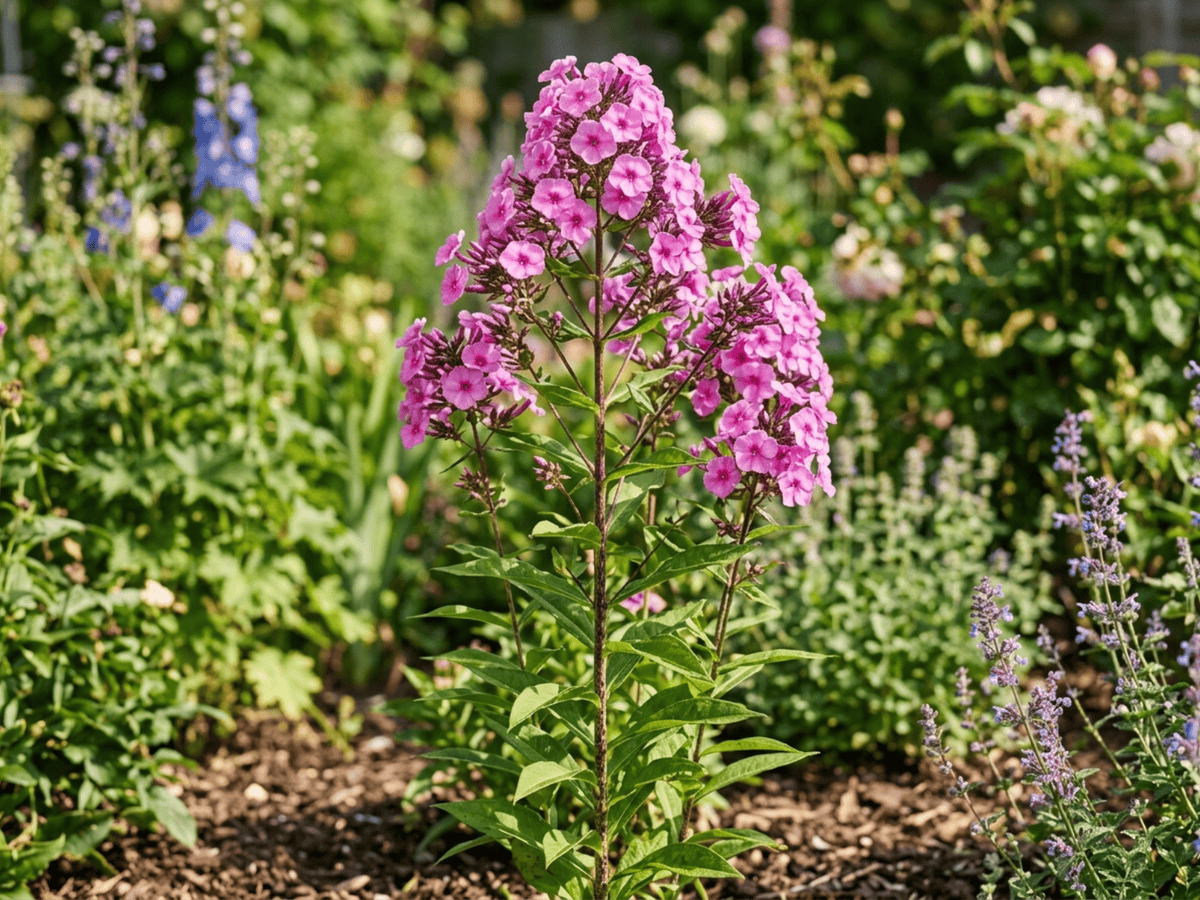 Wild SweetwilliamPhlox maculata
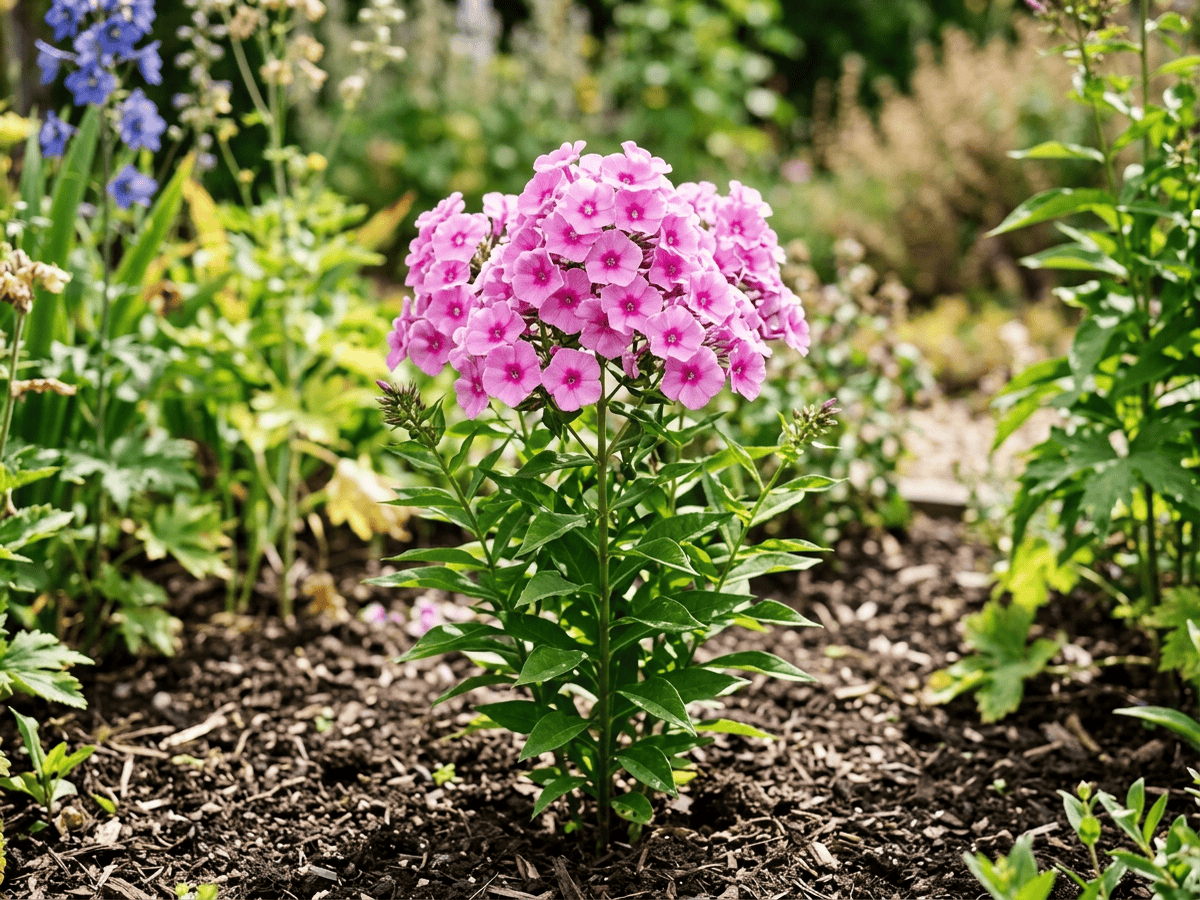 Fall PhloxPhlox paniculata
 Prairie PhloxPhlox pilosa
Plants with similar care
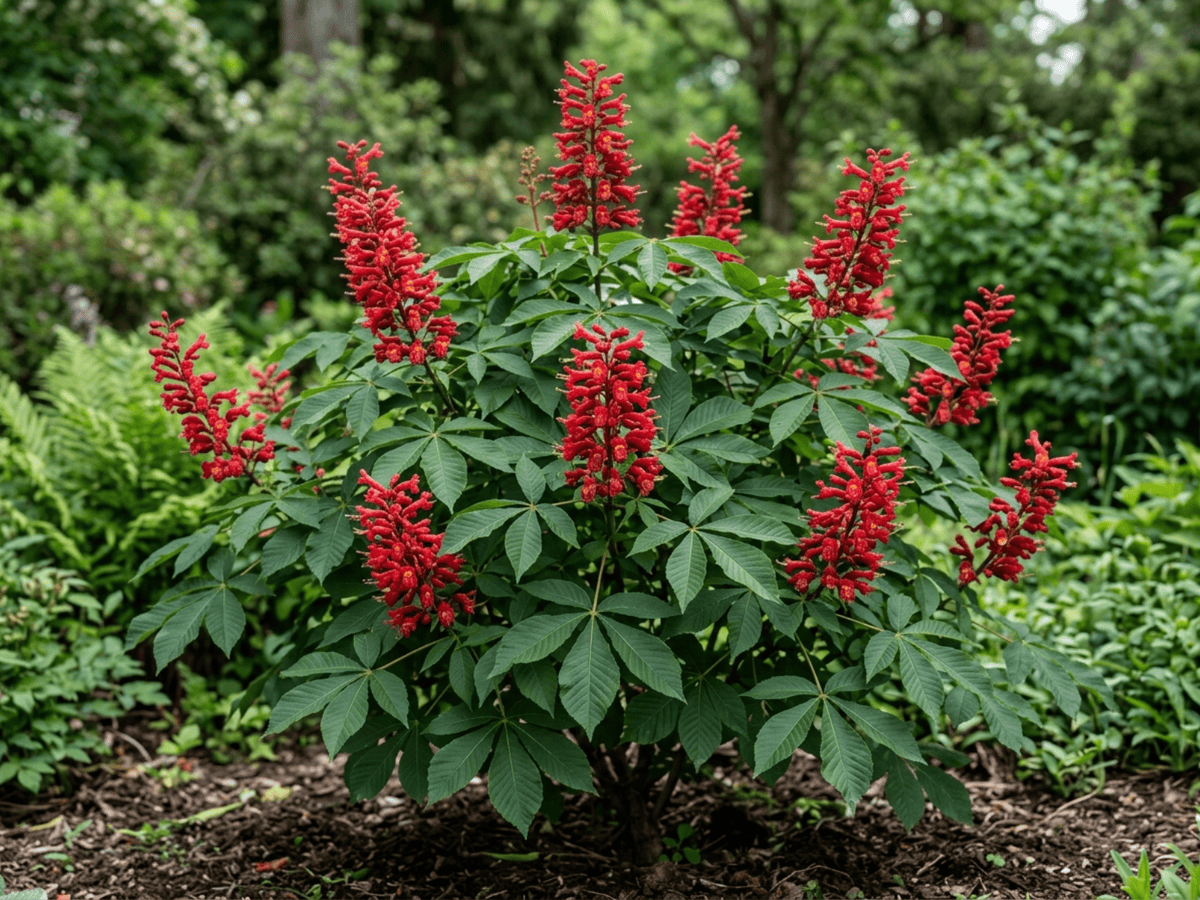 Red BuckeyeAesculus pavia
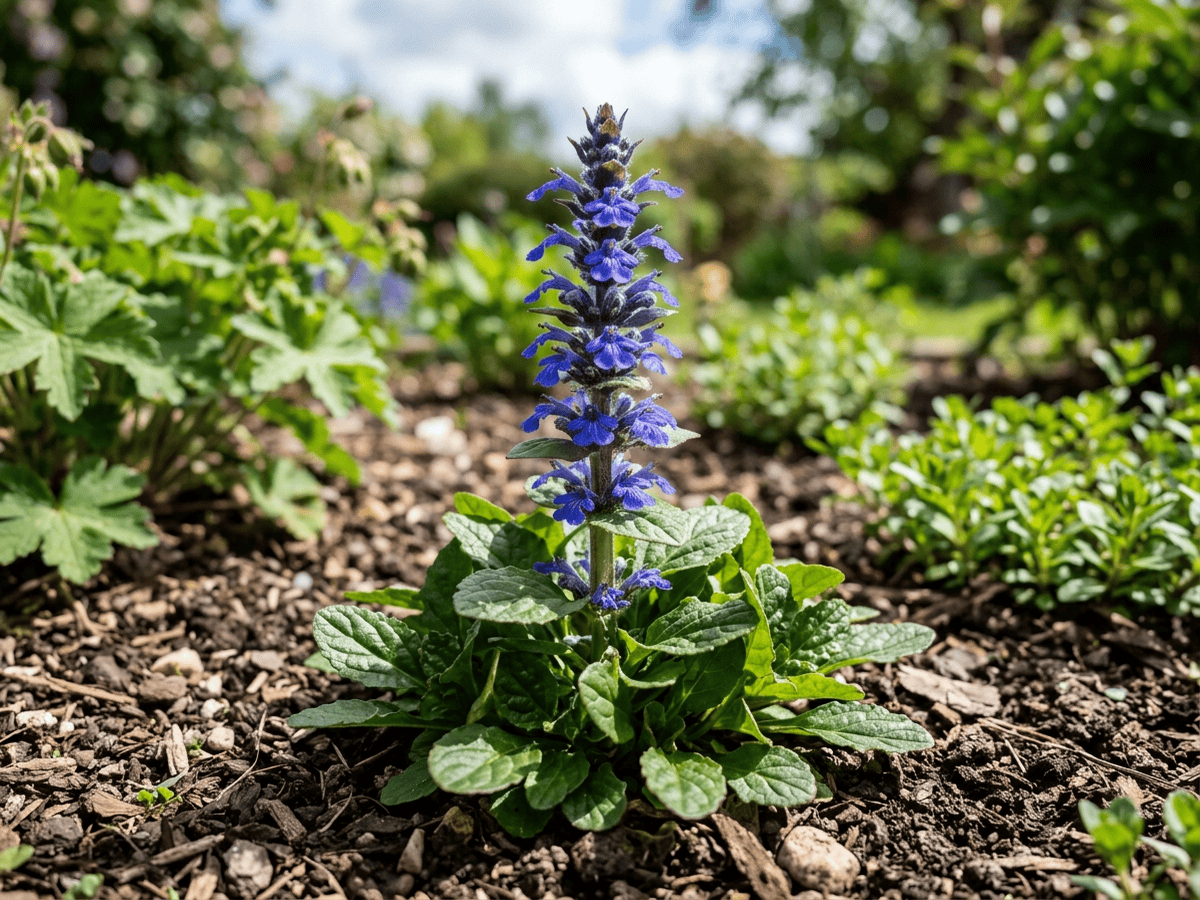 Blue BugleAjuga genevensis
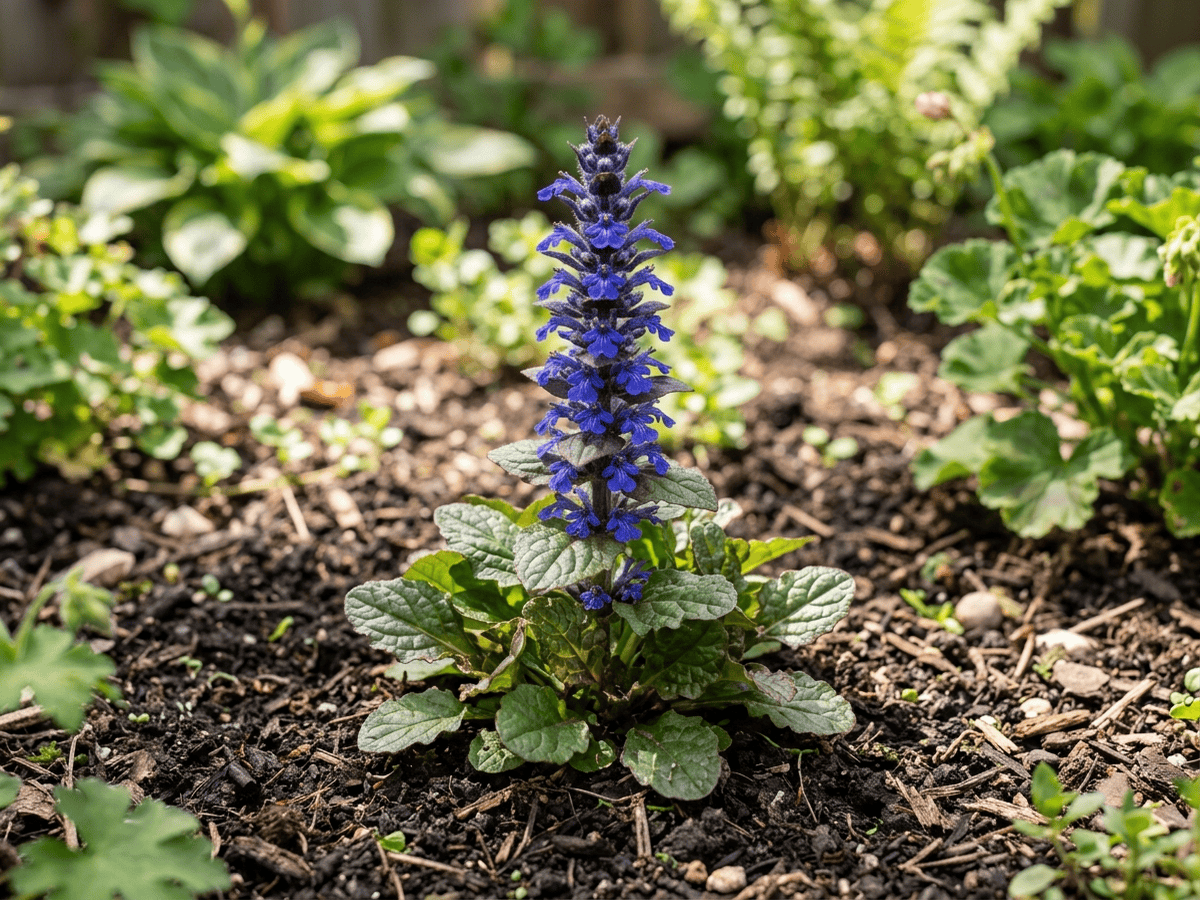 Pyramidal BugleAjuga pyramidalis
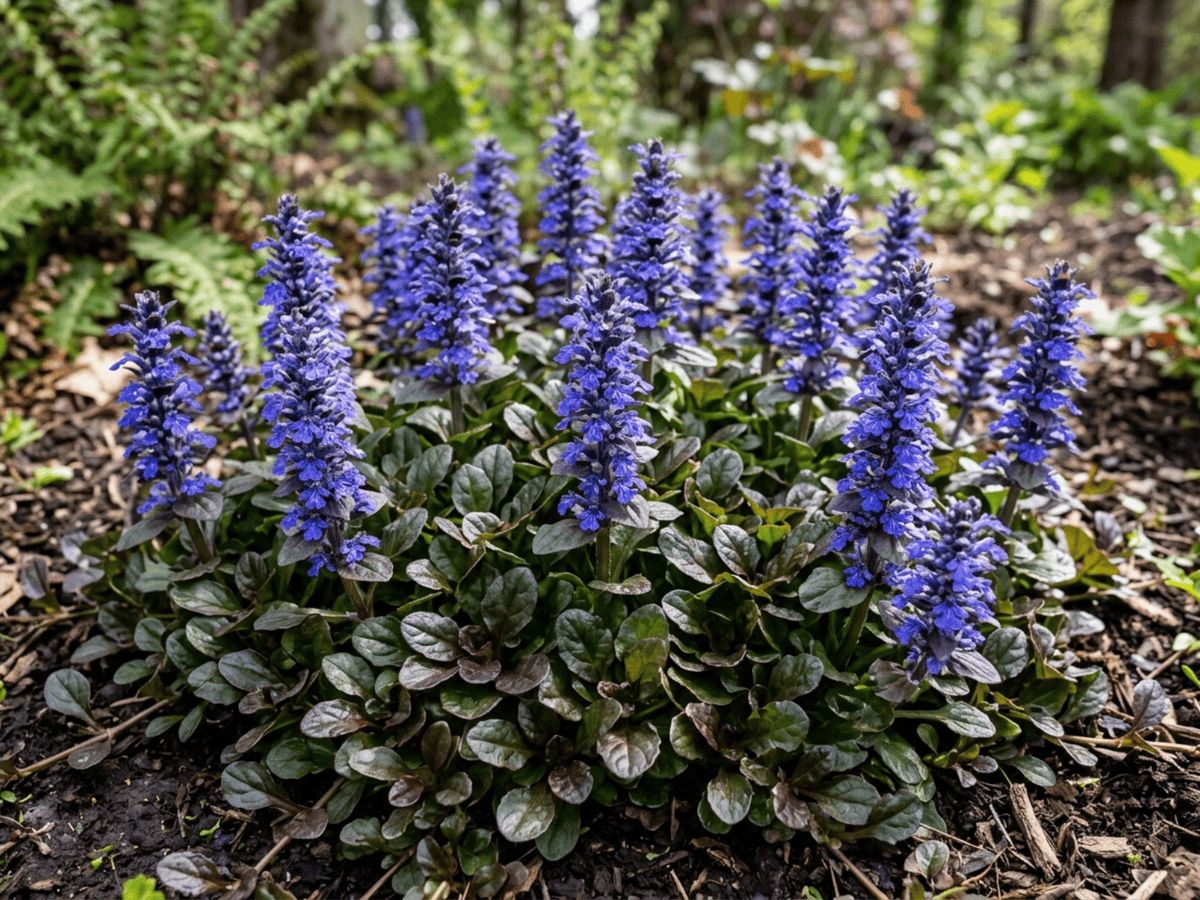 Carpet BugleAjuga reptans
Frequently asked questions
How often should I water Blue Phlox?
In summer, water about every 3 days; in winter, about every 14 days. Adjust for heat, pot size and drainage.
How much light does Blue Phlox need?
Part shade: 2–4 hrs direct. Watch the leaves — scorching or stretching means the light needs adjusting.
Is Blue Phlox toxic to cats or dogs?
Pets Safe (Dogs Safe · Cats Safe) Educational information, not medical or veterinary advice. If exposure is suspected, contact a doctor or veterinarian.
Is Blue Phlox easy to grow?
Yes — it is considered an easy, beginner-friendly plant.
When does Blue Phlox bloom?
It typically blooms Apr–May in the Northern Hemisphere.
YardMate
Identify any plant in seconds
Snap a photo — YardMate names the plant, diagnoses problems, and reminds you when to water.
Download on the App Store