 YardMate


Thickleaf Phlox
Phlox carolina
Easy · Beginner friendlyAbout Thickleaf Phlox
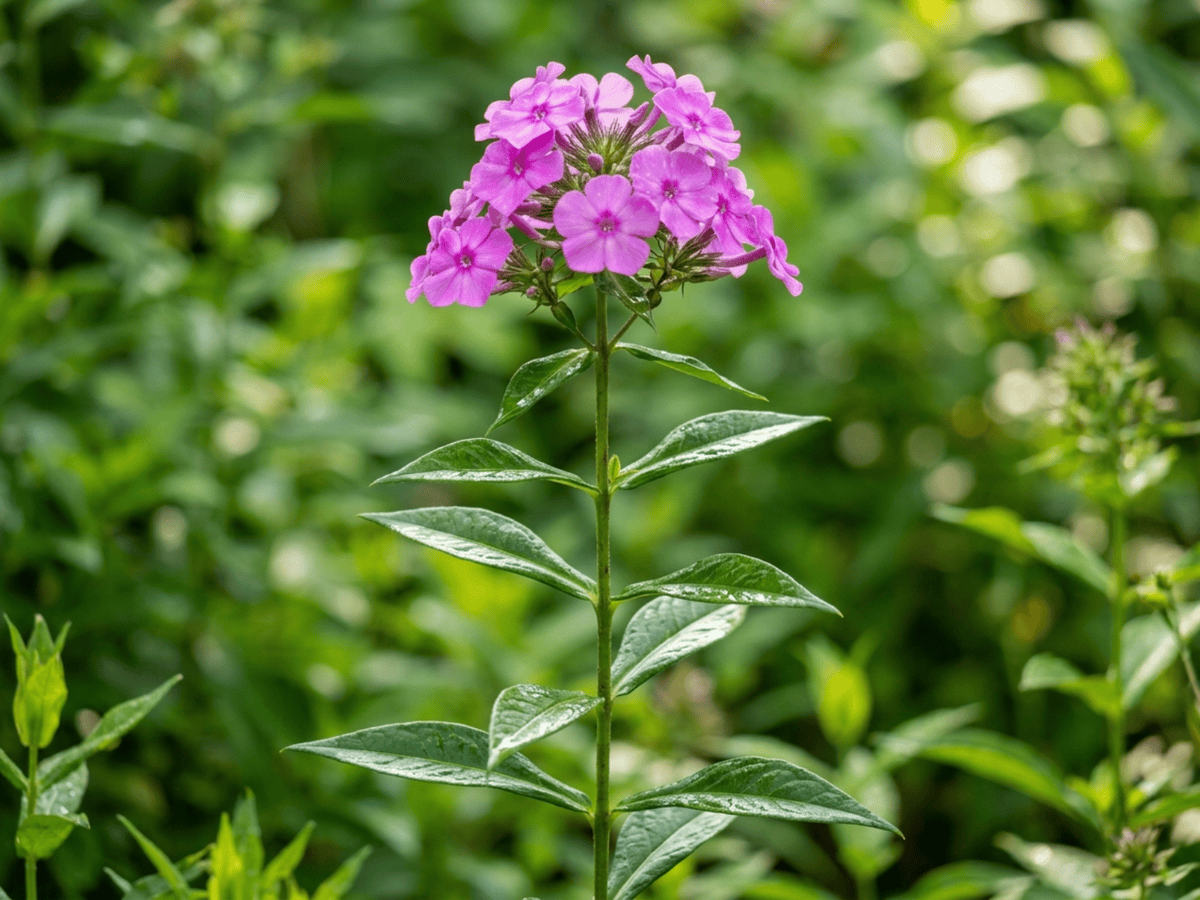
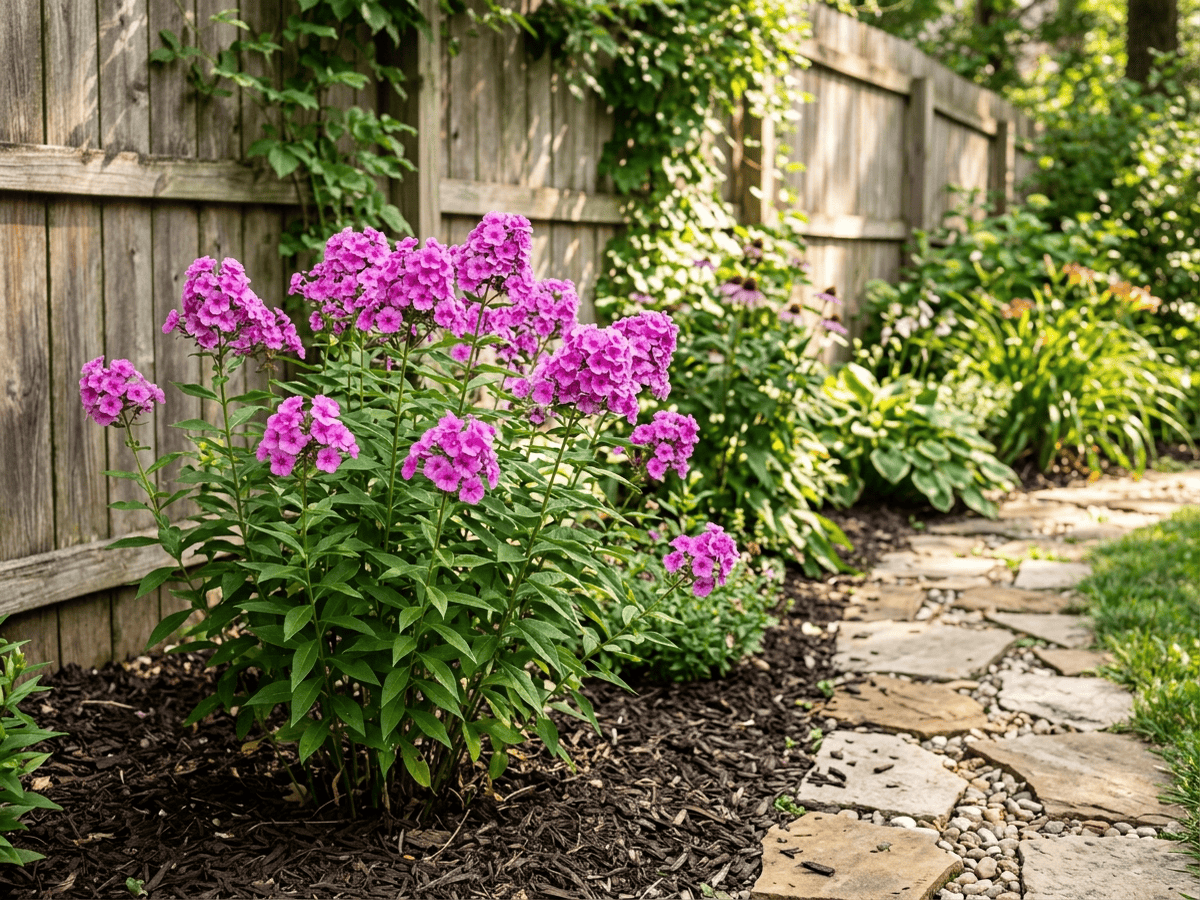
Thick-leaf Phlox is a native perennial of the southeastern US, 2–3 feet tall, with glossy thick-textured dark green leaves and clusters of fragrant pink or magenta flowers in early to midsummer. Highly mildew-resistant. 'Miss Lingard' is a classic heirloom white-flowered cultivar popular in American Southern heritage gardens since the early 1900s. Hardy zones 4–9.
- Fragrant
- Deer-resistant
- Native
- Pollinator-friendly
How to care for Thickleaf Phlox
Watering
- Springevery 4 days
- Summerevery 3 days
- Fallevery 5 days
- Winterpause watering
Soil · Well-draining
- Top dressingPine bark mulch10%
- Main mixPotting soil + perlite 2:170%
- DrainageLECA / gravel20%
Never skip the drainage layer — standing water is the top cause of root rot.
FERTILIZER
Balanced Feed 14-14-14
An even feed covers all three needs at once, keeping leaves, roots and blooms moving together with nothing pushed out of balance.
- Nitrogen · Leaves
- Phosphorus · Roots + Blooms
- Potassium · Strength
- Springevery 30 days
- Summerevery 30 days
At a Glance
- NativeNorth America
- Height2–3 ft (0.6–0.9 m)
- Spread1.5–2 ft (0.5–0.6 m)
- Flower colorPink, White, Purple
- Foliage colorGreen
- SoilRich, Loamy, Well-drained
- LocationsYard
Bloom time
BLOOM CYCLE
Peak bloom
Jul
Fragrant pink clusters early to midsummer
Fragrance
MODERATE FRAGRANCE
The flowers have a sweet scent.
Toxicity
No toxicity has been reported for this plant. Still, it is wise to keep pets from chewing on any houseplant.
Educational information, not medical or veterinary advice. If exposure is suspected, contact a doctor or veterinarian.
DISTRIBUTION


- Native
- North America
History
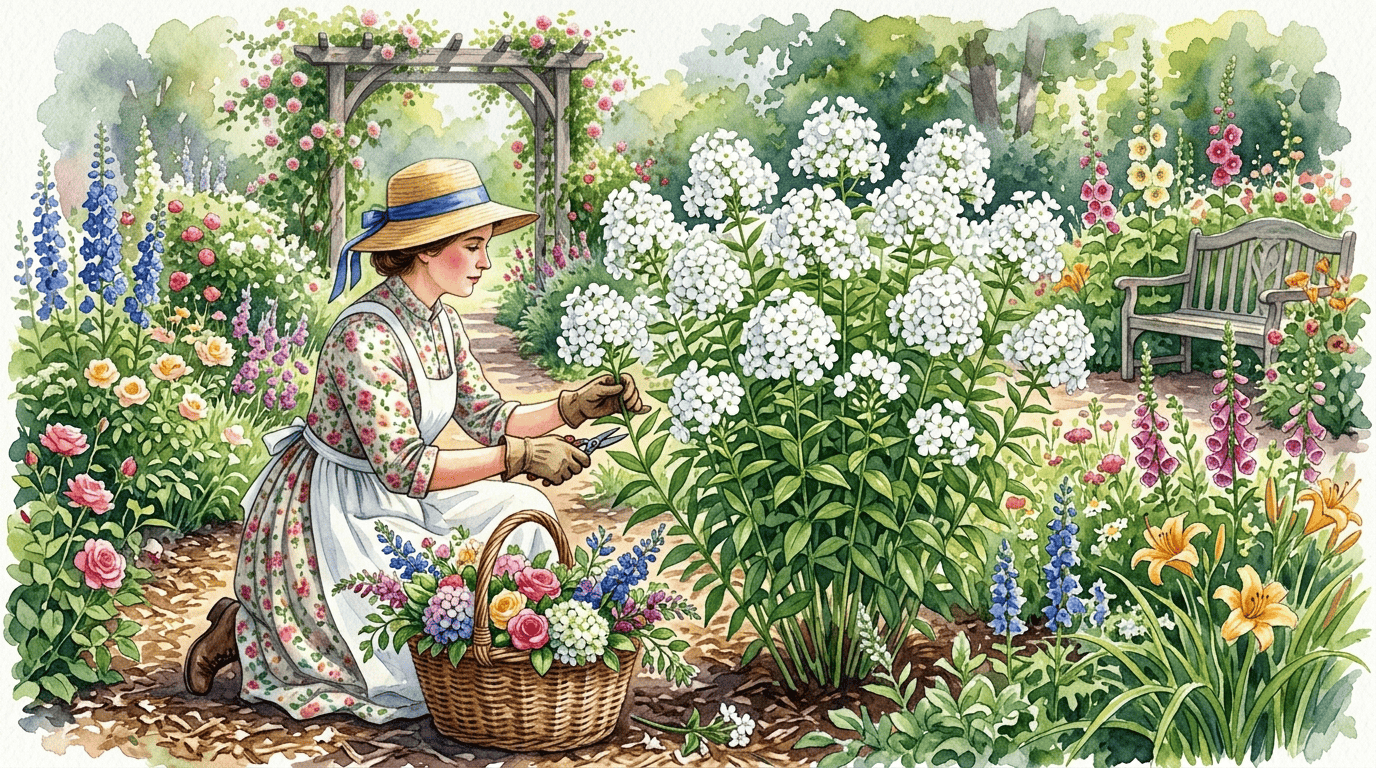
Phlox carolina ranges across the southeastern United States from Maryland through Florida and west to Mississippi. Linnaeus formally published the name in 1762 based on North American material, though the species was known to colonial botanists including John Bartram. The historic cultivar 'Miss Lingard', introduced around 1900 from Amos Lingard's Philadelphia nursery, features pure white flowers and has remained continuously in cultivation for over a century—making it one of the oldest commercial phlox cultivars still grown.
'Miss Lingard' is notably mildew-resistant and was a key plant in Gertrude Jekyll-style border design. Modern selections like 'Magnificence' and the Bill Baker strains continue to produce garden-worthy cultivars from this species. Native from Maryland to Mississippi, widely naturalized in Southern gardens. 'Miss Lingard' was introduced in the 1890s and remains a treasured heirloom in Southern American heritage gardens a century later.
Symbolism & meaning
What It Symbolizes
Thickleaf Phlox carries sweetness in its gentle Southern perfume, drifting through humid summer gardens with old-fashioned charm. Southern heritage anchors it — the cultivar 'Miss Lingard' has been beloved since the 1890s, a white-flowered staple of porches, churchyards, and inherited borders. Its meaning is the quiet continuity of a regional flower passed gardener to gardener, scenting the same warm evenings across more than a century.
- Sweetness — gentle perfume in Southern gardens
- Southern heritage — 'Miss Lingard' beloved since 1890s
Where the Name Comes From
Genus means 'flame'; 'carolina' for its Carolinas origin.
Uses & Fun Facts
- Pink phlox panicles carry sweet summer fragrance
- Tubular flowers attract butterflies hummingbirds and hawkmoths
- Sturdy stems prized in summer cottage bouquets
Related plants
More Phlox plants
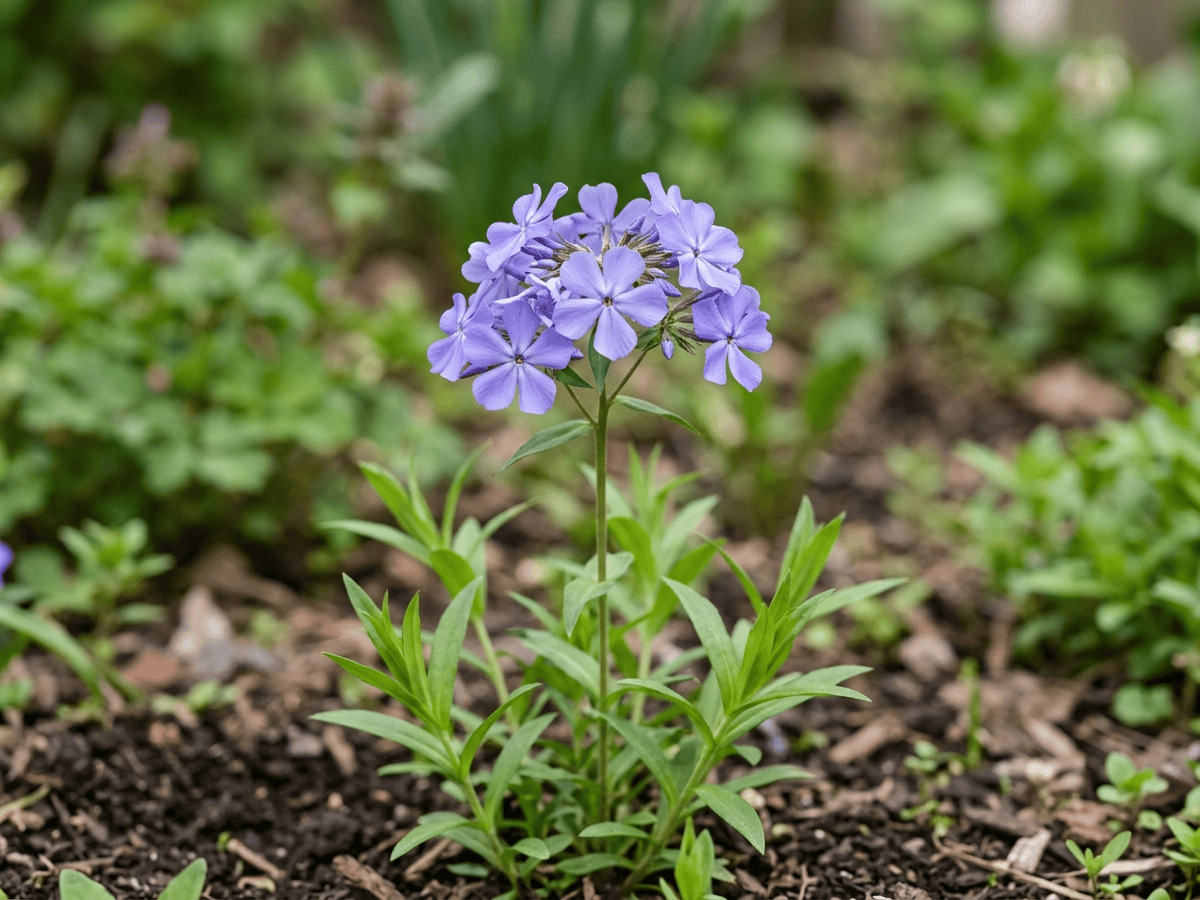 Blue PhloxPhlox divaricata
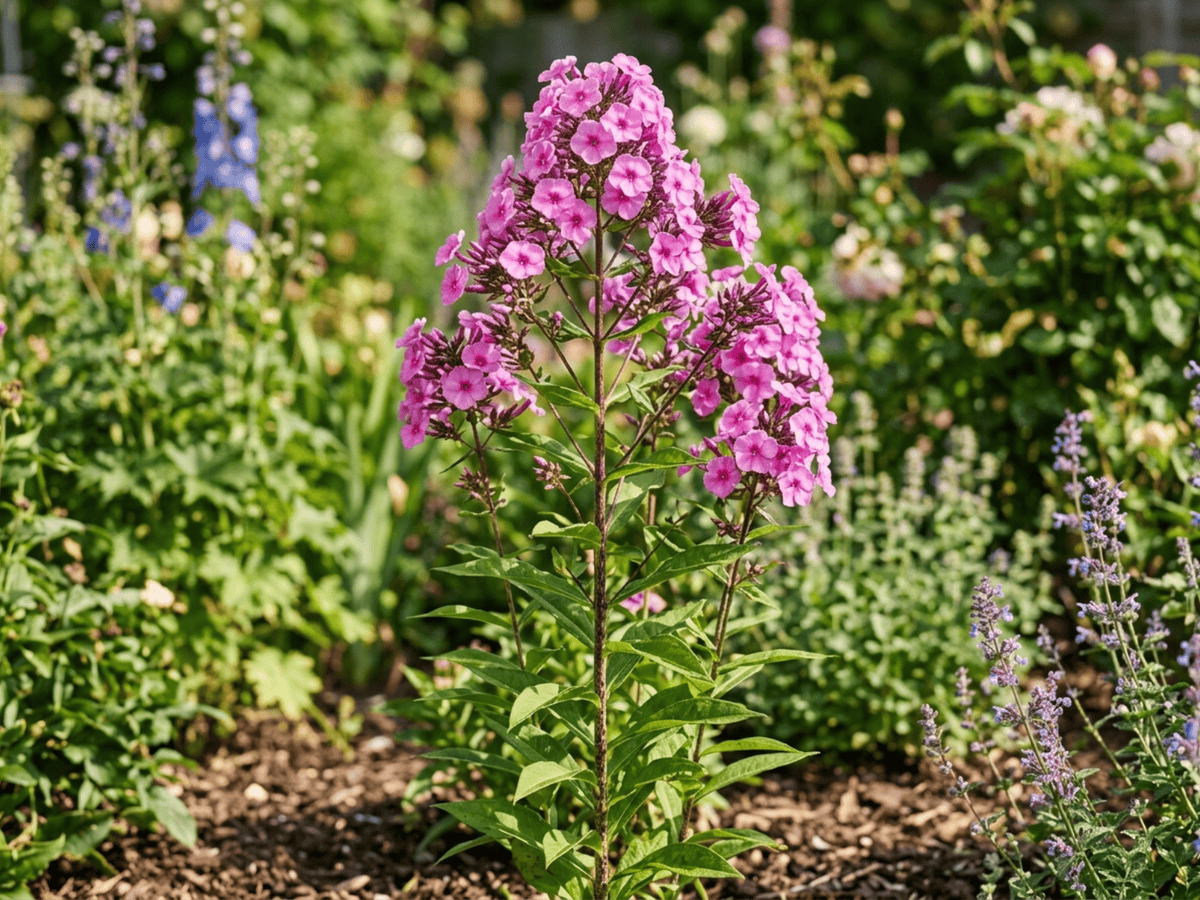 Wild SweetwilliamPhlox maculata
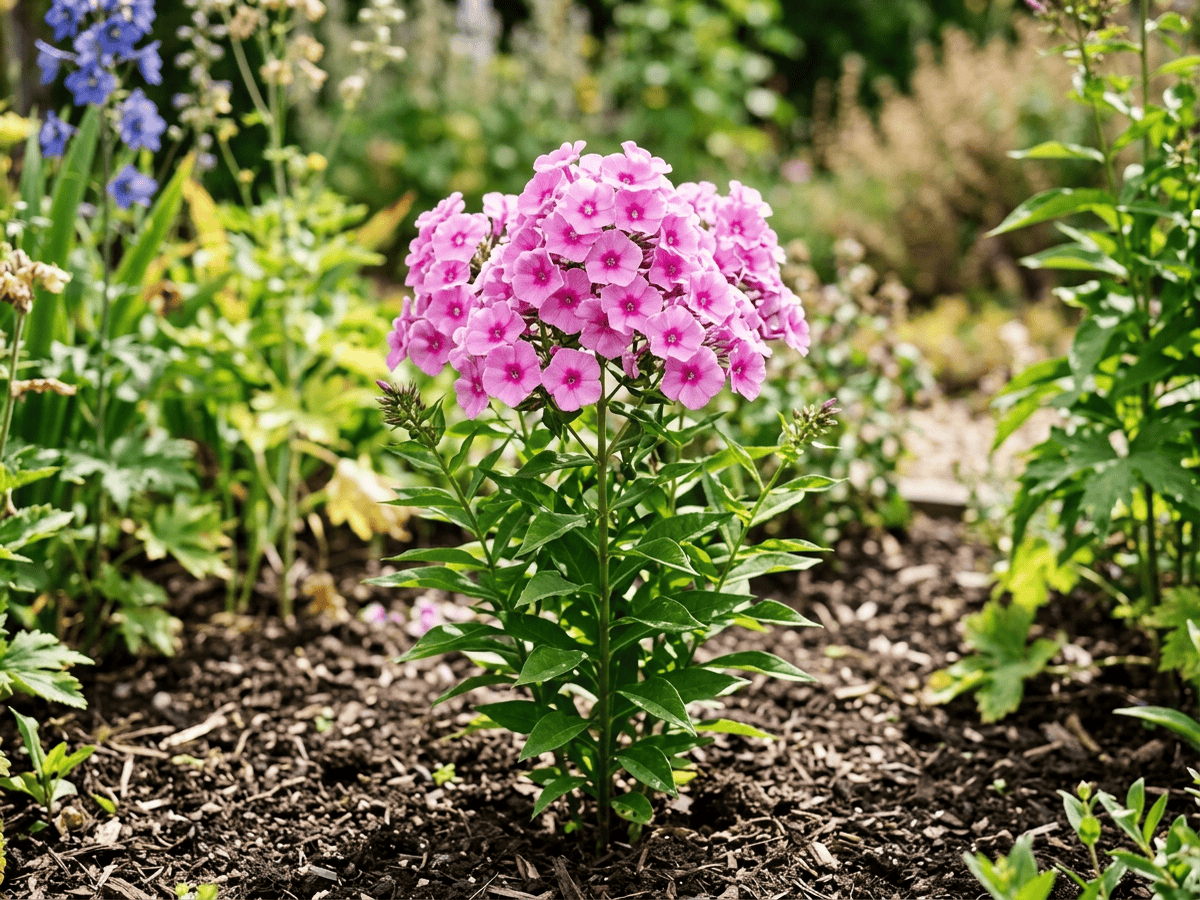 Fall PhloxPhlox paniculata
 Prairie PhloxPhlox pilosa
Plants with similar care
 Chinese AbeliaAbelia chinensis
 Fragrant AbeliaAbelia mosanensis
 Large-Flowered AbeliaAbelia uniflora
 Glossy AbeliaAbelia x grandiflora
Frequently asked questions
How often should I water Thickleaf Phlox?
Water about every 4 days during the growing season, and always let excess water drain away.
How much light does Thickleaf Phlox need?
Full sun: 6+ hrs direct. Watch the leaves — scorching or stretching means the light needs adjusting.
Is Thickleaf Phlox toxic to cats or dogs?
No toxicity has been reported for this plant. Still, it is wise to keep pets from chewing on any houseplant. Educational information, not medical or veterinary advice. If exposure is suspected, contact a doctor or veterinarian.
Is Thickleaf Phlox easy to grow?
Yes — it is considered an easy, beginner-friendly plant.
When does Thickleaf Phlox bloom?
It typically blooms Jul in the Northern Hemisphere.
YardMate
Identify any plant in seconds
Snap a photo — YardMate names the plant, diagnoses problems, and reminds you when to water.
Download on the App Store