 YardMate


Prairie Phlox
Phlox pilosa
Easy · Beginner friendlyAbout Prairie Phlox
Prairie Phlox is an eastern North American native perennial wildflower producing clusters of fragrant pink to pale lavender flowers on upright stems in late spring. Growing 12 to 24 inches tall with narrow lance-shaped leaves, it forms spreading colonies in prairies, meadows, and open woodlands across the central and eastern US. An excellent native pollinator and hummingbird plant for American meadow gardens.
- Fragrant
- Drought-tolerant
- Deer-resistant
- Native
How to care for Prairie Phlox
Watering
- Springevery 7 days
- Summerevery 5 days
- Fallevery 10 days
- Winterevery 14 days
Soil · Well-draining
- Top dressingPine bark mulch10%
- Main mixPotting soil + perlite 2:170%
- DrainageLECA / gravel20%
Never skip the drainage layer — standing water is the top cause of root rot.
FERTILIZER
- Springevery 60 days
At a Glance
- NativeNorth America
- Height1–2 ft (0.3–0.6 m)
- Spread1–1.5 ft (0.3–0.5 m)
- Flower colorPink, Purple, White
- Foliage colorGreen
- SoilLoamy, Well-drained
- LocationsYard
Bloom time
BLOOM CYCLE
Peak bloom
May–Jun
Fragrant pink flowers late spring to early summer
Fragrance
LIGHT FRAGRANCE
Sweet light fragrance attracts butterflies.
Toxicity
Pets Safe
None reported
Not reported
EXPOSURE No exposure route is reported.
EFFECT No toxic effect is reported.
NOTE No human toxicity is reported in this catalog; avoid eating ornamental plants unless confirmed edible.
Safe
EXPOSURE No exposure route is reported.
EFFECT No toxic effect is reported.
NOTE Listed as non-toxic for dogs; avoid eating ornamental plants unless confirmed edible.
Safe
EXPOSURE No exposure route is reported.
EFFECT No toxic effect is reported.
NOTE Listed as non-toxic for cats; avoid eating ornamental plants unless confirmed edible.
Educational information, not medical or veterinary advice. If exposure is suspected, contact a doctor or veterinarian.
DISTRIBUTION


- Native
- North America
History
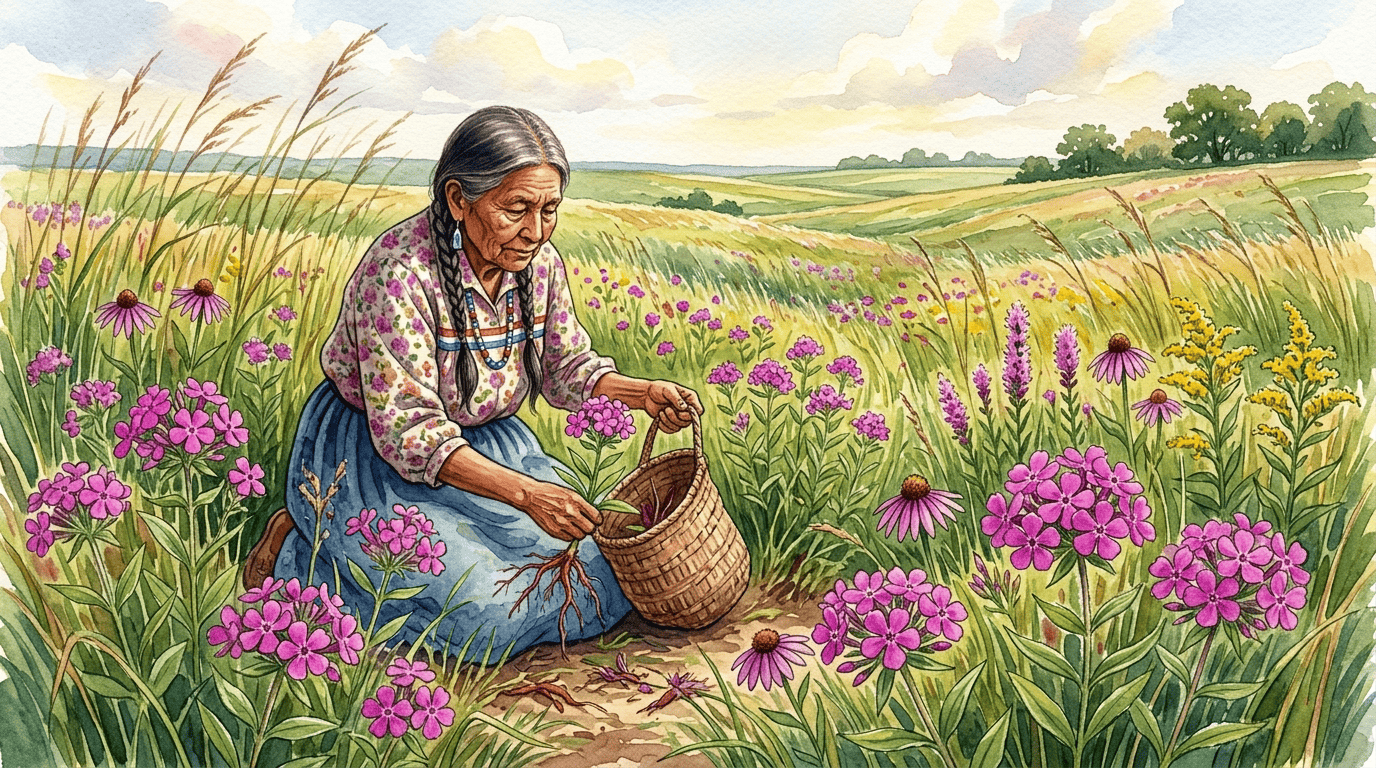
Phlox pilosa, commonly called downy phlox or prairie phlox, is a herbaceous perennial native to prairies, open woodlands, and savannas of eastern and central North America from New York and Ontario south to Florida and west to Texas and South Dakota. Linnaeus described the species in 1753, the epithet pilosa referring to the soft hairs that clothe the stems and leaves. It produces clusters of fragrant five-petaled pink, magenta, or occasionally white flowers atop 40 to 60 centimeter stems in late spring.
Indigenous peoples including the Meskwaki, Menominee, and Ojibwe used root decoctions for eczema, fevers, and as a blood purifier. Butterfly Weed and Prairie Phlox are among the most requested species for Midwest native prairie restoration, combining high pollinator value, long bloom, and tolerance of clay soils.
Native across the eastern and central US from Texas to Wisconsin to Massachusetts.
Symbolism & meaning
What It Symbolizes
Prairie Phlox can symbolize unanimity, the Victorian flower language reading of phlox as a symbol of agreement and shared purpose. Another layer is prairie song, for it is one of the signature wildflowers of the Midwest tallgrass, lifting pink stars above sun-warmed grasses in early summer. In the native garden, phlox pilosa speaks both for the language-of-flowers tradition and for an entire ecosystem, a single plant where Victorian sentiment and prairie ecology happen to meet.
- Unanimity — Victorian flower language for agreement
- Prairie song — signature Midwest prairie wildflower
Where the Name Comes From
'Phlox' from Greek means flame, for bright flower colors; 'pilosa' from Latin means hairy, for the finely hairy foliage.
Uses & Fun Facts
- Prairie phlox flowers carry sweet vanilla scent
- Pink flowers feed swallowtail butterflies and skippers
- Native Prairie Phlox brightens meadow plantings
Related plants
More Phlox plants
 Thickleaf PhloxPhlox carolina
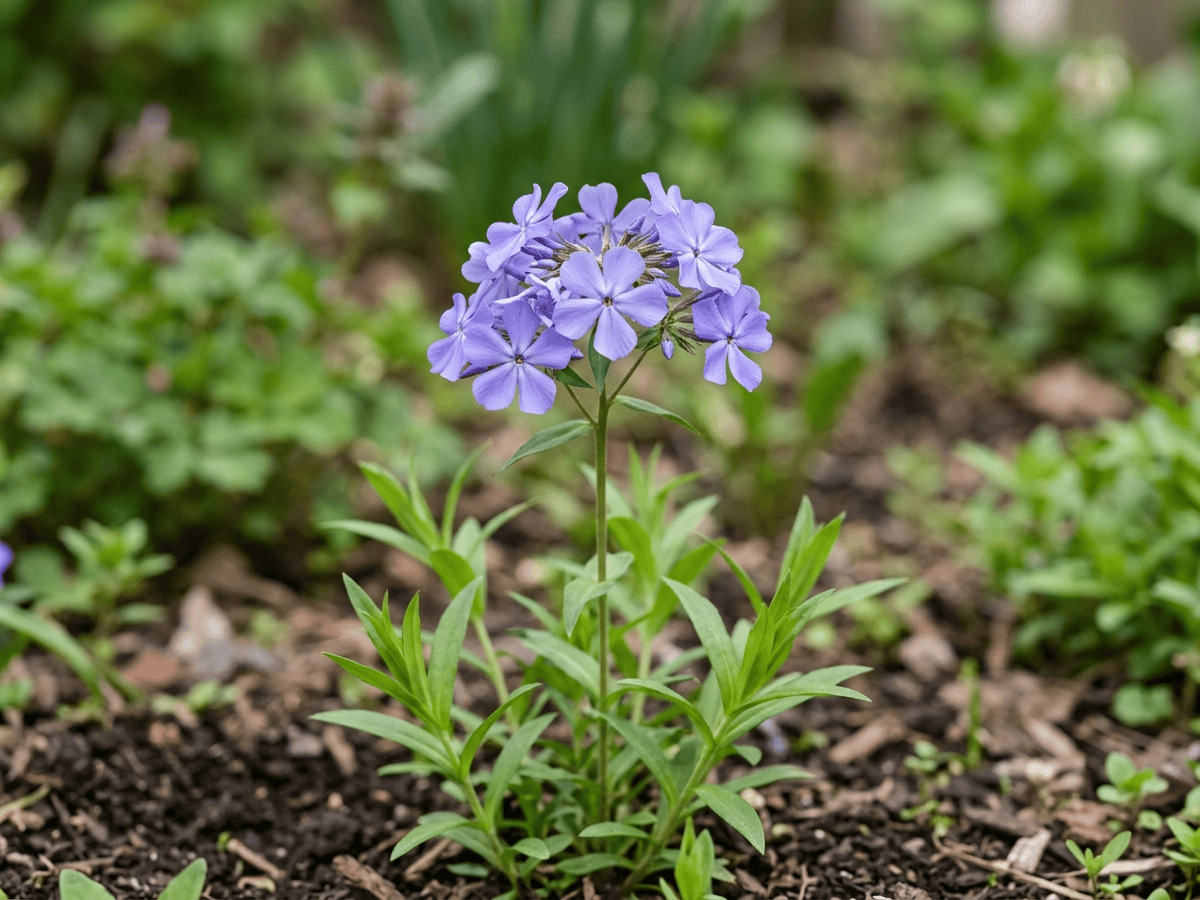 Blue PhloxPhlox divaricata
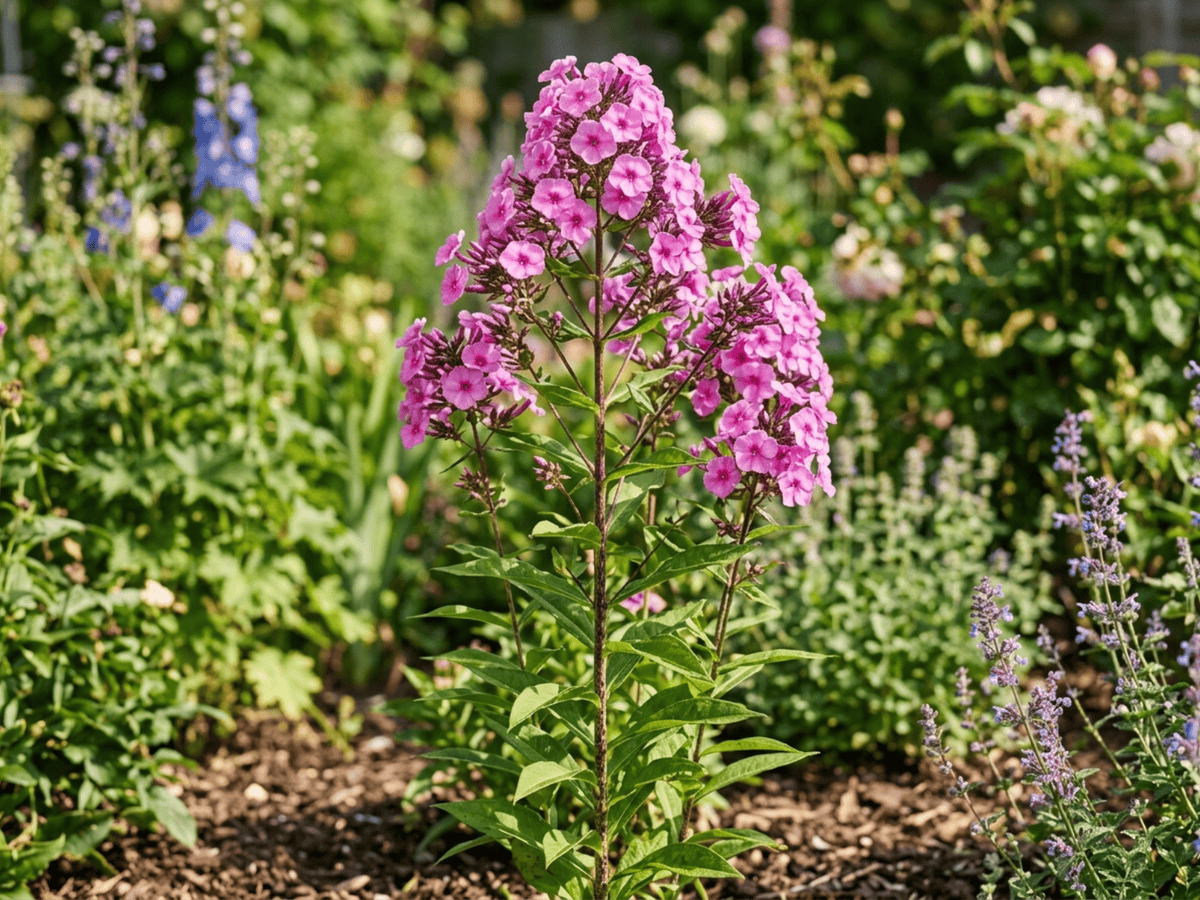 Wild SweetwilliamPhlox maculata
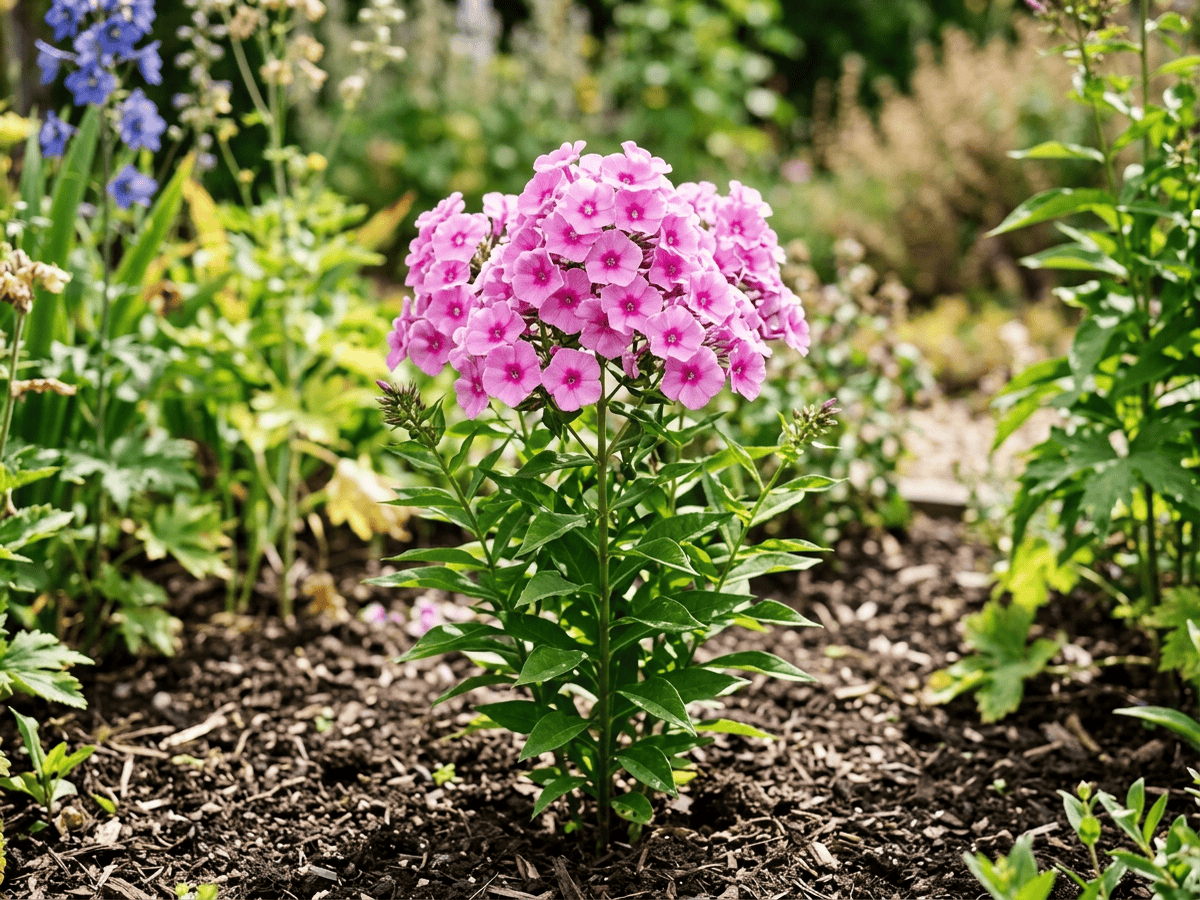 Fall PhloxPhlox paniculata
Plants with similar care
 Chinese AbeliaAbelia chinensis
 Fragrant AbeliaAbelia mosanensis
 Large-Flowered AbeliaAbelia uniflora
 Glossy AbeliaAbelia x grandiflora
Frequently asked questions
How often should I water Prairie Phlox?
In summer, water about every 5 days; in winter, about every 14 days. Adjust for heat, pot size and drainage.
How much light does Prairie Phlox need?
Full sun: 6+ hrs direct. Watch the leaves — scorching or stretching means the light needs adjusting.
Is Prairie Phlox toxic to cats or dogs?
Pets Safe (Dogs Safe · Cats Safe) Educational information, not medical or veterinary advice. If exposure is suspected, contact a doctor or veterinarian.
Is Prairie Phlox easy to grow?
Yes — it is considered an easy, beginner-friendly plant.
When does Prairie Phlox bloom?
It typically blooms May–Jun in the Northern Hemisphere.
YardMate
Identify any plant in seconds
Snap a photo — YardMate names the plant, diagnoses problems, and reminds you when to water.
Download on the App Store