 YardMate
Fall Phlox
Phlox paniculata
Medium · Some experienceAbout Fall Phlox
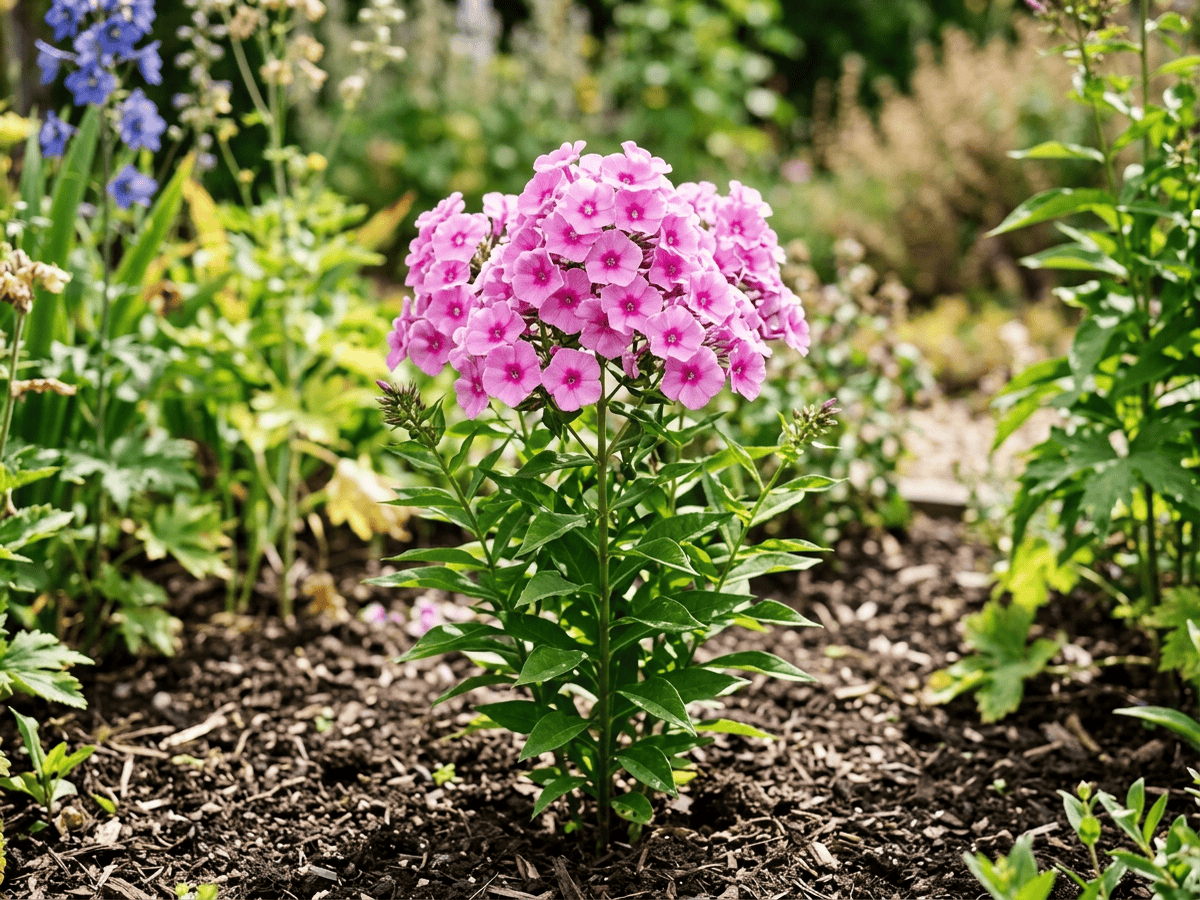
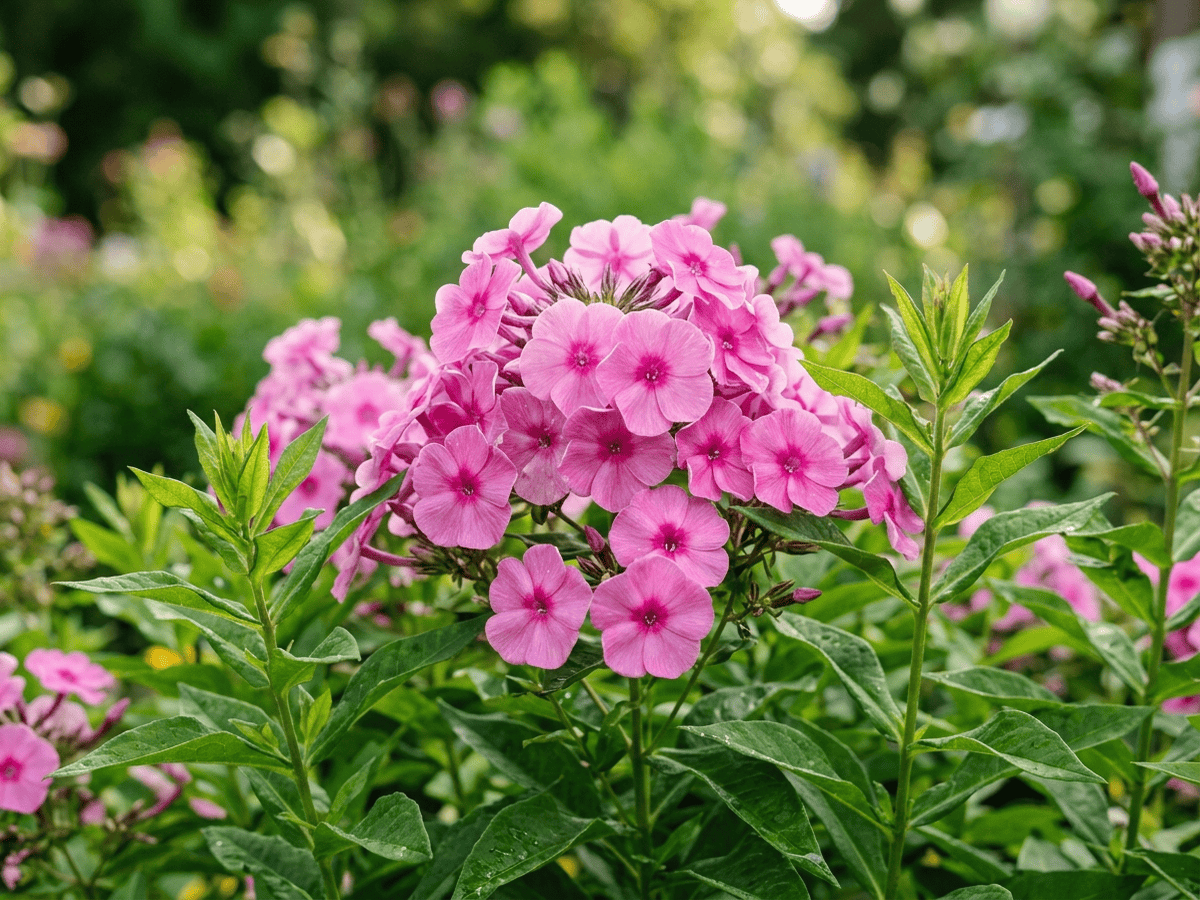
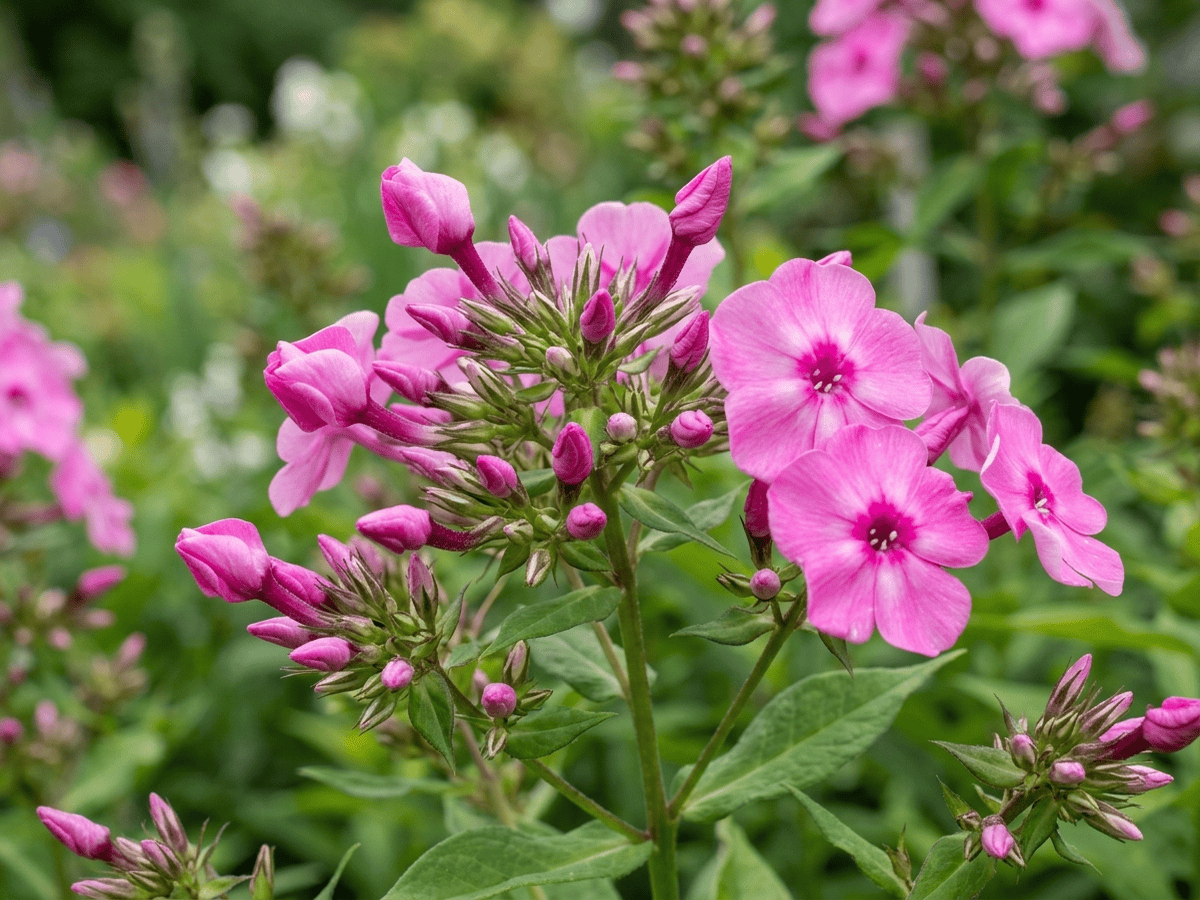
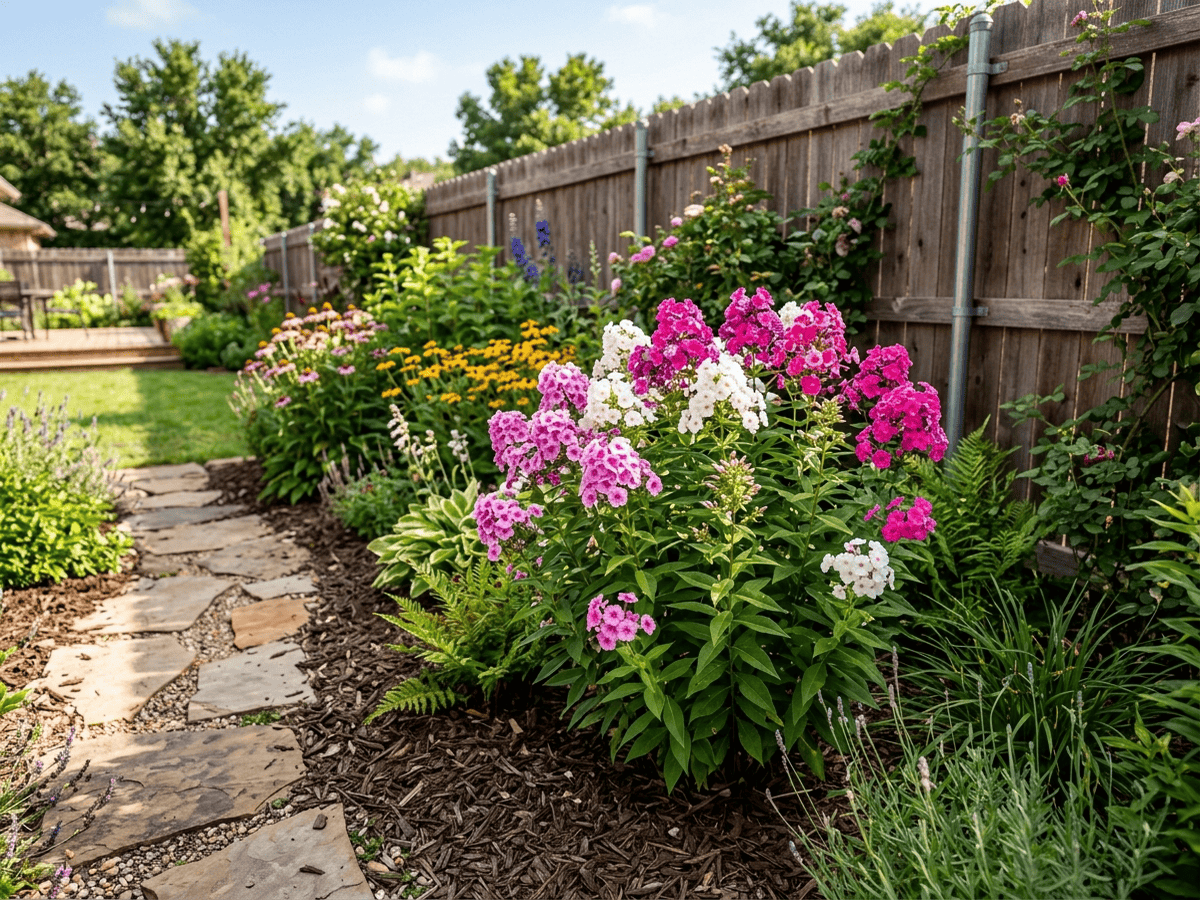
Phlox paniculata, the garden phlox, produces large, dome-shaped clusters of fragrant flowers in midsummer — a critical bloom period when few other perennials are flowering. Colors include pink, purple, white, red, orange, and bicolors, often with contrasting eyes. Native to eastern North America, it grows 90–120 cm tall and is a backbone of the traditional perennial border. The sweet fragrance attracts butterflies and hummingbird moths. Newer cultivars like 'Jeana' offer superior mildew resistance. It thrives in rich, moist soil with good air circulation.
- Fragrant
- Cut-flower
- Native
- Pollinator-friendly
How to care for Fall Phlox
Watering
- Springevery 7 days
- Summerevery 5 days
- Fallevery 10 days
- Winterevery 21 days
Soil · Well-draining
- Top dressingPine bark mulch10%
- Main mixPotting soil + perlite 2:170%
- DrainageLECA / gravel20%
Never skip the drainage layer — standing water is the top cause of root rot.
FERTILIZER
Balanced Feed 14-14-14
An even feed covers all three needs at once, keeping leaves, roots and blooms moving together with nothing pushed out of balance.
- Nitrogen · Leaves
- Phosphorus · Roots + Blooms
- Potassium · Strength
- Springevery 30 days
- Summerevery 30 days
At a Glance
- NativeNorth America
- Height2–4 ft (0.6–1.2 m)
- Spread2–3 ft (0.6–0.9 m)
- Flower colorPink, White, Purple, Red
- Foliage colorGreen
- SoilLoamy, Moisture-retentive, Rich
- LocationsYard
Bloom time
BLOOM CYCLE
Peak bloom
Jul
Fragrant midsummer domes; thin stems for air circulation to prevent mildew
Fragrance
MODERATE FRAGRANCE
Sweet, spicy-floral scent strongest in evening.
Toxicity
Pets Safe
None reported
Not reported
EXPOSURE No exposure route is reported.
EFFECT No significant toxicity.
NOTE No human toxicity is reported in this catalog; avoid eating ornamental plants unless confirmed edible.
Safe
EXPOSURE No exposure route is reported.
EFFECT Not listed as toxic by ASPCA.
NOTE Listed as non-toxic for dogs; avoid eating ornamental plants unless confirmed edible.
Safe
EXPOSURE No exposure route is reported.
EFFECT Not listed as toxic by ASPCA.
NOTE Listed as non-toxic for cats; avoid eating ornamental plants unless confirmed edible.
Educational information, not medical or veterinary advice. If exposure is suspected, contact a doctor or veterinarian.
DISTRIBUTION

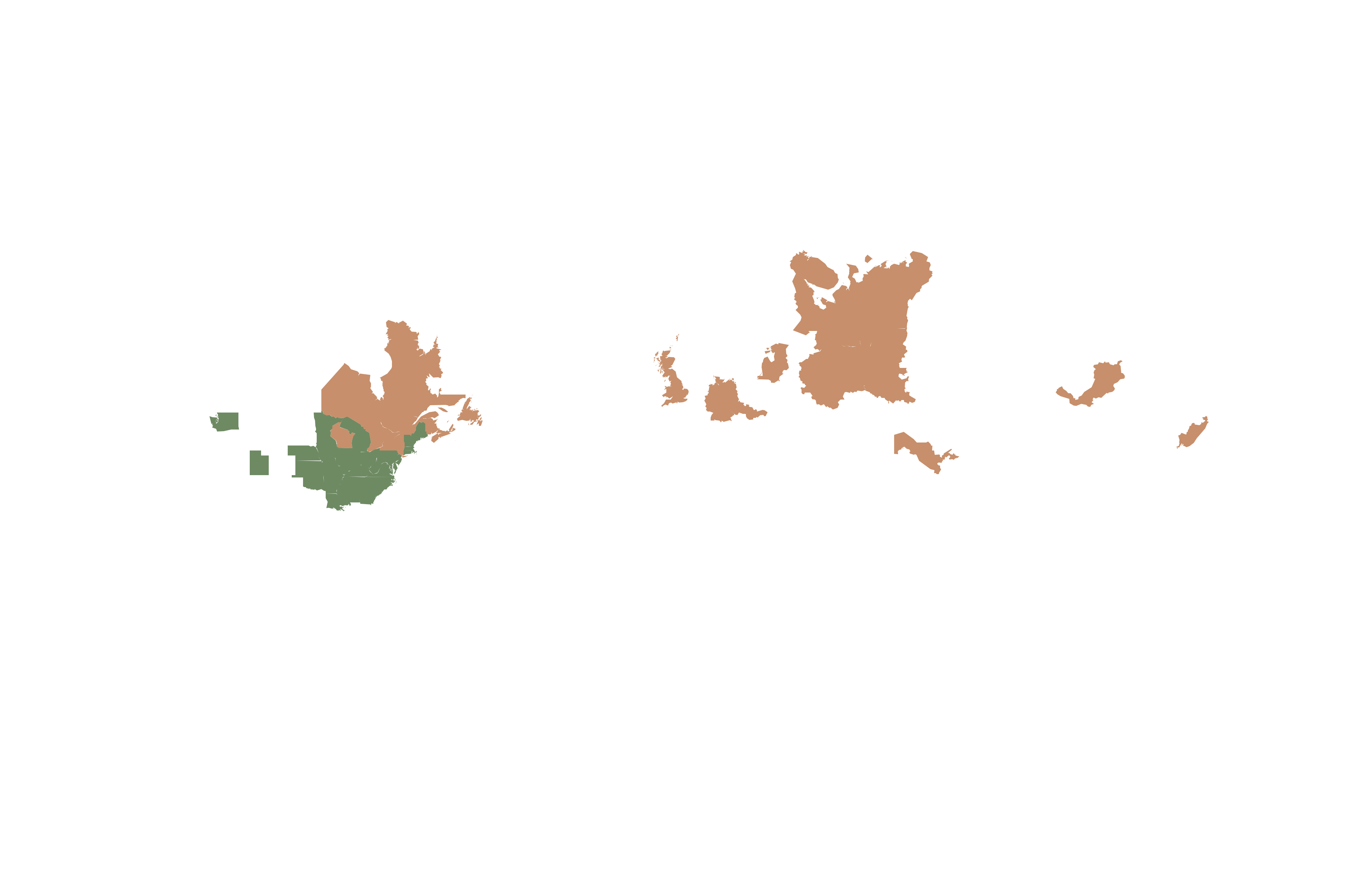
- Native
- Introduced
- North America
History
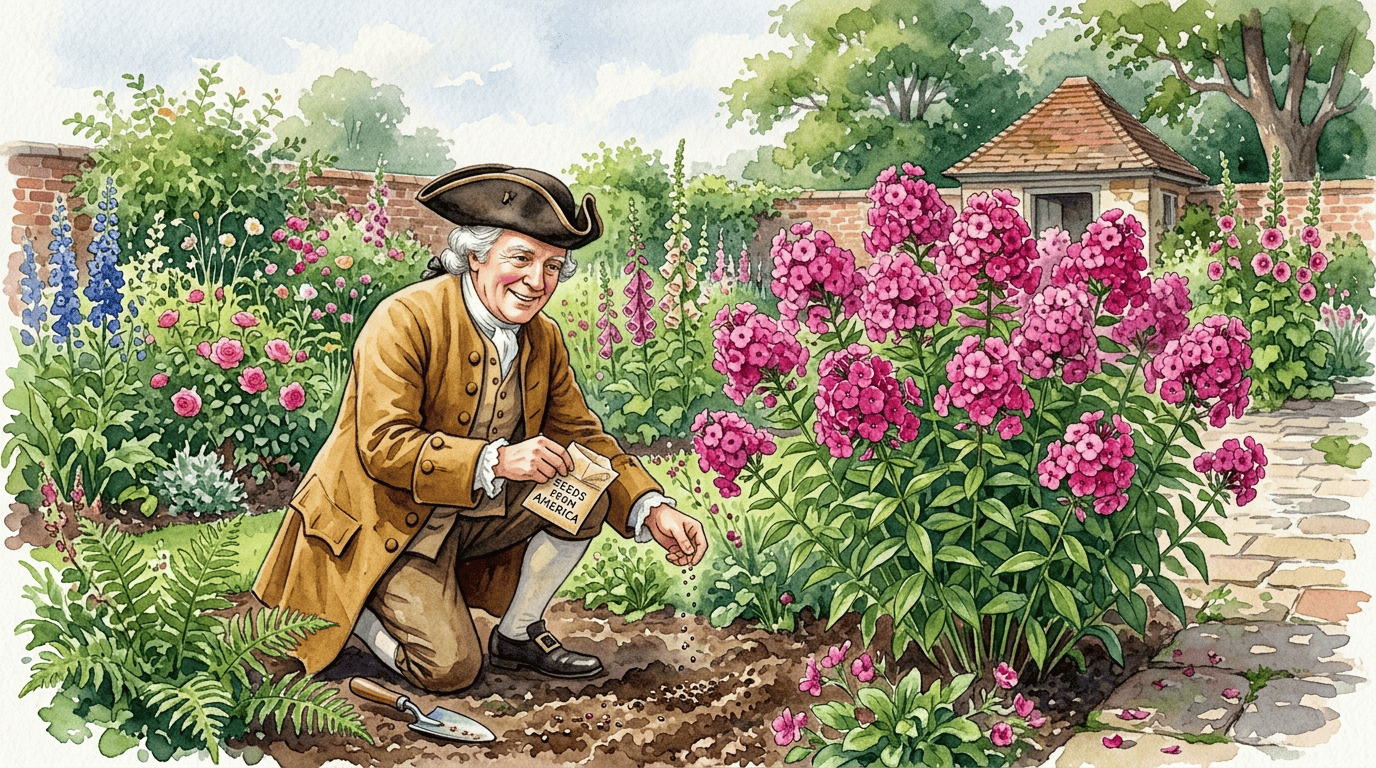
Phlox paniculata originates in moist woodland edges and streambanks from New York south through the Appalachians. Mark Catesby and John Bartram sent seed to Peter Collinson in England in the 1730s, helping launch one of the few major garden perennials native to North America.
European breeders in France, Germany, and the Netherlands expanded the plant into a vast range of pink, white, red, lavender, and bicolored cultivars. The main weakness was powdery mildew, which shaped more than a century of breeding and selection.
The cultivar 'Jeana', discovered at the Nashville home of Jeana Prewitt, changed modern phlox growing by combining smaller flowers with notably clean foliage and exceptional butterfly appeal in trials such as those at Mt. Cuba Center. Garden phlox remains one of the great bridges between American wildflower heritage and perennial-border design.
Symbolism & meaning
What It Symbolizes
Fall Phlox is harmony in summer's high tide, every stem lifting a dome of small, fragrant florets that seem to agree on a single sweet color. Its full panicles speak of togetherness — many florets, one flower, one happy chorus across the August border. In its scented domes, a cottage garden finds its most companionable voice.
- Harmony — Its dome of united florets represents togetherness and sweet agreement
Where the Name Comes From
Phlox from Greek 'phlox' (flame), for the vivid flower colors. Paniculata means 'with panicles,' for the flower cluster shape.
Uses & Fun Facts
- Dome-shaped clusters release sweet midsummer cottage-garden perfume
- Long-stemmed flower heads star in summer bouquets
- Tubular blooms feed butterflies, hummingbirds, and hawkmoths
- Native eastern perennial anchors classic American summer borders
Related plants
More Phlox plants
 Thickleaf PhloxPhlox carolina
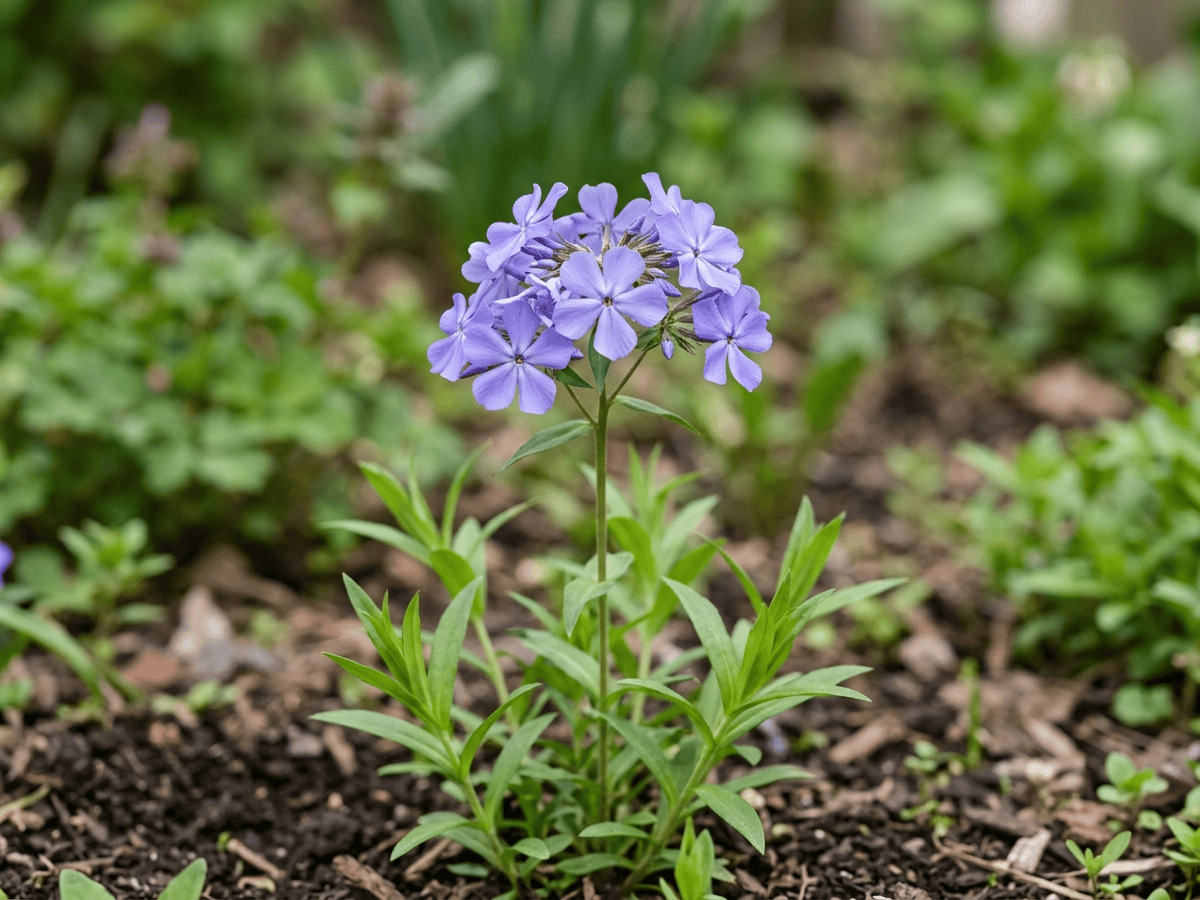 Blue PhloxPhlox divaricata
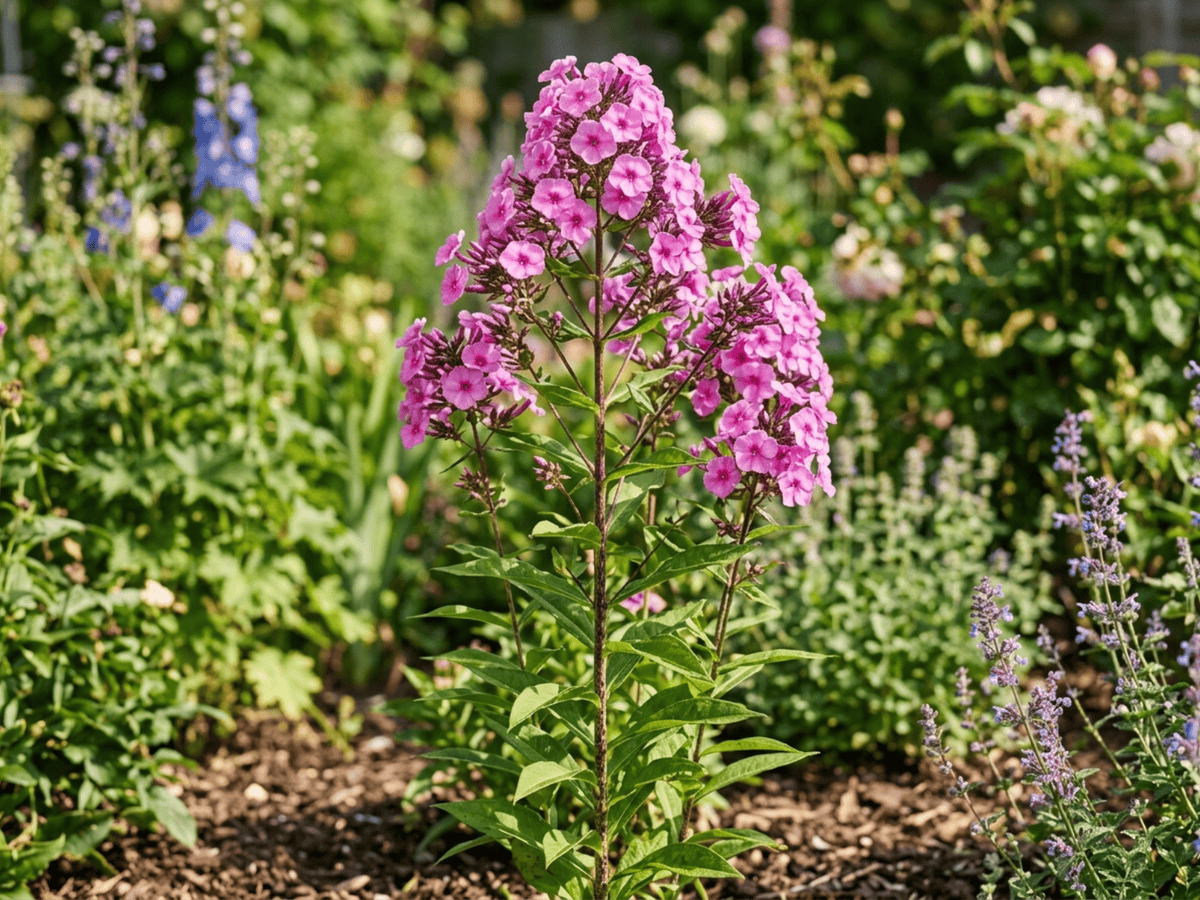 Wild SweetwilliamPhlox maculata
 Prairie PhloxPhlox pilosa
Plants with similar care
 Mexican AbeliaAbelia floribunda
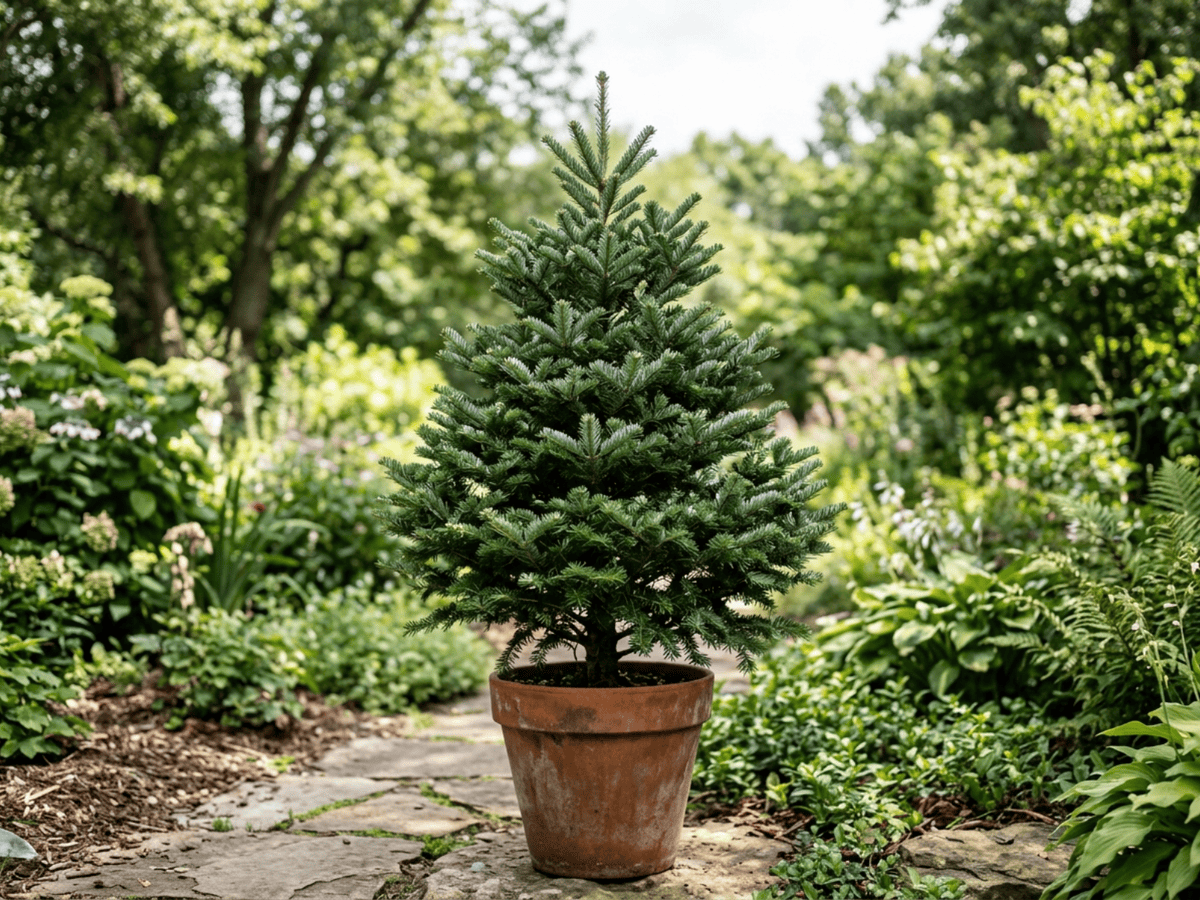 Fraser FirAbies fraseri
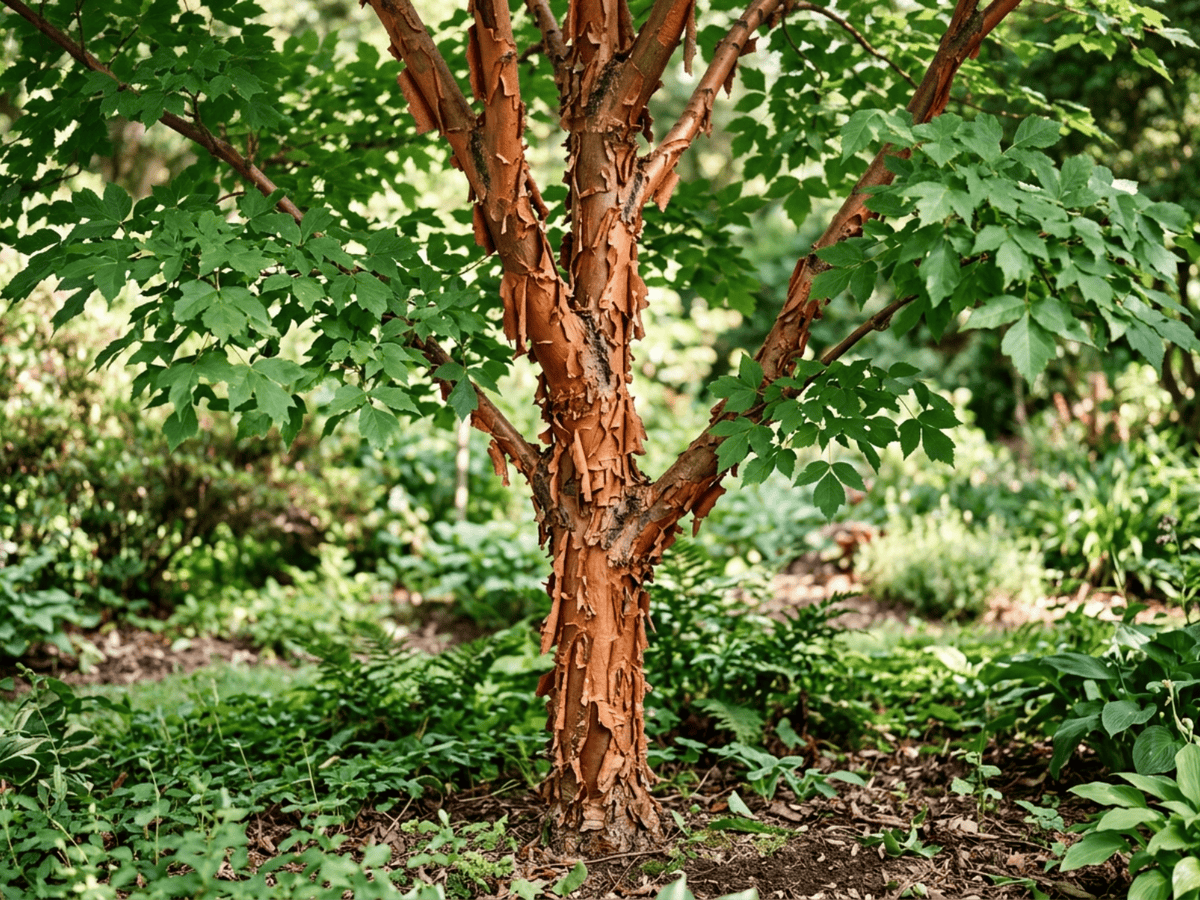 Paperbark MapleAcer griseum
 Sugar MapleAcer saccharum
Frequently asked questions
How often should I water Fall Phlox?
In summer, water about every 5 days; in winter, about every 21 days. Adjust for heat, pot size and drainage.
How much light does Fall Phlox need?
Full sun: 6+ hrs direct. Watch the leaves — scorching or stretching means the light needs adjusting.
Is Fall Phlox toxic to cats or dogs?
Pets Safe (Dogs Safe · Cats Safe) Educational information, not medical or veterinary advice. If exposure is suspected, contact a doctor or veterinarian.
Is Fall Phlox easy to grow?
It is moderately demanding: a good choice once you have a little experience.
When does Fall Phlox bloom?
It typically blooms Jul in the Northern Hemisphere.
YardMate
Identify any plant in seconds
Snap a photo — YardMate names the plant, diagnoses problems, and reminds you when to water.
Download on the App Store