 YardMate

Wild Sweetwilliam
Phlox maculata
Easy · Beginner friendlyAbout Wild Sweetwilliam
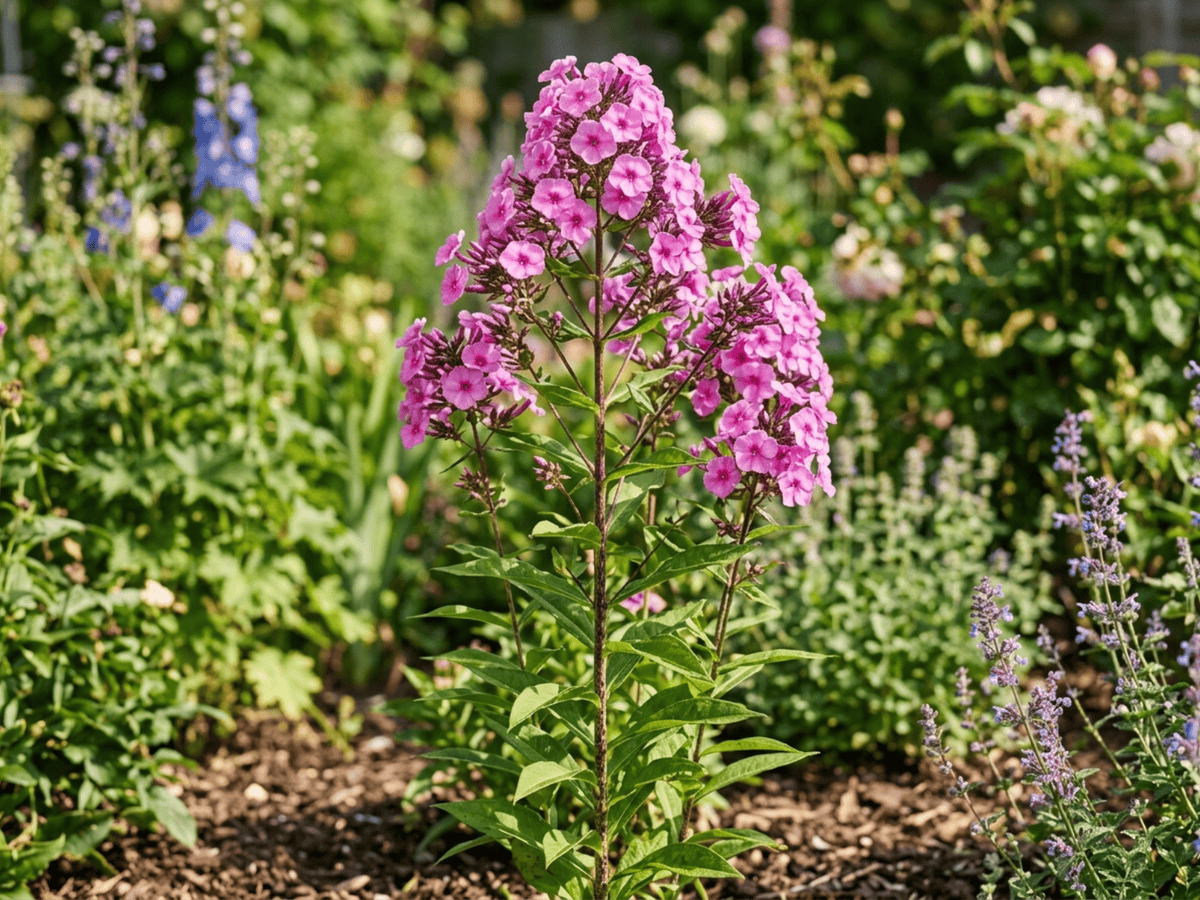
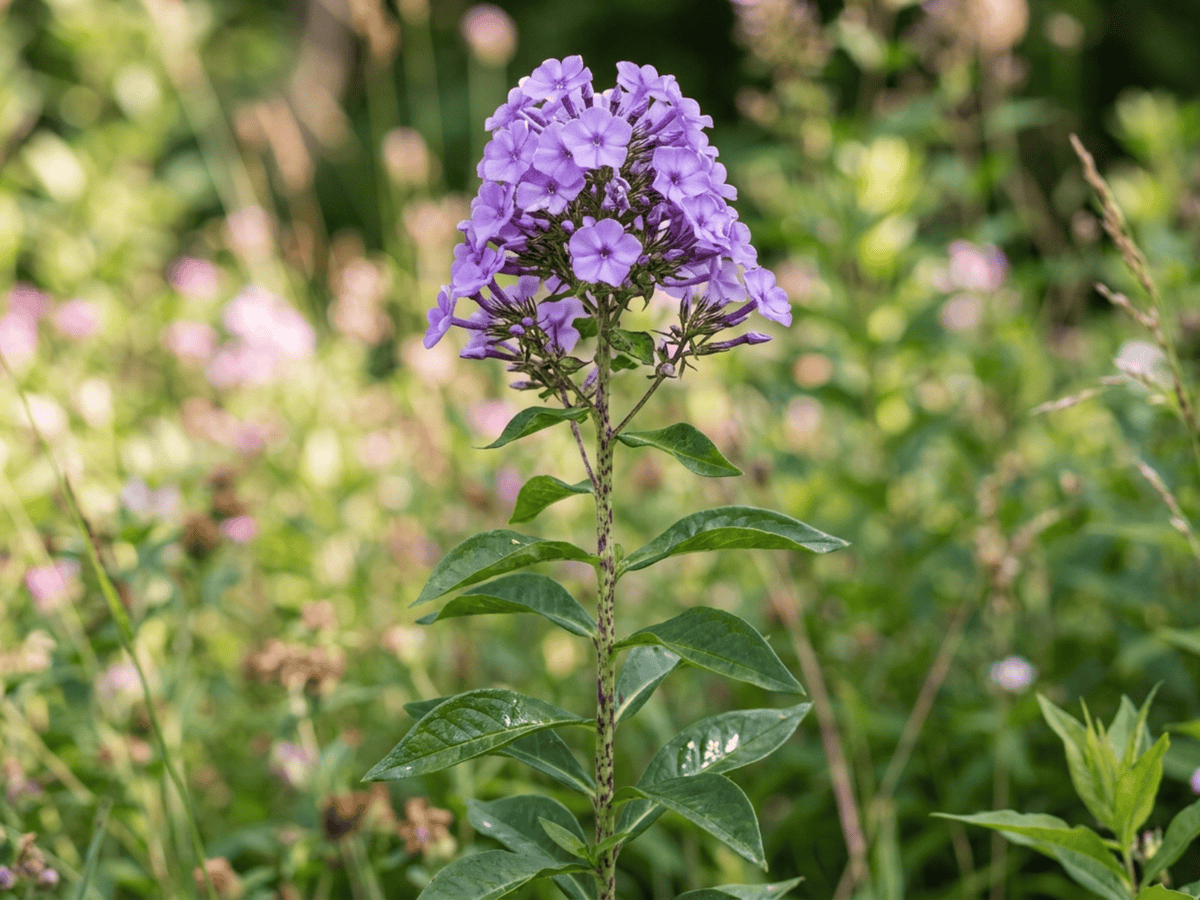
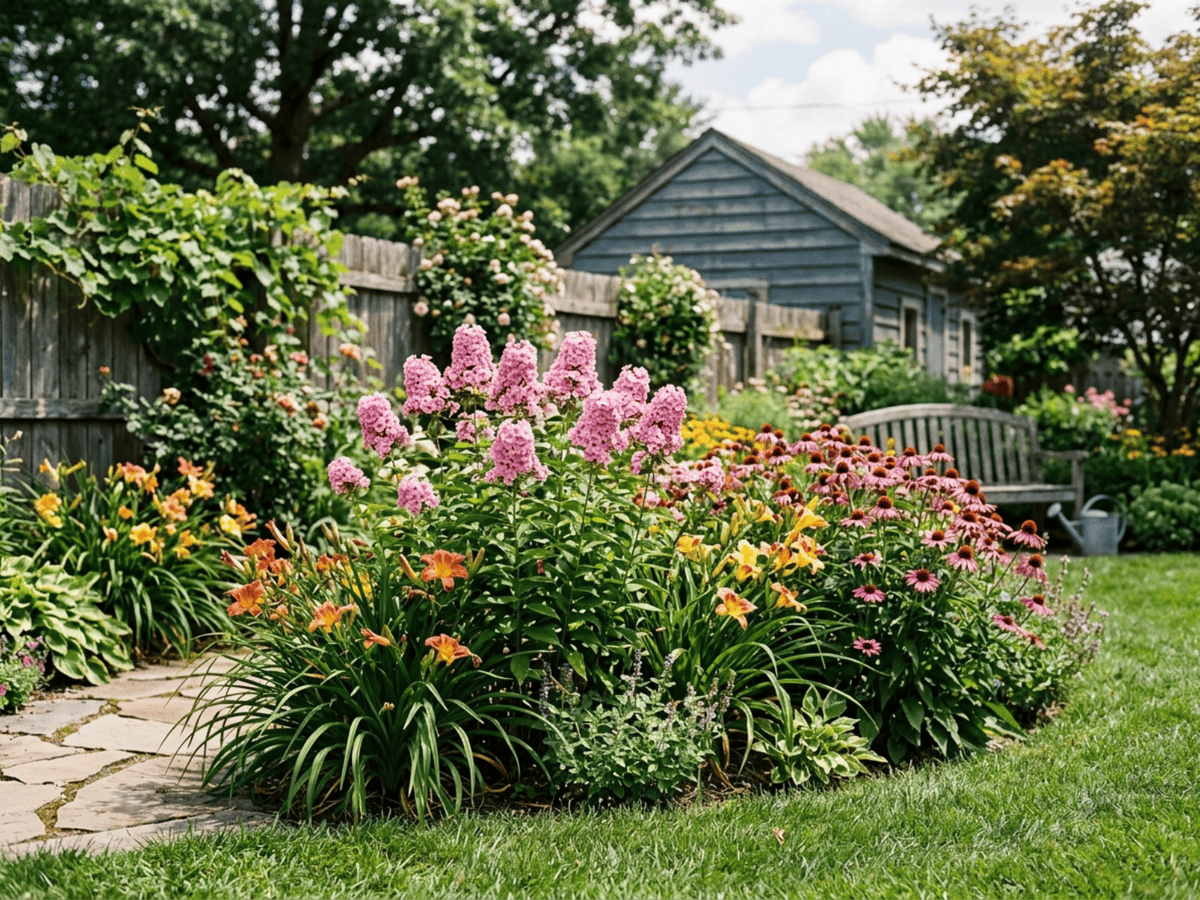
Meadow Phlox is a native perennial of the eastern and central US, 2–4 feet tall, with upright spotted stems and fragrant cylindrical panicles of pink, white, or magenta flowers in midsummer. More mildew-resistant than Phlox paniculata. 'Natascha' and 'Omega' are top cultivars in American perennial gardens. Hardy zones 3–8. A reliable long-blooming border and cutting plant.
- Fragrant
- Deer-resistant
- Native
- Pollinator-friendly
How to care for Wild Sweetwilliam
Watering
- Springevery 4 days
- Summerevery 3 days
- Fallevery 5 days
- Winterpause watering
Soil · Well-draining
- Top dressingPine bark mulch10%
- Main mixPotting soil + perlite 2:170%
- DrainageLECA / gravel20%
Never skip the drainage layer — standing water is the top cause of root rot.
FERTILIZER
Balanced Feed 14-14-14
An even feed covers all three needs at once, keeping leaves, roots and blooms moving together with nothing pushed out of balance.
- Nitrogen · Leaves
- Phosphorus · Roots + Blooms
- Potassium · Strength
- Springevery 30 days
- Summerevery 30 days
At a Glance
- NativeNorth America
- Height2–3 ft (0.6–0.9 m)
- Spread1.5–2 ft (0.5–0.6 m)
- Flower colorPink, Purple, White
- Foliage colorGreen
- SoilMoisture-retentive, Loamy, Rich
- LocationsYard
Bloom time
BLOOM CYCLE
Peak bloom
Jun–Aug
Fragrant pink or white spires midsummer
Fragrance
MODERATE FRAGRANCE
The flowers have a sweet scent.
Toxicity
No toxicity has been reported for this plant. Still, it is wise to keep pets from chewing on any houseplant.
Educational information, not medical or veterinary advice. If exposure is suspected, contact a doctor or veterinarian.
DISTRIBUTION


- Native
- Introduced
- North America
History
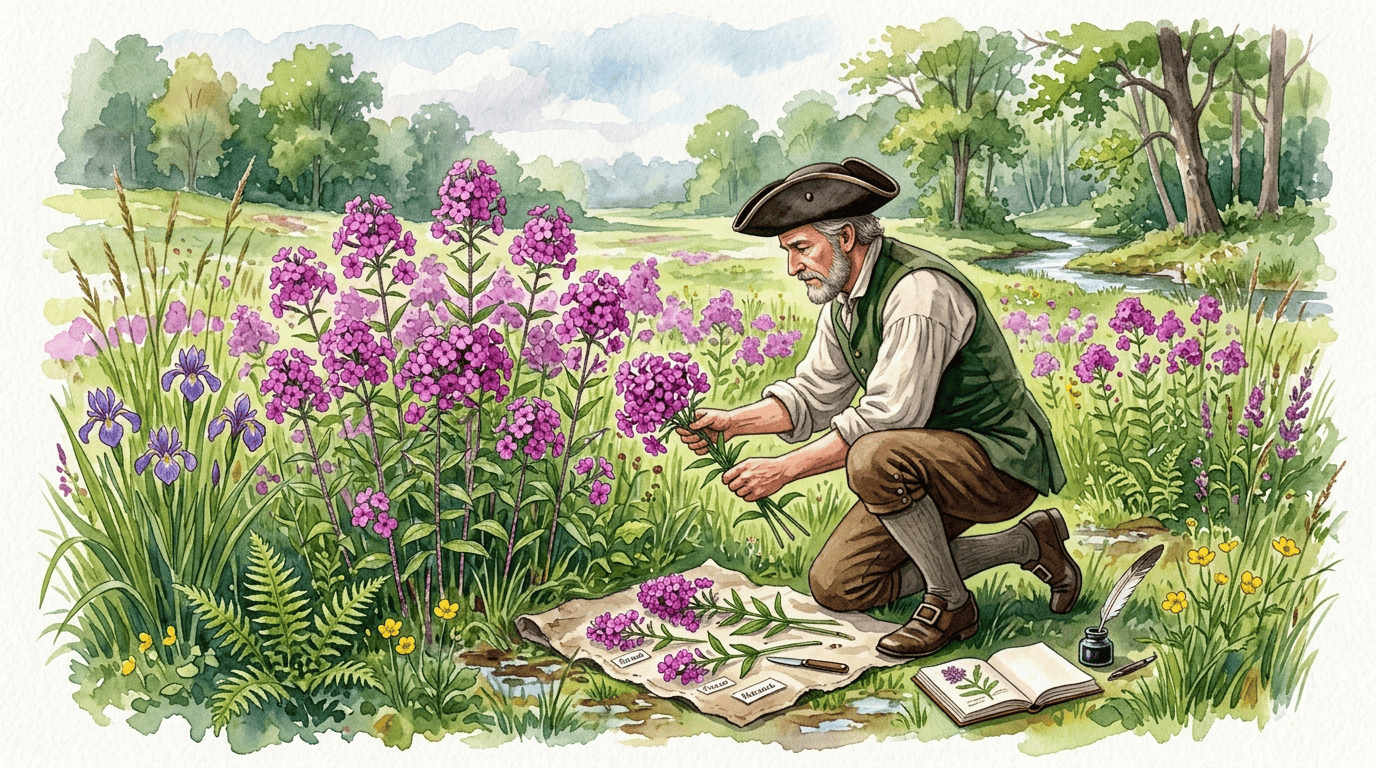
Phlox maculata grows naturally in moist meadows and stream bottoms from Quebec south to Georgia and west to Missouri. Linnaeus named it in 1753 using specimens collected in Virginia by naturalist John Clayton. The specific epithet maculata means spotted, referring to purple flecking on the stems.
Colonial American gardeners cultivated it alongside P. paniculata, and by the 19th century European breeders including James Kelway produced named selections. Modern cultivars 'Alpha', 'Omega', and 'Natascha' from European breeders in the late 20th century showed notably better powdery mildew resistance than garden phlox, giving the species renewed commercial value. It flowers earlier than P. paniculata, extending the phlox season in mixed borders. Long overshadowed by the mildew-prone Phlox paniculata in American gardens, P. maculata is enjoying new popularity as native-plant awareness grows.
Symbolism & meaning
What It Symbolizes
Wild Sweetwilliam suggests Harmony — the old phlox meaning of united hearts, fragrant cones of pink flowers gathering pollinators around them. Its Sweet fragrance grows stronger at dusk, drawing sphinx moths whose long tongues match the deep flower tubes. A meadow flower that is at its most generous when the day cools.
- Harmony — Phlox symbolism of united hearts
- Sweet fragrance — evening perfume draws sphinx moths
Where the Name Comes From
The name Wild Sweetwilliam describes its sweet scent or flavor. Genus from Greek 'phlox' (flame) for bright color; 'maculata' means 'spotted' for the stems.
Uses & Fun Facts
- Pink summer flower clusters carry sweet evening scent
- Long-tongued butterflies and moths feed on blooms
- Tall fragrant stems anchor cottage garden bouquets
Related plants
More Phlox plants
 Thickleaf PhloxPhlox carolina
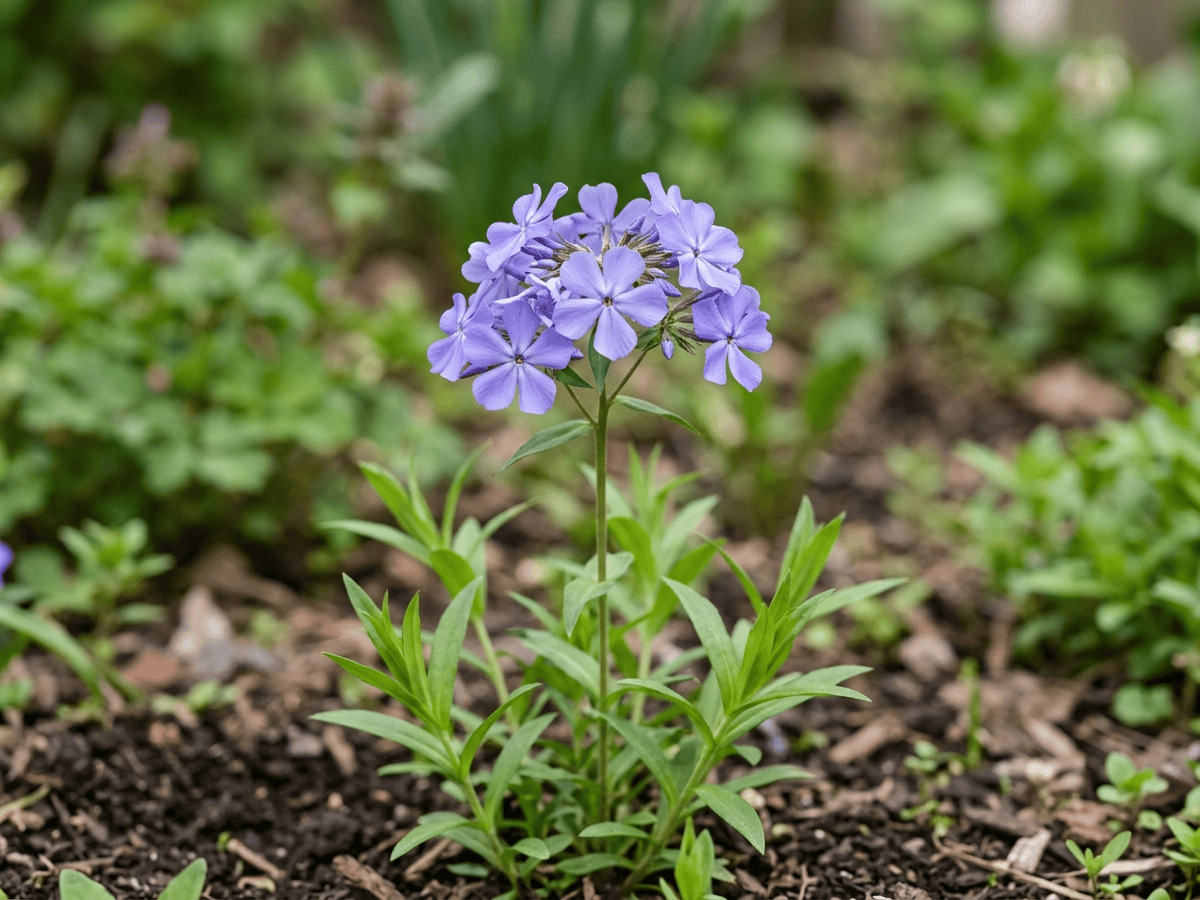 Blue PhloxPhlox divaricata
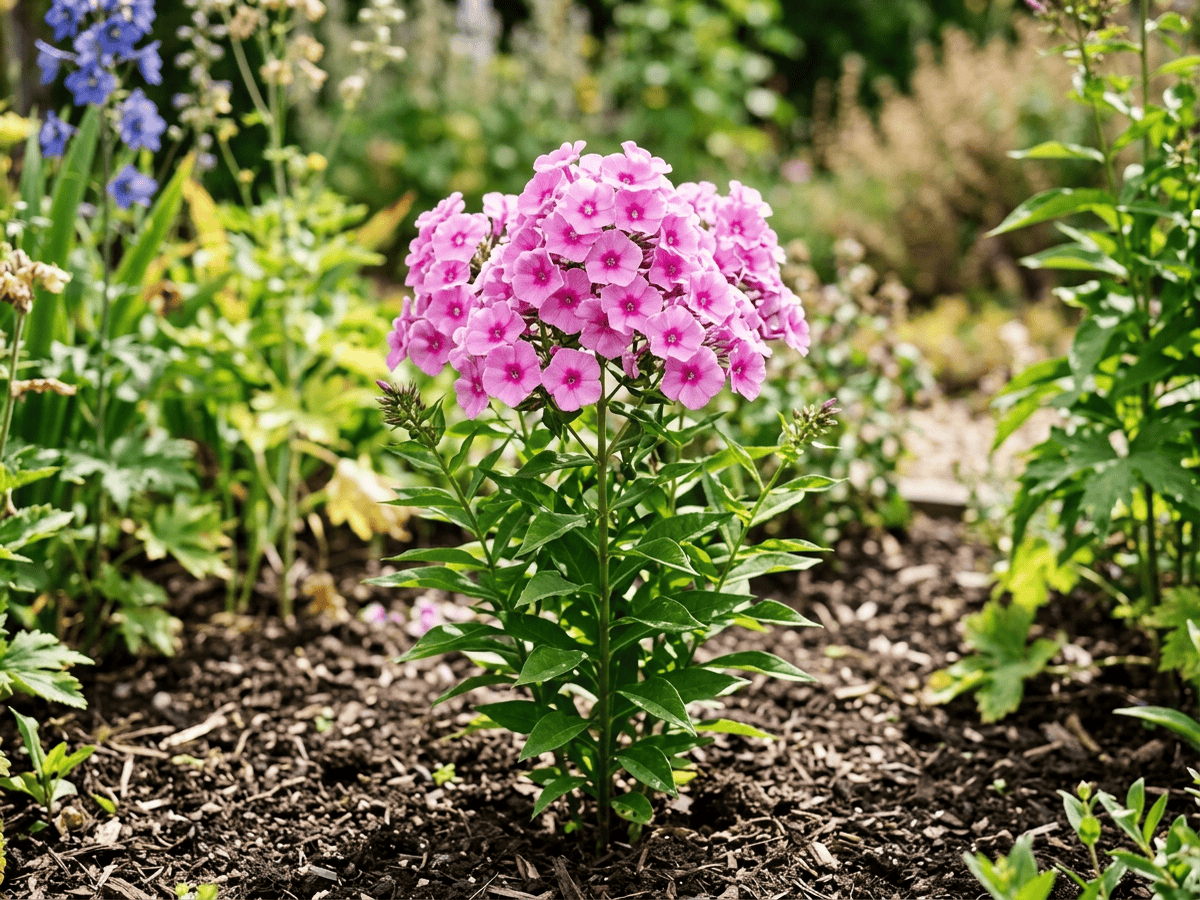 Fall PhloxPhlox paniculata
 Prairie PhloxPhlox pilosa
Plants with similar care
 Chinese AbeliaAbelia chinensis
 Fragrant AbeliaAbelia mosanensis
 Large-Flowered AbeliaAbelia uniflora
 Glossy AbeliaAbelia x grandiflora
Frequently asked questions
How often should I water Wild Sweetwilliam?
Water about every 4 days during the growing season, and always let excess water drain away.
How much light does Wild Sweetwilliam need?
Full sun: 6+ hrs direct. Watch the leaves — scorching or stretching means the light needs adjusting.
Is Wild Sweetwilliam toxic to cats or dogs?
No toxicity has been reported for this plant. Still, it is wise to keep pets from chewing on any houseplant. Educational information, not medical or veterinary advice. If exposure is suspected, contact a doctor or veterinarian.
Is Wild Sweetwilliam easy to grow?
Yes — it is considered an easy, beginner-friendly plant.
When does Wild Sweetwilliam bloom?
It typically blooms Jun–Aug in the Northern Hemisphere.
YardMate
Identify any plant in seconds
Snap a photo — YardMate names the plant, diagnoses problems, and reminds you when to water.
Download on the App Store