 YardMate

Creeping Phlox
Phlox stolonifera
Easy · Beginner friendlyAbout Creeping Phlox
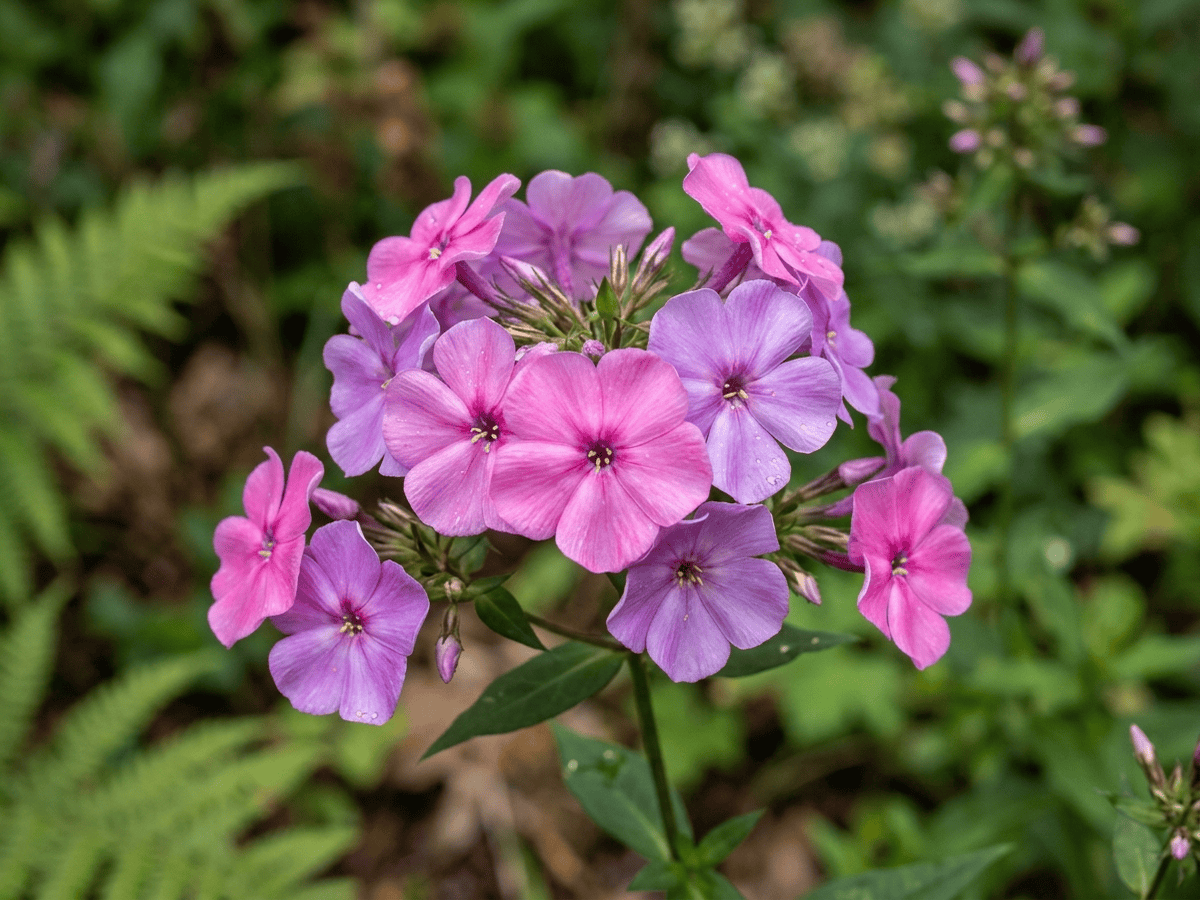
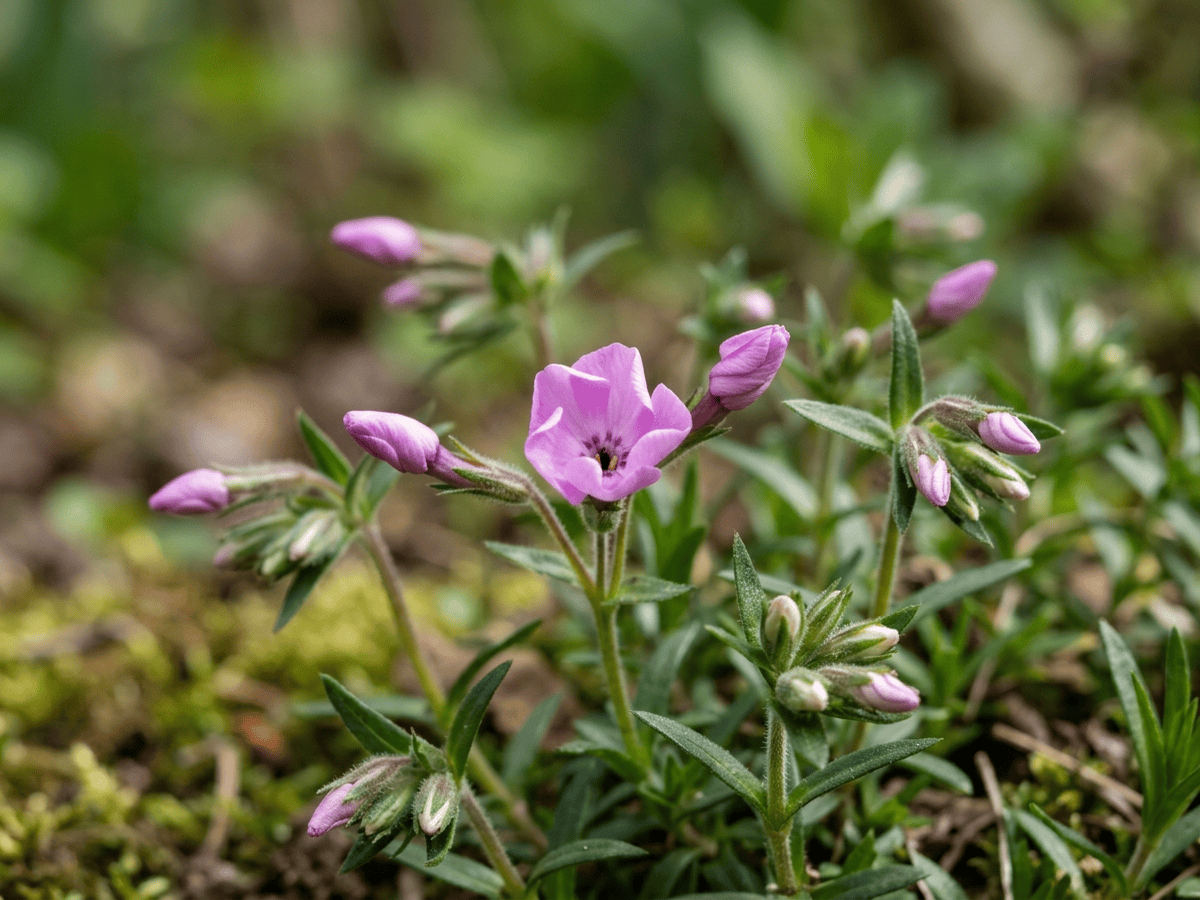
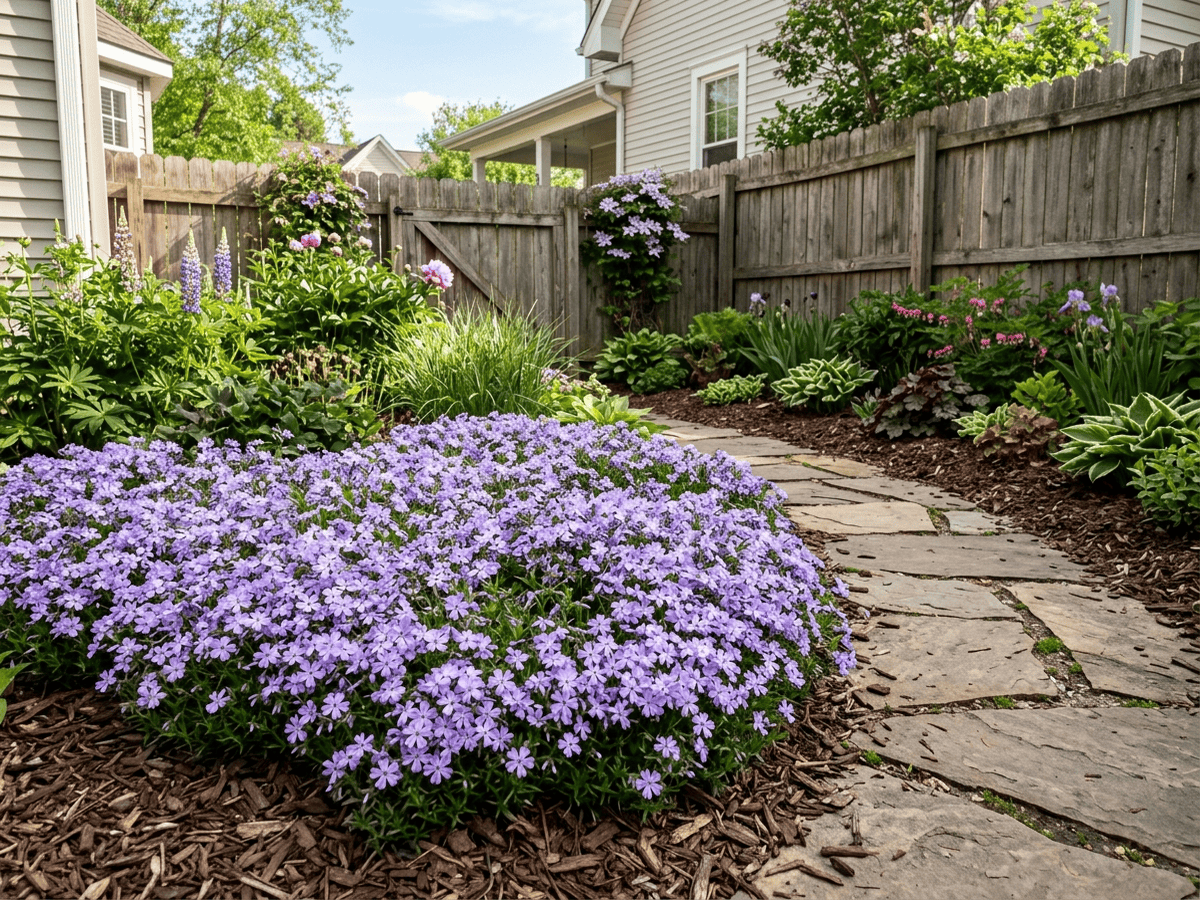
Creeping Phlox is an eastern US native groundcover reaching 6-12 inches tall, spreading by stolons to form dense mats of evergreen foliage topped with clouds of fragrant lavender, pink, blue, or white flowers in spring. Native to Appalachian woodlands, it thrives in moist shade and is a superb native alternative to the more common moss phlox for shaded gardens in the Eastern and Midwest US.
- Fragrant
- Groundcover
- Evergreen
- Native
How to care for Creeping Phlox
Watering
- Springevery 5 days
- Summerevery 3 days
- Fallevery 7 days
- Winterevery 14 days
Soil · Well-draining
- Top dressingPine bark mulch10%
- Main mixPotting soil + perlite 2:170%
- DrainageLECA / gravel20%
Never skip the drainage layer — standing water is the top cause of root rot.
FERTILIZER
- Springevery 30 days
At a Glance
- NativeNorth America
- Height0.5–1 ft (0.2–0.3 m)
- Spread1–1.5 ft (0.3–0.5 m)
- Flower colorBlue, Purple, Pink, White
- Foliage colorGreen
- SoilLoamy, Moisture-retentive, Acidic
- LocationsYard
Bloom time
BLOOM CYCLE
Peak bloom
Apr–May
Fragrant lavender-blue flowers April to May
Fragrance
LIGHT FRAGRANCE
The flowers have a mild sweet scent.
Toxicity
Pets Safe
None reported
Not reported
EXPOSURE No exposure route is reported.
EFFECT No toxic effect is reported.
NOTE No human toxicity is reported in this catalog; avoid eating ornamental plants unless confirmed edible.
Safe
EXPOSURE No exposure route is reported.
EFFECT No toxic effect is reported.
NOTE Listed as non-toxic for dogs; avoid eating ornamental plants unless confirmed edible.
Safe
EXPOSURE No exposure route is reported.
EFFECT No toxic effect is reported.
NOTE Listed as non-toxic for cats; avoid eating ornamental plants unless confirmed edible.
Educational information, not medical or veterinary advice. If exposure is suspected, contact a doctor or veterinarian.
DISTRIBUTION


- Native
- Introduced
- North America
History
Phlox stolonifera is native to the Appalachian Mountains of the eastern United States from Pennsylvania and Ohio south through Georgia, typically in moist rich deciduous woodlands and along stream banks. English botanist John Sims formally described the species in 1805 in Curtis's Botanical Magazine. The epithet stolonifera means bearing stolons, referring to the above-ground creeping runners by which the plant spreads to form mats.
Unlike the better-known moss phlox or creeping phlox (P. subulata)—a sun-loving species with needle-like leaves—P. stolonifera is a true woodland plant with oval leaves and far larger flowers (2 cm+) in shades of lavender-blue, pink, purple, or white, blooming in April-May. Classic cultivars include 'Blue Ridge' (sky blue), 'Bruce's White' (white with yellow eye), 'Home Fires' (deep pink), 'Pink Ridge', and 'Sherwood Purple'. It is one of the finest native groundcovers for dry shade under deciduous trees in eastern and central US gardens, spreading by rooting stolons but not aggressively.
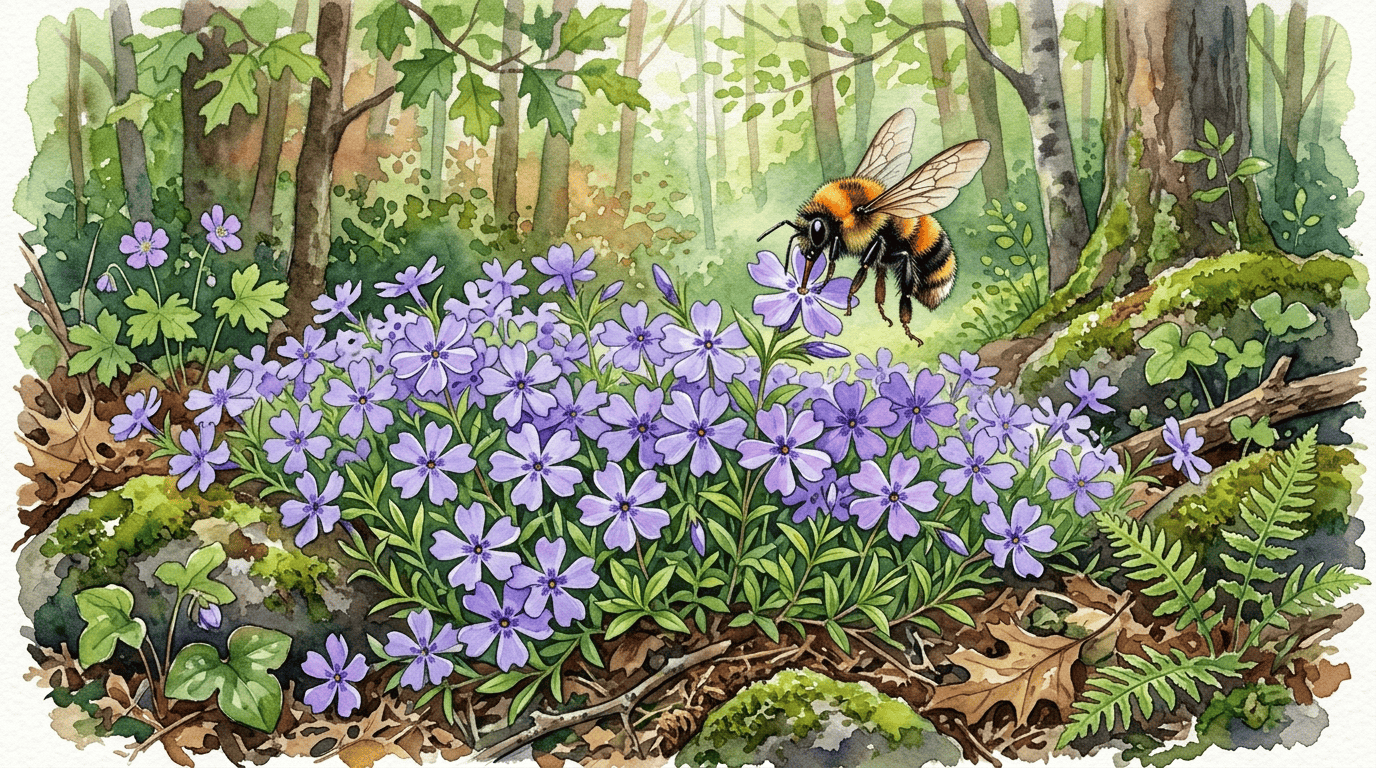
Received the Perennial Plant Association's Perennial Plant of the Year in 1990. A classic Appalachian wildflower long cultivated in shady gardens. Essential for spring bumblebee queens that depend on early-blooming native nectar sources across Eastern US woodlands.
Symbolism & meaning
What It Symbolizes
Creeping phlox offers gentle companionship — soft mauve carpets the eastern American forest floor each spring, weaving among trillium and ferns without crowding any of them. As an Appalachian heritage wildflower it has lined wooded paths since long before the trails were named. There is no drama in it; only steady spring kindness, a low cloud of color spreading shoulder to shoulder beside its woodland neighbors.
- Gentle companionship — carpets the forest floor in spring
- Woodland spirit — an Appalachian heritage wildflower
Where the Name Comes From
'Phlox' from Greek for flame, referring to bright flowers; 'stolonifera' means producing stolons.
Uses & Fun Facts
- Lightly sweet-scented spring flowers carpet woodland edges
- Stoloniferous evergreen mat spreads under deciduous shade trees
- Lavender-blue flowers feed early butterflies and native bees
Related plants
More Phlox plants
 Thickleaf PhloxPhlox carolina
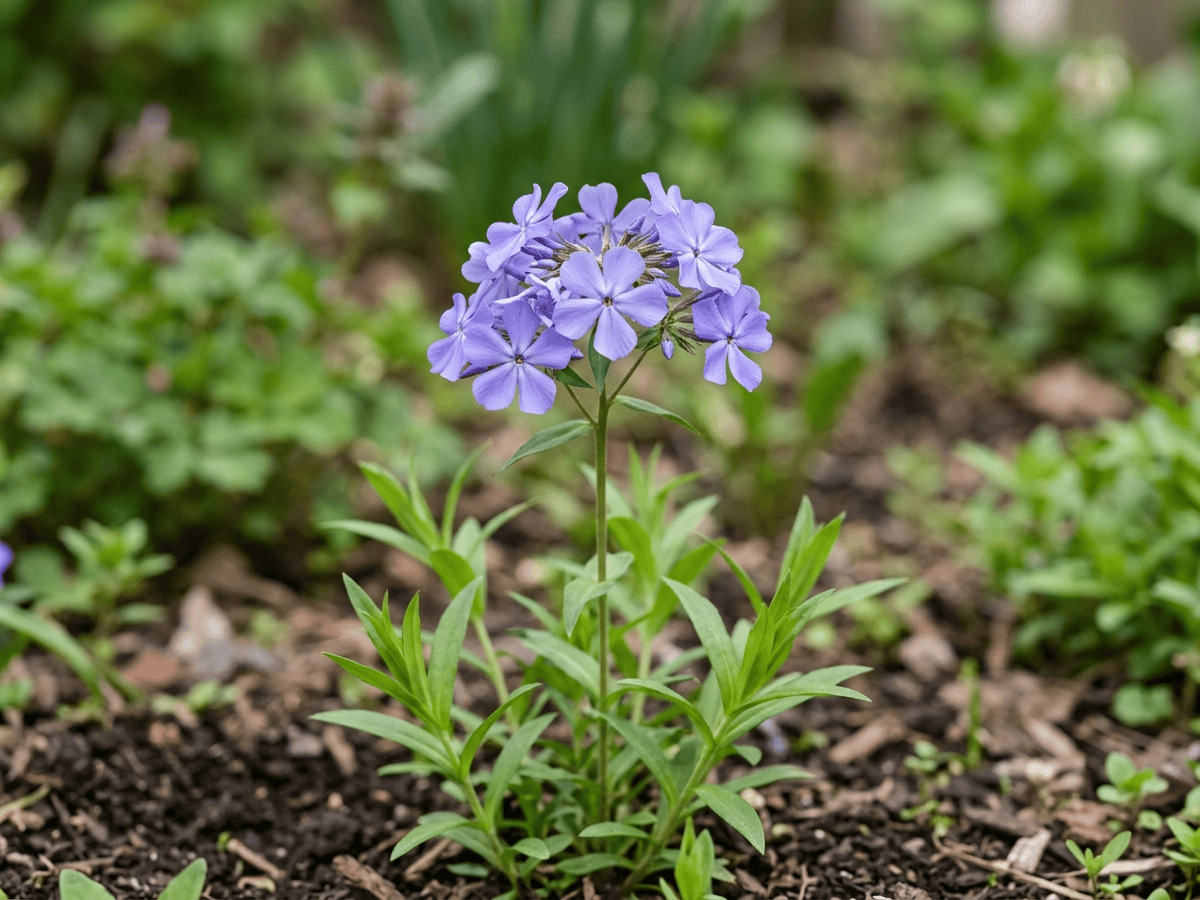 Blue PhloxPhlox divaricata
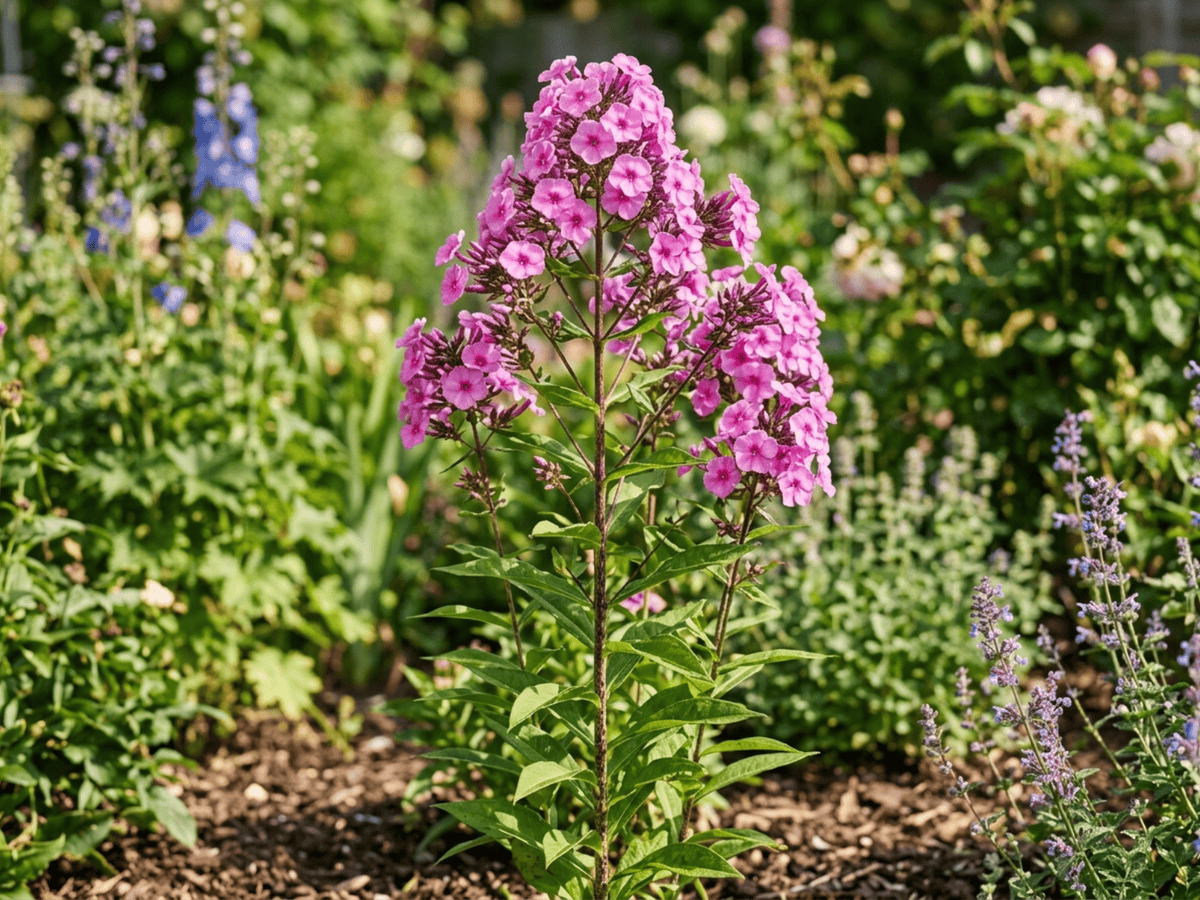 Wild SweetwilliamPhlox maculata
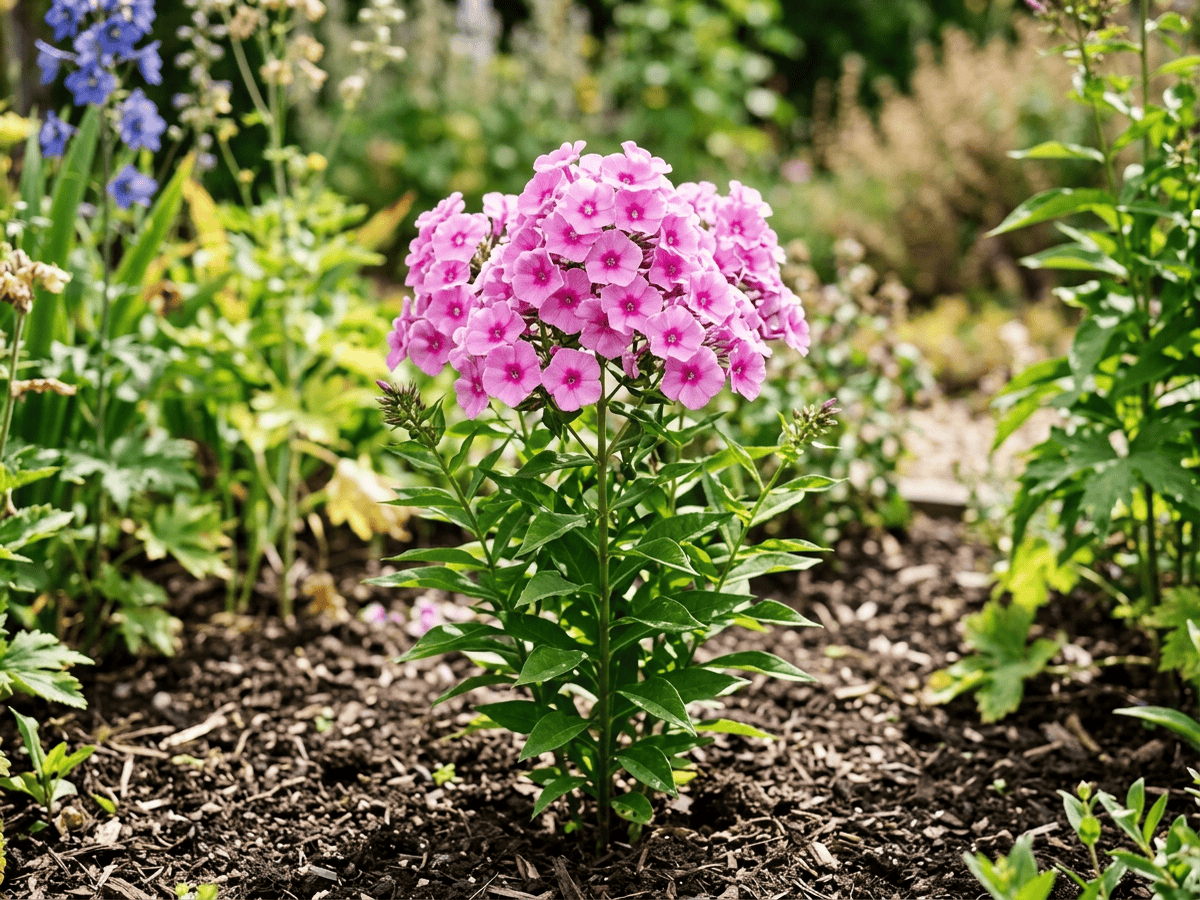 Fall PhloxPhlox paniculata
Plants with similar care
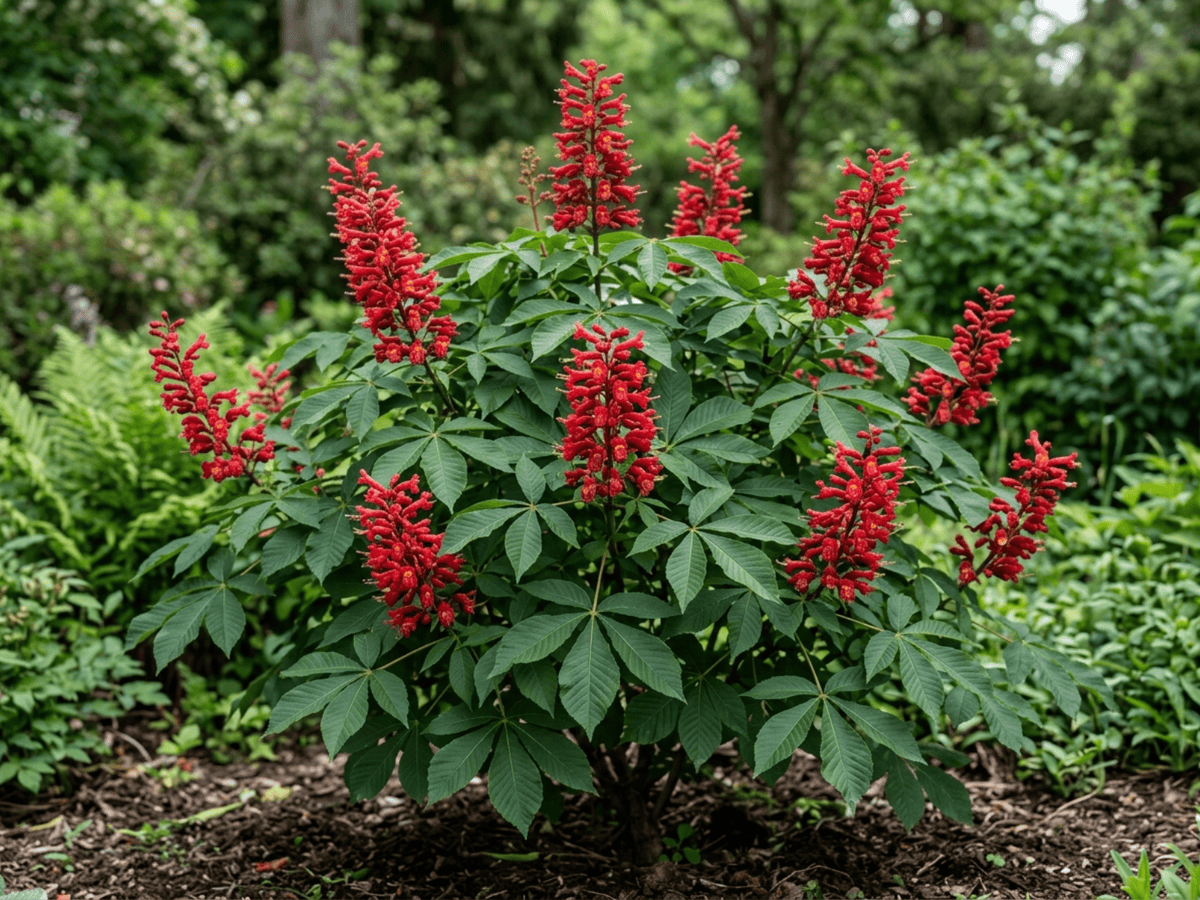 Red BuckeyeAesculus pavia
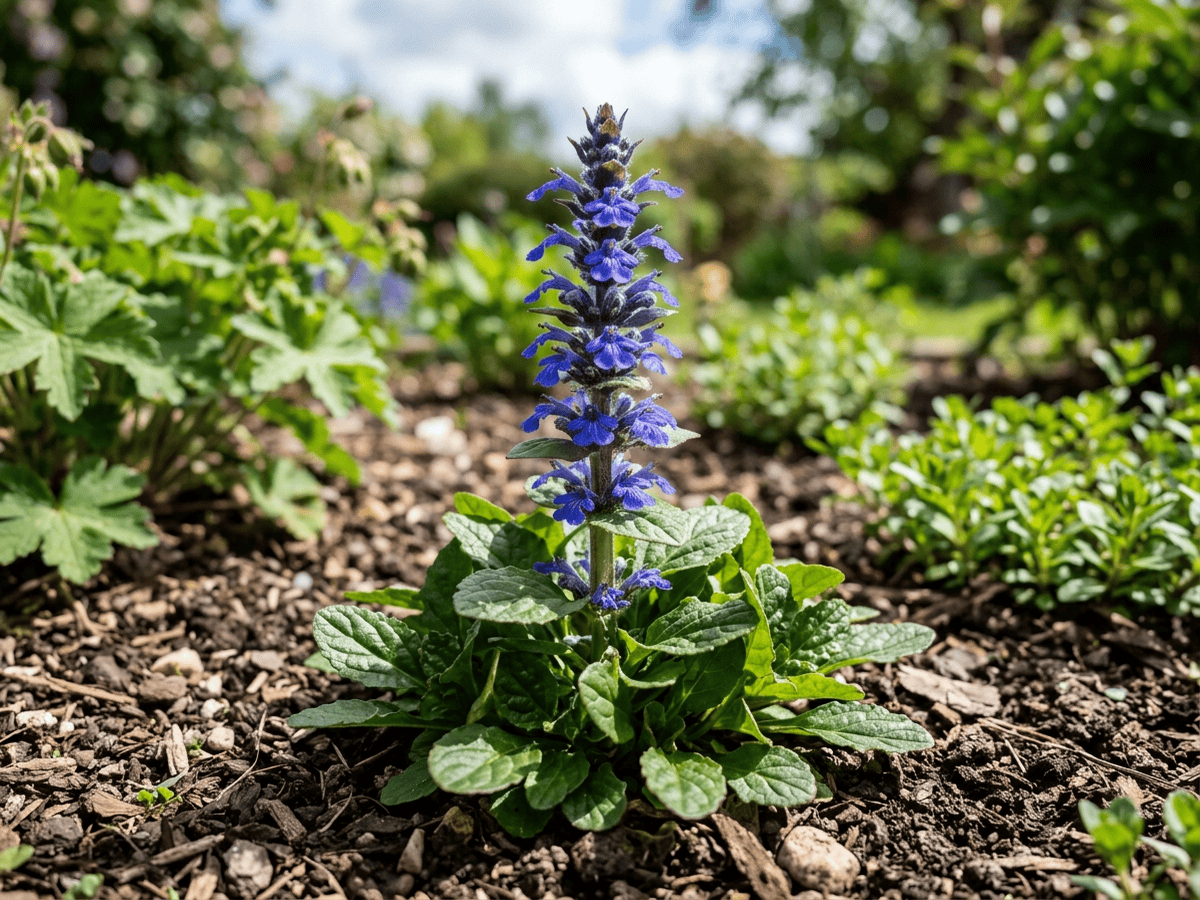 Blue BugleAjuga genevensis
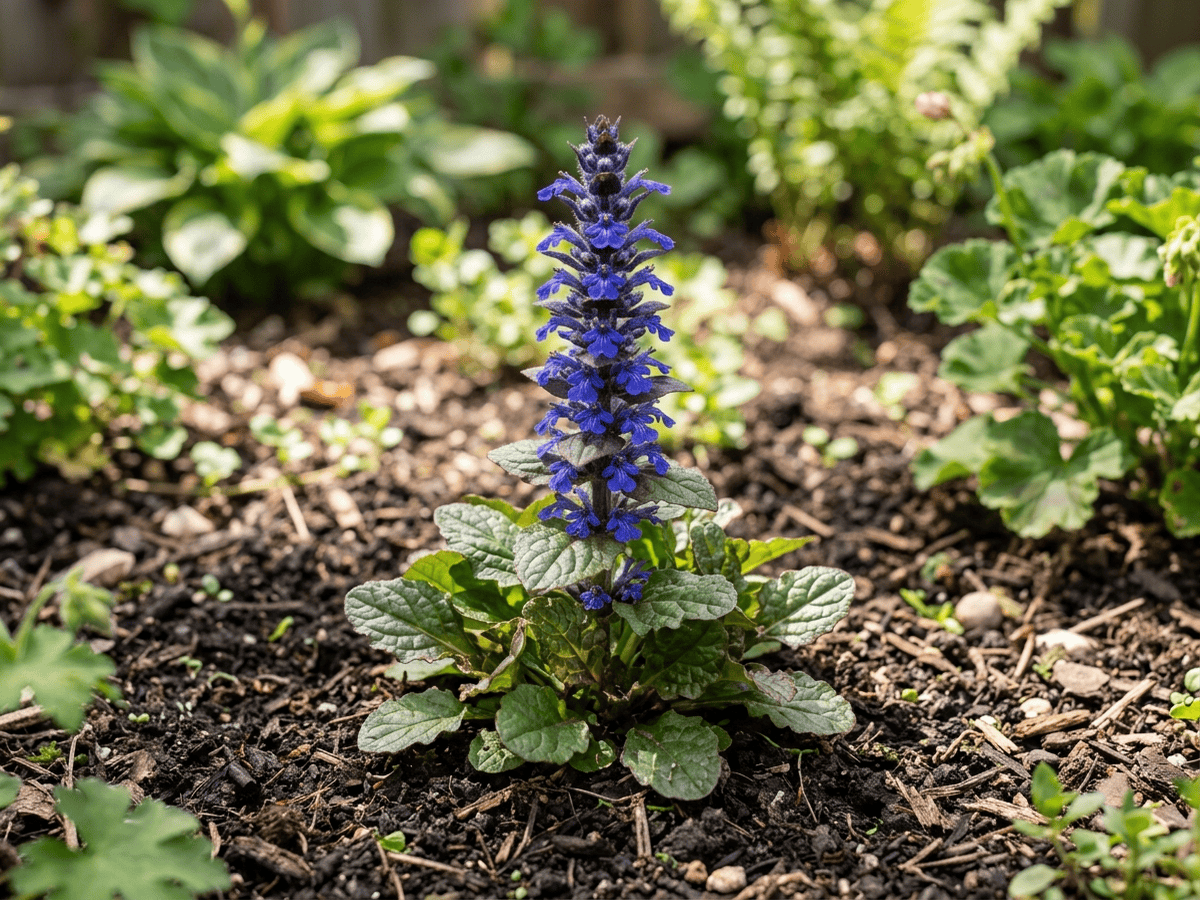 Pyramidal BugleAjuga pyramidalis
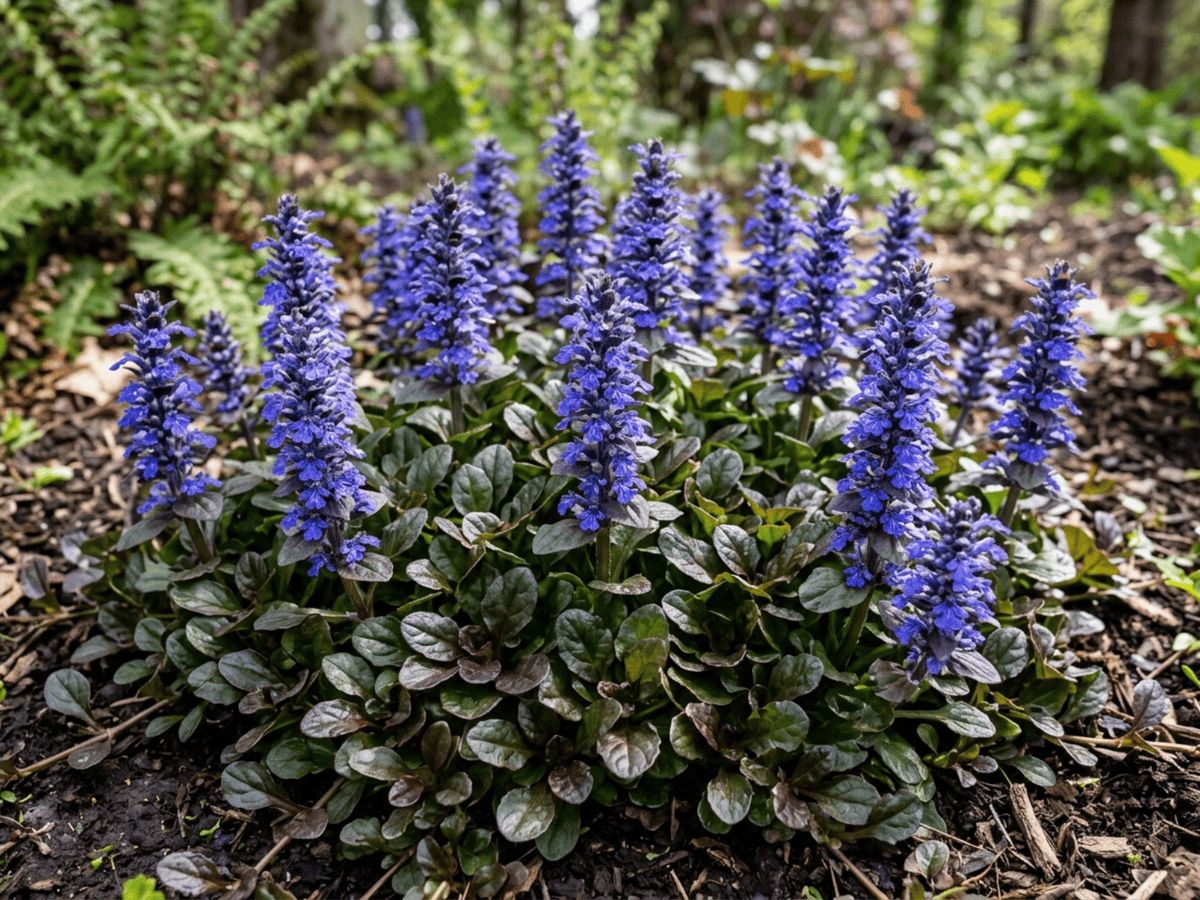 Carpet BugleAjuga reptans
Frequently asked questions
How often should I water Creeping Phlox?
In summer, water about every 3 days; in winter, about every 14 days. Adjust for heat, pot size and drainage.
How much light does Creeping Phlox need?
Part shade: 2–4 hrs direct. Watch the leaves — scorching or stretching means the light needs adjusting.
Is Creeping Phlox toxic to cats or dogs?
Pets Safe (Dogs Safe · Cats Safe) Educational information, not medical or veterinary advice. If exposure is suspected, contact a doctor or veterinarian.
Is Creeping Phlox easy to grow?
Yes — it is considered an easy, beginner-friendly plant.
When does Creeping Phlox bloom?
It typically blooms Apr–May in the Northern Hemisphere.
YardMate
Identify any plant in seconds
Snap a photo — YardMate names the plant, diagnoses problems, and reminds you when to water.
Download on the App Store