 YardMate

Swamp White Oak
Quercus bicolor
Easy · Beginner friendlyAbout Swamp White Oak
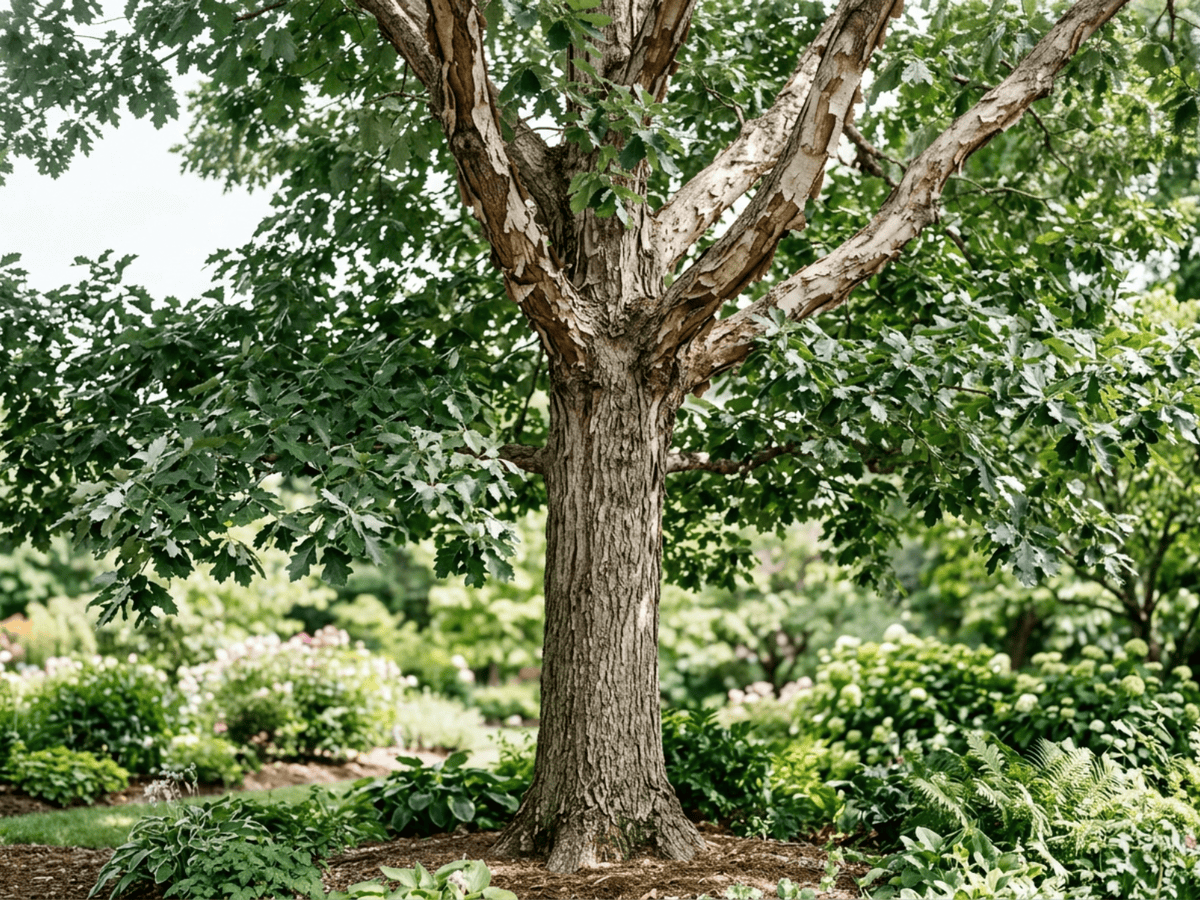
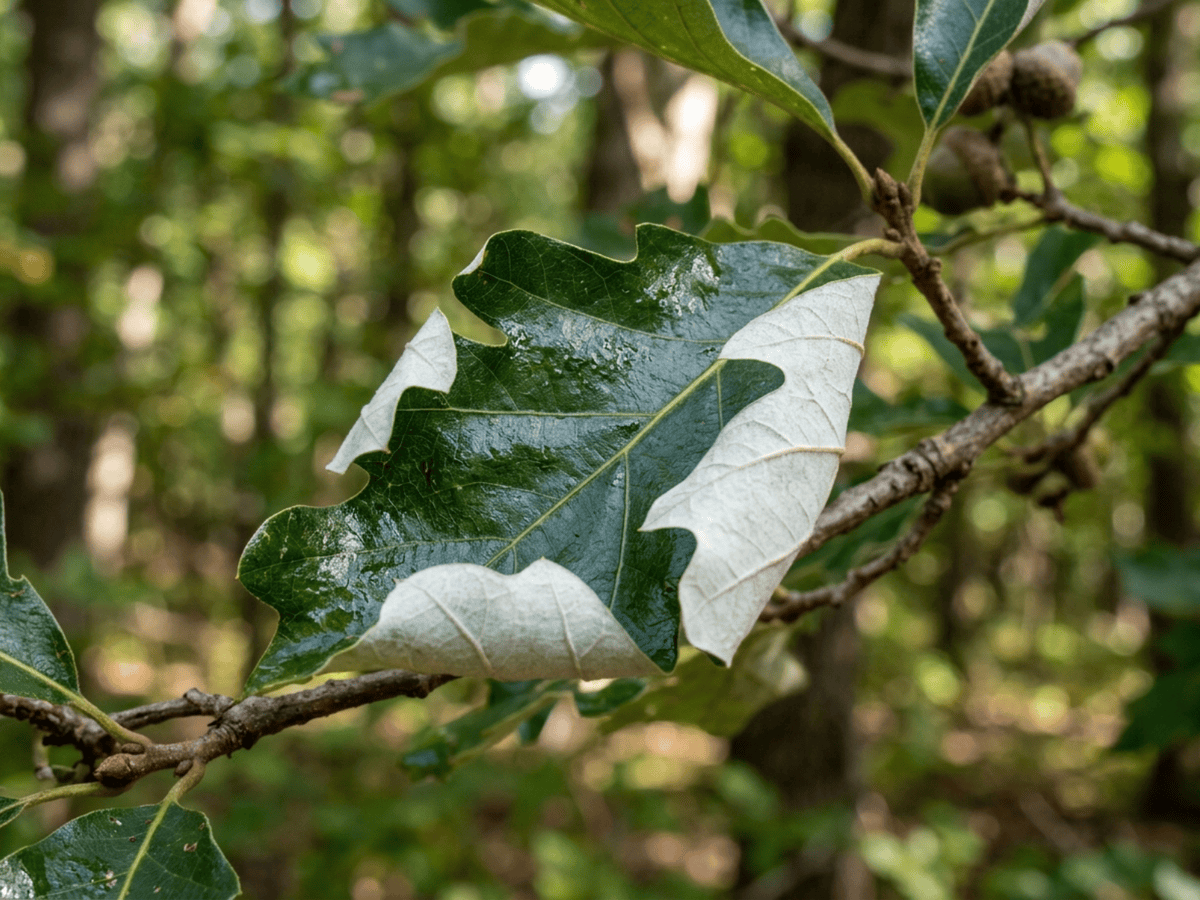
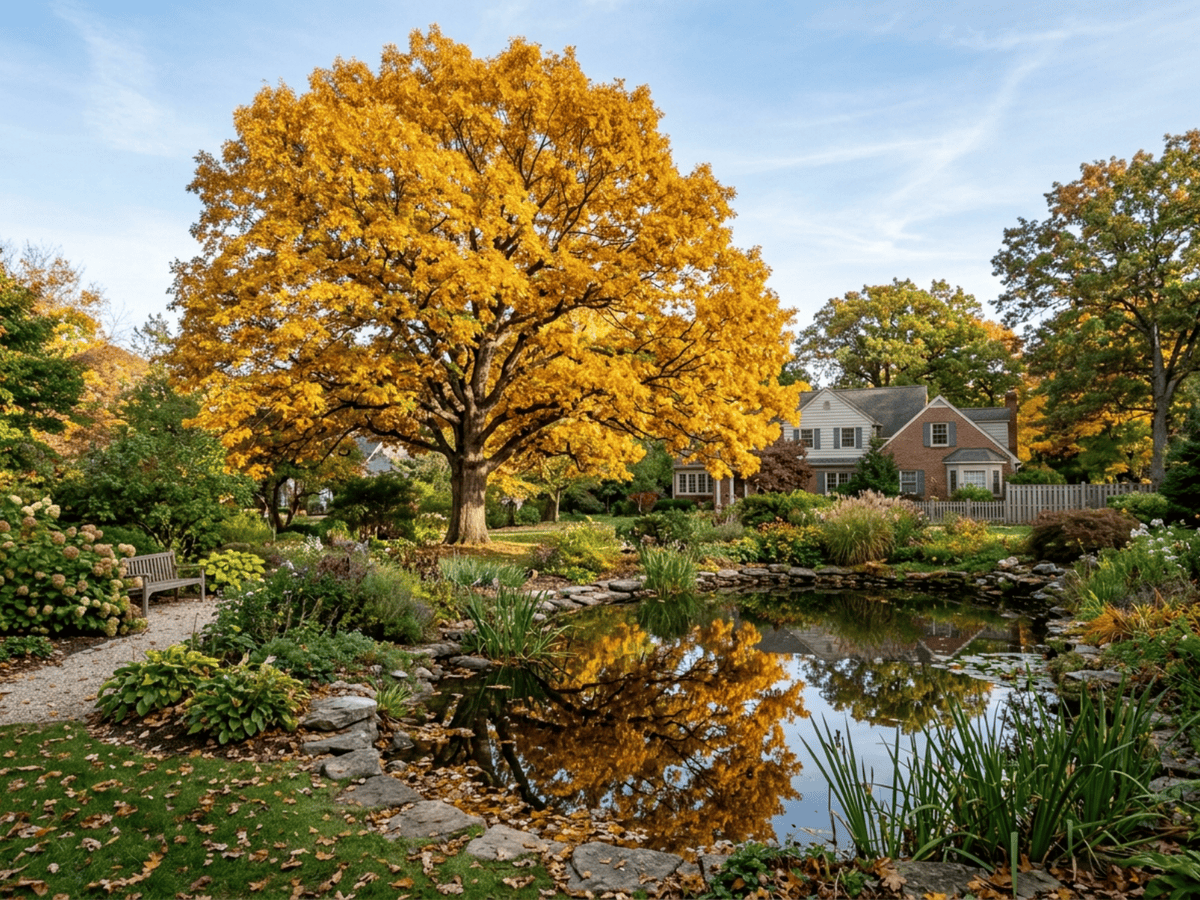
Swamp White Oak is a stately deciduous tree native to the northeastern and midwestern United States, reaching 60-80 feet, adapted to moist bottomland soils but remarkably tolerant of average landscape conditions. Leaves are dark green above and silvery-white below, giving a distinctive two-toned flutter in the wind. Russet-yellow fall color and long-lived stature make it an excellent shade and specimen tree, notably planted at the 9/11 Memorial in New York.
- Native
How to care for Swamp White Oak
Watering
- Springevery 7 days
- Summerevery 5 days
- Fallevery 10 days
- Winterpause watering
Soil · Well-draining
- Top dressingPine bark mulch10%
- Main mixPotting soil + perlite 2:170%
- DrainageLECA / gravel20%
Never skip the drainage layer — standing water is the top cause of root rot.
FERTILIZER
Balanced Feed 14-14-14
An even feed covers all three needs at once, keeping leaves, roots and blooms moving together with nothing pushed out of balance.
- Nitrogen · Leaves
- Phosphorus · Roots + Blooms
- Potassium · Strength
- Springevery 60 days
- Summerevery 60 days
At a Glance
- NativeNorth America
- Height50–70 ft (15.2–21.3 m)
- Spread50–70 ft (15.2–21.3 m)
- Flower colorGreen
- Foliage colorSilver, Bronze
- Fruit colorBrown
- SoilLoamy, Moisture-retentive, Acidic
- LocationsYard
Bloom time
BLOOM CYCLE
Peak bloom
Mar–May
Yellow-green catkins in spring
Toxicity
Humans Slight · Pets Moderate
tannic acid
Slight
- Acorn
- Leaf
- Ingestion
EXPOSURE Eating acorn and leaves.
EFFECT GI upset from tannins.
NOTE Documented concern for humans: GI upset from tannins.
Moderate
- Acorn
- Leaf
- Ingestion
EXPOSURE Eating acorn and leaves.
EFFECT Vomiting, diarrhea, and kidney damage.
NOTE ASPCA lists Quercus as toxic to pets. Acorns of white oak group less bitter than red oaks.
Moderate
- Acorn
- Leaf
- Ingestion
EXPOSURE Eating acorn and leaves.
EFFECT Vomiting, diarrhea, and kidney damage.
NOTE ASPCA lists Quercus as toxic to pets. Acorns of white oak group less bitter than red oaks.
Educational information, not medical or veterinary advice. If exposure is suspected, contact a doctor or veterinarian.
DISTRIBUTION


- Native
- North America
History

Quercus bicolor grows in bottomland forests and wet flatwoods across eastern North America from southern Quebec and Ontario south to Georgia and west to Missouri. German botanist Carl Ludwig Willdenow formally described it in 1801. The specific epithet bicolor refers to the two-toned leaves—glossy dark green above and silvery-white beneath, a striking effect when wind flips them.
It was selected as the primary tree species for the 9/11 Memorial Plaza in lower Manhattan, which opened in 2011 with 400+ individual trees planted to surround the twin reflecting pools. The selection referenced the species' association with wetland resilience and its ability to thrive under difficult conditions. In nature the species tolerates both flooding and drought, making it among the most adaptable oaks for urban streetscapes and challenging sites.
Mature trees reach 50-60 feet with broad open crowns and distinctive flaky exfoliating bark on mature stems. Chosen as the signature tree at the National September 11 Memorial, where over 400 were planted to represent resilience and renewal. Native Americans ground the sweet acorns for flour.
Symbolism & meaning
What It Symbolizes
Swamp White Oak can symbolize honor, chosen as the commemorative tree at the 9/11 Memorial in New York City for its dignity, its long life, and its ability to thrive in difficult ground. Another layer is resilience, for it grows in a wide range of conditions from wet bottomlands to drier upland sites. To plant quercus bicolor is to plant a tree whose meaning has been publicly tied to remembrance, a native oak chosen specifically to bear witness.
- Honor — commemorative tree at 9/11 Memorial
- Resilience — thrives in diverse conditions
Where the Name Comes From
'Bicolor' refers to the two-toned leaves—dark green above, silver-white below.
Uses & Fun Facts
- Swamp white oak gives broad shade for wet sites
- Acorns feed deer, turkeys, and woodland mammals
- Long-lived stately native oak for large yards
Related plants
More Quercus plants
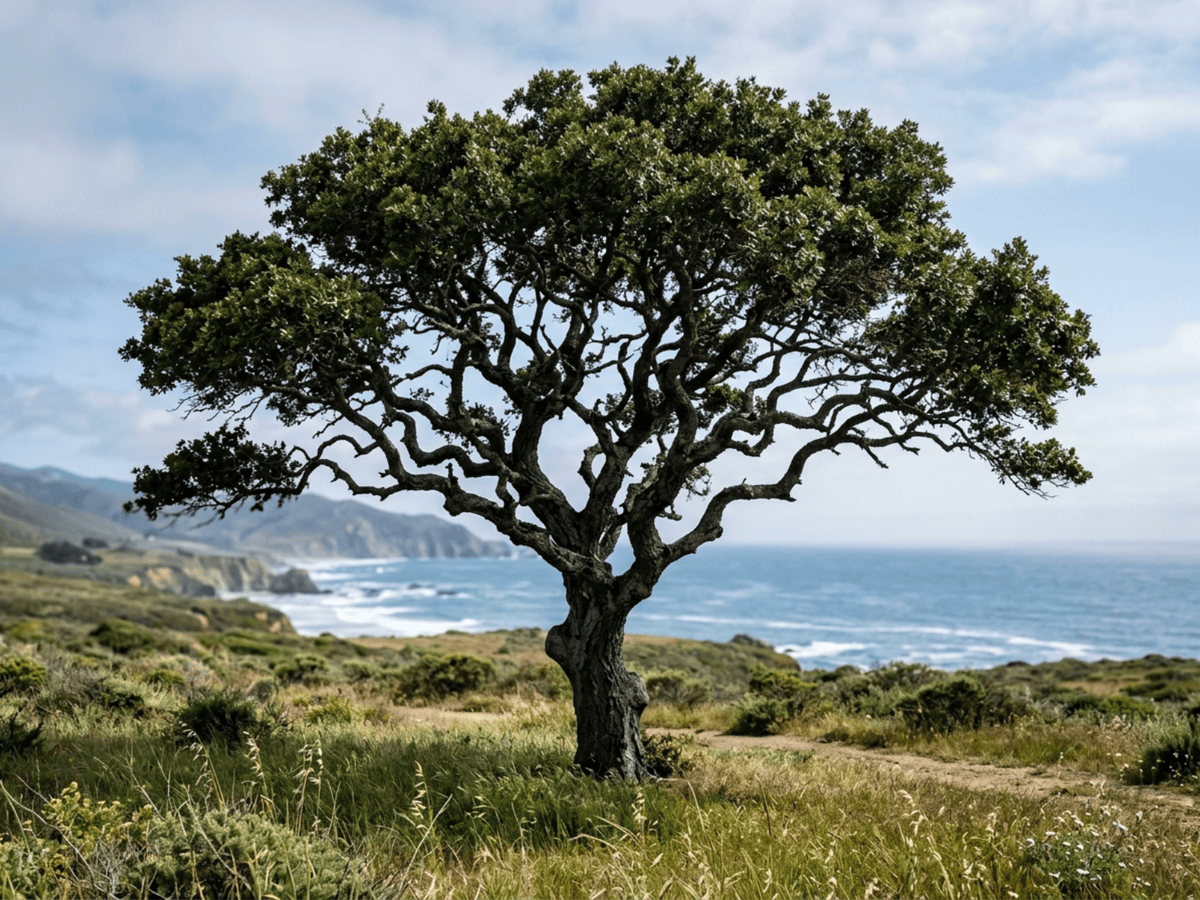 Coast Live OakQuercus agrifolia
 White OakQuercus alba
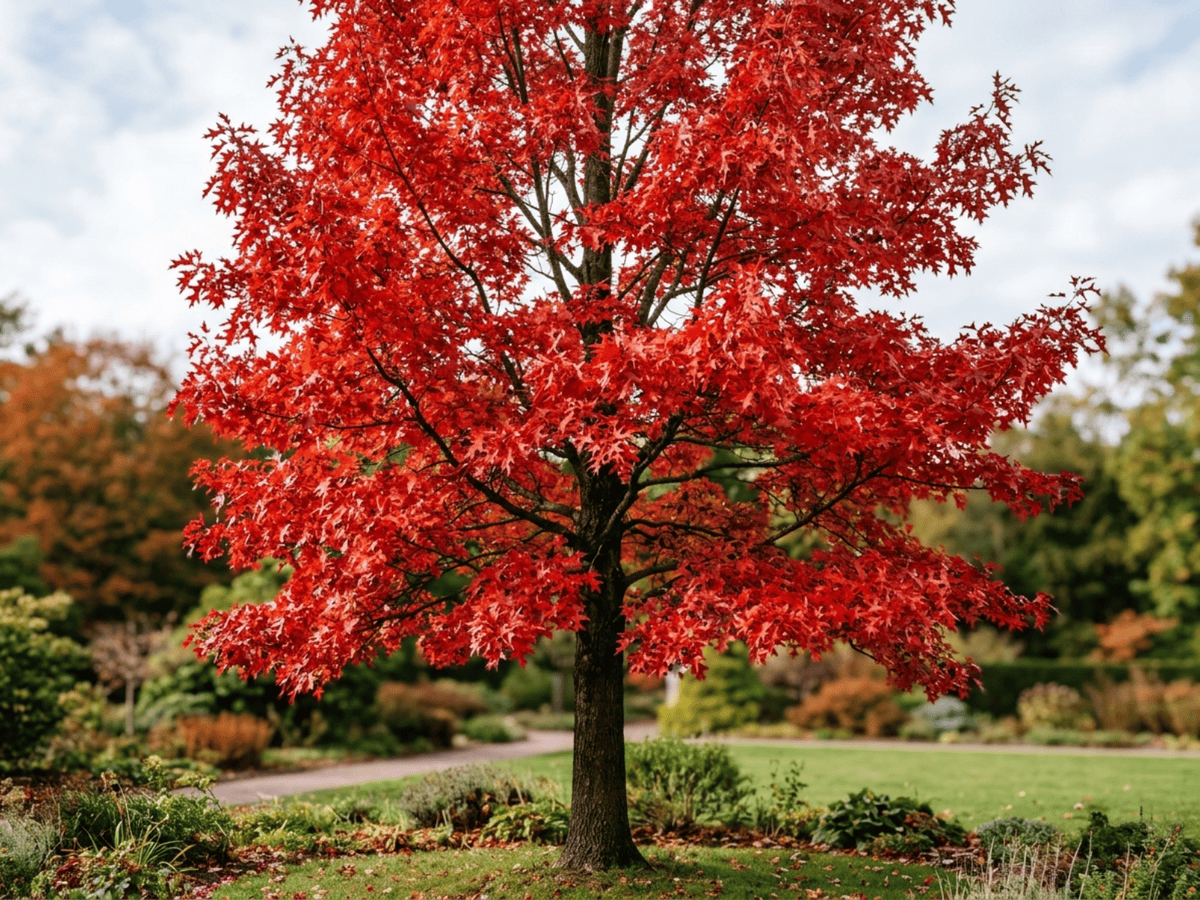 Scarlet OakQuercus coccinea
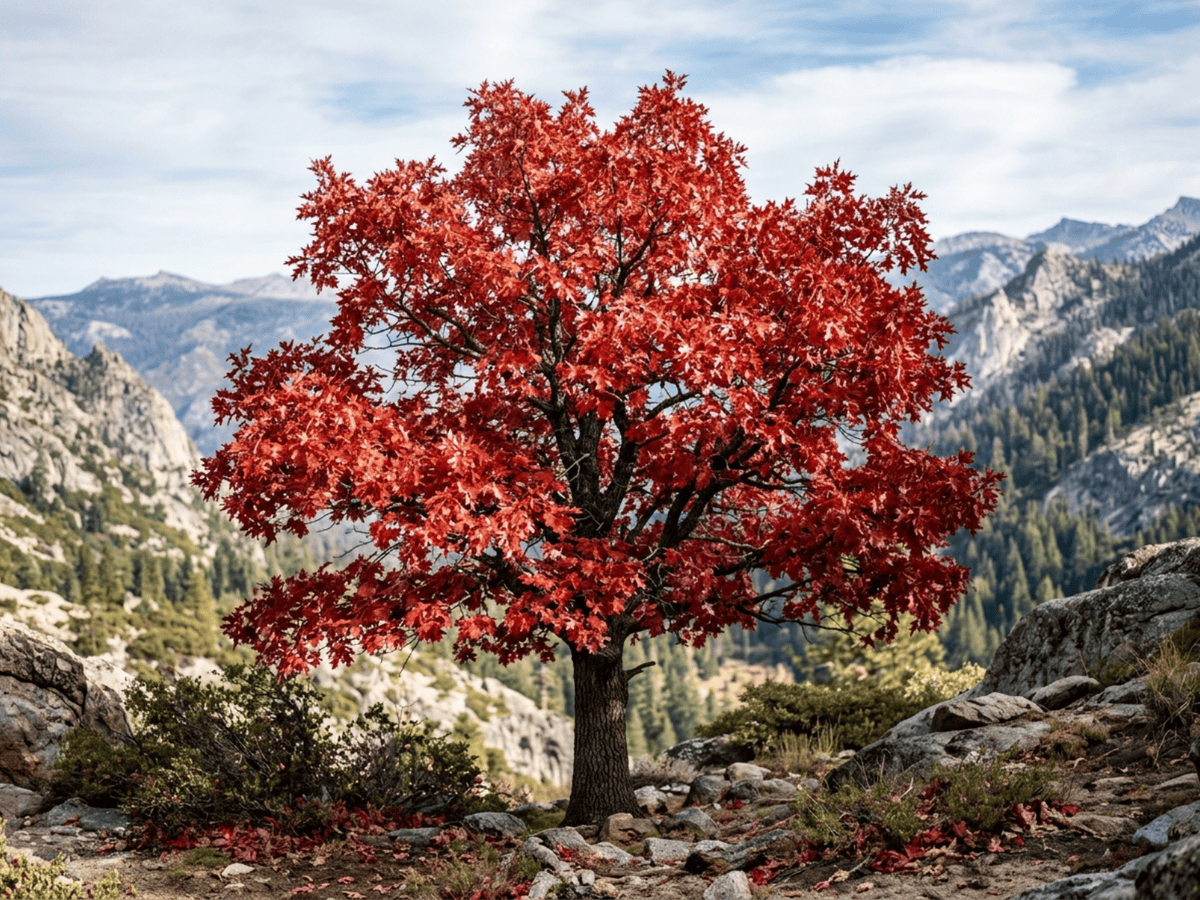 California Black OakQuercus kelloggii
Plants with similar care
 Chinese AbeliaAbelia chinensis
 Fragrant AbeliaAbelia mosanensis
 Large-Flowered AbeliaAbelia uniflora
 Glossy AbeliaAbelia x grandiflora
Frequently asked questions
How often should I water Swamp White Oak?
Water about every 7 days during the growing season, and always let excess water drain away.
How much light does Swamp White Oak need?
Full sun: 6+ hrs direct. Watch the leaves — scorching or stretching means the light needs adjusting.
Is Swamp White Oak toxic to cats or dogs?
Pets Moderate (Dogs Moderate · Cats Moderate) Educational information, not medical or veterinary advice. If exposure is suspected, contact a doctor or veterinarian.
Is Swamp White Oak easy to grow?
Yes — it is considered an easy, beginner-friendly plant.
When does Swamp White Oak bloom?
It typically blooms Mar–May in the Northern Hemisphere.
YardMate
Identify any plant in seconds
Snap a photo — YardMate names the plant, diagnoses problems, and reminds you when to water.
Download on the App Store