 YardMate


White Oak
Quercus alba
Medium · Some experienceAbout White Oak
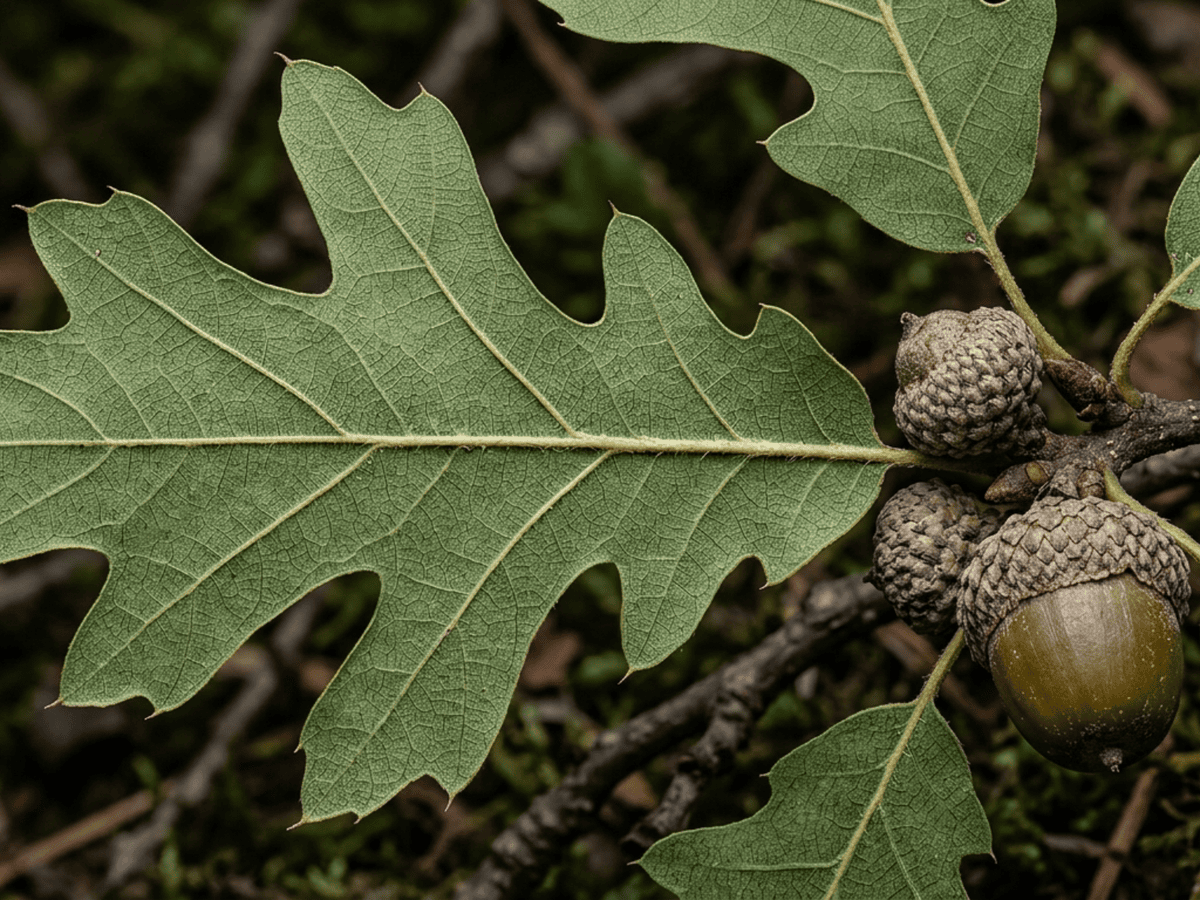
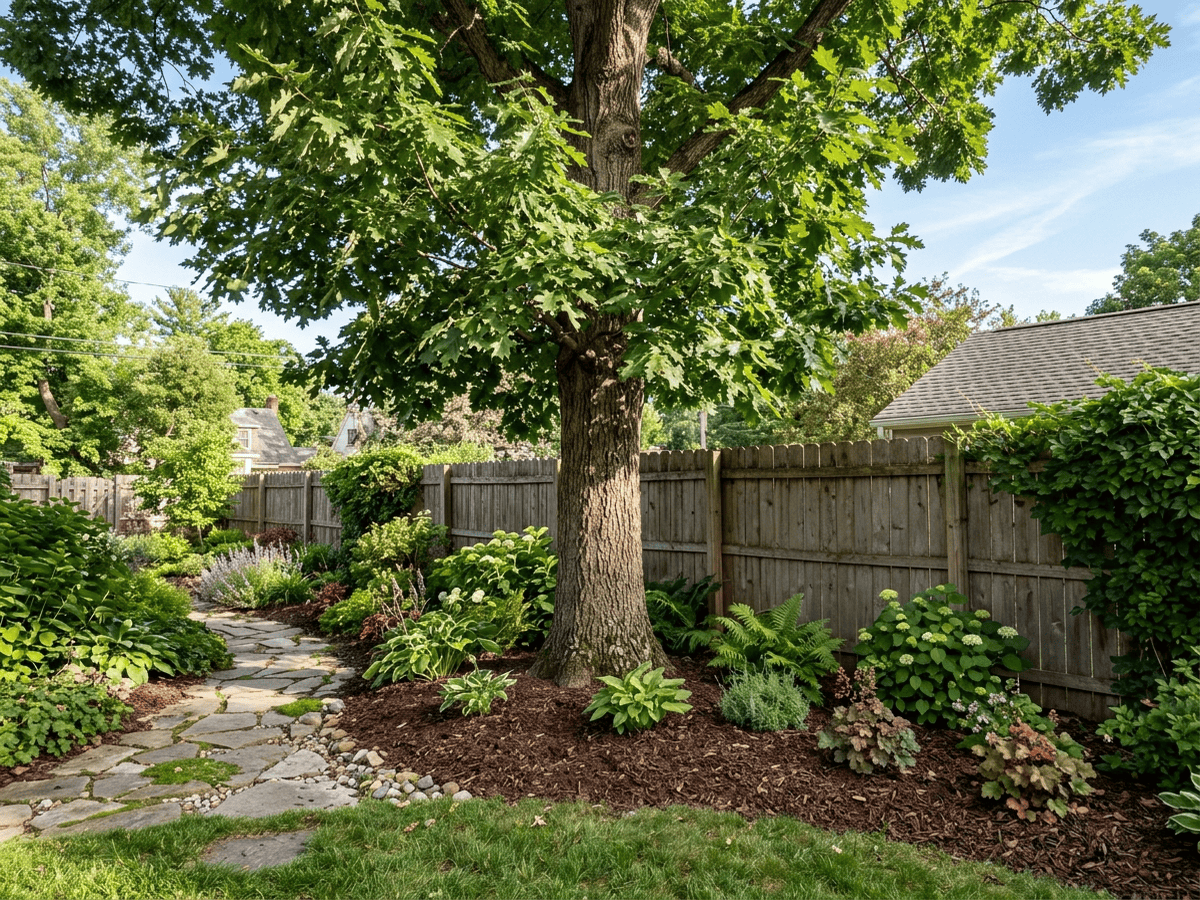
Quercus alba, the white oak, is a stately deciduous tree in the Fagaceae family native to eastern North America. Growing 20–30 m tall with a broad, rounded crown and characteristic rounded-lobe leaves (unlike the pointed lobes of red oaks), it is considered the noblest native oak of the American eastern forest. Autumn colour ranges from russet to wine-red to deep purple.
White oaks thrive in USDA zones 3–9 in deep, well-drained, slightly acidic soil and full sun. They grow slowly but live for centuries—the Wye Oak in Maryland was over 450 years old before it fell in 2002. The deep taproot makes transplanting difficult; plant young trees in their permanent location.
White oak wood is water-tight due to tyloses that block the vessel pores, making it essential for whiskey barrels (bourbon must be aged in new white oak barrels by law), ship building, and outdoor furniture. The acorns are lower in tannin than red oak species, making them the preferred food for wildlife and historically important for Native American flour. The white oak is arguably the most ecologically and economically important hardwood in North America.
- Cold-hardy
- Native
- Wildlife-friendly
How to care for White Oak
Watering
- Springevery 14 days
- Summerevery 10 days
- Fallevery 21 days
- Winterevery 60 days
Soil · Well-draining
- Top dressingPine bark mulch10%
- Main mixPotting soil + perlite 2:170%
- DrainageLECA / gravel20%
Never skip the drainage layer — standing water is the top cause of root rot.
FERTILIZER
Balanced Feed 14-14-14
An even feed covers all three needs at once, keeping leaves, roots and blooms moving together with nothing pushed out of balance.
- Nitrogen · Leaves
- Phosphorus · Roots + Blooms
- Potassium · Strength
- Springevery 60 days
At a Glance
- NativeNorth America
- Height60–90 ft (18.3–27.4 m)
- Spread50–80 ft (15.2–24.4 m)
- Flower colorYellow, Green
- Foliage colorGreen, Red
- SoilLoamy, Well-drained, Acidic
- LocationsYard
Bloom time
BLOOM CYCLE
Peak bloom
Apr–May
Catkins in spring; low-tannin acorns are prized wildlife food in autumn.
Fragrance
NO FRAGRANCE
No notable fragrance.
Toxicity
Humans Slight · Pets Moderate
tannins and gallotannins
Slight
- Acorn
- Ingestion
EXPOSURE Eating acorn.
EFFECT Raw acorns tannic and leaching removes tannins.
NOTE Documented concern for humans: Raw acorns tannic and leaching removes tannins.
Moderate
- Acorn
- Leaf
- Ingestion
EXPOSURE Eating acorn and leaves.
EFFECT Tannin toxicity.
NOTE ASPCA lists Quercus as toxic to pets.
Moderate
- Acorn
- Leaf
- Ingestion
EXPOSURE Eating acorn and leaves.
EFFECT Tannin toxicity.
NOTE ASPCA lists Quercus as toxic to pets.
Educational information, not medical or veterinary advice. If exposure is suspected, contact a doctor or veterinarian.
DISTRIBUTION


- Native
- Introduced
- North America
History

Quercus alba is native to eastern North America, from southern Canada through Florida and west to Texas. Indigenous Eastern Woodlands peoples used white oak extensively: acorns (leached of tannins) provided flour, bark yielded medicines and dyes, and wood was used for tools and structural purposes. European colonists adopted white oak as the primary structural and barrel-making hardwood of the Americas.
US federal law 27 CFR §5.22 defines bourbon whiskey as requiring aging in new charred white oak barrels — a legal requirement that makes Q. alba commercially critical to the American whiskey industry. American white oak barrels are also widely used to age Scotch whisky, Irish whiskey, rum, tequila, wine, and bourbon aging; the Spanish sherry industry traditionally used American oak barrels before aging their own wine in them. The Wye Oak of Wye Mills, Maryland, estimated at 460+ years old when a storm felled it in 2002, was the largest documented white oak in the US and a state symbol.
Individual specimens typically live 300-500 years; some reach 600-800 years. Native Americans used white oak acorns as a flour staple. The USS Constitution ('Old Ironsides') was built with white oak. US law requires bourbon to be aged in new charred white oak barrels — the wood's watertight vessels and flavor compounds are irreplaceable. The Charter Oak in Connecticut (felled 1856) legendarily hid the colony's charter from British seizure.
Symbolism & meaning
What It Symbolizes
The White Oak expresses nobility, the grandest of American oaks, its broad pale-barked crown spreading slowly above field and farm for four hundred years and more. Generations come and go beneath it as it goes about the business of endurance, its acorns feeding deer, jays, and the long memory of the land. In its quiet majesty lives the dignified backbone of Eastern American forests.
- Nobility — The grandest American oak, white oak symbolizes distinguished character and quiet majesty
- Endurance — Living 400+ years, it represents permanence and the passage of generations
Where the Name Comes From
Quercus is Latin for oak; 'alba' means white, referencing the light gray bark.
Uses & Fun Facts
- Tight-grained timber crafted into bourbon barrels, furniture, ships
- Stately broad-crowned native shade tree for large lawns
- Acorns feed deer, turkeys, squirrels, and many birds
- Long-lived noble eastern oak as landscape heritage focal point
Related plants
More Quercus plants
 Coast Live OakQuercus agrifolia
 Swamp White OakQuercus bicolor
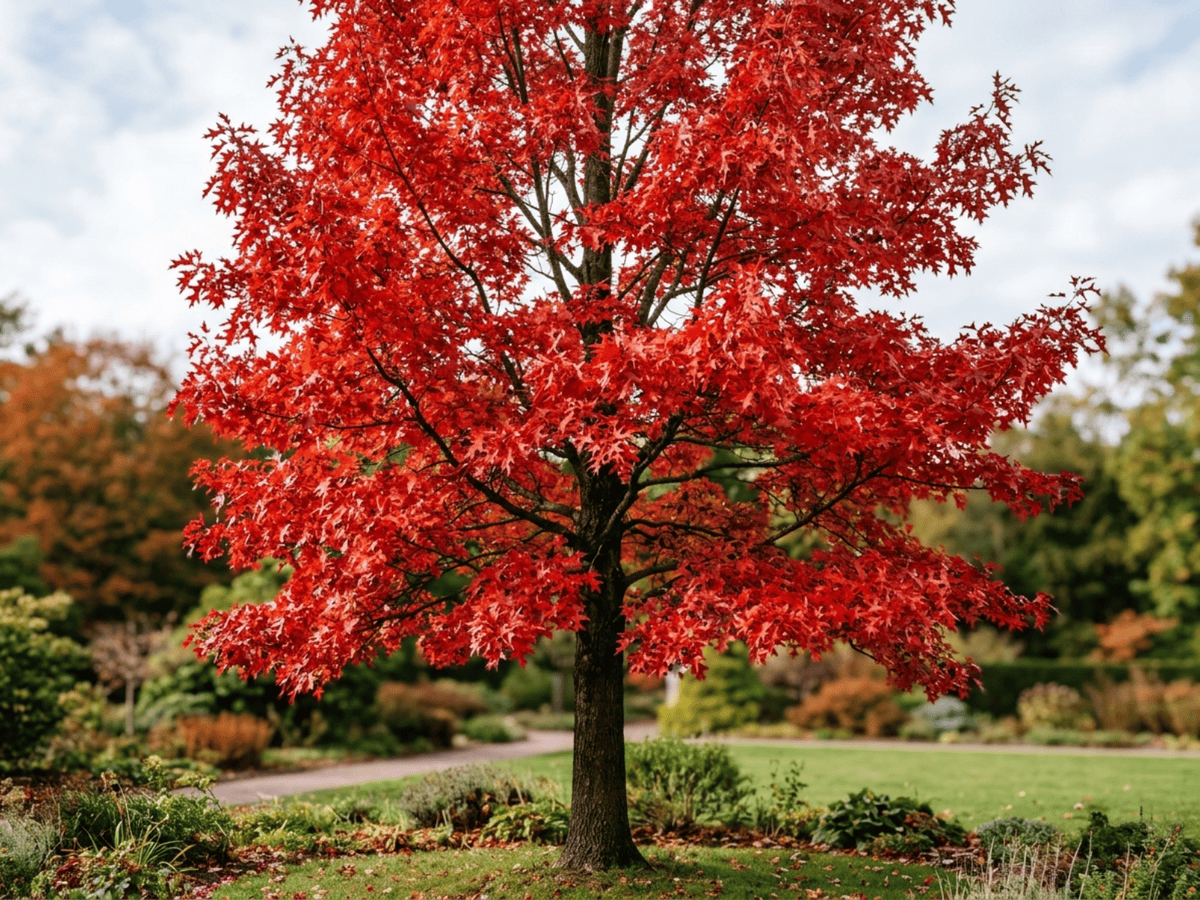 Scarlet OakQuercus coccinea
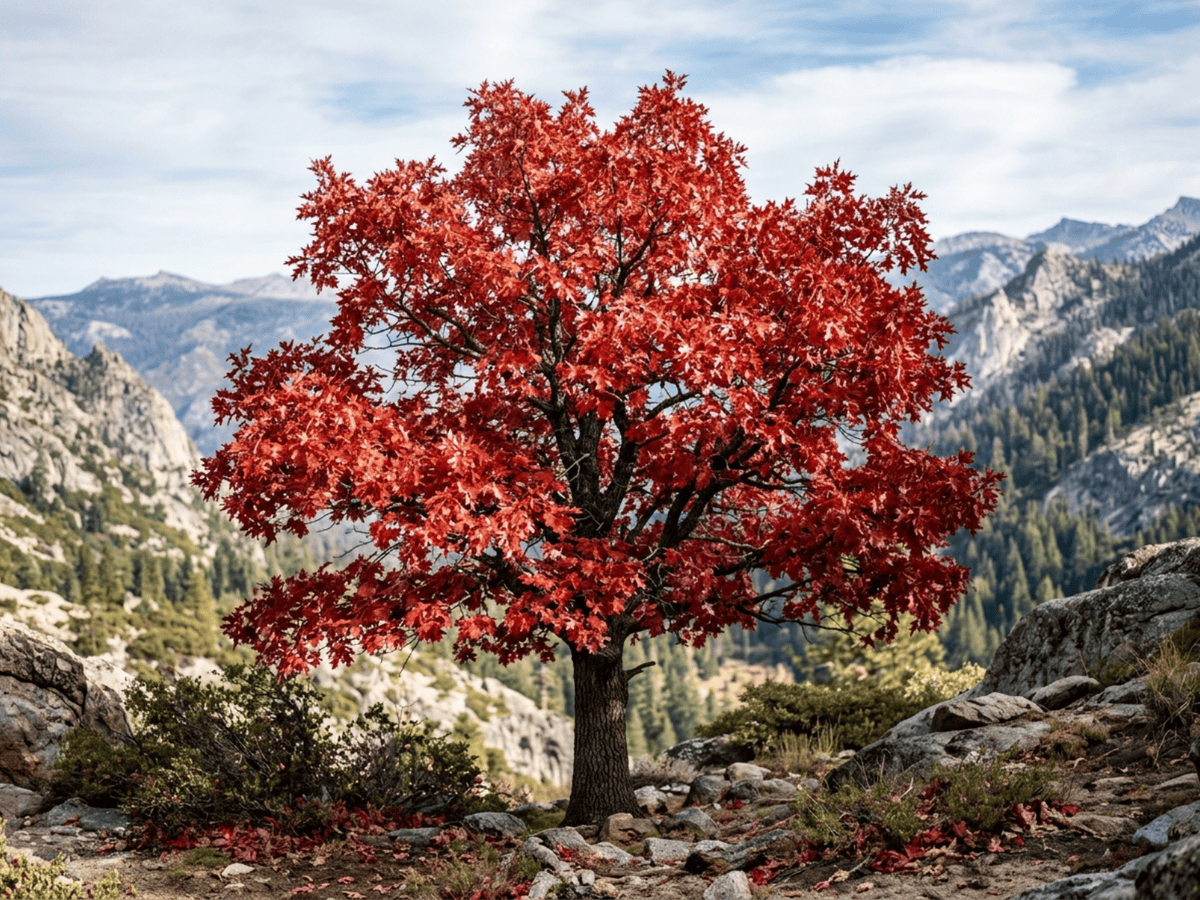 California Black OakQuercus kelloggii
Plants with similar care
 Mexican AbeliaAbelia floribunda
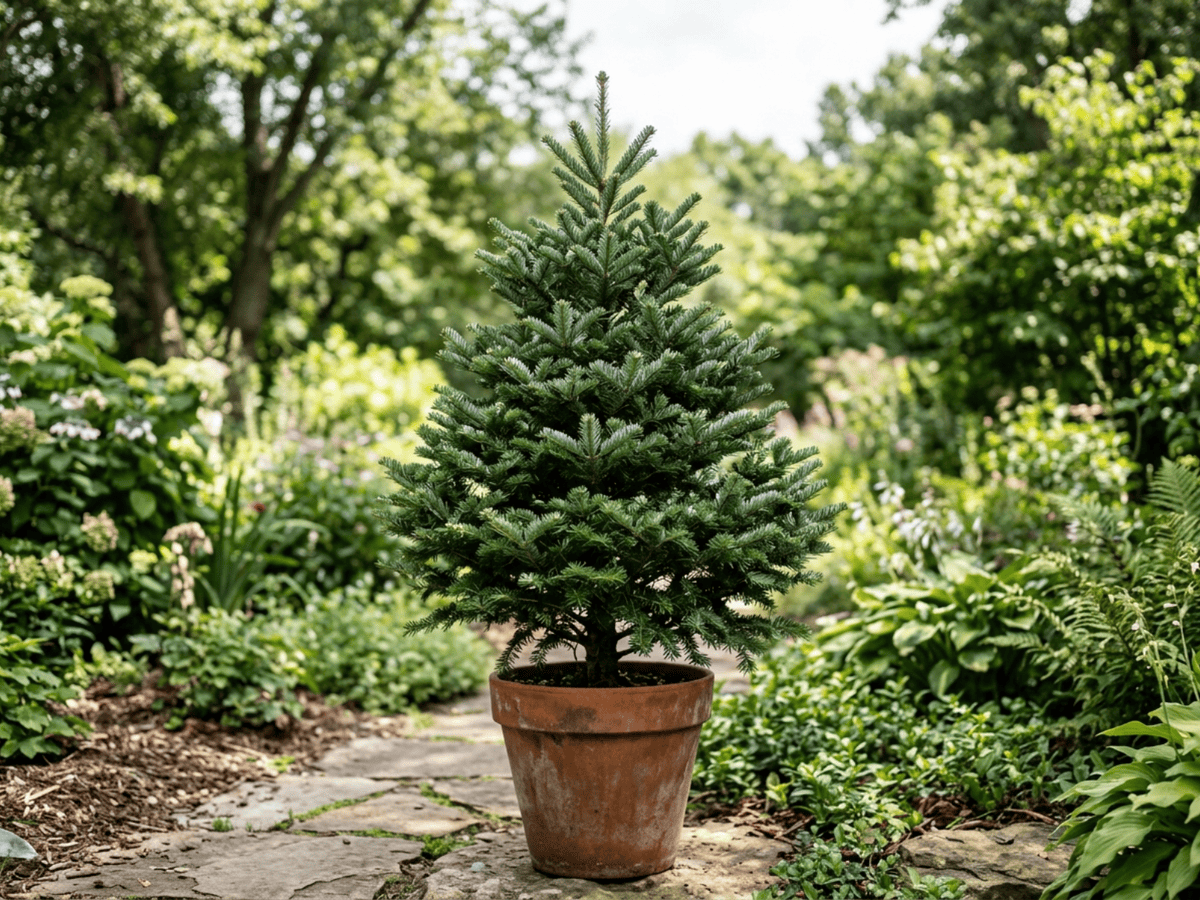 Fraser FirAbies fraseri
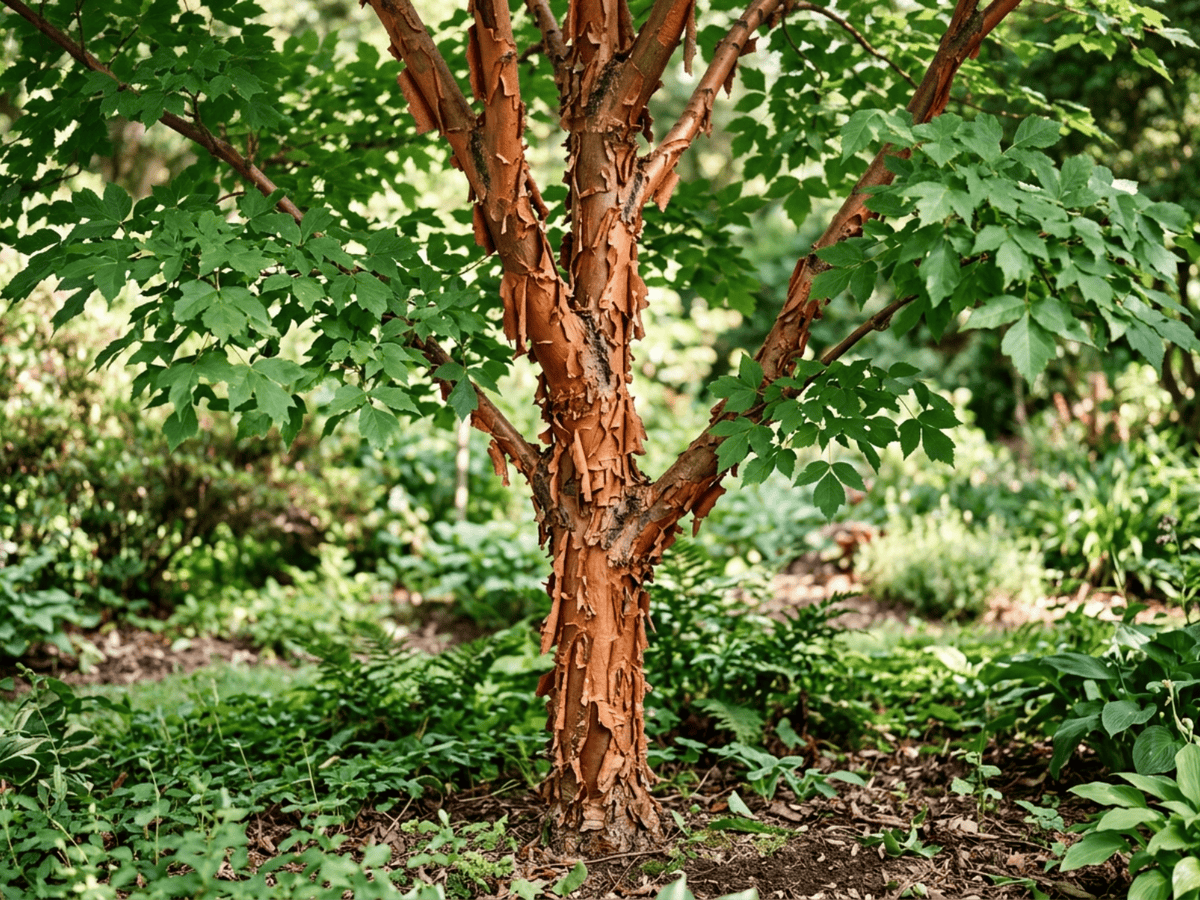 Paperbark MapleAcer griseum
 Sugar MapleAcer saccharum
Frequently asked questions
How often should I water White Oak?
In summer, water about every 10 days; in winter, about every 60 days. Adjust for heat, pot size and drainage.
How much light does White Oak need?
Full sun: 6+ hrs direct. Watch the leaves — scorching or stretching means the light needs adjusting.
Is White Oak toxic to cats or dogs?
Pets Moderate (Dogs Moderate · Cats Moderate) Educational information, not medical or veterinary advice. If exposure is suspected, contact a doctor or veterinarian.
Is White Oak easy to grow?
It is moderately demanding: a good choice once you have a little experience.
When does White Oak bloom?
It typically blooms Apr–May in the Northern Hemisphere.
YardMate
Identify any plant in seconds
Snap a photo — YardMate names the plant, diagnoses problems, and reminds you when to water.
Download on the App Store