 YardMate
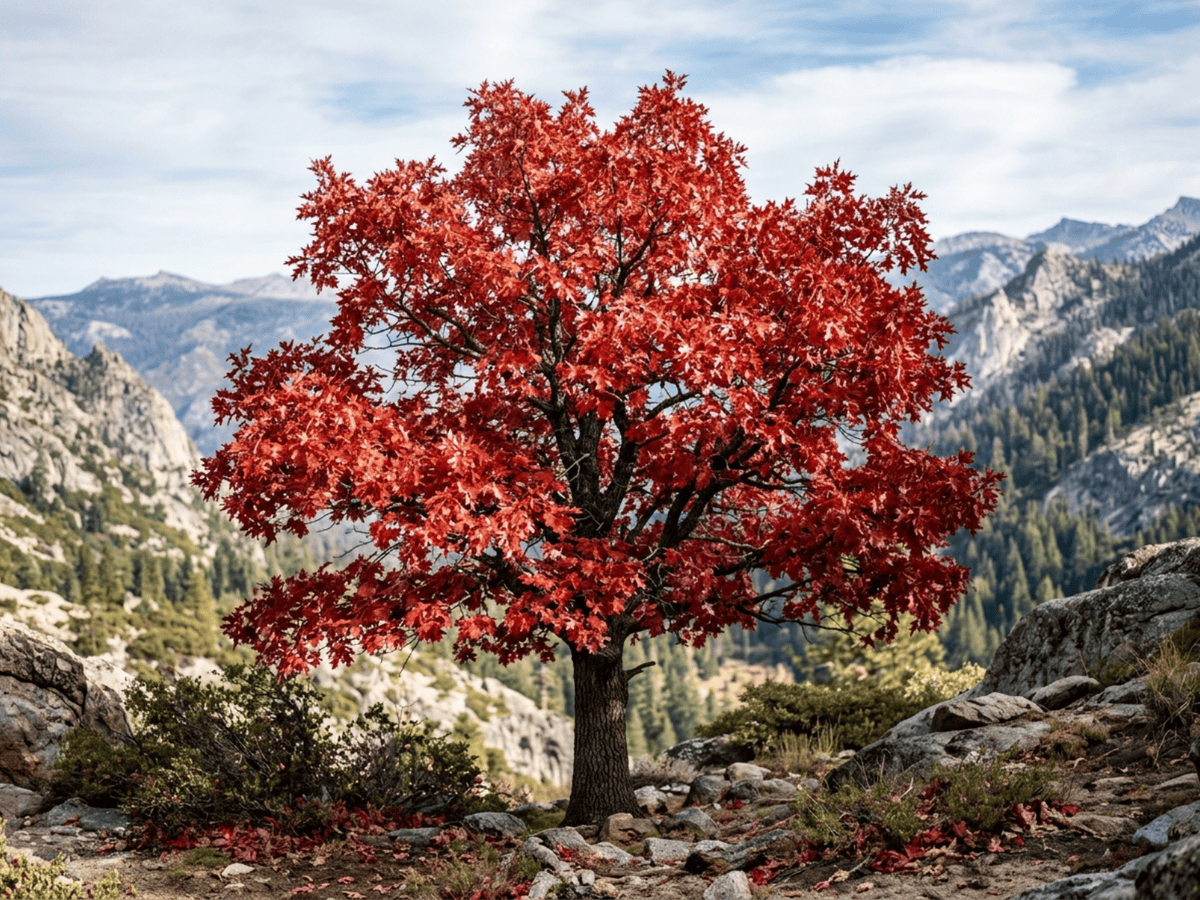


California Black Oak
Quercus kelloggii
Medium · Some experienceAbout California Black Oak
California Black Oak is a deciduous California native oak reaching 30-80 feet, with deeply lobed leaves that emerge pinkish-red in spring, turn deep green in summer, and yellow-orange in autumn—providing some of the best fall color among California natives. Native to the Sierra Nevada, Klamath, and Coast Ranges, it grows at mid-elevations in mixed evergreen forests. Its large acorns were prized by Indigenous peoples as the most flavorful of all California oaks.
- Drought-tolerant
- Fall-color
- Native
How to care for California Black Oak
Watering
- Springevery 14 days
- Summerevery 30 days
- Fallevery 30 days
- Winterpause watering
Soil · Well-draining
- Top dressingPine bark mulch10%
- Main mixPotting soil + perlite 2:170%
- DrainageLECA / gravel20%
Never skip the drainage layer — standing water is the top cause of root rot.
FERTILIZER
This plant needs little to no feeding.
At a Glance
- NativeNorth America
- Height30–80 ft (9.1–24.4 m)
- Spread30–70 ft (9.1–21.3 m)
- Flower colorYellow
- Foliage colorGreen, Yellow, Bronze
- Fruit colorBrown
- SoilLoamy, Well-drained, Acidic
- LocationsYard
Bloom time
BLOOM CYCLE
Peak bloom
Apr–May
Yellow catkins April to May
Fragrance
NO FRAGRANCE
No notable fragrance.
Toxicity
Humans Slight · Pets Moderate
tannins
Slight
- Acorn
- Ingestion
EXPOSURE Eating acorn.
EFFECT Raw acorns contain tannins and must be leached before eating. Processed acorn meal was the primary staple of many California tribes.
NOTE Documented concern for humans: Raw acorns contain tannins and must be leached before eating. Processed acorn meal was the primary staple of many California tribes.
Moderate
- Acorn
- Leaf
- Ingestion
EXPOSURE Eating acorn and leaves.
EFFECT Tannin toxicity: vomiting, diarrhea, kidney stress with large acorn ingestion.
NOTE ASPCA lists oak acorns as toxic to dogs, cats, and horses.
Moderate
- Acorn
- Leaf
- Ingestion
EXPOSURE Eating acorn and leaves.
EFFECT Same as dogs.
NOTE ASPCA lists oak acorns as toxic to dogs, cats, and horses.
Educational information, not medical or veterinary advice. If exposure is suspected, contact a doctor or veterinarian.
DISTRIBUTION


- Native
- North America
History

Quercus kelloggii is native to the mountains and upper foothills of California, southwestern Oregon, and northern Baja California, Mexico, growing primarily at 300-2400 meters elevation on slopes in mixed coniferous-deciduous forests. It was named for Albert Kellogg (1813-1887), a San Francisco physician and co-founder of the California Academy of Sciences who described the species. The species produces large pointed-lobed leaves (more deeply-lobed than any other California oak) with characteristic bristle-tipped lobes, turning golden to copper-orange in autumn. Acorns are large (2-4 cm), pointed, and set in scaly cups.
For California interior Indigenous peoples — particularly the Maidu, Miwok, Yokuts, Yosemite-Paiute, Sierra Miwok, and Mountain Yana — black oak acorns were the single most important traditional food, preferred over all other California oak species for their sweeter flavor, higher oil content, and ease of processing. Archaeological and ethnographic evidence shows systematic Indigenous landscape management through controlled burning for over 1,000 years before European arrival — regular autumn-ignited low-intensity fires cleared understory vegetation, improved acorn harvest access, reduced insect pest populations, and promoted oak regeneration. The loss of this Indigenous burning regime after European colonization and 20th-century fire suppression has contributed to major ecological changes in California montane forests, with excess coniferous understory shading mature black oaks and reducing acorn production.
Modern restoration fire management in places like Yosemite National Park and UC Berkeley's Bishop Pine research forest are reintroducing fire to black oak systems. The tree is one of the few California oaks offering significant autumn color.
Symbolism & meaning
What It Symbolizes
The California Black Oak embodies endurance, thriving on rugged mountain slopes where summer fires sweep through and winters bring sharp cold. Its acorns were the most prized of all by California's Indigenous peoples, ground into nourishing flour that fed entire communities for generations. Few trees so completely embody both resilience and abundance — a hard-edged native whose bitter-shelled fruit, properly tended, becomes daily bread.
- Endurance — thrives in rugged mountain conditions
- Abundance — produces the most prized Indigenous acorns
Where the Name Comes From
'Kelloggii' honors Albert Kellogg (1813–1887), pioneer California botanist and physician.
Uses & Fun Facts
- California Black Oak berries and cover sustain songbirds through autumn
Related plants
More Quercus plants
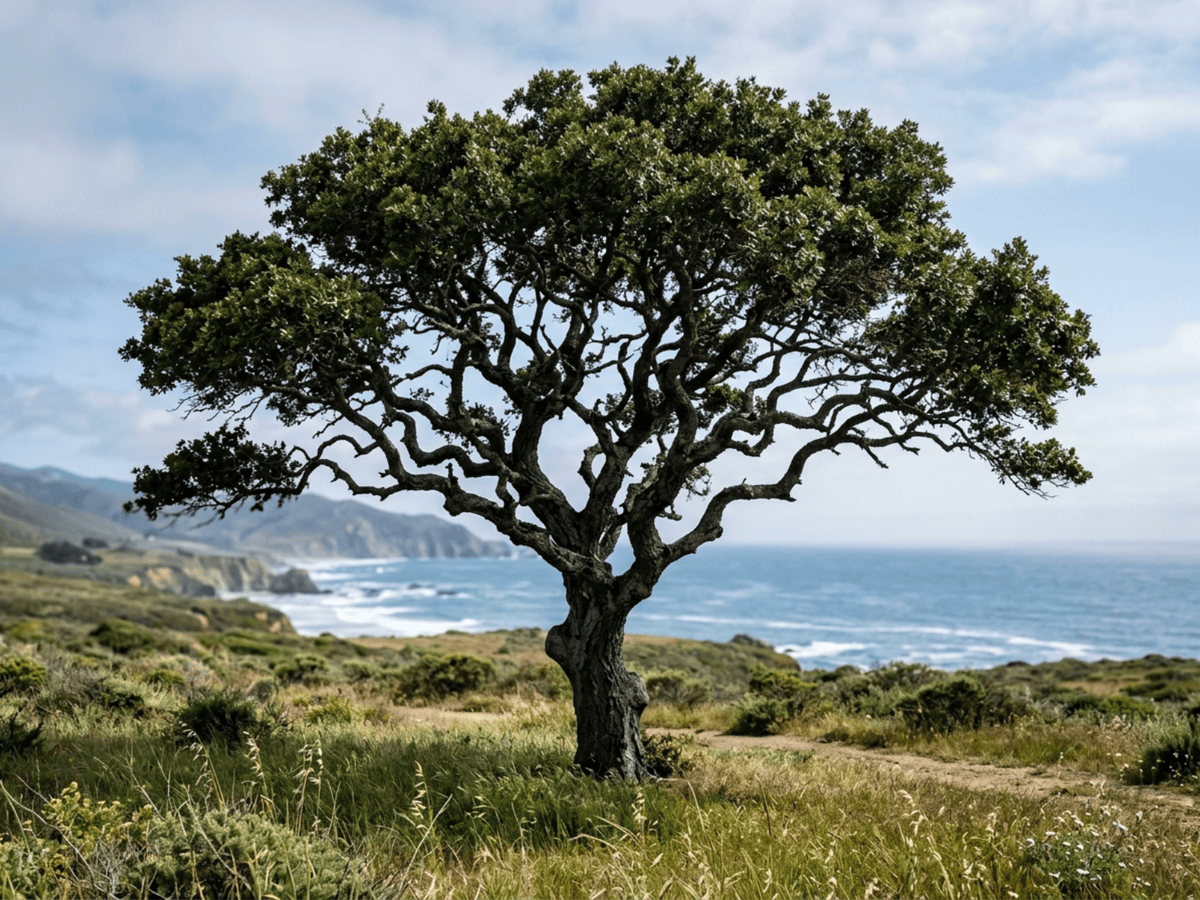 Coast Live OakQuercus agrifolia
 White OakQuercus alba
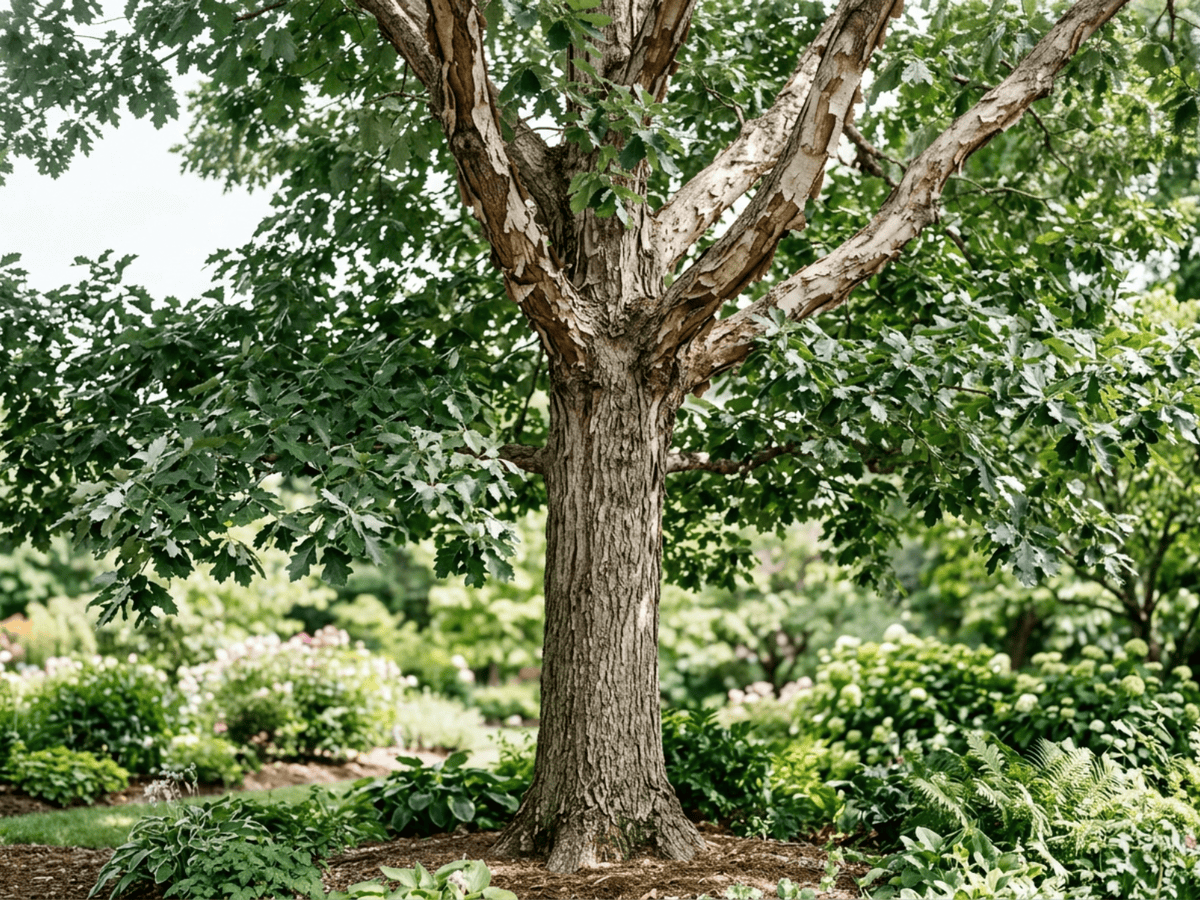 Swamp White OakQuercus bicolor
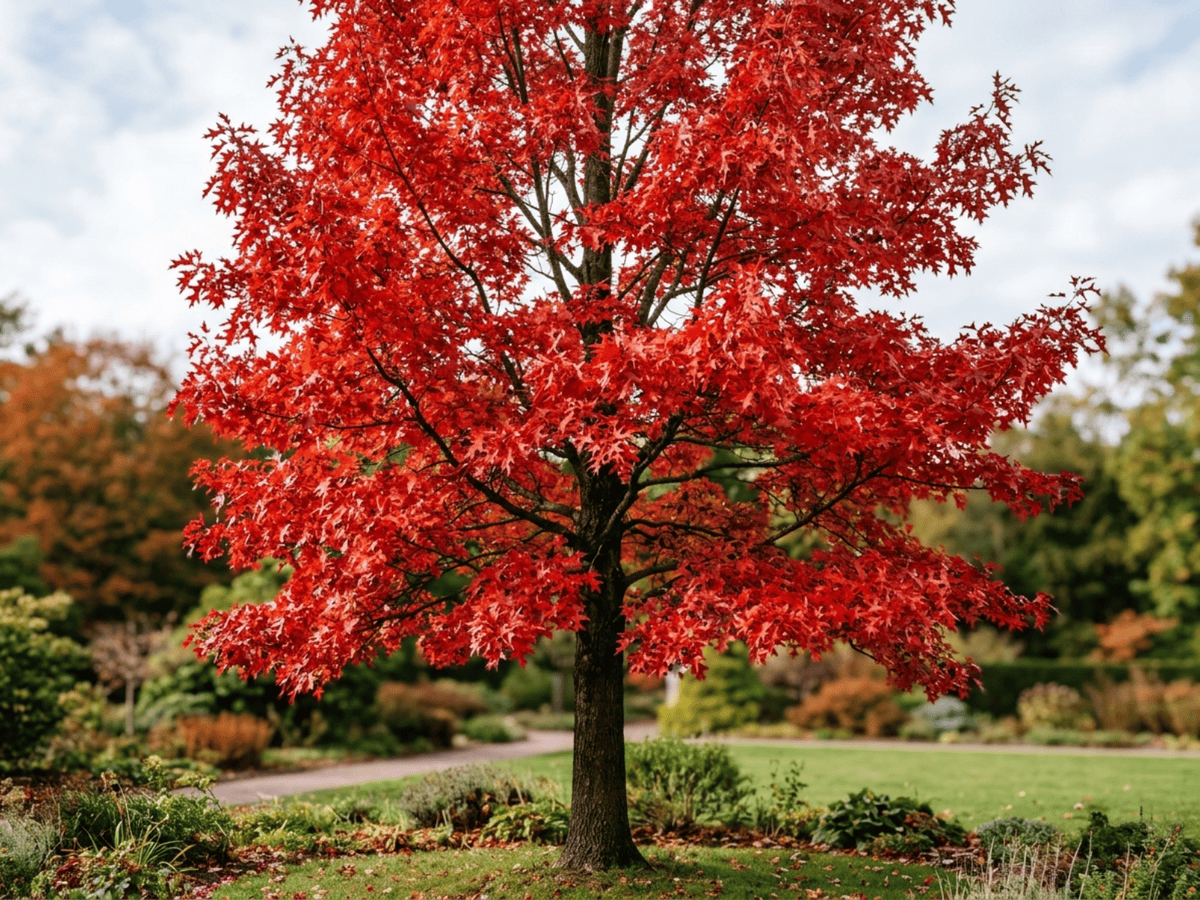 Scarlet OakQuercus coccinea
Plants with similar care
 Mexican AbeliaAbelia floribunda
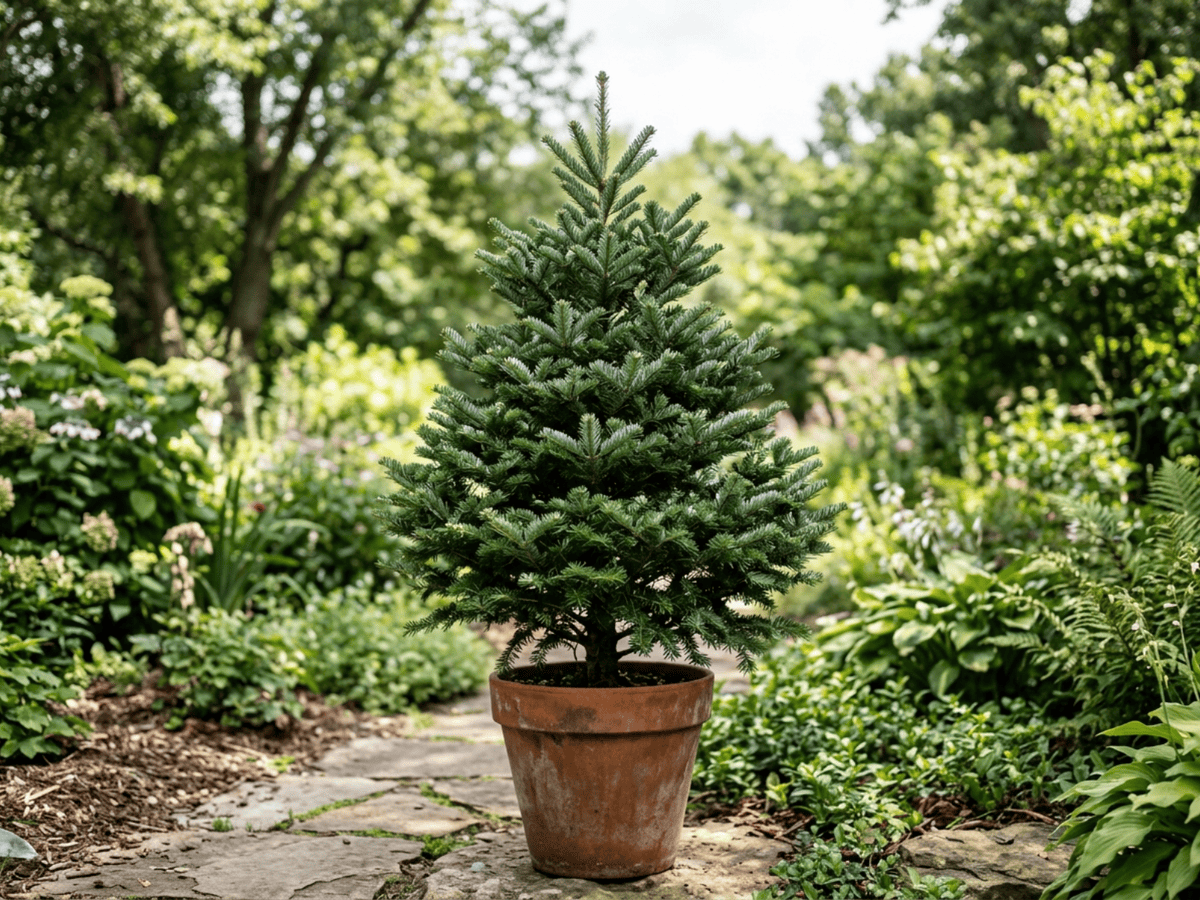 Fraser FirAbies fraseri
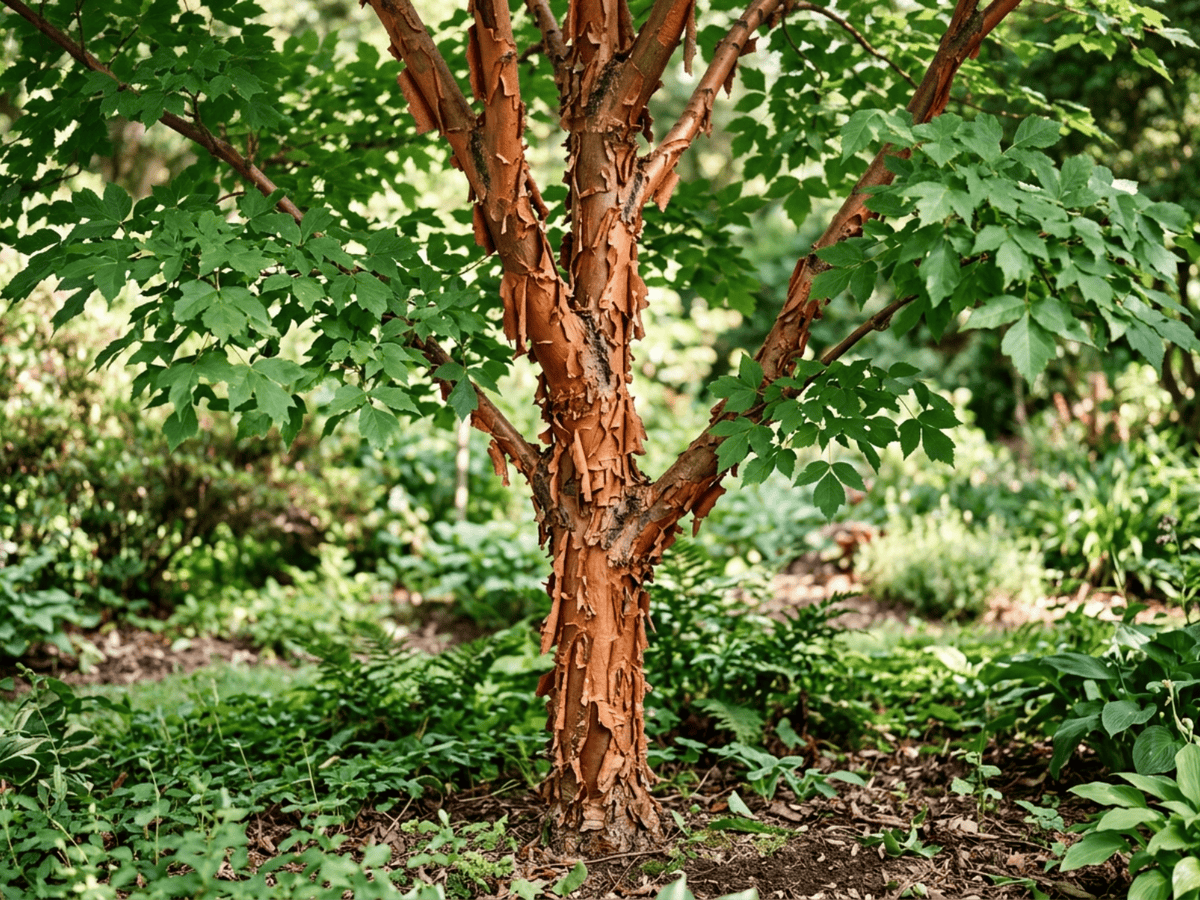 Paperbark MapleAcer griseum
 Sugar MapleAcer saccharum
Frequently asked questions
How often should I water California Black Oak?
Water about every 14 days during the growing season, and always let excess water drain away.
How much light does California Black Oak need?
Full sun: 6+ hrs direct. Watch the leaves — scorching or stretching means the light needs adjusting.
Is California Black Oak toxic to cats or dogs?
Pets Moderate (Dogs Moderate · Cats Moderate) Educational information, not medical or veterinary advice. If exposure is suspected, contact a doctor or veterinarian.
Is California Black Oak easy to grow?
It is moderately demanding: a good choice once you have a little experience.
When does California Black Oak bloom?
It typically blooms Apr–May in the Northern Hemisphere.
YardMate
Identify any plant in seconds
Snap a photo — YardMate names the plant, diagnoses problems, and reminds you when to water.
Download on the App Store