 YardMate


Valley Oak
Quercus lobata
Medium · Some experienceAbout Valley Oak
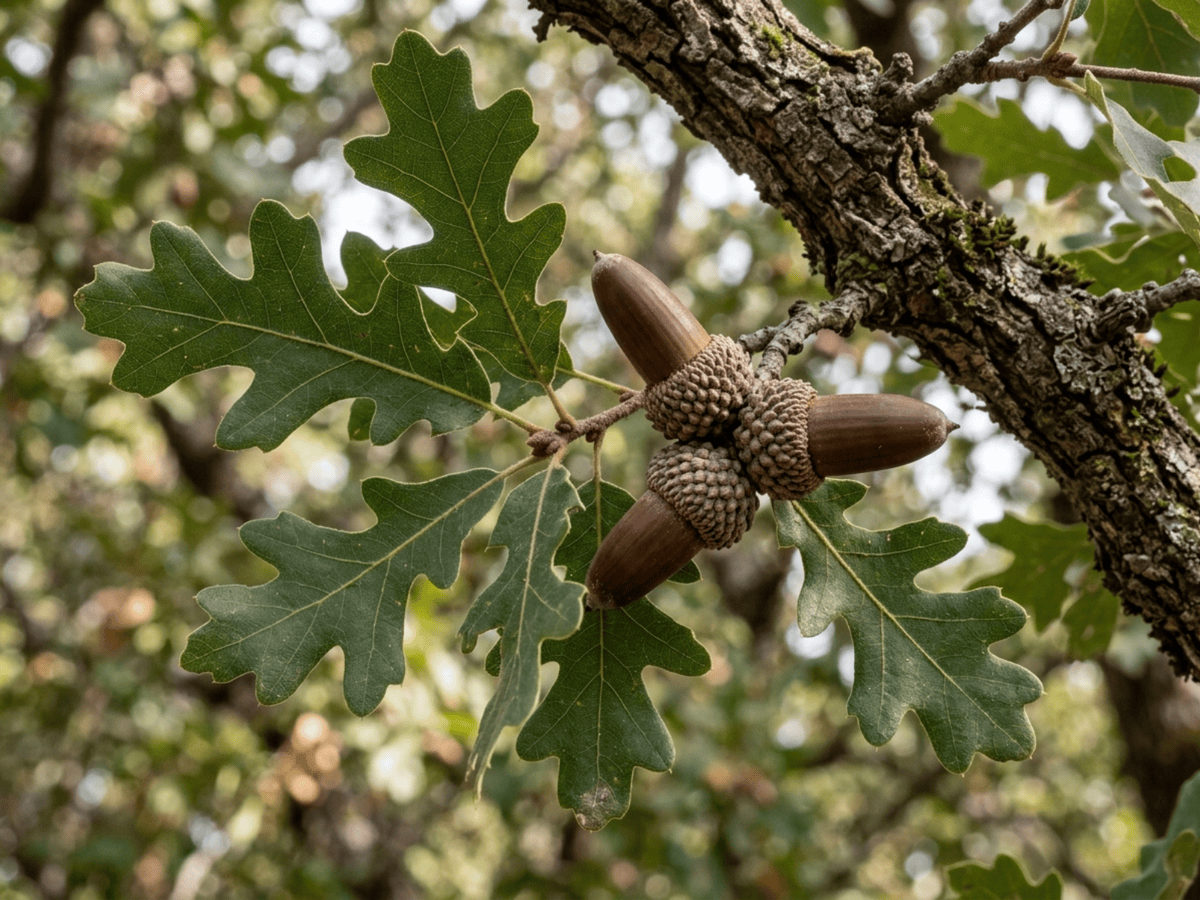
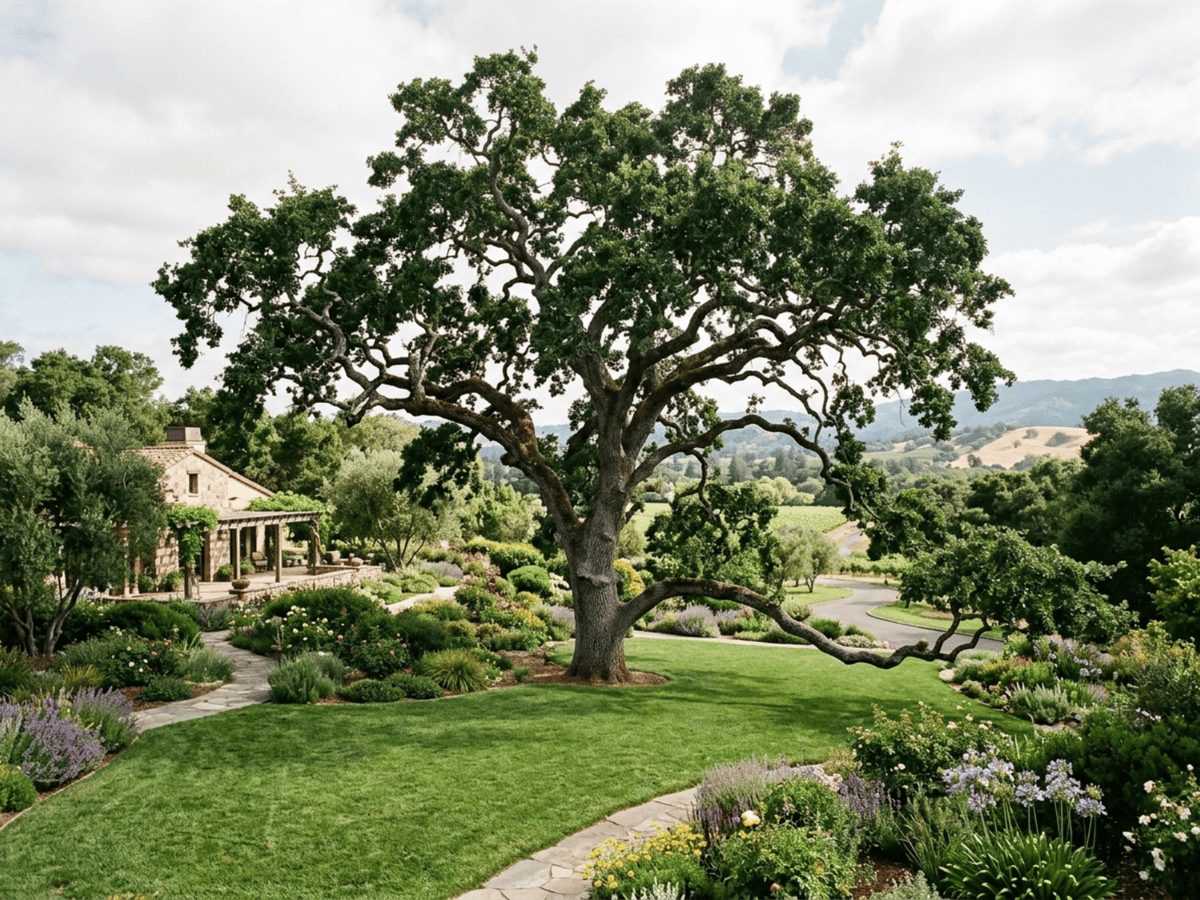
Valley Oak is California's largest native oak, a magnificent deciduous tree reaching 60-100 feet with a massive rounded crown that can span equally wide. Endemic to California's Central Valley and surrounding foothills, it has deeply lobed leaves that turn yellow-brown in autumn. These ancient giants can live 400-600 years, with some specimens over 1,000 years old. They once defined the pre-European Central Valley landscape as vast oak savannas.
- Drought-tolerant
- Native
How to care for Valley Oak
Watering
- Springevery 14 days
- Summerevery 30 days
- Fallevery 30 days
- Winterpause watering
Soil · Well-draining
- Top dressingPine bark mulch10%
- Main mixPotting soil + perlite 2:170%
- DrainageLECA / gravel20%
Never skip the drainage layer — standing water is the top cause of root rot.
FERTILIZER
This plant needs little to no feeding.
At a Glance
- NativeNorth America
- Height50–100 ft (15.2–30.5 m)
- Spread50–100 ft (15.2–30.5 m)
- Foliage colorGreen, Yellow, Bronze
- Fruit colorBrown
- SoilLoamy, Well-drained
- LocationsYard
Bloom time
BLOOM CYCLE
Peak bloom
Mar–May
Inconspicuous catkins in spring
Fragrance
NO FRAGRANCE
No notable fragrance.
Toxicity
Humans Slight · Pets Moderate
tannins
Slight
- Acorn
- Ingestion
EXPOSURE Eating acorn.
EFFECT Raw acorns contain tannins and must be leached before eating. Processed acorn meal traditional staple.
NOTE Documented concern for humans: Raw acorns contain tannins and must be leached before eating. Processed acorn meal traditional staple.
Moderate
- Acorn
- Leaf
- Ingestion
EXPOSURE Eating acorn and leaves.
EFFECT Tannin toxicity: vomiting, diarrhea, kidney stress with large acorn ingestion.
NOTE ASPCA lists oak acorns as toxic to dogs, cats, and horses.
Moderate
- Acorn
- Leaf
- Ingestion
EXPOSURE Eating acorn and leaves.
EFFECT Same as dogs.
NOTE ASPCA lists oak acorns as toxic to dogs, cats, and horses.
Educational information, not medical or veterinary advice. If exposure is suspected, contact a doctor or veterinarian.
DISTRIBUTION


- Native
- North America
History
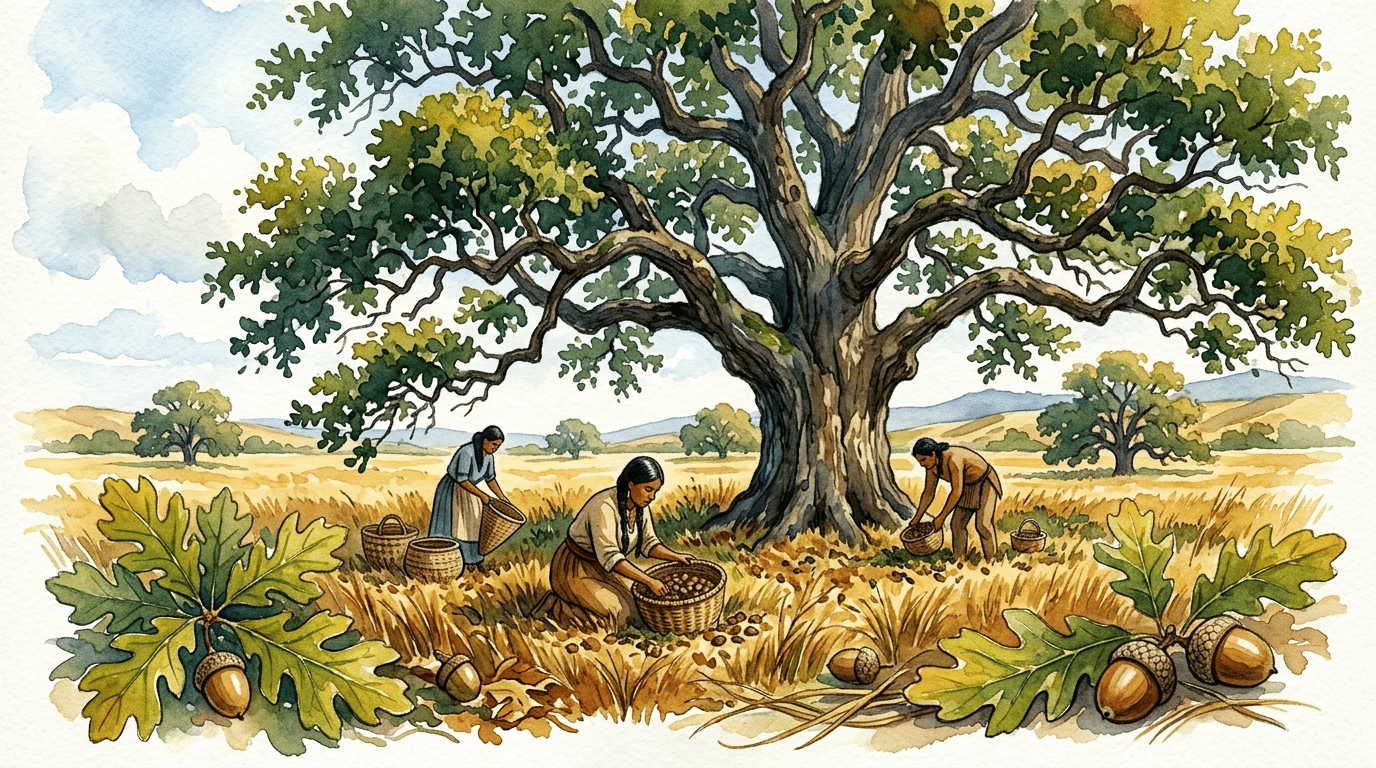
Quercus lobata is endemic to California — found nowhere else in the world — and is native to interior valleys and foothills from Shasta County in the north south through the Sacramento and San Joaquin Valleys and into Southern California as far south as northern Los Angeles County. It is the largest oak species in western North America: mature specimens can exceed 35 meters in height with trunk diameters over 3 meters and live 400-500 years. The species name "lobata" refers to the deeply-lobed leaves, unusual among California oaks.
The species was once dominant in California's Central Valley — enormous valley oaks formed savannas covering millions of acres of the state's interior valleys when Europeans arrived — but conversion of the Central Valley to intensive agriculture (starting in the 1860s wheat-boom era and continuing through 20th-century irrigation agriculture) and to urban development has eliminated most of the species' native habitat, with conservative estimates suggesting that less than 10% of original valley oak savanna survives. The California State Legislature designated specific landmark ancient valley oaks — including the "Henley Oak" in Glenn County and several notable Central Valley specimens — as protected state monuments.
The acorns were a major traditional food of interior California Indigenous peoples, particularly Yokuts, Miwok, Wintun, and Maidu tribes.
Symbolism & meaning
What It Symbolizes
The Valley Oak expresses wisdom, ancient giants of the California savanna whose individuals have witnessed centuries of indigenous, Spanish, and American history beneath their spreading limbs. It also carries preservation, a remnant of California's lost grassland savannas now reduced to scattered survivors. It is often read as a flower of long memory, a tree whose meaning is the slow patient knowledge of place, holding up a vanished landscape with the simple persistence of staying alive.
- Wisdom — ancient giants witnessing centuries
- Preservation — remnant of California's lost savannas
Where the Name Comes From
'Lobata' means 'lobed', referring to the deeply cut leaf margins.
Uses & Fun Facts
- Massive crown shades large California valley landscapes
- Acorns sustain woodpeckers, deer, and Indigenous communities
- Acorns leached and ground as Indigenous staple food
- California's largest native oak as heritage focal point
Related plants
More Quercus plants
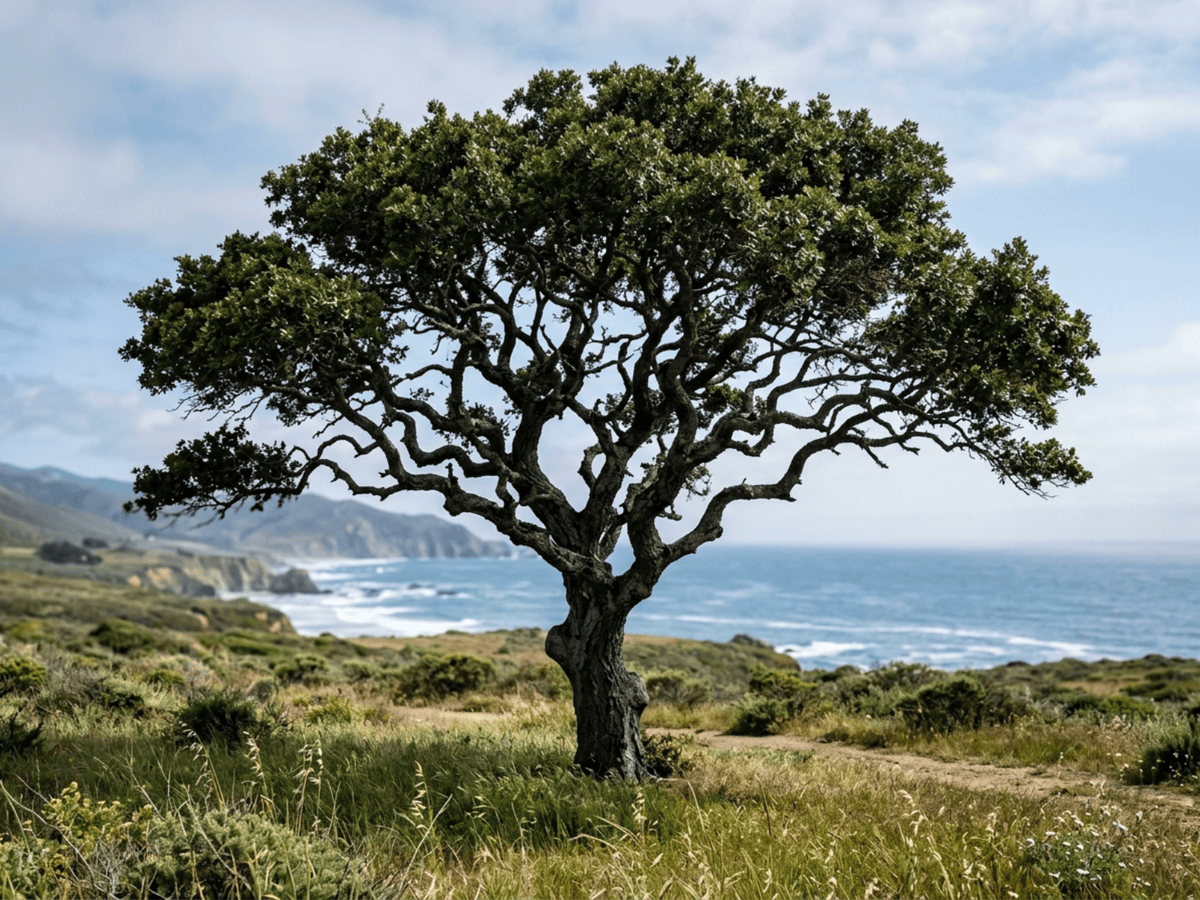 Coast Live OakQuercus agrifolia
 White OakQuercus alba
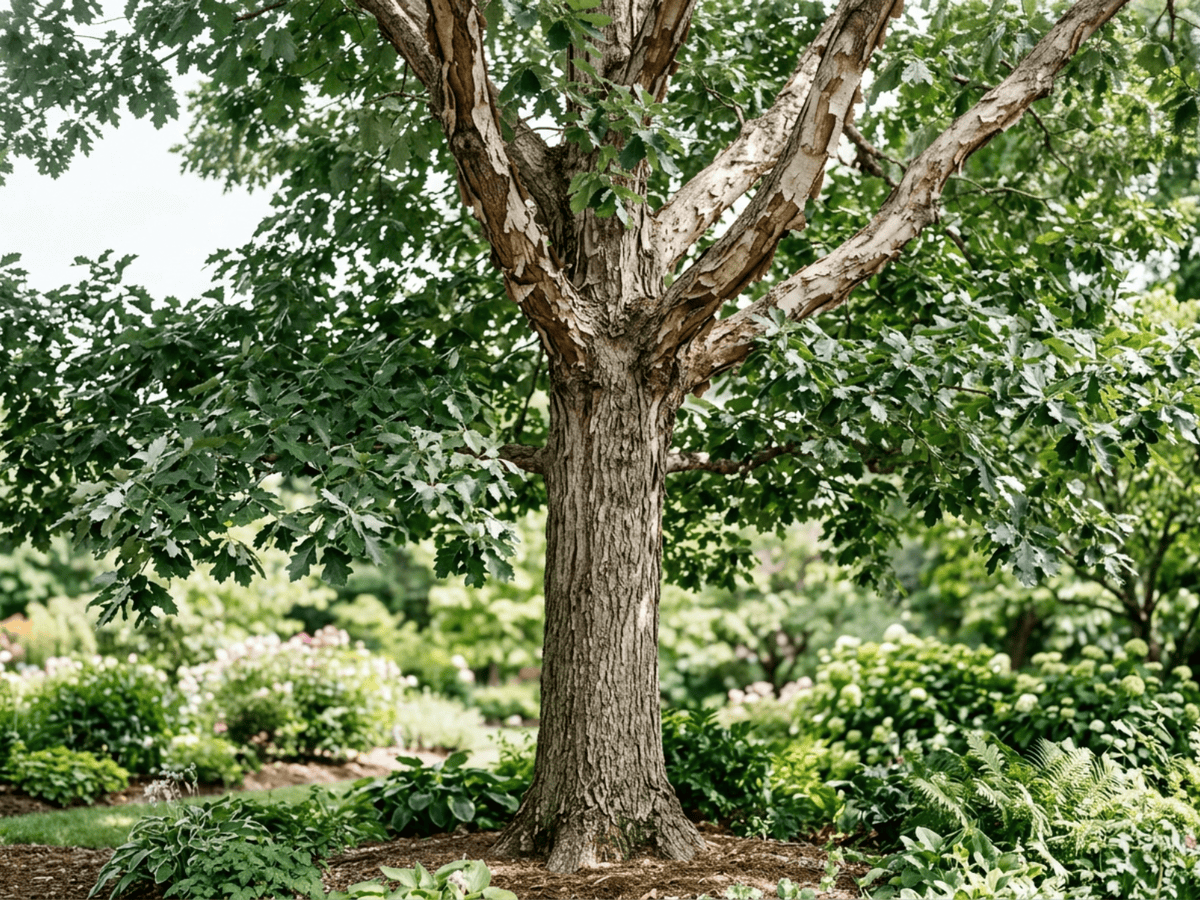 Swamp White OakQuercus bicolor
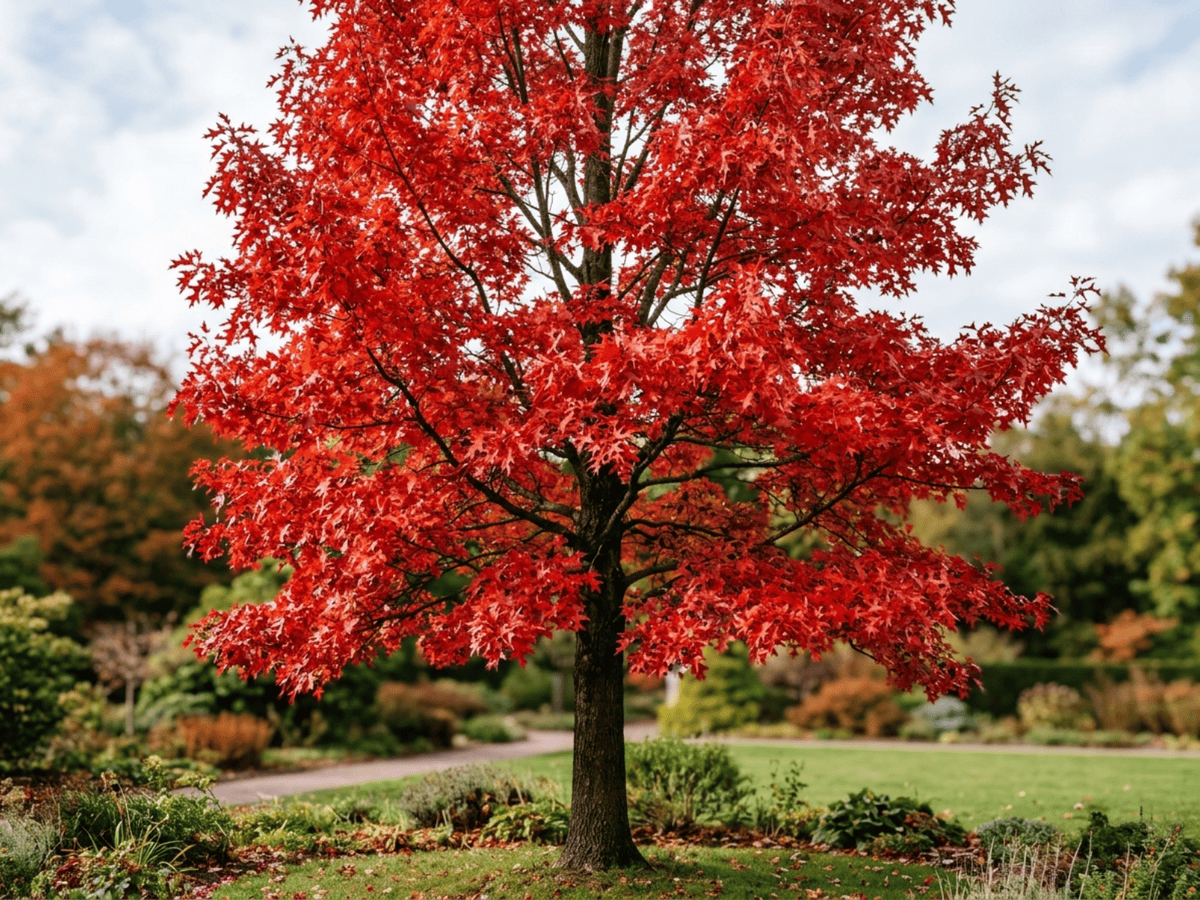 Scarlet OakQuercus coccinea
Plants with similar care
 Mexican AbeliaAbelia floribunda
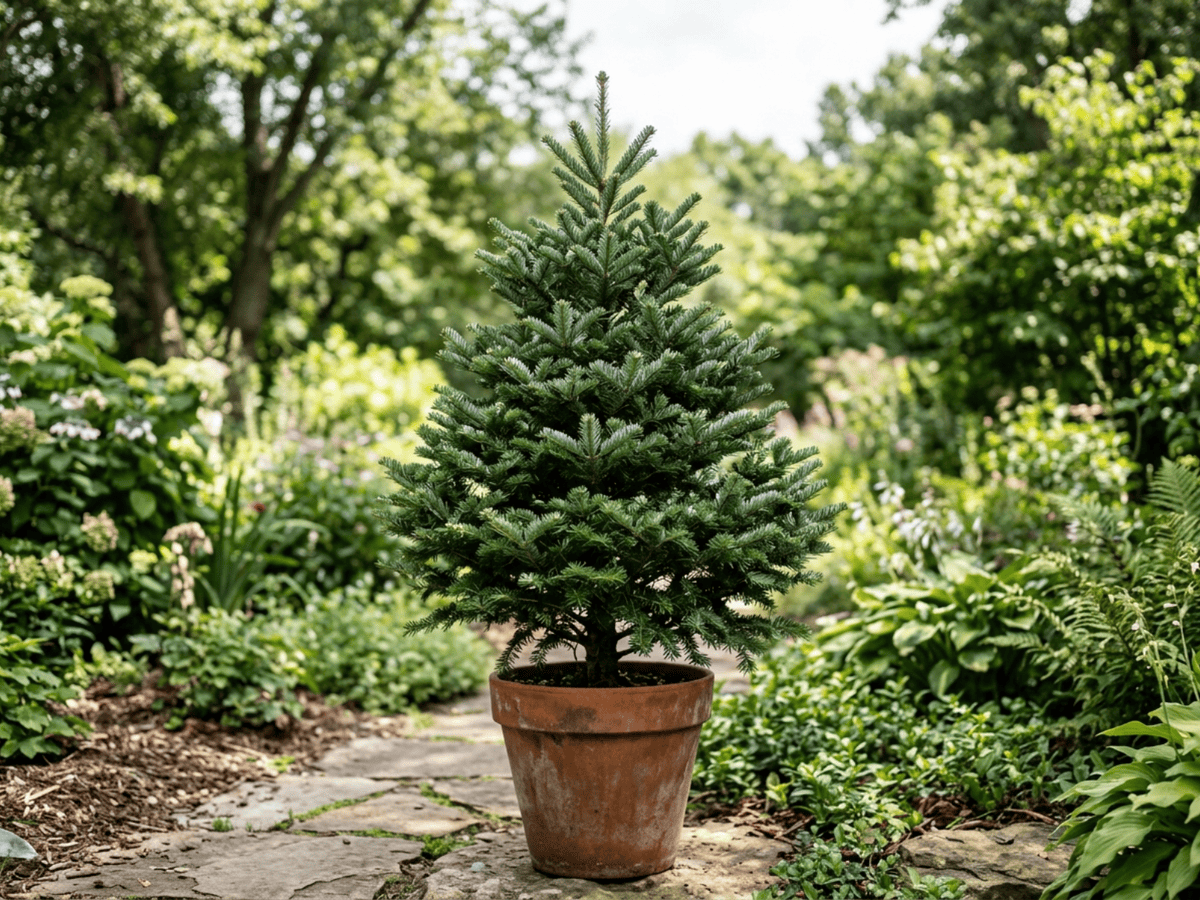 Fraser FirAbies fraseri
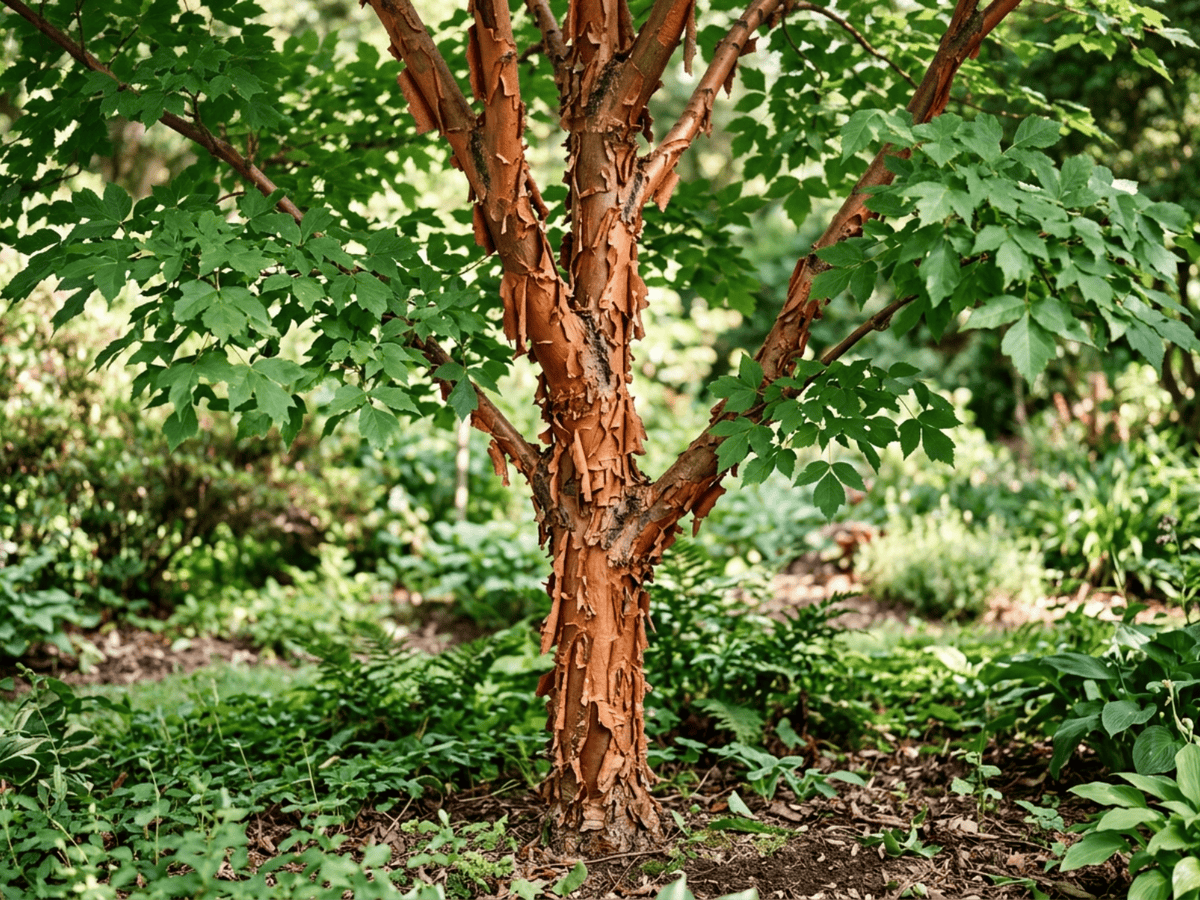 Paperbark MapleAcer griseum
 Sugar MapleAcer saccharum
Frequently asked questions
How often should I water Valley Oak?
Water about every 14 days during the growing season, and always let excess water drain away.
How much light does Valley Oak need?
Full sun: 6+ hrs direct. Watch the leaves — scorching or stretching means the light needs adjusting.
Is Valley Oak toxic to cats or dogs?
Pets Moderate (Dogs Moderate · Cats Moderate) Educational information, not medical or veterinary advice. If exposure is suspected, contact a doctor or veterinarian.
Is Valley Oak easy to grow?
It is moderately demanding: a good choice once you have a little experience.
When does Valley Oak bloom?
It typically blooms Mar–May in the Northern Hemisphere.
YardMate
Identify any plant in seconds
Snap a photo — YardMate names the plant, diagnoses problems, and reminds you when to water.
Download on the App Store