 YardMate


Chestnut Oak
Quercus montana
Easy · Beginner friendlyAbout Chestnut Oak
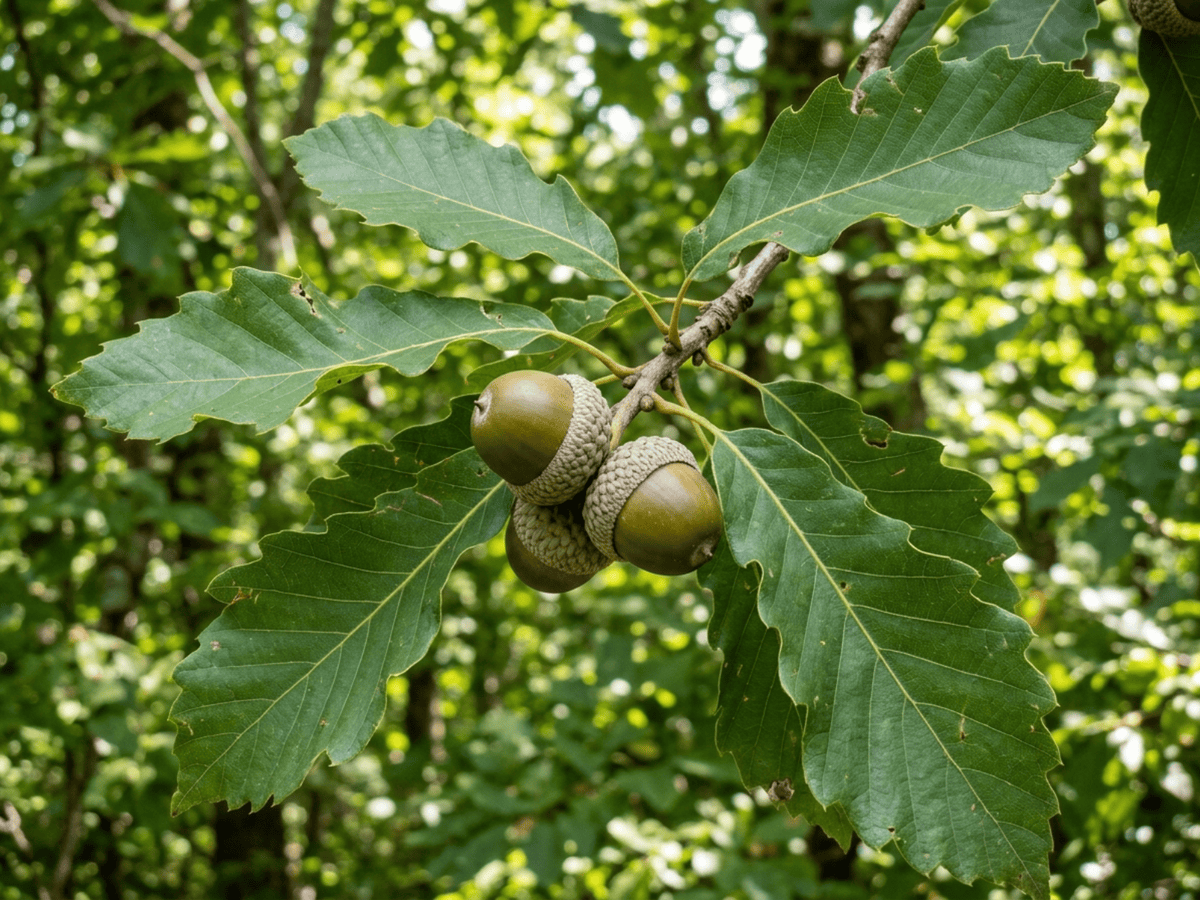
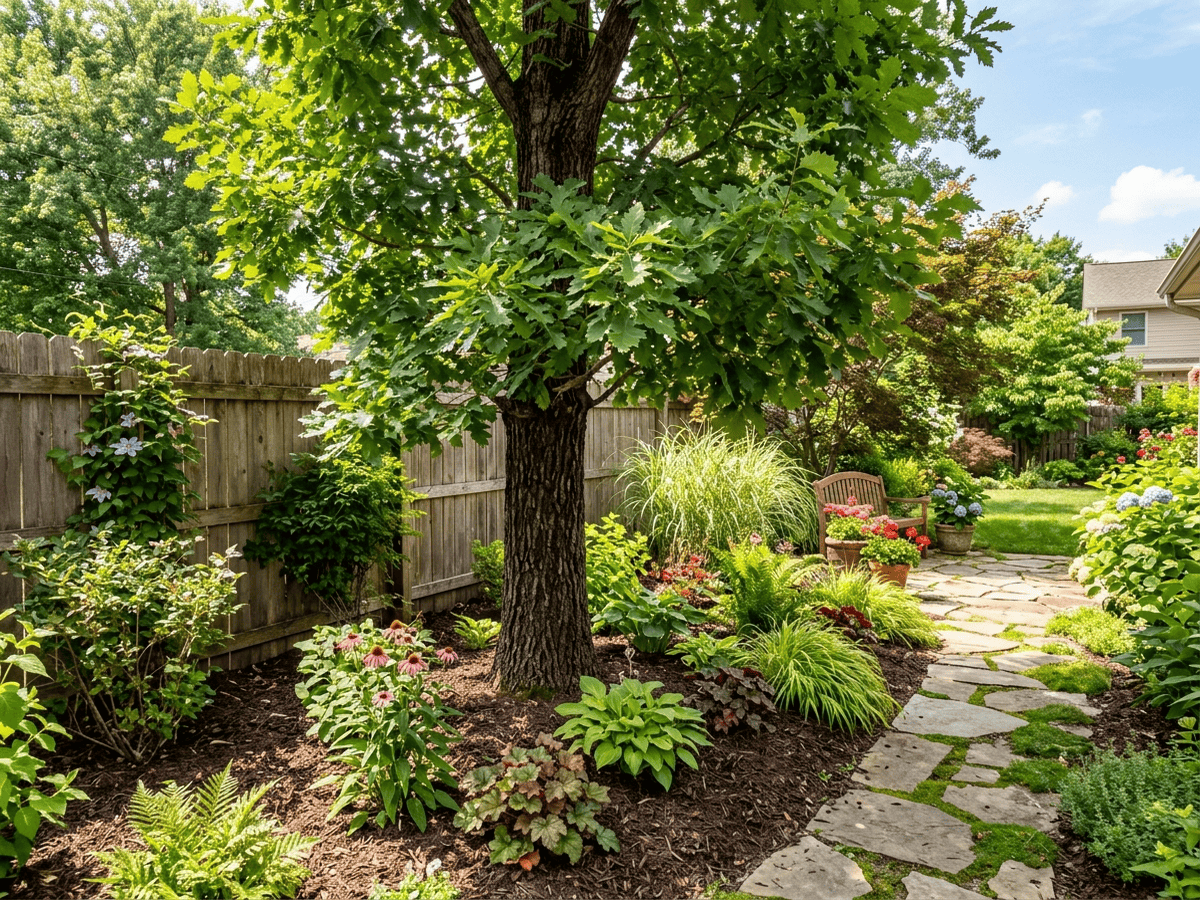
Chestnut Oak is a rugged deciduous tree native to the Appalachian Mountains and eastern US rocky ridges, reaching 60-70 feet. Its name comes from the coarsely toothed leaves resembling American chestnut. Distinguished by deeply furrowed dark bark and tolerance of dry, rocky, acidic soils where few other oaks thrive. Yellow-bronze fall color. A defining tree of Appalachian forests and an excellent choice for difficult sites in eastern US gardens.
- Drought-tolerant
- Native
How to care for Chestnut Oak
Watering
- Springevery 10 days
- Summerevery 7 days
- Fallevery 14 days
- Winterpause watering
Soil · Well-draining
- Top dressingPine bark mulch10%
- Main mixPotting soil + perlite 2:170%
- DrainageLECA / gravel20%
Never skip the drainage layer — standing water is the top cause of root rot.
FERTILIZER
- Springevery 60 days
- Summerevery 60 days
At a Glance
- NativeNorth America
- Height60–80 ft (18.3–24.4 m)
- Spread40–60 ft (12.2–18.3 m)
- Flower colorGreen
- Foliage colorGreen, Bronze
- Fruit colorBrown
- SoilLoamy, Well-drained, Acidic
- LocationsYard
Bloom time
BLOOM CYCLE
Peak bloom
Mar–May
Yellow-green catkins in spring
Toxicity
Humans Slight · Pets Moderate
tannic acid
Slight
- Acorn
- Leaf
- Ingestion
EXPOSURE Eating acorn and leaves.
EFFECT GI upset from tannins.
NOTE Documented concern for humans: GI upset from tannins.
Moderate
- Acorn
- Leaf
- Ingestion
EXPOSURE Eating acorn and leaves.
EFFECT Vomiting, diarrhea, and kidney damage.
NOTE ASPCA lists Quercus as toxic to pets.
Moderate
- Acorn
- Leaf
- Ingestion
EXPOSURE Eating acorn and leaves.
EFFECT Vomiting, diarrhea, and kidney damage.
NOTE ASPCA lists Quercus as toxic to pets.
Educational information, not medical or veterinary advice. If exposure is suspected, contact a doctor or veterinarian.
DISTRIBUTION


- Native
- North America
History
Quercus montana (also commonly Q. prinus) grows on dry rocky ridge tops throughout the Appalachian Mountains from New England and southern Ontario to northern Alabama. German botanist Carl Ludwig Willdenow described it in 1801. The common name chestnut oak references the leaves' superficial resemblance to those of American chestnut.
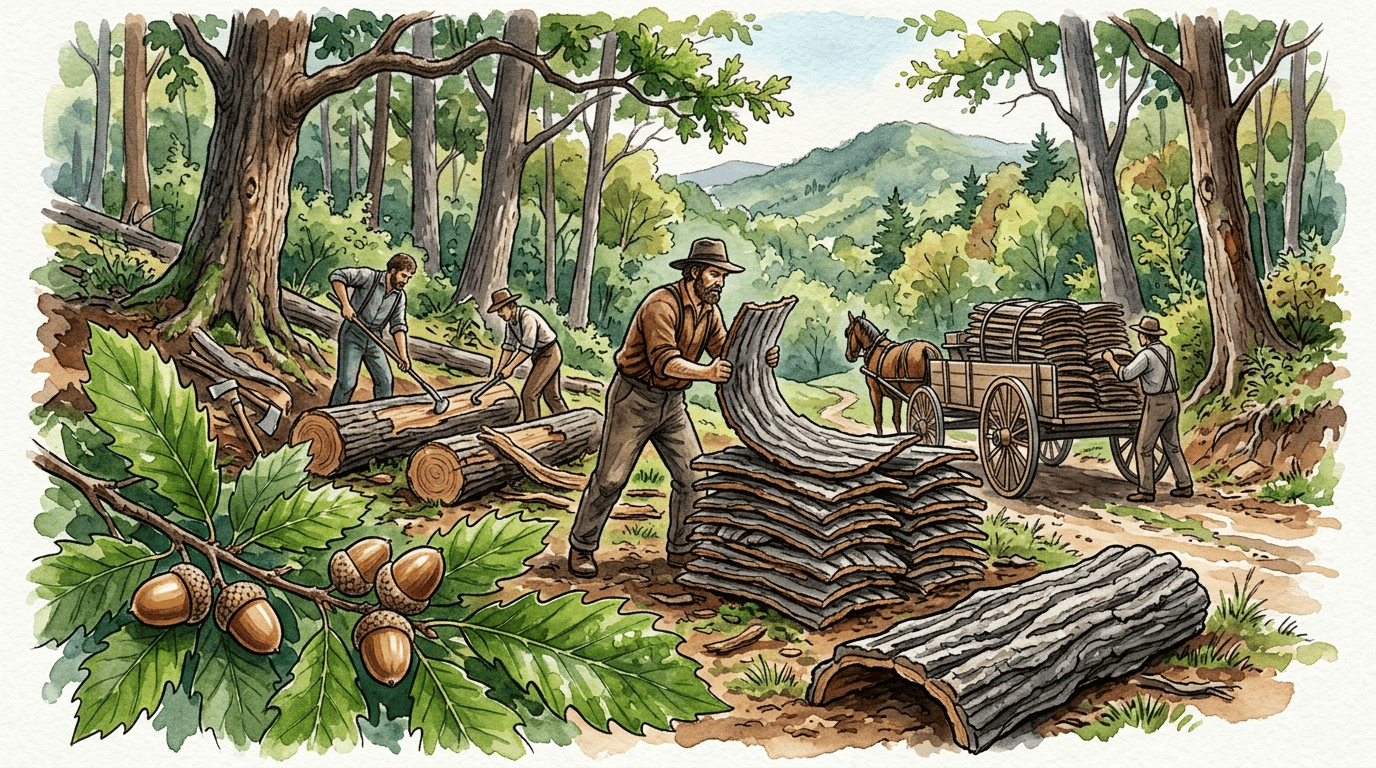
Its thick deeply-furrowed dark gray bark is among the most tannin-rich of any American oak, yielding up to 12% tannin content. During the 19th and early 20th centuries, chestnut oak bark was stripped commercially on vast scales for leather tanning operations across the Appalachians, which combined with chestnut blight-driven shifts in forest composition caused widespread decline of mature stands. The tough dense wood was also used for railroad ties and mine props.
After synthetic tanning replaced vegetable tannin, the species began recovering. Today it is a fundamental Appalachian forest species and a reliable long-lived landscape tree for dry upland sites. The deeply ridged tannin-rich bark was a major source of tannin for the American leather industry in the 19th century, leading to widespread bark harvesting. Appalachian homesteaders knew it as 'rock oak' for its preference for rocky ridges. Its acorns are among the sweetest of any oak.
Symbolism & meaning
What It Symbolizes
Chestnut Oak embodies endurance, thriving on the dry, rocky ridges where most other trees give up. It is a defining ridge-top species across the central and southern Appalachians, carrying deep regional heritage in its furrowed bark and tough acorns. A reminder that some kinds of strength only become visible on the thinnest, hardest soils.
- Endurance — thrives where other trees fail
- Appalachian heritage — defining ridge-top species
Where the Name Comes From
'Montana' means 'of the mountains'; the common name 'chestnut' refers to chestnut-like leaves.
Uses & Fun Facts
- Acorns historically leached and ground into flour
- Broad rugged canopy casts deep shade in upland forests
- Stately Appalachian oak as long-lived estate tree
- Tannin-rich bark historically harvested for leather tanning
Related plants
More Quercus plants
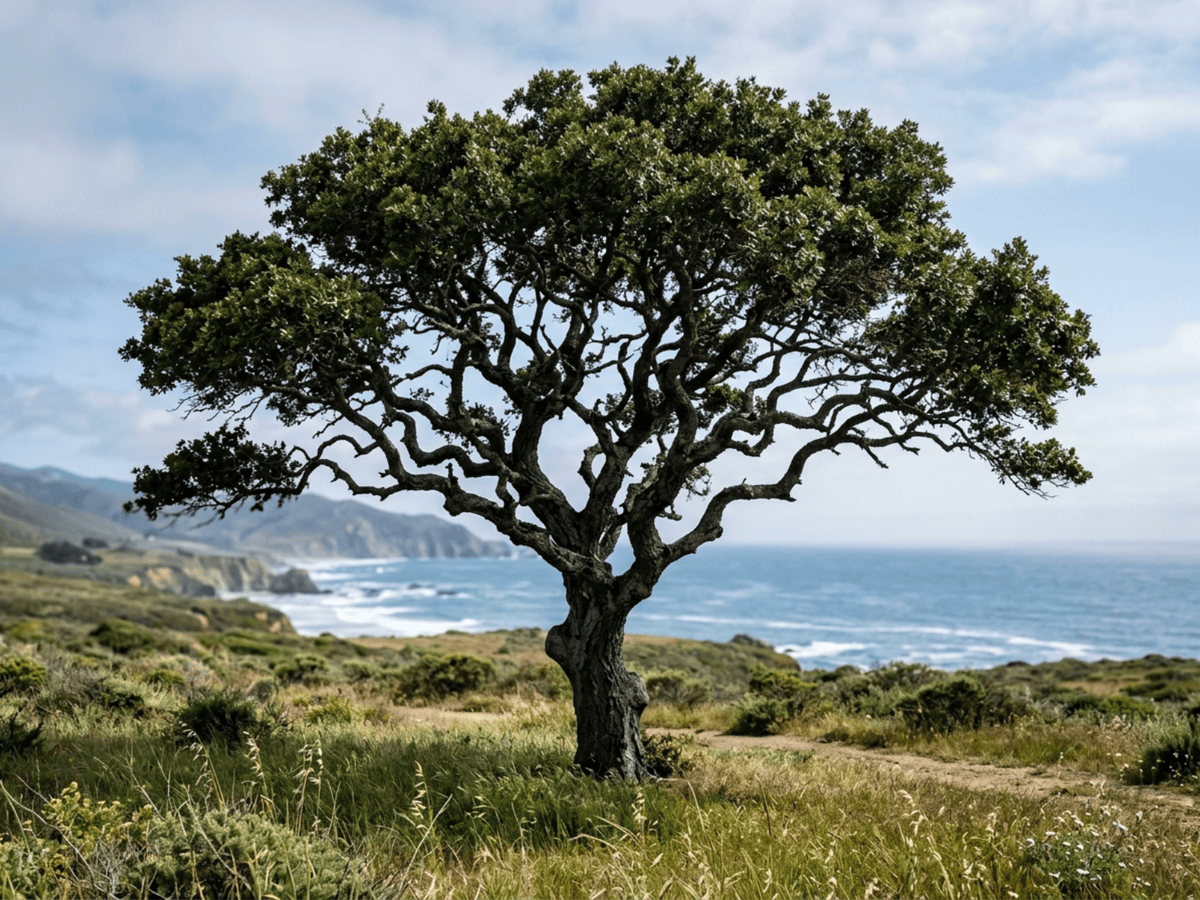 Coast Live OakQuercus agrifolia
 White OakQuercus alba
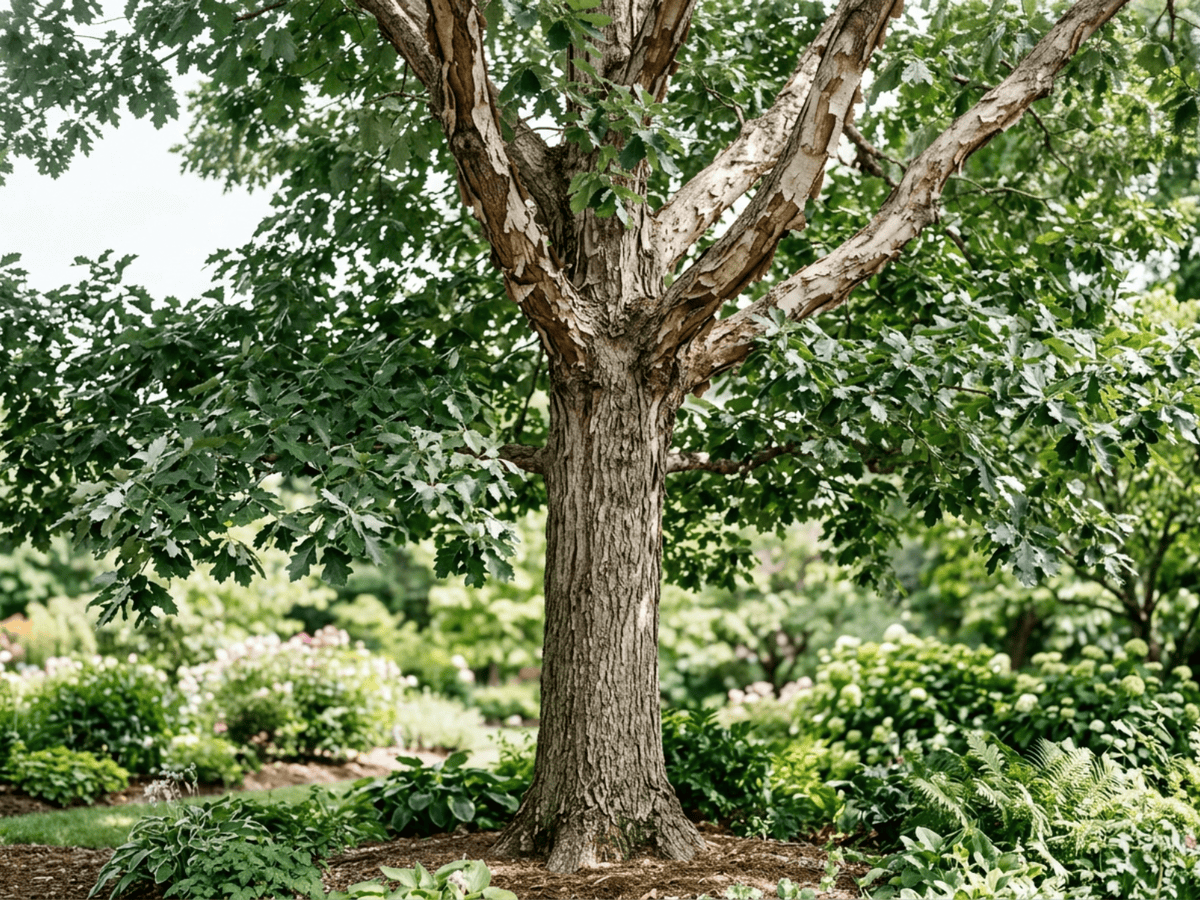 Swamp White OakQuercus bicolor
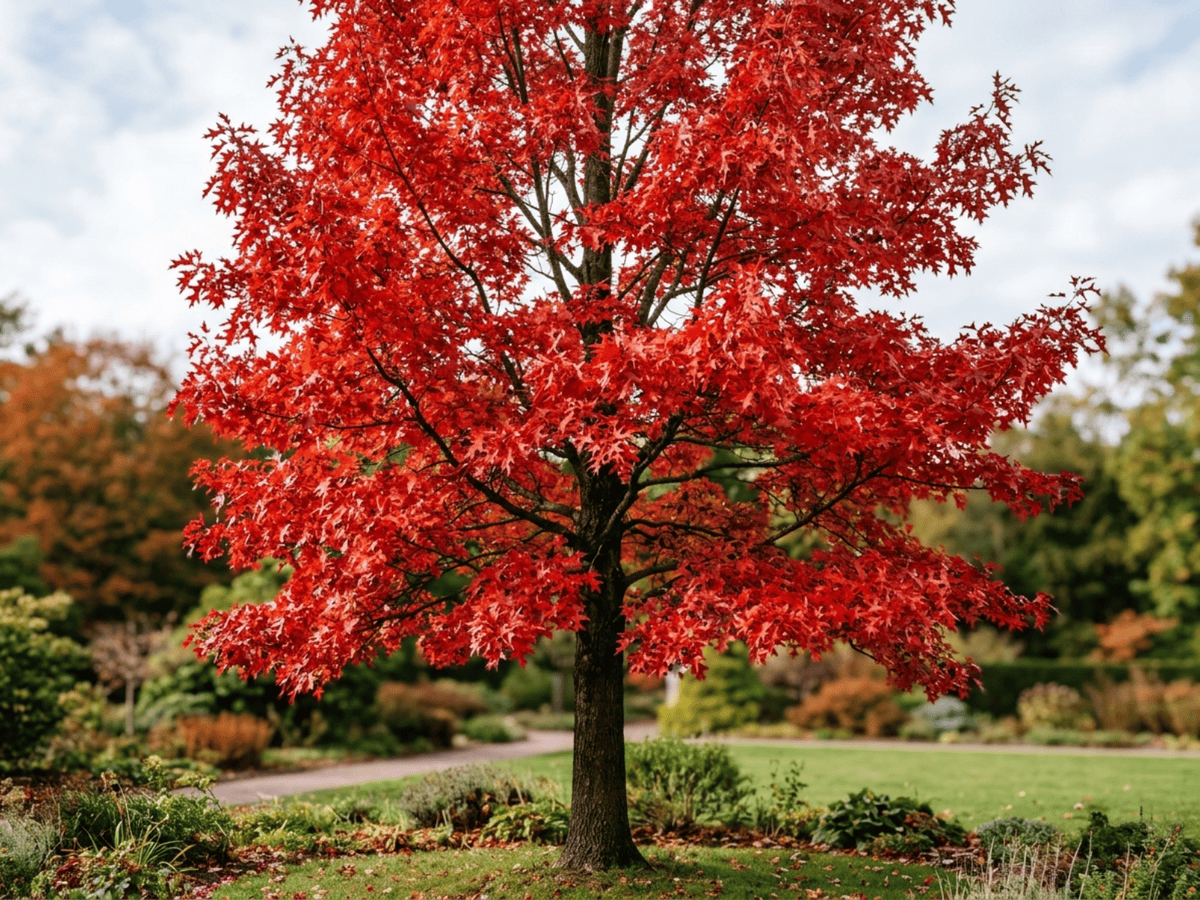 Scarlet OakQuercus coccinea
Plants with similar care
 Chinese AbeliaAbelia chinensis
 Fragrant AbeliaAbelia mosanensis
 Large-Flowered AbeliaAbelia uniflora
 Glossy AbeliaAbelia x grandiflora
Frequently asked questions
How often should I water Chestnut Oak?
Water about every 10 days during the growing season, and always let excess water drain away.
How much light does Chestnut Oak need?
Full sun: 6+ hrs direct. Watch the leaves — scorching or stretching means the light needs adjusting.
Is Chestnut Oak toxic to cats or dogs?
Pets Moderate (Dogs Moderate · Cats Moderate) Educational information, not medical or veterinary advice. If exposure is suspected, contact a doctor or veterinarian.
Is Chestnut Oak easy to grow?
Yes — it is considered an easy, beginner-friendly plant.
When does Chestnut Oak bloom?
It typically blooms Mar–May in the Northern Hemisphere.
YardMate
Identify any plant in seconds
Snap a photo — YardMate names the plant, diagnoses problems, and reminds you when to water.
Download on the App Store