 YardMate


Water Oak
Quercus nigra
Easy · Beginner friendlyAbout Water Oak
Water Oak is a Southeastern American native semi-evergreen oak reaching 50-80 feet, with distinctive spatula-shaped dark-green leaves wider at the tip than the base. Fast-growing and adaptable to wet to moderately dry soils, it is one of the most common landscape and street trees across the Southern United States. Provides important wildlife habitat and acorn mast for deer, turkey, and other native fauna.
- Evergreen
- Fast-growing
- Native
How to care for Water Oak
Watering
- Springevery 10 days
- Summerevery 7 days
- Fallevery 14 days
- Winterevery 21 days
Soil · Well-draining
- Top dressingPine bark mulch10%
- Main mixPotting soil + perlite 2:170%
- DrainageLECA / gravel20%
Never skip the drainage layer — standing water is the top cause of root rot.
FERTILIZER
- Springevery 180 days
At a Glance
- NativeNorth America
- Height50–80 ft (15.2–24.4 m)
- Spread40–60 ft (12.2–18.3 m)
- Flower colorGreen
- Foliage colorGreen
- Fruit colorBrown
- SoilAcidic, Moisture-retentive
- LocationsYard
Bloom time
BLOOM CYCLE
Peak bloom
Mar–May
Yellow-green catkins in spring
Toxicity
Humans Slight · Pets Moderate
gallotannins
Slight
- Leaf
- Seed
- Ingestion
EXPOSURE Eating leaves and seeds.
EFFECT Tannins in acorns and leaves cause GI upset if consumed raw.
NOTE Oak acorns and young leaves are toxic to livestock and pets.
Moderate
- Leaf
- Seed
- Ingestion
EXPOSURE Eating leaves and seeds.
EFFECT Acorns can cause vomiting, diarrhea, and kidney injury.
NOTE Oak acorns and young leaves are toxic to livestock and pets.
Moderate
- Leaf
- Seed
- Ingestion
EXPOSURE Eating leaves and seeds.
EFFECT Acorns and foliage can cause GI upset and kidney injury.
NOTE Oak acorns and young leaves are toxic to livestock and pets.
Educational information, not medical or veterinary advice. If exposure is suspected, contact a doctor or veterinarian.
DISTRIBUTION


- Native
- North America
History
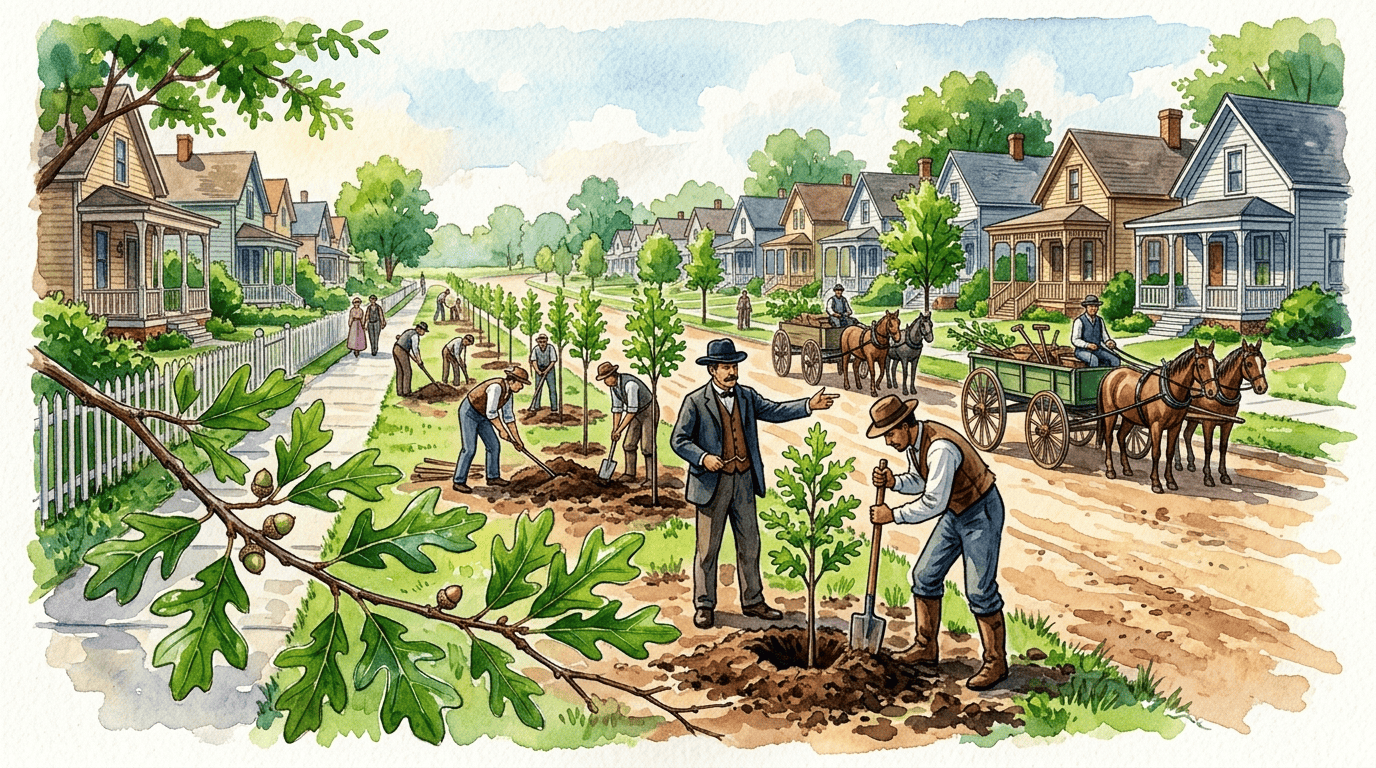
Quercus nigra, the water oak or spotted oak, is native to the southeastern United States coastal plain and piedmont from New Jersey to Texas. Mark Catesby illustrated it in The Natural History of Carolina, Florida and the Bahama Islands in the 1730s, noting its variable leaves. Indigenous peoples of the Southeast used acorns from many oak species as food after tannin leaching.
The tree was heavily planted in southern cities including Atlanta, Mobile, and Charleston during the late 19th and early 20th centuries because it grew quickly and tolerated heavy soils, though its 50 to 80 year lifespan and weak wood cause significant modern maintenance issues. It remains an important tree of mixed bottomland hardwood forests and still features in southern urban canopies.
Native across the Southeastern United States from New Jersey to Texas, especially abundant on river bottoms and floodplains. Among the most planted street trees in Southern American cities for its rapid growth and adaptability, though shorter-lived than other oaks (60-80 years).
Symbolism & meaning
What It Symbolizes
The Water Oak stands for strength as a stately Southern shade tree, lifting a broad crown over courthouses, schoolyards, and old streets. Adaptability is its second virtue — it thrives in the varied soils of the South, from poor sandy uplands to heavy bottomland clay. Its meaning is the easy authority of a regional oak, growing wherever the South extends, sheltering generations beneath its quiet, dependable shade.
- Strength — fast-growing oak long used for shade in Southern towns
- Adaptability — thrives in varied Southern soil conditions
Where the Name Comes From
'Nigra' from Latin meaning black, referring to the dark bark.
Uses & Fun Facts
- Acorns feed deer turkey squirrels and wood ducks
- Spreading canopy shades large southern lawns and streets
- Hard timber used for pallets pulp and rough lumber
Related plants
More Quercus plants
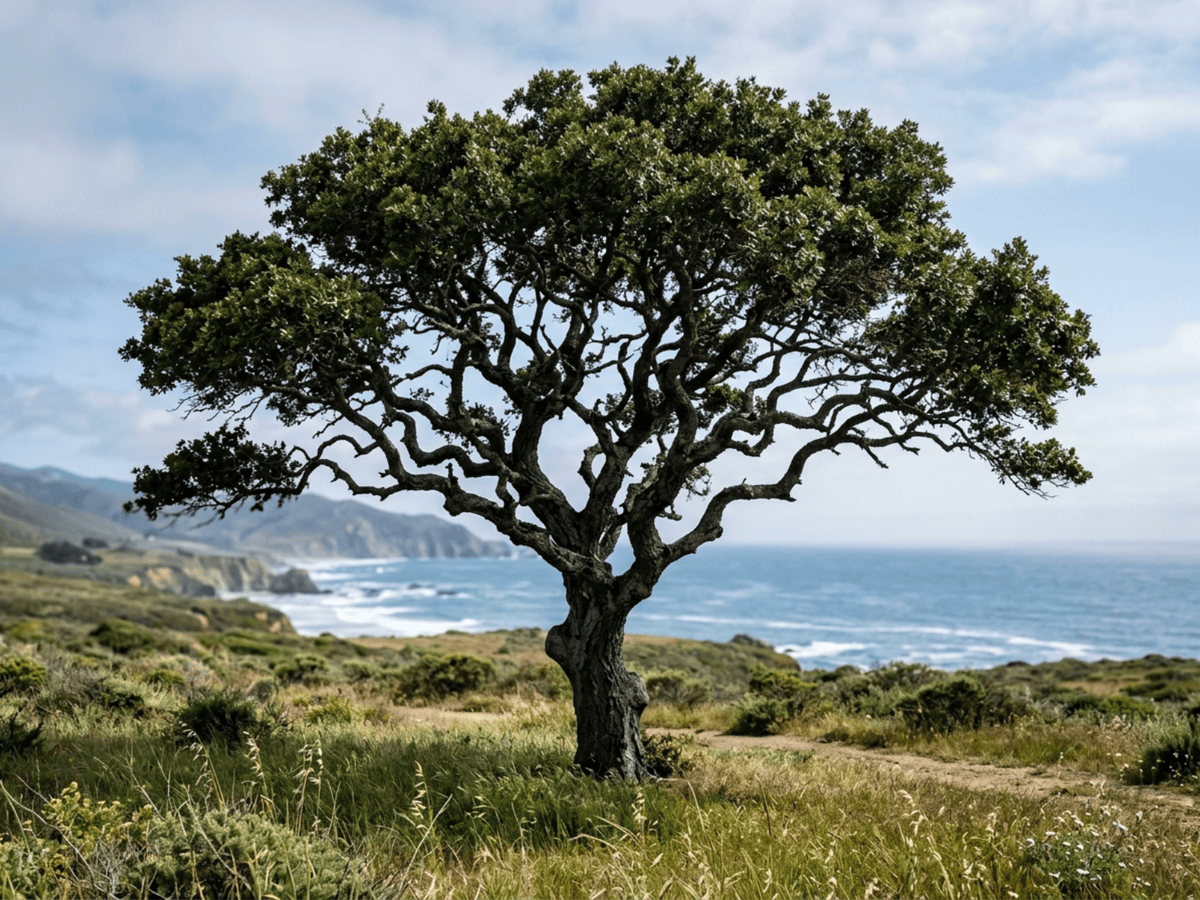 Coast Live OakQuercus agrifolia
 White OakQuercus alba
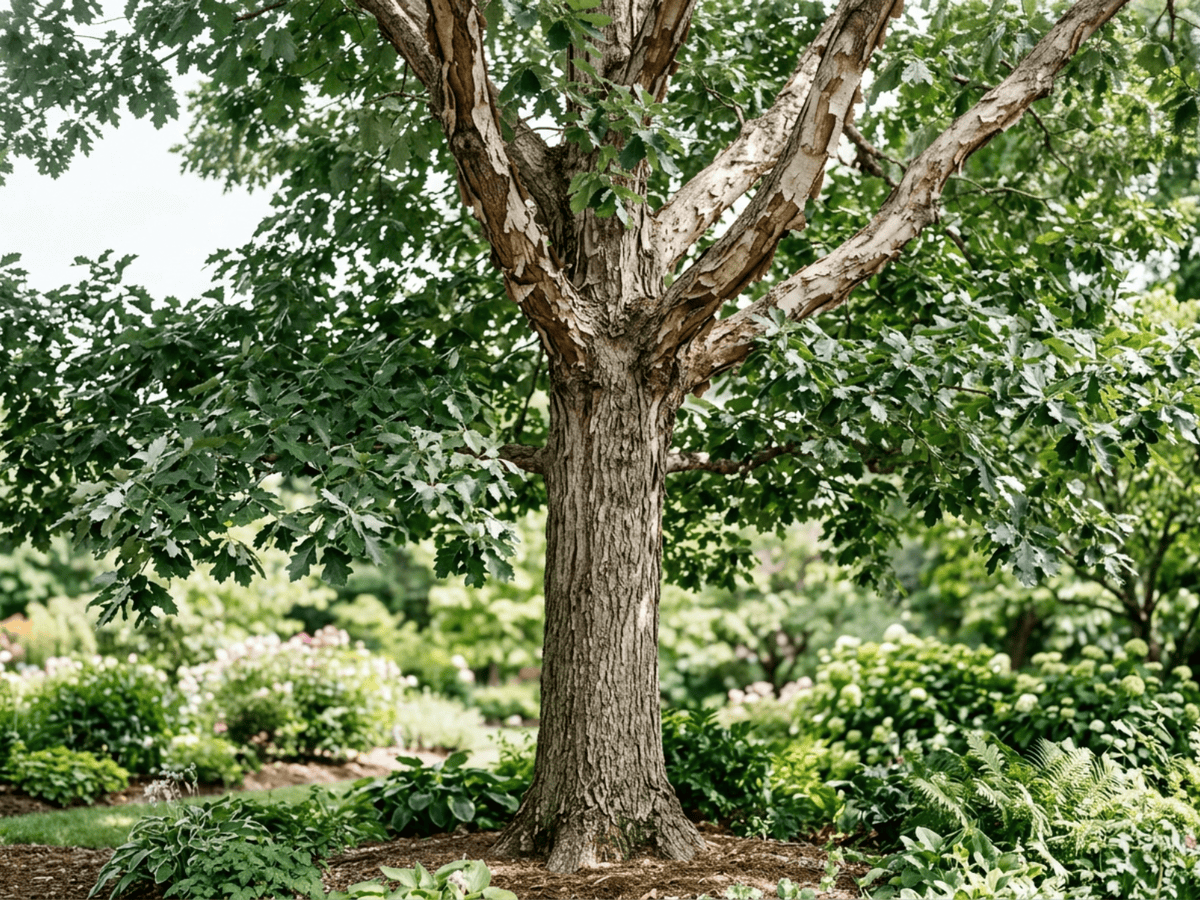 Swamp White OakQuercus bicolor
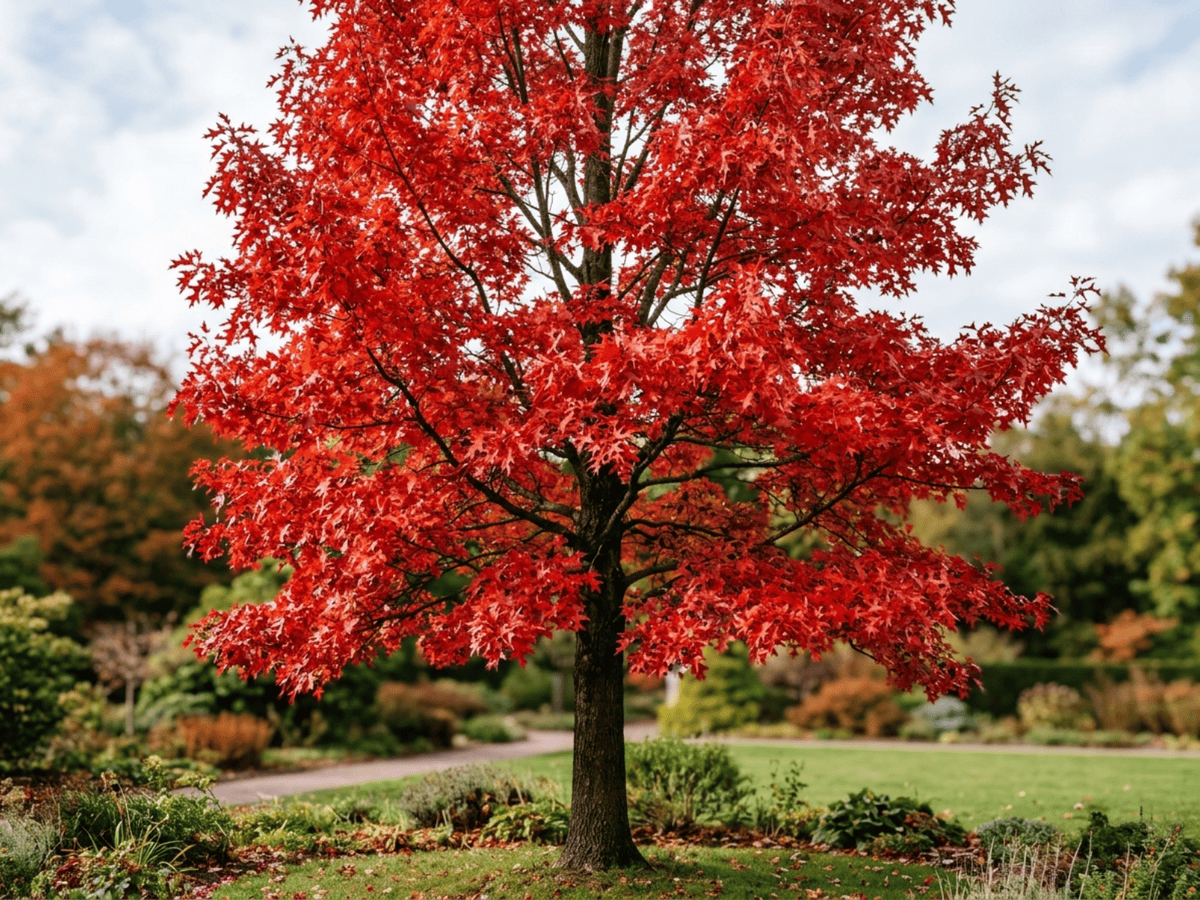 Scarlet OakQuercus coccinea
Plants with similar care
 Chinese AbeliaAbelia chinensis
 Fragrant AbeliaAbelia mosanensis
 Large-Flowered AbeliaAbelia uniflora
 Glossy AbeliaAbelia x grandiflora
Frequently asked questions
How often should I water Water Oak?
In summer, water about every 7 days; in winter, about every 21 days. Adjust for heat, pot size and drainage.
How much light does Water Oak need?
Full sun: 6+ hrs direct. Watch the leaves — scorching or stretching means the light needs adjusting.
Is Water Oak toxic to cats or dogs?
Pets Moderate (Dogs Moderate · Cats Moderate) Educational information, not medical or veterinary advice. If exposure is suspected, contact a doctor or veterinarian.
Is Water Oak easy to grow?
Yes — it is considered an easy, beginner-friendly plant.
When does Water Oak bloom?
It typically blooms Mar–May in the Northern Hemisphere.
YardMate
Identify any plant in seconds
Snap a photo — YardMate names the plant, diagnoses problems, and reminds you when to water.
Download on the App Store