 YardMate



Willow Oak
Quercus phellos
Easy · Beginner friendlyAbout Willow Oak
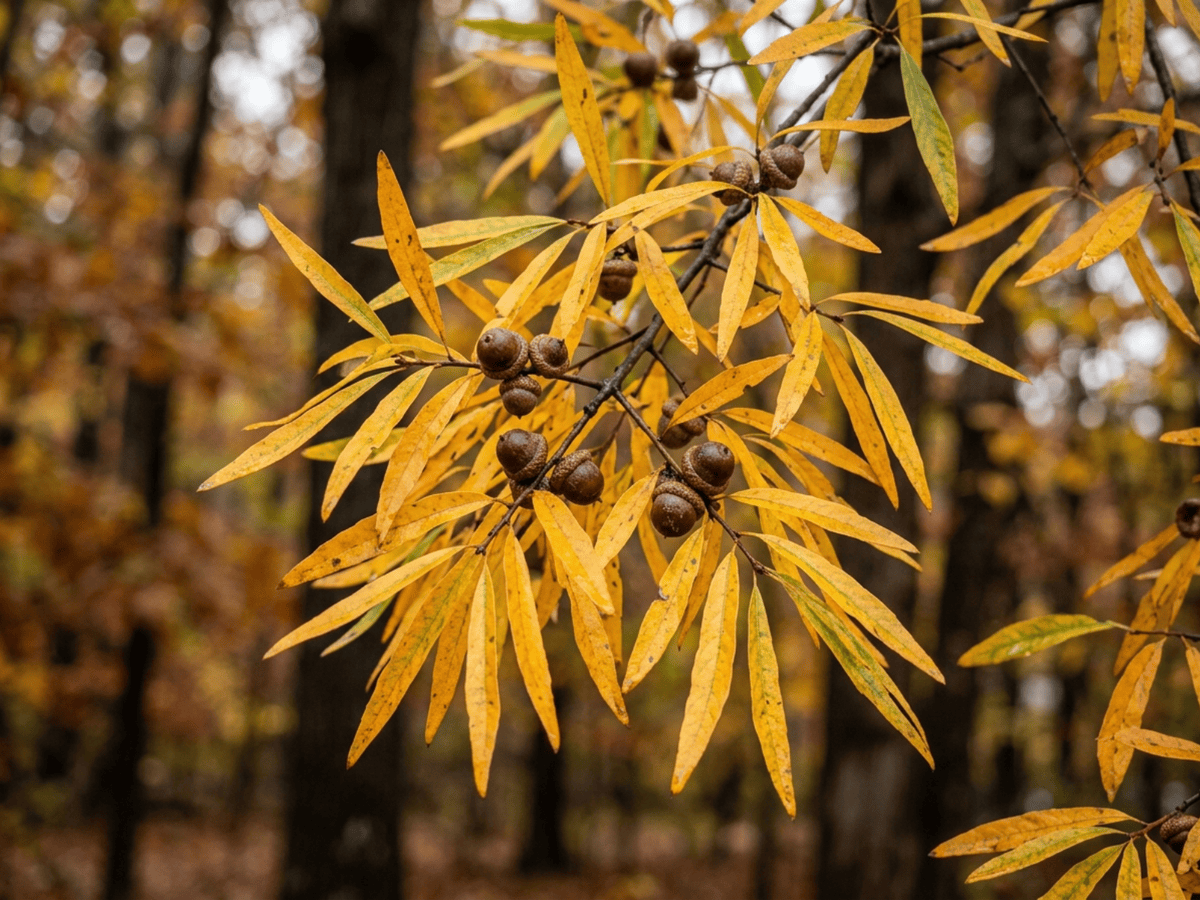
Willow Oak is a graceful deciduous tree native to the southeastern US bottomlands, reaching 60-80 feet. Unusual among oaks for its narrow willow-like leaves, it gives a fine-textured, almost delicate appearance despite its massive size. Yellow to russet fall color. Fast-growing for an oak, tolerant of wet or dry soils, and highly regarded as a premier southern street and shade tree from Washington DC to Texas.
- Fast-growing
- Native
How to care for Willow Oak
Watering
- Springevery 7 days
- Summerevery 5 days
- Fallevery 10 days
- Winterpause watering
Soil · Well-draining
- Top dressingPine bark mulch10%
- Main mixPotting soil + perlite 2:170%
- DrainageLECA / gravel20%
Never skip the drainage layer — standing water is the top cause of root rot.
FERTILIZER
Balanced Feed 14-14-14
An even feed covers all three needs at once, keeping leaves, roots and blooms moving together with nothing pushed out of balance.
- Nitrogen · Leaves
- Phosphorus · Roots + Blooms
- Potassium · Strength
- Springevery 60 days
- Summerevery 60 days
At a Glance
- NativeNorth America
- Height40–75 ft (12.2–22.9 m)
- Spread25–50 ft (7.6–15.2 m)
- Flower colorGreen
- Foliage colorGreen, Yellow
- Fruit colorBrown
- SoilMoisture-retentive, Loamy, Acidic
- LocationsYard
Bloom time
BLOOM CYCLE
Peak bloom
Mar–May
Yellow-green catkins in spring
Toxicity
Humans Slight · Pets Moderate
tannic acid
Slight
- Acorn
- Leaf
- Ingestion
EXPOSURE Eating acorn and leaves.
EFFECT GI upset from tannins.
NOTE Documented concern for humans: GI upset from tannins.
Moderate
- Acorn
- Leaf
- Ingestion
EXPOSURE Eating acorn and leaves.
EFFECT Vomiting, diarrhea, and kidney damage.
NOTE ASPCA lists Quercus as toxic to pets.
Moderate
- Acorn
- Leaf
- Ingestion
EXPOSURE Eating acorn and leaves.
EFFECT Vomiting, diarrhea, and kidney damage.
NOTE ASPCA lists Quercus as toxic to pets.
Educational information, not medical or veterinary advice. If exposure is suspected, contact a doctor or veterinarian.
DISTRIBUTION


- Native
- North America
History
Quercus phellos ranges across the southeastern United States from New Jersey south to northern Florida and west to eastern Texas. Linnaeus described it in 1753. Unlike the broad lobed leaves typical of oaks, willow oak has narrow 2-5 inch lance-shaped leaves resembling willow foliage—though they lack the willow's teeth.
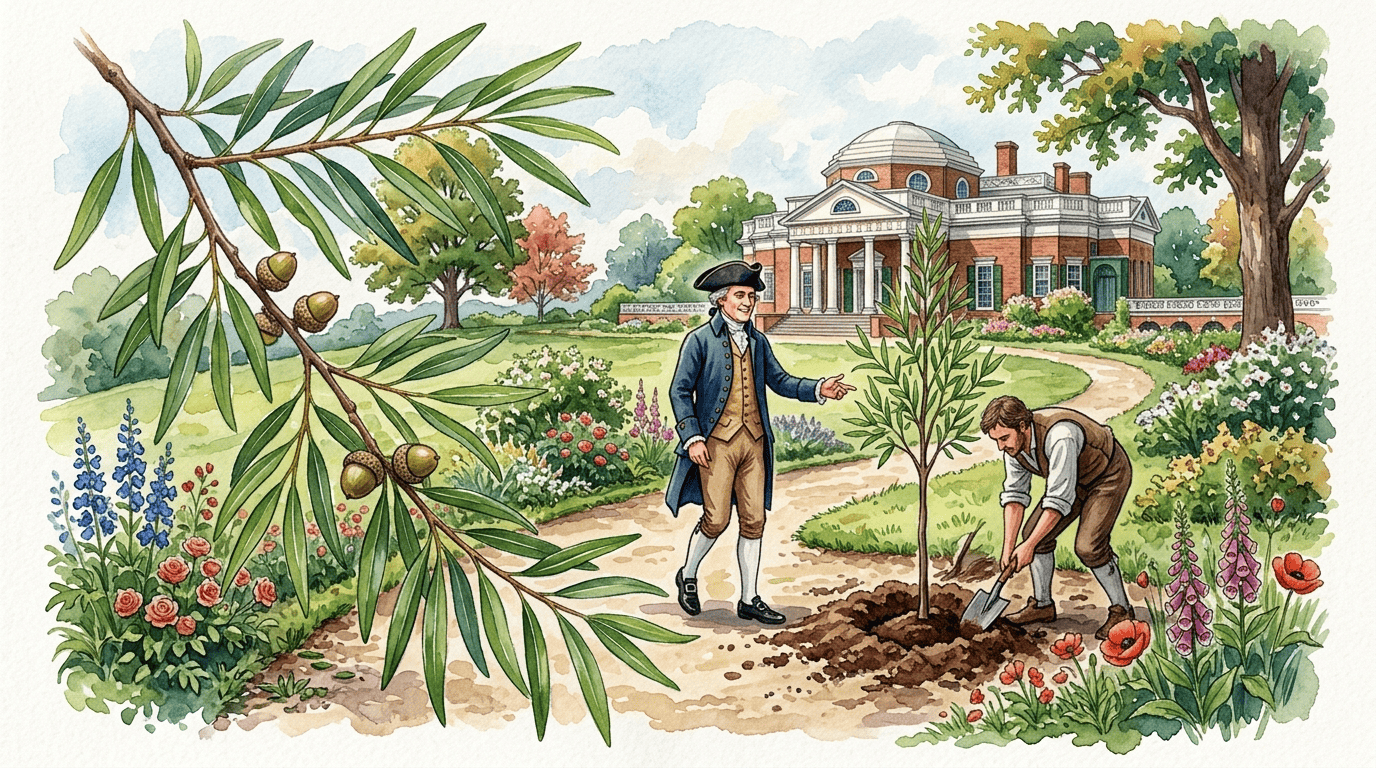
The specific epithet phellos is a Latinized Greek word for a type of cork-oak, referencing bark characteristics. Thomas Jefferson planted willow oaks at Monticello and they became a defining tree of plantation landscapes across the South. Tolerance of flooding, compacted clay soils, and urban stresses combined with fast growth (2 feet per year possible), fine-textured foliage casting dappled shade, and uniform pyramidal-to-rounded crown made it among the most widely planted municipal street trees in the southern US from the 1960s onward.
It reaches 60-100 feet and can live 150+ years. A signature tree of the American South, widely planted along avenues in Charleston, Savannah, and Washington D.C. in the 19th century. Abundant small acorns support large wildlife populations.
Symbolism & meaning
What It Symbolizes
The Willow Oak carries grace — narrow, willow-like leaves that turn its mighty trunk into something surprisingly fine-textured, almost feathery in a summer breeze. Its Southern heritage is unmistakable, lining countless avenues in cities like Charleston and Memphis where double rows arch in cathedral-like canopies over the streets. Strength dressed quietly in unexpected delicacy.
- Grace — delicate willow-like foliage
- Southern heritage — iconic avenue tree of the South
Where the Name Comes From
'Phellos' is a Greek name originally given to cork oak; here it references the willow-like leaf shape.
Uses & Fun Facts
- Fast-growing Willow Oak shades streets and large lawns
- Small acorns feed waterfowl, jays, and squirrels
- Slender leaves give fine willow-like texture
Related plants
More Quercus plants
 Coast Live OakQuercus agrifolia
 White OakQuercus alba
 Swamp White OakQuercus bicolor
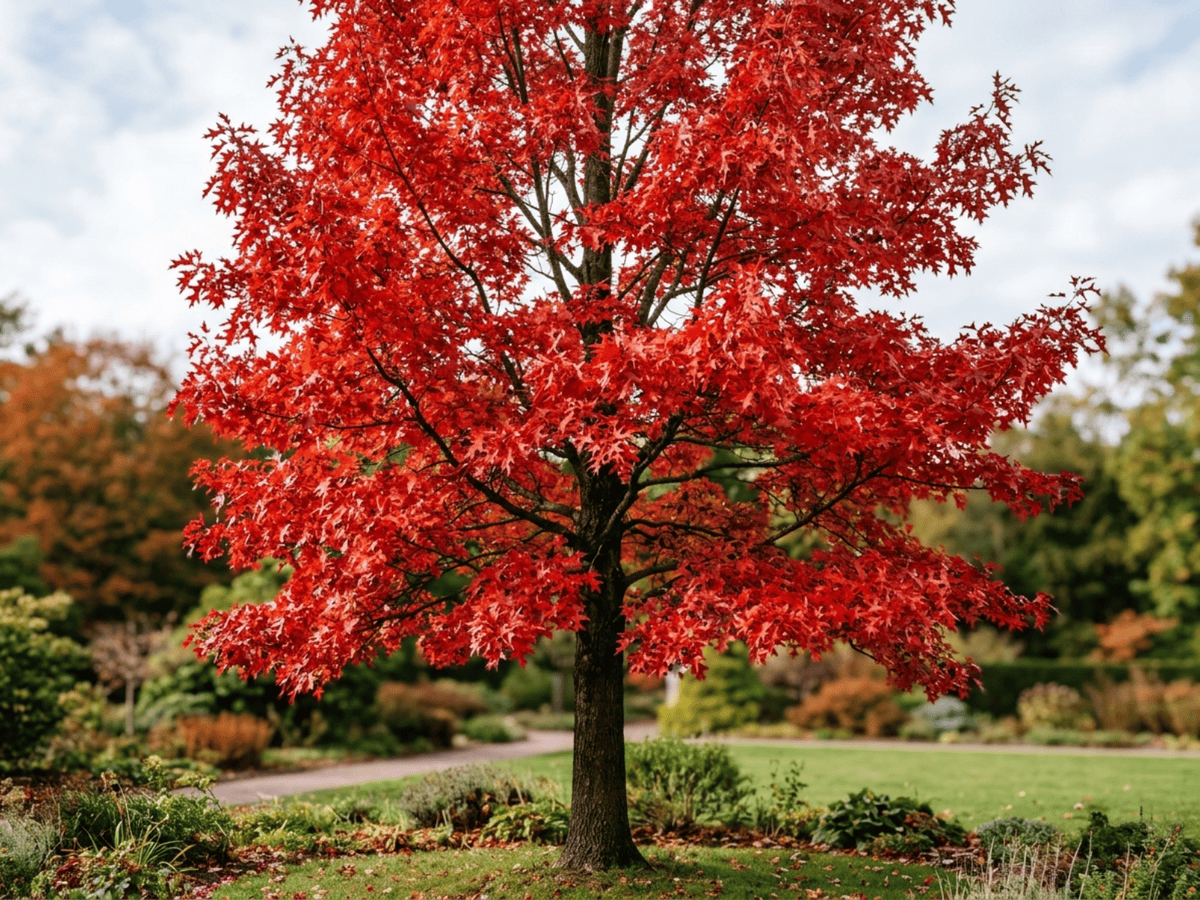 Scarlet OakQuercus coccinea
Plants with similar care
 Chinese AbeliaAbelia chinensis
 Fragrant AbeliaAbelia mosanensis
 Large-Flowered AbeliaAbelia uniflora
 Glossy AbeliaAbelia x grandiflora
Frequently asked questions
How often should I water Willow Oak?
Water about every 7 days during the growing season, and always let excess water drain away.
How much light does Willow Oak need?
Full sun: 6+ hrs direct. Watch the leaves — scorching or stretching means the light needs adjusting.
Is Willow Oak toxic to cats or dogs?
Pets Moderate (Dogs Moderate · Cats Moderate) Educational information, not medical or veterinary advice. If exposure is suspected, contact a doctor or veterinarian.
Is Willow Oak easy to grow?
Yes — it is considered an easy, beginner-friendly plant.
When does Willow Oak bloom?
It typically blooms Mar–May in the Northern Hemisphere.
YardMate
Identify any plant in seconds
Snap a photo — YardMate names the plant, diagnoses problems, and reminds you when to water.
Download on the App Store