 YardMate


Shumard Oak
Quercus shumardii
Easy · Beginner friendlyAbout Shumard Oak
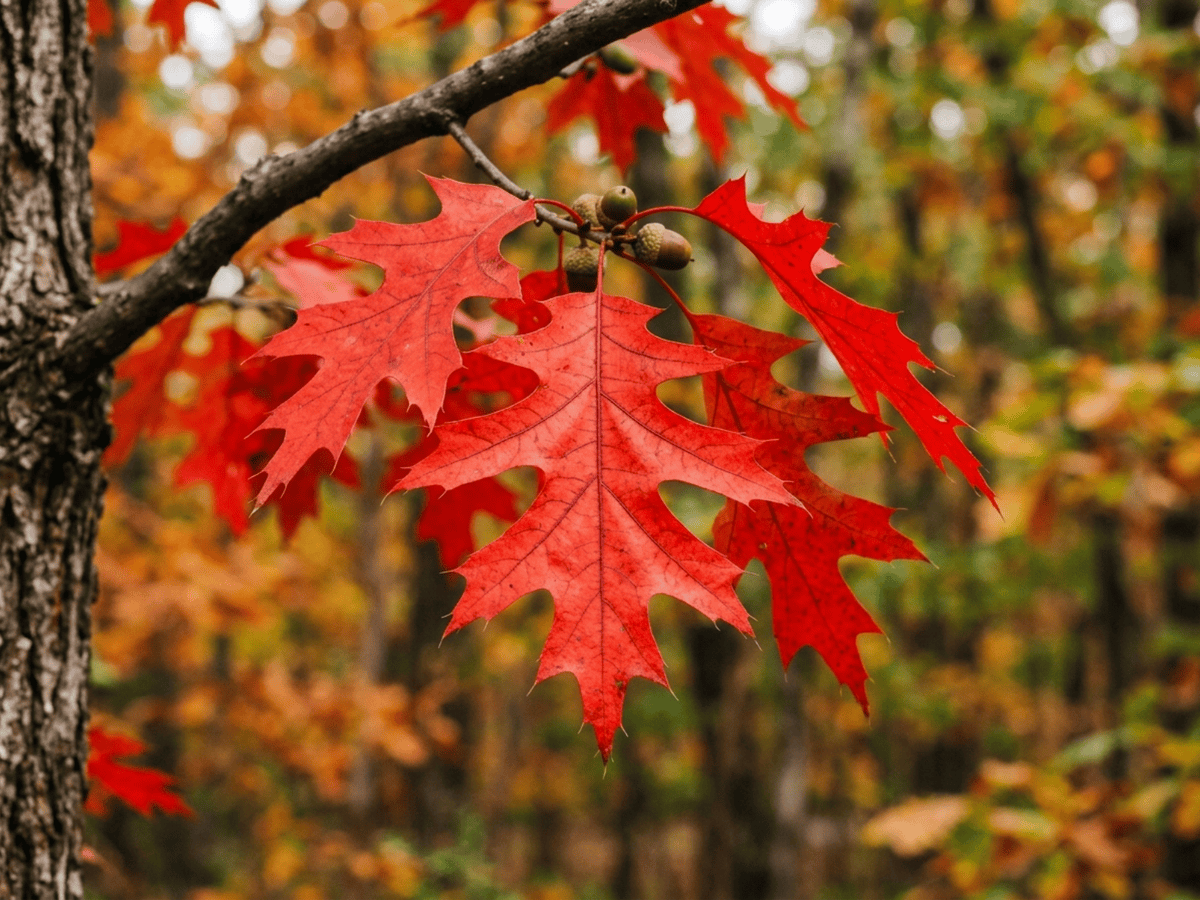
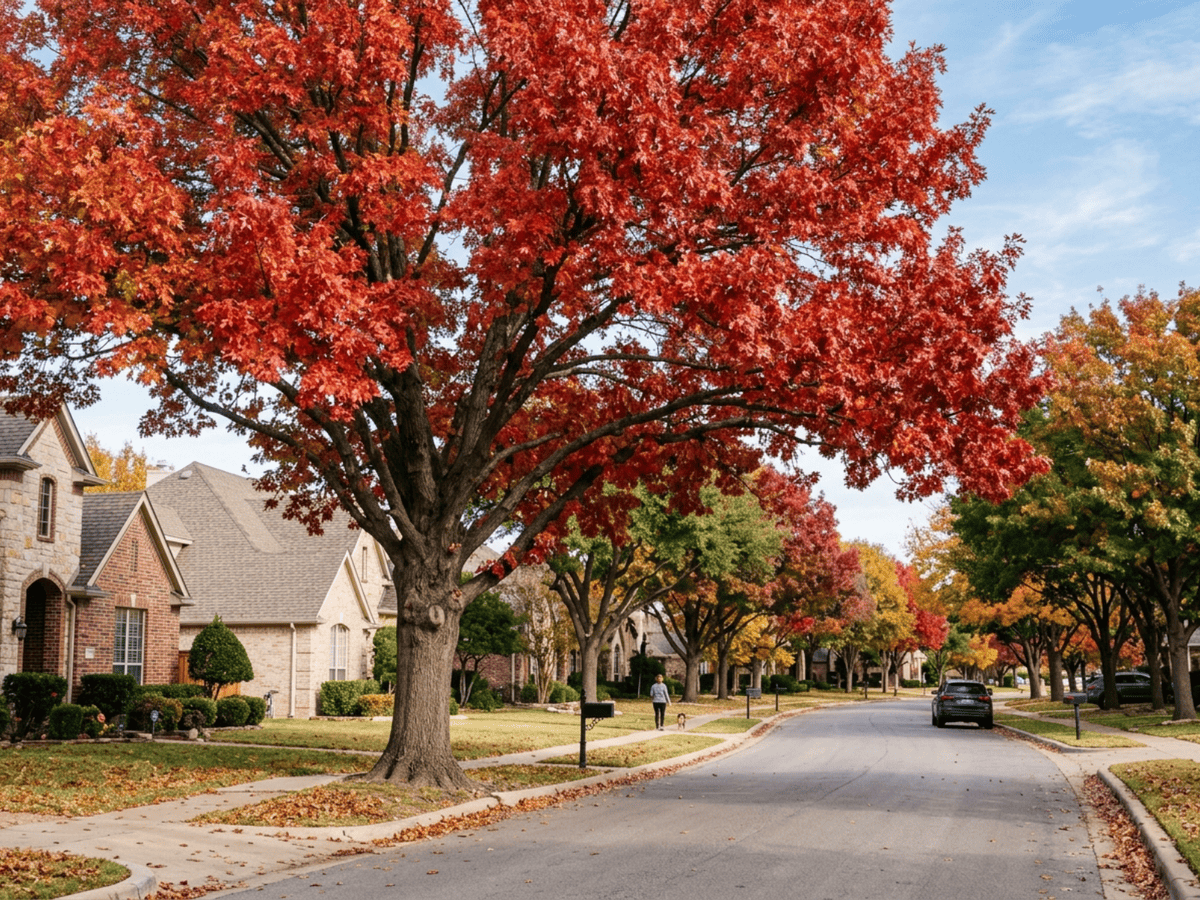
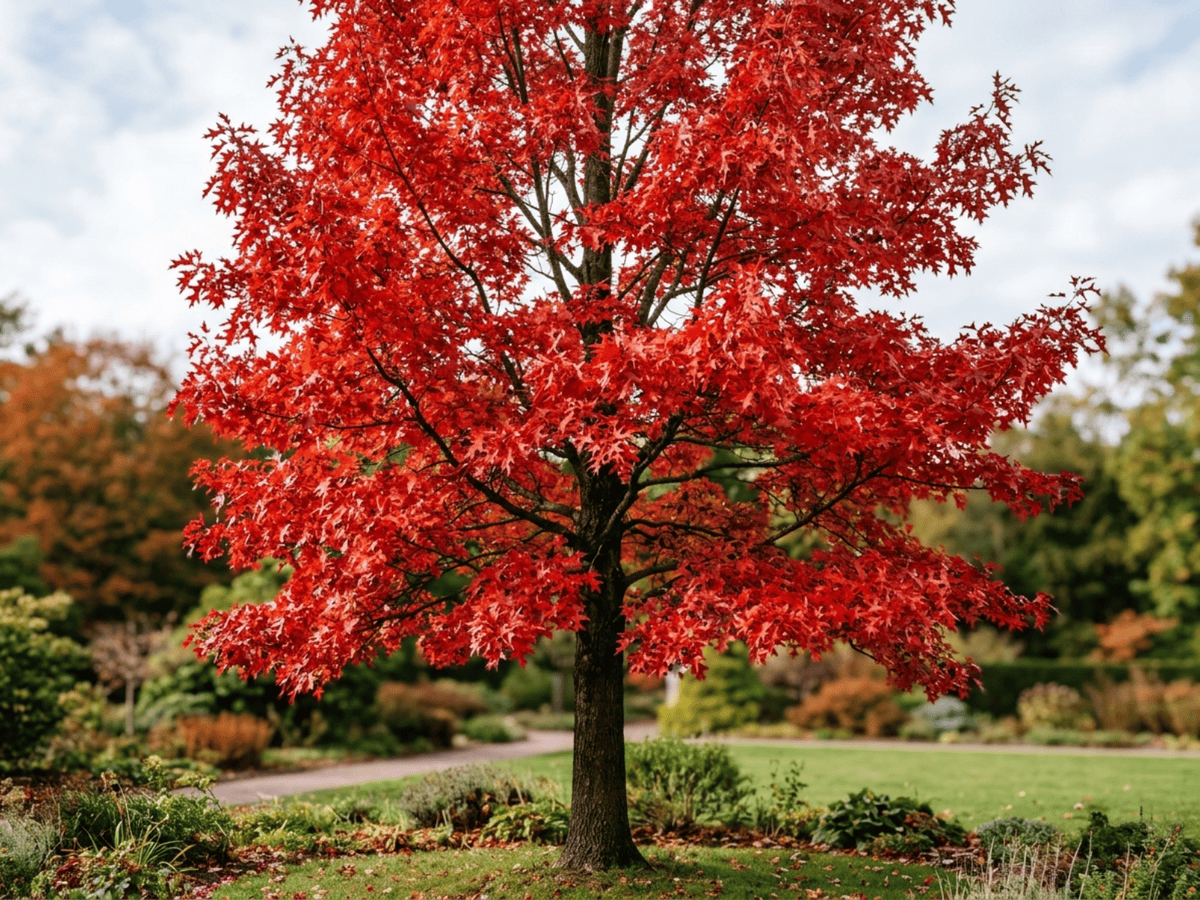
Shumard Oak is a majestic deciduous tree native to the south-central and southeastern US, reaching 70-90 feet. Closely related to red oak but better adapted to hot, dry conditions and alkaline soils of Texas and the South. Deeply lobed glossy leaves turn brilliant scarlet in autumn, rivaling scarlet oak. A premier large shade tree for the southern US, combining toughness with spectacular fall color.
- Drought-tolerant
- Fall-color
- Native
How to care for Shumard Oak
Watering
- Springevery 10 days
- Summerevery 7 days
- Fallevery 14 days
- Winterpause watering
Soil · Well-draining
- Top dressingPine bark mulch10%
- Main mixPotting soil + perlite 2:170%
- DrainageLECA / gravel20%
Never skip the drainage layer — standing water is the top cause of root rot.
FERTILIZER
Balanced Feed 14-14-14
An even feed covers all three needs at once, keeping leaves, roots and blooms moving together with nothing pushed out of balance.
- Nitrogen · Leaves
- Phosphorus · Roots + Blooms
- Potassium · Strength
- Springevery 60 days
- Summerevery 60 days
At a Glance
- NativeNorth America
- Height50–90 ft (15.2–27.4 m)
- Spread40–60 ft (12.2–18.3 m)
- Flower colorGreen
- Foliage colorGreen, Red
- Fruit colorBrown
- SoilLoamy, Well-drained
- LocationsYard
Bloom time
BLOOM CYCLE
Peak bloom
Mar–May
Yellow-green catkins in spring
Toxicity
Humans Slight · Pets Moderate
tannic acid
Slight
- Acorn
- Leaf
- Ingestion
EXPOSURE Eating acorn and leaves.
EFFECT GI upset from tannins.
NOTE Documented concern for humans: GI upset from tannins.
Moderate
- Acorn
- Leaf
- Ingestion
EXPOSURE Eating acorn and leaves.
EFFECT Vomiting, diarrhea, and kidney damage.
NOTE ASPCA lists Quercus as toxic to pets.
Moderate
- Acorn
- Leaf
- Ingestion
EXPOSURE Eating acorn and leaves.
EFFECT Vomiting, diarrhea, and kidney damage.
NOTE ASPCA lists Quercus as toxic to pets.
Educational information, not medical or veterinary advice. If exposure is suspected, contact a doctor or veterinarian.
DISTRIBUTION


- Native
- North America
History

Quercus shumardii ranges across the south-central and southeastern United States from Kansas and Pennsylvania south to Texas and Florida. American geologist-botanist Samuel Botsford Buckley formally described it in 1860, naming it for Benjamin Franklin Shumard, then state geologist of Texas. The species is often confused with scarlet oak (Q. coccinea) and pin oak (Q. palustris), but is larger-growing and more adaptable than either, combining brilliant red-to-maroon autumn color with greater tolerance of alkaline soils, urban conditions, and drought.
Mature trees reach 80-120 feet with strong pyramidal-to-rounded crowns. Its rapid growth rate (24 inches per year) and superior form made it the favored replacement for pin oak in municipal planting schemes of the 1990s-2010s across the South and lower Midwest. Leaves remain attached into December providing extended fall interest.
Symbolism & meaning
What It Symbolizes
The Shumard Oak can symbolize strength, a massive long-lived red oak whose silhouette dominates parks and parkways across the lower South. Another layer is southern heritage, for it is the premier oak of Texas and the Gulf South, lining boulevards in cities like Dallas and Houston. To grow quercus shumardii is to plant a regional emblem, a tree whose presence in southern civic life is as steady as the heat itself.
- Strength — massive long-lived oak
- Southern heritage — premier oak of Texas and Gulf South
Where the Name Comes From
Named for Benjamin Franklin Shumard (1820-1869), Texas state geologist.
Uses & Fun Facts
- Shumard oak makes long-lived southern shade tree
- Red oak lumber valued for flooring and cabinetry
- Lobed leaves turn deep crimson in autumn
Related plants
More Quercus plants
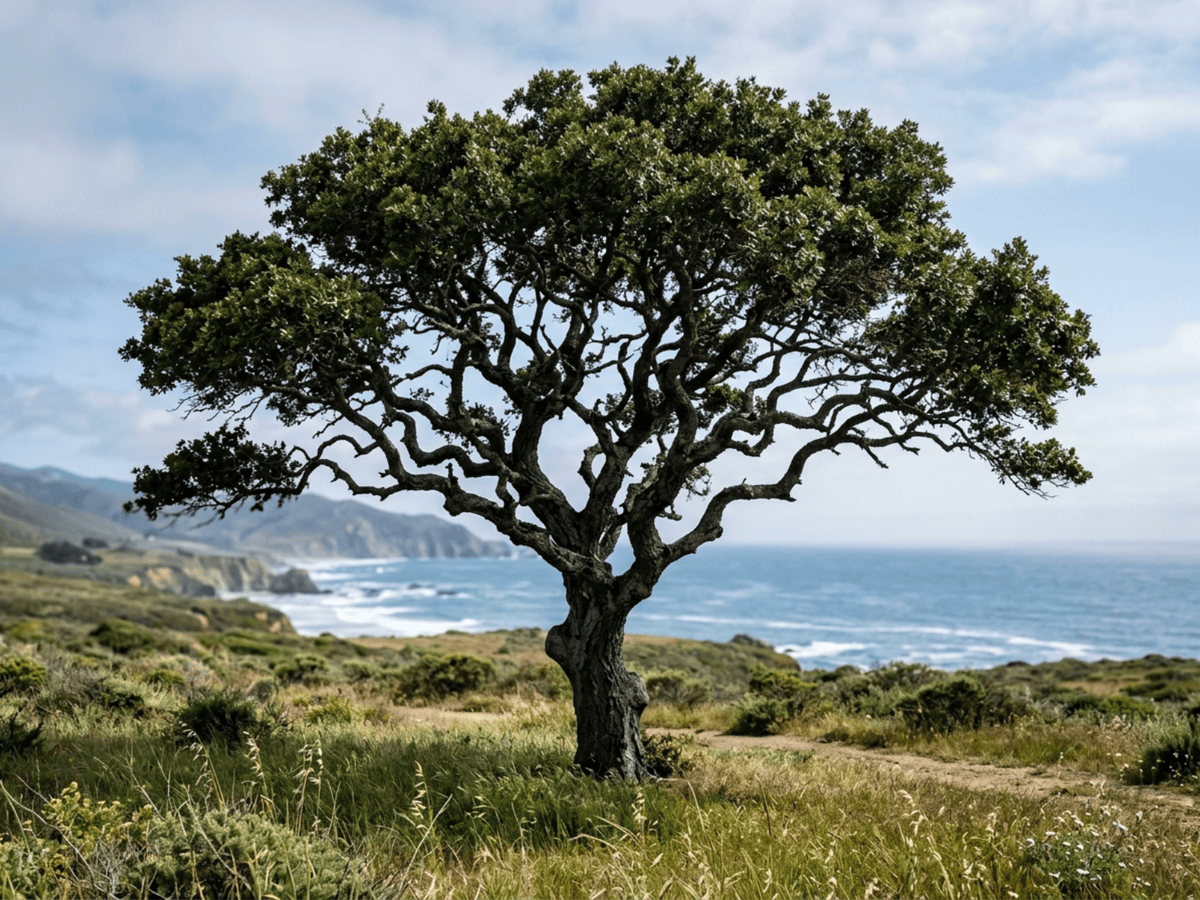 Coast Live OakQuercus agrifolia
 White OakQuercus alba
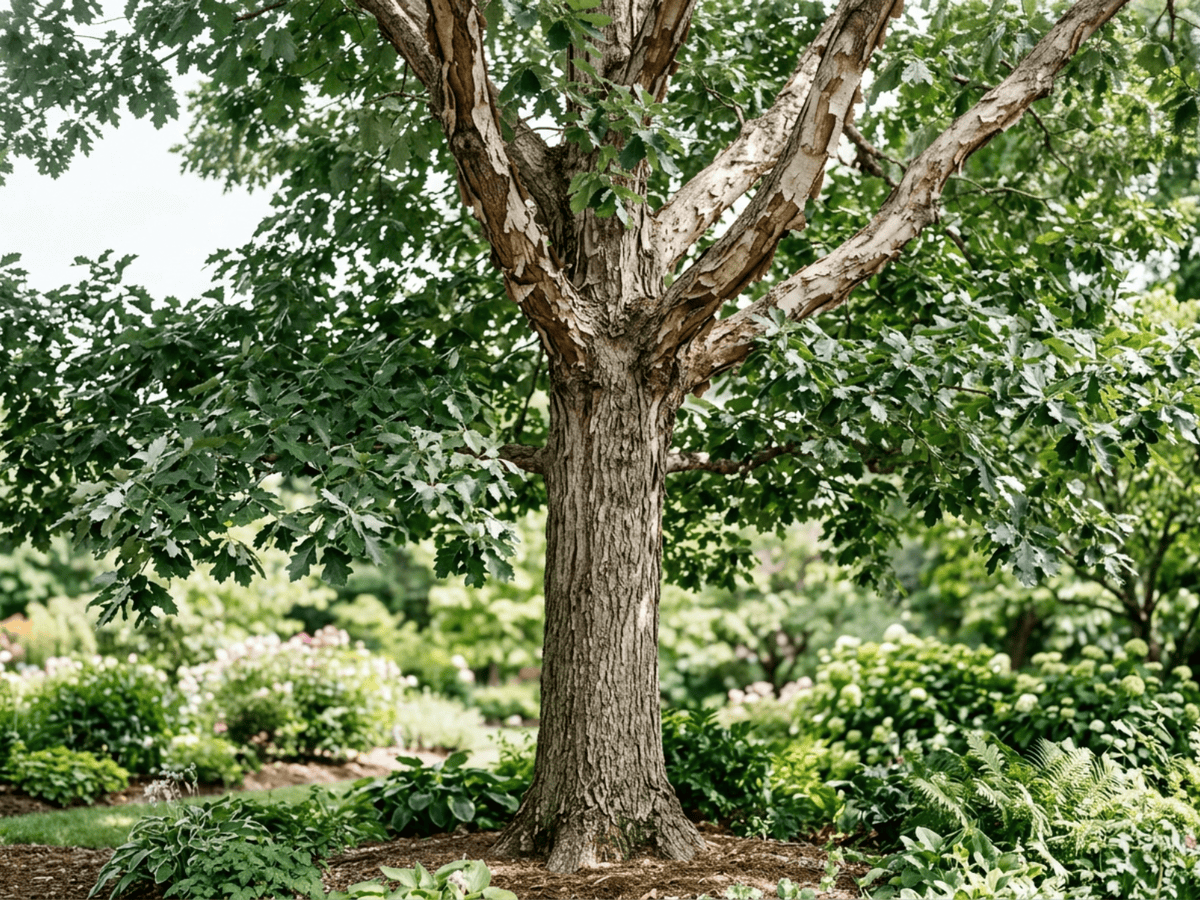 Swamp White OakQuercus bicolor
 Scarlet OakQuercus coccinea
Plants with similar care
 Chinese AbeliaAbelia chinensis
 Fragrant AbeliaAbelia mosanensis
 Large-Flowered AbeliaAbelia uniflora
 Glossy AbeliaAbelia x grandiflora
Frequently asked questions
How often should I water Shumard Oak?
Water about every 10 days during the growing season, and always let excess water drain away.
How much light does Shumard Oak need?
Full sun: 6+ hrs direct. Watch the leaves — scorching or stretching means the light needs adjusting.
Is Shumard Oak toxic to cats or dogs?
Pets Moderate (Dogs Moderate · Cats Moderate) Educational information, not medical or veterinary advice. If exposure is suspected, contact a doctor or veterinarian.
Is Shumard Oak easy to grow?
Yes — it is considered an easy, beginner-friendly plant.
When does Shumard Oak bloom?
It typically blooms Mar–May in the Northern Hemisphere.
YardMate
Identify any plant in seconds
Snap a photo — YardMate names the plant, diagnoses problems, and reminds you when to water.
Download on the App Store