 YardMate



Post Oak
Quercus stellata
Medium · Some experienceAbout Post Oak
Post Oak is a Southeastern and Midwestern American native deciduous oak reaching 40-60 feet, with thick dark-green leaves shaped like a Maltese cross. Famously slow-growing and long-lived (300-400 years), with extremely dense rot-resistant wood historically used for fence posts—the source of its common name. Drought-tolerant once established, it is a defining tree of dry oak savannas and post-oak woodlands across Texas, Oklahoma, and the South.
- Drought-tolerant
- Native
How to care for Post Oak
Watering
- Springevery 14 days
- Summerevery 10 days
- Fallevery 21 days
- Winterevery 30 days
Soil · Well-draining
- Top dressingPine bark mulch10%
- Main mixPotting soil + perlite 2:170%
- DrainageLECA / gravel20%
Never skip the drainage layer — standing water is the top cause of root rot.
FERTILIZER
- Springevery 180 days
At a Glance
- NativeNorth America
- Height40–60 ft (12.2–18.3 m)
- Spread35–50 ft (10.7–15.2 m)
- Flower colorGreen
- Foliage colorGreen
- Fruit colorBrown
- SoilSandy, Well-drained
- LocationsYard
Bloom time
BLOOM CYCLE
Peak bloom
Mar–May
Yellow-green catkins in spring
Toxicity
Humans Slight · Pets Moderate
gallotannins
Slight
- Leaf
- Seed
- Ingestion
EXPOSURE Eating leaves and seeds.
EFFECT Tannins in acorns and leaves cause GI upset if consumed raw.
NOTE Oak acorns and young leaves are toxic to livestock and pets.
Moderate
- Leaf
- Seed
- Ingestion
EXPOSURE Eating leaves and seeds.
EFFECT Acorns can cause vomiting, diarrhea, and kidney injury.
NOTE Oak acorns and young leaves are toxic to livestock and pets.
Moderate
- Leaf
- Seed
- Ingestion
EXPOSURE Eating leaves and seeds.
EFFECT Acorns and foliage can cause GI upset and kidney injury.
NOTE Oak acorns and young leaves are toxic to livestock and pets.
Educational information, not medical or veterinary advice. If exposure is suspected, contact a doctor or veterinarian.
DISTRIBUTION


- Native
- North America
History
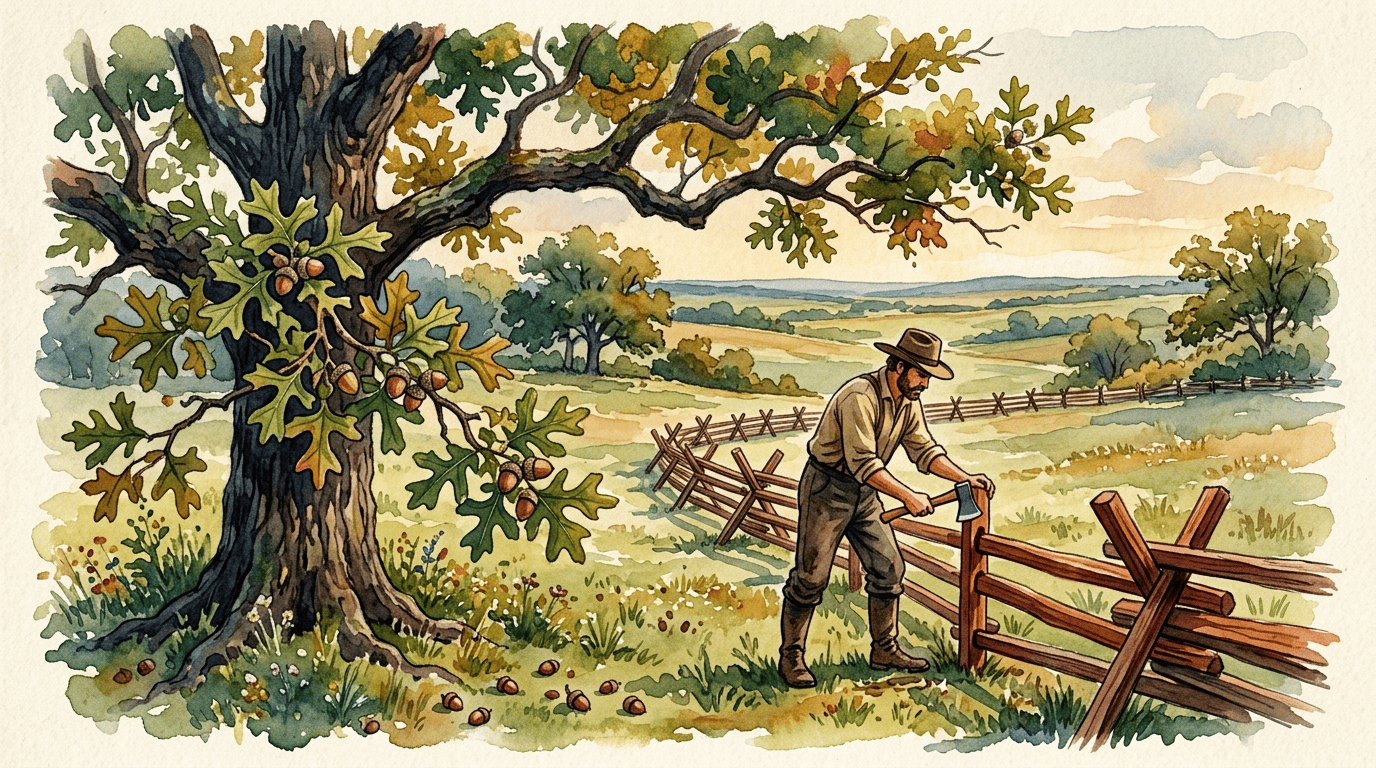
Quercus stellata, the post oak, is native to the southern and central United States from Massachusetts and New York south to Florida and west into Texas. It is the signature species of the Cross Timbers, a transitional oak savanna stretching across Oklahoma and north Texas that Washington Irving described in A Tour on the Prairies in 1832. Indigenous Caddo, Wichita, and Osage peoples used the wood and gathered acorns from these woodlands for millennia.
European settlers named the species post oak after their preferred use of its rot-resistant heartwood for split-rail fencing, corner posts, and later railroad crossties. Post oak grows slowly, sometimes exceeding 400 years, and is sensitive to root disturbance, making it a priority in Texas urban forestry protection ordinances.
Defining tree of the Cross Timbers oak savanna ecosystem from Oklahoma through Texas. Iconic to Texas Hill Country landscapes and increasingly protected in urban landscapes.
Symbolism & meaning
What It Symbolizes
Post oak is endurance shaped by drought — squat, gnarled, slow-growing, often centuries old in the harsh dry Cross Timbers landscapes of Texas and Oklahoma. As regional heritage it defines that ecosystem, an iconic oak whose twisted limbs frame countless ranches, courthouses, and old cemeteries. Its trunks have outlasted cattle drives, oil booms, and several state flags; it grows by refusing to hurry.
- Endurance — centuries-old trees in harsh dry conditions
- Heritage — iconic tree of Texas and Cross Timbers ecosystem
Where the Name Comes From
'Stellata' from Latin meaning star, referring to the star-shaped hairs on the leaf undersides.
Uses & Fun Facts
- Long-lived dense canopy defines Southern post-oak savanna landscapes
- Rot-resistant wood historically split for fence posts and rails
- Acorns sustain deer, turkey, and squirrels across the Southeast
Related plants
More Quercus plants
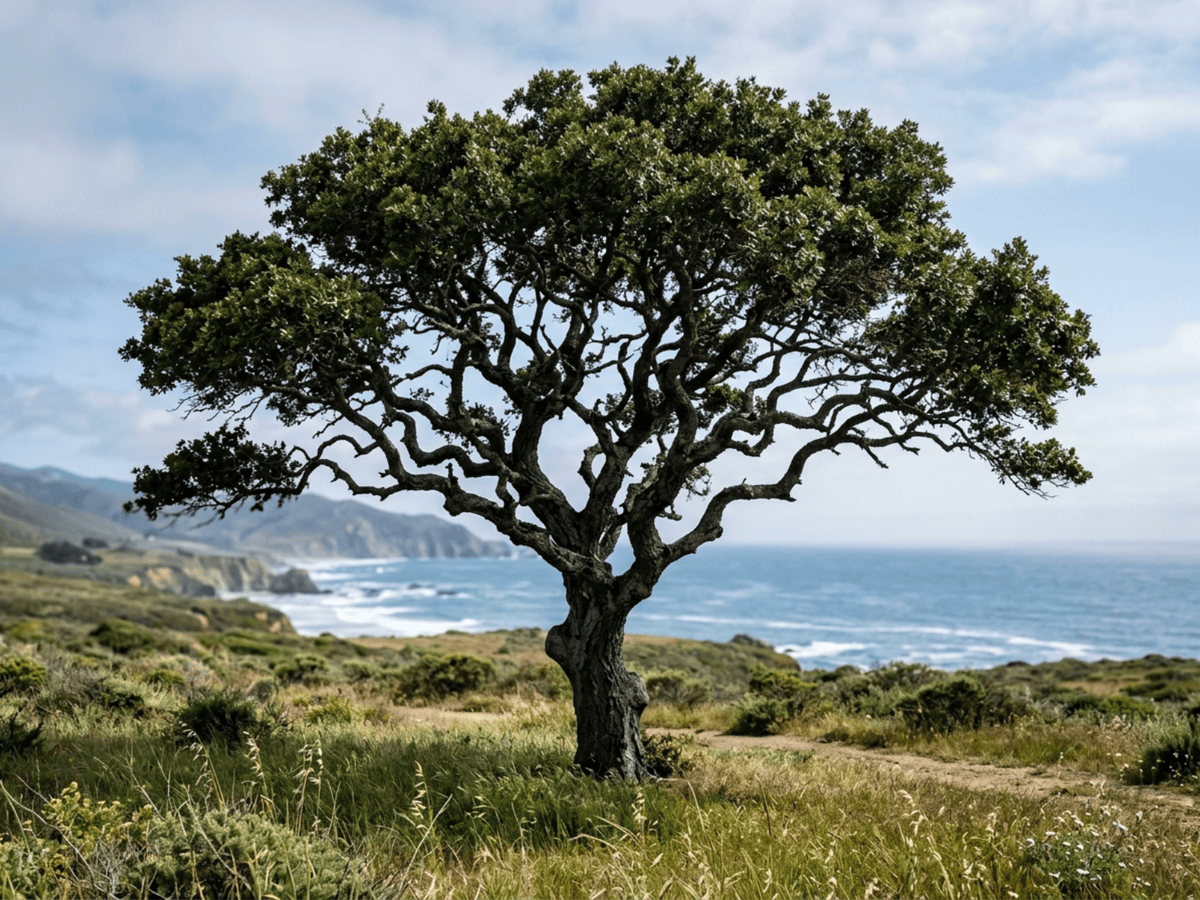 Coast Live OakQuercus agrifolia
 White OakQuercus alba
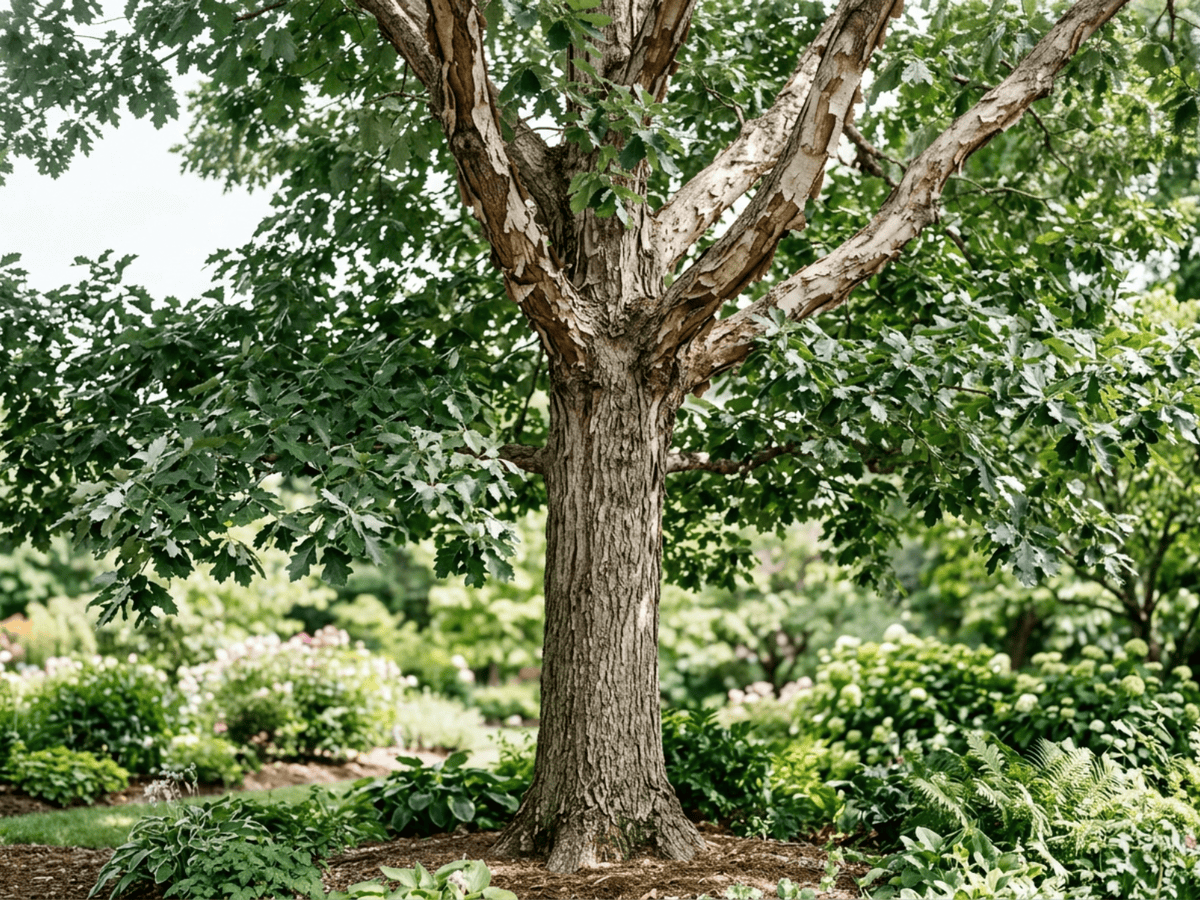 Swamp White OakQuercus bicolor
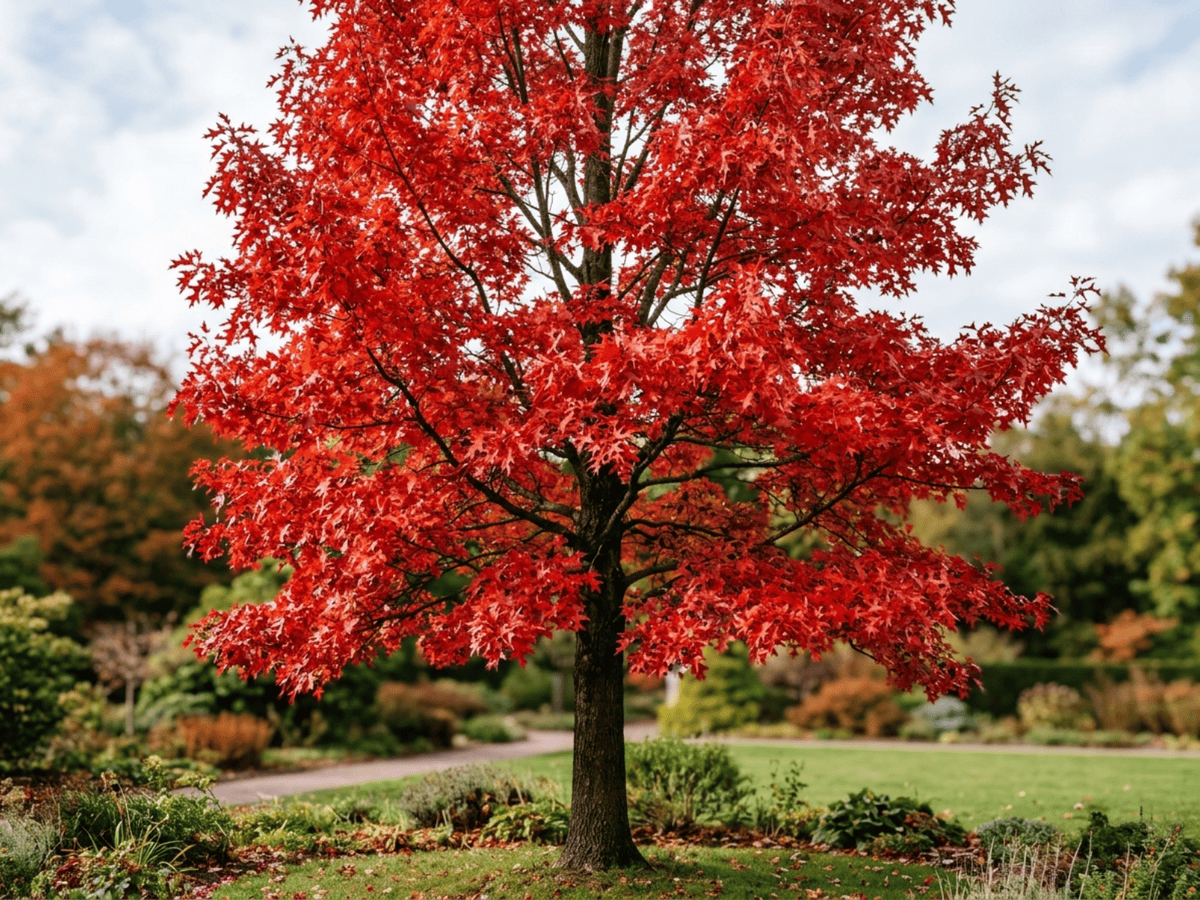 Scarlet OakQuercus coccinea
Plants with similar care
 Mexican AbeliaAbelia floribunda
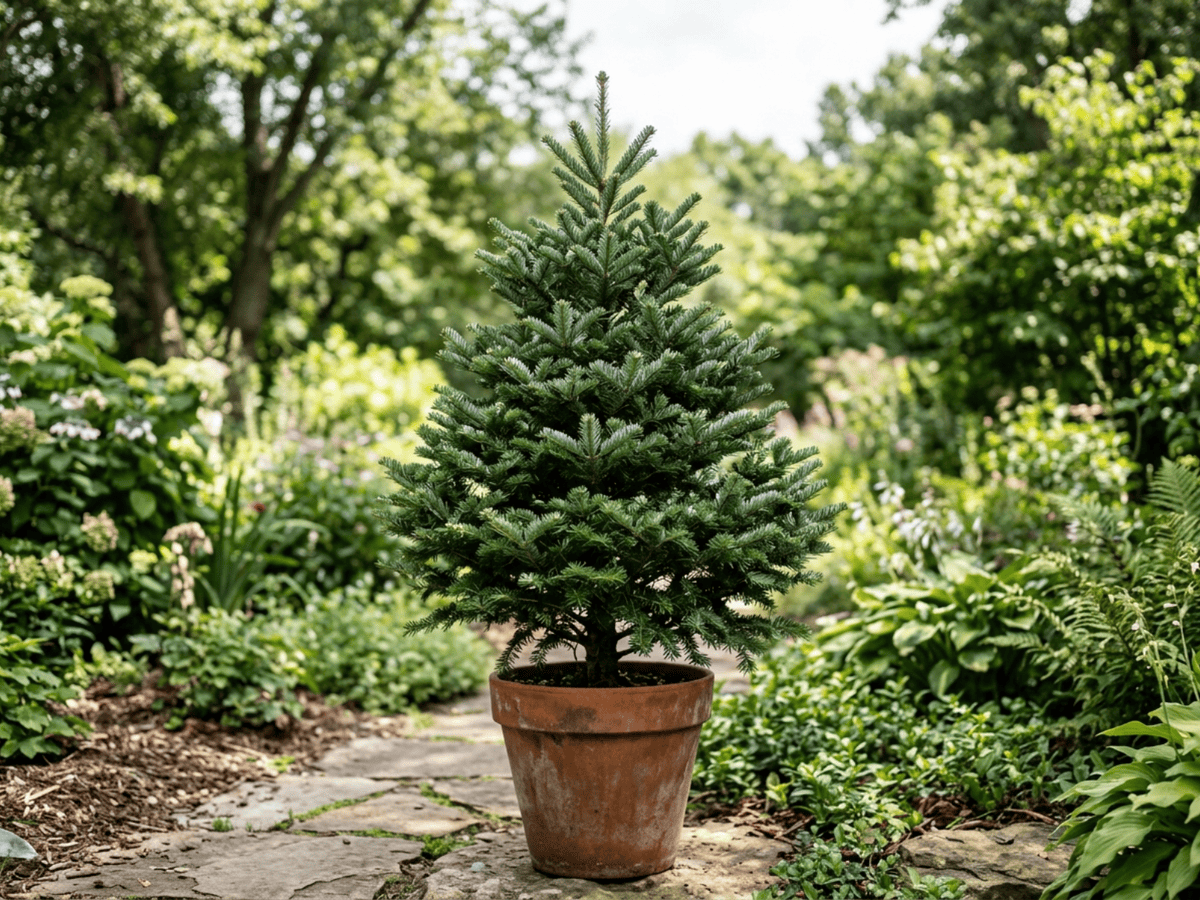 Fraser FirAbies fraseri
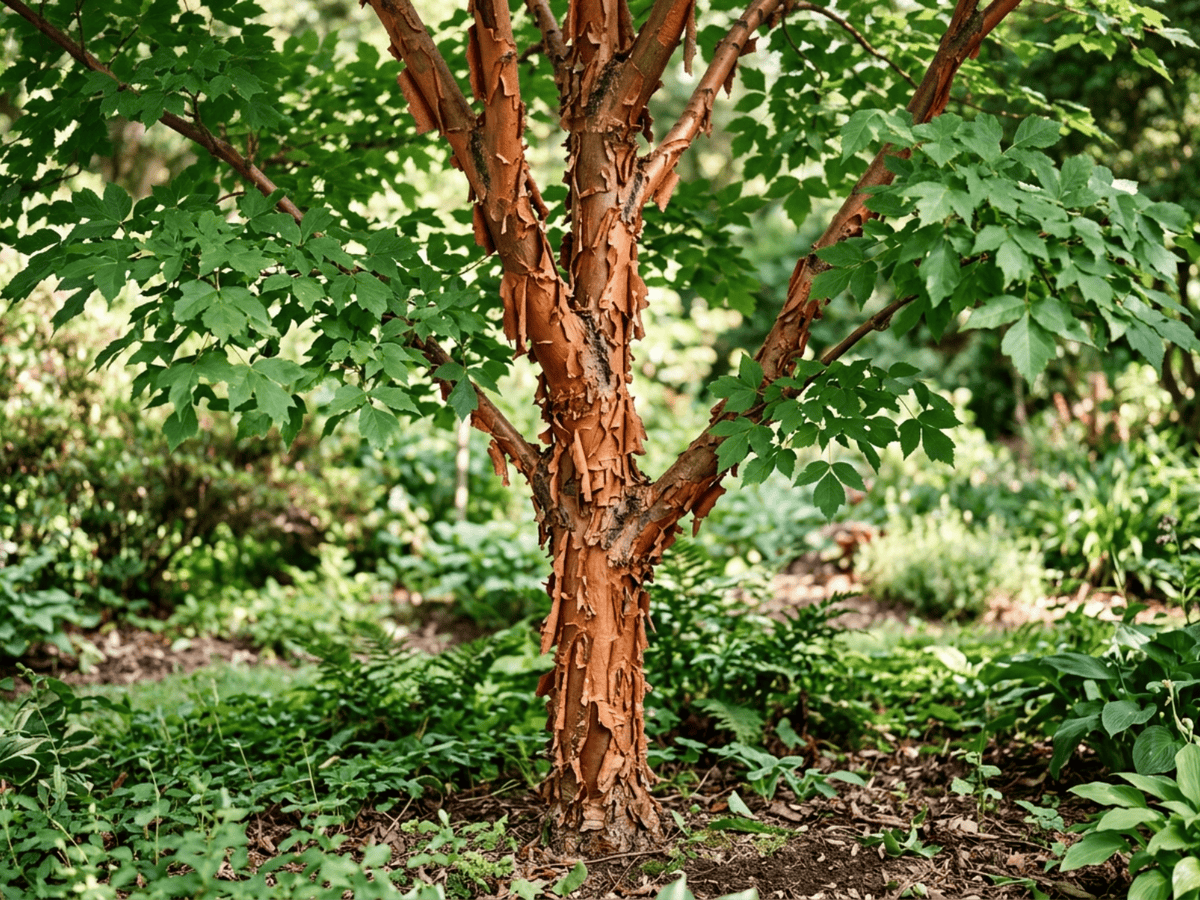 Paperbark MapleAcer griseum
 Sugar MapleAcer saccharum
Frequently asked questions
How often should I water Post Oak?
In summer, water about every 10 days; in winter, about every 30 days. Adjust for heat, pot size and drainage.
How much light does Post Oak need?
Full sun: 6+ hrs direct. Watch the leaves — scorching or stretching means the light needs adjusting.
Is Post Oak toxic to cats or dogs?
Pets Moderate (Dogs Moderate · Cats Moderate) Educational information, not medical or veterinary advice. If exposure is suspected, contact a doctor or veterinarian.
Is Post Oak easy to grow?
It is moderately demanding: a good choice once you have a little experience.
When does Post Oak bloom?
It typically blooms Mar–May in the Northern Hemisphere.
YardMate
Identify any plant in seconds
Snap a photo — YardMate names the plant, diagnoses problems, and reminds you when to water.
Download on the App Store