 YardMate


Apothecary's Rose
Rosa gallica 'Officinalis'
Easy · Beginner friendlyAbout Apothecary's Rose
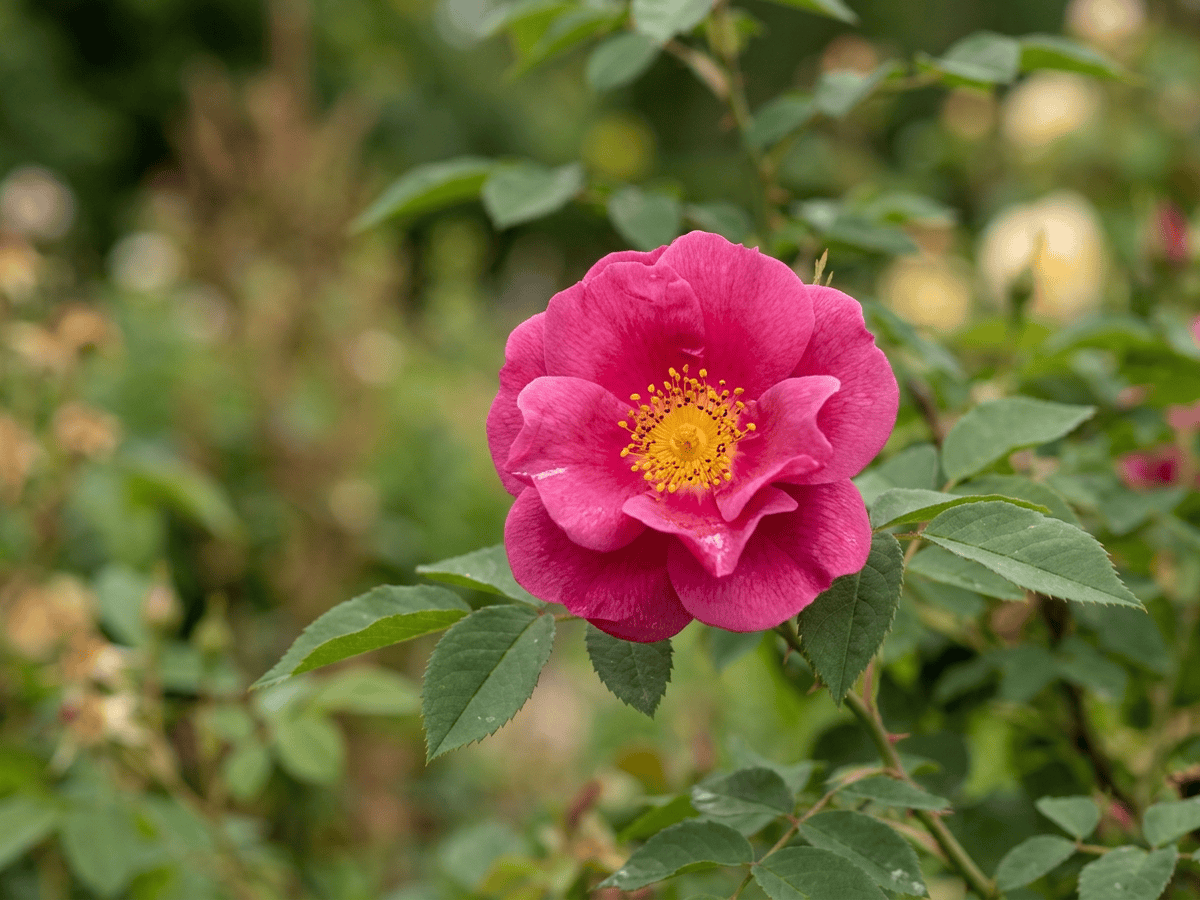
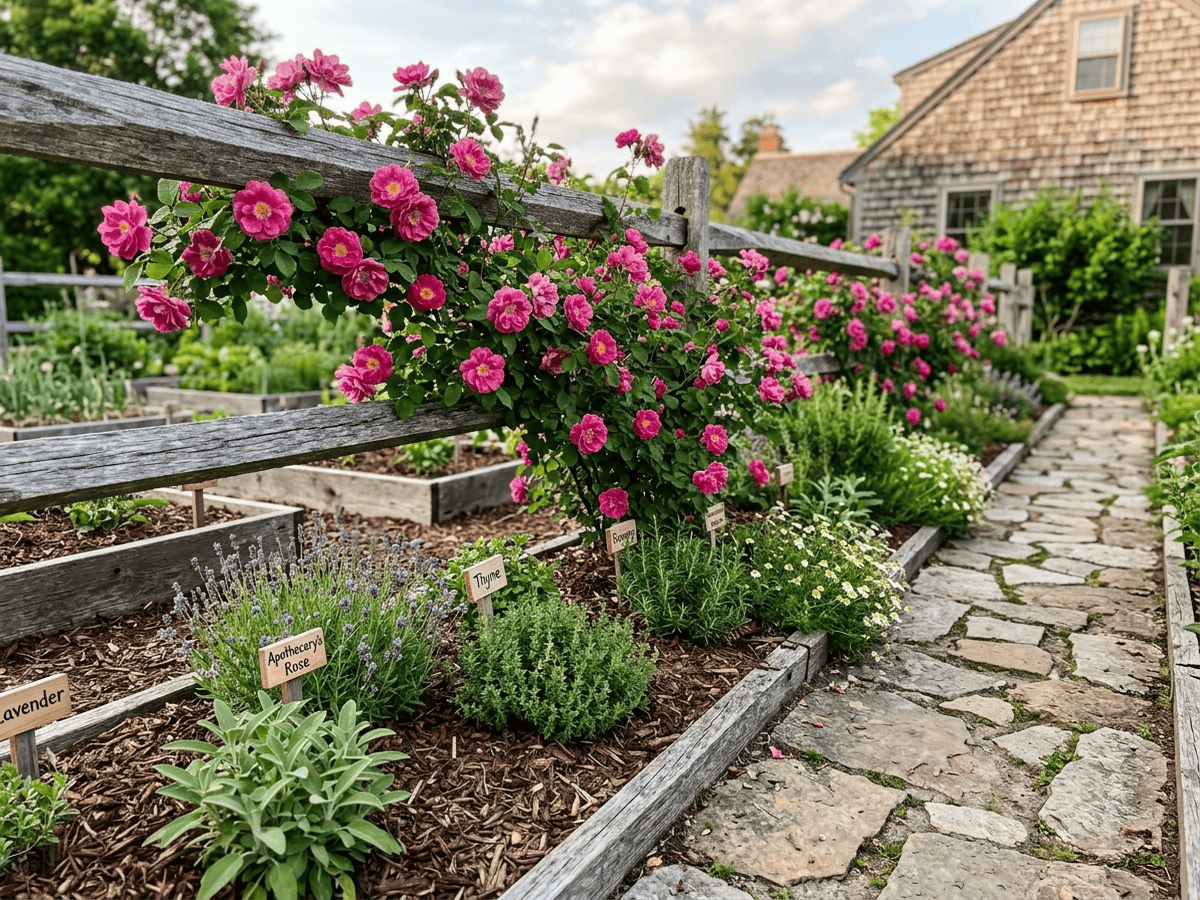
Rosa gallica 'Officinalis', the Apothecary's Rose, is the oldest named rose cultivar in Western horticulture. Grown by the ancient Greeks and Romans, adopted into medieval monastery gardens, and cultivated on industrial scale at Provins, France, since the 13th century for rose oil and rosewater, this single-flowered semi-double rose with crimson petals and prominent golden stamens represents 2000+ years of continuous cultivation.
Plants form 1-1.5 m suckering shrubs with deeply fragrant flowers in early summer (non-repeat blooming). The petals are the traditional source of rose apothecary preparations: they retain their fragrance and therapeutic properties when dried, unlike most roses.
Reputed to be the 'Red Rose of Lancaster' used in the 15th-century Wars of the Roses. Still commercially grown at Provins for rose petal products. A cornerstone heritage rose of every serious historic garden.
- Medicinal
- Fragrant
How to care for Apothecary's Rose
Watering
- Springevery 5 days
- Summerevery 3 days
- Fallevery 7 days
- Winterevery 14 days
Soil · Rich & well-draining
- Top dressingCompost10%
- Main mixPotting soil + compost 3:180%
- DrainageGravel10%
Top up the compost layer each season.
FERTILIZER
Balanced Feed 14-14-14
An even feed covers all three needs at once, keeping leaves, roots and blooms moving together with nothing pushed out of balance.
- Nitrogen · Leaves
- Phosphorus · Roots + Blooms
- Potassium · Strength
- Springevery 30 days
- Summerevery 30 days
- Fallevery 45 days
At a Glance
- NativeEurope, Mediterranean
- Height3–5 ft (0.9–1.5 m)
- Spread3–4 ft (0.9–1.2 m)
- Flower colorRed, Burgundy, Pink
- Foliage colorGreen
- Fruit colorRed
- SoilLoamy, Well-drained, Rich
- LocationsYard
Bloom time
BLOOM CYCLE
Peak bloom
May–Jun
Single flush of deeply fragrant crimson flowers in early summer; non-repeat-blooming.
Fragrance
STRONG FRAGRANCE
Classic intense old-rose fragrance; retains scent when dried.
Toxicity
No toxicity has been reported for this plant. Still, it is wise to keep pets from chewing on any houseplant.
Educational information, not medical or veterinary advice. If exposure is suspected, contact a doctor or veterinarian.
DISTRIBUTION


- Native
- Introduced
- Europe
- Mediterranean
History

Rosa gallica is native to central and southern Europe. The cultivar 'Officinalis' (the Apothecary's Rose) has been cultivated continuously for at least 2000 years — the oldest documented rose cultivar in the Western tradition. Pliny the Elder described the 'Rose of Miletus' in his 1st-century Natural History, widely believed to be this plant.
Medieval European monastery gardens grew it for rose petal preparations used in apothecary medicine — 'officinalis' comes from 'officina,' the monastic workshop where medicines were prepared. From the 13th century the town of Provins in the Brie region of France became the European center of commercial rose cultivation: thousands of acres were dedicated to R. gallica 'Officinalis' for the production of rose oil, rosewater, and dried petal preparations. Provins rose petals were traded across medieval Europe and remained a major industry for centuries.
The rose is traditionally identified as the Red Rose of Lancaster adopted as the heraldic emblem of the House of Lancaster during the 15th-century Wars of the Roses against the White Rose of York (Rosa × alba). Thomas Jefferson grew the Apothecary's Rose at Monticello. It remains in small-scale commercial cultivation at Provins today, is grown in historic gardens worldwide, and is the primary genetic parent of numerous later rose cultivars via R. gallica × damascena breeding. Cultivated by ancient Greeks and Romans; Roman historian Pliny the Elder described it.
Symbolism & meaning
What It Symbolizes
The Apothecary's Rose carries love, beauty, and old household care in one deep pink bloom. Grown for centuries in cloister gardens and cottage plots, it connects fragrance with memory more than fashion. Its symbolism is heritage: a rose that feels less bred than inherited.
- Enduring Love — 2000+ years of continuous cultivation for beauty and medicine
- Heritage — Living link to medieval monastery and apothecary gardens
Where the Name Comes From
The name Apothecary's Rose describes its rose-like blooms. Rosa from Latin/Greek; 'gallica' means Gallic/French; 'Officinalis' marks plants formally listed in pharmacy (from 'officina,' the monastic workshop).
Uses & Fun Facts
- Apothecary rose petals used in jams and rosewater
- Historical medicinal rose of medieval European apothecaries
- Petals retain strong perfume even after drying
- Symbol of the House of Lancaster in the Wars of the Roses
Related plants
More Rosa plants
 About FaceRosa 'About Face'
 Abraham DarbyRosa 'Abraham Darby'
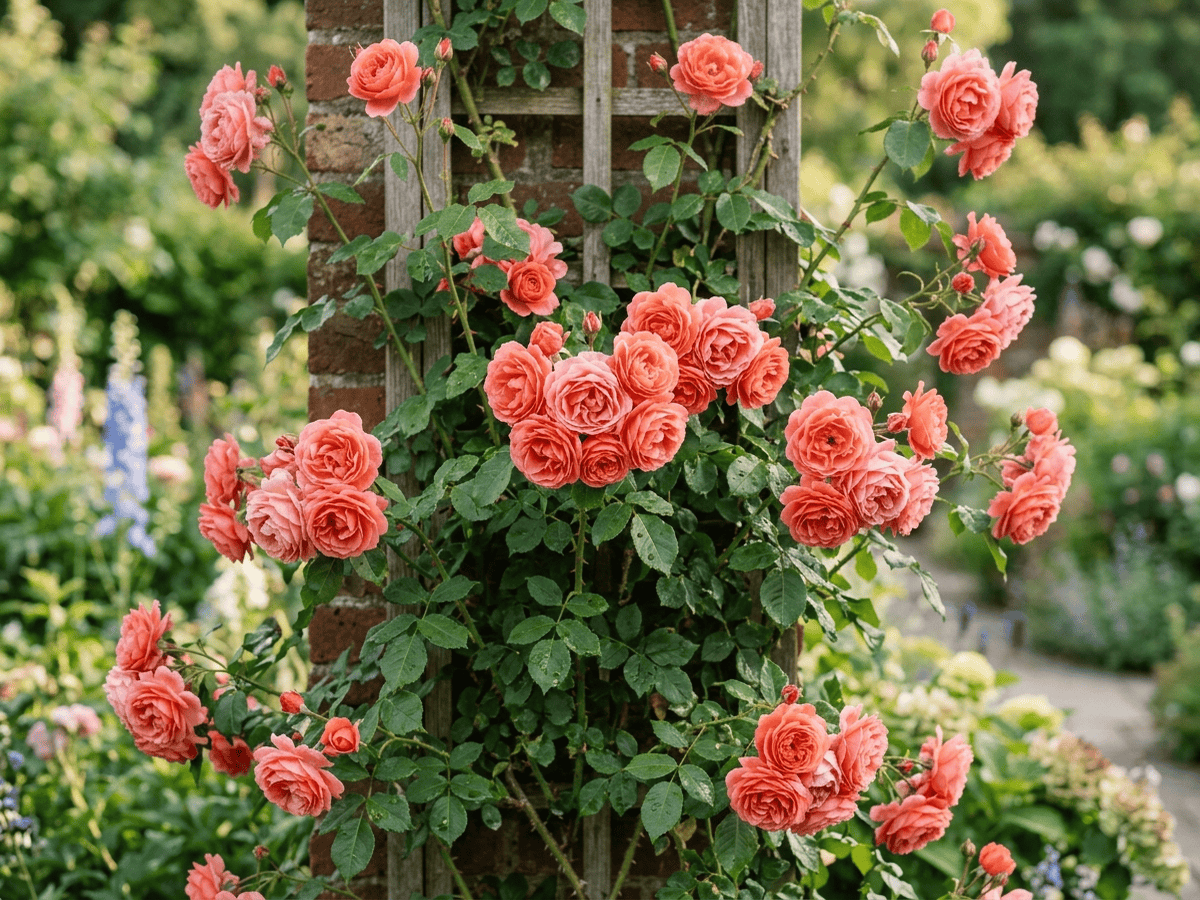 AmericaRosa 'America'
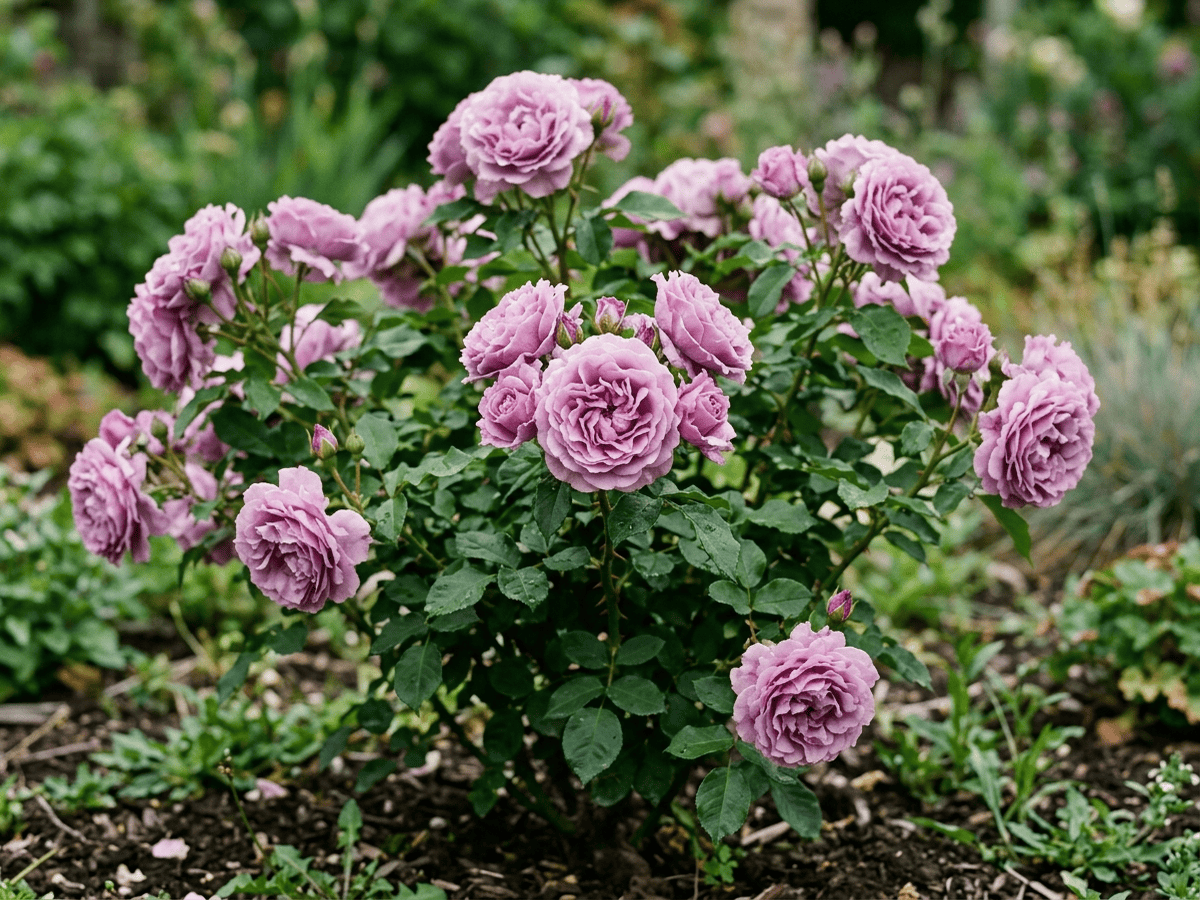 Angel FaceRosa 'Angel Face'
Plants with similar care
 Chinese AbeliaAbelia chinensis
 Fragrant AbeliaAbelia mosanensis
 Large-Flowered AbeliaAbelia uniflora
 Glossy AbeliaAbelia x grandiflora
Frequently asked questions
How often should I water Apothecary's Rose?
In summer, water about every 3 days; in winter, about every 14 days. Adjust for heat, pot size and drainage.
How much light does Apothecary's Rose need?
Full sun: 6+ hrs direct. Watch the leaves — scorching or stretching means the light needs adjusting.
Is Apothecary's Rose toxic to cats or dogs?
No toxicity has been reported for this plant. Still, it is wise to keep pets from chewing on any houseplant. Educational information, not medical or veterinary advice. If exposure is suspected, contact a doctor or veterinarian.
Is Apothecary's Rose easy to grow?
Yes — it is considered an easy, beginner-friendly plant.
When does Apothecary's Rose bloom?
It typically blooms May–Jun in the Northern Hemisphere.
YardMate
Identify any plant in seconds
Snap a photo — YardMate names the plant, diagnoses problems, and reminds you when to water.
Download on the App Store