 YardMate
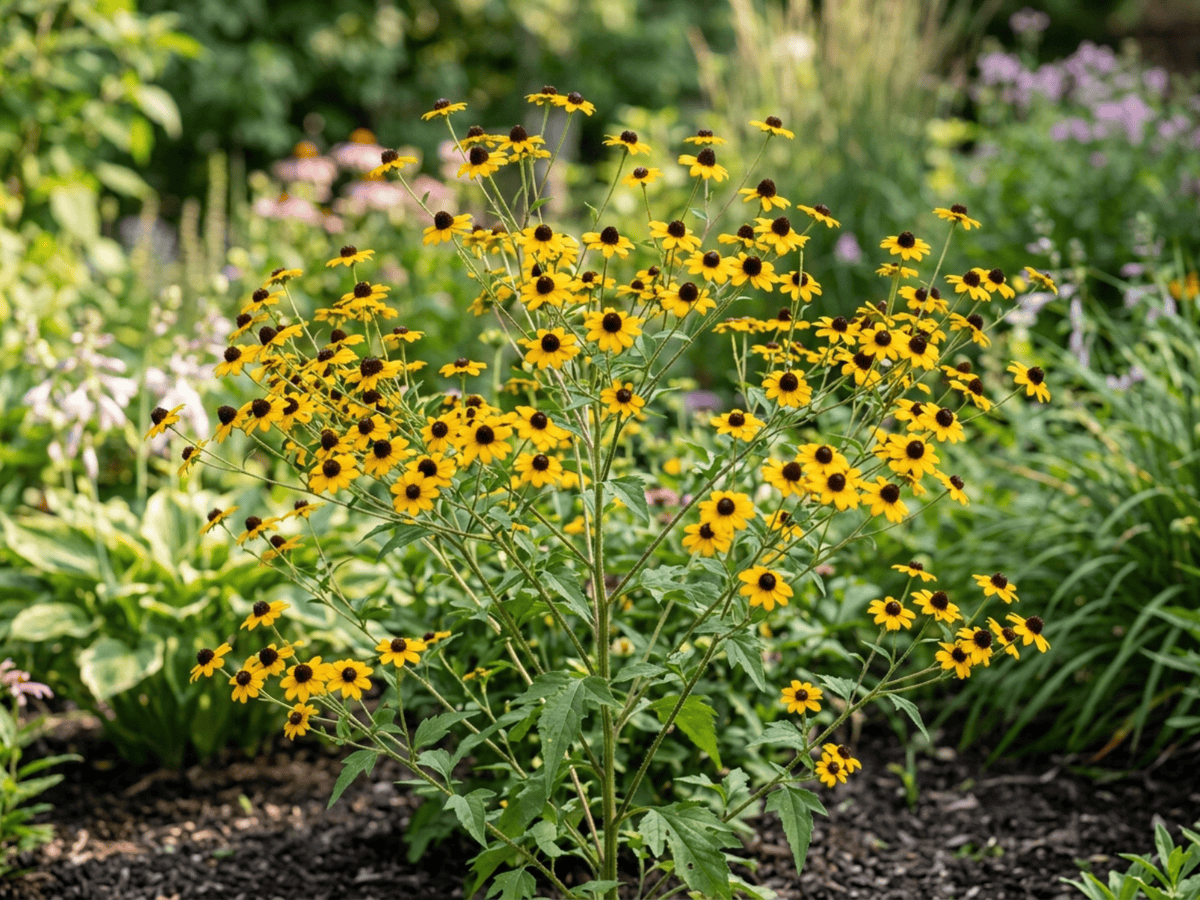


Brown-Eyed Susan
Rudbeckia triloba
Easy · Beginner friendlyAbout Brown-Eyed Susan
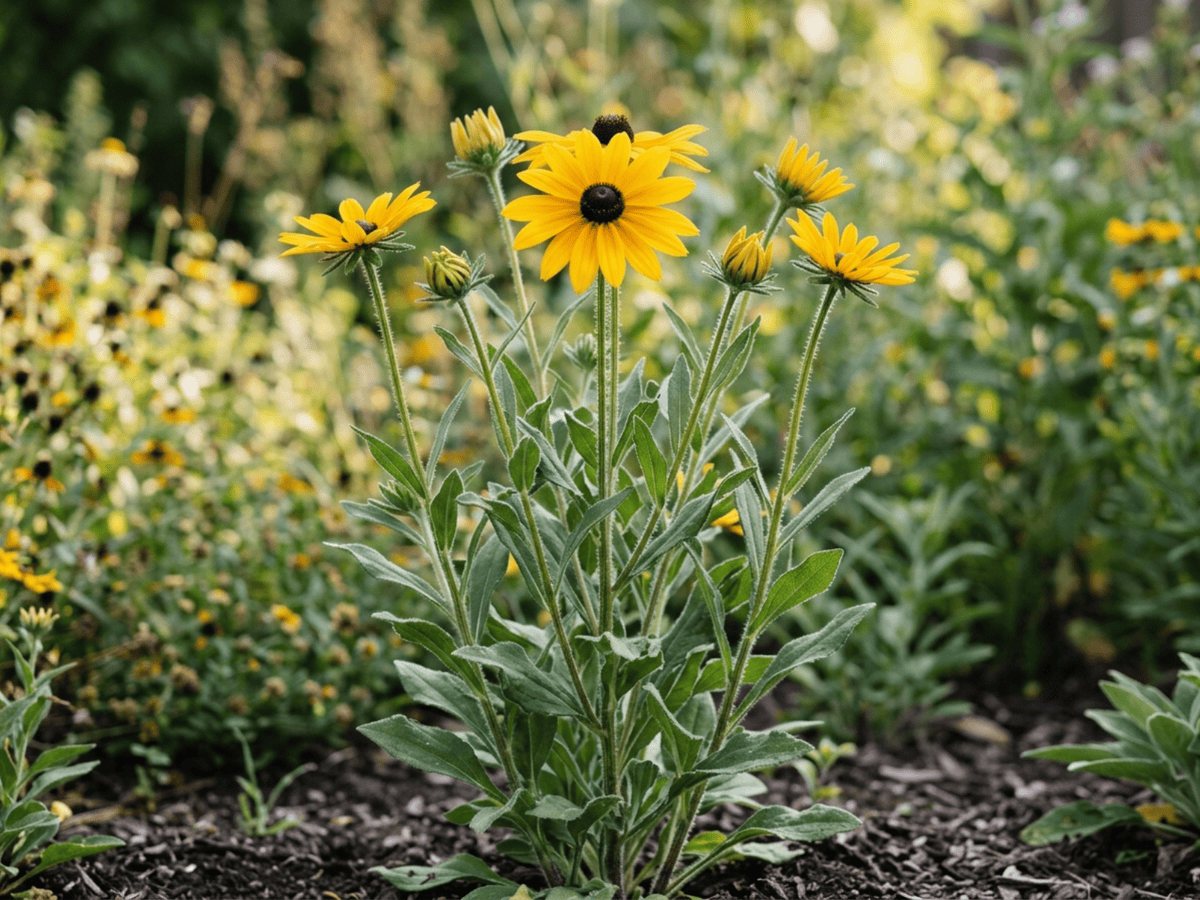
Brown-eyed Susan is a short-lived native perennial or biennial of the eastern and central US, 3–5 feet tall, covered in hundreds of small gold daisy flowers with dark brown centers from midsummer to fall. Self-seeds reliably, creating drifts in naturalized gardens. More refined and longer-blooming than its cousin R. hirta. A favorite in mid-Atlantic, Southeastern, and Midwestern native plant gardens and meadows.
- Drought-tolerant
- Native
- Pollinator-friendly
How to care for Brown-Eyed Susan
Watering
- Springevery 5 days
- Summerevery 4 days
- Fallevery 7 days
- Winterpause watering
Soil · Well-draining
- Top dressingPine bark mulch10%
- Main mixPotting soil + perlite 2:170%
- DrainageLECA / gravel20%
Never skip the drainage layer — standing water is the top cause of root rot.
FERTILIZER
- Springevery 30 days
- Summerevery 30 days
At a Glance
- NativeNorth America
- Height2–4 ft (0.6–1.2 m)
- Spread1.5–2 ft (0.5–0.6 m)
- Flower colorYellow
- Foliage colorGreen
- SoilLoamy, Well-drained
- LocationsYard
Bloom time
BLOOM CYCLE
Peak bloom
Jul–Nov
Small gold daisies midsummer to frost
Toxicity
Humans Slight · Pets Slight
sesquiterpene lactones
Slight
- Leaf
- Stem
- Contact
EXPOSURE Touching leaves and stems.
EFFECT Mild skin irritation.
NOTE Generally low toxicity; handling may irritate sensitive skin.
Slight
- All
- Ingestion
EXPOSURE Eating any part of the plant.
EFFECT Mild vomiting.
NOTE Generally low toxicity; handling may irritate sensitive skin.
Slight
- All
- Ingestion
EXPOSURE Eating any part of the plant.
EFFECT Mild vomiting.
NOTE Generally low toxicity; handling may irritate sensitive skin.
Educational information, not medical or veterinary advice. If exposure is suspected, contact a doctor or veterinarian.
DISTRIBUTION

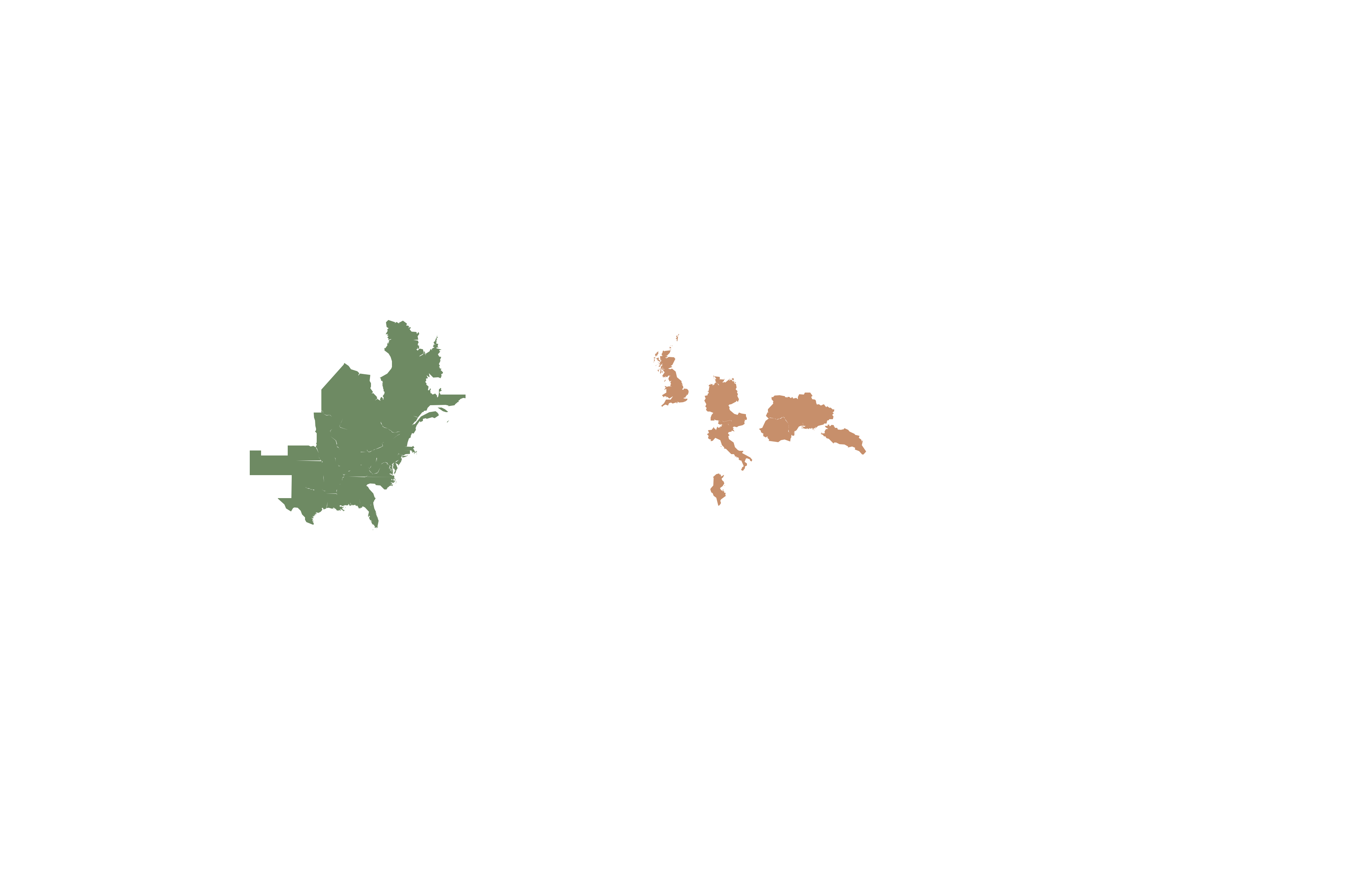
- Native
- Introduced
- North America
History
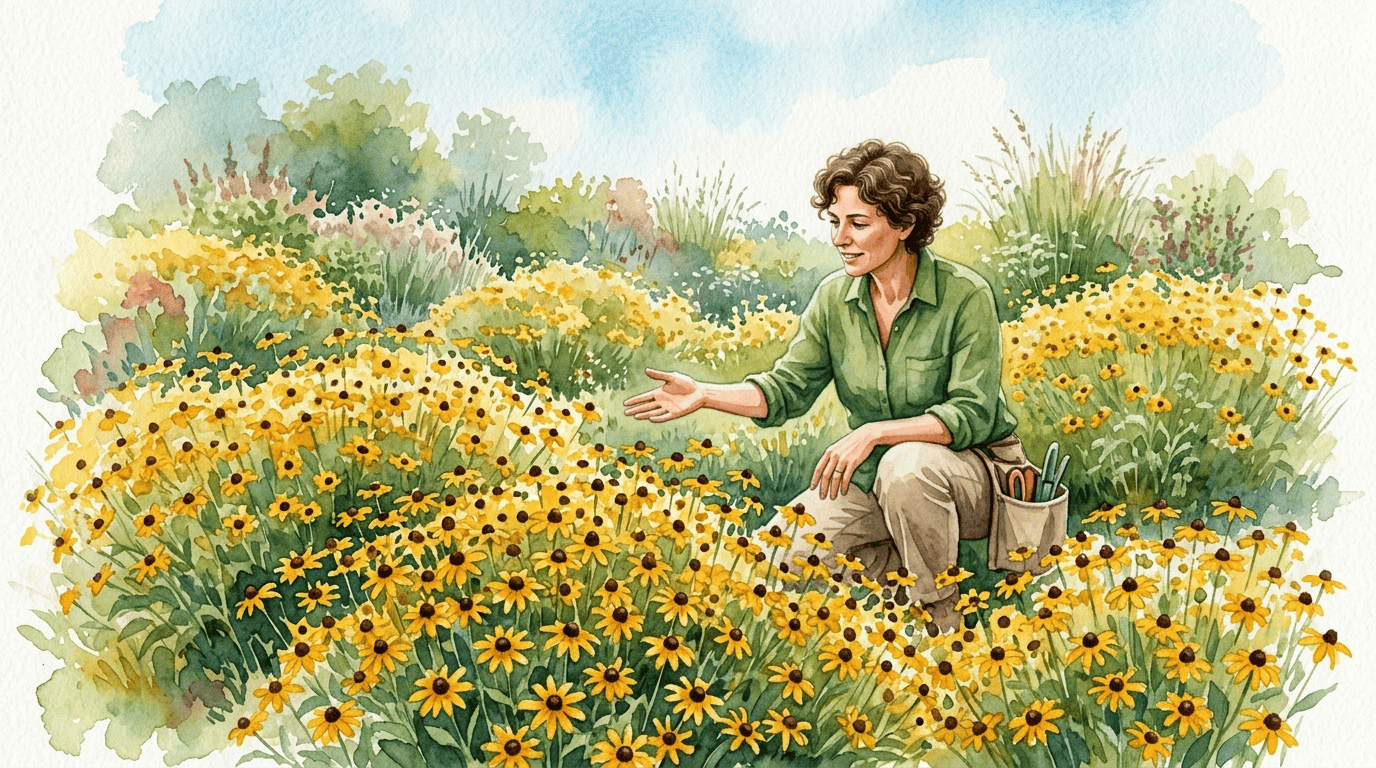
Rudbeckia triloba, the brown-eyed Susan, ranges from New York through the Midwest and south to the Ozarks. Linnaeus described it in 1753 based on specimens from Virginia. Unlike its more famous cousin R. hirta, it forms airy bushy mounds producing hundreds of smaller flowers over months.
Historically it was a common meadow component but rarely cultivated until the prairie restoration movement of the 1970s-80s. Plantsmen including Wolfgang Oehme and James van Sweden popularized it in 'New American Garden' designs. The cultivar 'Prairie Glow' with bicolor petals emerged in the 2000s.
Though biennial to short-lived perennial, it self-sows dependably to maintain presence in naturalistic plantings. Native from New York to Nebraska and south to Georgia. Championed by American native-plant societies and the Mt. Cuba Center of Delaware, whose Rudbeckia trials highlighted it as one of the most garden-worthy native perennials for Eastern US landscapes.
Symbolism & meaning
What It Symbolizes
Brown-Eyed Susan offers encouragement, its cheerful golden blooms with dark centers brightening the late-summer garden when many perennials are tiring. It also carries persistence, continuing to flower until hard frost finally insists otherwise. A native biennial that seems to keep quietly cheering on the rest of the border well past the point most flowers have given up.
- Encouragement — cheerful blooms brighten late summer
- Persistence — blooms until hard frost
Where the Name Comes From
Genus honors Olof Rudbeck; 'triloba' means 'three-lobed' for the basal leaves.
Uses & Fun Facts
- Yellow daisies feed native bees, butterflies, and goldfinches
- Cloud of small yellow daisies for late-summer prairie borders
- Seedheads provide winter food for finches and sparrows
Related plants
More Rudbeckia plants
 Black-Eyed SusanRudbeckia hirta
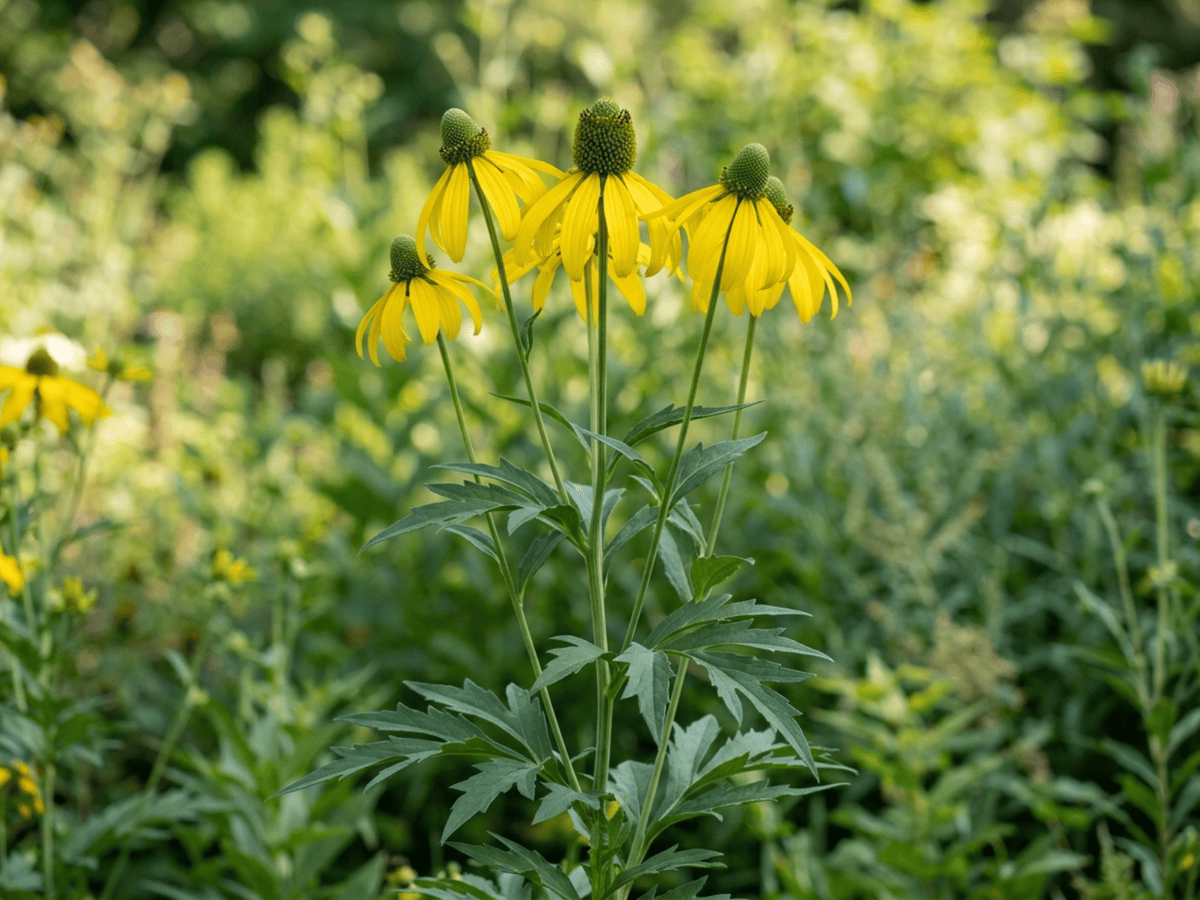 Cutleaf ConeflowerRudbeckia laciniata
 Sweet Black-Eyed SusanRudbeckia subtomentosa
Plants with similar care
 Chinese AbeliaAbelia chinensis
 Fragrant AbeliaAbelia mosanensis
 Large-Flowered AbeliaAbelia uniflora
 Glossy AbeliaAbelia x grandiflora
Frequently asked questions
How often should I water Brown-Eyed Susan?
Water about every 5 days during the growing season, and always let excess water drain away.
How much light does Brown-Eyed Susan need?
Full sun: 6+ hrs direct. Watch the leaves — scorching or stretching means the light needs adjusting.
Is Brown-Eyed Susan toxic to cats or dogs?
Pets Slight (Dogs Slight · Cats Slight) Educational information, not medical or veterinary advice. If exposure is suspected, contact a doctor or veterinarian.
Is Brown-Eyed Susan easy to grow?
Yes — it is considered an easy, beginner-friendly plant.
When does Brown-Eyed Susan bloom?
It typically blooms Jul–Nov in the Northern Hemisphere.
YardMate
Identify any plant in seconds
Snap a photo — YardMate names the plant, diagnoses problems, and reminds you when to water.
Download on the App Store