 YardMate


White Willow
Salix alba
Easy · Beginner friendlyAbout White Willow
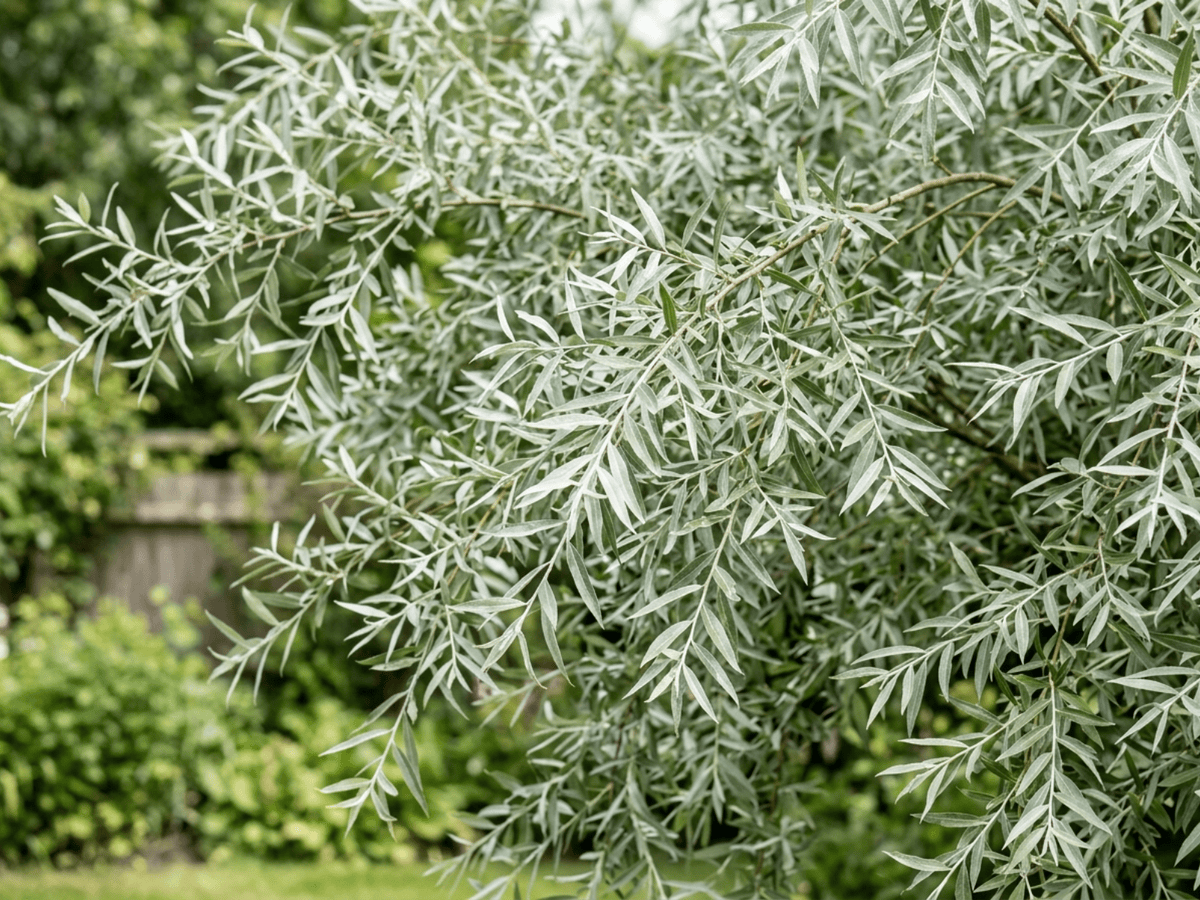
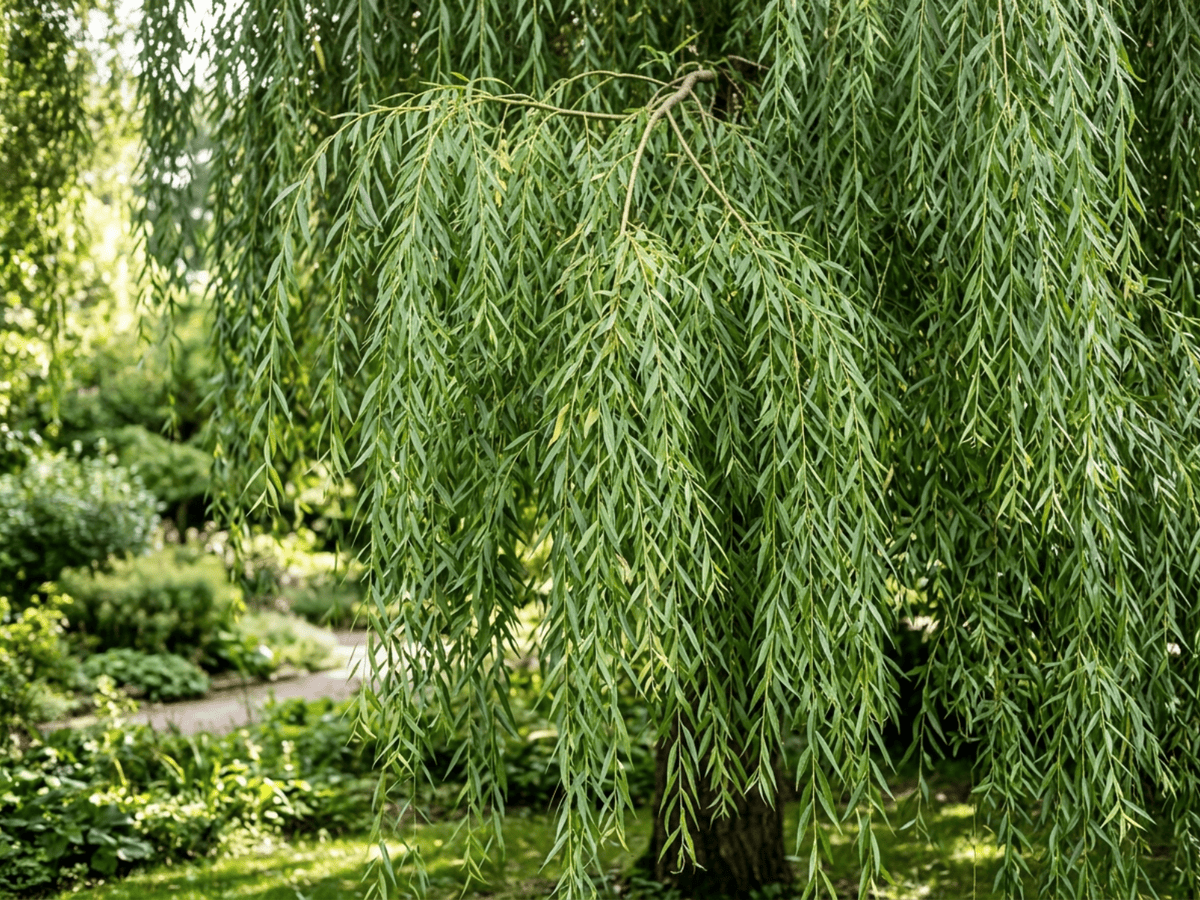
Salix alba, the white willow, is a large graceful tree native to Europe and western Asia, named for the silvery-white undersides of its narrow leaves that shimmer in the breeze. It grows rapidly to 25 meters along rivers, streams, and wet meadows, forming a broad open crown. The bark is deeply fissured and grey-brown. White willow is historically one of the most medicinally important trees — its bark extract, salicin, led directly to the synthesis of aspirin in the 19th century. The flexible young stems have been used for centuries in basket weaving, cricket bat production (variety caerulea), and wattle fencing. It is a vital riparian species, stabilizing riverbanks and providing habitat for waterfowl and insects. Several cultivated varieties exist, including the golden willow with vivid yellow winter stems and the cricket bat willow prized by English bat makers.
- Medicinal
- Fast-growing
How to care for White Willow
Watering
- Springevery 3 days
- Summerevery 2 days
- Fallevery 5 days
- Winterevery 14 days
Soil · Moisture-retentive
- Top dressingSphagnum moss10%
- Main mixPeat + coco coir 1:180%
- DrainagePerlite / gravel10%
Keep it evenly moist — but the drainage layer still matters.
FERTILIZER
- Springevery 45 days
At a Glance
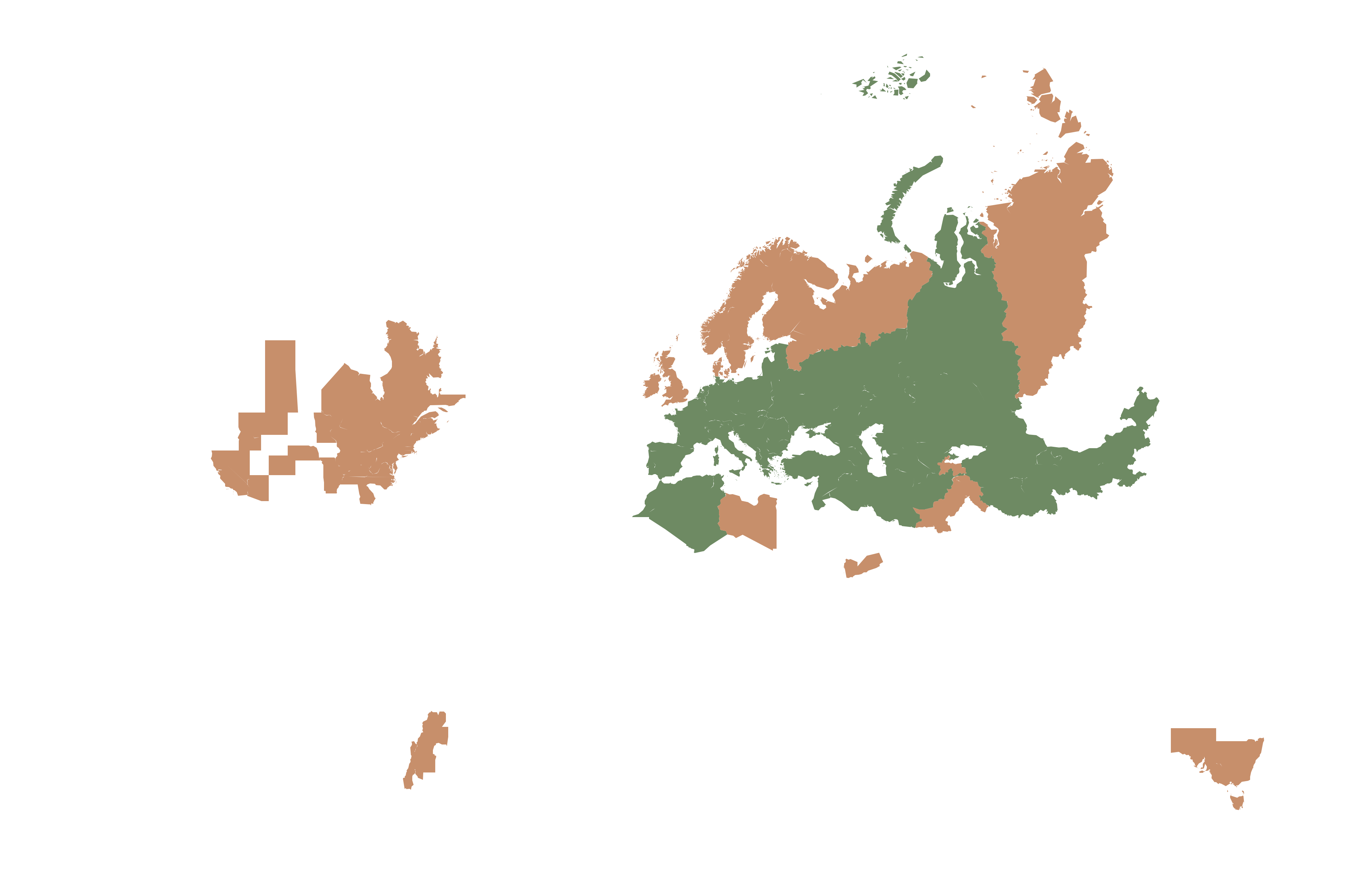
- NativeEurope, Western Asia
- Height50–80 ft (15.2–24.4 m)
- Spread40–60 ft (12.2–18.3 m)
- Flower colorYellow, Green
- Foliage colorGreen, Silver
- SoilMoisture-retentive, Loamy
- LocationsYard
Bloom time
BLOOM CYCLE
Peak bloom
Mar–May
Slender catkins in spring alongside new leaf growth
Fragrance
NO FRAGRANCE
No notable fragrance.
Toxicity
Cats Moderate
salicin
Not reported
EXPOSURE No exposure route is reported.
EFFECT Bark traditionally used medicinally and large amounts can cause stomach irritation (as aspirin can).
NOTE No toxicity is reported for humans in this catalog; this is not evidence that the plant is edible or harmless.
Not reported
EXPOSURE No exposure route is reported.
EFFECT Salicylate sensitivity possible with large ingestion.
NOTE No toxicity is reported for dogs in this catalog; this is not evidence that the plant is edible or harmless.
Moderate
- Bark
- Leaf
- Ingestion
EXPOSURE Eating bark and leaves.
EFFECT Cats are salicylate-sensitive.
NOTE Moderate caution with cats.
Educational information, not medical or veterinary advice. If exposure is suspected, contact a doctor or veterinarian.
DISTRIBUTION

- Native
- Introduced
- Europe
- Western Asia
History
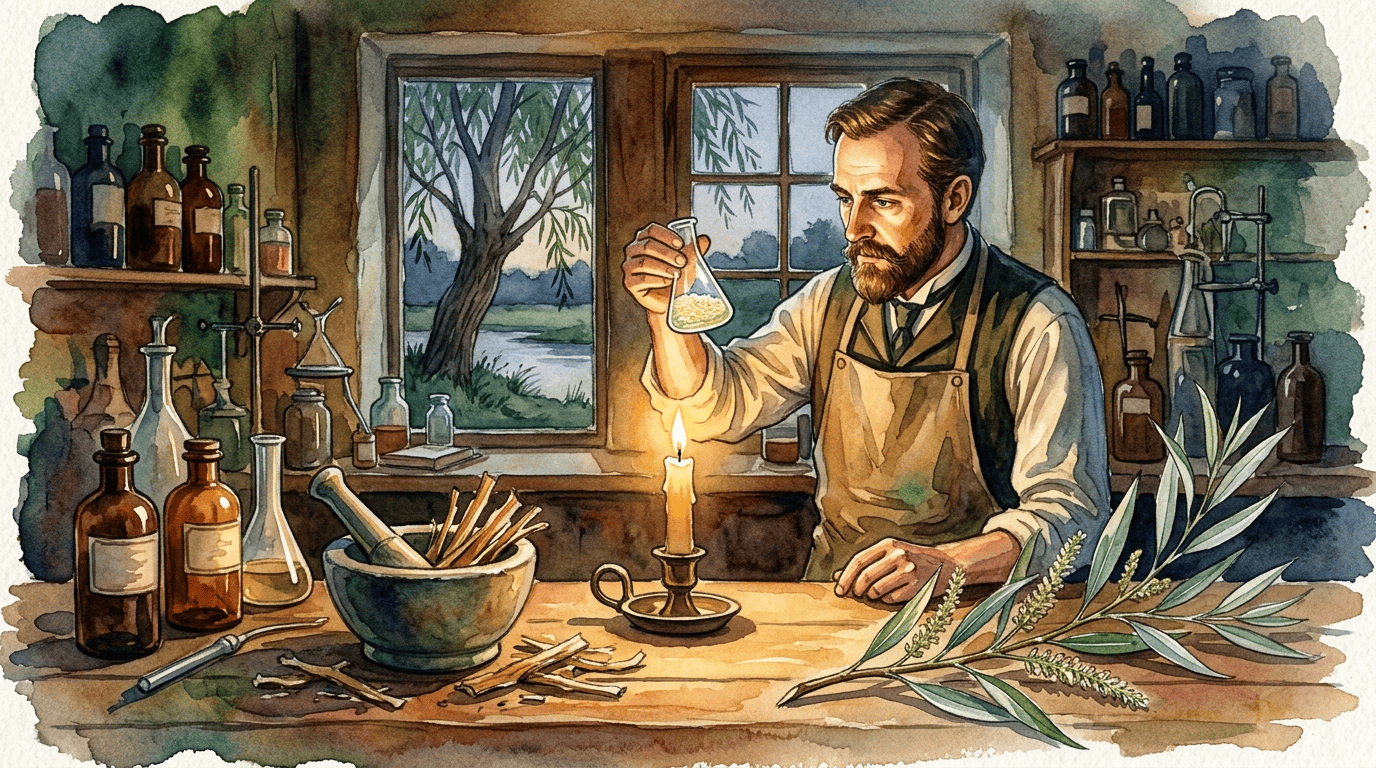
Salix alba is native to most of Europe and western Asia. Ancient Egyptian (Ebers Papyrus, c. 1550 BCE) and Greek (Hippocrates and Dioscorides) medical traditions prescribed willow bark tea for fever and pain. Reverend Edward Stone of Chipping Norton published a 1763 letter to the Royal Society describing successful use of willow bark for "agues" (fevers), initiating European scientific investigation. German pharmacist Johann Buchner isolated salicin — a crystalline bitter compound — from willow bark in 1828, and chemist Henri Leroux produced it in bulk in 1829.
Pure salicylic acid was synthesized independently from salicin and from other sources later in the 19th century, but the free acid caused severe stomach irritation. In 1897 Bayer chemist Felix Hoffmann (motivated partly by his father's need for a less-irritating pain reliever) produced acetylsalicylic acid — aspirin — by acetylating salicylic acid. Bayer registered the "Aspirin" trademark in 1899.
Aspirin became the world's most-consumed drug for much of the 20th century. English cricket bats were historically made from the related "cricket bat willow" Salix alba var. caerulea. White willow bark has been used medicinally since ancient Egypt — the Ebers Papyrus from 1550 BC prescribes it for pain. In 1897, Felix Hoffmann at Bayer synthesized acetylsalicylic acid from willow-derived salicin, creating aspirin — one of the most used medicines in history. The cricket bat willow variety has been cultivated in Essex since the 1700s and remains essential to the sport.
Symbolism & meaning
What It Symbolizes
White Willow is relief imagined as a tree. Its narrow leaves silver in wind, its branches bend over water, and its bark history links it to the long human search for comfort. Symbolically it is flexibility with memory: a river tree that bends, shades, and quietly shaped modern science.
- Healing — its bark gave the world aspirin, symbolizing relief and restoration
- Flexibility — supple branches that bend without breaking represent adaptability
Where the Name Comes From
Salix is the Latin name for willow. Alba means 'white', describing the pale silvery underside of the leaves.
Uses & Fun Facts
- Bark contains salicin, the historic precursor to aspirin
- Broad weeping canopy casts cooling shade along streamsides
- Flexible withes woven into baskets and cricket bat blanks
- Catkins feed early bees; canopy shelters waterside birds
Related plants
More Salix plants
Plants with similar care
 Chinese AbeliaAbelia chinensis
 Fragrant AbeliaAbelia mosanensis
 Large-Flowered AbeliaAbelia uniflora
 Glossy AbeliaAbelia x grandiflora
Frequently asked questions
How often should I water White Willow?
In summer, water about every 2 days; in winter, about every 14 days. Adjust for heat, pot size and drainage.
How much light does White Willow need?
Full sun: 6+ hrs direct. Watch the leaves — scorching or stretching means the light needs adjusting.
Is White Willow toxic to cats or dogs?
Pets Moderate (Dogs Not reported · Cats Moderate) Educational information, not medical or veterinary advice. If exposure is suspected, contact a doctor or veterinarian.
Is White Willow easy to grow?
Yes — it is considered an easy, beginner-friendly plant.
When does White Willow bloom?
It typically blooms Mar–May in the Northern Hemisphere.
YardMate
Identify any plant in seconds
Snap a photo — YardMate names the plant, diagnoses problems, and reminds you when to water.
Download on the App Store