 YardMate



Weeping Willow
Salix babylonica
Easy · Beginner friendlyAbout Weeping Willow
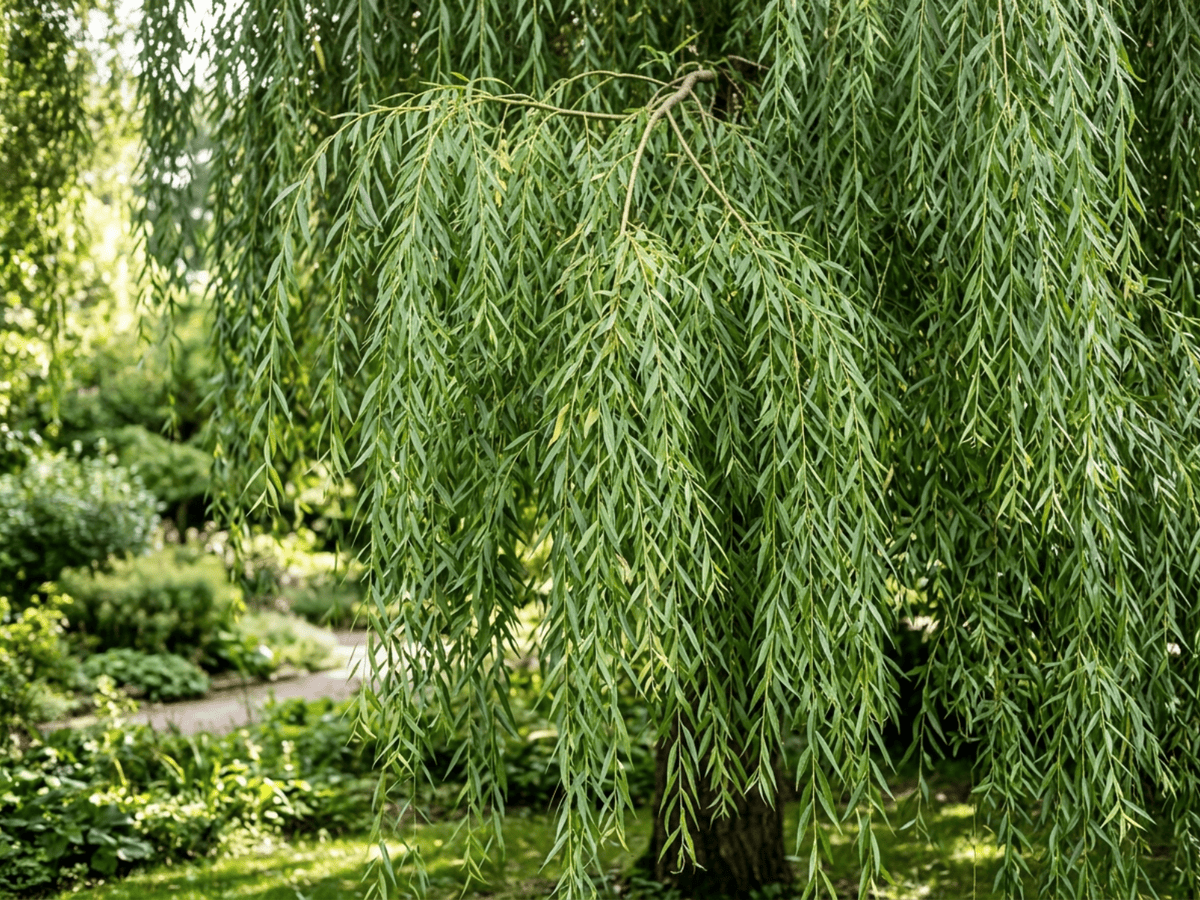
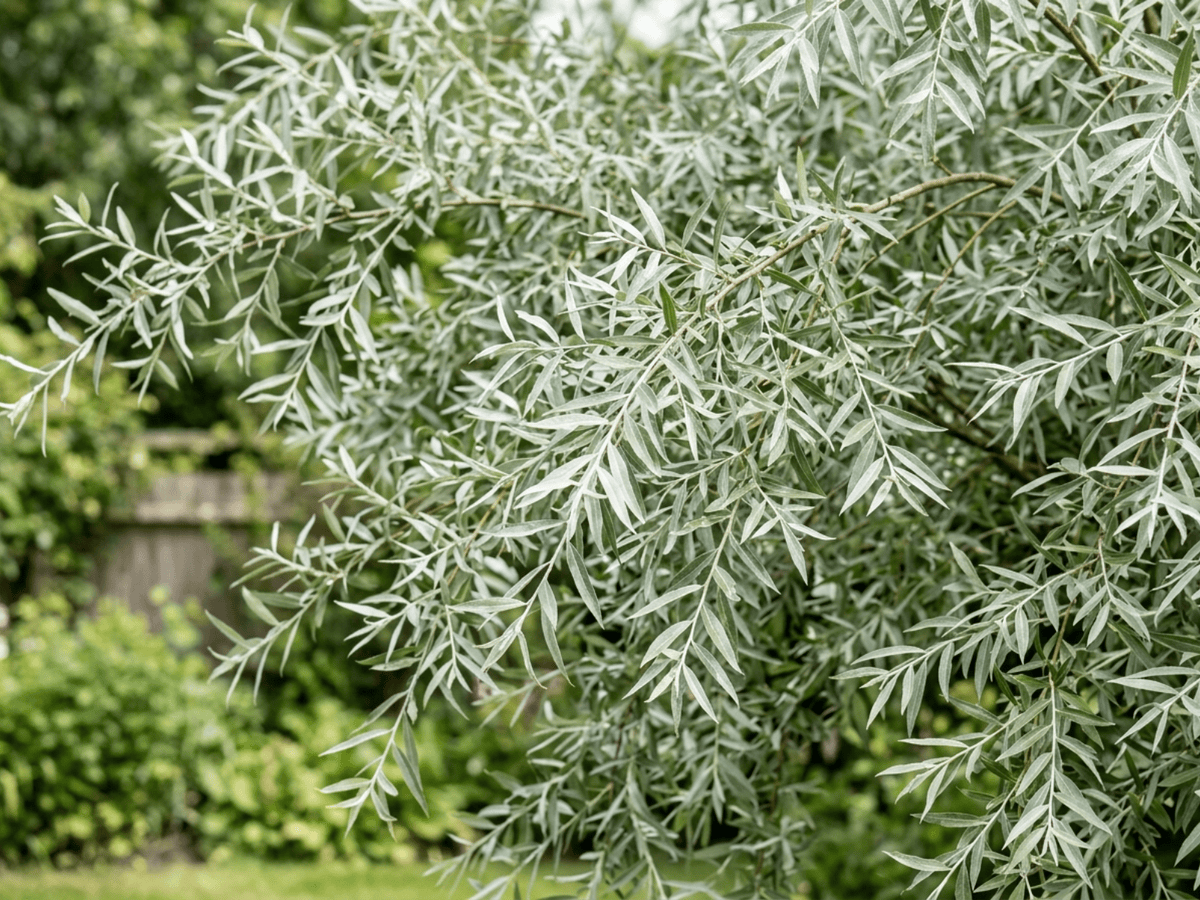
Salix babylonica, the weeping willow, is among the most emotionally evocative trees in cultivation. Its long, slender branches cascade to the ground like green curtains, swaying gracefully in the wind. Native to northern China, it was carried along the Silk Road to the Middle East and Europe. The tree thrives near water, often planted beside ponds and rivers where its reflection doubles its beauty. It grows rapidly to 12–15 meters, with a broad rounded crown and narrow lance-shaped leaves that are pale green above and silvery beneath. Weeping willows are among the first trees to leaf out in spring and the last to drop in autumn, providing an extended season of interest. Their vigorous root systems seek moisture aggressively, so they should be planted well away from pipes and foundations. The tree has deep associations with mourning, poetry, and romance across many cultures.
- Fast-growing
How to care for Weeping Willow
Watering
- Springevery 3 days
- Summerevery 2 days
- Fallevery 5 days
- Winterevery 14 days
Soil · Moisture-retentive
- Top dressingSphagnum moss10%
- Main mixPeat + coco coir 1:180%
- DrainagePerlite / gravel10%
Keep it evenly moist — but the drainage layer still matters.
FERTILIZER
Balanced Feed 14-14-14
An even feed covers all three needs at once, keeping leaves, roots and blooms moving together with nothing pushed out of balance.
- Nitrogen · Leaves
- Phosphorus · Roots + Blooms
- Potassium · Strength
- Springevery 45 days
At a Glance
- NativeEast Asia
- Height30–50 ft (9.1–15.2 m)
- Spread30–50 ft (9.1–15.2 m)
- Flower colorYellow, Green
- Foliage colorGreen, Yellow
- SoilRich, Moisture-retentive, Loamy
- LocationsYard
Bloom time
BLOOM CYCLE
Peak bloom
Mar–May
Yellow-green catkins in early spring; ornamental interest is in the form
Fragrance
NO FRAGRANCE
No notable fragrance.
Toxicity
Cats Moderate
salicin
Safe
EXPOSURE No exposure route is reported.
EFFECT No significant toxicity and bark contains salicin used historically as analgesic (precursor to aspirin).
NOTE Listed as non-toxic for humans; avoid eating ornamental plants unless confirmed edible.
Safe
EXPOSURE No exposure route is reported.
EFFECT Not listed as toxic and salicylate sensitivity possible with large ingestion.
NOTE Listed as non-toxic for dogs; avoid eating ornamental plants unless confirmed edible.
Moderate
- Bark
- Leaf
- Ingestion
EXPOSURE Eating bark and leaves.
EFFECT Cats metabolize salicylates poorly and willow bark can cause toxicity.
NOTE Generally regarded as safe for humans and dogs; cats are salicylate-sensitive.
Educational information, not medical or veterinary advice. If exposure is suspected, contact a doctor or veterinarian.
DISTRIBUTION


- Native
- Introduced
- East Asia
History

Salix babylonica is native to northern China, where it has been cultivated in classical gardens for millennia and is associated with farewell poetry and mourning. Chinese friends traditionally broke off willow branches to present to departing travelers. The tree reached the Middle East and Europe along the Silk Road during the medieval period. Linnaeus, describing the plant formally in 1753, gave it the specific epithet "babylonica" based on the reference in Psalm 137 ("By the rivers of Babylon, there we sat down, yea, we wept, when we remembered Zion.
We hanged our harps upon the willows in the midst thereof"). Modern biblical scholarship has determined that the "willows" of Psalm 137 were almost certainly Euphrates poplar (Populus euphratica), not true willow, but the Linnaean name has stuck. Weeping willow became popular in English landscape gardens of the 18th century and spread to North America.
Napoleon's tomb on St. Helena was shaded by a weeping willow, and cuttings from that tree were brought to landscapes around the world as a kind of botanical pilgrimage. Willow bark was historically the source of salicin, the precursor to aspirin, isolated in 1828 by German pharmacist Johann Buchner. Despite its Latin name suggesting Babylon, the weeping willow is native to China where it has been cultivated for over 2,000 years. Linnaeus was misled by Psalm 137 — 'By the rivers of Babylon, there we sat down and wept' — and named it babylonica, though those biblical trees were likely poplars. Napoleon was so fond of a weeping willow on St. Helena that he requested burial beneath it.
Symbolism & meaning
What It Symbolizes
The Weeping Willow has carried sorrow for centuries, its draping branches a near-universal symbol of grief and mourning across cultures from China to early American gravestones. Yet woven into its meaning is resilience — it bends in storms without breaking, an emblem of flexible strength that endures even what bows it lowest. Its meaning gathers both feelings together: tears given form, alongside the quiet strength to keep standing.
- Sorrow — its weeping form has symbolized grief and mourning for centuries
- Resilience — bends in storms without breaking, representing flexible strength
Where the Name Comes From
Salix is the Latin name for willow. Babylonica references ancient Babylon, a misnomer by Linnaeus who associated the tree with the biblical psalm of exile.
Uses & Fun Facts
- Iconic weeping form makes graceful waterside focal tree
- Cascading canopy shades pond edges and lawns
- Flexible stems used in basketry and traditional weaving
Related plants
More Salix plants
Plants with similar care
 Chinese AbeliaAbelia chinensis
 Fragrant AbeliaAbelia mosanensis
 Large-Flowered AbeliaAbelia uniflora
 Glossy AbeliaAbelia x grandiflora
Frequently asked questions
How often should I water Weeping Willow?
In summer, water about every 2 days; in winter, about every 14 days. Adjust for heat, pot size and drainage.
How much light does Weeping Willow need?
Full sun: 6+ hrs direct. Watch the leaves — scorching or stretching means the light needs adjusting.
Is Weeping Willow toxic to cats or dogs?
Pets Moderate (Dogs Safe · Cats Moderate) Educational information, not medical or veterinary advice. If exposure is suspected, contact a doctor or veterinarian.
Is Weeping Willow easy to grow?
Yes — it is considered an easy, beginner-friendly plant.
When does Weeping Willow bloom?
It typically blooms Mar–May in the Northern Hemisphere.
YardMate
Identify any plant in seconds
Snap a photo — YardMate names the plant, diagnoses problems, and reminds you when to water.
Download on the App Store