 YardMate

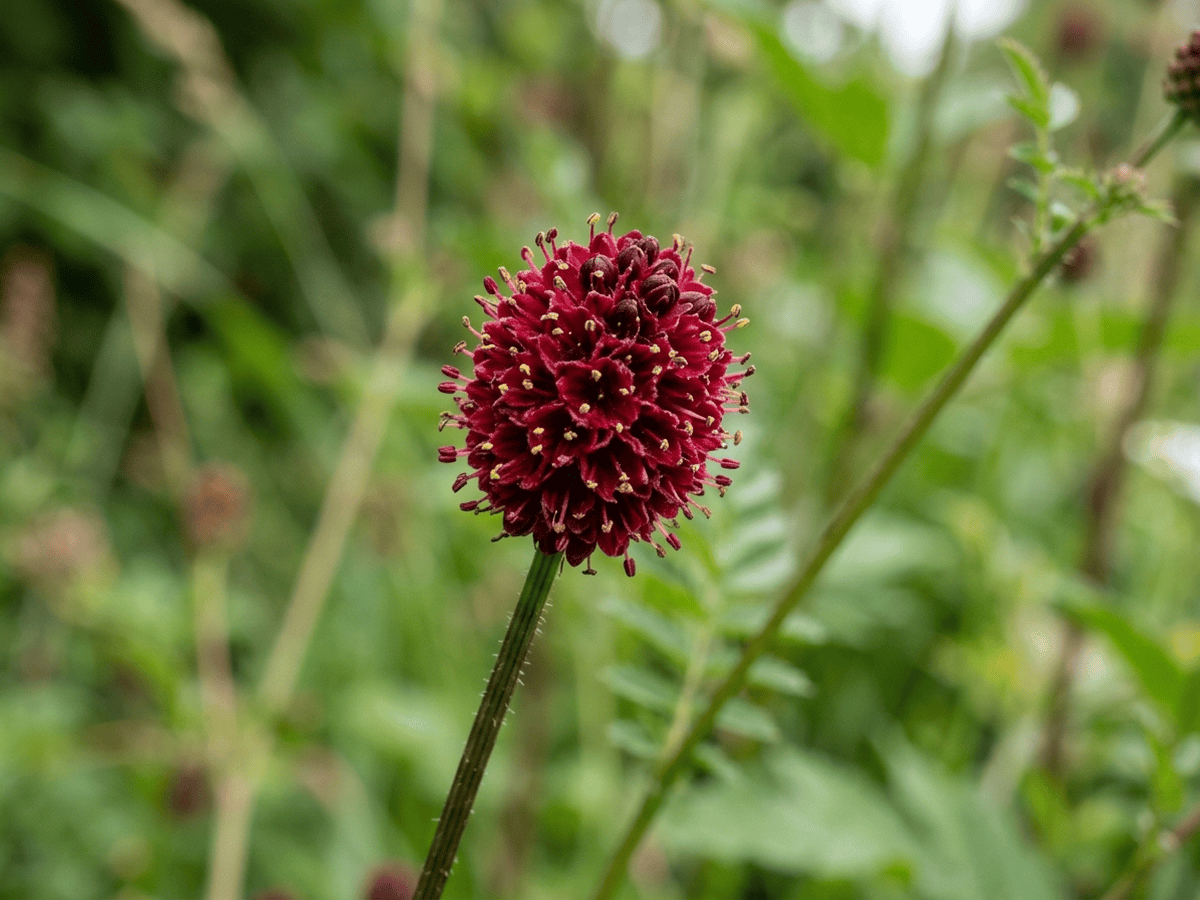


Great Burnet
Sanguisorba officinalis
Hard · Experienced growersAbout Great Burnet
Sanguisorba officinalis, known as Great Burnet, is a graceful perennial native to meadows and grasslands across Europe and Asia. It produces slender, upright stems crowned with deep crimson, button-shaped flower heads that sway in summer breezes. The dark red blooms appear from June through August, contrasting beautifully with fine pinnate foliage. A magnet for bumblebees and butterflies, it thrives in moist, well-drained soils and suits naturalistic plantings, prairie designs, and cottage gardens.
- Drought-tolerant
- Deciduous
- Pollinator-friendly
- Cold-hardy
- Long-blooming
- Edible
How to care for Great Burnet
Watering
- Springevery 20 days
- Summerevery 10 days
- Fallevery 20 days
- Winterpause watering
Soil · Rich & well-draining
- Top dressingCompost10%
- Main mixPotting soil + compost 3:180%
- DrainageGravel10%
Top up the compost layer each season.
FERTILIZER
Balanced Feed 14-14-14
An even feed covers all three needs at once, keeping leaves, roots and blooms moving together with nothing pushed out of balance.
- Nitrogen · Leaves
- Phosphorus · Roots + Blooms
- Potassium · Strength
- Springevery 30 days
- Summerevery 30 days
- Fallevery 30 days
At a Glance
- NativeEurope, Asia
- Height2–4 ft (0.6–1.2 m)
- Spread2–4 ft (0.6–1.2 m)
- Flower colorPink, Red
- Foliage colorGreen
- SoilWell-drained, Moist
- LocationsYard · Balcony · Indoor
Bloom time
BLOOM CYCLE
Peak bloom
Jun–Aug
This plant's flowers usually open in summer, attracting various pollinators.
Fragrance
LIGHT FRAGRANCE
Crushed leaves emit a faint cucumber-like scent
Toxicity
No toxicity has been reported for this plant. Still, it is wise to keep pets from chewing on any houseplant.
Educational information, not medical or veterinary advice. If exposure is suspected, contact a doctor or veterinarian.
DISTRIBUTION


- Native
- Introduced
- Europe
- Asia
History
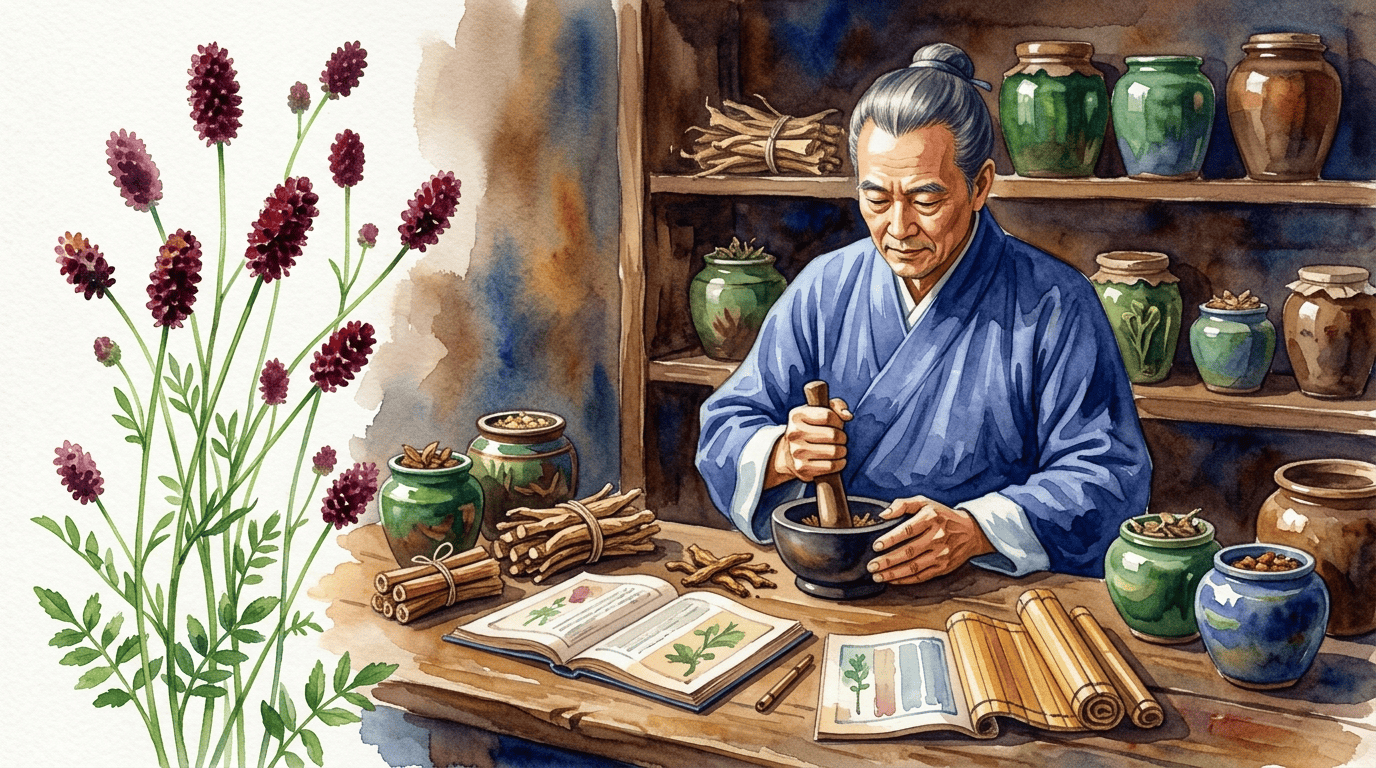
Sanguisorba officinalis carries a rich legacy in both Eastern and Western herbal traditions. In Traditional Chinese Medicine, where it is called Dìyú (地榆), the roots have been employed for over two millennia as an astringent remedy to stop bleeding, cool the blood, and treat conditions ranging from excessive menstruation to burns and intestinal ailments. Classical texts such as the Shennong Bencao Jing list it among fundamental medicinal herbs, and it remains an ingredient in modern TCM formulations.
In Europe, Great Burnet found its way into monastery gardens and folk pharmacopoeias as a wound herb and antidiarrheal. Medieval herbalists valued it for its ability to staunch hemorrhage, and soldiers reportedly carried dried preparations into battle. The common name 'burnet' is thought to derive from Old French brunete, reflecting the plant's characteristic dusky dark red flower heads.
Beyond medicine, Sanguisorba officinalis has served culinary purposes throughout history. In parts of Asia and Europe, the young leaves, with their mild, slightly cucumber-like flavor, were added to salads, teas, and cold drinks—a practice still observed in Japan, Korea, and Britain. The species is also a cornerstone of meadow ecology: its summer blooms sustain bumblebees, hoverflies, and butterflies, earning it a prized place in wildlife-friendly gardens and ecological restoration projects.
Symbolism & meaning
What It Symbolizes
In the language of Victorian flowers, Great Burnet represented protection and resilience. Folk healers across Europe believed the plant possessed a watchful power—carrying dried burnet was said to ward off evil spirits and keep travelers safe. In Chinese culture, Dìyú carries associations with the grounded, healing force of nature that draws harm away from the body and restores vital balance.
- Protection — Long used as a protective herb against bleeding and harm
- Healing — Centuries of medicinal use symbolize restoration and recovery
- Endurance — Thrives in open grasslands, persisting through harsh conditions
Where the Name Comes From
From Latin sanguis (blood) and sorbere (to absorb), referring to its ancient use as a hemostatic herb. The epithet officinalis indicates its longstanding recognition as an official medicinal plant.
Uses & Fun Facts
- Roots used in TCM to stop bleeding and treat burns
- Young leaves add mild cucumber flavor to salads and teas
- Attracts bumblebees, hoverflies, and butterflies
- Crimson button flower heads suit naturalistic and cottage gardens
- Supports meadow ecosystems and ecological restoration
Related plants
Plants with similar care
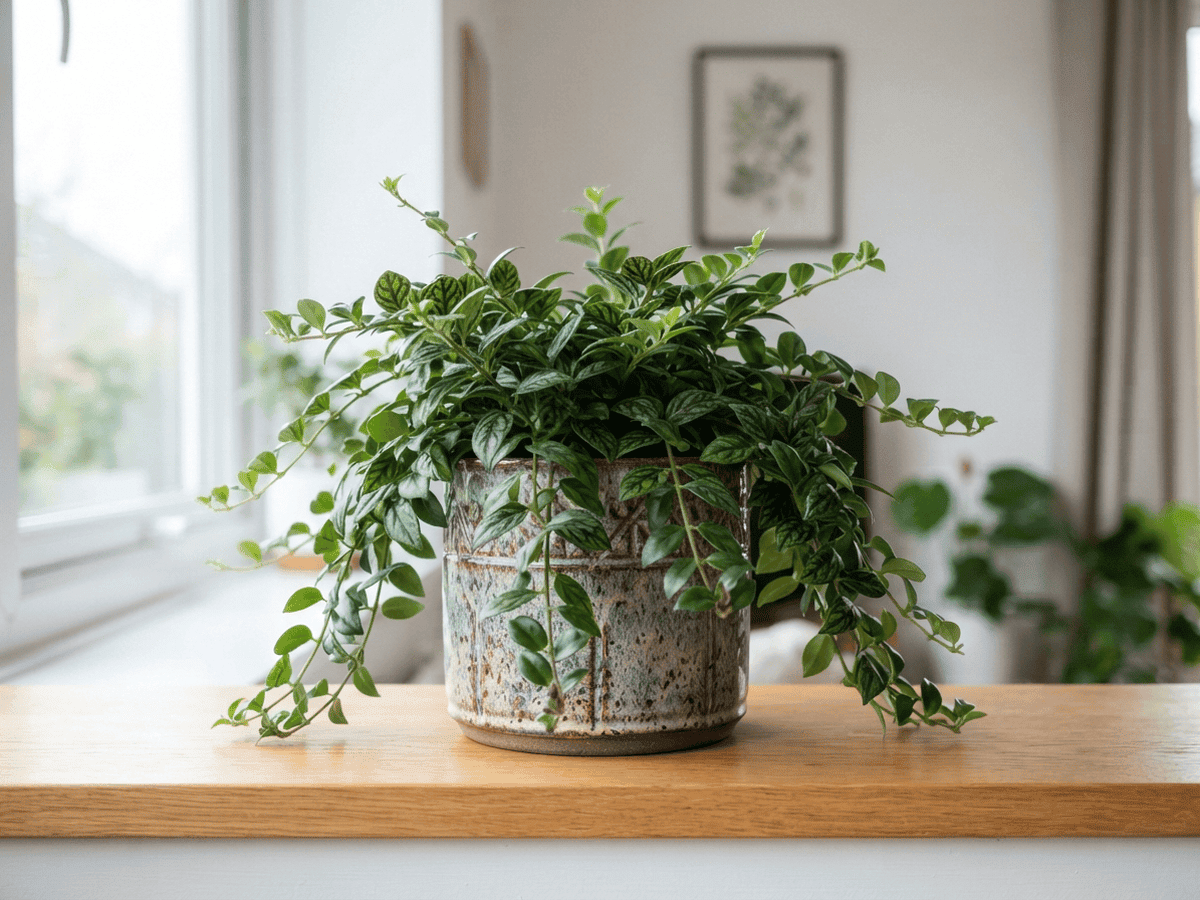 Lipstick PlantAeschynanthus longicaulis
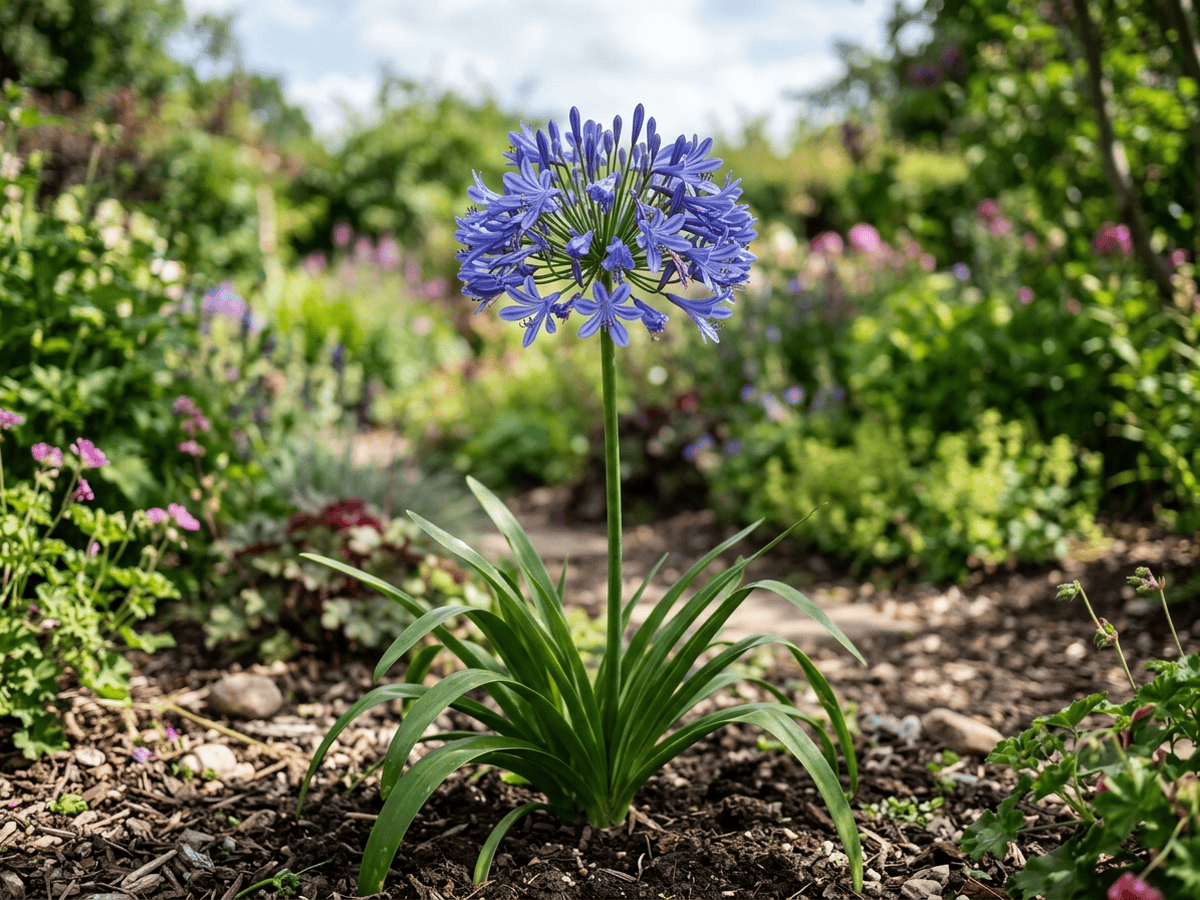 African LilyAgapanthus africanus
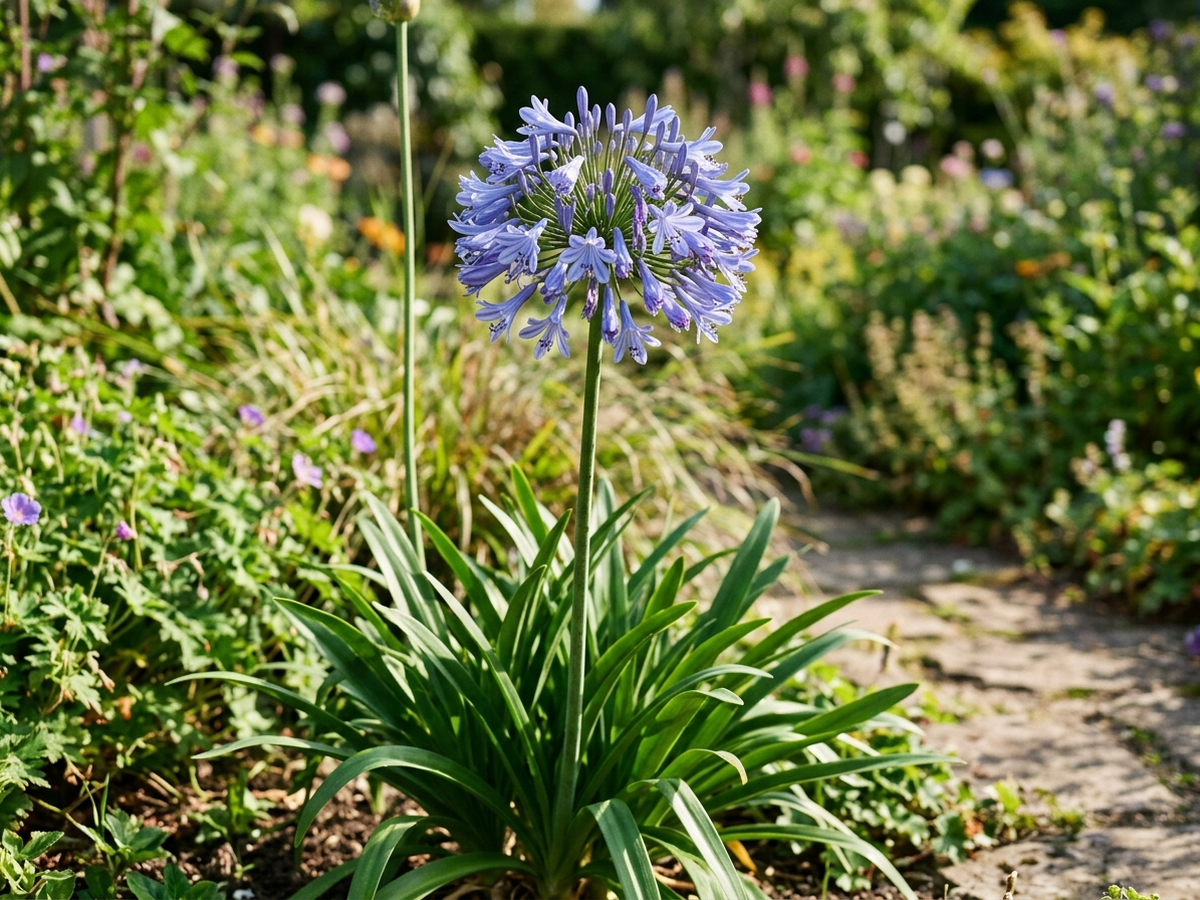 Bell AgapanthusAgapanthus campanulatus
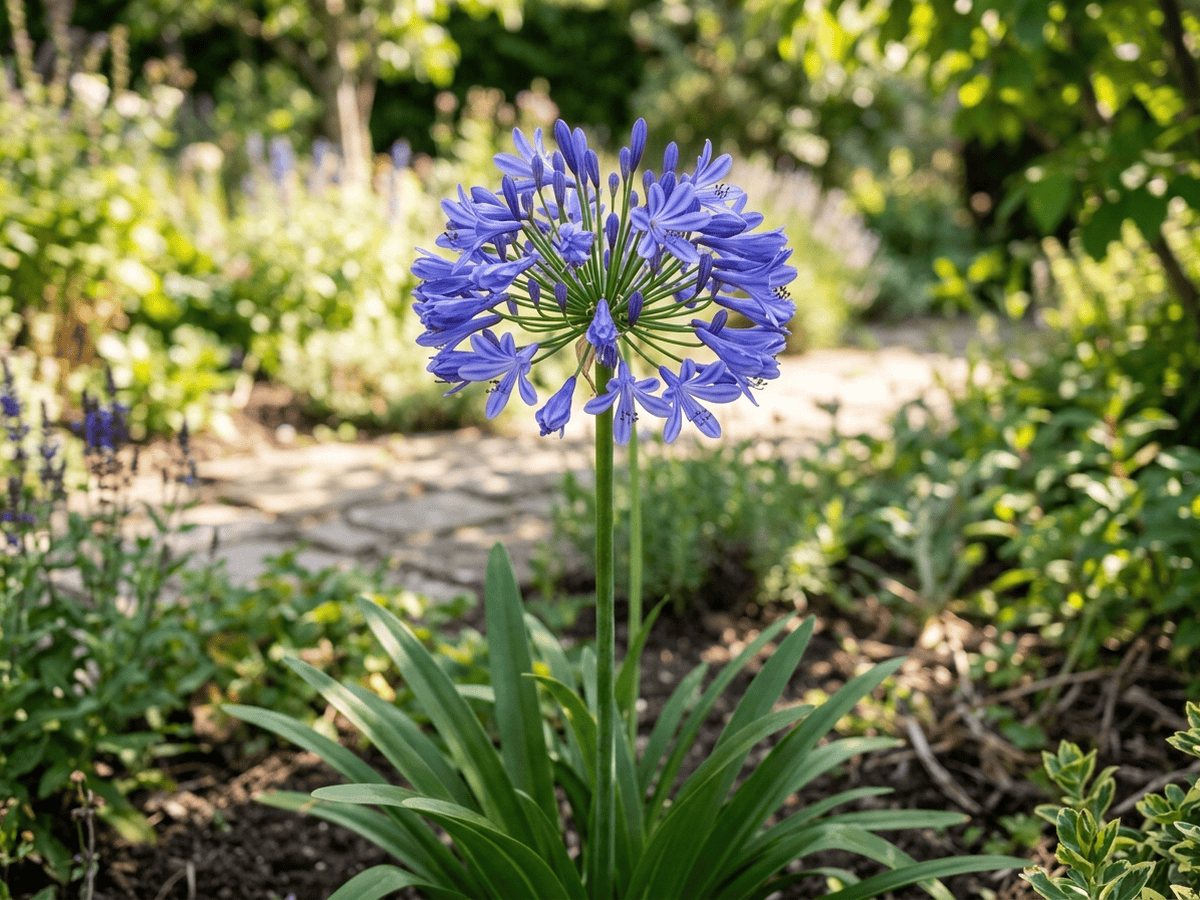 Common AgapanthusAgapanthus praecox
Frequently asked questions
How often should I water Great Burnet?
Water about every 20 days during the growing season, and always let excess water drain away.
How much light does Great Burnet need?
Part sun: 4–6 hrs direct. Watch the leaves — scorching or stretching means the light needs adjusting.
Is Great Burnet toxic to cats or dogs?
No toxicity has been reported for this plant. Still, it is wise to keep pets from chewing on any houseplant. Educational information, not medical or veterinary advice. If exposure is suspected, contact a doctor or veterinarian.
Is Great Burnet easy to grow?
It is considered challenging and rewards experienced growers.
Can Great Burnet be grown indoors?
Yes, it adapts well to indoor growing given the right light.
When does Great Burnet bloom?
It typically blooms Jun–Aug in the Northern Hemisphere.
YardMate
Identify any plant in seconds
Snap a photo — YardMate names the plant, diagnoses problems, and reminds you when to water.
Download on the App Store