 YardMate


African Spear
Sansevieria cylindrica
Easy · Beginner friendlyAbout African Spear
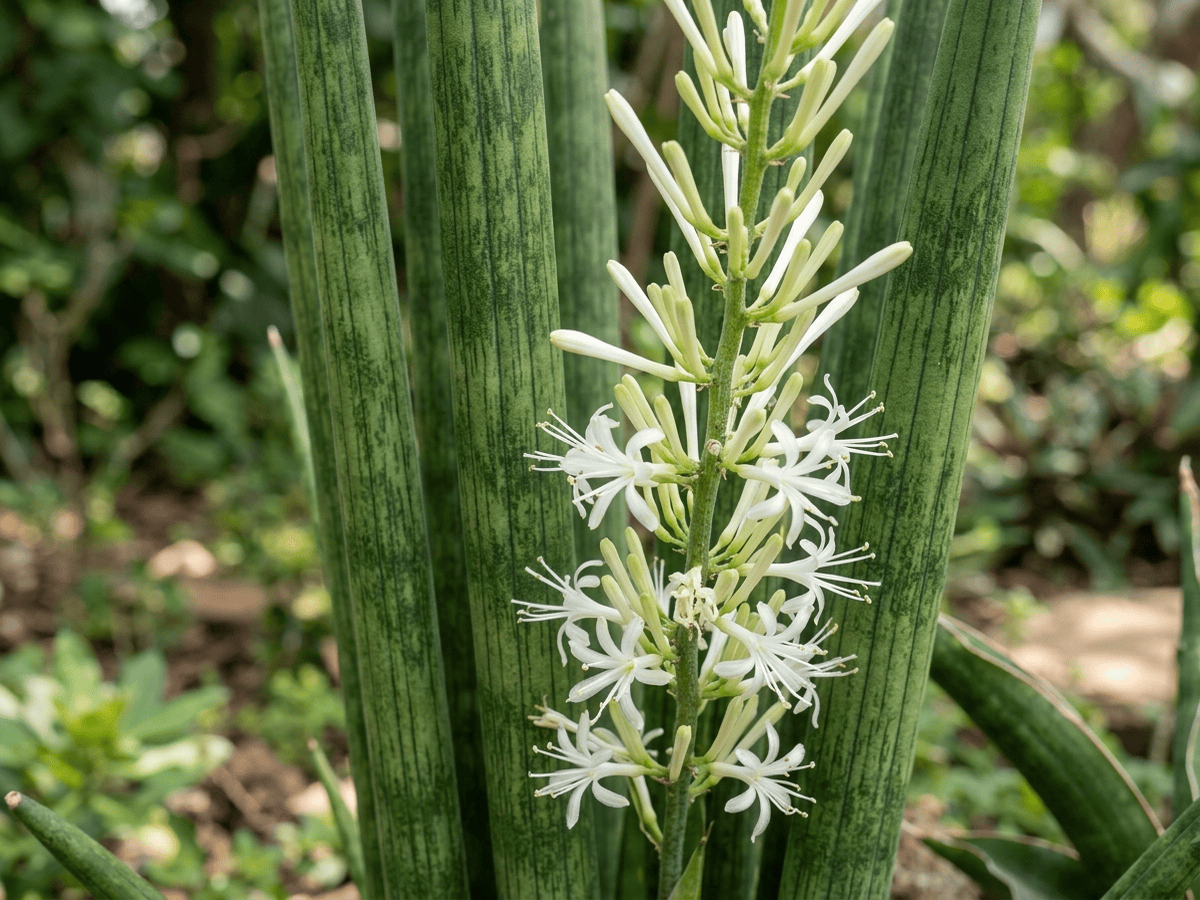
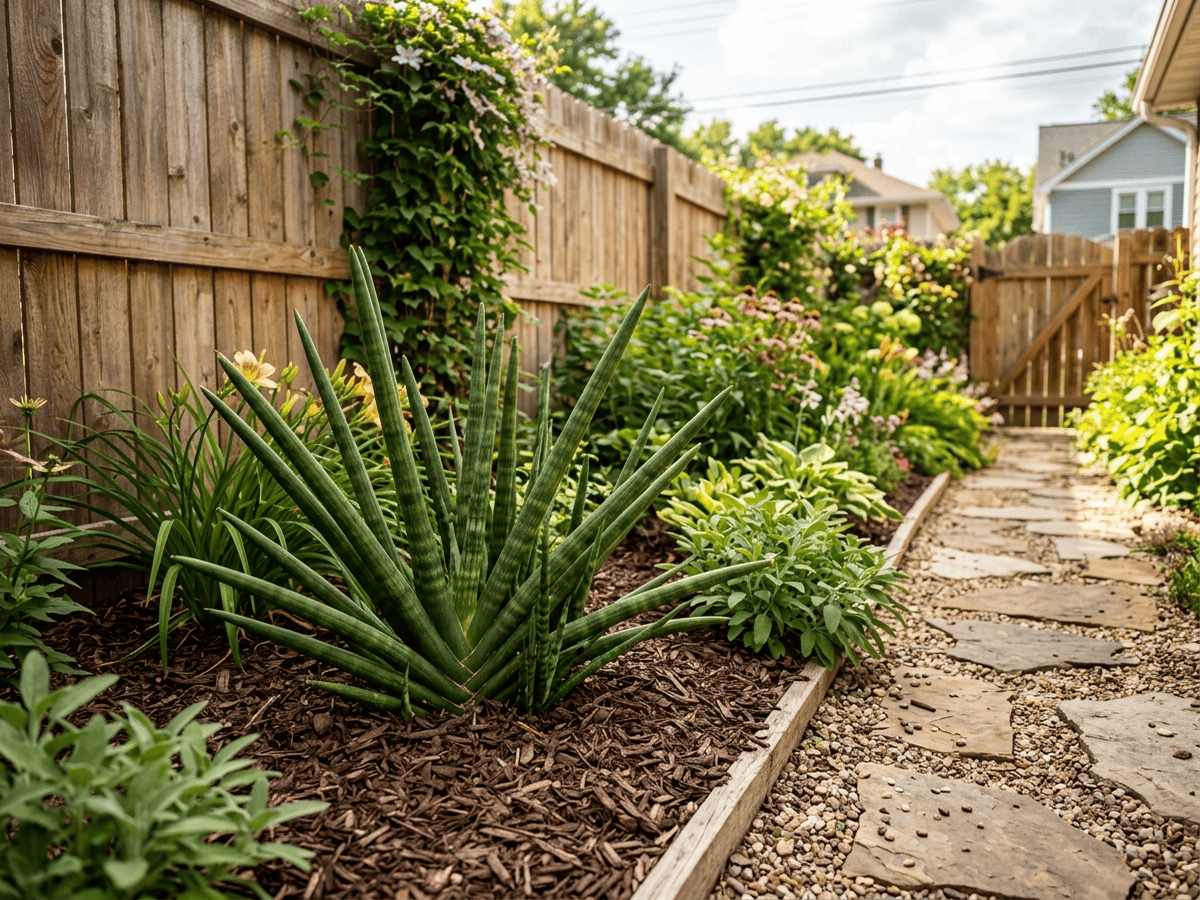
The Cylindrical Snake Plant (now reclassified as Dracaena angolensis) is a striking succulent from Angola with rigid, tubular leaves that grow straight upward like a cluster of green spears. Unlike its flat-leaved cousin the common snake plant, each leaf is perfectly cylindrical in cross-section, reaching up to five feet tall and about an inch in diameter. The smooth, dark-green leaves are subtly banded with lighter green horizontal stripes. It is often sold with leaves braided or fanned into decorative arrangements, though purists prefer the natural upright form. Like other sansevierias, it performs CAM photosynthesis, producing oxygen at night, making it an excellent bedroom plant. It tolerates extreme neglect — low light, infrequent watering, and poor soil — making it nearly impossible to kill. The tips of the leaves should never be cut, as this permanently stops that leaf from growing taller. Small, tubular, pale pink or white flowers occasionally appear at the base of mature plants.
- Air-purifying
- Low-maintenance
- Drought-tolerant
- Architectural
How to care for African Spear
Watering
- Springevery 14 days
- Summerevery 10 days
- Fallevery 21 days
- Winterevery 30 days
Soil · Fast-draining
- Main mixSand + pumice + soil 1:1:150%
- DrainagePumice / gravel50%
Keep grit at half the mix or more — this soil is meant to dry out fast.
FERTILIZER
Balanced Feed 14-14-14
An even feed covers all three needs at once, keeping leaves, roots and blooms moving together with nothing pushed out of balance.
- Nitrogen · Leaves
- Phosphorus · Roots + Blooms
- Potassium · Strength
- Springevery 60 days
- Summerevery 60 days
At a Glance
- NativeAfrica
- Height3–5 ft (0.9–1.5 m)
- Spread1–2 ft (0.3–0.6 m)
- Flower colorPink
- Foliage colorGreen, Variegated
- SoilSandy, Well-drained
- LocationsIndoor
Bloom time
BLOOM CYCLE
Peak bloom
Jun–Aug
Pale pink tubular flowers occasionally at plant base; rare indoors
Fragrance
LIGHT FRAGRANCE
Flowers produce mild sweet scent, usually at night.
Toxicity
Humans Slight · Pets Moderate
saponins
Slight
- All
- Ingestion
EXPOSURE Eating any part of the plant.
EFFECT Mild GI upset and saponin irritation.
NOTE Documented concern for humans: Mild GI upset and saponin irritation.
Moderate
- All
- Ingestion
EXPOSURE Eating any part of the plant.
EFFECT Nausea, vomiting, diarrhea (per ASPCA).
NOTE ASPCA lists Sansevieria as toxic to dogs and cats.
Moderate
- All
- Ingestion
EXPOSURE Eating any part of the plant.
EFFECT Nausea, vomiting, diarrhea.
NOTE ASPCA lists Sansevieria as toxic to dogs and cats.
Educational information, not medical or veterinary advice. If exposure is suspected, contact a doctor or veterinarian.
DISTRIBUTION


- Native
- Introduced
- Africa
History

Sansevieria cylindrica (reclassified in 2017 as Dracaena angolensis under molecular taxonomy, though horticulture retains the old name) is native to Angola and adjacent southern African regions. It was used traditionally by several southern African peoples for strong leaf fibers twisted into bowstrings and cordage, giving rise to the common name "African spear" or "bowstring hemp." It entered European horticulture in the 19th century.
The upright cylindrical leaves, often braided at the nursery for decorative effect, and the plant's extraordinary tolerance for low light, drought, and neglect made it a defining late 20th-century office and home plant. NASA's 1989 Clean Air Study included several Sansevieria species as top air-filtering houseplants, helping drive a resurgence of interest.
The related S. Originally described from Angola by Wenceslas Bojer in the early 19th century, Sansevieria cylindrica remained a botanical curiosity until the houseplant boom of the 2000s brought it mainstream attention. The braided form popularized by Asian nurseries — where young leaves are interwoven while still flexible — has become one of the most recognizable houseplant presentations in modern interior design. trifasciata (mother-in-law's tongue) shares toxicity and care profile.
Symbolism & meaning
What It Symbolizes
African Spear embodies strength, its rigid spear-like leaves rising straight up like quiet sentinels of unyielding inner resolve. Paired with focus, the upward-pointing growth suggests singular purpose and determination — no horizontal hesitation, no leafy distraction. It is a houseplant whose meaning is simple and undivided: stand straight, hold your line, keep going up.
- Strength — rigid spear-like leaves represent unyielding inner strength
- Focus — upward-pointing growth symbolizes singular purpose and determination
Where the Name Comes From
The name African Spear points to Africa. 'Sansevieria' honors Raimondo di Sangro, Prince of San Seviero. 'Cylindrica' describes the perfectly round, tubular cross-section of each leaf. Now reclassified as Dracaena angolensis.
Uses & Fun Facts
- Vertical green spear leaves create modern architectural houseplant statement
- Drought-proof low-light succulent for offices and entryways
Related plants
More Sansevieria plants
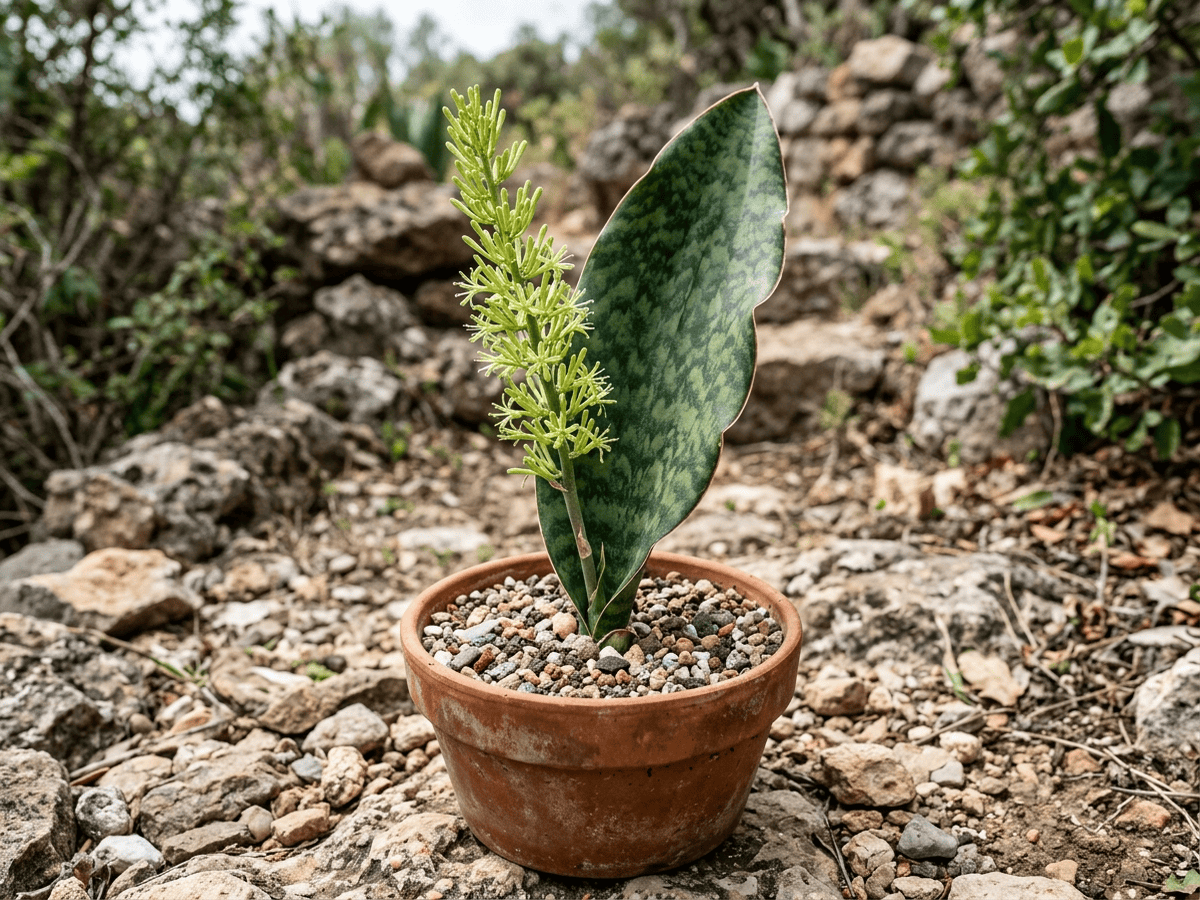 Whale Fin Snake PlantSansevieria masoniana
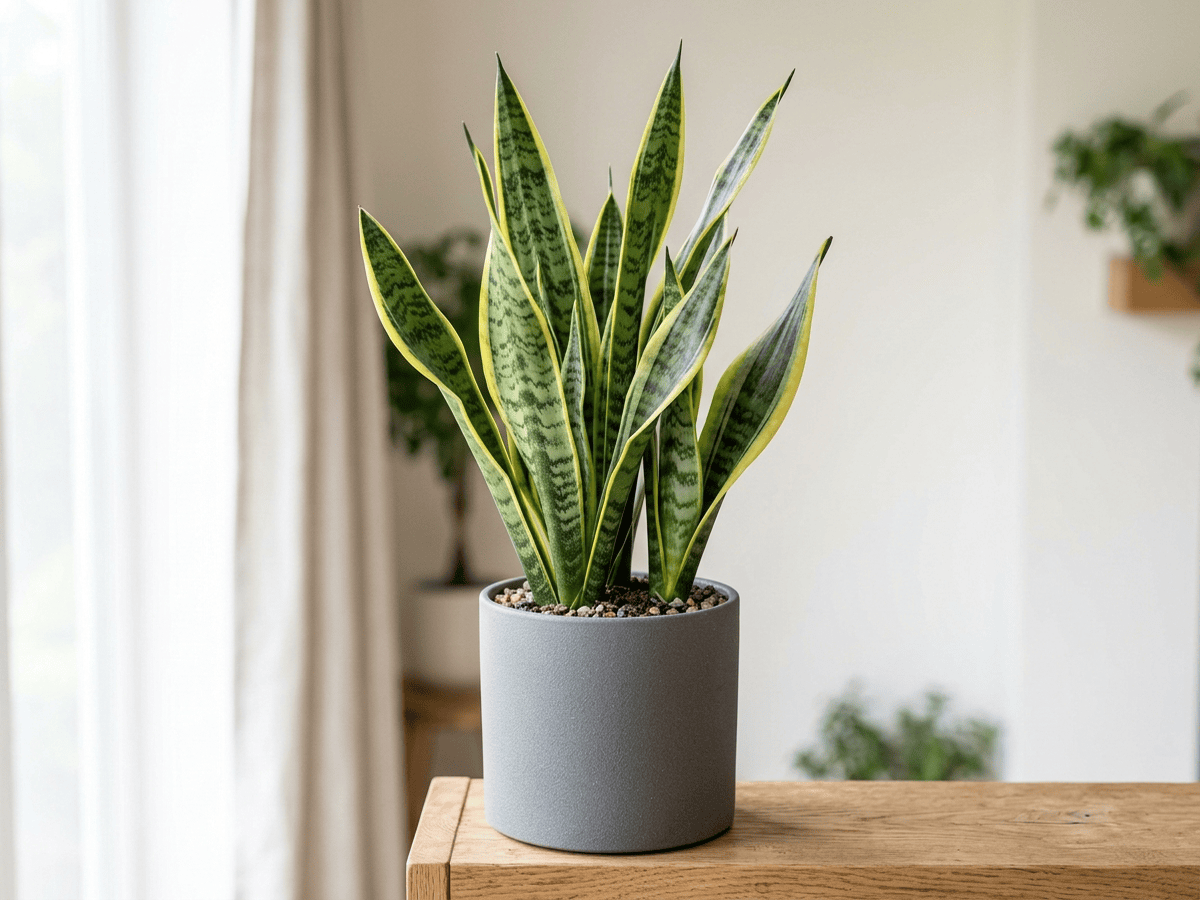 Snake PlantSansevieria trifasciata
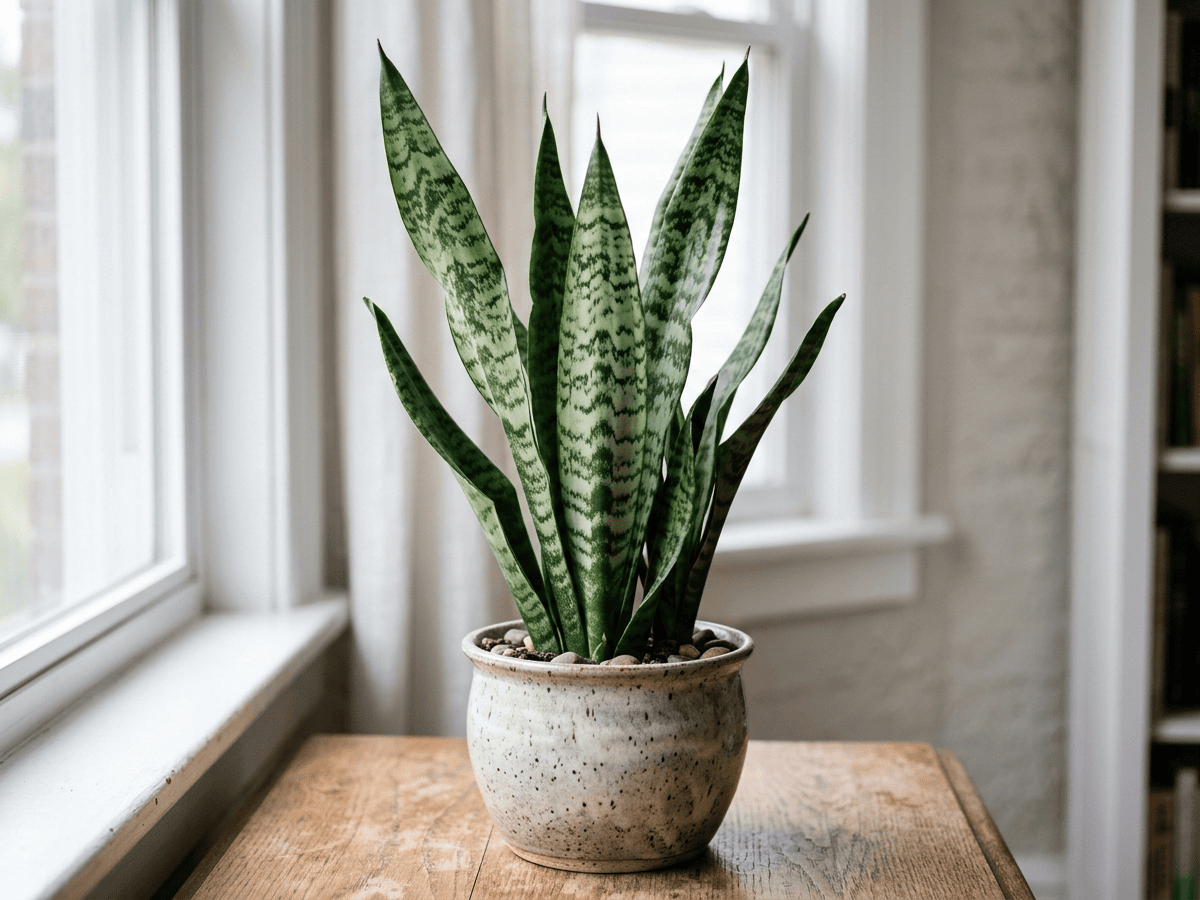 Ceylon Snake PlantSansevieria zeylanica
Plants with similar care
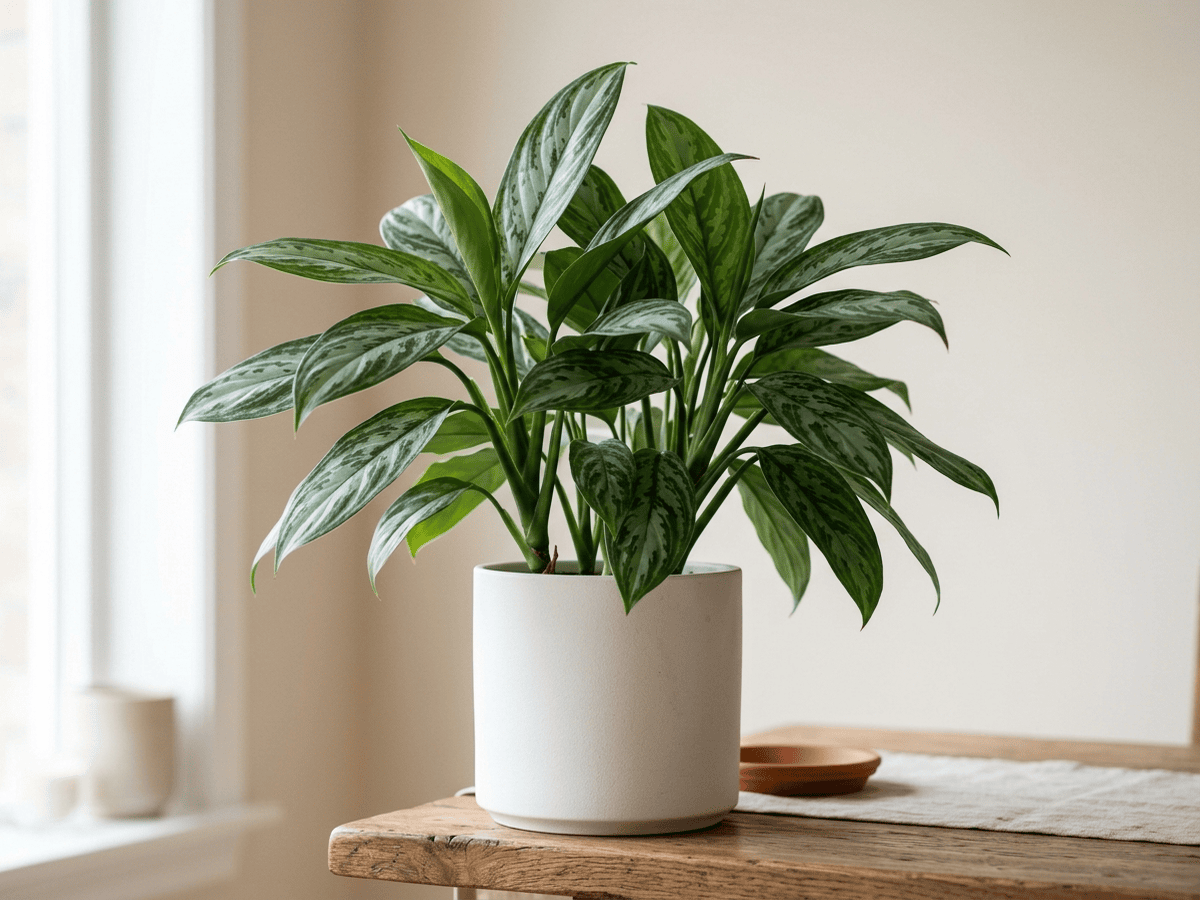 Philippine EvergreenAglaonema commutatum
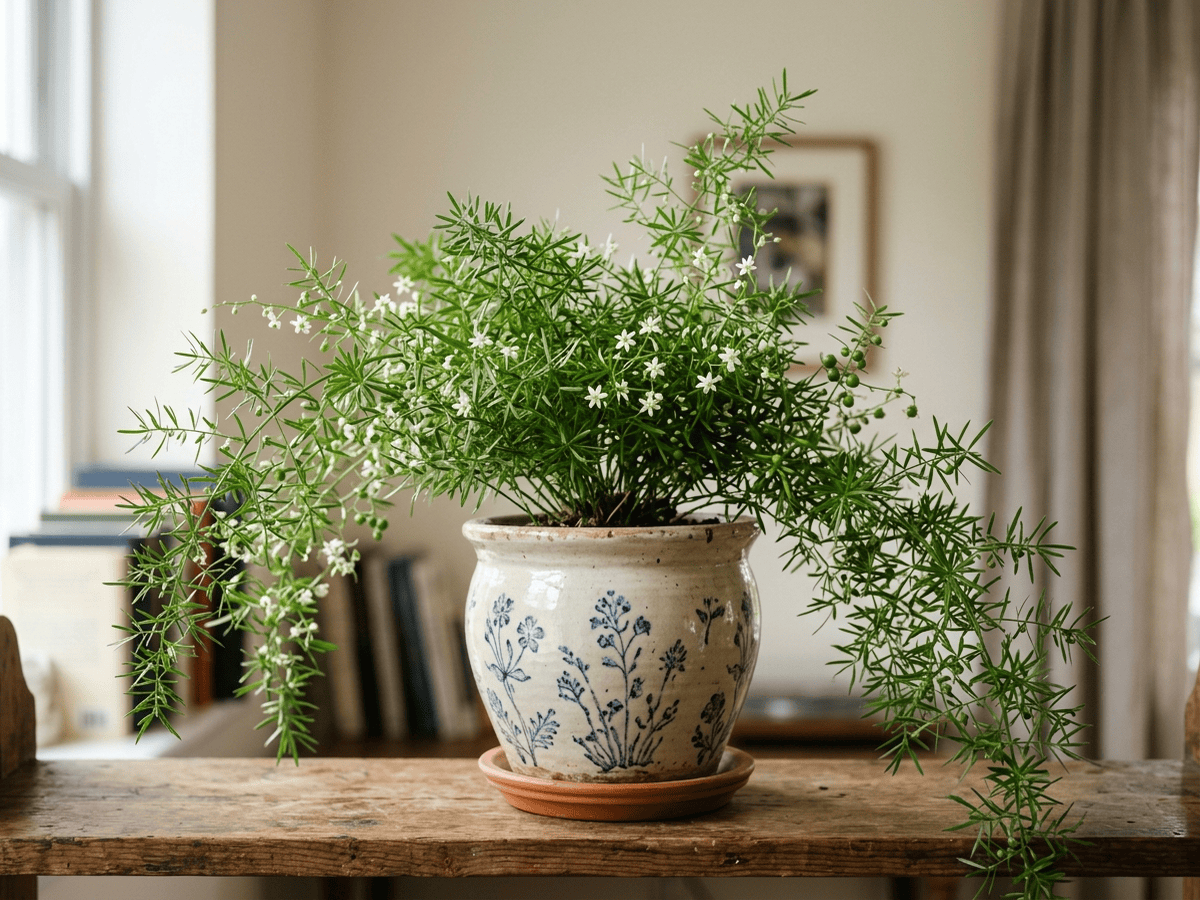 Sprenger's AsparagusAsparagus densiflorus
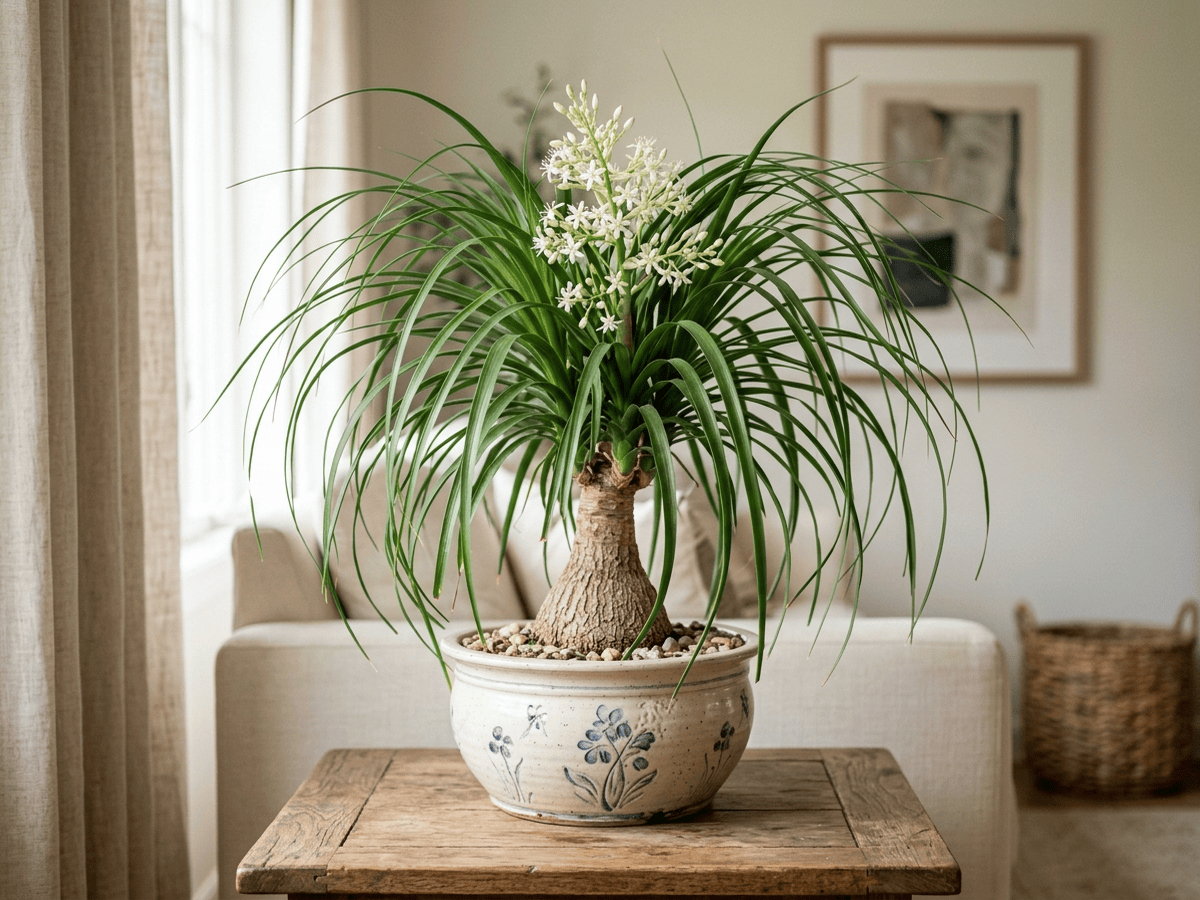 Ponytail PalmBeaucarnea recurvata
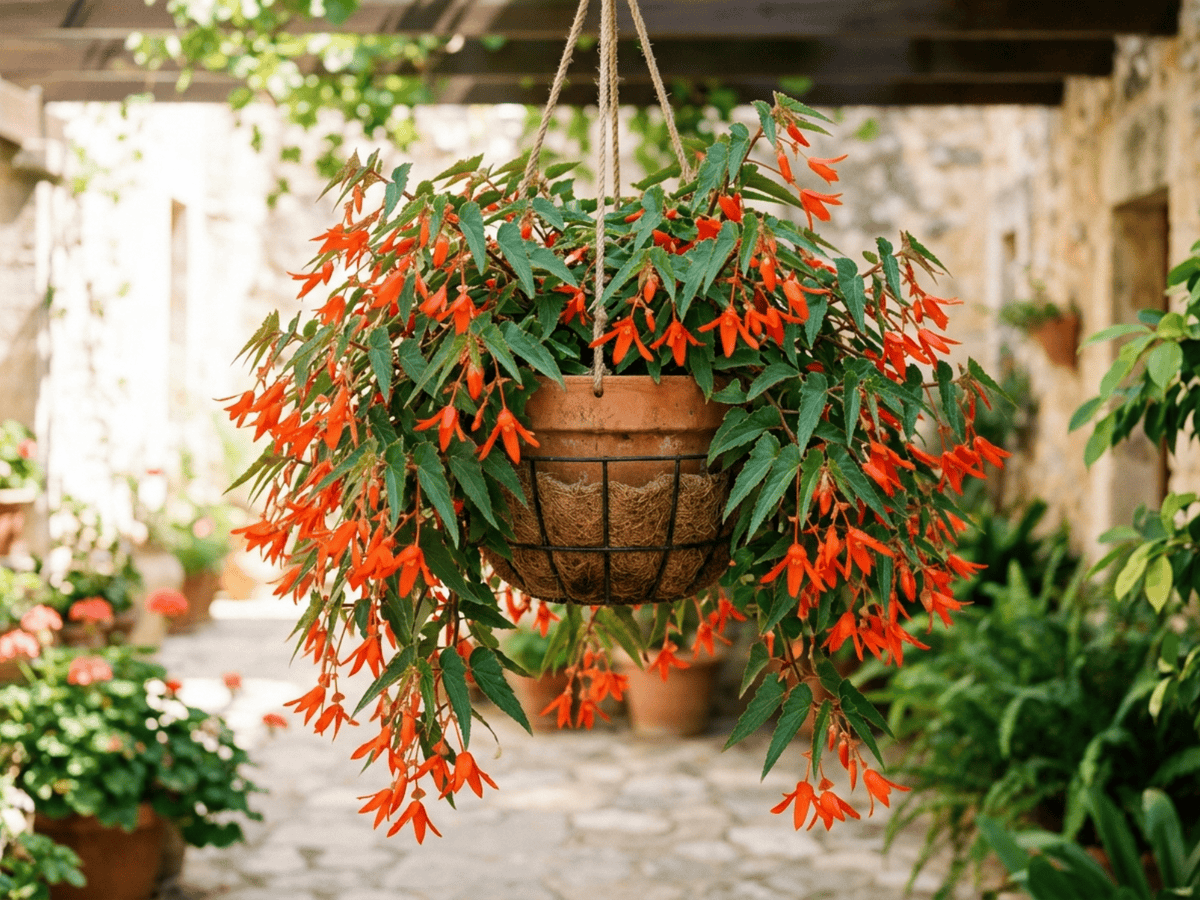 Tuberous BegoniaBegonia boliviensis
Frequently asked questions
How often should I water African Spear?
In summer, water about every 10 days; in winter, about every 30 days. Adjust for heat, pot size and drainage.
How much light does African Spear need?
Part shade: 2–4 hrs direct. Watch the leaves — scorching or stretching means the light needs adjusting.
Is African Spear toxic to cats or dogs?
Pets Moderate (Dogs Moderate · Cats Moderate) Educational information, not medical or veterinary advice. If exposure is suspected, contact a doctor or veterinarian.
Is African Spear easy to grow?
Yes — it is considered an easy, beginner-friendly plant.
Can African Spear be grown indoors?
Yes, it adapts well to indoor growing given the right light.
When does African Spear bloom?
It typically blooms Jun–Aug in the Northern Hemisphere.
YardMate
Identify any plant in seconds
Snap a photo — YardMate names the plant, diagnoses problems, and reminds you when to water.
Download on the App Store