 YardMate

Perennial Sow Thistle
Sonchus arvensis
Easy · Beginner friendlyAbout Perennial Sow Thistle
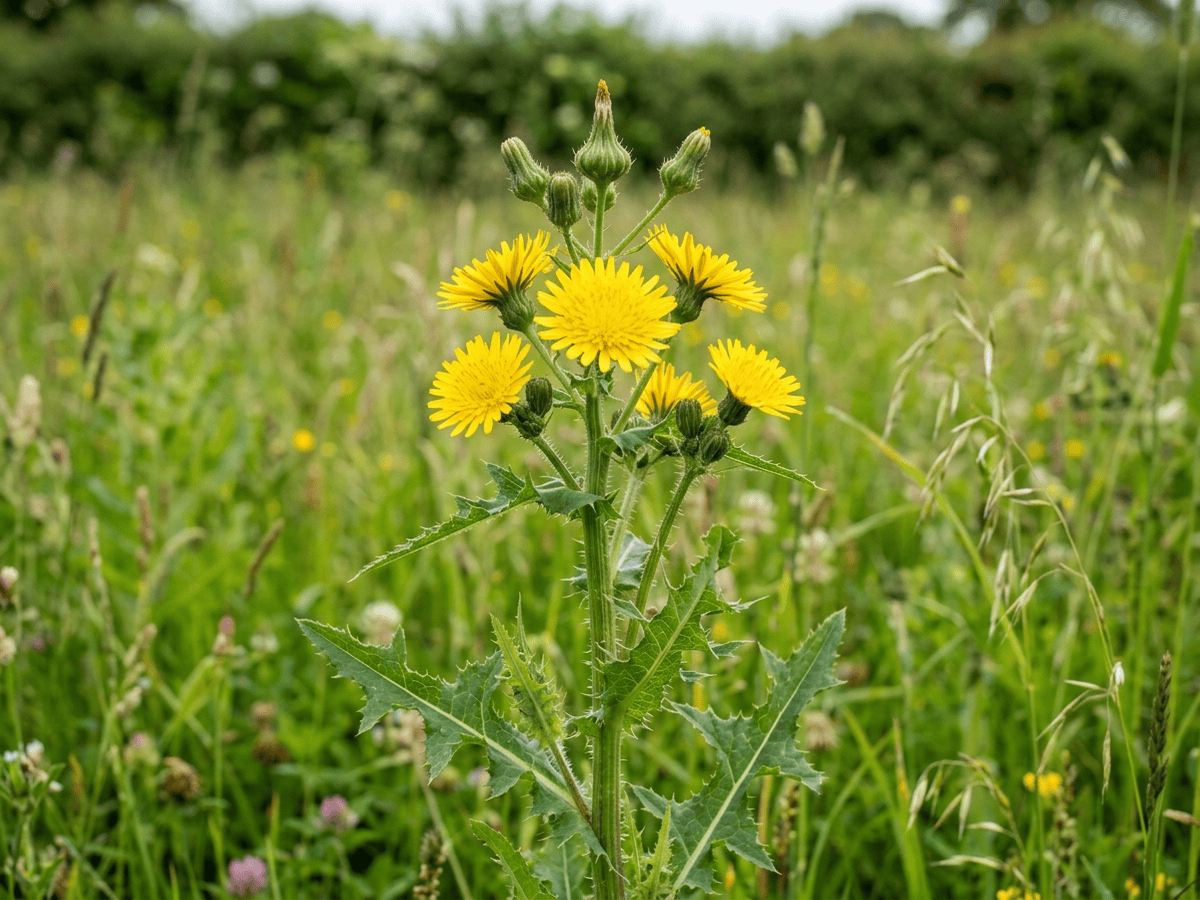
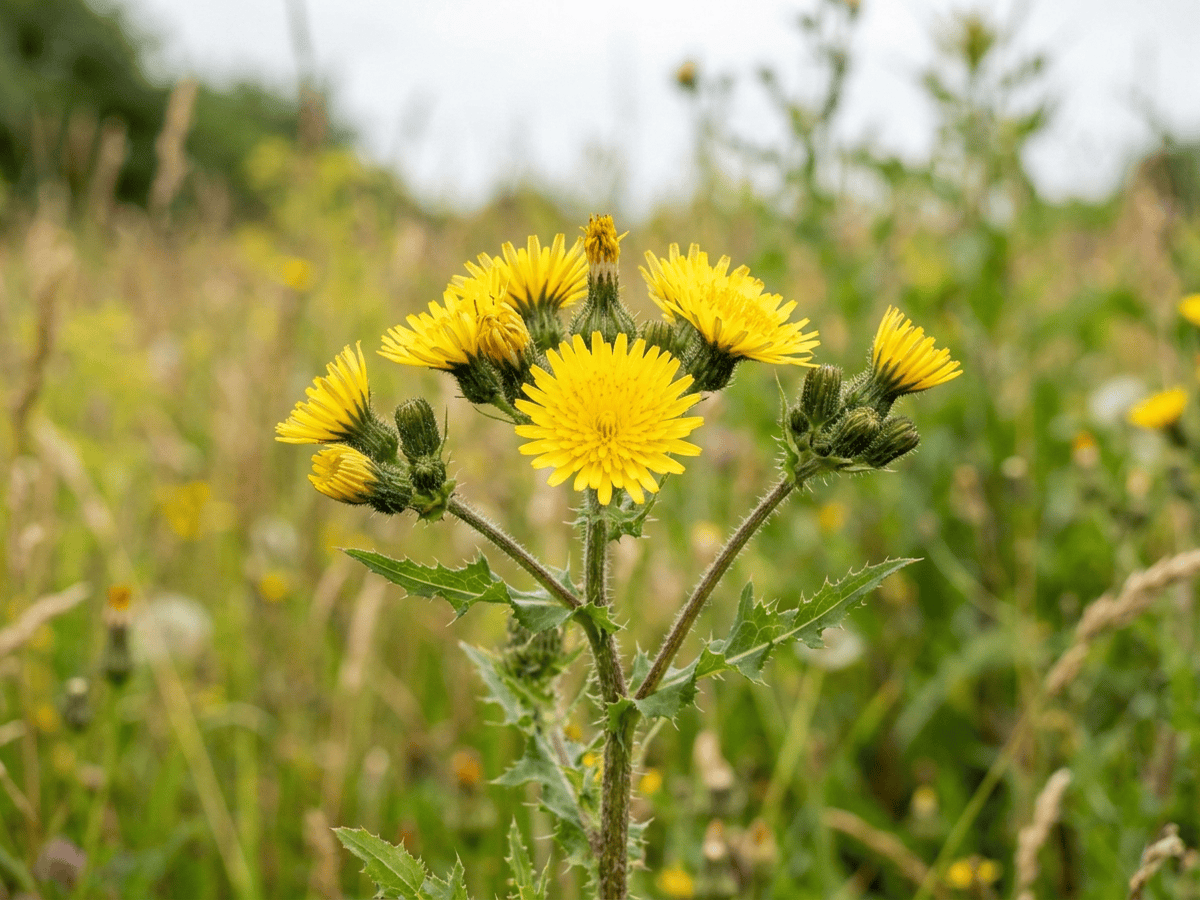
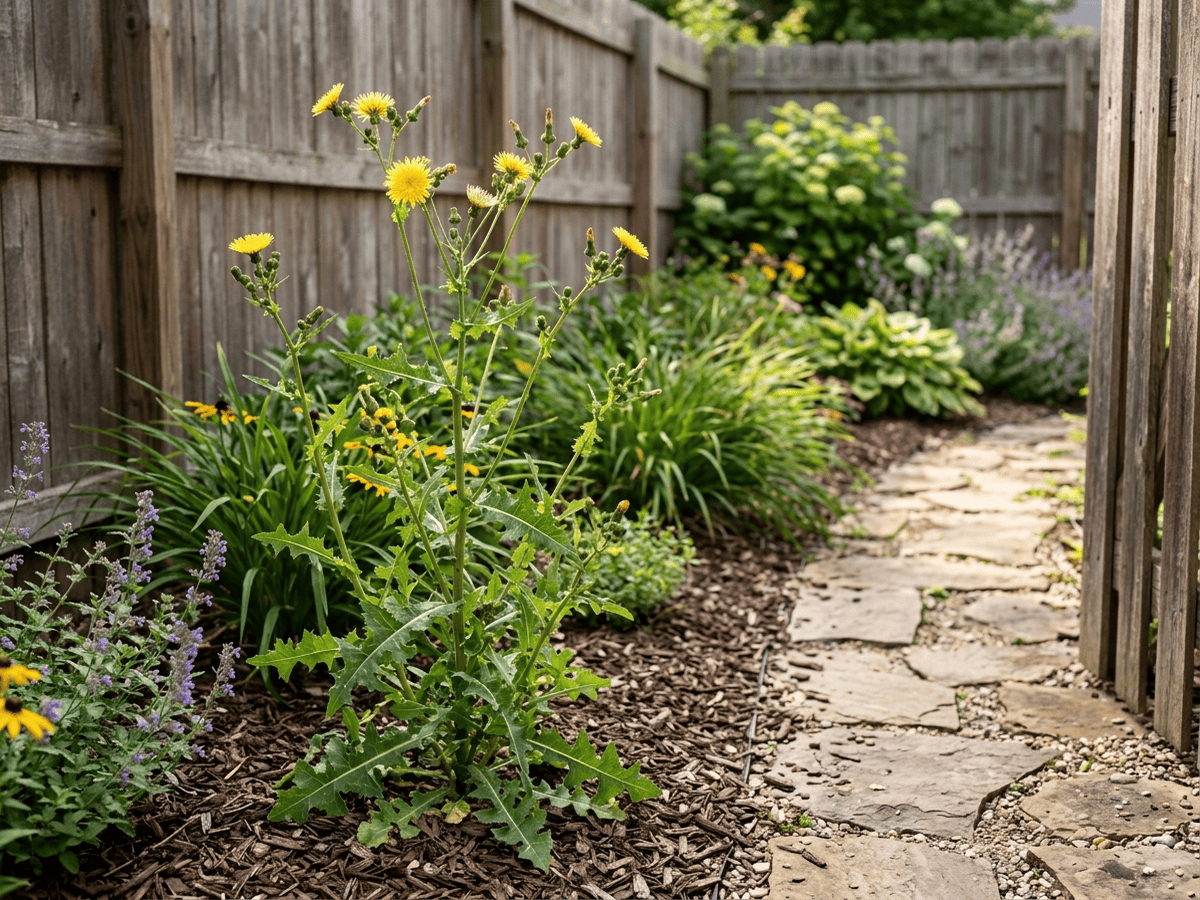
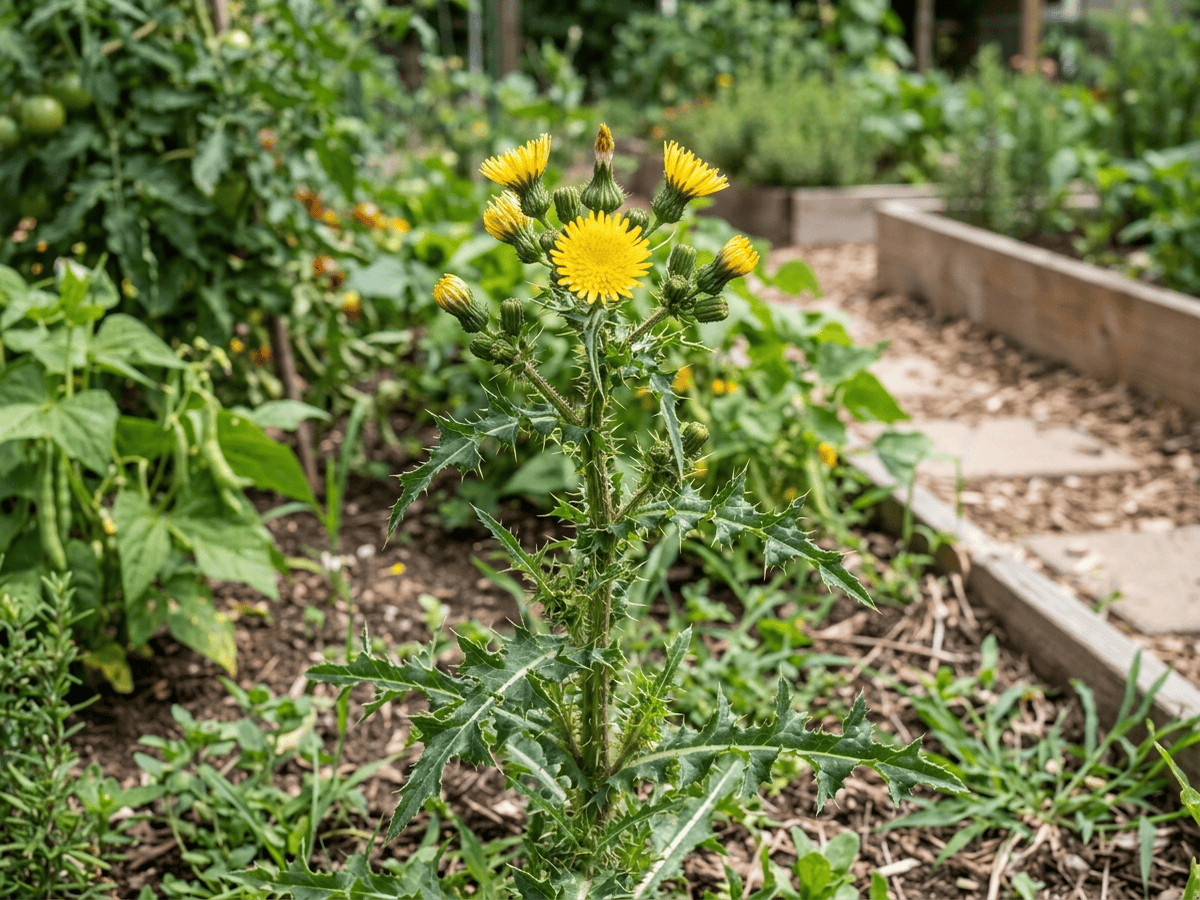
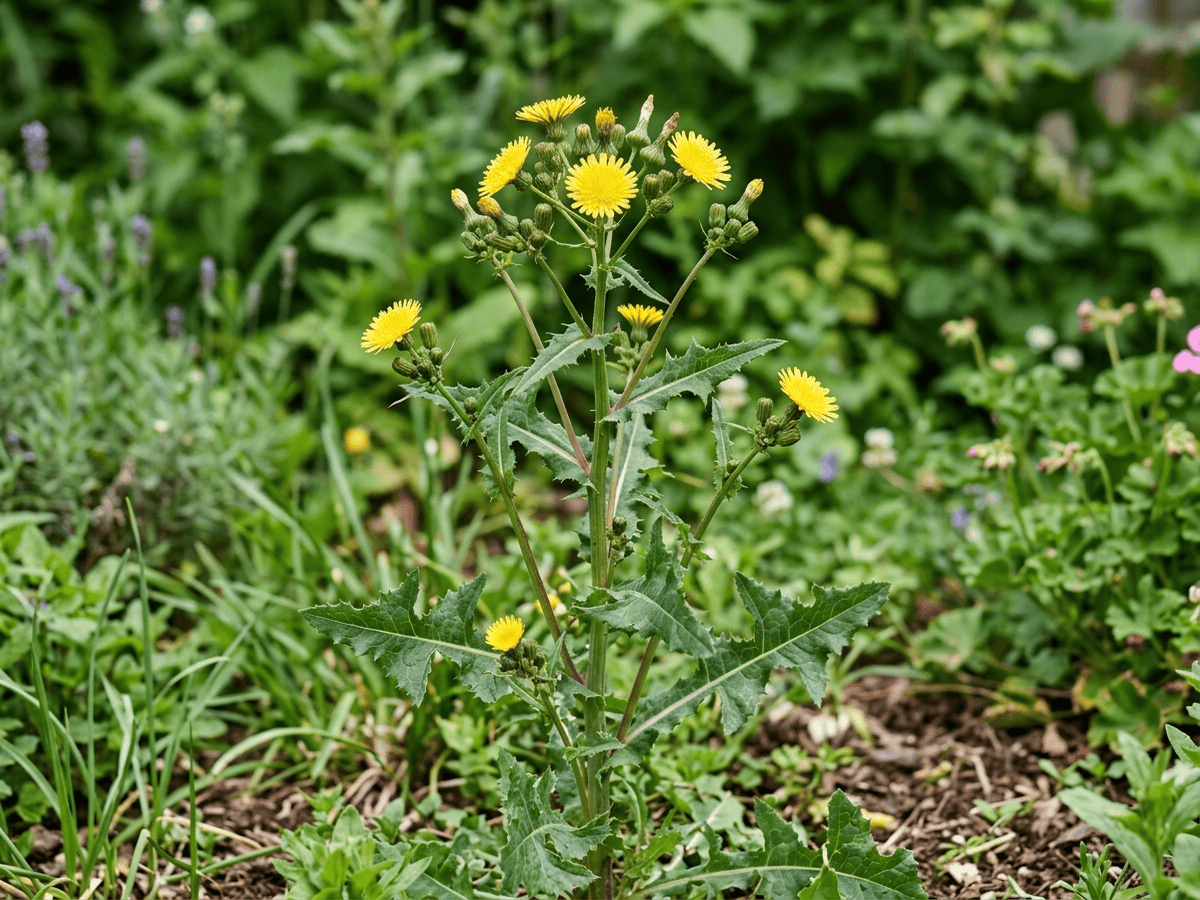
Perennial Sowthistle or Field Sowthistle is a Eurasian perennial weed with creeping rhizomes and bright yellow dandelion-like flowers, a noxious agricultural weed across the northern US and Canadian border states. Growing 2 to 5 feet tall with deeply lobed prickly leaves, it spreads aggressively through both seeds and underground rhizomes, making it extremely difficult to eradicate. Listed as noxious in many northern and midwestern states.
- Edible
- Pollinator-friendly
- Fast-growing
How to care for Perennial Sow Thistle
Watering
- Springevery 14 days
- Summerevery 10 days
- Fallevery 14 days
- Winterevery 30 days
Soil · Rich & well-draining
- Top dressingCompost10%
- Main mixPotting soil + compost 3:180%
- DrainageGravel10%
Top up the compost layer each season.
FERTILIZER
This plant needs little to no feeding.
At a Glance
- NativeEurope, Africa, Western Asia
- Height2–5 ft (0.6–1.5 m)
- Spread1–2 ft (0.3–0.6 m)
- Flower colorYellow
- Foliage colorGreen
- SoilLoamy, Moisture-retentive, Clay
- LocationsYard
Bloom time
BLOOM CYCLE
Peak bloom
Jun–Nov
Showy yellow dandelion-like flowers summer to fall
Toxicity
Humans Safe · Pets Safe
None reported
Safe
EXPOSURE No exposure route is reported.
EFFECT No toxic effect is reported.
NOTE Listed as non-toxic for humans; avoid eating ornamental plants unless confirmed edible.
Safe
EXPOSURE No exposure route is reported.
EFFECT No toxic effect is reported.
NOTE Listed as non-toxic for dogs; avoid eating ornamental plants unless confirmed edible.
Safe
EXPOSURE No exposure route is reported.
EFFECT No toxic effect is reported.
NOTE Listed as non-toxic for cats; avoid eating ornamental plants unless confirmed edible.
Educational information, not medical or veterinary advice. If exposure is suspected, contact a doctor or veterinarian.
DISTRIBUTION

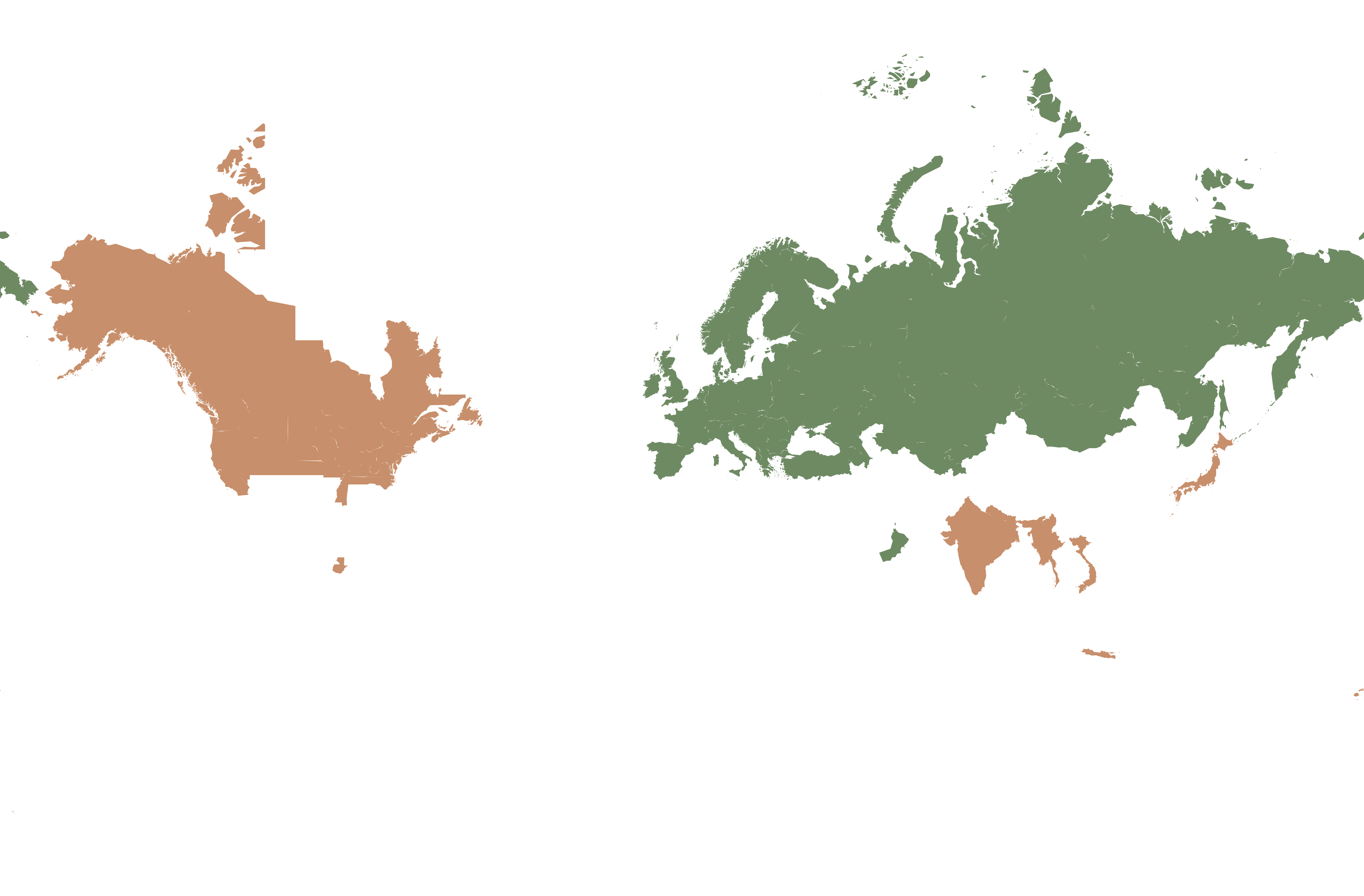
- Native
- Introduced
- Europe
- Africa
- Western Asia
History

Sonchus arvensis, field or perennial sow thistle, is a rhizomatous perennial composite native to Europe, North Africa, and western Asia. European settlers carried the species to North America in contaminated crop seed during the nineteenth century, and it is now listed as a noxious weed across Canada and the northern United States, where it is a serious pest of cereal and oilseed fields. The plant combines abundant wind-dispersed seed with a network of deep horizontal roots that resist tillage and regenerate from fragments, making it extremely difficult to eradicate.
The showy golden flowerheads, larger than those of most sow thistles, are rich in nectar and attract bees, hoverflies, and butterflies throughout summer. The young leaves remain edible, though older plants turn bitter.
Native to Europe and Asia, Perennial Sowthistle arrived in North America in the 1800s and is now a noxious agricultural weed across the northern US from the Great Plains to New England. Creeping rhizomes and massive seed production make it a top-ten weed challenge in American wheat, canola, and sugar beet fields.
Symbolism & meaning
What It Symbolizes
Perennial Sow Thistle is a story of Underground invasion — creeping rhizomes branching beneath wheat fields, throwing up new yellow flowers wherever they break the surface. Across the American Northern plains it is recognized as a noxious weed, expensive to control and impossible to ignore. A roadside plant that has built an empire entirely below the soil line.
- Underground invasion — spreads by creeping rhizomes
- Northern plains pest — noxious across US wheat country
Where the Name Comes From
'arvensis' from Latin means of fields, reflecting its preference for cultivated ground.
Uses & Fun Facts
- Tender spring leaves can be cooked as a traditional wild green
- Sap used traditionally for digestive and skin remedies
- Yellow flowers feed bees and hoverflies on field edges
Related plants
More Sonchus plants
Plants with similar care
 Chinese AbeliaAbelia chinensis
 Fragrant AbeliaAbelia mosanensis
 Large-Flowered AbeliaAbelia uniflora
 Glossy AbeliaAbelia x grandiflora
Frequently asked questions
How often should I water Perennial Sow Thistle?
In summer, water about every 10 days; in winter, about every 30 days. Adjust for heat, pot size and drainage.
How much light does Perennial Sow Thistle need?
Full sun: 6+ hrs direct. Watch the leaves — scorching or stretching means the light needs adjusting.
Is Perennial Sow Thistle toxic to cats or dogs?
Pets Safe (Dogs Safe · Cats Safe) Educational information, not medical or veterinary advice. If exposure is suspected, contact a doctor or veterinarian.
Is Perennial Sow Thistle easy to grow?
Yes — it is considered an easy, beginner-friendly plant.
When does Perennial Sow Thistle bloom?
It typically blooms Jun–Nov in the Northern Hemisphere.
YardMate
Identify any plant in seconds
Snap a photo — YardMate names the plant, diagnoses problems, and reminds you when to water.
Download on the App Store