 YardMate
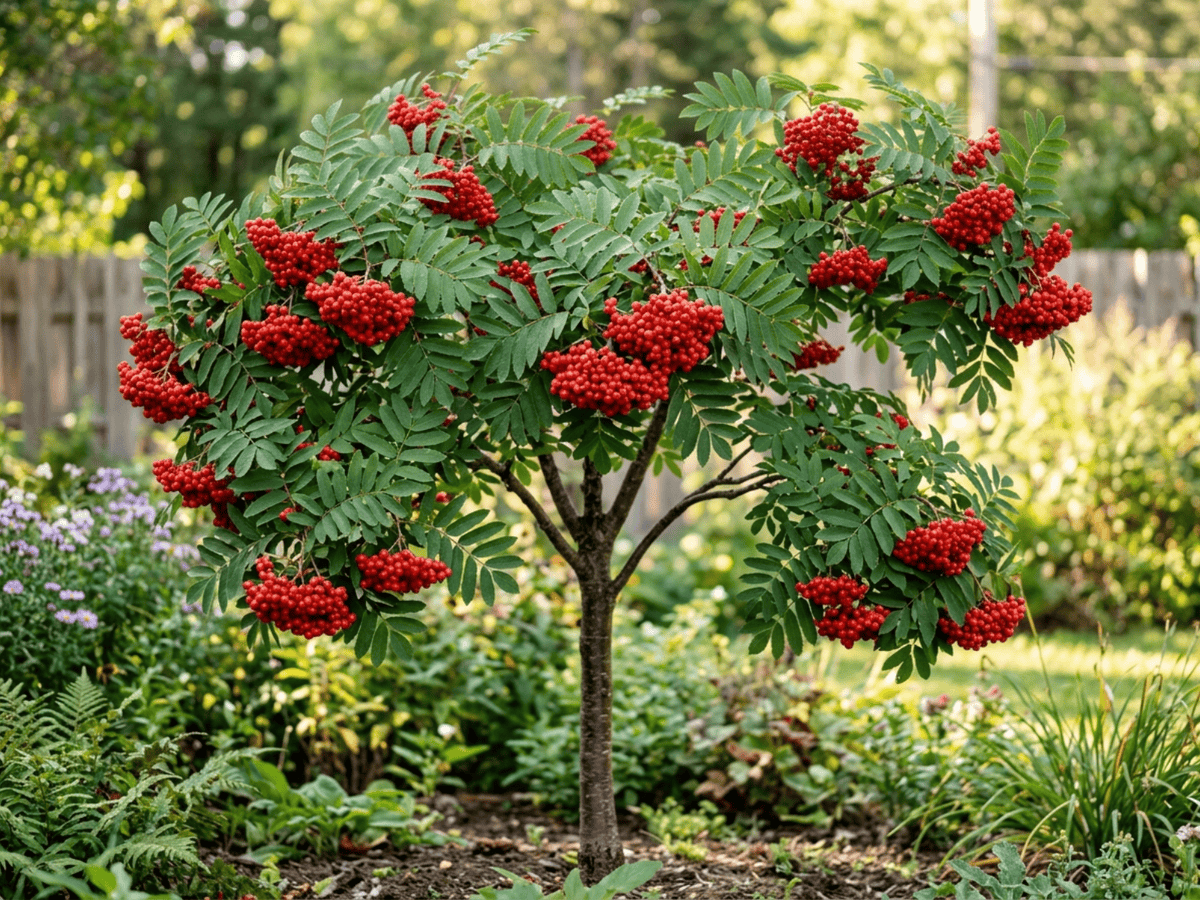


American Mountain Ash
Sorbus americana
Medium · Some experienceAbout American Mountain Ash
American Mountain Ash is a small deciduous tree native to northeastern North America, reaching 20-30 feet, with feathery compound leaves, flat-topped clusters of creamy white flowers, and showy clusters of brilliant red-orange berries. Golden-yellow fall color and persistent berries make it a standout in cold-climate gardens. A defining tree of New England and Canadian boreal landscapes, beloved for its dramatic autumn display.
- Cold-hardy
- Fall-color
- Native
- Wildlife-friendly
How to care for American Mountain Ash
Watering
- Springevery 10 days
- Summerevery 7 days
- Fallevery 14 days
- Winterevery 30 days
Soil · Well-draining
- Top dressingPine bark mulch10%
- Main mixPotting soil + perlite 2:170%
- DrainageLECA / gravel20%
Never skip the drainage layer — standing water is the top cause of root rot.
FERTILIZER
Balanced Feed 14-14-14
An even feed covers all three needs at once, keeping leaves, roots and blooms moving together with nothing pushed out of balance.
- Nitrogen · Leaves
- Phosphorus · Roots + Blooms
- Potassium · Strength
- Springevery 60 days
At a Glance
- NativeNorth America
- Height20–30 ft (6.1–9.1 m)
- Spread15–25 ft (4.6–7.6 m)
- Flower colorWhite
- Foliage colorGreen, Red, Bronze, Yellow
- Fruit colorRed, Orange
- SoilLoamy, Moisture-retentive, Acidic
- LocationsYard
Bloom time
BLOOM CYCLE
Peak bloom
Jun
Creamy white flower clusters in June
Fragrance
LIGHT FRAGRANCE
The flowers have a musky hawthorn-like scent.
Toxicity
Humans Slight · Pets Slight
cyanogenic glycosides and parasorbic acid
Slight
- Seed
- Leaf
- Ingestion
EXPOSURE Eating seeds and leaves.
EFFECT Nausea from cyanogenic glycosides if seeds chewed.
NOTE Raw berries contain parasorbic acid which causes GI upset; cooking destroys it. Seeds have cyanogenic compounds typical of Rosaceae.
Slight
- Seed
- Ingestion
EXPOSURE Eating seeds.
EFFECT Mild GI upset.
NOTE Raw berries contain parasorbic acid which causes GI upset; cooking destroys it. Seeds have cyanogenic compounds typical of Rosaceae.
Slight
- Seed
- Ingestion
EXPOSURE Eating seeds.
EFFECT Mild GI upset.
NOTE Raw berries contain parasorbic acid which causes GI upset; cooking destroys it. Seeds have cyanogenic compounds typical of Rosaceae.
Educational information, not medical or veterinary advice. If exposure is suspected, contact a doctor or veterinarian.
DISTRIBUTION


- Native
- North America
History
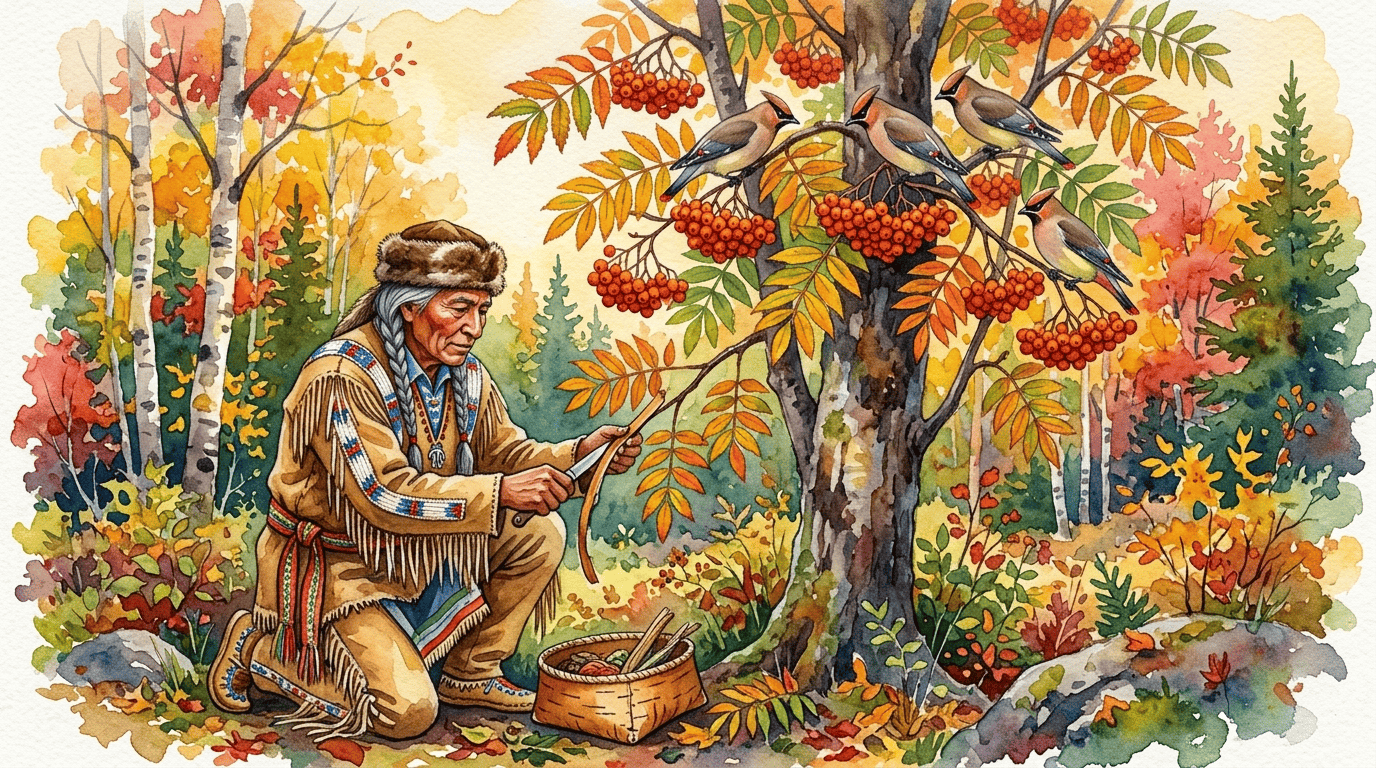
Sorbus americana grows in cool, moist soils across eastern Canada from Newfoundland to Manitoba and south in the Appalachians to Georgia, typically in boreal and mixed northern hardwood forests. American botanist Humphry Marshall described the species in 1785 in his Arbustrum Americanum, the first botanical book authored by a native-born American and published in America. Indigenous peoples including the Ojibwe, Cree, and Iroquois used bark and root decoctions for colds, stomach ailments, and as a tonic; the bitter bark contains tannins and small amounts of cyanogenic glycosides.
The brilliant orange-red berries, though astringent, were eaten in small quantities and are heavily consumed by wintering cedar waxwings, pine and evening grosbeaks, and American robins. Unlike European rowan (S. aucuparia) which has been widely planted in North America, true S. americana remains largely a wild species of cool uplands and is increasingly threatened by warming temperatures at the southern edge of its range.
Native Americans made tonics from the bark. Berries are edible cooked and were boiled into jelly and wine by northern settlers.
Symbolism & meaning
What It Symbolizes
The American Mountain Ash expresses protection, planted in older European traditions to ward off ill fortune and carried to North America by settlers who kept the old beliefs. Its meaning of abundance is equally clear in autumn, when heavy clusters of scarlet berries weigh down the slim branches and feed migrating birds. Few small trees so cleanly combine guardianship and generosity — protector and provider all in one slender mountain native.
- Protection — planted to ward off ill fortune
- Abundance — heavy clusters of scarlet berries
Where the Name Comes From
'Americana' indicates native American origin; 'Mountain Ash' refers to pinnate leaves resembling ash, though unrelated.
Uses & Fun Facts
- Ferny compound leaves cast light shade in cool native plantings
- American Mountain Ash berries and cover sustain songbirds through autumn
- White spring flowers and orange fruit give small gardens four-season interest
Related plants
More Sorbus plants
Plants with similar care
 Mexican AbeliaAbelia floribunda
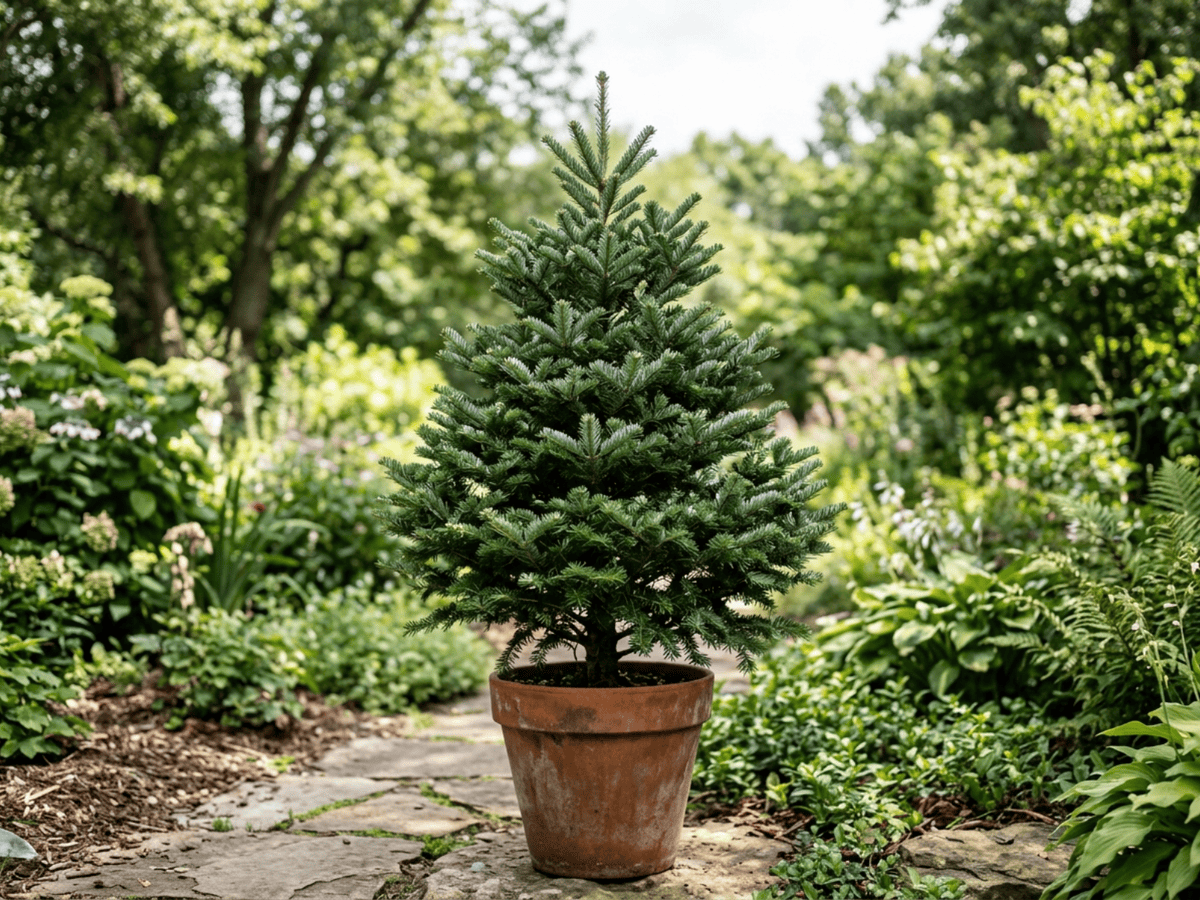 Fraser FirAbies fraseri
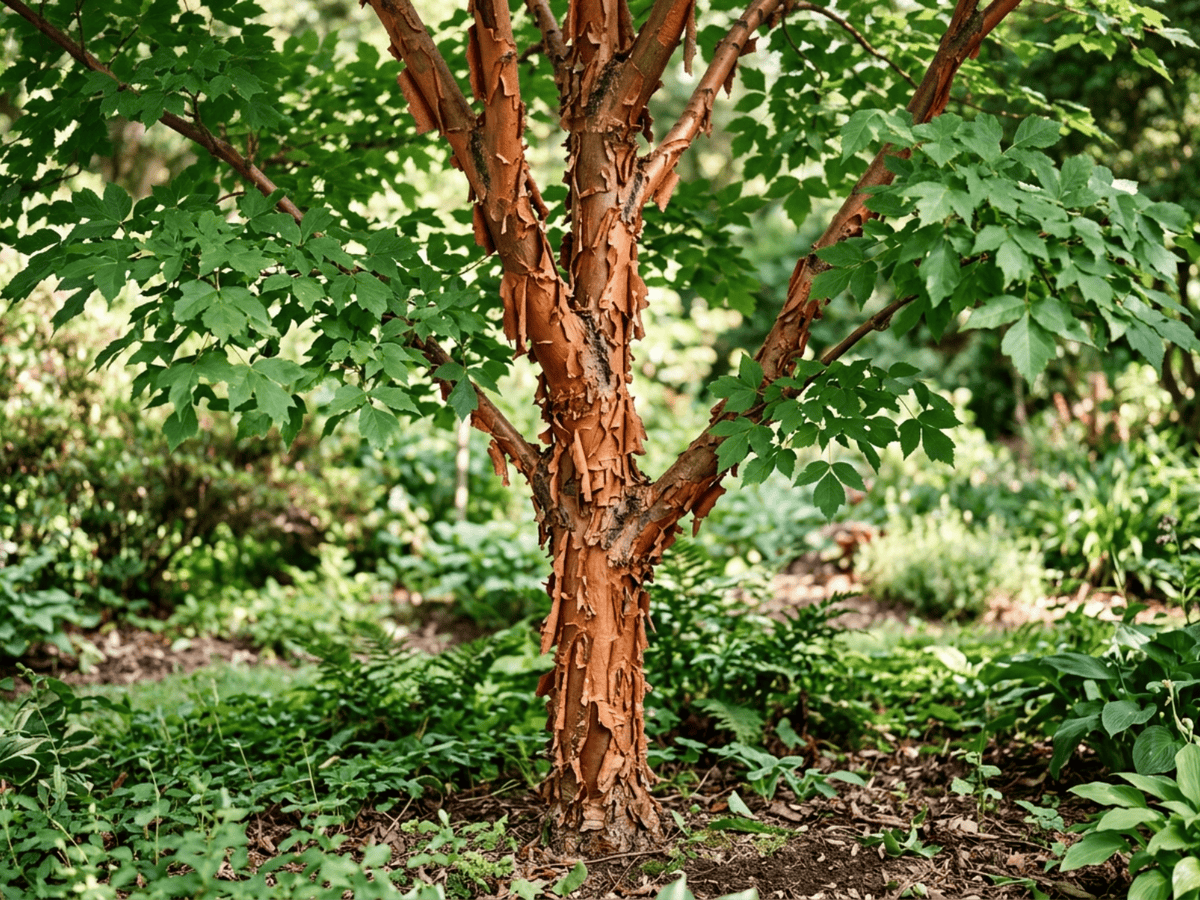 Paperbark MapleAcer griseum
 Sugar MapleAcer saccharum
Frequently asked questions
How often should I water American Mountain Ash?
In summer, water about every 7 days; in winter, about every 30 days. Adjust for heat, pot size and drainage.
How much light does American Mountain Ash need?
Full sun: 6+ hrs direct. Watch the leaves — scorching or stretching means the light needs adjusting.
Is American Mountain Ash toxic to cats or dogs?
Pets Slight (Dogs Slight · Cats Slight) Educational information, not medical or veterinary advice. If exposure is suspected, contact a doctor or veterinarian.
Is American Mountain Ash easy to grow?
It is moderately demanding: a good choice once you have a little experience.
When does American Mountain Ash bloom?
It typically blooms Jun in the Northern Hemisphere.
YardMate
Identify any plant in seconds
Snap a photo — YardMate names the plant, diagnoses problems, and reminds you when to water.
Download on the App Store