 YardMate
Crimson Clover
Trifolium incarnatum
Medium · Some experienceAbout Crimson Clover
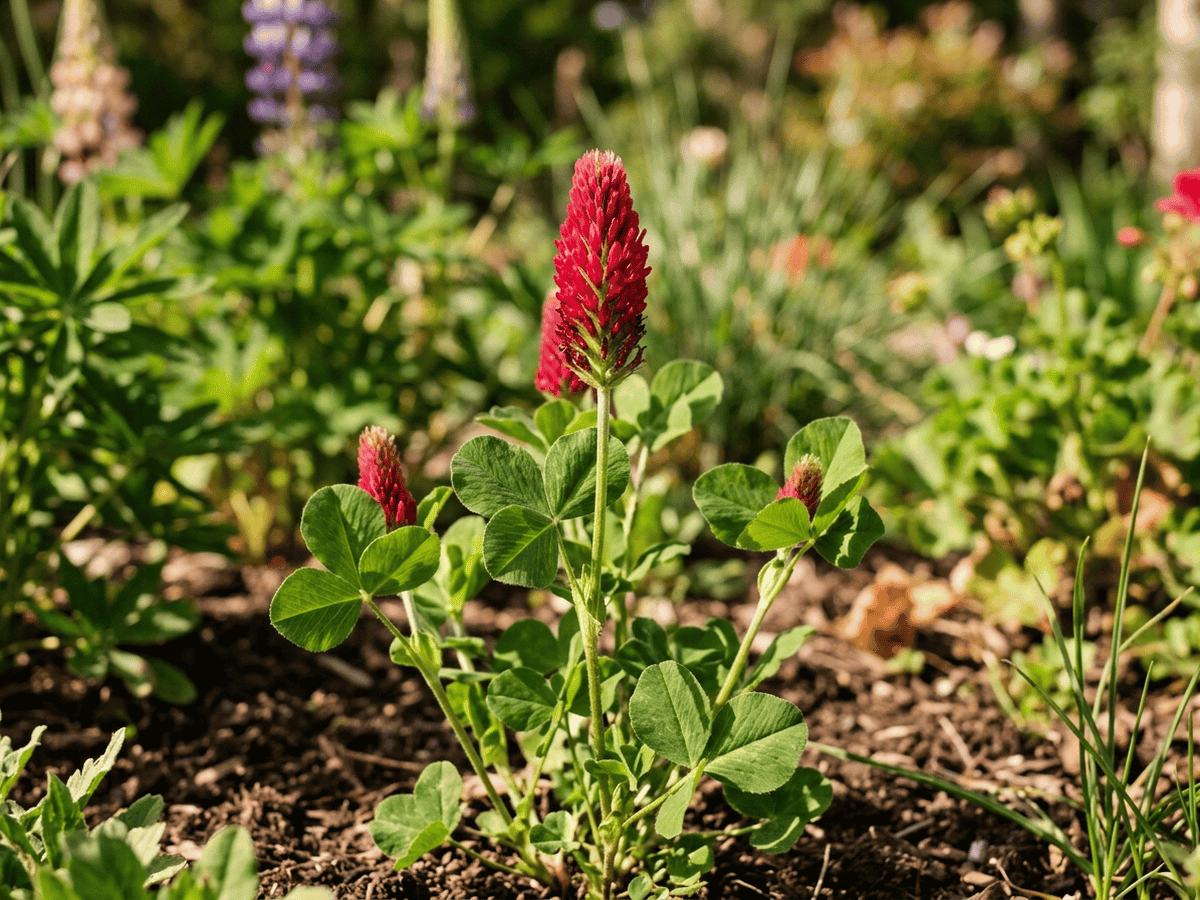
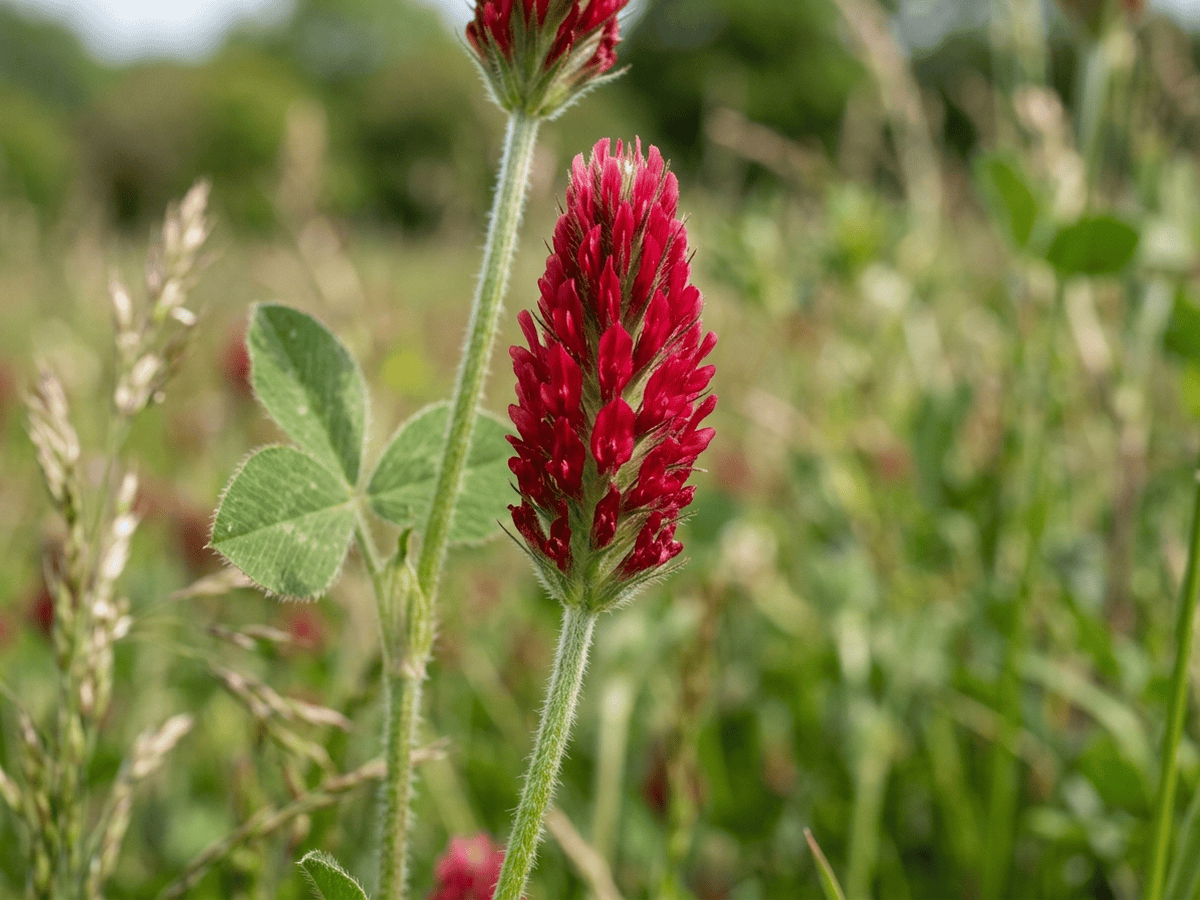
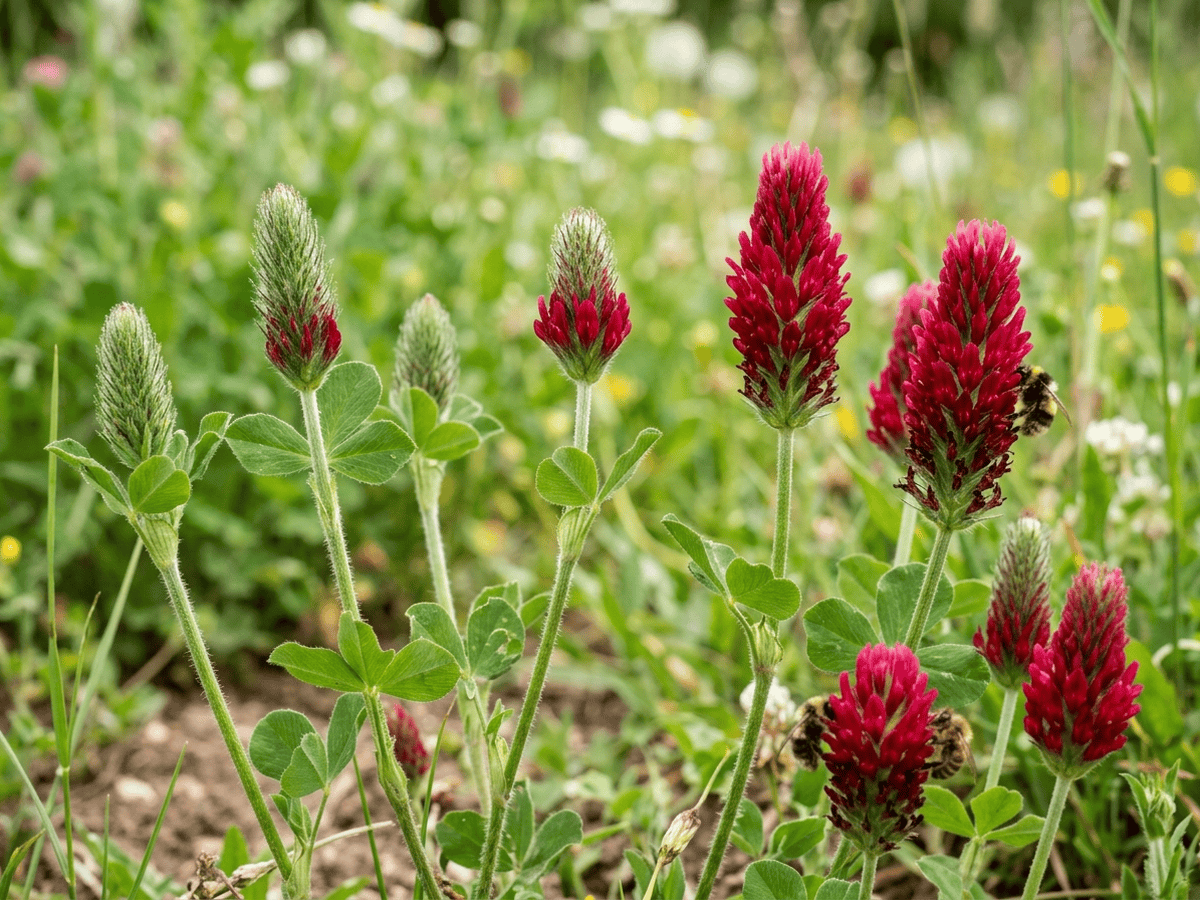
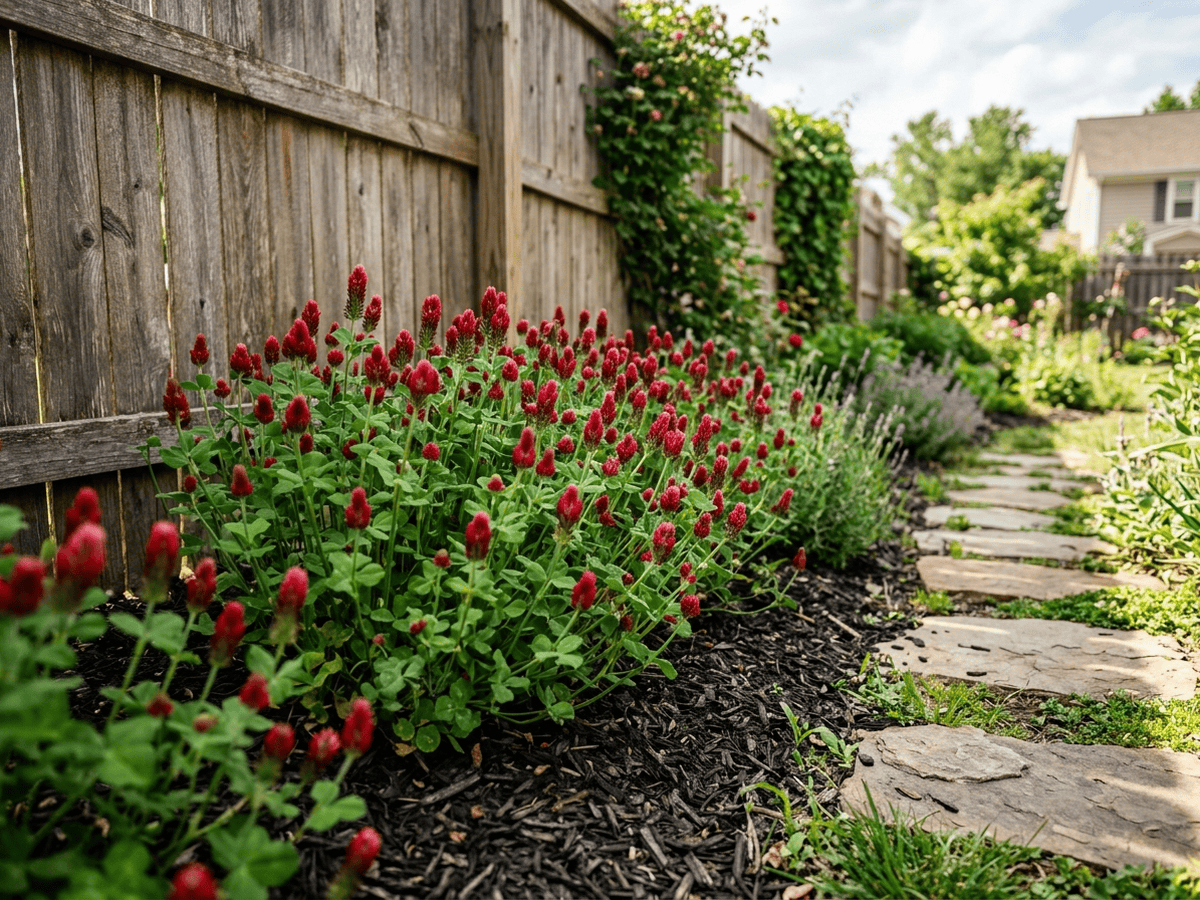
Trifolium incarnatum, Crimson Clover, is a fast-growing Mediterranean annual renowned for its striking elongated flower heads in vivid blood-red, appearing in mid to late spring. Growing 12–24 inches tall, its upright hairy stems bear trifoliate leaves and dense cylindrical spikes that attract bumblebees, honeybees, and other pollinators in large numbers. Widely planted as a cool-season cover crop for nitrogen fixation and soil improvement, it also performs beautifully in wildflower meadows and cottage gardens, where its bold color creates vivid drifts from April into June.
- Drought-tolerant
- Fast-growing
- Pollinator-friendly
- Edible
- Long-blooming
How to care for Crimson Clover
Watering
- Springevery 10 days
- Summerevery 10 days
- Fallevery 20 days
- Winterpause watering
Soil · Well-draining
- Top dressingPine bark mulch10%
- Main mixPotting soil + perlite 2:170%
- DrainageLECA / gravel20%
Never skip the drainage layer — standing water is the top cause of root rot.
FERTILIZER
- Springevery 30 days
At a Glance
- NativeEurope, North Africa
- Height1–2 ft (0.3–0.6 m)
- Spread1–2 ft (0.3–0.6 m)
- Flower colorRed
- Foliage colorGreen
- SoilWell-drained, Moist, Neutral
- LocationsYard · Balcony
Bloom time
BLOOM CYCLE
Peak bloom
Apr–Jun
Crimson clover typically flowers in spring and early summer, attracting pollinators.
Fragrance
LIGHT FRAGRANCE
Light sweet floral scent; most noticeable when in full bloom and visited by pollinators.
Toxicity
No toxicity has been reported for this plant. Still, it is wise to keep pets from chewing on any houseplant.
Educational information, not medical or veterinary advice. If exposure is suspected, contact a doctor or veterinarian.
DISTRIBUTION

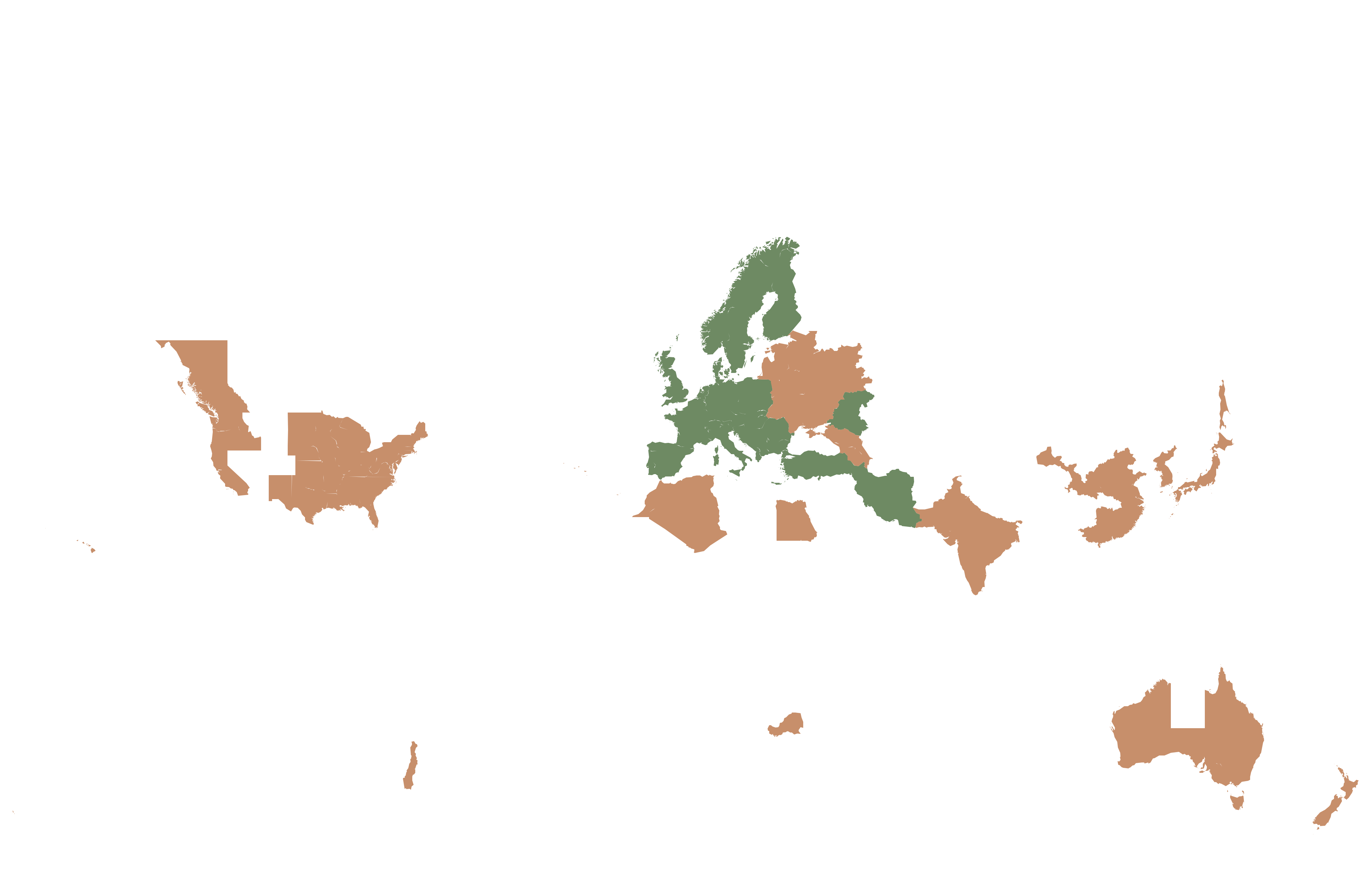
- Native
- Introduced
- Europe
- North Africa
History
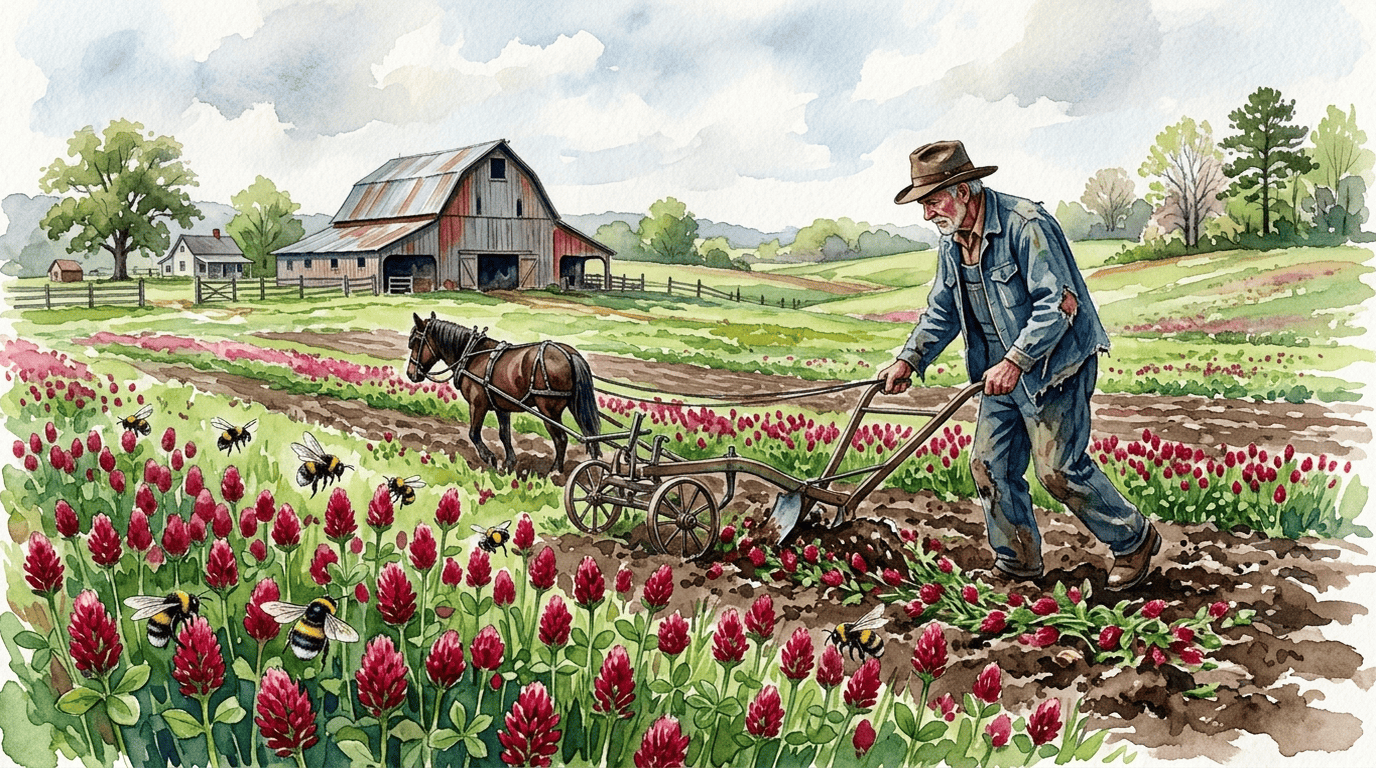
Trifolium incarnatum is native to the Mediterranean basin and southwestern Europe, where it grows as a wild annual on roadsides, dry meadows, and disturbed soils. Its agricultural value has been recognized for centuries: leguminous plants were known to improve soil by the ancient Greeks and Romans, though the scientific mechanism of nitrogen fixation was only established in the late 19th century, confirming what farmers had long observed in practice.
Crimson Clover was introduced to North American agriculture in the early 19th century, becoming a staple winter cover crop in the South and Pacific Northwest, where it is sown after summer harvests to protect bare soil, fix atmospheric nitrogen, and be turned under as green manure before the next season's planting. Its rapid germination and vigorous early growth made it particularly valued in low-input farming systems.
Beyond agriculture, Crimson Clover has become a beloved component of wildflower seed mixes and pollinator gardens. Its dense elongated spikes—each containing hundreds of small florets—make it one of the most productive nectar sources available for bumblebees, honeybees, and hoverflies in the spring garden. Conservation organizations in the United Kingdom have promoted it as one of the best flowering annuals for supporting declining bee populations. Today it bridges the worlds of practical farming and ornamental gardening with equal success.
Symbolism & meaning
What It Symbolizes
The name says it all: incarnatum, flesh-red, the color of living tissue. Crimson Clover blooms with the intensity of something that has stored up all winter and is now spending everything at once—for the pollinators, for the soil, for the farmer. Its whole life is an act of abundance.
- vitality — Blood-red spikes that spend everything at once—for the pollinators, the soil, the farmer. A flower that holds nothing back.
- generosity — Farmers have relied on Crimson Clover's nitrogen-fixing roots to nourish the soil for the next crop—giving to the land before anything is taken.
Where the Name Comes From
The genus name Trifolium is Latin for 'three-leaved,' referring to the characteristic trifoliate leaves shared by all clovers. The species epithet incarnatum means 'blood-red' or 'flesh-colored' in Latin, from caro (flesh, also the root of 'carnation'), describing the vivid crimson color of the flower spikes.
Uses & Fun Facts
- Exceptionally rich nectar source; among the most productive flowering annuals for bumblebees, honeybees, and hoverflies during the spring bloom
- Bold crimson flower spikes create vivid drifts in wildflower meadows and cottage gardens; excellent for cut flower arrangements
Related plants
More Trifolium plants
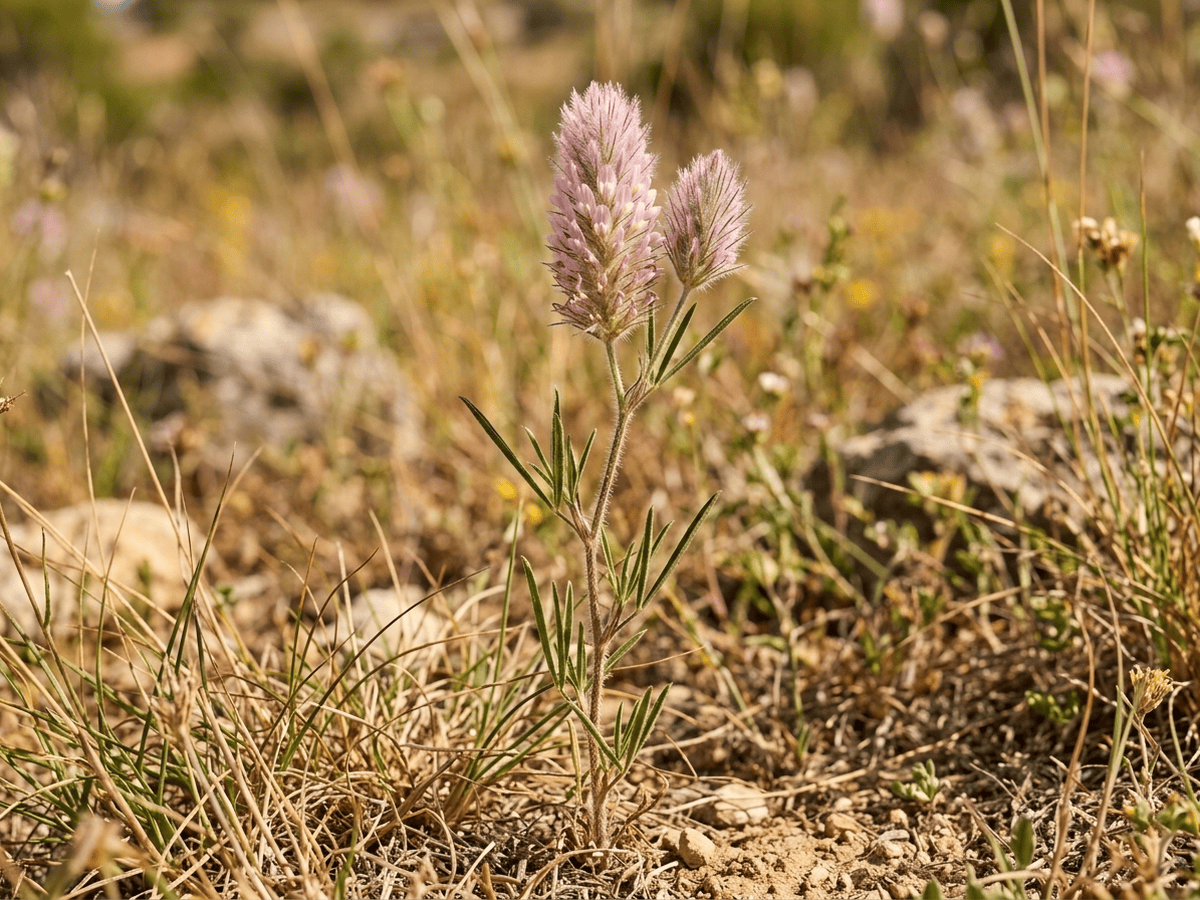 Narrow-leaved CloverTrifolium angustifolium
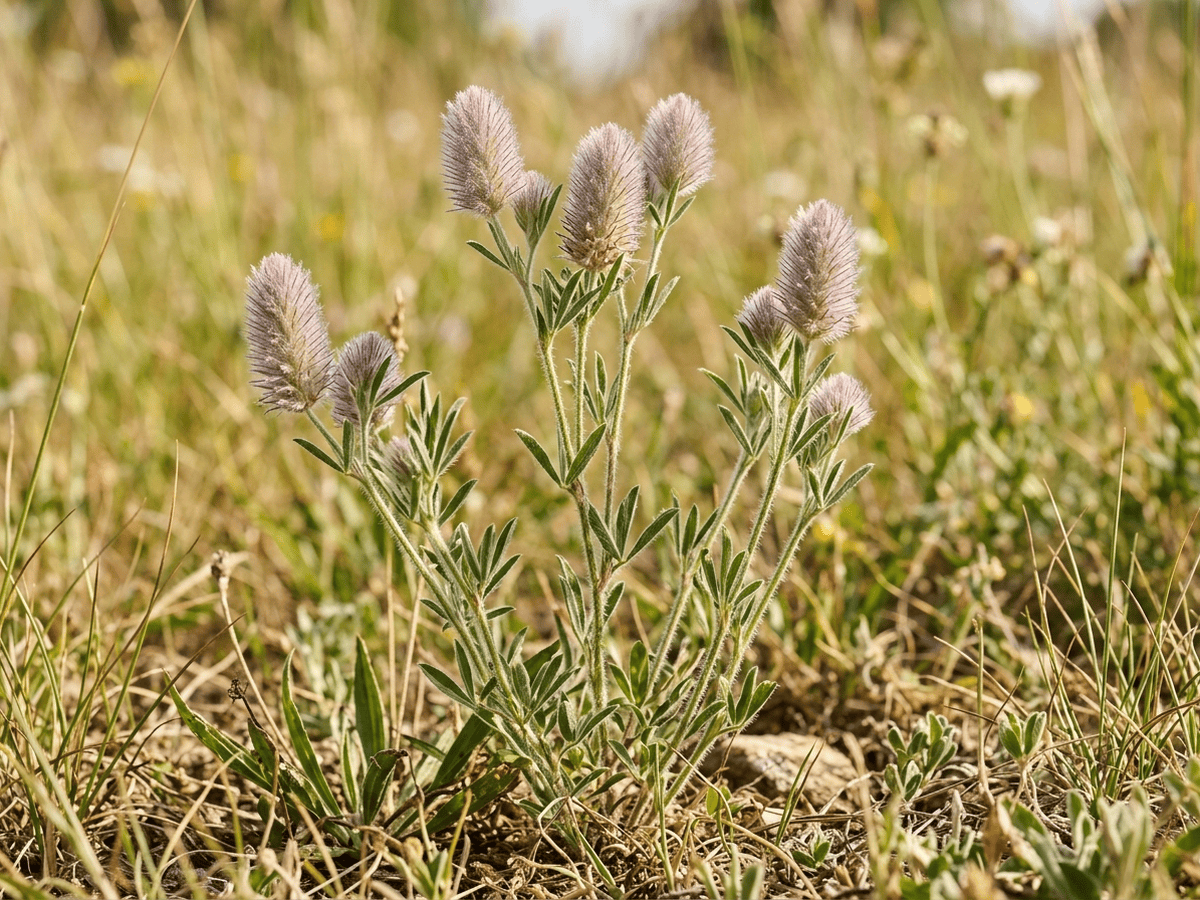 Rabbitfoot CloverTrifolium arvense
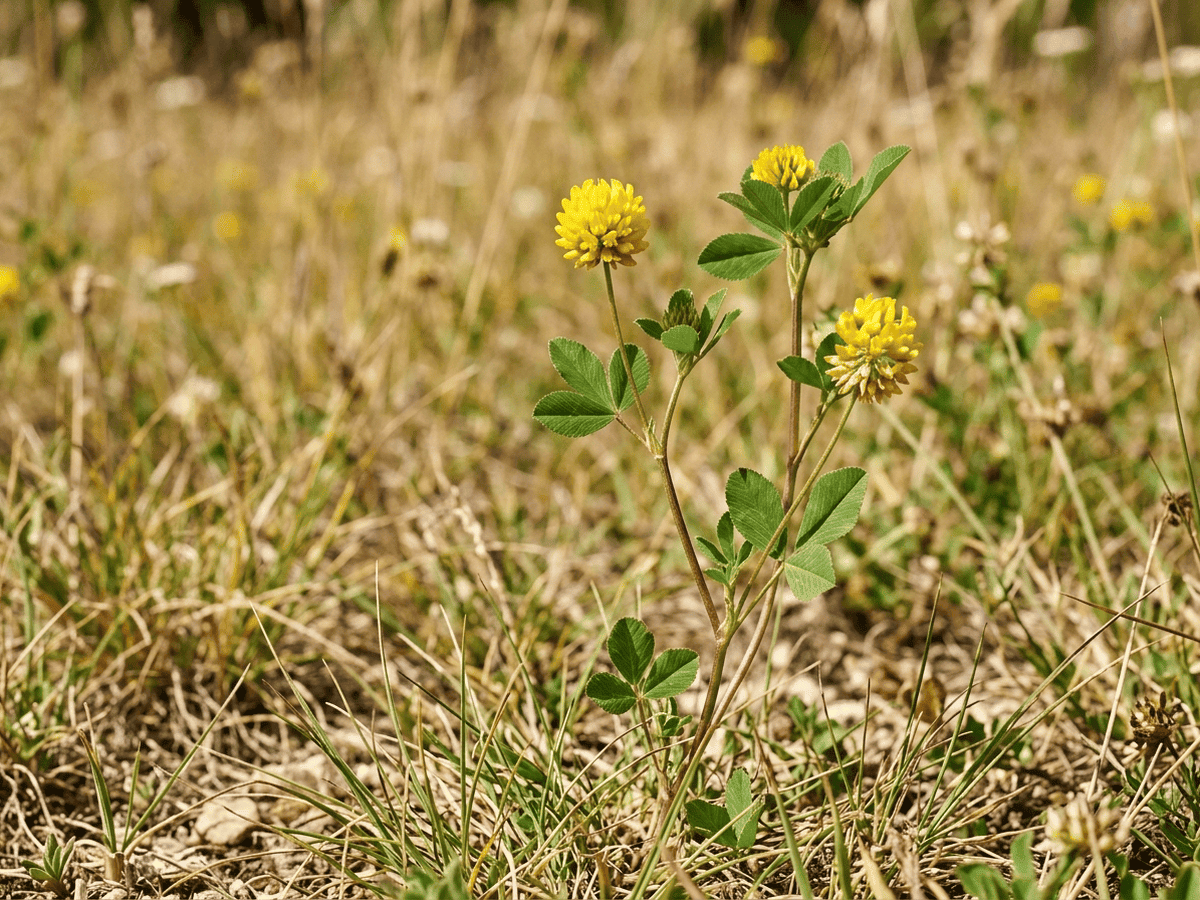 Large Hop CloverTrifolium aureum
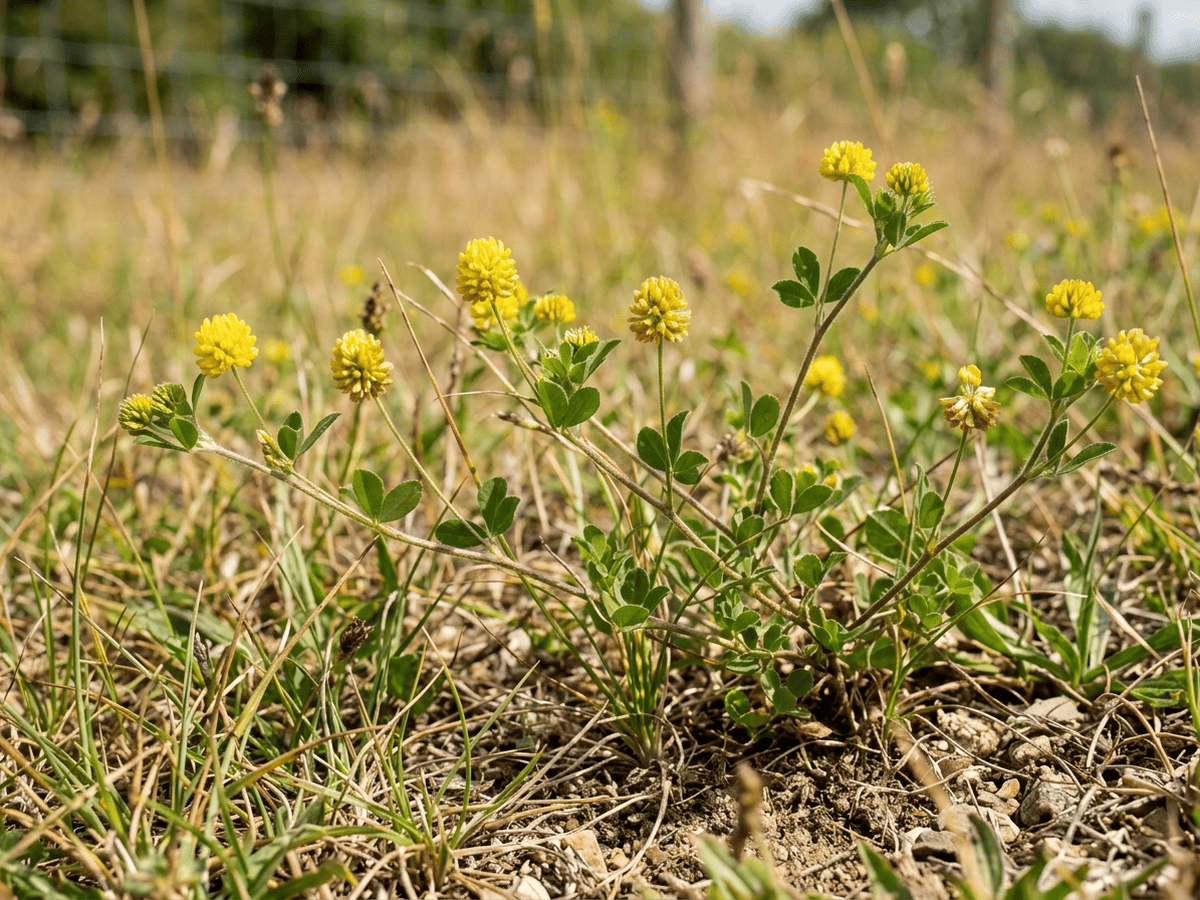 Hop TrefoilTrifolium campestre
Plants with similar care
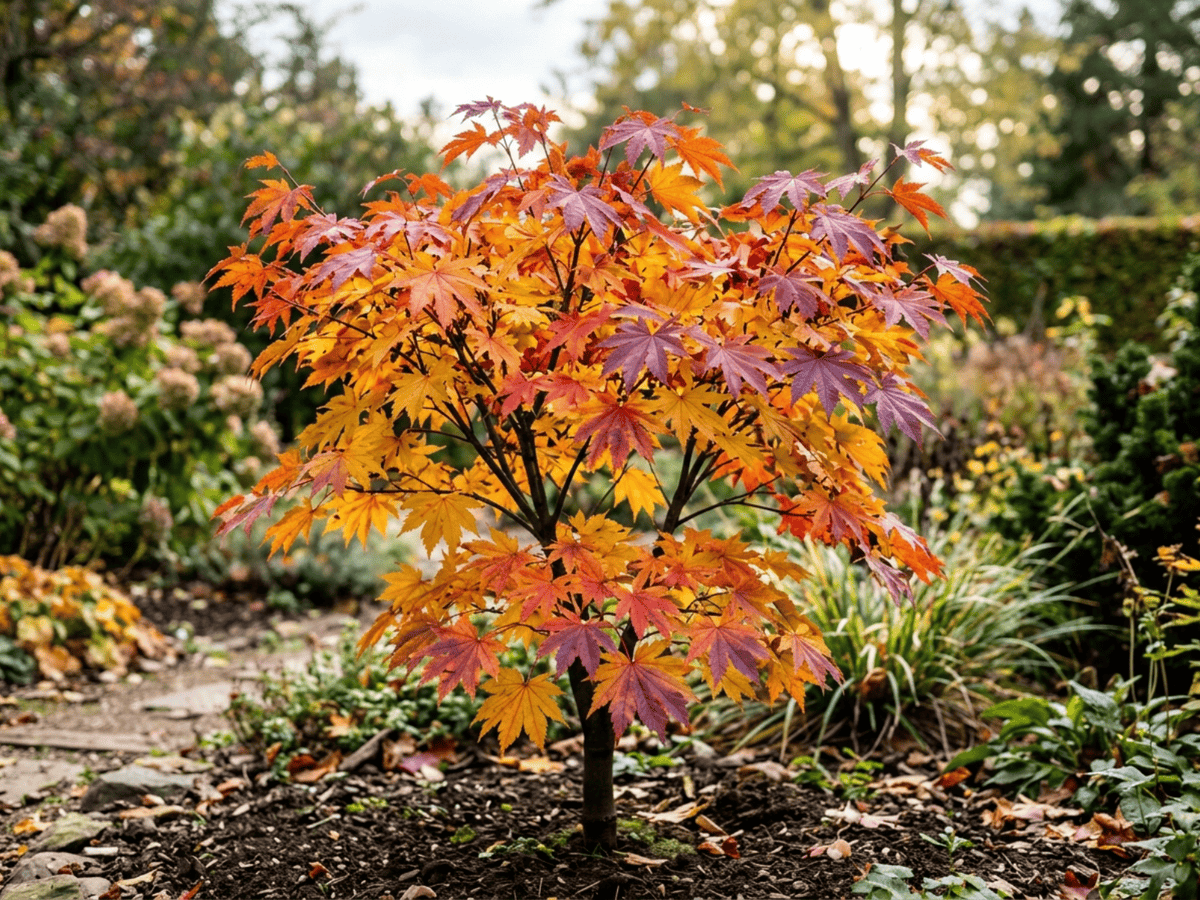 Downy Japanese MapleAcer japonicum
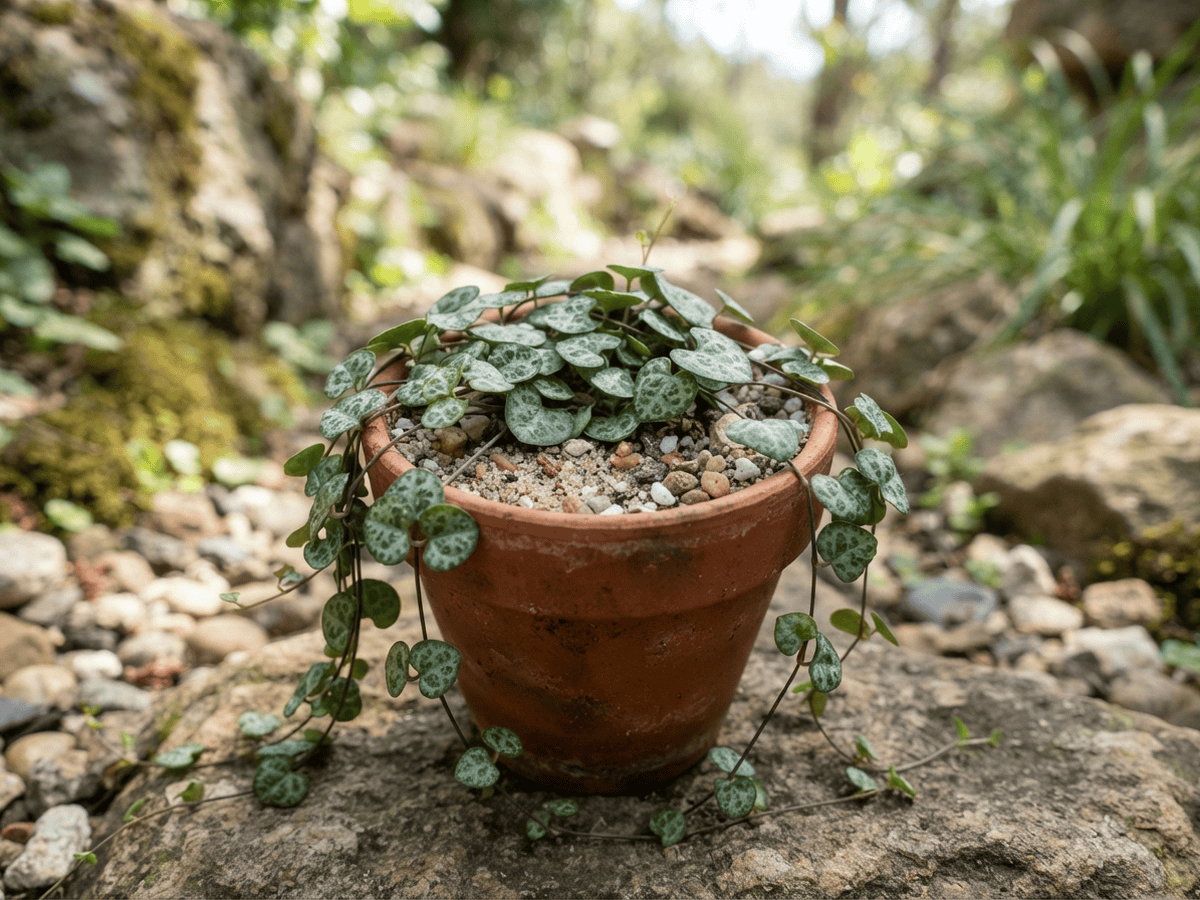 String of HeartsCeropegia woodii
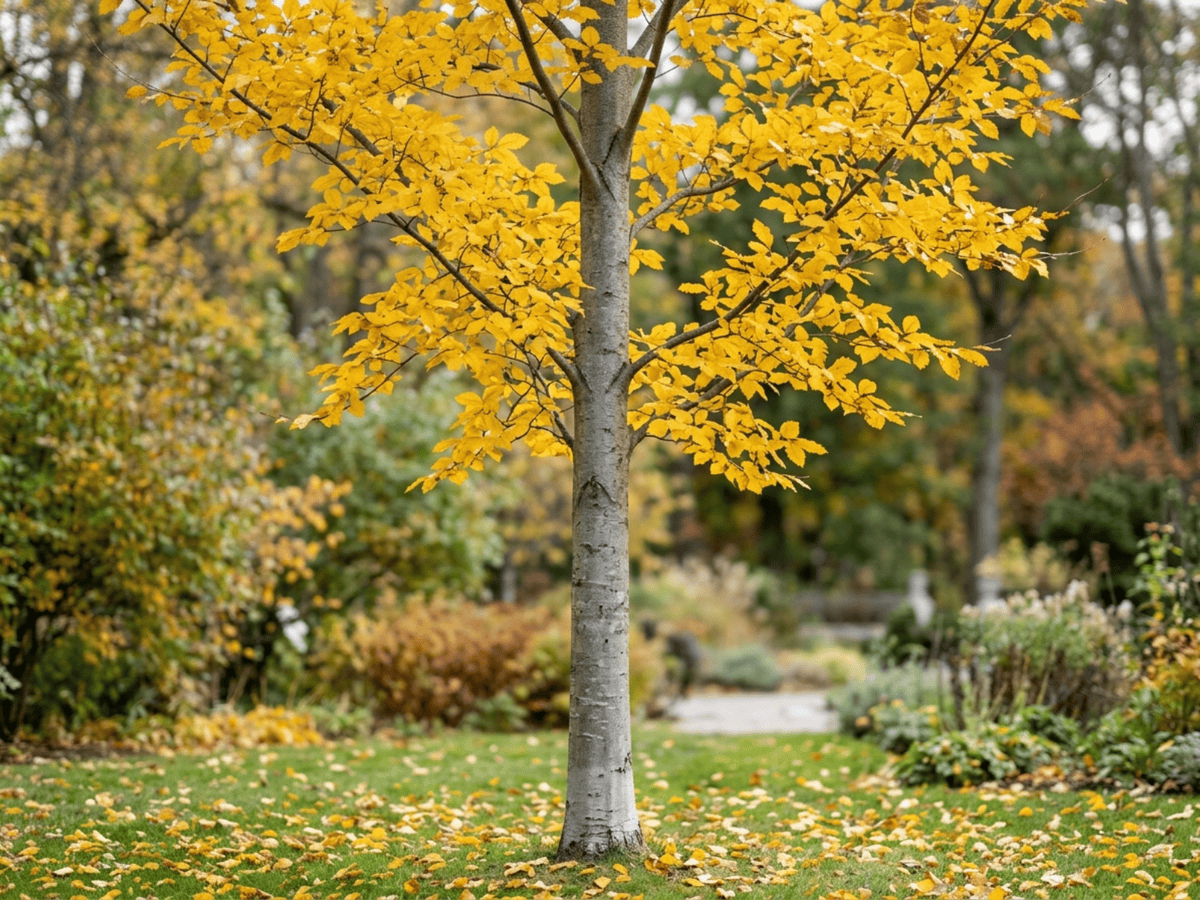 American BeechFagus grandifolia
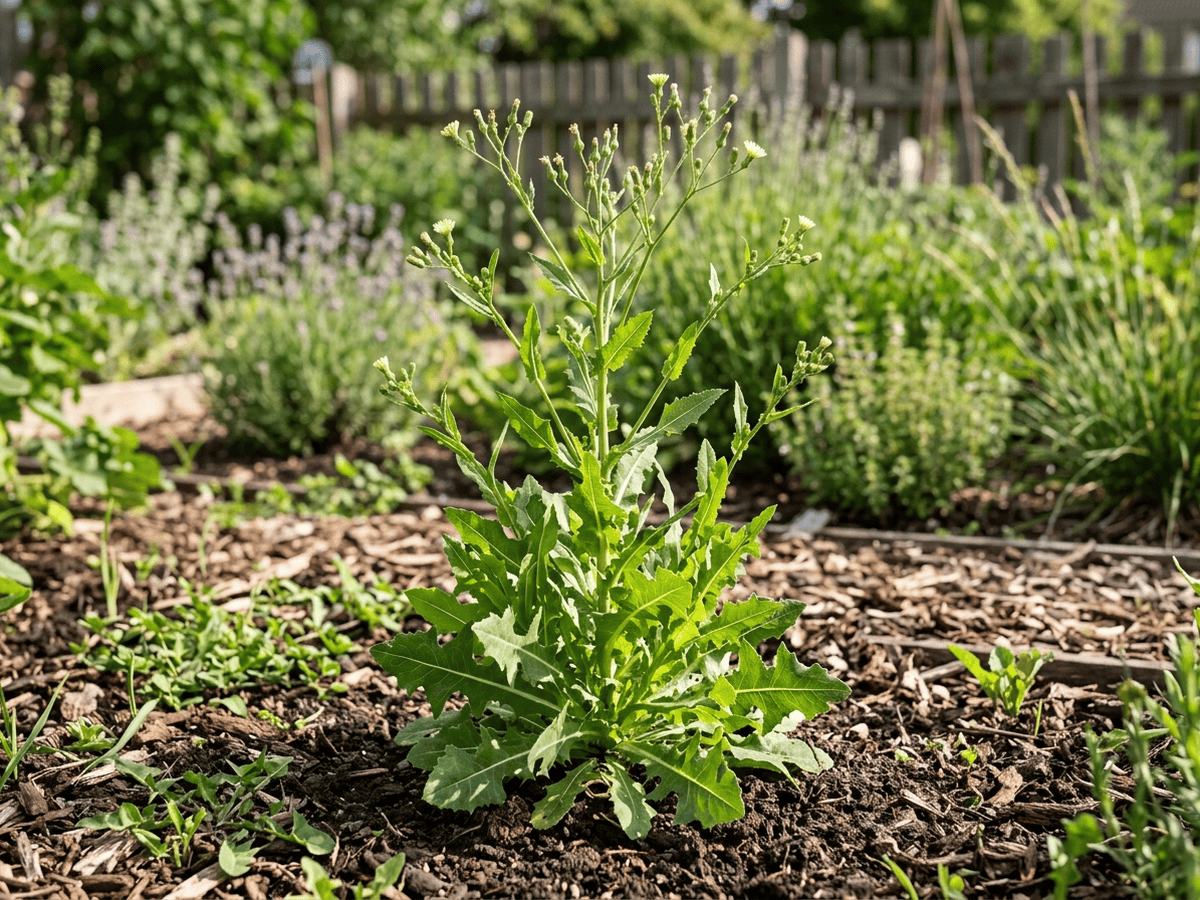 Pliant LettuceLactuca viminea
Frequently asked questions
How often should I water Crimson Clover?
Water about every 10 days during the growing season, and always let excess water drain away.
How much light does Crimson Clover need?
Part sun: 4–6 hrs direct. Watch the leaves — scorching or stretching means the light needs adjusting.
Is Crimson Clover toxic to cats or dogs?
No toxicity has been reported for this plant. Still, it is wise to keep pets from chewing on any houseplant. Educational information, not medical or veterinary advice. If exposure is suspected, contact a doctor or veterinarian.
Is Crimson Clover easy to grow?
It is moderately demanding: a good choice once you have a little experience.
When does Crimson Clover bloom?
It typically blooms Apr–Jun in the Northern Hemisphere.
YardMate
Identify any plant in seconds
Snap a photo — YardMate names the plant, diagnoses problems, and reminds you when to water.
Download on the App Store