 YardMate

Lady Tulip
Tulipa clusiana
Easy · Beginner friendlyAbout Lady Tulip
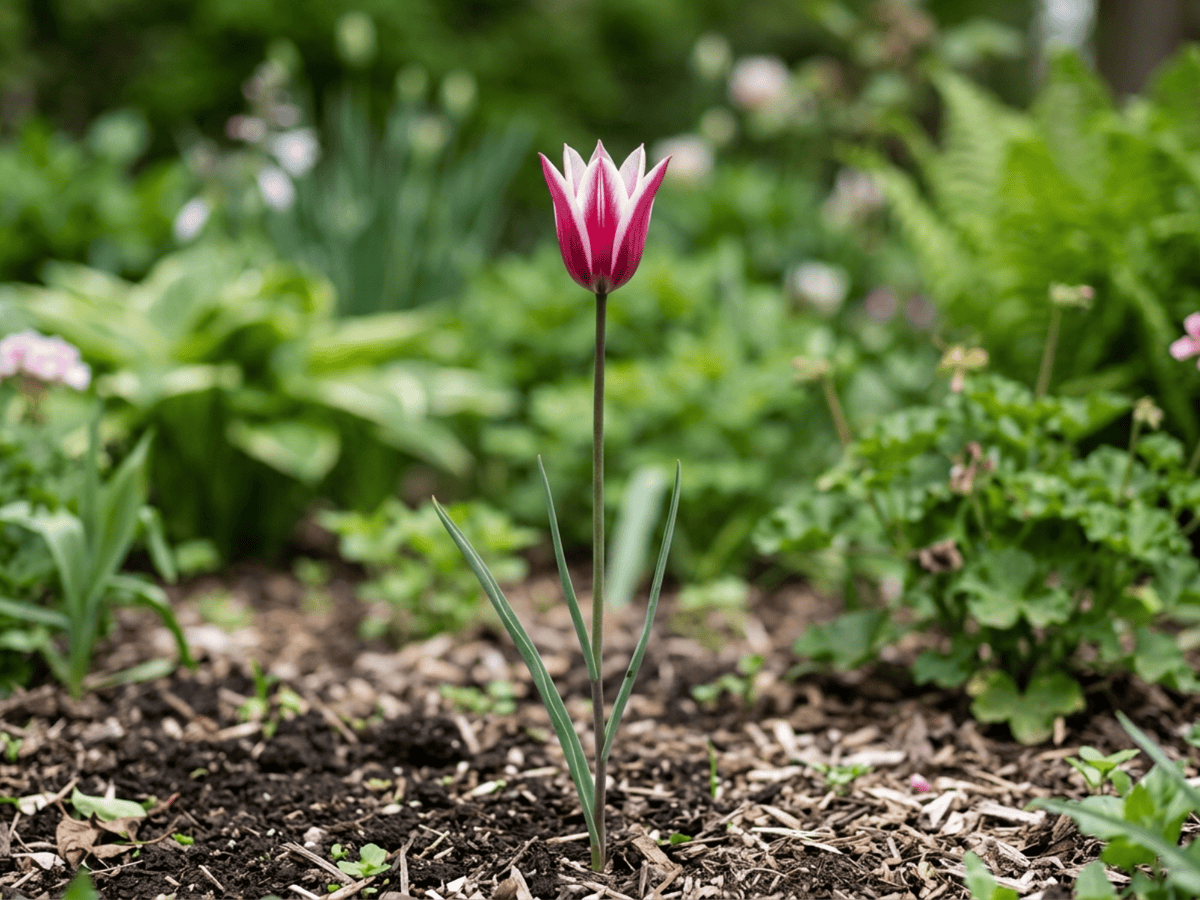
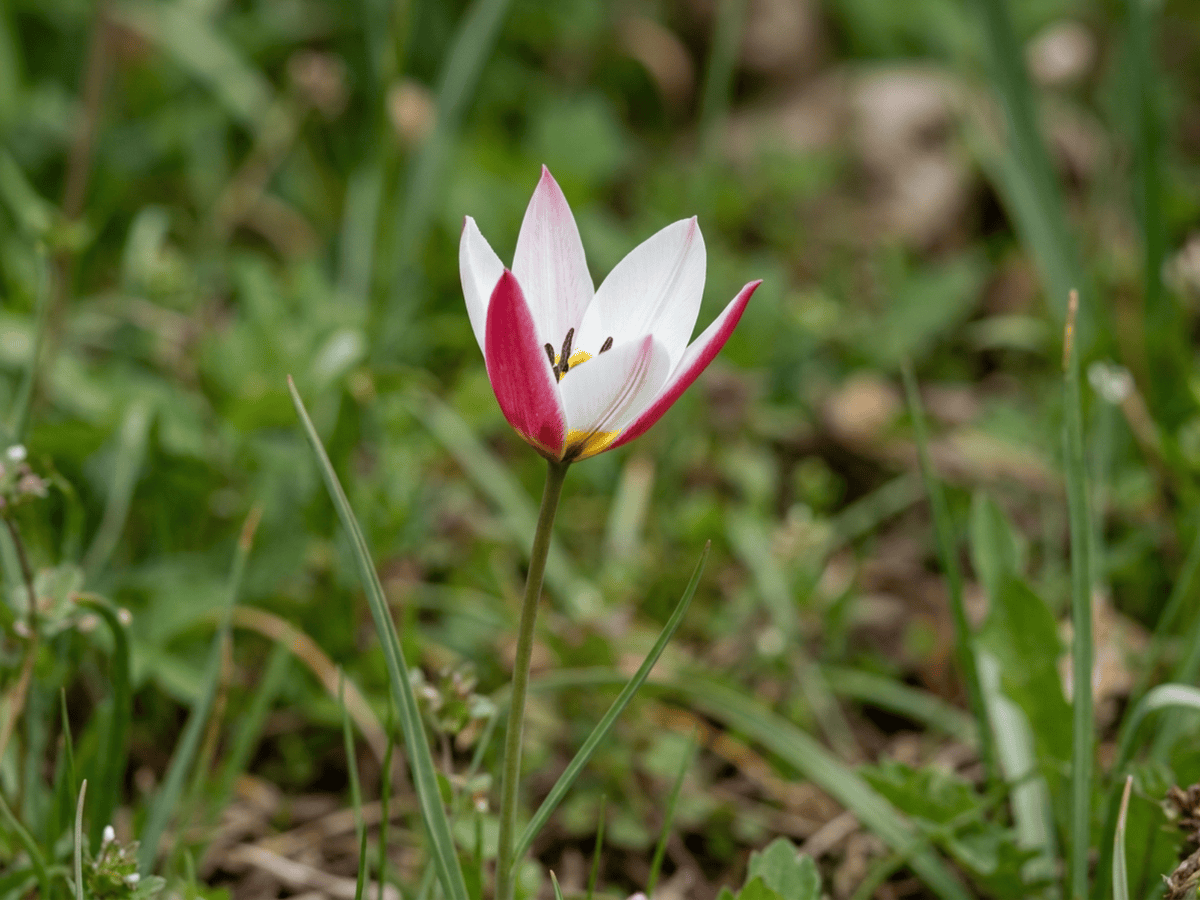
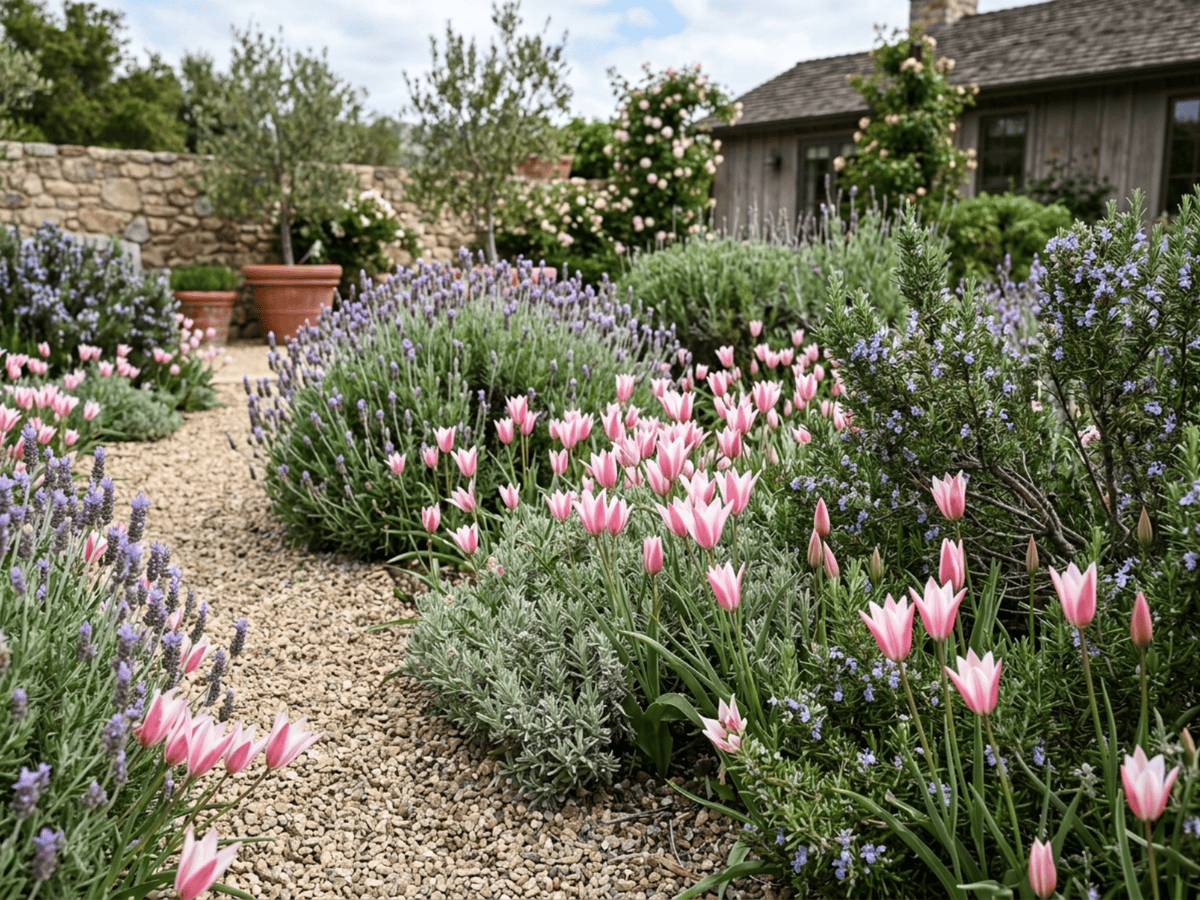
Lady Tulip is an elegant species tulip from Iran and Afghanistan with slender elongated flowers that are creamy white on the inside and dramatically striped crimson-red on the outside, resembling peppermint candies. Growing 8-12 inches tall on slender stems, it naturalizes well in warm-winter American regions (USDA 5-9) where many garden tulips fail, making it a favorite for Southern and Southwestern gardens.
- Drought-tolerant
- Heat-tolerant
How to care for Lady Tulip
Watering
- Springevery 7 days
- Summerpause watering
- Fallevery 14 days
- Winterpause watering
Soil · Well-draining
- Main mixLoam + coarse sand 3:175%
- DrainageGravel25%
Sharp drainage matters most — bulbs rot in wet soil while dormant.
FERTILIZER
Bulb Feed 3-5-3
With bulbs, when matters more than what. One dose goes in the hole at planting, the second when shoots break ground.
- Nitrogen · Leaves
- Phosphorus · Roots + Blooms
- Potassium · Strength
- Springevery 30 days
- Fallevery 60 days
At a Glance
- NativeWestern Asia
- Height0.5–1 ft (0.2–0.3 m)
- Spread0.5 ft (0.2 m)
- Flower colorWhite, Pink, Red, Yellow
- Foliage colorGreen
- SoilSandy, Well-drained
- LocationsYard
Bloom time
BLOOM CYCLE
Peak bloom
Apr–May
Red-and-white striped flowers April to May
Fragrance
LIGHT FRAGRANCE
The flowers have a mild scent.
Toxicity
Humans Moderate · Pets Moderate
tulipalin A and tulipalin B
Moderate
- Bulb
- Contact
- Ingestion
EXPOSURE Touching bulbs. Eating bulbs.
EFFECT Dermatitis and gI upset.
NOTE Documented concern for humans: Dermatitis and gI upset.
Moderate
- Bulb
- Ingestion
EXPOSURE Eating bulbs.
EFFECT Vomiting, diarrhea, and depression.
NOTE ASPCA lists all tulips as toxic.
Moderate
- Bulb
- Ingestion
EXPOSURE Eating bulbs.
EFFECT Vomiting, diarrhea, and depression.
NOTE ASPCA lists all tulips as toxic.
Educational information, not medical or veterinary advice. If exposure is suspected, contact a doctor or veterinarian.
DISTRIBUTION


- Native
- Introduced
- Western Asia
History
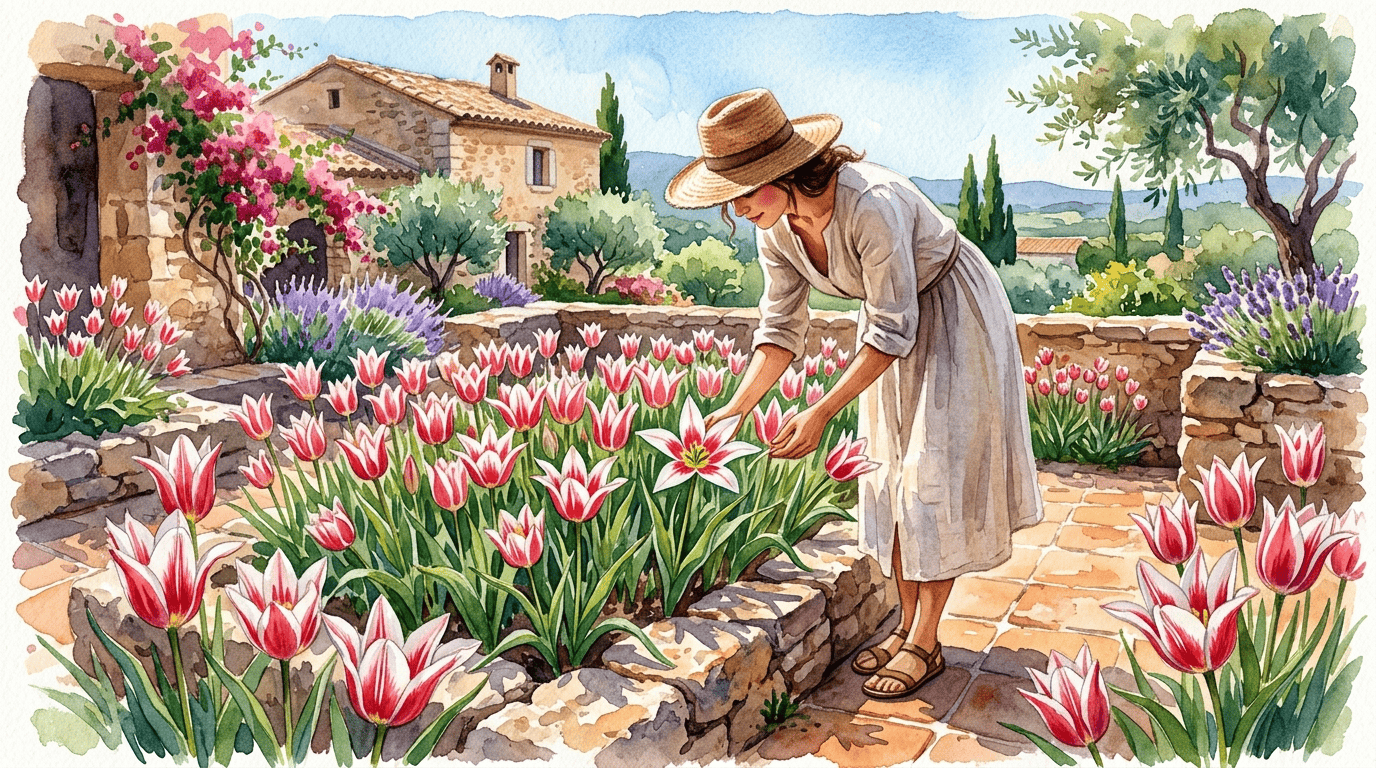
Tulipa clusiana is native to dry rocky slopes of Iran, Afghanistan, Pakistan, and Kashmir. Augustin Pyramus de Candolle formally described it in 1803, naming it for Flemish botanist Carolus Clusius (Charles de l'Écluse, 1526-1609), the figure most responsible for introducing tulips to 16th-century Europe and founding the Leiden botanical garden. The species naturalized historically across Mediterranean Europe through early trade and became a traditional component of Italian, Spanish, and Provençal gardens.
Unlike most tulips it tolerates warmer winters, making it valuable in US zones 8-9 where most tulips fail. Its slender white pointed flowers with red-pink external flames open wide in sun.
Cultivars 'Lady Jane' (pink), 'Cynthia' (yellow and red), and var. Uniquely suited to milder American zones because it does not require deep winter chill. Has naturalized extensively in parts of the American Southwest. chrysantha (all yellow) extended its horticultural range.
Symbolism & meaning
What It Symbolizes
The Lady Tulip is a study in grace, its slender, candy-striped flower form refined and almost calligraphic compared to the heavy chalices of garden tulips. Its heritage links it directly to Carolus Clusius, the 16th-century botanist often called the father of tulip cultivation. To grow it is to keep a small piece of horticulture's founding history blooming in a delicate, pointed flame of pink and white.
- Grace — elegant slender flower form
- Heritage — named for the father of tulip cultivation
Where the Name Comes From
'Clusiana' honors Carolus Clusius (1526–1609), pioneer of European tulip horticulture.
Uses & Fun Facts
- Peppermint-striped blooms naturalize in warm-winter Southern gardens
- Slender species tulip excellent for forced spring pots
Related plants
More Tulipa plants
 Queen of Night TulipTulipa 'Queen of Night'
 Garden TulipTulipa gesneriana
 Greig's TulipTulipa greigii
 Waterlily TulipTulipa kaufmanniana
Plants with similar care
 Chinese AbeliaAbelia chinensis
 Fragrant AbeliaAbelia mosanensis
 Large-Flowered AbeliaAbelia uniflora
 Glossy AbeliaAbelia x grandiflora
Frequently asked questions
How often should I water Lady Tulip?
Water about every 7 days during the growing season, and always let excess water drain away.
How much light does Lady Tulip need?
Full sun: 6+ hrs direct. Watch the leaves — scorching or stretching means the light needs adjusting.
Is Lady Tulip toxic to cats or dogs?
Pets Moderate (Dogs Moderate · Cats Moderate) Educational information, not medical or veterinary advice. If exposure is suspected, contact a doctor or veterinarian.
Is Lady Tulip easy to grow?
Yes — it is considered an easy, beginner-friendly plant.
When does Lady Tulip bloom?
It typically blooms Apr–May in the Northern Hemisphere.
YardMate
Identify any plant in seconds
Snap a photo — YardMate names the plant, diagnoses problems, and reminds you when to water.
Download on the App Store