 YardMate



Creeping Speedwell
Veronica umbrosa
Easy · Beginner friendlyAbout Creeping Speedwell
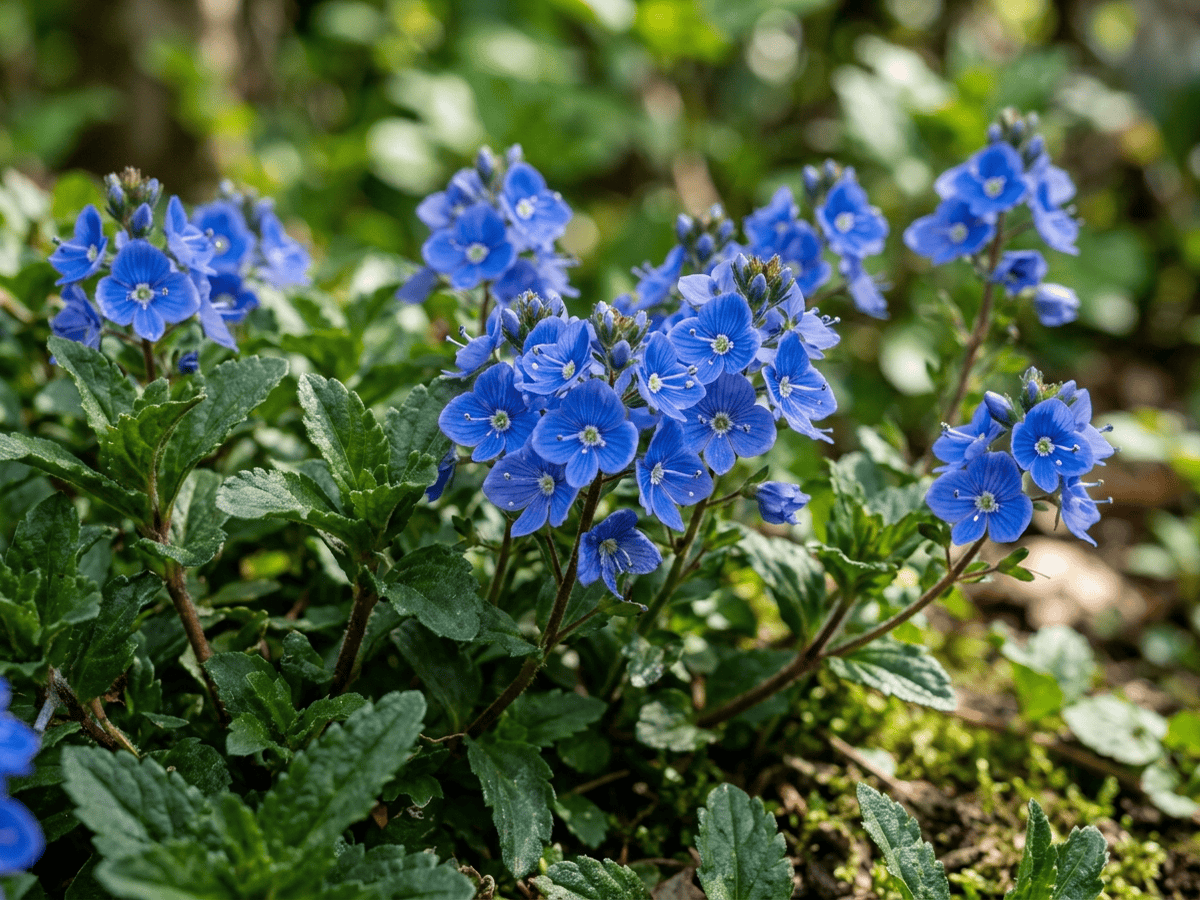
Georgia Blue Speedwell is a tough low groundcover reaching 4-6 inches tall with small dark green leaves that turn burgundy in fall, covered in spring with electric blue flowers. Discovered in the Republic of Georgia and widely sold as 'Georgia Blue', it has become a beloved US garden groundcover for its reliable spring color, evergreen winter presence, and pollinator value. Excellent for rock gardens and as a lawn edge accent.
- Groundcover
- Evergreen
- Fall-color
- Pollinator-friendly
How to care for Creeping Speedwell
Watering
- Springevery 10 days
- Summerevery 14 days
- Fallevery 14 days
- Winterevery 30 days
Soil · Well-draining
- Top dressingPine bark mulch10%
- Main mixPotting soil + perlite 2:170%
- DrainageLECA / gravel20%
Never skip the drainage layer — standing water is the top cause of root rot.
FERTILIZER
Balanced Feed 14-14-14
An even feed covers all three needs at once, keeping leaves, roots and blooms moving together with nothing pushed out of balance.
- Nitrogen · Leaves
- Phosphorus · Roots + Blooms
- Potassium · Strength
- Springevery 45 days
At a Glance
- NativeWestern Asia
- Height0.3–0.5 ft (0.1–0.2 m)
- Spread1–2 ft (0.3–0.6 m)
- Flower colorBlue
- Foliage colorDark-green, Red
- SoilLoamy, Well-drained
- LocationsYard
Bloom time
BLOOM CYCLE
Peak bloom
Mar–May
Electric blue flowers March to May
Toxicity
No toxicity has been reported for this plant. Still, it is wise to keep pets from chewing on any houseplant.
Educational information, not medical or veterinary advice. If exposure is suspected, contact a doctor or veterinarian.
DISTRIBUTION


- Native
- Introduced
- Western Asia
History

Veronica umbrosa is a low-growing perennial speedwell in the plantain family (Plantaginaceae) native to the Caucasus Mountains from Turkey through Georgia to Azerbaijan. German-Russian botanist Friedrich August Marschall von Bieberstein described the species in 1808 in his Flora Taurico-Caucasica. The species remained little-known in horticulture until British plantsman Roy Lancaster collected a superior selection in the Republic of Georgia in 1979, later introduced by Blooms of Bressingham as 'Georgia Blue' (also marketed as 'Oxford Blue').
This cultivar became one of the most popular groundcover veronicas, forming dense 10-15 cm mats of small dark green leaves that turn burgundy-purple in winter cold, covered in late winter through mid-spring by masses of intense gentian-blue saucer-shaped flowers with white eyes. The species spreads moderately by rooting stems and creates early-spring color at a time when few other groundcovers are flowering.
Hardy and drought-tolerant once established. Collected from the Caucasus Mountains of the Republic of Georgia by British plantsman Roy Lancaster in the 1970s.
Symbolism & meaning
What It Symbolizes
Creeping speedwell is trust in groundcover form — a reliable spring performer that returns each year with sheets of blue blooms exactly when promised, asking nothing in return. Its meaning of connection runs through history: carried from Caucasus mountain meadows into European gardens and on into American suburbs, it links continents in a single low blue mat. Few small perennials are so steadfast.
- Trust — reliable spring performer year after year
- Connection — carried from Caucasus meadows to American gardens
Where the Name Comes From
The name Creeping Speedwell describes its low, spreading habit. 'Umbrosa' means shade-loving, though it tolerates sun well.
Uses & Fun Facts
- Tiny blue flowers feed early-season bees and hoverflies
- Mat-forming Creeping Speedwell carpets edges and rock gardens
Related plants
More Veronica plants
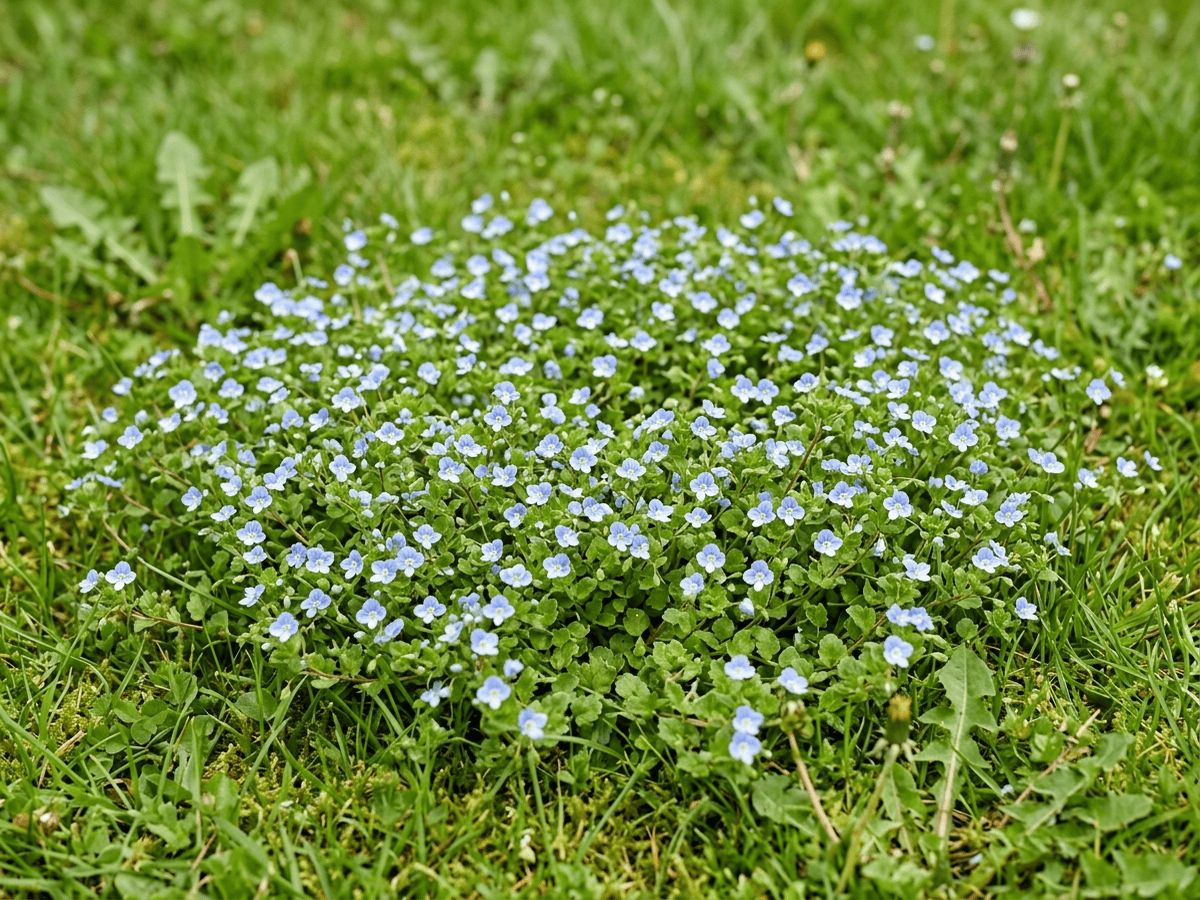 Slender SpeedwellVeronica filiformis
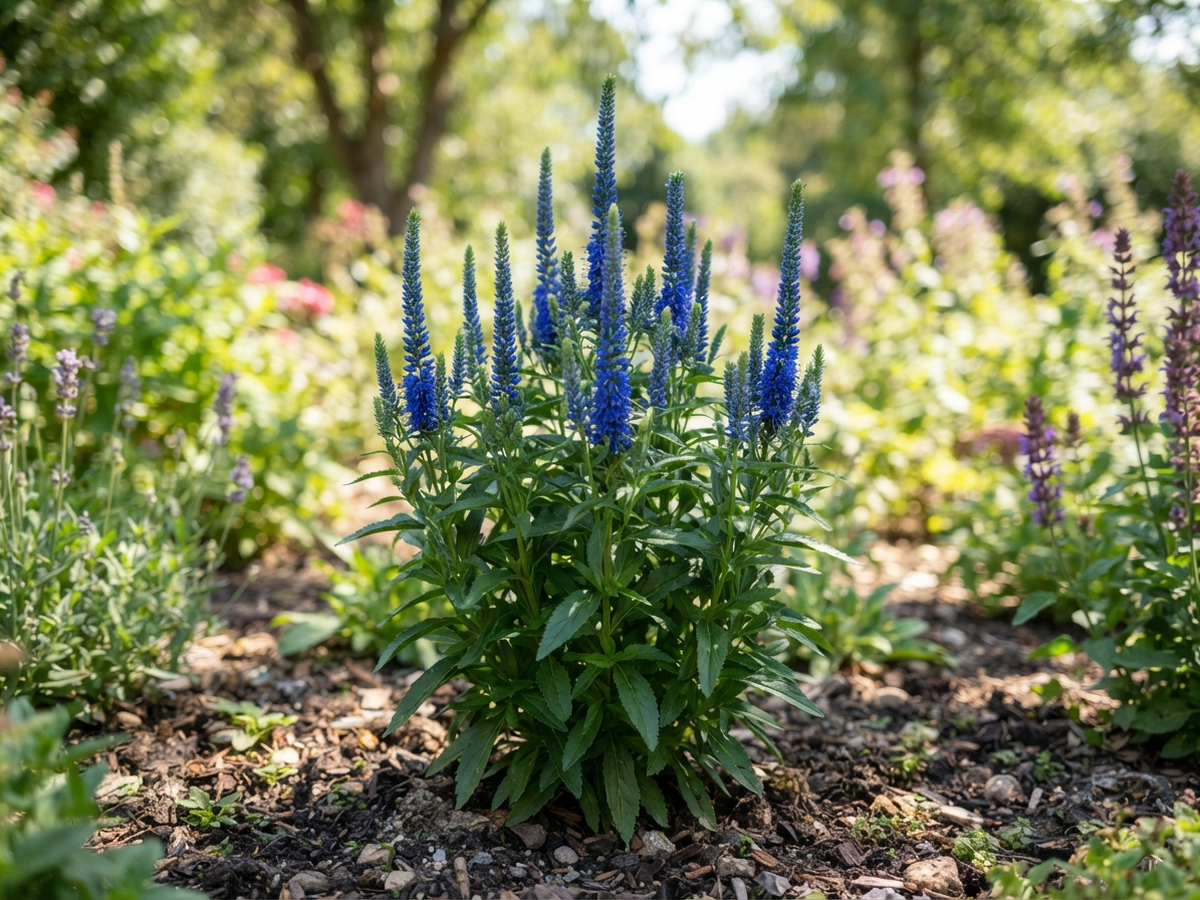 Longleaf SpeedwellVeronica longifolia
 Bird's-Eye SpeedwellVeronica persica
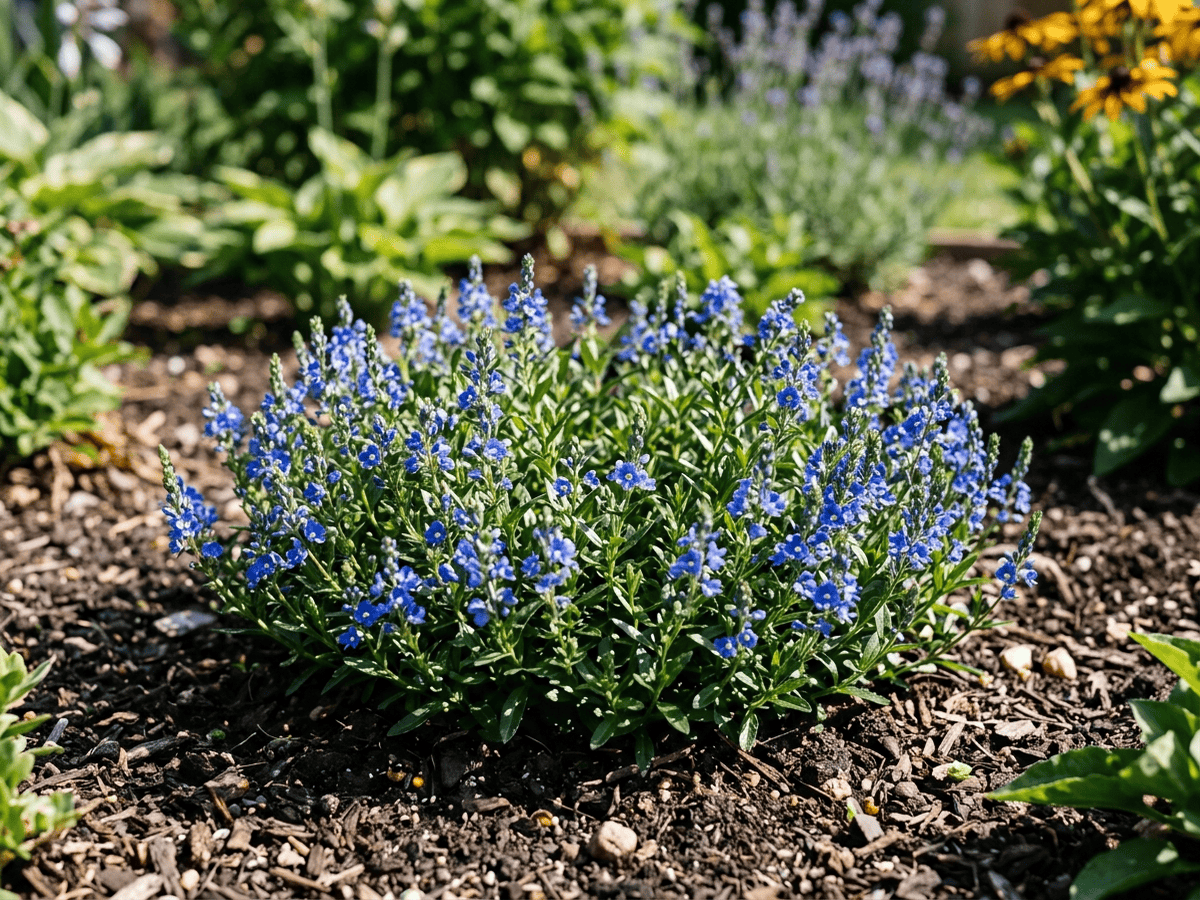 Prostrate SpeedwellVeronica prostrata
Plants with similar care
 Chinese AbeliaAbelia chinensis
 Fragrant AbeliaAbelia mosanensis
 Large-Flowered AbeliaAbelia uniflora
 Glossy AbeliaAbelia x grandiflora
Frequently asked questions
How often should I water Creeping Speedwell?
In summer, water about every 14 days; in winter, about every 30 days. Adjust for heat, pot size and drainage.
How much light does Creeping Speedwell need?
Full sun: 6+ hrs direct. Watch the leaves — scorching or stretching means the light needs adjusting.
Is Creeping Speedwell toxic to cats or dogs?
No toxicity has been reported for this plant. Still, it is wise to keep pets from chewing on any houseplant. Educational information, not medical or veterinary advice. If exposure is suspected, contact a doctor or veterinarian.
Is Creeping Speedwell easy to grow?
Yes — it is considered an easy, beginner-friendly plant.
When does Creeping Speedwell bloom?
It typically blooms Mar–May in the Northern Hemisphere.
YardMate
Identify any plant in seconds
Snap a photo — YardMate names the plant, diagnoses problems, and reminds you when to water.
Download on the App Store