 YardMate
Southern Arrowwood
Viburnum dentatum
Easy · Beginner friendlyAbout Southern Arrowwood
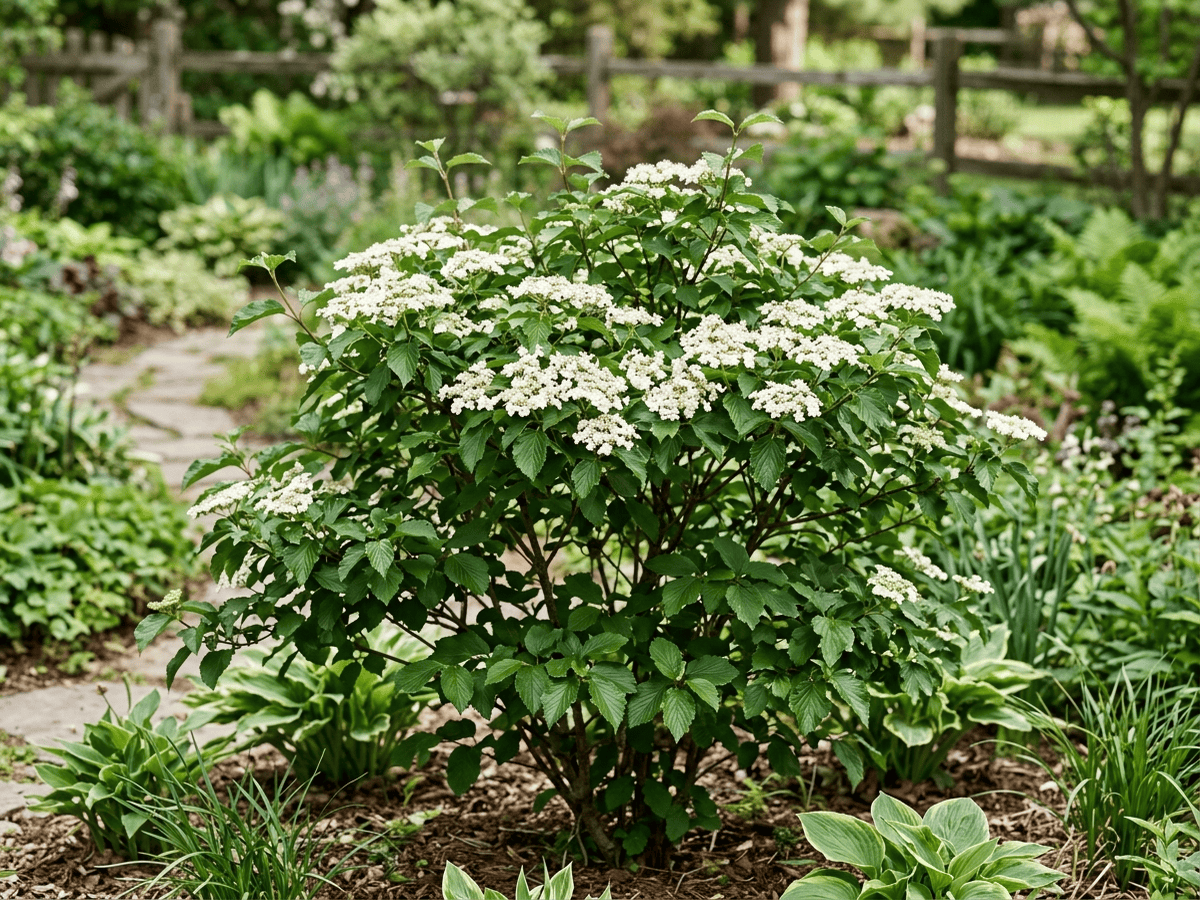
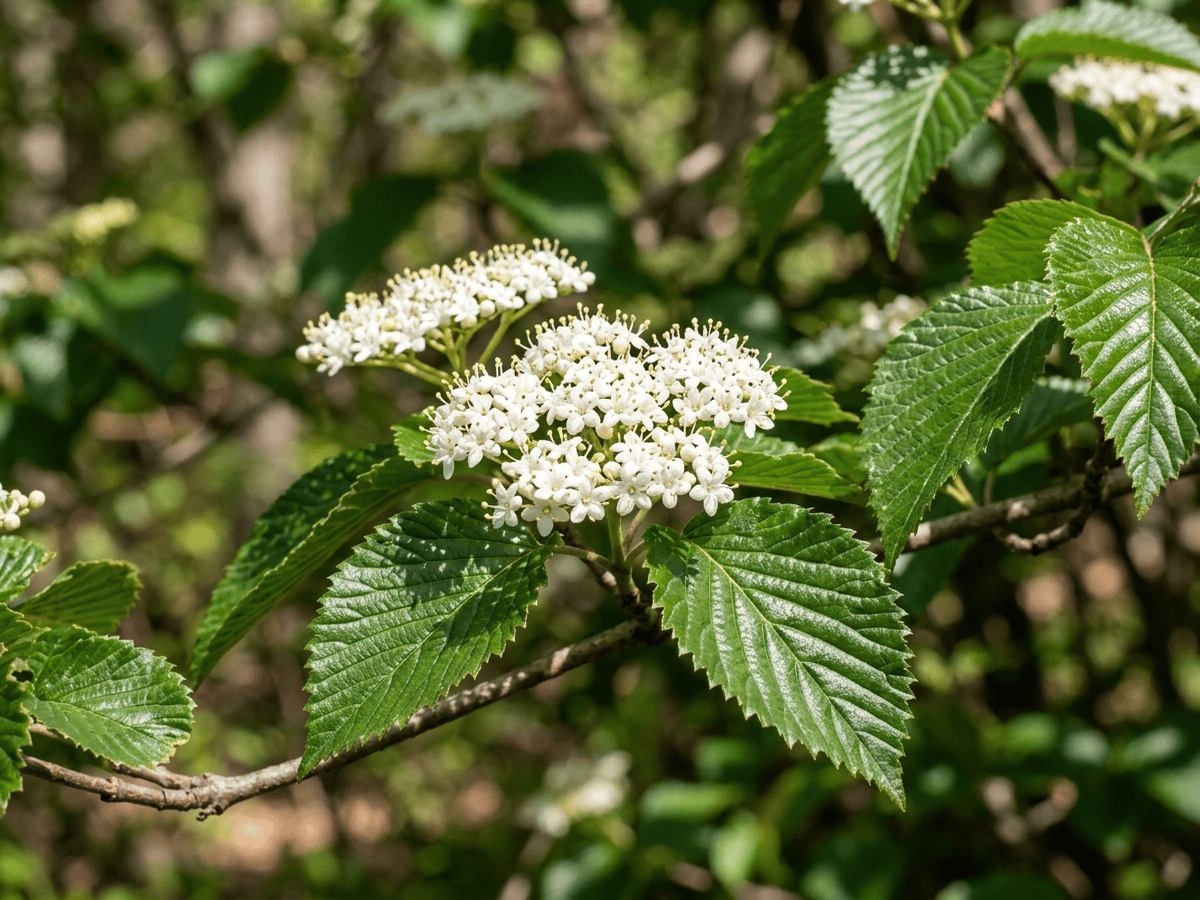
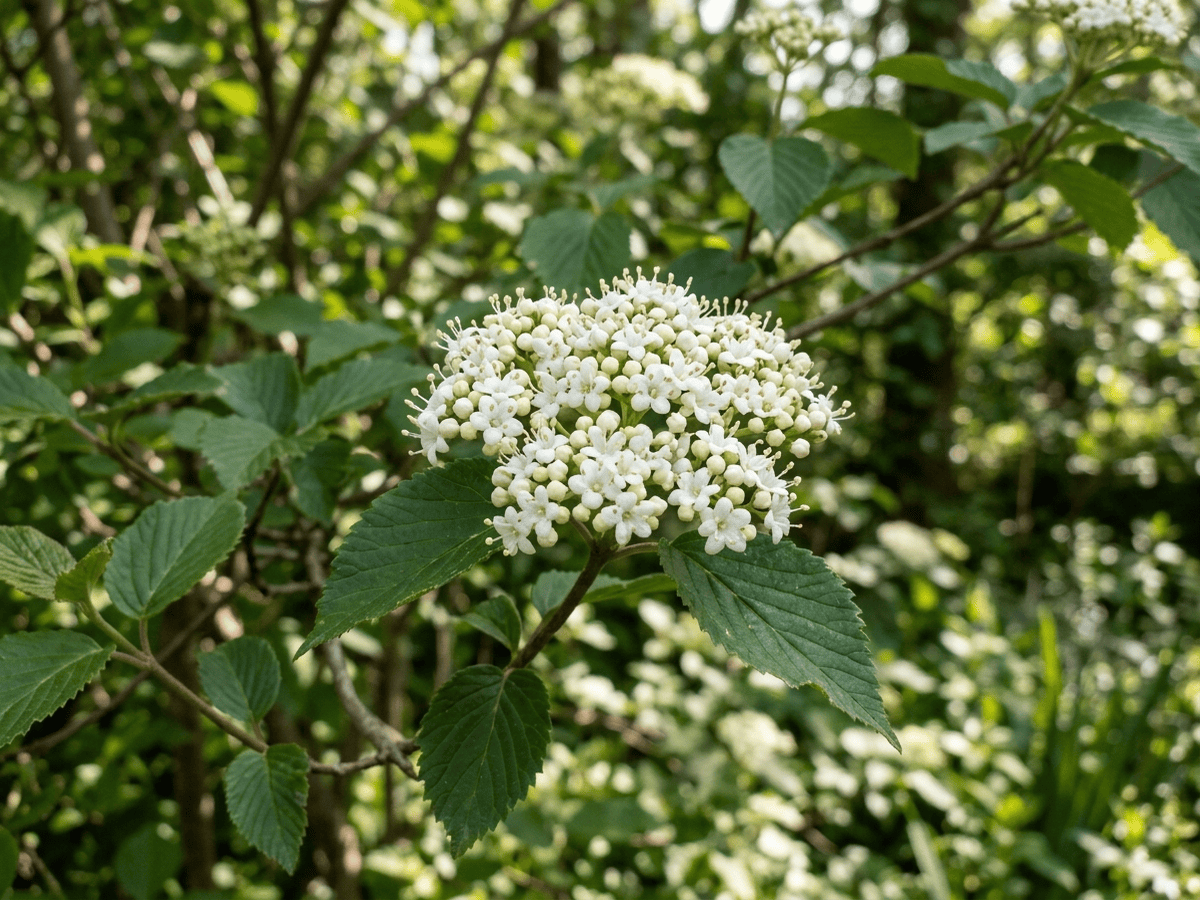
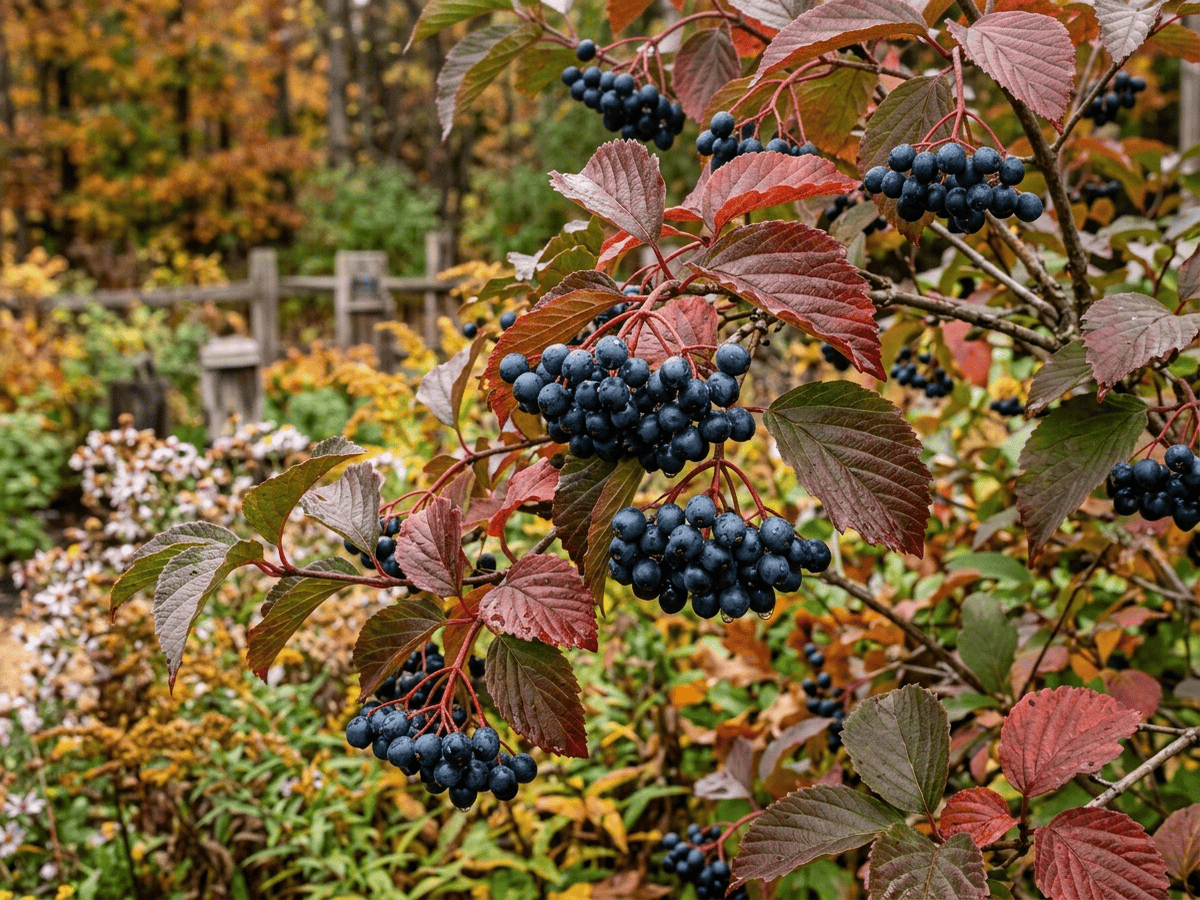
Arrowwood Viburnum is an eastern North American native deciduous shrub growing 6 to 10 feet tall, producing flat-topped creamy white flower clusters in late spring followed by blue-black berries favored by birds. Outstanding red-purple fall foliage and tolerance of diverse soils make it a top-tier native landscape shrub for American woodland edges, hedges, and wildlife plantings.
- Cold-hardy
- Fall-color
- Native
- Pollinator-friendly
How to care for Southern Arrowwood
Watering
- Springevery 5 days
- Summerevery 3 days
- Fallevery 7 days
- Winterevery 14 days
Soil · Rich & loamy
- Top dressingBark mulch15%
- Main mixRich loam + compost 3:170%
- DrainageGravel15%
Use fully finished compost — fresh compost burns roots.
FERTILIZER
Balanced Feed 14-14-14
An even feed covers all three needs at once, keeping leaves, roots and blooms moving together with nothing pushed out of balance.
- Nitrogen · Leaves
- Phosphorus · Roots + Blooms
- Potassium · Strength
- Springevery 45 days
- Summerevery 60 days
At a Glance
- NativeNorth America
- Height6–10 ft (1.8–3 m)
- Spread6–10 ft (1.8–3 m)
- Flower colorWhite
- Foliage colorGreen, Red, Yellow, Bronze
- Fruit colorBlue, Black
- SoilLoamy, Moisture-retentive, Neutral
- LocationsYard
Bloom time
BLOOM CYCLE
Peak bloom
Mar–May
Flat-topped creamy white clusters in late spring
Fragrance
LIGHT FRAGRANCE
Flowers very lightly sweet-scented; some describe as slightly musky.
Toxicity
No toxicity has been reported for this plant. Still, it is wise to keep pets from chewing on any houseplant.
Educational information, not medical or veterinary advice. If exposure is suspected, contact a doctor or veterinarian.
DISTRIBUTION


- Native
- North America
History

Viburnum dentatum inhabits moist woodlands, stream banks, and swamp edges from New Brunswick to Georgia and west to Texas. Linnaeus described it in Species Plantarum (1753); the epithet dentatum refers to the coarsely toothed leaves. Its common name reflects the straight, tough stems which the Iroquois, Cherokee, and other eastern peoples fashioned into arrow shafts.
It was cultivated in American gardens from the early 18th century and exported to England by Bartram. Twentieth-century plant breeders at Chicago Botanic Garden, including Gary Koller, selected improved forms; the 'Synnestvedt' ('Chicago Lustre') and Michael Dirr's 'Blue Muffin' (1996) introduced compact habits and heavier fruit set.
Its late-spring white flower clusters feed pollinators, and the blue-black berries support migrating birds, making it a cornerstone of native landscaping. Native across the eastern United States from Maine to Florida and west to Minnesota and Texas. 'Blue Muffin' and 'Chicago Lustre' are popular modern American cultivars for reliable fall color and heavy berry set.
Symbolism & meaning
What It Symbolizes
Southern Arrowwood expresses resilient heritage, a tough American native shrub that has colonized woodland edges and hedgerows across the eastern half of the continent. Its arrow strength is recorded in its common name, the straight even stems once selected by Native communities for the shafts of arrows. It is often read as a flower of utilitarian wildness, a viburnum whose meaning binds ecological persistence to the practical ingenuity of the people who once shaped its stems.
- Resilient heritage — tough American native shrub
- Arrow strength — straight stems used for Native arrow shafts
Where the Name Comes From
The name Southern Arrowwood points to the southern part of its range. 'Viburnum' is the classical Latin name used by Virgil; 'dentatum' from Latin means toothed, for serrated leaf margins.
Uses & Fun Facts
- Blue-black berries feed migrating birds in autumn
- Adaptable native shrub for hedgerows and woodland edges
- Flat-topped flowers attract specialist Andrena bees
- Red-purple fall foliage in eastern native borders
Related plants
More Viburnum plants
 Sweet ViburnumViburnum awabuki
 Korean Spice ViburnumViburnum carlesii
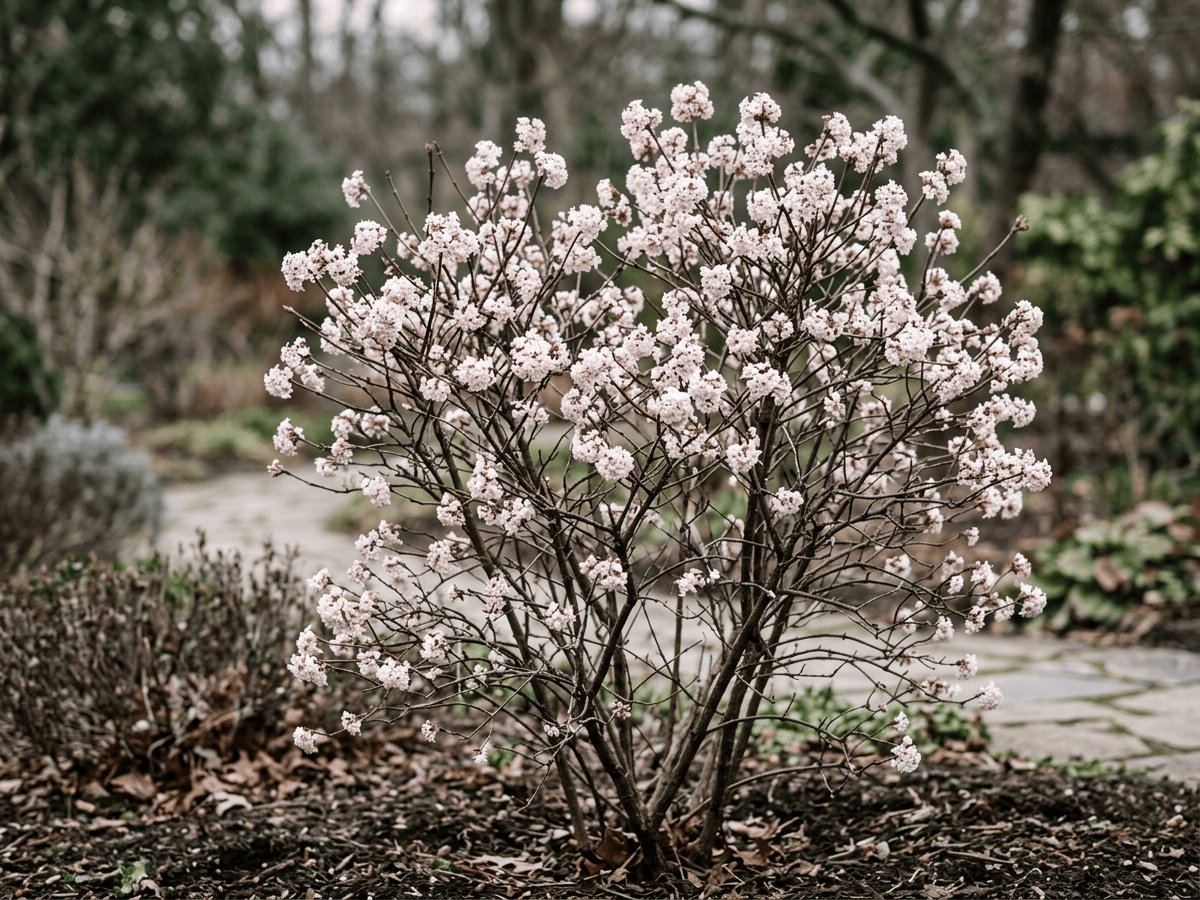 Fragrant ViburnumViburnum farreri
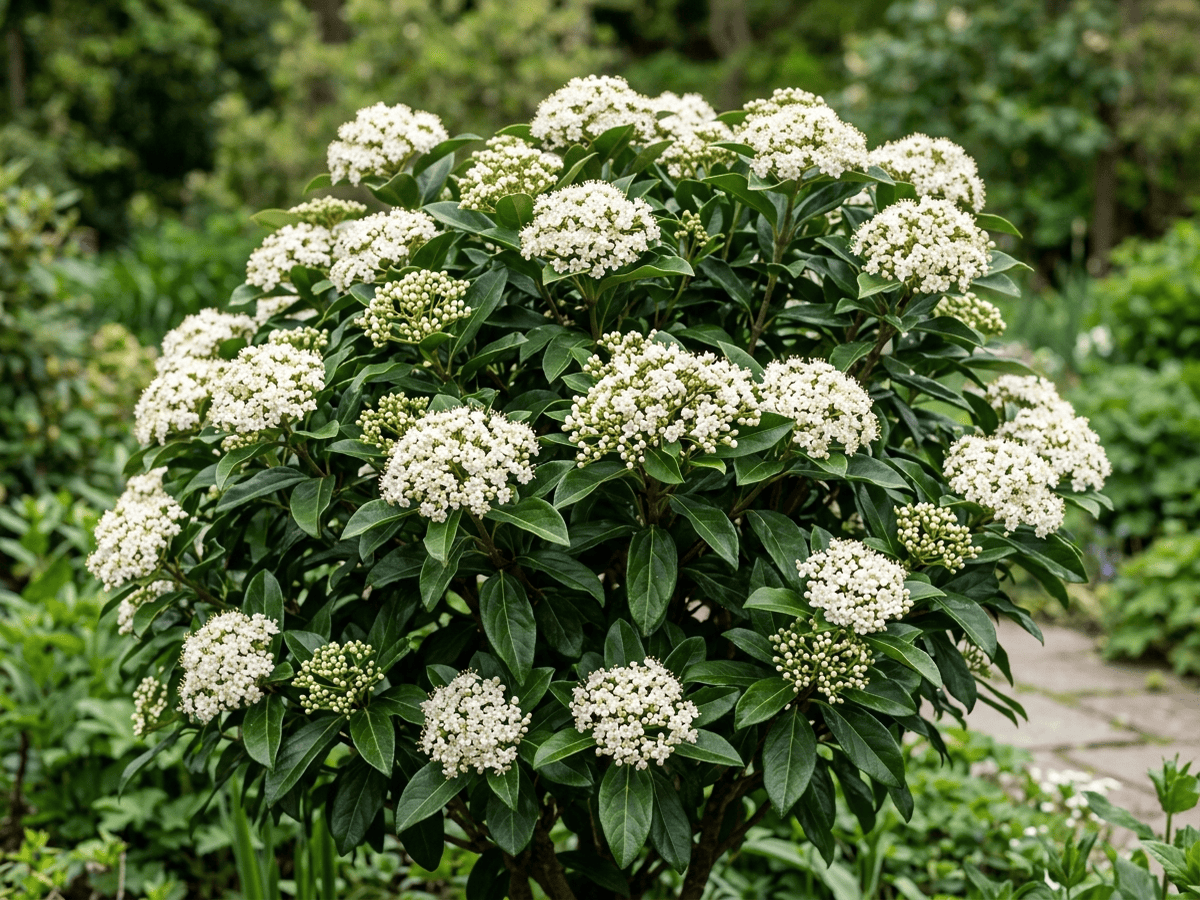 Japanese ViburnumViburnum japonicum
Plants with similar care
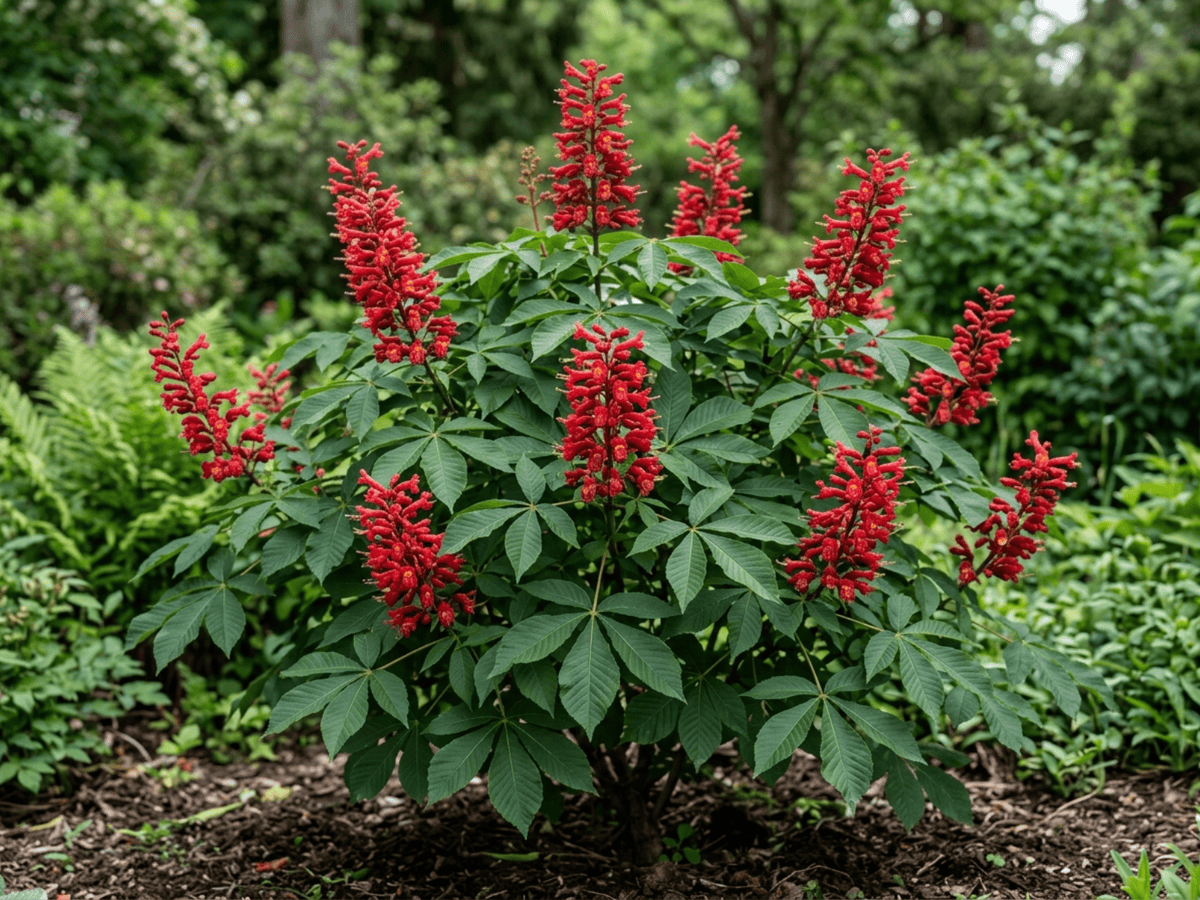 Red BuckeyeAesculus pavia
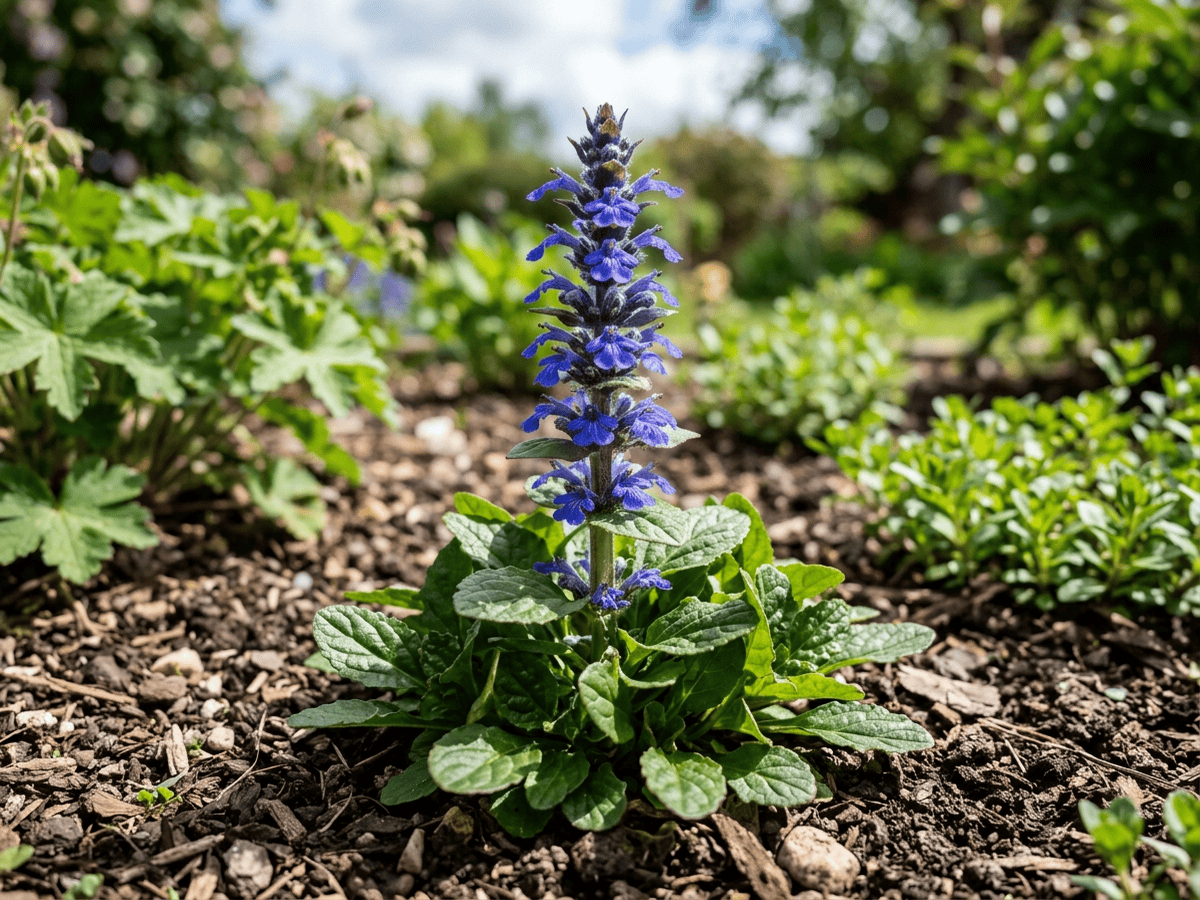 Blue BugleAjuga genevensis
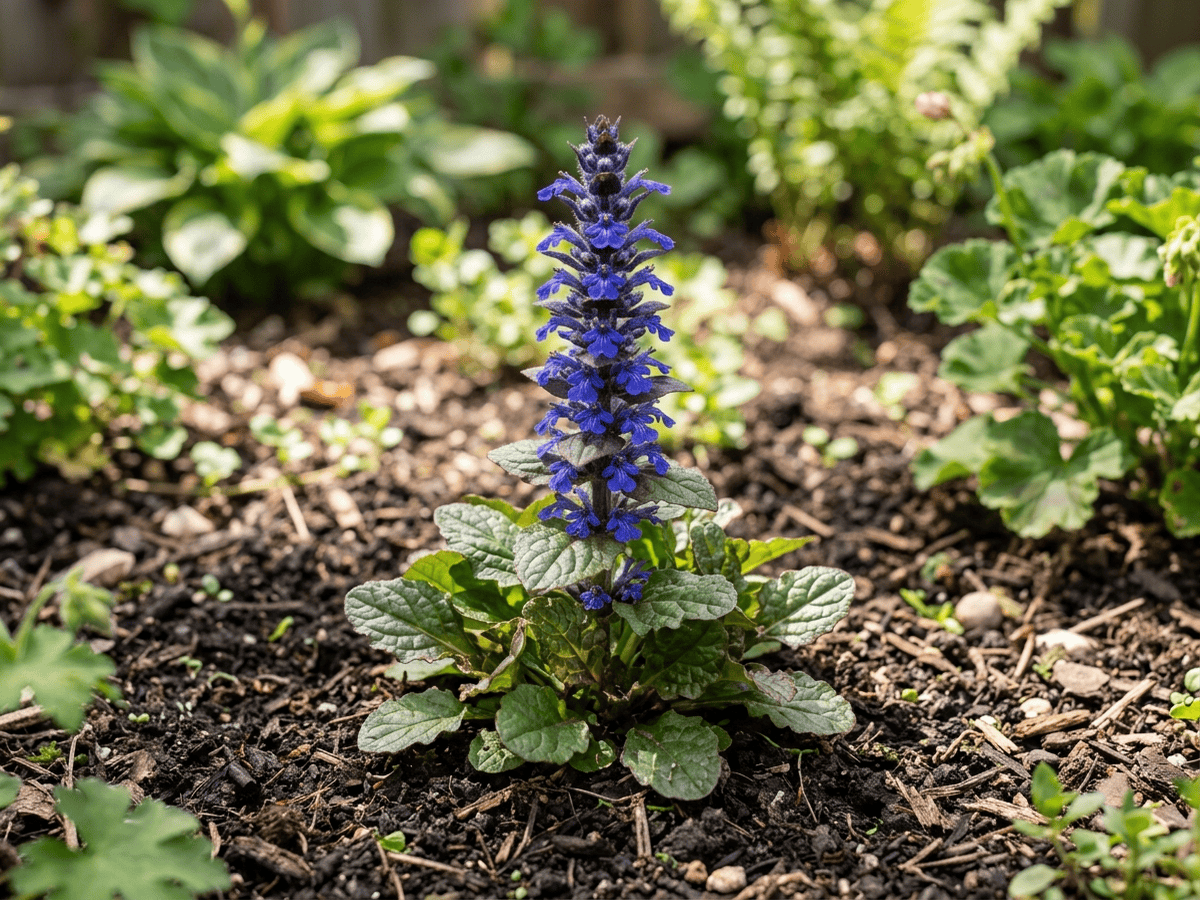 Pyramidal BugleAjuga pyramidalis
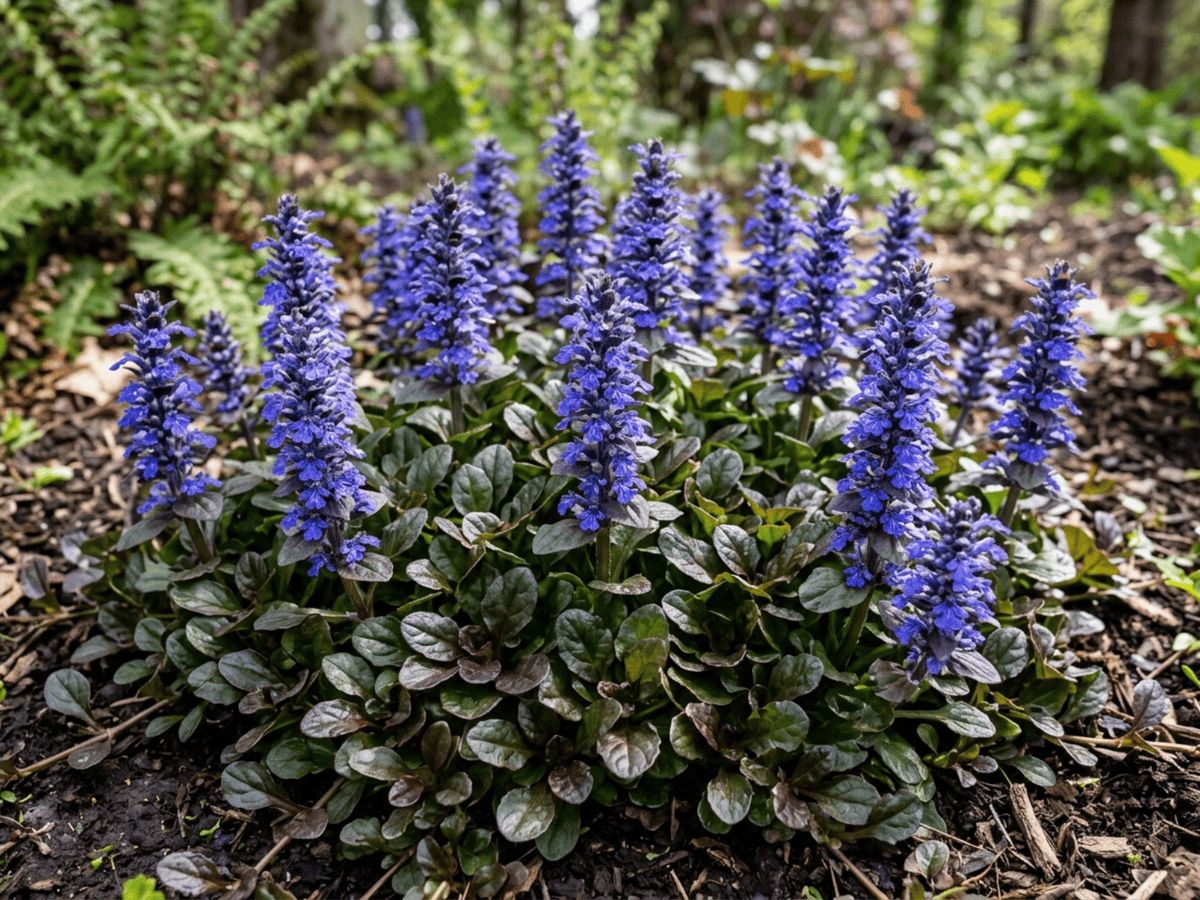 Carpet BugleAjuga reptans
Frequently asked questions
How often should I water Southern Arrowwood?
In summer, water about every 3 days; in winter, about every 14 days. Adjust for heat, pot size and drainage.
How much light does Southern Arrowwood need?
Part shade: 2–4 hrs direct. Watch the leaves — scorching or stretching means the light needs adjusting.
Is Southern Arrowwood toxic to cats or dogs?
No toxicity has been reported for this plant. Still, it is wise to keep pets from chewing on any houseplant. Educational information, not medical or veterinary advice. If exposure is suspected, contact a doctor or veterinarian.
Is Southern Arrowwood easy to grow?
Yes — it is considered an easy, beginner-friendly plant.
When does Southern Arrowwood bloom?
It typically blooms Mar–May in the Northern Hemisphere.
YardMate
Identify any plant in seconds
Snap a photo — YardMate names the plant, diagnoses problems, and reminds you when to water.
Download on the App Store