 YardMate

Japanese Viburnum
Viburnum japonicum
Easy · Beginner friendlyAbout Japanese Viburnum
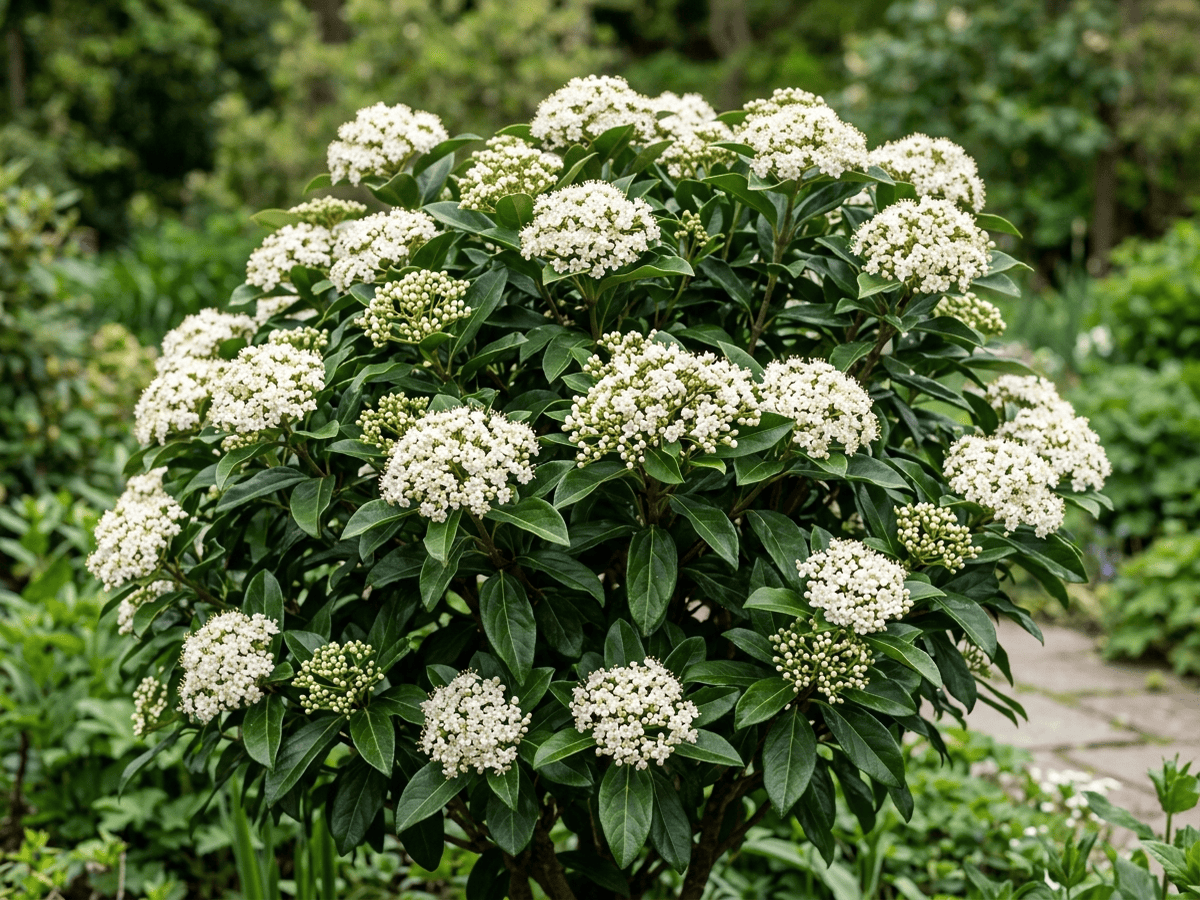
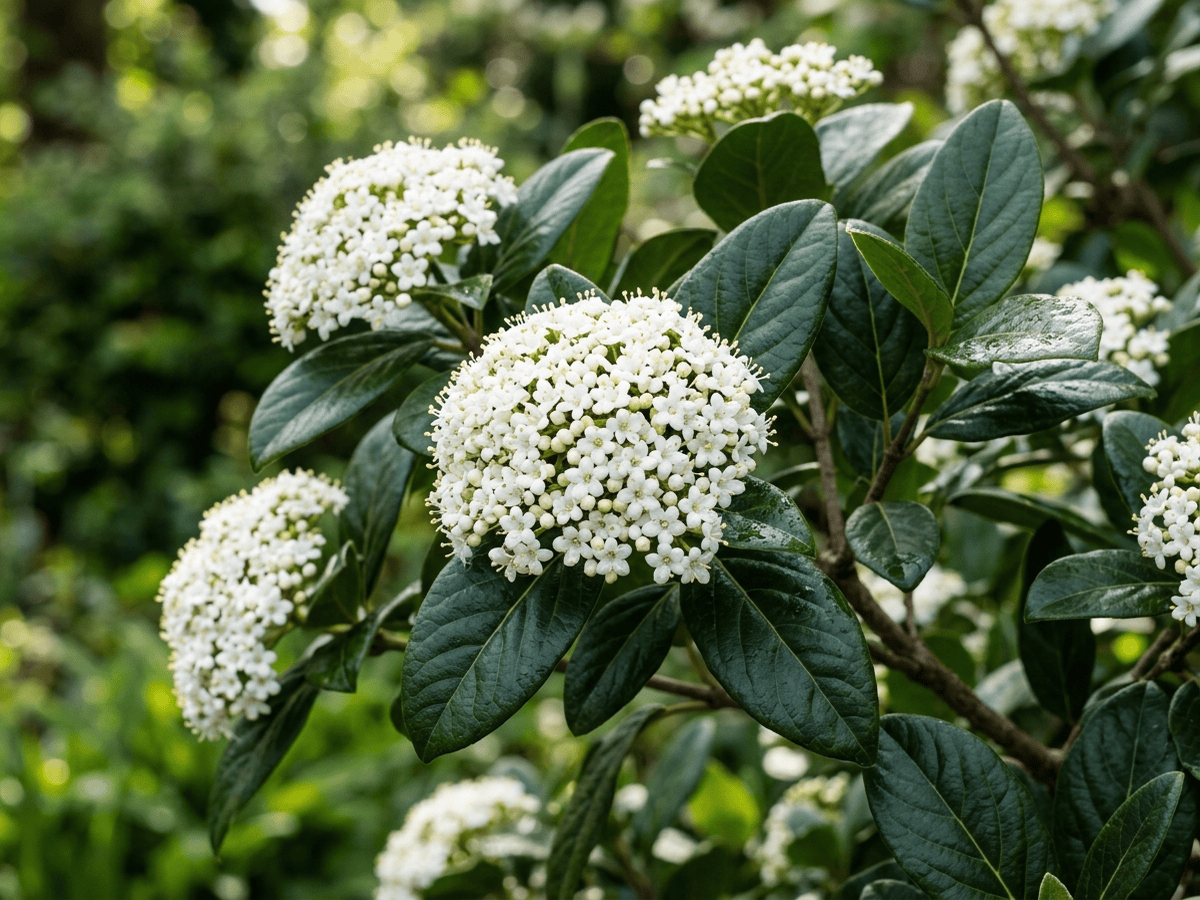
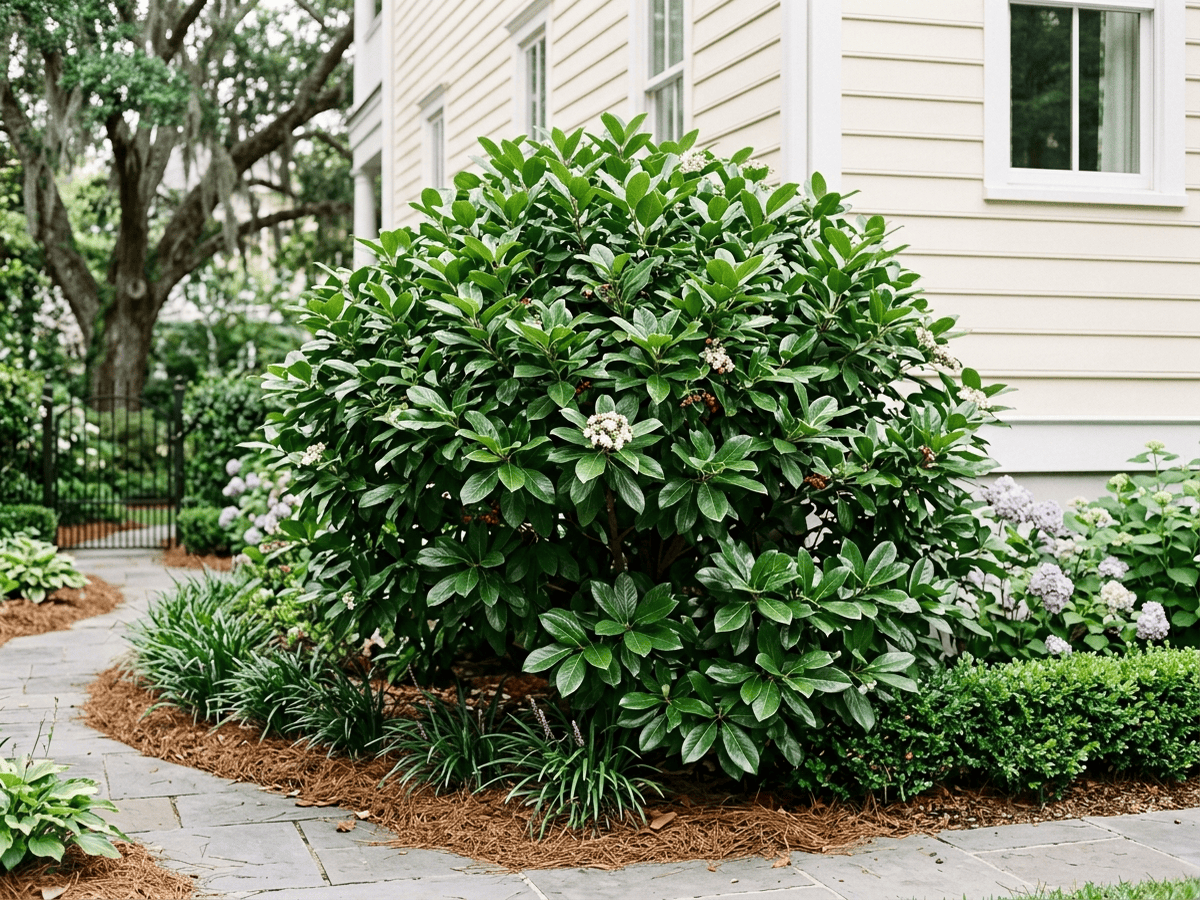
Japanese Viburnum is a dense broad-leaved evergreen shrub from Japan, growing 6-10 feet tall with large glossy dark green leathery leaves up to 6 inches long. Fragrant white flower clusters in spring are followed by red berries that ripen to black. Its bold tropical-looking foliage and dense growth habit make it an excellent screening plant for the American South and West Coast. More compact and manageable than many evergreen viburnums, with superior heat tolerance.
- Fragrant
- Heat-tolerant
- Evergreen
- Wildlife-friendly
How to care for Japanese Viburnum
Watering
- Springevery 7 days
- Summerevery 5 days
- Fallevery 10 days
- Winterevery 21 days
Soil · Rich & loamy
- Top dressingBark mulch15%
- Main mixRich loam + compost 3:170%
- DrainageGravel15%
Use fully finished compost — fresh compost burns roots.
FERTILIZER
Balanced Feed 14-14-14
An even feed covers all three needs at once, keeping leaves, roots and blooms moving together with nothing pushed out of balance.
- Nitrogen · Leaves
- Phosphorus · Roots + Blooms
- Potassium · Strength
- Springevery 30 days
At a Glance
- NativeEast Asia
- Height6–10 ft (1.8–3 m)
- Spread6–10 ft (1.8–3 m)
- Flower colorWhite
- Foliage colorDark-green, Green
- Fruit colorRed, Black
- SoilWell-drained, Loamy
- LocationsYard
Bloom time
BLOOM CYCLE
Peak bloom
Mar–Apr
Fragrant white flower clusters March to April
Fragrance
MODERATE FRAGRANCE
Sweet honey fragrance from flower clusters.
Toxicity
Humans Slight · Pets Slight
Unknown toxic principle
Slight
- Fruit
- Ingestion
EXPOSURE Eating fruit.
EFFECT Mild GI upset.
NOTE Documented concern for humans: Mild GI upset.
Slight
- Fruit
- Ingestion
EXPOSURE Eating fruit.
EFFECT Mild GI upset.
NOTE Not on ASPCA toxic list.
Slight
- Fruit
- Ingestion
EXPOSURE Eating fruit.
EFFECT Mild GI upset.
NOTE Not on ASPCA toxic list.
Educational information, not medical or veterinary advice. If exposure is suspected, contact a doctor or veterinarian.
DISTRIBUTION


- Native
- East Asia
History
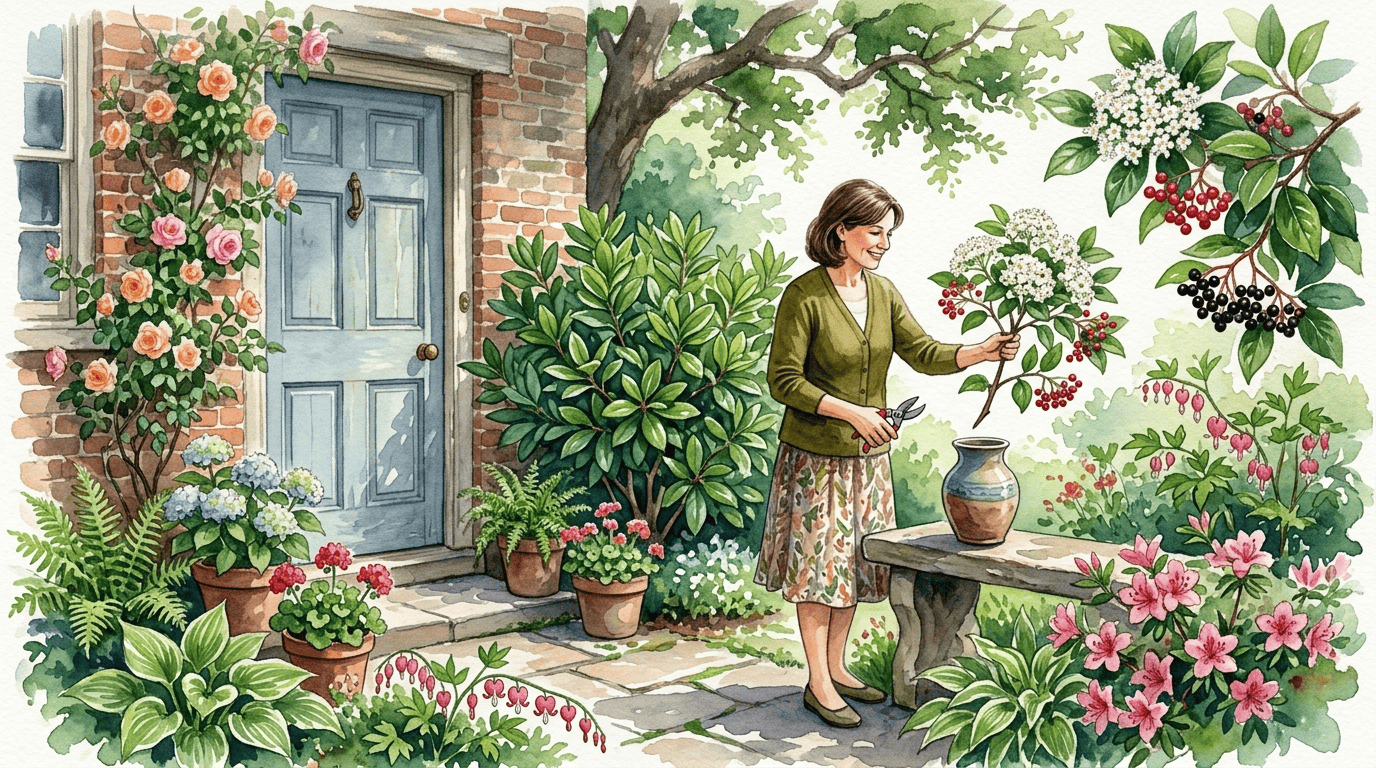
Viburnum japonicum is native to southern Japan and the southern Korean Peninsula. Sprengel published the name in 1825 from material originally collected by Thunberg. The shrub is more understated than showier viburnums, but its thick, leathery, glossy evergreen leaves give it an almost camellia-like presence.
In mid to late spring it produces domed clusters of small fragrant white flowers, followed by red berries that ripen to black and often persist into winter. Introduced to Western cultivation in the late 19th century, it remains underused, partly because it lacks one spectacular feature and instead offers four steady ones: structure, fragrance, fruit, and bold evergreen foliage. In the American South it has become a valued alternative to larger sweet viburnums, offering screening in a more compact, salt-tolerant, deer-resistant form.
Symbolism & meaning
What It Symbolizes
Japanese Viburnum stands for steadfastness, holding its broad leathery evergreen leaves through every season with quiet reliability. Strength shapes its bearing — bold foliage with an almost tropical vigor anchors borders and screens through cold winters and hot summers alike. Its meaning is the calm persistence of a shrub that does not need to flower constantly to be valuable; it simply remains, year after dependable year.
- Steadfastness — reliable evergreen structure through all seasons
- Strength — bold leathery foliage suggesting tropical vigor
Where the Name Comes From
'Japonicum' refers to its Japanese origin.
Uses & Fun Facts
- White flower clusters release sweet spring fragrance
- Red berries feed thrushes and other songbirds
- Glossy evergreen sheared into dense privacy hedges
Related plants
More Viburnum plants
 Sweet ViburnumViburnum awabuki
 Korean Spice ViburnumViburnum carlesii
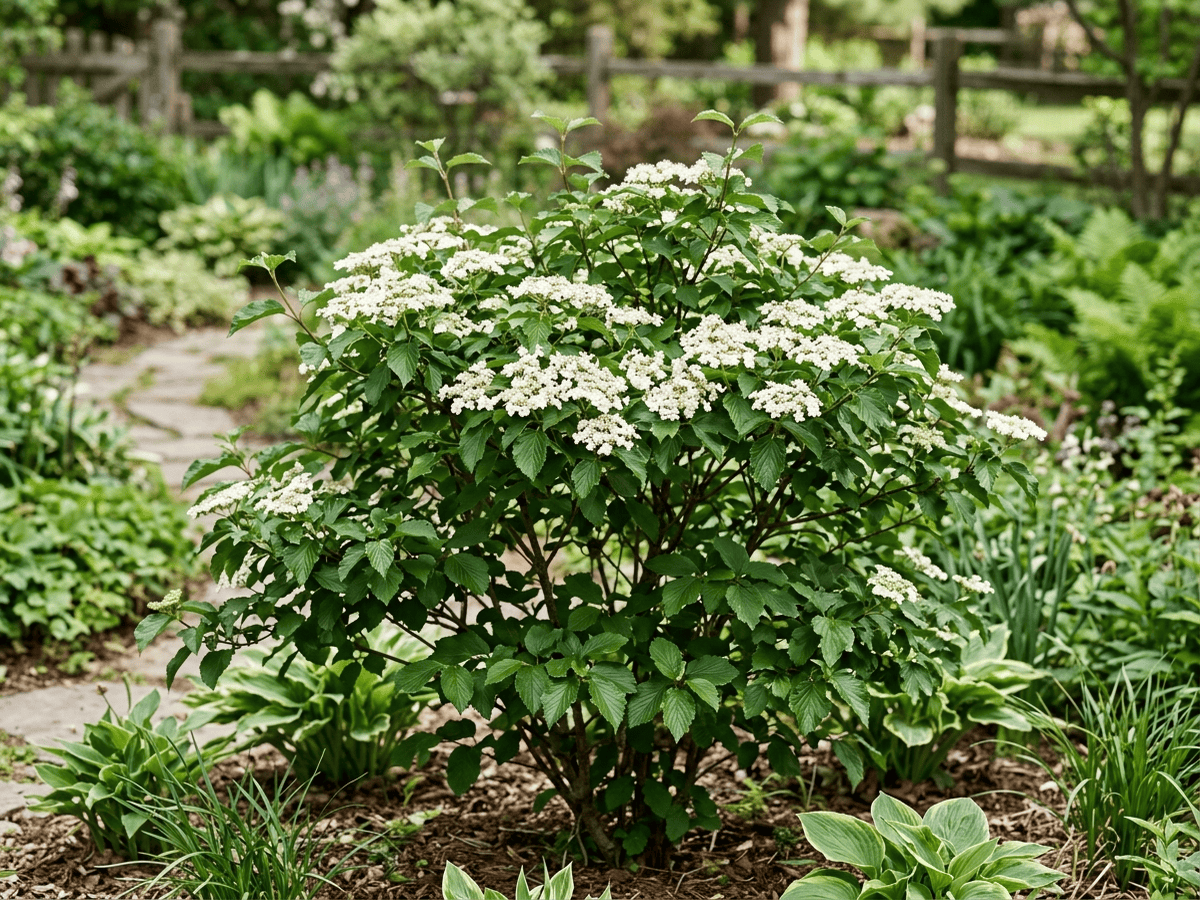 Southern ArrowwoodViburnum dentatum
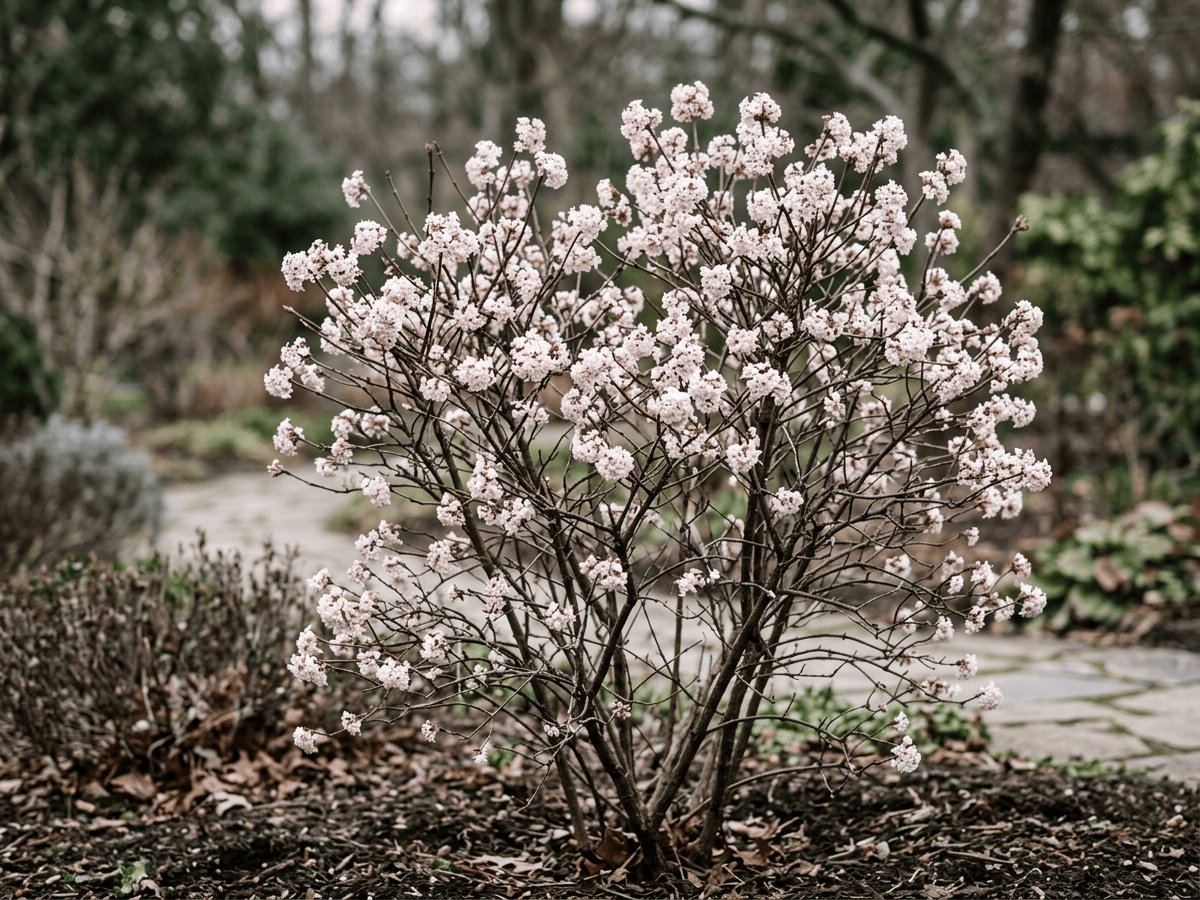 Fragrant ViburnumViburnum farreri
Plants with similar care
 Chinese AbeliaAbelia chinensis
 Fragrant AbeliaAbelia mosanensis
 Large-Flowered AbeliaAbelia uniflora
 Glossy AbeliaAbelia x grandiflora
Frequently asked questions
How often should I water Japanese Viburnum?
In summer, water about every 5 days; in winter, about every 21 days. Adjust for heat, pot size and drainage.
How much light does Japanese Viburnum need?
Full sun: 6+ hrs direct. Watch the leaves — scorching or stretching means the light needs adjusting.
Is Japanese Viburnum toxic to cats or dogs?
Pets Slight (Dogs Slight · Cats Slight) Educational information, not medical or veterinary advice. If exposure is suspected, contact a doctor or veterinarian.
Is Japanese Viburnum easy to grow?
Yes — it is considered an easy, beginner-friendly plant.
When does Japanese Viburnum bloom?
It typically blooms Mar–Apr in the Northern Hemisphere.
YardMate
Identify any plant in seconds
Snap a photo — YardMate names the plant, diagnoses problems, and reminds you when to water.
Download on the App Store