 YardMate


Southern Wild Raisin
Viburnum nudum
Easy · Beginner friendlyAbout Southern Wild Raisin
Possumhaw or Smooth Witherod is an eastern North American native deciduous shrub growing 5 to 12 feet tall, producing flat-topped creamy white flower clusters in early summer followed by spectacular berries that ripen through pink, red, blue, and deep purple on the same cluster. Glossy dark green leaves turn rich burgundy in fall. A signature multi-season native shrub for American wet and woodland gardens.
- Fall-color
- Native
- Wildlife-friendly
How to care for Southern Wild Raisin
Watering
- Springevery 3 days
- Summerevery 2 days
- Fallevery 5 days
- Winterevery 10 days
Soil · Rich & loamy
- Top dressingBark mulch15%
- Main mixRich loam + compost 3:170%
- DrainageGravel15%
Use fully finished compost — fresh compost burns roots.
FERTILIZER
Balanced Feed 14-14-14
An even feed covers all three needs at once, keeping leaves, roots and blooms moving together with nothing pushed out of balance.
- Nitrogen · Leaves
- Phosphorus · Roots + Blooms
- Potassium · Strength
- Springevery 45 days
- Summerevery 60 days
At a Glance
- NativeNorth America
- Height5–12 ft (1.5–3.7 m)
- Spread5–12 ft (1.5–3.7 m)
- Flower colorWhite, Cream
- Foliage colorGreen, Red, Purple
- Fruit colorPink, Red, Blue, Purple
- SoilLoamy, Acidic, Moisture-retentive
- LocationsYard
Bloom time
BLOOM CYCLE
Peak bloom
May–Jun
Flat-topped creamy clusters in early summer
Fragrance
LIGHT FRAGRANCE
The flowers have a very lightly scented scent.
Toxicity
No toxicity has been reported for this plant. Still, it is wise to keep pets from chewing on any houseplant.
Educational information, not medical or veterinary advice. If exposure is suspected, contact a doctor or veterinarian.
DISTRIBUTION


- Native
- North America
History
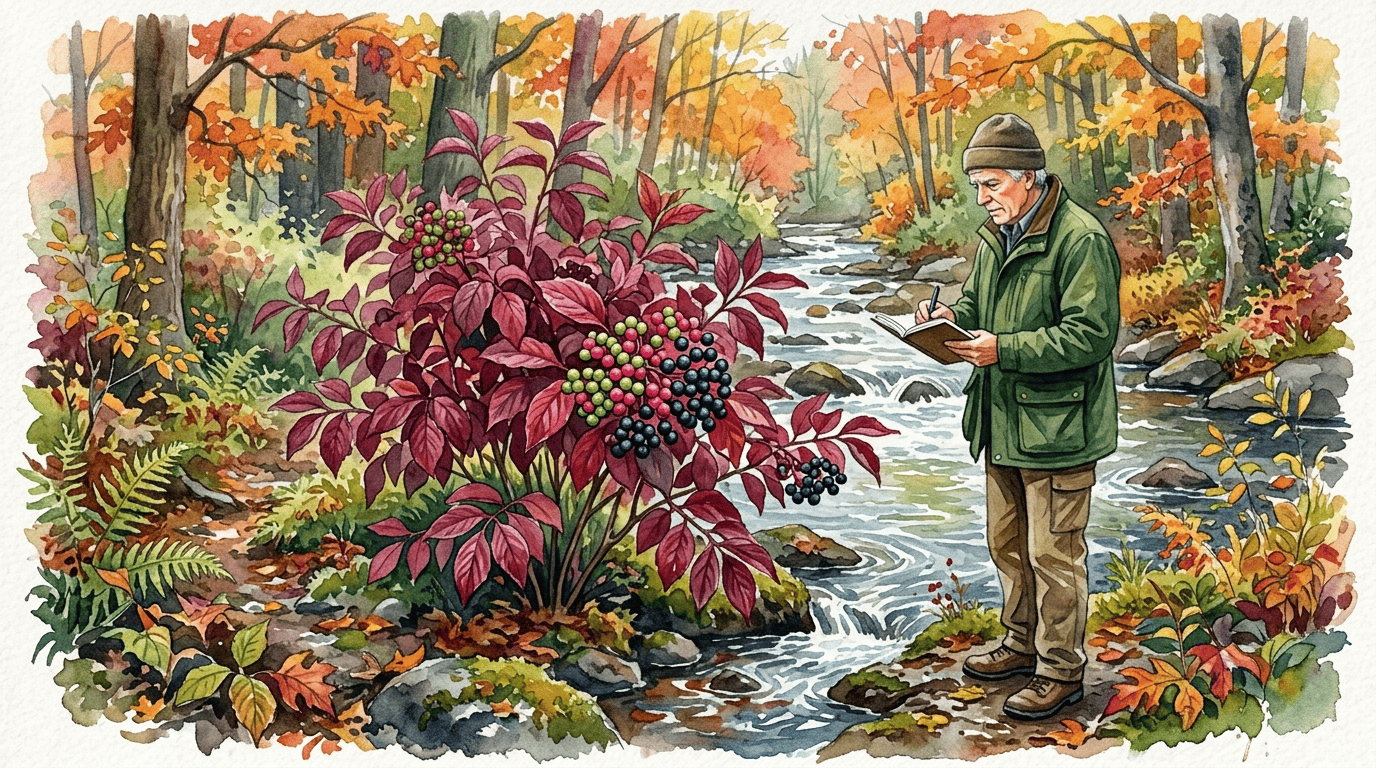
Viburnum nudum grows in swamps, wet woodlands, and along streams from Connecticut south to Florida and west to east Texas. Linnaeus described it in Species Plantarum (1753). Although long cultivated as a regional native shrub, its horticultural profile soared with the 1991 introduction of 'Winterthur', a selection from the Winterthur estate in Delaware popularized by Donald Egolf at the US National Arboretum.
The cultivar earned the 1998 Pennsylvania Horticultural Society Styer Award for its compact habit, glossy summer foliage, wine-burgundy fall color, and striking fruit that ripens in stages from green through pink to blue on the same cluster. 'Brandywine' (2005) and 'Pink Beauty' followed. Traditional Native American uses include the inner bark as a diuretic.
It is a major pollinator plant. Native to the eastern United States from Maine to Florida in wet woodlands and bog margins. The 'Winterthur' cultivar, selected at Winterthur Gardens in Delaware in 1982, became the gold standard for American gardens, outstanding for heavy fruit set and brilliant burgundy fall foliage.
Symbolism & meaning
What It Symbolizes
Southern Wild Raisin is rainbow endurance — a single fruit cluster carrying every color at once, green ripening to pink to blue to deep purple all on the same stem, an entire spectrum of patience visible in autumn. Its wetland heritage runs deep, native to American bog and stream edges across the Southeast. It is the shrub that turns ripening itself into a small painted miracle.
- Rainbow endurance — berries show every color on one cluster
- Wetland heritage — native to American bog and stream edges
Where the Name Comes From
The name Southern Wild Raisin points to the southern part of its range. 'nudum' from Latin means bare or naked, referring to the glabrous smooth leaves.
Uses & Fun Facts
- Multicolored ripening berries feed songbirds in autumn
- Glossy leaves and rainbow berry clusters in wet woodland borders
- Creamy flat clusters attract bees and beneficial flies
Related plants
More Viburnum plants
 Sweet ViburnumViburnum awabuki
 Korean Spice ViburnumViburnum carlesii
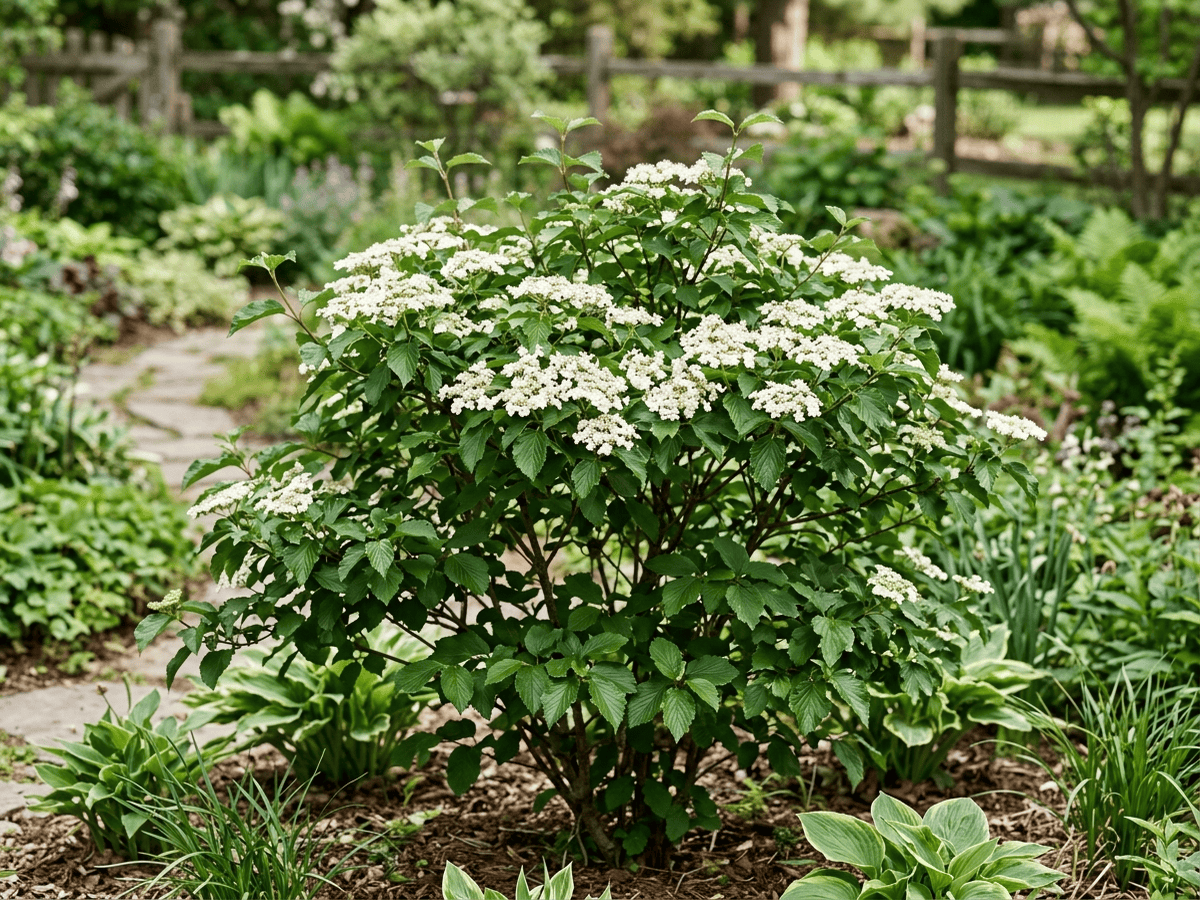 Southern ArrowwoodViburnum dentatum
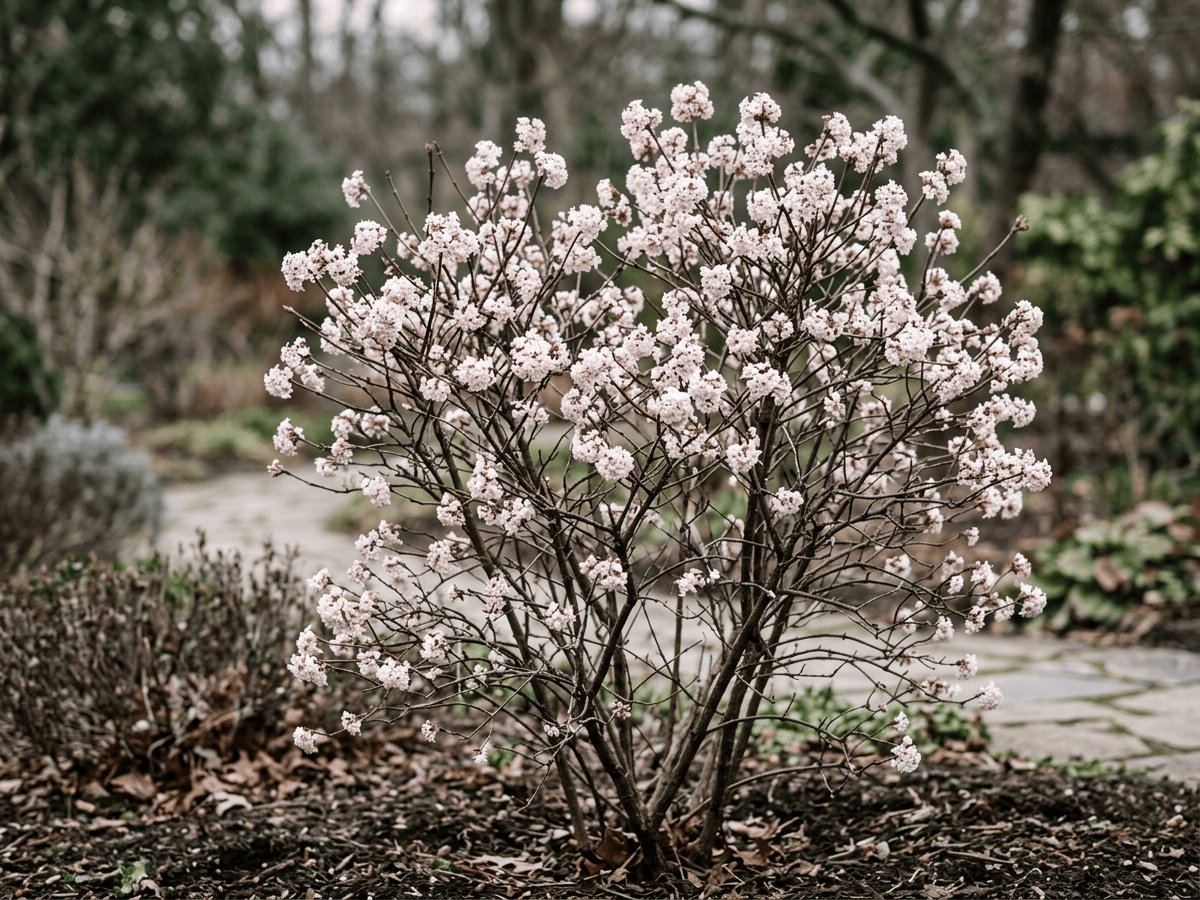 Fragrant ViburnumViburnum farreri
Plants with similar care
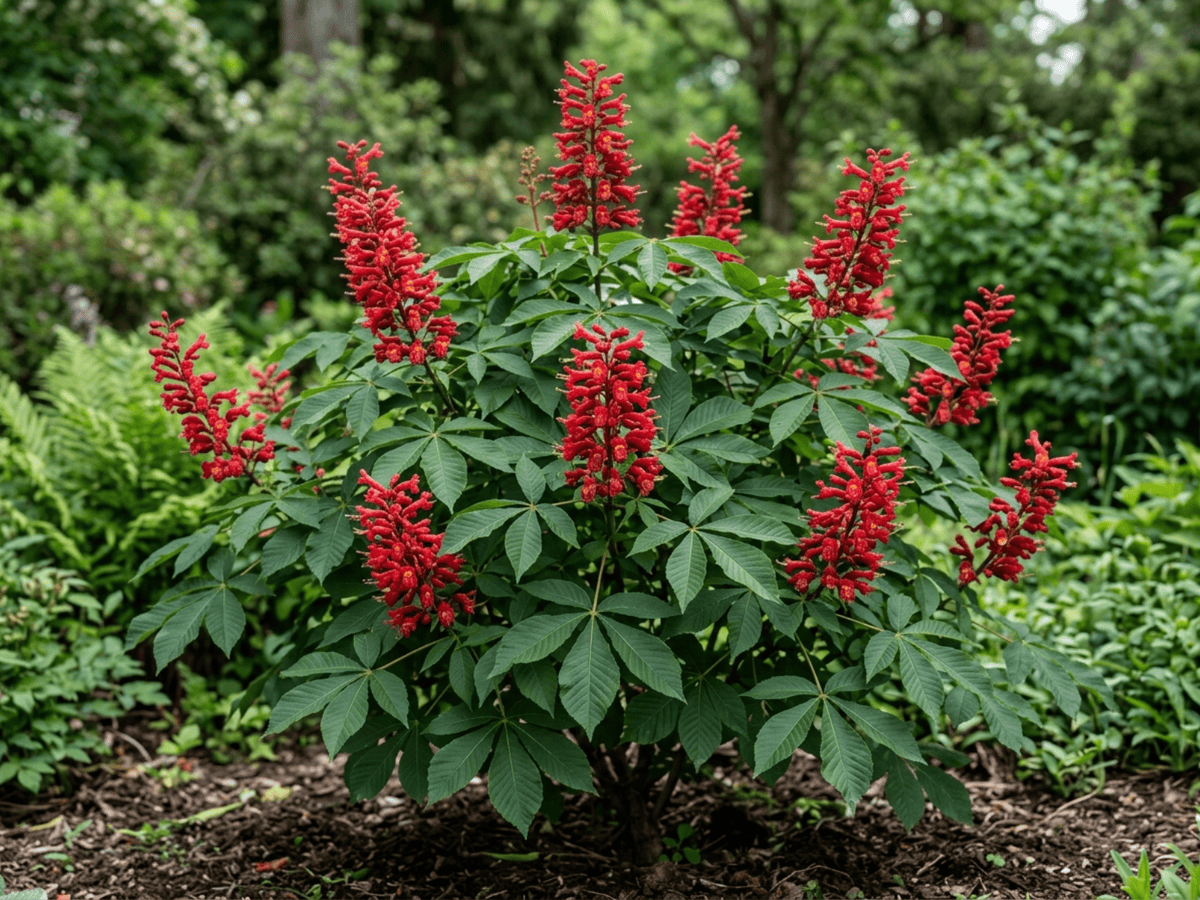 Red BuckeyeAesculus pavia
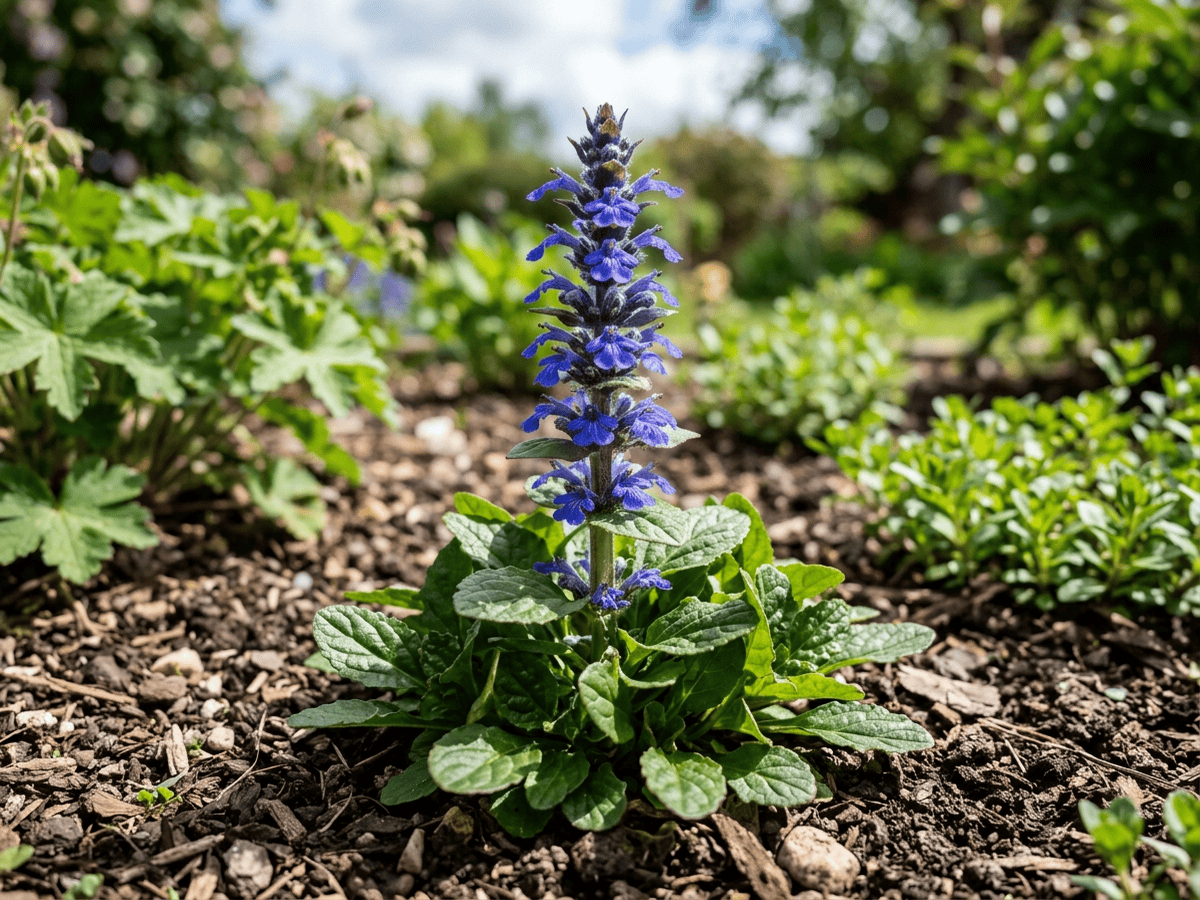 Blue BugleAjuga genevensis
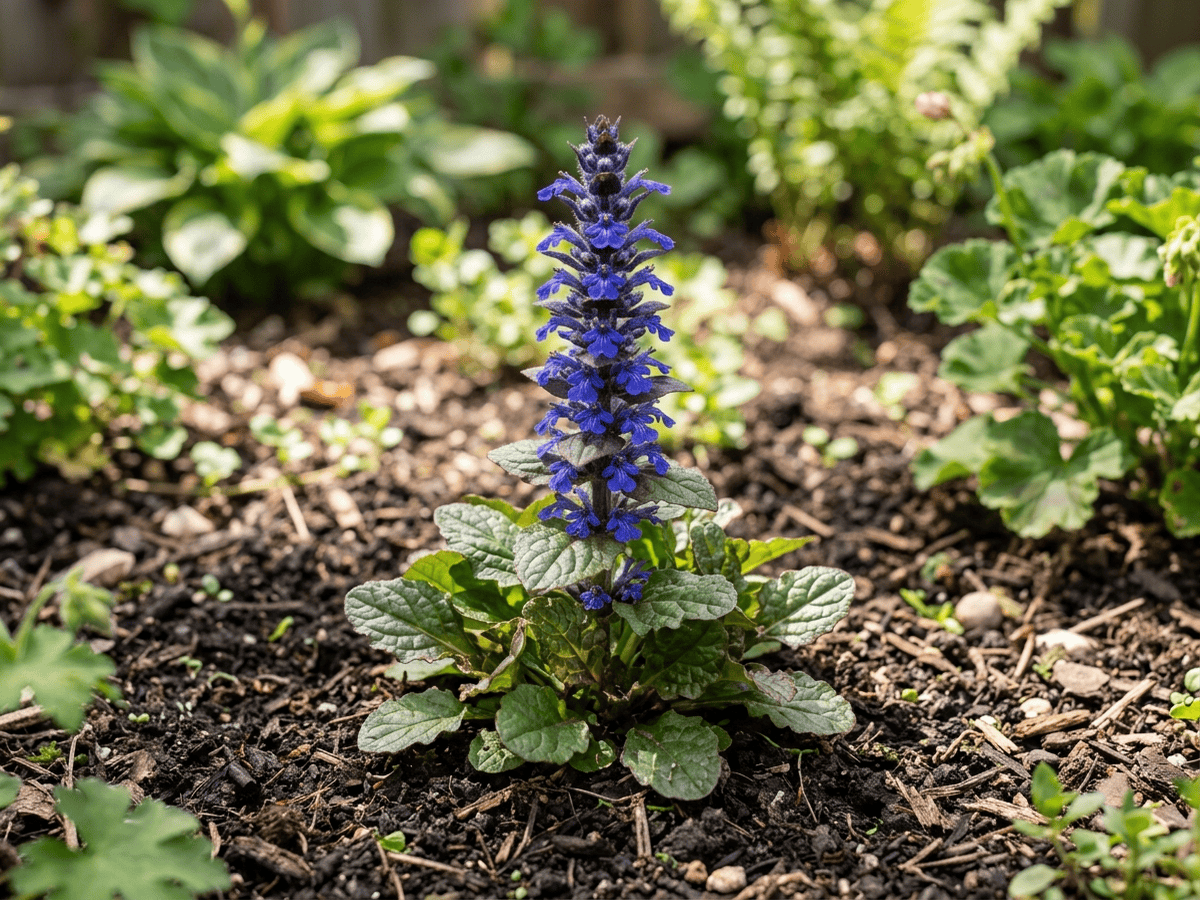 Pyramidal BugleAjuga pyramidalis
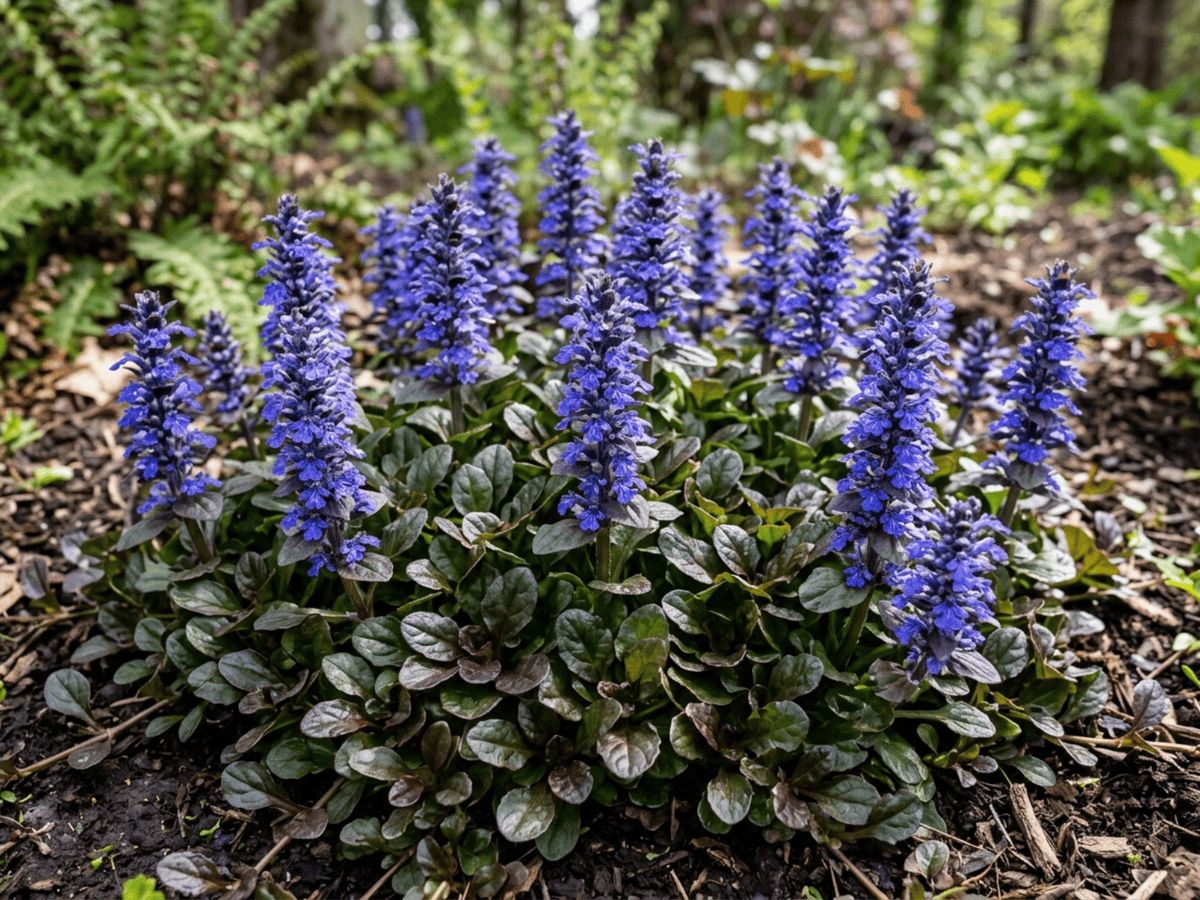 Carpet BugleAjuga reptans
Frequently asked questions
How often should I water Southern Wild Raisin?
In summer, water about every 2 days; in winter, about every 10 days. Adjust for heat, pot size and drainage.
How much light does Southern Wild Raisin need?
Part shade: 2–4 hrs direct. Watch the leaves — scorching or stretching means the light needs adjusting.
Is Southern Wild Raisin toxic to cats or dogs?
No toxicity has been reported for this plant. Still, it is wise to keep pets from chewing on any houseplant. Educational information, not medical or veterinary advice. If exposure is suspected, contact a doctor or veterinarian.
Is Southern Wild Raisin easy to grow?
Yes — it is considered an easy, beginner-friendly plant.
When does Southern Wild Raisin bloom?
It typically blooms May–Jun in the Northern Hemisphere.
YardMate
Identify any plant in seconds
Snap a photo — YardMate names the plant, diagnoses problems, and reminds you when to water.
Download on the App Store