 YardMate


Laurustinus Viburnum
Viburnum tinus
Easy · Beginner friendlyAbout Laurustinus Viburnum
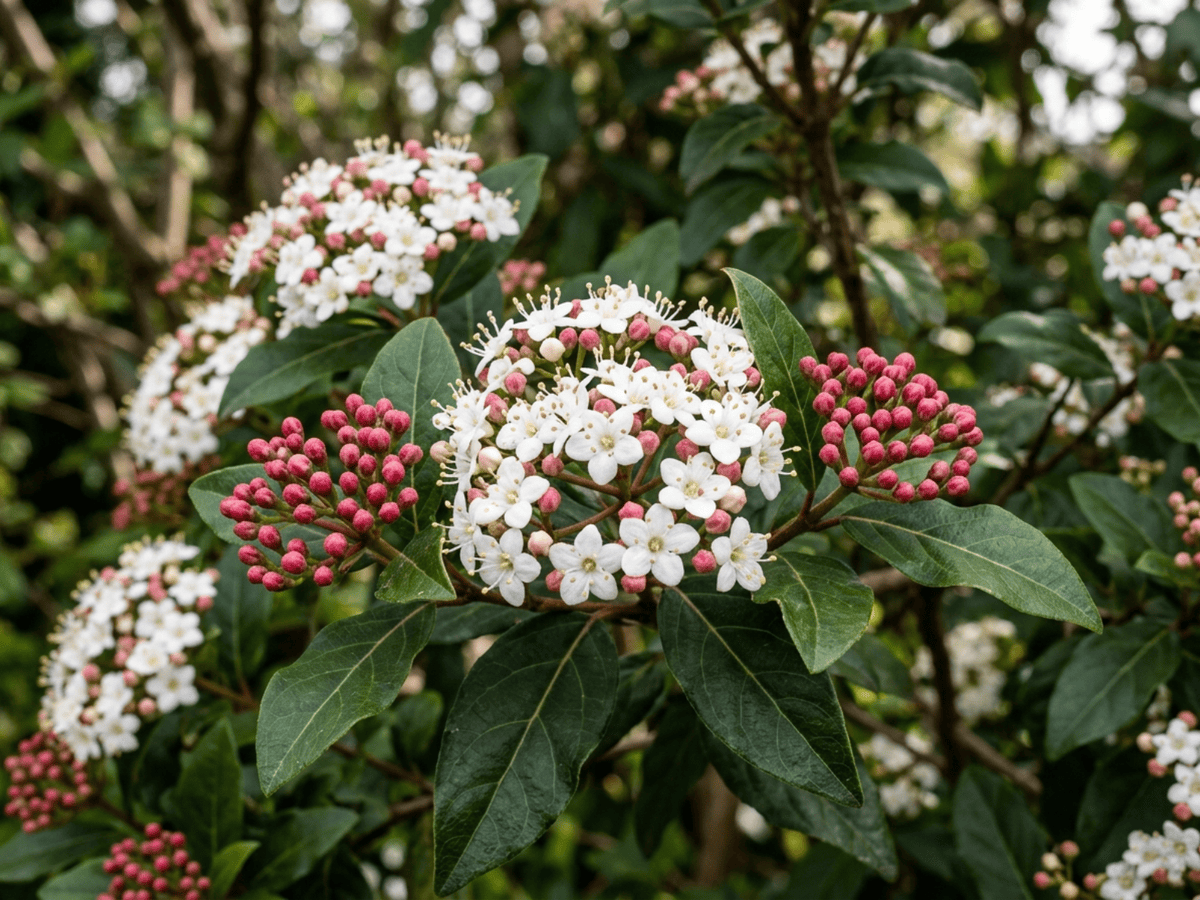
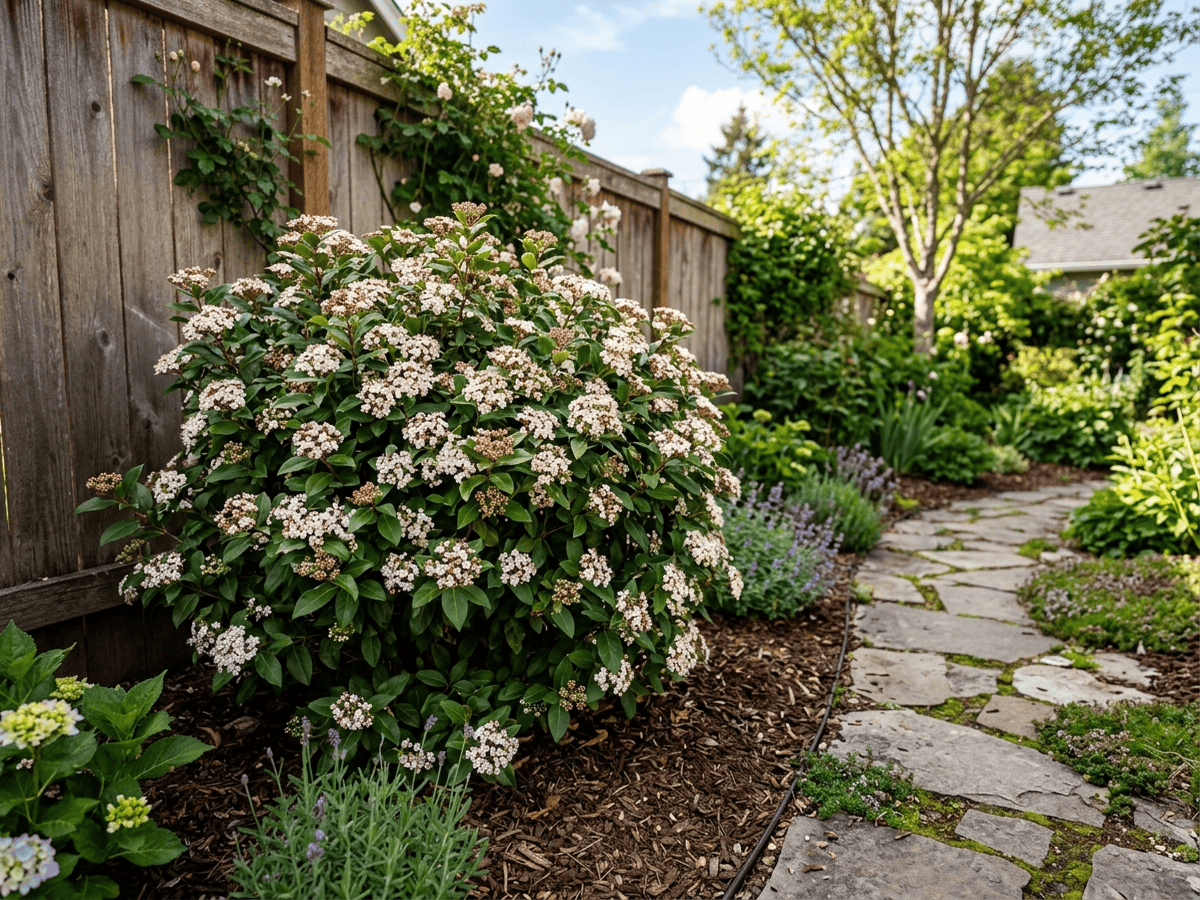
Viburnum tinus, known as laurustinus, is an evergreen shrub native to the Mediterranean region, prized for providing flowers and structure during the darkest months of the year. Growing 6 to 10 feet tall, it produces flat clusters of pink buds that open to white flowers from late autumn through early spring — a rare and valuable blooming period when little else is in flower. The flowers are followed by metallic dark blue-black berries that birds favor. Its dense, glossy dark-green foliage makes it an excellent hedge or screen plant year-round. Laurustinus thrives in mild-winter climates and tolerates shade, drought once established, coastal conditions, and urban pollution. It has been cultivated in European gardens since Roman times, when it was planted in villa courtyards for its winter interest. In colder regions (below USDA zone 7), it needs a sheltered position or wall protection. The cultivar 'Eve Price' is particularly compact with deep pink buds.
- Low-maintenance
- Evergreen
How to care for Laurustinus Viburnum
Watering
- Springevery 5 days
- Summerevery 4 days
- Fallevery 10 days
- Winterevery 21 days
Soil · Rich & loamy
- Top dressingBark mulch15%
- Main mixRich loam + compost 3:170%
- DrainageGravel15%
Use fully finished compost — fresh compost burns roots.
FERTILIZER
Balanced Feed 14-14-14
An even feed covers all three needs at once, keeping leaves, roots and blooms moving together with nothing pushed out of balance.
- Nitrogen · Leaves
- Phosphorus · Roots + Blooms
- Potassium · Strength
- Springevery 45 days
- Fallevery 45 days
At a Glance
- NativeMediterranean, Africa
- Height6–12 ft (1.8–3.7 m)
- Spread6–12 ft (1.8–3.7 m)
- Flower colorWhite, Pink
- Foliage colorGreen
- SoilLoamy, Well-drained
- LocationsYard · Indoor · Balcony
Bloom time
BLOOM CYCLE
Peak bloom
Nov–Apr
Pink buds open to white flowers from late autumn to early spring; prune lightly after flowering to maintain shape
Fragrance
LIGHT FRAGRANCE
The flowers have a light, slightly musky scent.
Toxicity
Humans Slight · Pets Slight
viburnin and iridoid glycosides
Slight
- Fruit
- Ingestion
EXPOSURE Eating fruit.
EFFECT Berries reported to cause mild gastrointestinal upset if eaten raw in quantity.
NOTE Documented concern for humans: Berries reported to cause mild gastrointestinal upset if eaten raw in quantity.
Slight
- Fruit
- Ingestion
EXPOSURE Eating fruit.
EFFECT Mild gastrointestinal irritation possible from berries.
NOTE Not specifically listed by ASPCA. Generally regarded as of low concern; berries mildly irritant if eaten.
Slight
- Fruit
- Ingestion
EXPOSURE Eating fruit.
EFFECT Mild gastrointestinal irritation possible from berries.
NOTE Not specifically listed by ASPCA. Generally regarded as of low concern; berries mildly irritant if eaten.
Educational information, not medical or veterinary advice. If exposure is suspected, contact a doctor or veterinarian.
DISTRIBUTION


- Native
- Introduced
- Mediterranean
- Africa
History
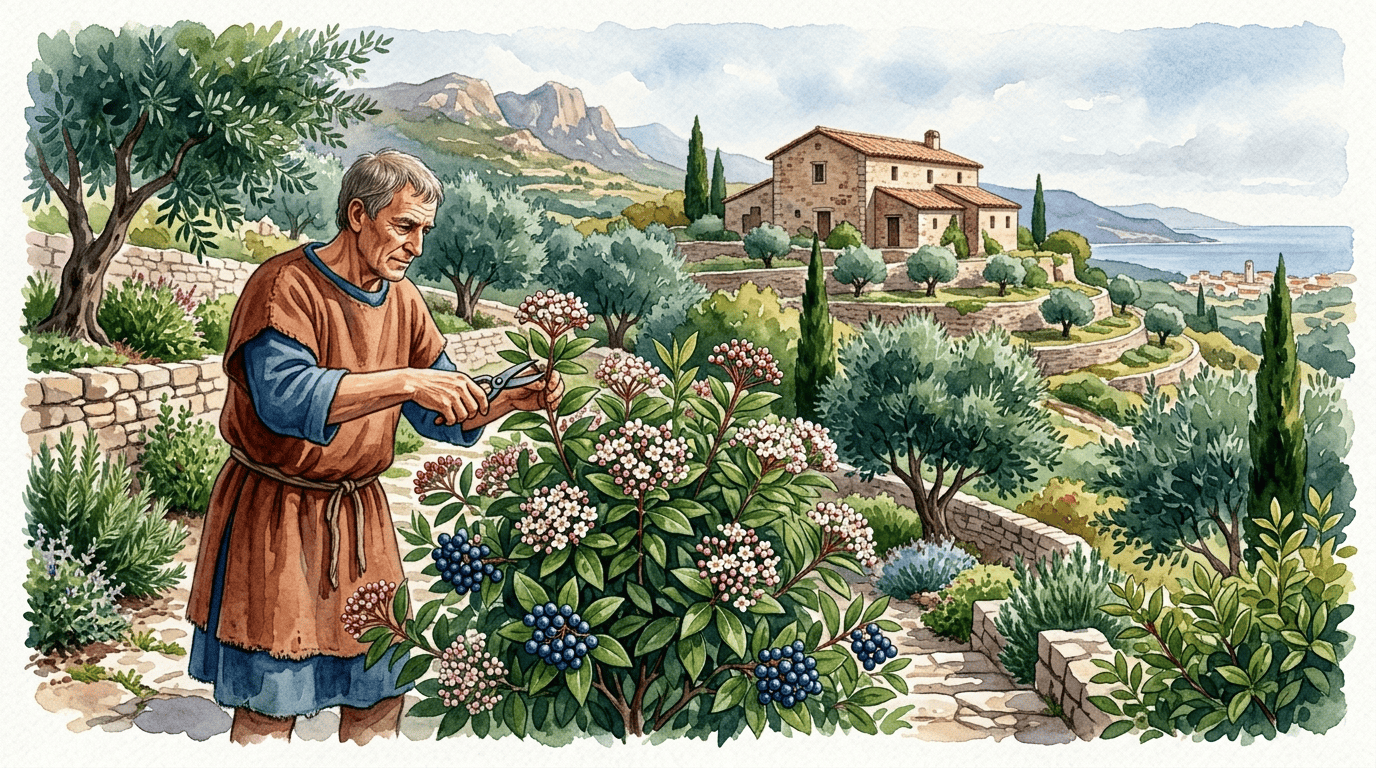
Viburnum tinus is native to the Mediterranean basin — from Portugal and Spain through southern France, Italy, and the Balkans to North Africa and the Levant — where it forms evergreen thickets in open woodland and rocky slopes. It is one of the few woody plants that flowers through the Mediterranean winter, producing pink-budded white flower clusters from November through April depending on climate, followed by distinctive metallic dark-blue structurally-iridescent berries. The berry color is an unusually pure structural blue caused by lipid nanospheres rather than pigment — a recent (2020) finding from research at the University of Cambridge.
Romans cultivated laurustinus (Pliny the Elder mentions "tinus"), and the species has been in continuous European garden use since at least the Renaissance. It reached English gardens by the 16th century and has been a staple of both Mediterranean and mild-winter Atlantic (Cornwall, Ireland, western Scotland) gardens ever since. Popular cultivars include "Eve Price" (compact), "Gwenllian," and "Spring Bouquet."
The plant's tolerance of shade, poor soil, drought, salt, and urban pollution has made it a pan-European hedging and screening shrub. It was one of the first Mediterranean shrubs introduced to English gardens during the Tudor period. The plant featured prominently in Edwardian winter gardens, where its ability to flower during the coldest months made it invaluable.
Symbolism & meaning
What It Symbolizes
Laurustinus viburnum is endurance lit from within — its clusters of pink-budded white flowers open through winter when nothing else in the Mediterranean garden will bloom, a perseverance through dark times made botanical. Its constancy is the second virtue: evergreen leaves, blooms stretching from December into spring, glossy blue-black berries afterward. A shrub that simply refuses to take a season off.
- Endurance — Flowering through winter symbolizes perseverance and strength through dark times
- Constancy — Evergreen foliage and extended bloom represent steadfast reliability
Where the Name Comes From
'Viburnum' is the classical Latin plant name. 'Tinus' was the ancient Roman name for this specific species, used by Pliny.
Uses & Fun Facts
- Dense evergreen growth shaped into Mediterranean privacy hedges
- Pink-budded white winter flowers followed by metallic blue fruits
- Late-winter blooms and berries feed bees and birds
Related plants
More Viburnum plants
 Sweet ViburnumViburnum awabuki
 Korean Spice ViburnumViburnum carlesii
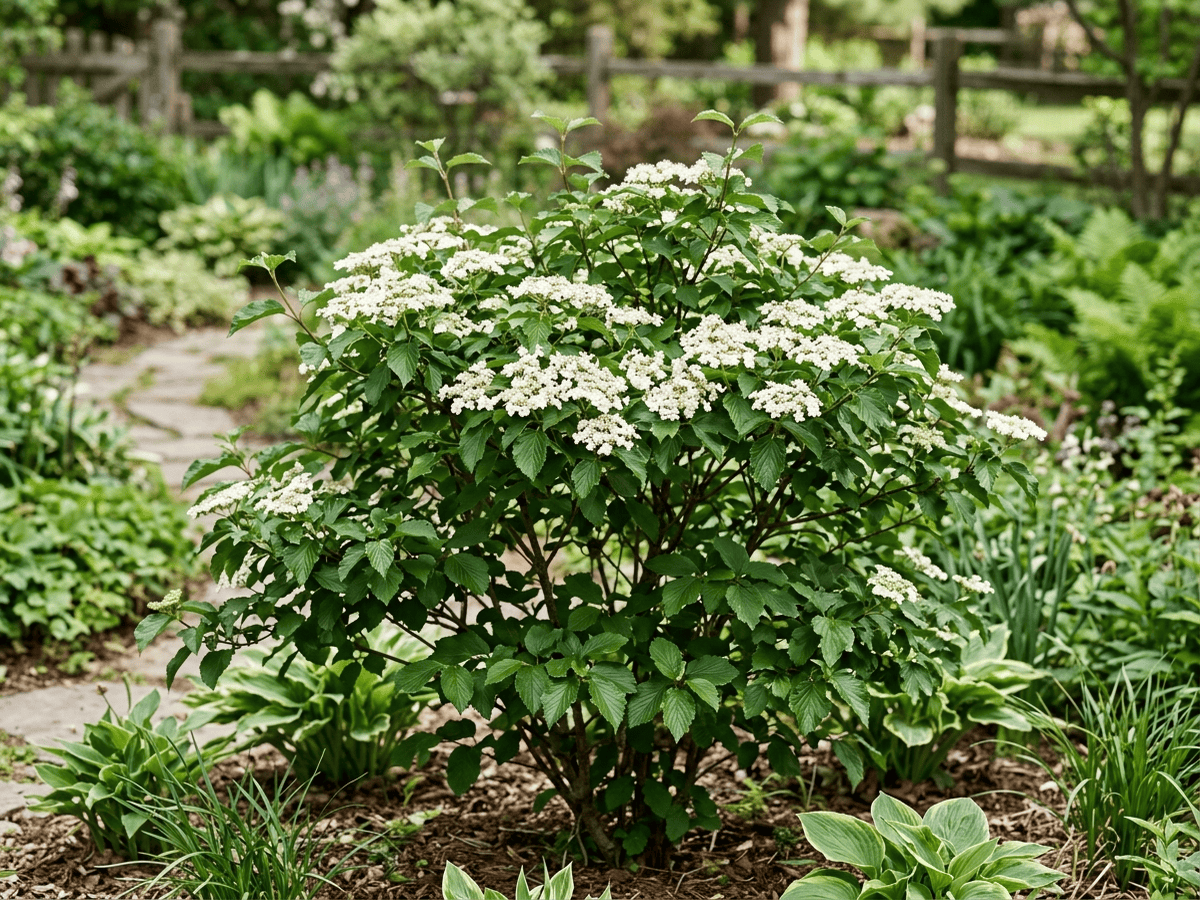 Southern ArrowwoodViburnum dentatum
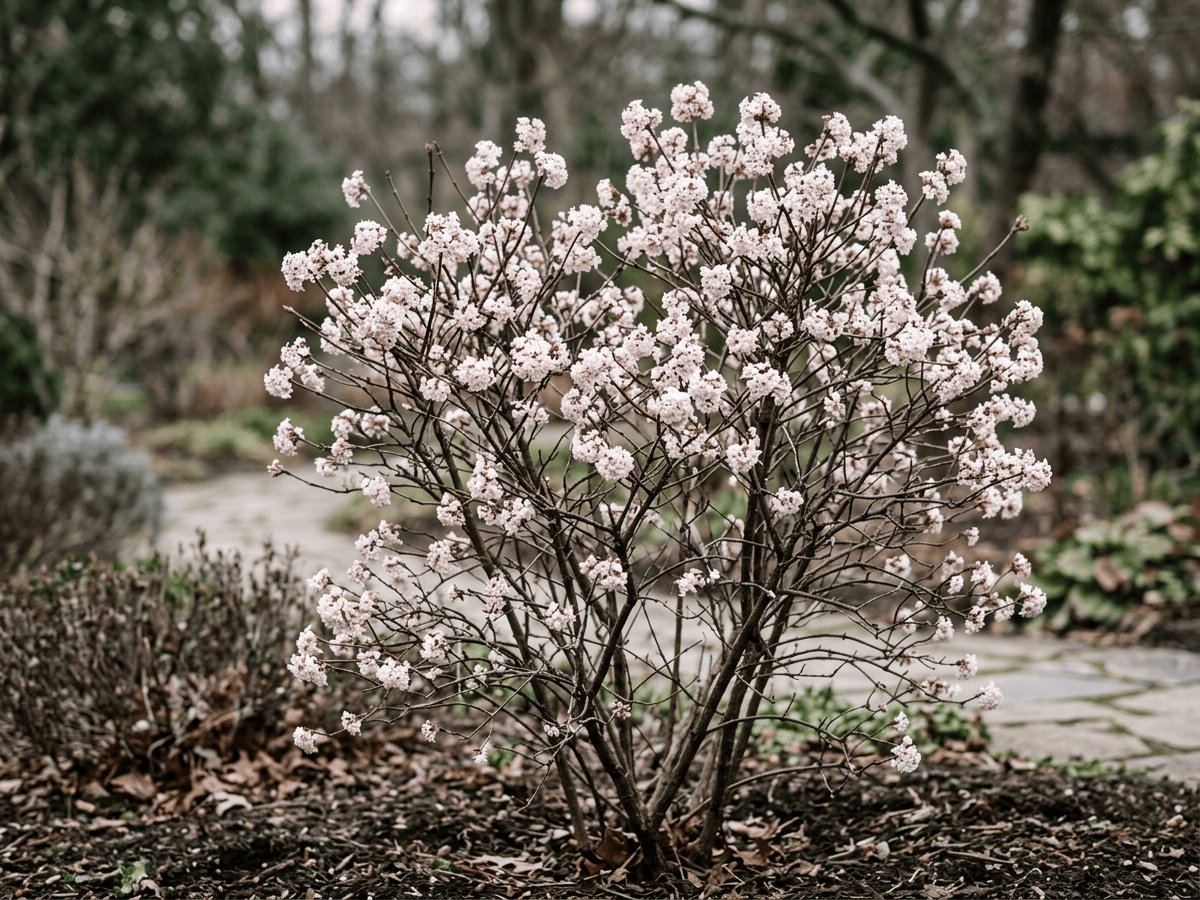 Fragrant ViburnumViburnum farreri
Plants with similar care
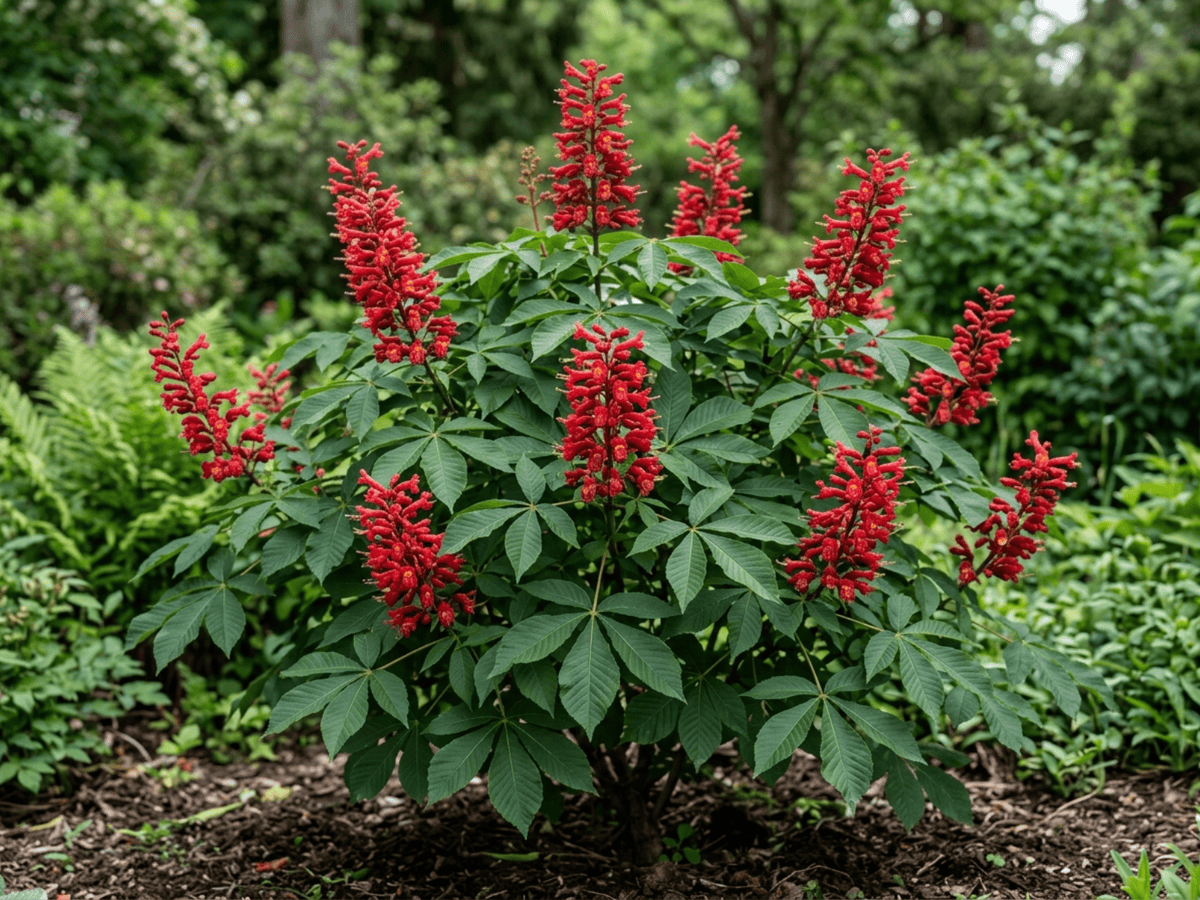 Red BuckeyeAesculus pavia
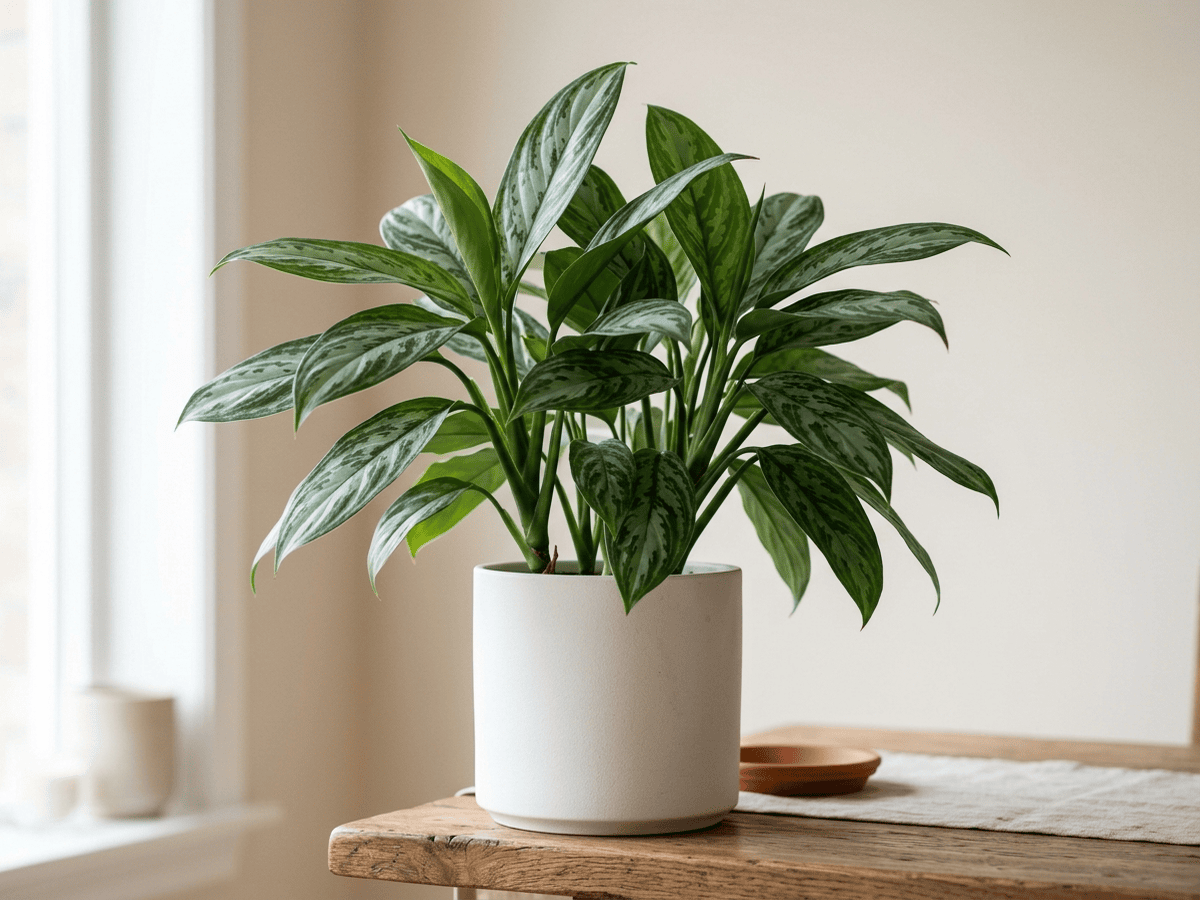 Philippine EvergreenAglaonema commutatum
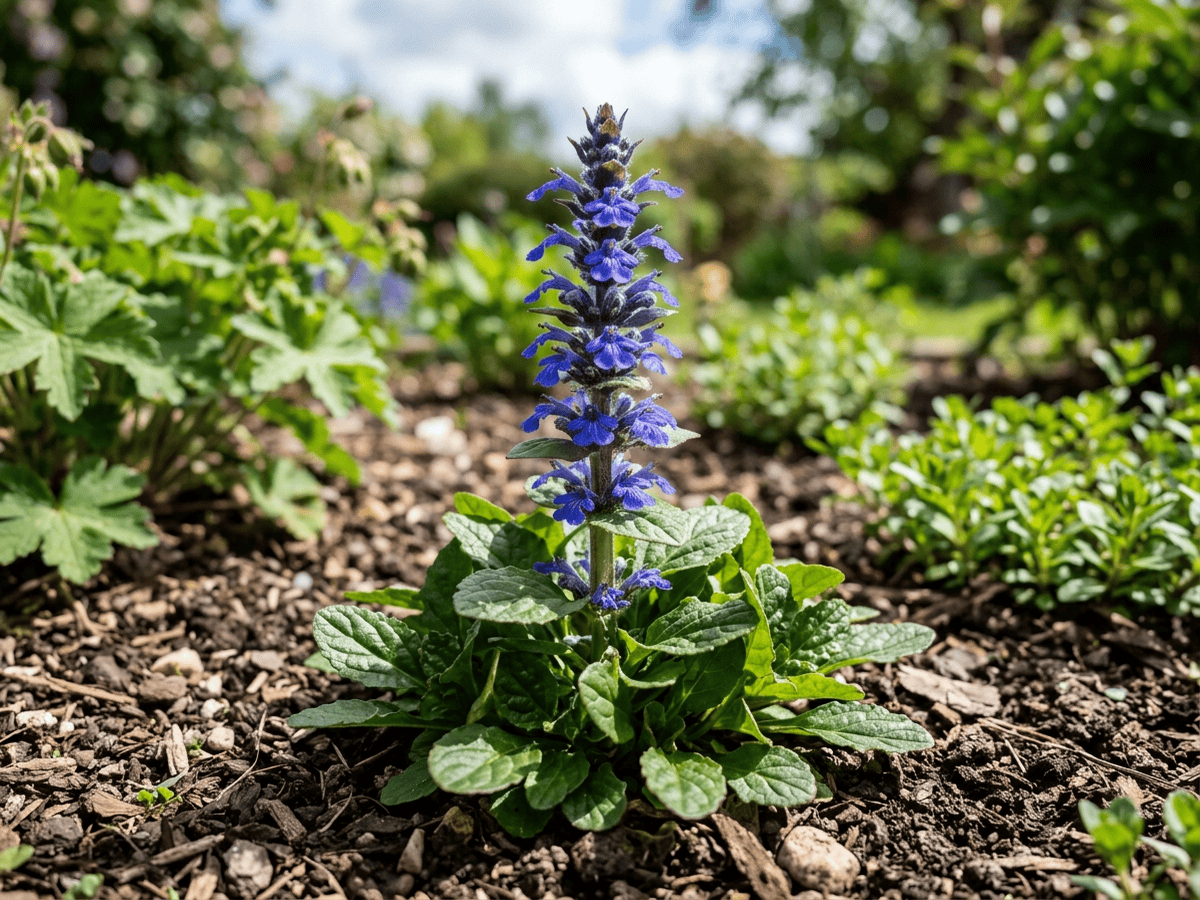 Blue BugleAjuga genevensis
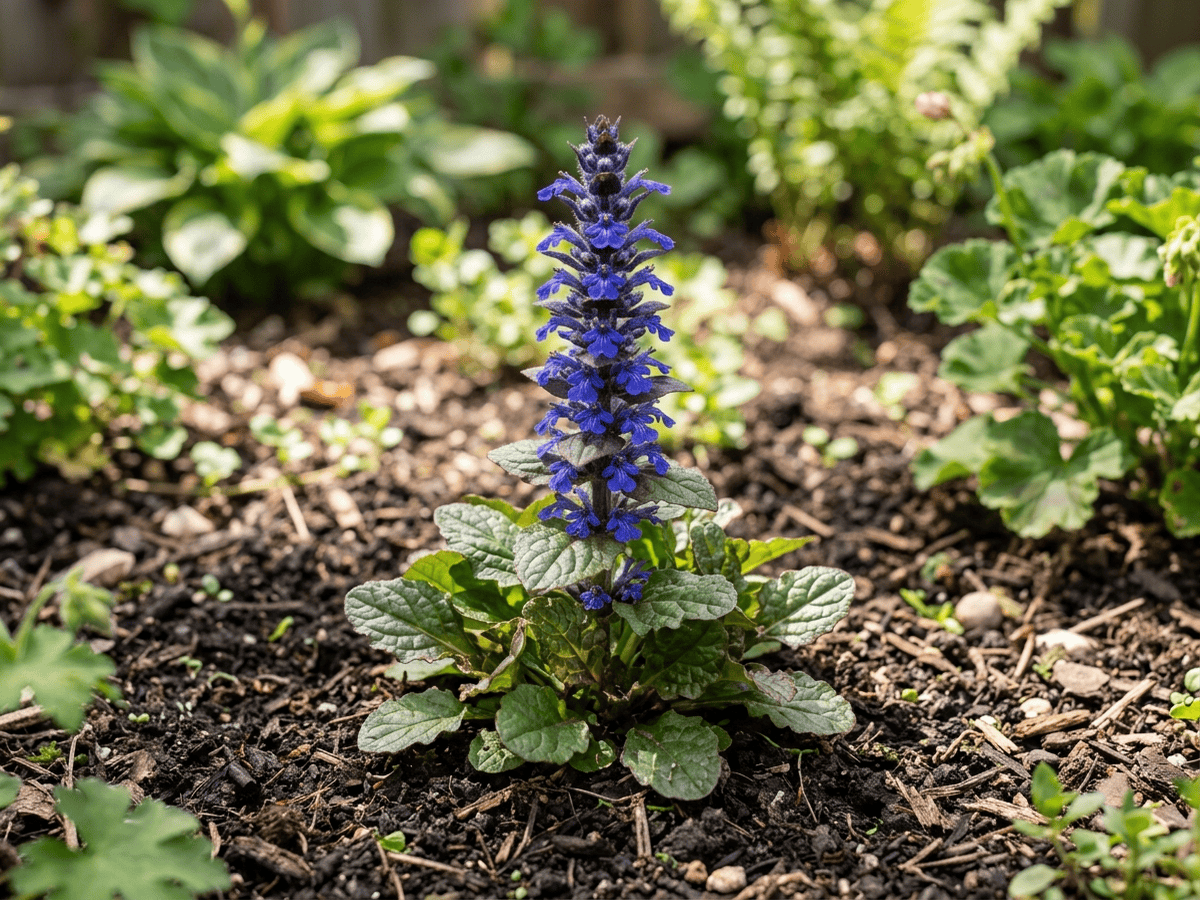 Pyramidal BugleAjuga pyramidalis
Frequently asked questions
How often should I water Laurustinus Viburnum?
In summer, water about every 4 days; in winter, about every 21 days. Adjust for heat, pot size and drainage.
How much light does Laurustinus Viburnum need?
Part shade: 2–4 hrs direct. Watch the leaves — scorching or stretching means the light needs adjusting.
Is Laurustinus Viburnum toxic to cats or dogs?
Pets Slight (Dogs Slight · Cats Slight) Educational information, not medical or veterinary advice. If exposure is suspected, contact a doctor or veterinarian.
Is Laurustinus Viburnum easy to grow?
Yes — it is considered an easy, beginner-friendly plant.
Can Laurustinus Viburnum be grown indoors?
Yes, it adapts well to indoor growing given the right light.
When does Laurustinus Viburnum bloom?
It typically blooms Nov–Apr in the Northern Hemisphere.
YardMate
Identify any plant in seconds
Snap a photo — YardMate names the plant, diagnoses problems, and reminds you when to water.
Download on the App Store