 YardMate


Amazon Giant Waterlily
Victoria amazonica
Hard · Experienced growersAbout Amazon Giant Waterlily
Victoria amazonica, the giant Amazon water lily, is the largest and most spectacular water lily in the world, native to the shallow lakes and backwaters of the Amazon River basin. Its circular floating leaves can reach an astonishing 3 meters in diameter — large enough to support the weight of a small child — with upturned rims up to 20 cm high that prevent overlap. The leaf undersides are reinforced by a remarkable network of radial ribs that inspired the design of the Crystal Palace at the 1851 Great Exhibition. The flowers are enormous, up to 40 cm across, opening white on the first evening and turning pink on the second, releasing a powerful, sweet fragrance to attract scarab beetles for pollination. It requires a large, heated pool with water temperatures above 25 degrees Celsius and is typically grown as an annual in botanical gardens outside the tropics. It remains one of the most awe-inspiring plants on Earth.
- Tropical
- Architectural
- Fragrant
How to care for Amazon Giant Waterlily
Watering
- Springevery 1 days
- Summerevery 1 days
- Fallevery 1 days
- Winterevery 1 days
Soil · Bog-wet
- WaterStanding water above soil20%
- SoilHeavy pond soil80%
No drainage layer — keep water standing above the soil.
FERTILIZER
Balanced Feed 14-14-14
An even feed covers all three needs at once, keeping leaves, roots and blooms moving together with nothing pushed out of balance.
- Nitrogen · Leaves
- Phosphorus · Roots + Blooms
- Potassium · Strength
- Springevery 30 days
- Summerevery 30 days
At a Glance
- NativeSouth America
- Height3–8 ft (0.9–2.4 m)
- Spread6–10 ft (1.8–3 m)
- Flower colorWhite, Pink, Purple
- Foliage colorGreen
- SoilMoisture-retentive, Rich
- LocationsYard
Bloom time
BLOOM CYCLE
Peak bloom
Jun–Aug
Enormous white-to-pink flowers open at dusk over two nights; pollinated by scarab beetles
Fragrance
STRONG FRAGRANCE
Strong pineapple-butterscotch scent from first-night (white) flowers, produced to attract scarab-beetle pollinators.
Toxicity
No toxicity has been reported for this plant. Still, it is wise to keep pets from chewing on any houseplant.
Educational information, not medical or veterinary advice. If exposure is suspected, contact a doctor or veterinarian.
DISTRIBUTION


- Native
- Introduced
- South America
History
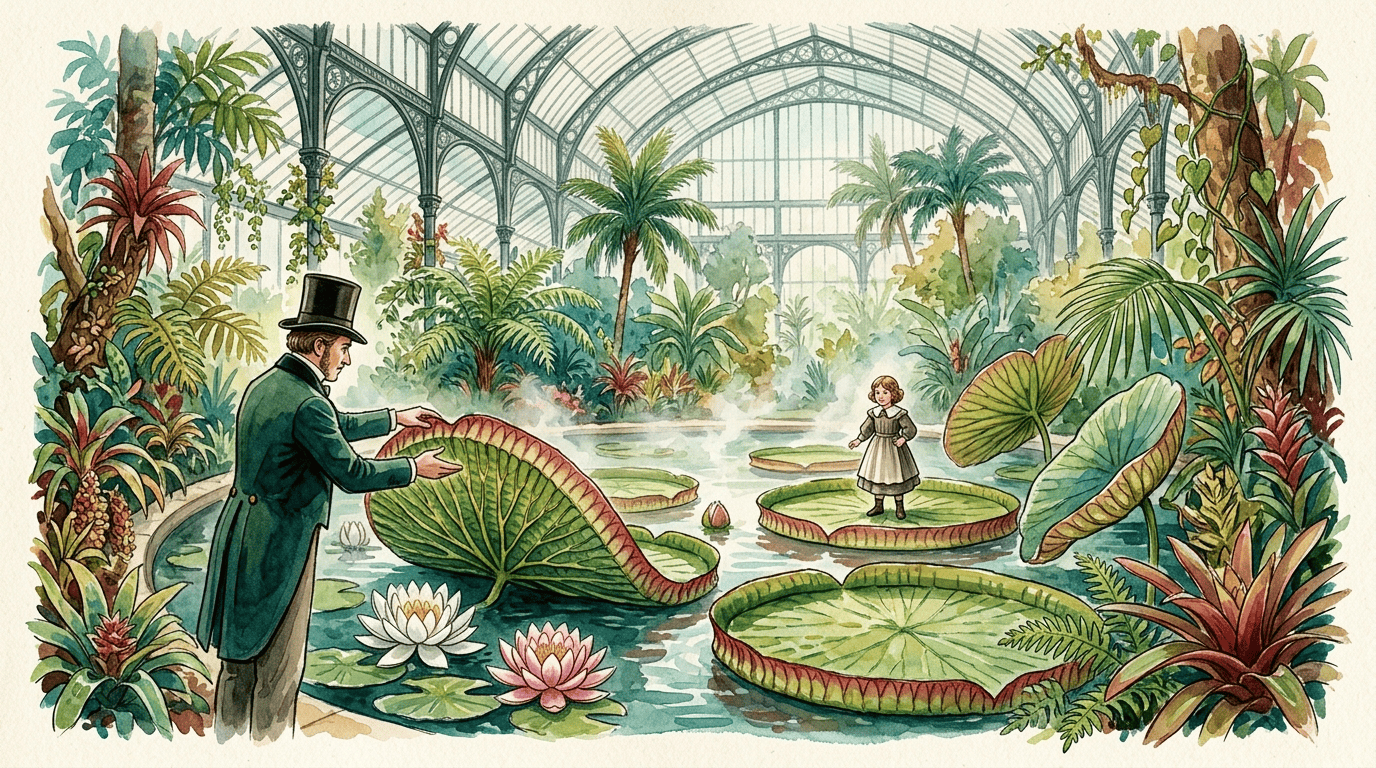
Victoria amazonica is native to the slow-moving backwater channels, oxbow lakes, and floodplain ponds of the Amazon basin — in Brazil, Guyana, Colombia, Peru, and Bolivia. It is the world's largest water lily, with floating circular leaves 2-3 meters in diameter, rimmed by an upright edge 5-10 cm tall, and strong enough in mature plants to support the weight of a small child (famously photographed repeatedly in Victorian and Edwardian horticultural magazines). The genus was described in 1837 and named in honor of the newly-crowned Queen Victoria. First cultivated successfully in England by Joseph Paxton, head gardener at Chatsworth House in Derbyshire, who flowered the plant in November 1849 after constructing a specially-designed heated greenhouse with steam-driven paddle wheels for water movement.
Paxton famously studied the radiating rib structure of the enormous leaves — comparing them to the ribs of a cast-iron bridge — and used the same structural principle as inspiration for the transparent glass-and-iron roof of the Crystal Palace built for the 1851 Great Exhibition in Hyde Park. The flowers bloom on two consecutive nights: the first night they open white, are warm (beetle-pollinated scarab beetles are attracted to their warmth), trap pollinator beetles overnight; on the second night they open pink-purple, release the beetles with pollen, and close permanently. Victoria amazonica caused a sensation when it was first brought to England in the 1840s.
Joseph Paxton, head gardener at Chatsworth House, was the first to coax it into bloom in cultivation in 1849 — an achievement that made national headlines. Paxton studied the ribbed structure of the leaf underside and used its engineering principles to design the Crystal Palace, the revolutionary glass-and-iron structure for the 1851 Great Exhibition in London. In the Amazon, Indigenous peoples have long collected and roasted the starchy seeds as a food source. The plant's pollination mechanism is extraordinary — flowers trap scarab beetles overnight, coating them with pollen before releasing them the next evening.
Symbolism & meaning
What It Symbolizes
Amazon Giant Waterlily expresses wonder, its enormous leaves and dinner-plate blooms inspiring genuine awe and representing the marvels of the natural world. It also stands for innovation — its remarkable rib structure famously inspired Joseph Paxton's Crystal Palace, marking it as a pioneer of nature-driven architectural design. A waterlily that helped engineer the modern greenhouse without ever leaving the river.
- Wonder — Its enormous scale and beauty inspire awe, representing the marvels of nature
- Innovation — Its leaf structure inspired revolutionary architecture, symbolizing nature-driven design
Where the Name Comes From
Victoria honors Queen Victoria of England. Amazonica refers to the Amazon River basin, its native habitat.
Uses & Fun Facts
- Giant rimmed leaves and night-blooming flowers as conservatory showpiece
- Iconic Amazonian water lily of botanical garden ponds
- Named for Queen Victoria and emblematic of Victorian botany
Related plants
Plants with similar care
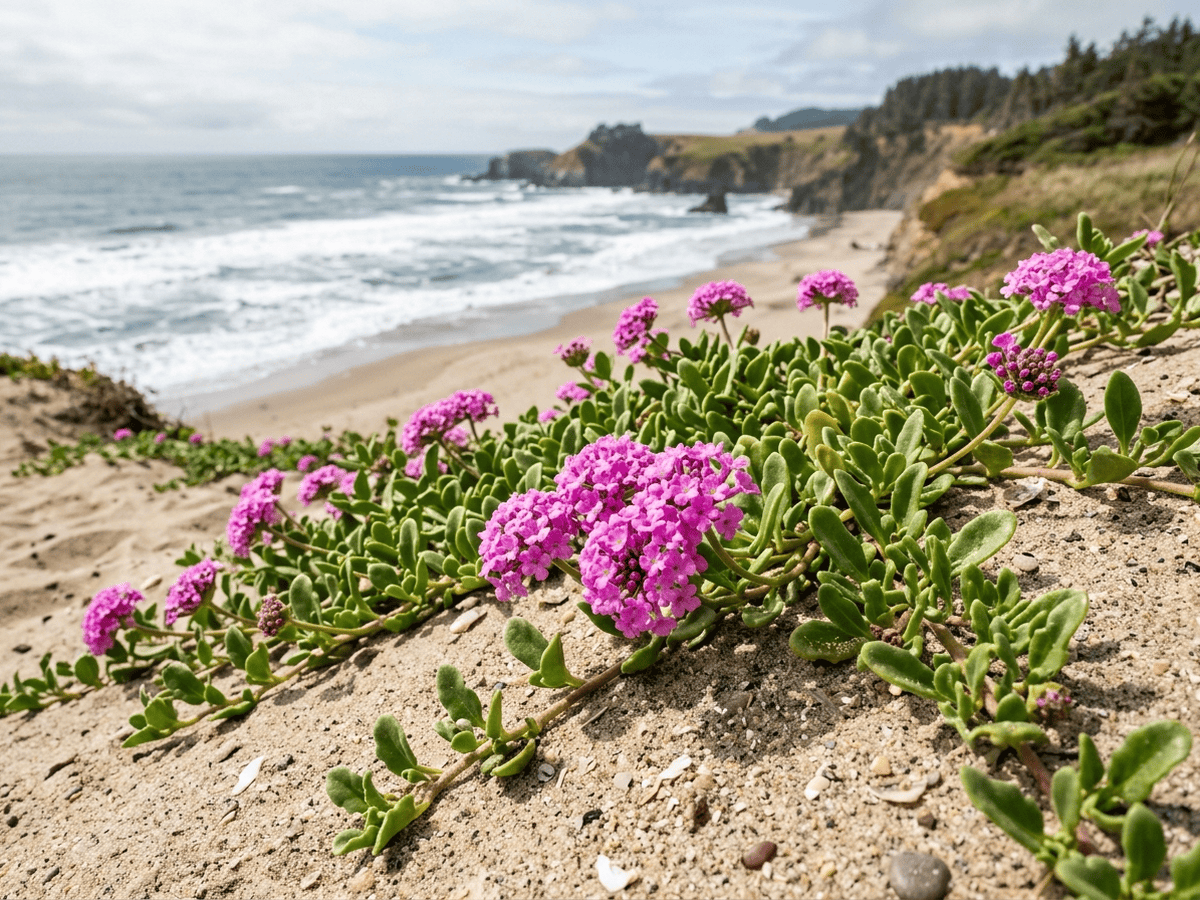 Pink Sand VerbenaAbronia umbellata
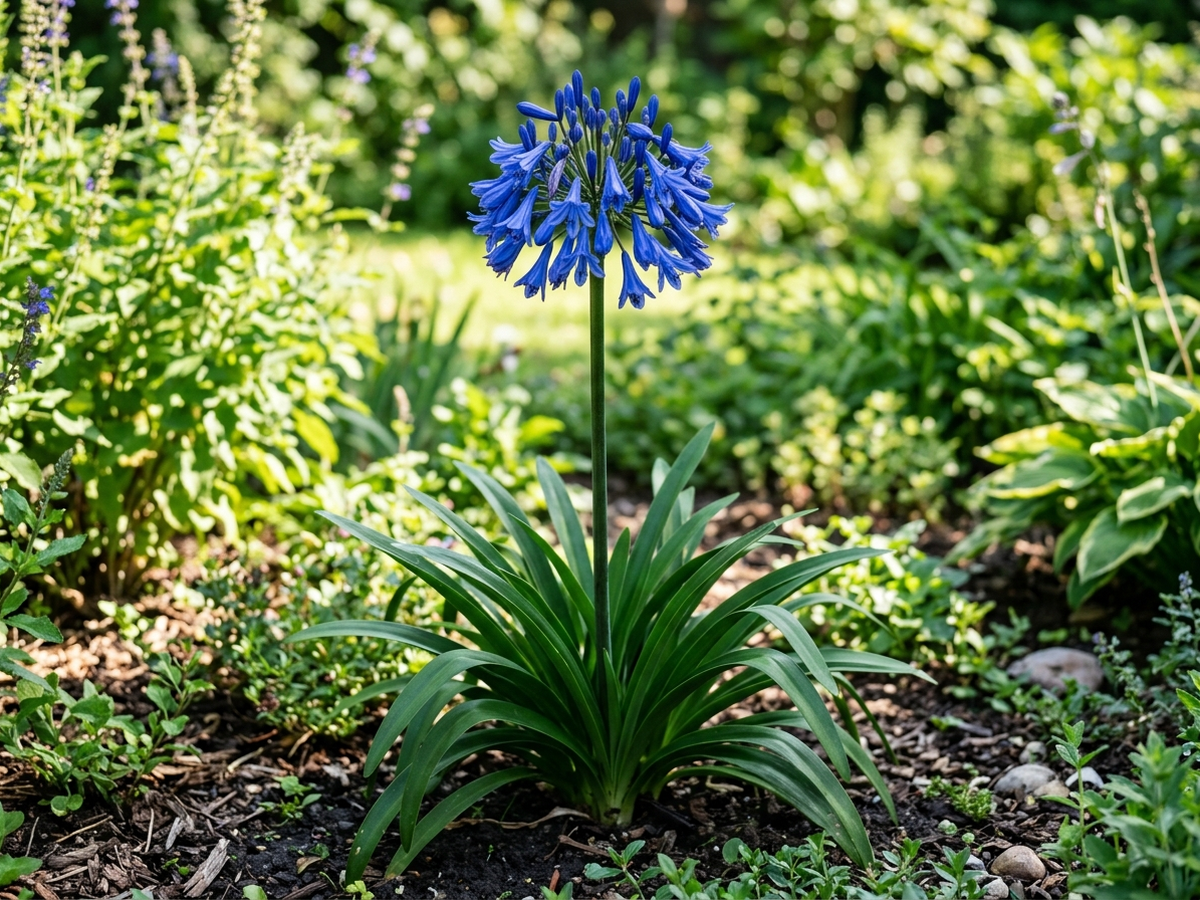 Drooping AgapanthusAgapanthus inapertus
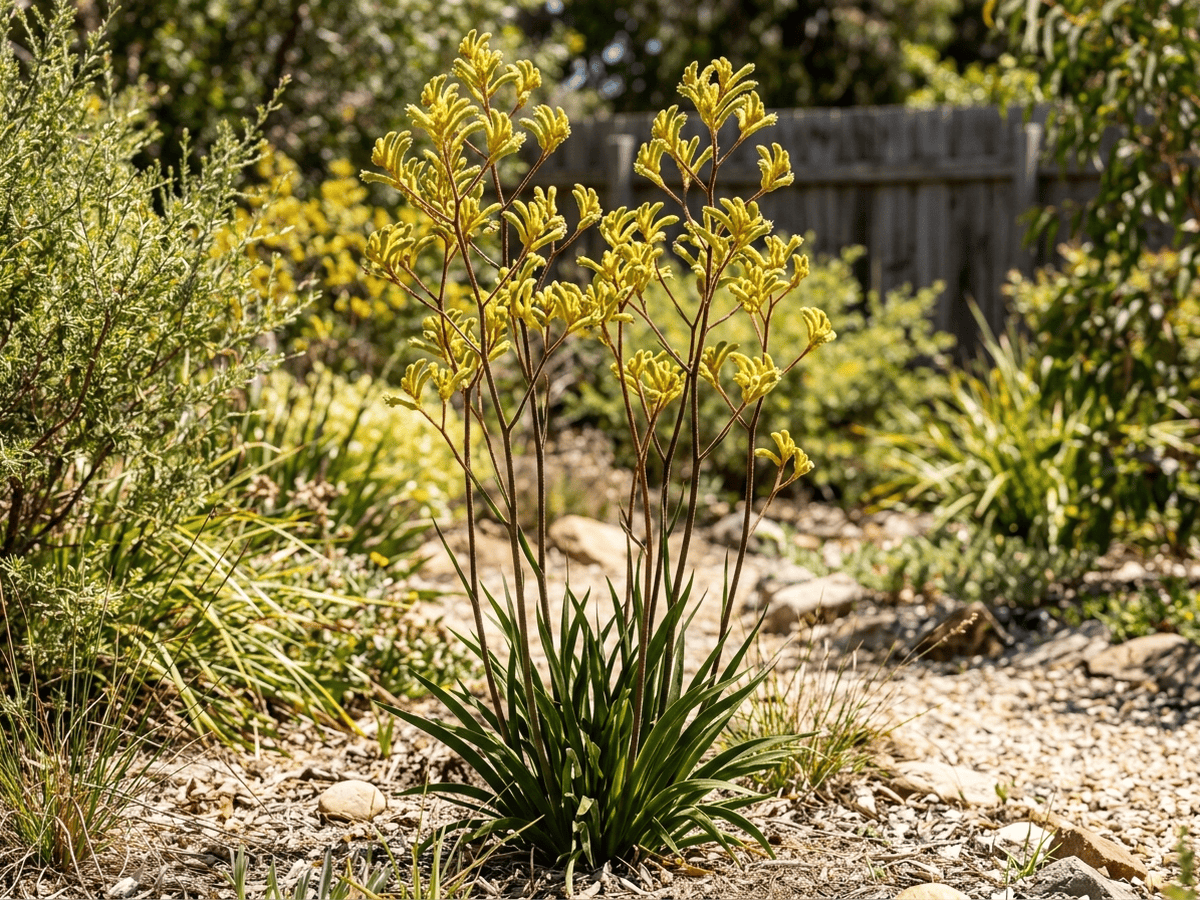 Tall Kangaroo PawAnigozanthos flavidus
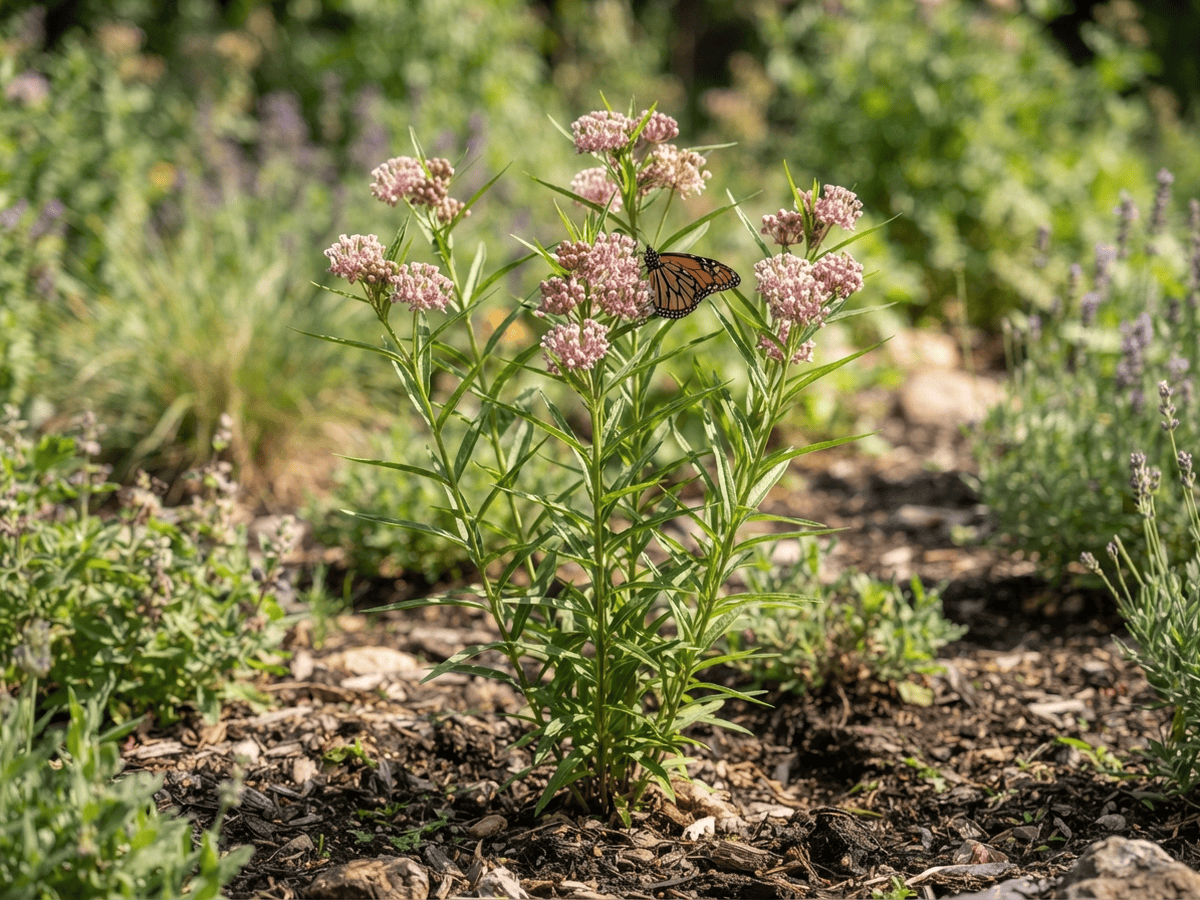 Narrowleaf MilkweedAsclepias fascicularis
Frequently asked questions
How often should I water Amazon Giant Waterlily?
In summer, water about every 1 days; in winter, about every 1 days. Adjust for heat, pot size and drainage.
How much light does Amazon Giant Waterlily need?
Full sun: 6+ hrs direct. Watch the leaves — scorching or stretching means the light needs adjusting.
Is Amazon Giant Waterlily toxic to cats or dogs?
No toxicity has been reported for this plant. Still, it is wise to keep pets from chewing on any houseplant. Educational information, not medical or veterinary advice. If exposure is suspected, contact a doctor or veterinarian.
Is Amazon Giant Waterlily easy to grow?
It is considered challenging and rewards experienced growers.
When does Amazon Giant Waterlily bloom?
It typically blooms Jun–Aug in the Northern Hemisphere.
YardMate
Identify any plant in seconds
Snap a photo — YardMate names the plant, diagnoses problems, and reminds you when to water.
Download on the App Store