 YardMate


Horned Pansy
Viola cornuta
Easy · Beginner friendlyAbout Horned Pansy
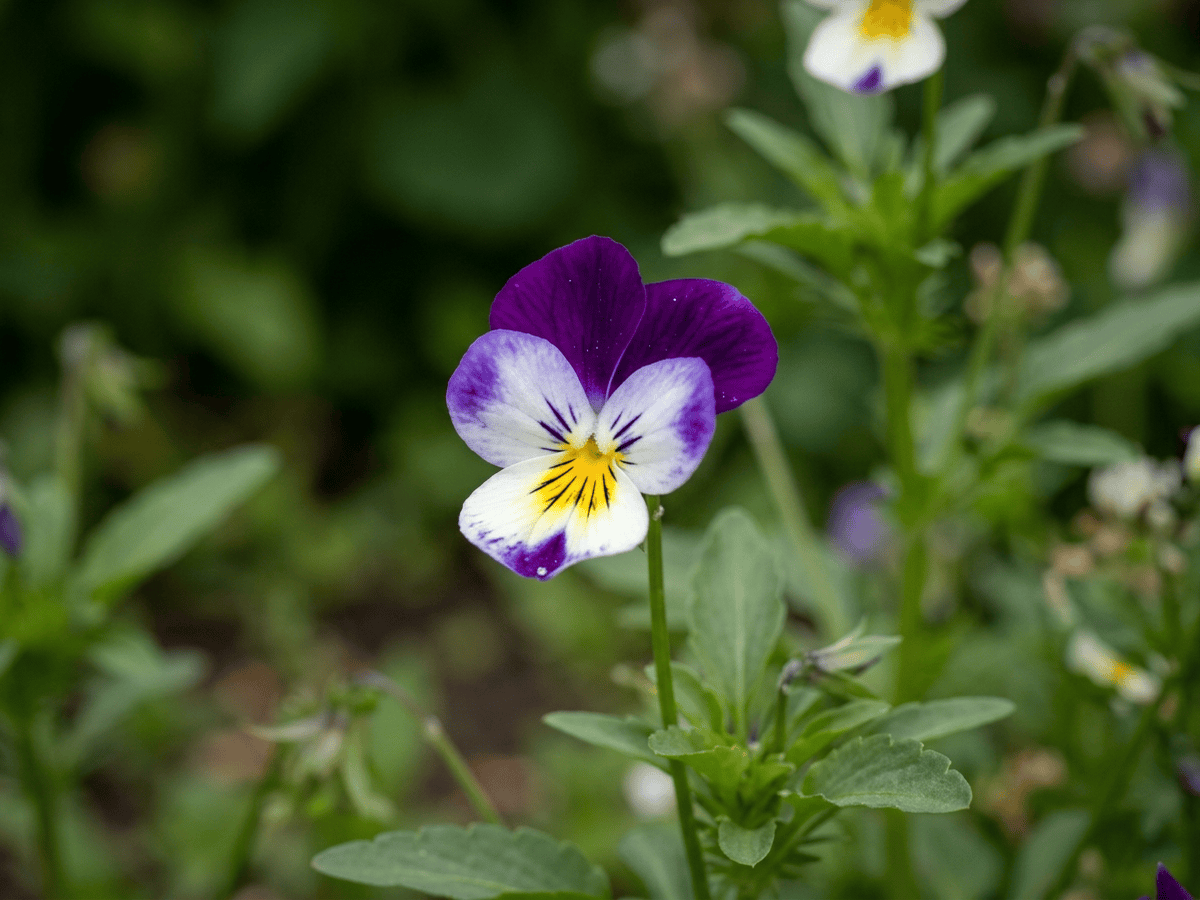
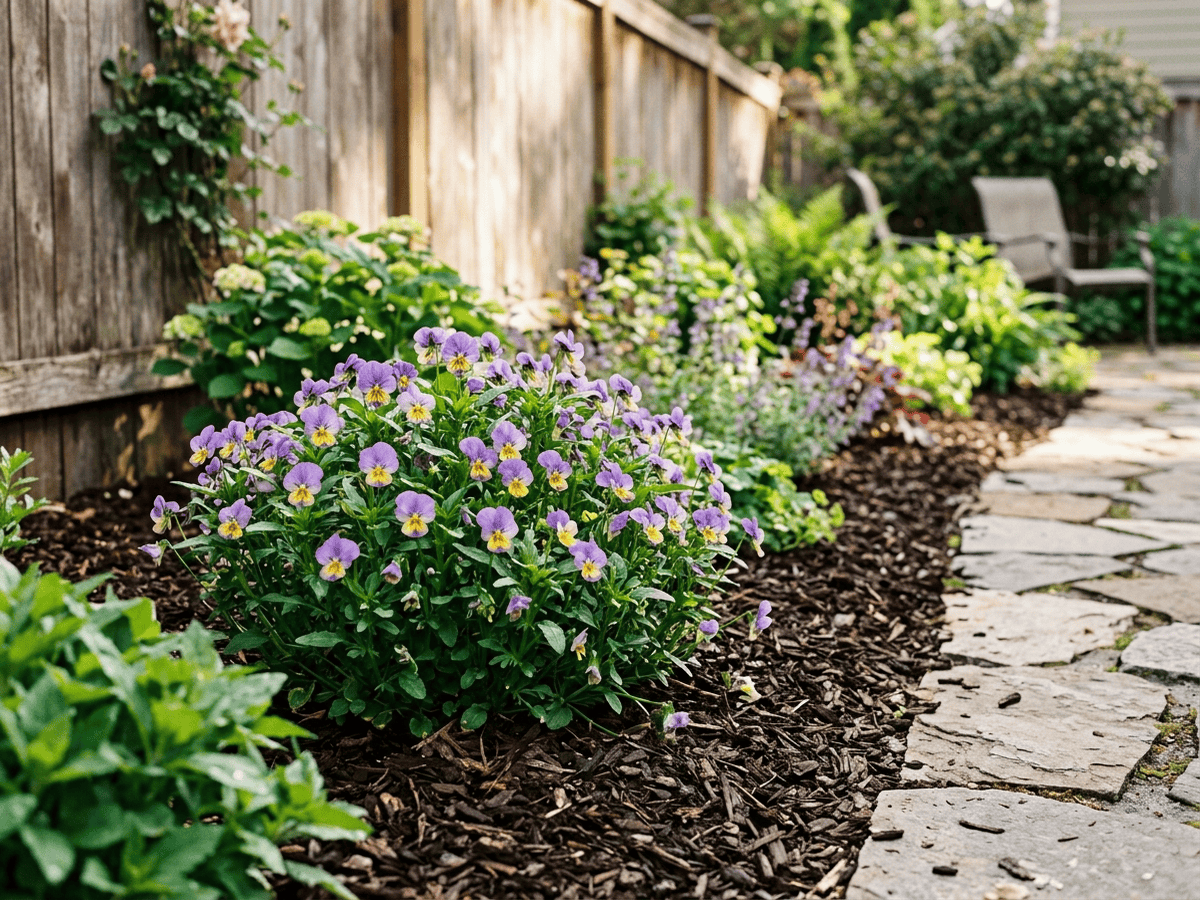
Horned Violet or Tufted Pansy is a short-lived perennial from the Pyrenees grown as a cool-season annual across most of the US, prized for its prolific 1-inch flowers in purple, yellow, white, apricot, and blue bicolors. Growing 6 to 10 inches tall, it blooms from early spring through early summer and again in fall, outlasting pansies in heat and returning freely from seed. A classic American cottage garden and container plant.
- Edible
- Deer-resistant
- Long-blooming
How to care for Horned Pansy
Watering
- Springevery 3 days
- Summerevery 5 days
- Fallevery 5 days
- Winterevery 7 days
Soil · Rich & well-draining
- Top dressingCompost10%
- Main mixPotting soil + compost 3:180%
- DrainageGravel10%
Top up the compost layer each season.
FERTILIZER
Balanced Feed 14-14-14
An even feed covers all three needs at once, keeping leaves, roots and blooms moving together with nothing pushed out of balance.
- Nitrogen · Leaves
- Phosphorus · Roots + Blooms
- Potassium · Strength
- Springevery 21 days
- Fallevery 21 days
At a Glance
- NativeEurope
- Height0.5–1 ft (0.2–0.3 m)
- Spread0.5–1 ft (0.2–0.3 m)
- Flower colorPurple, Blue, White, Yellow
- Foliage colorGreen
- SoilLoamy, Moisture-retentive
- LocationsYard · Balcony
Bloom time
BLOOM CYCLE
Peak bloom
Mar–Nov
Continuous small flowers spring and fall, pause in summer heat
Fragrance
LIGHT FRAGRANCE
Flowers have a light, sweet violet-like scent.
Toxicity
Pets Safe
None reported
Not reported
EXPOSURE No exposure route is reported.
EFFECT No toxic effect is reported.
NOTE No human toxicity is reported in this catalog; avoid eating ornamental plants unless confirmed edible.
Safe
EXPOSURE No exposure route is reported.
EFFECT No toxic effect is reported.
NOTE Listed as non-toxic for dogs; avoid eating ornamental plants unless confirmed edible.
Safe
EXPOSURE No exposure route is reported.
EFFECT No toxic effect is reported.
NOTE Listed as non-toxic for cats; avoid eating ornamental plants unless confirmed edible.
Educational information, not medical or veterinary advice. If exposure is suspected, contact a doctor or veterinarian.
DISTRIBUTION


- Native
- Introduced
- Europe
History
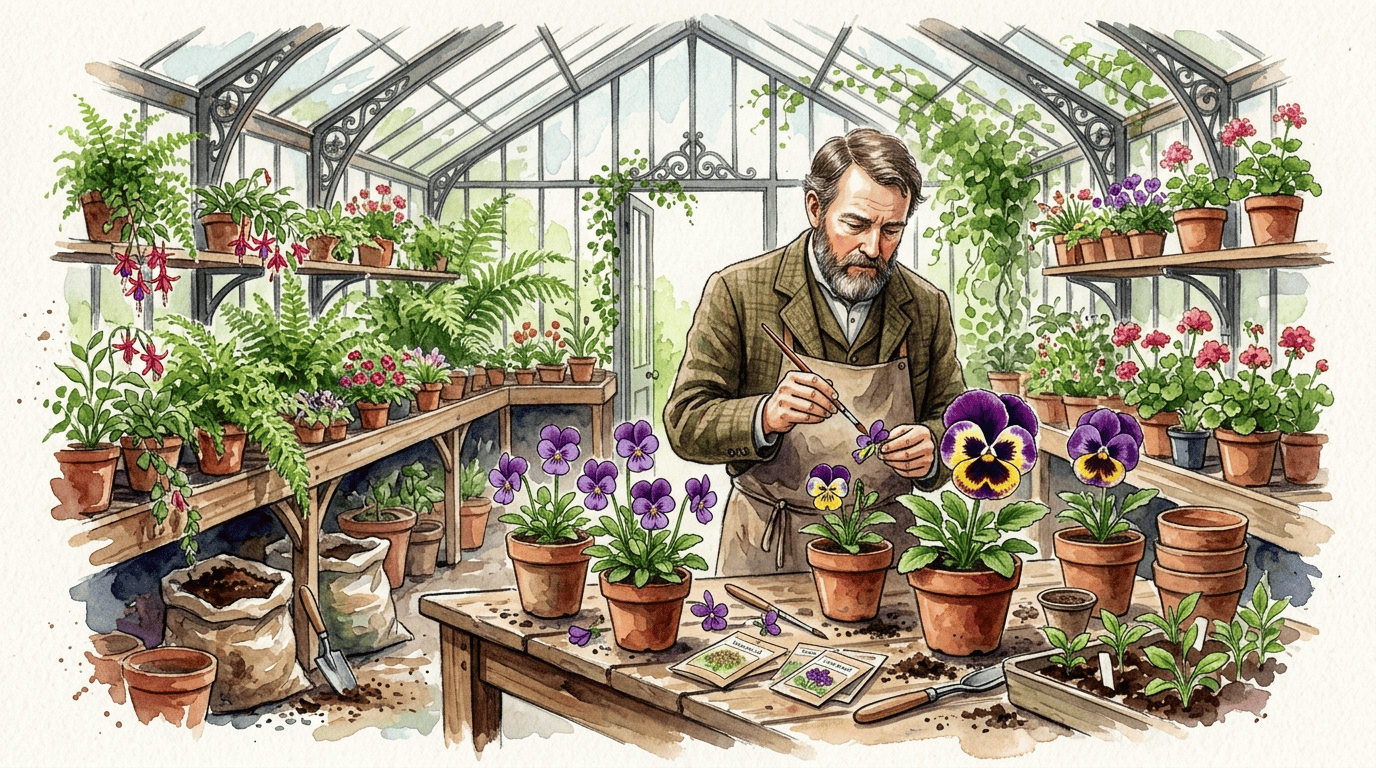
Viola cornuta, the horned violet or tufted pansy, is a clump-forming perennial native to the Pyrenees of southwestern France and northern Spain, and mountain habitats extending through the Cantabrian range. Linnaeus described the species in 1763, naming it for the slender spur of the flower. Its small purple five-petaled flowers long captivated alpine enthusiasts.
In the 1860s Scottish gardener James Grieve of Dickson's Nursery in Edinburgh, together with English breeder Dr. Charles Stuart, began systematic crosses with garden pansy Viola x wittrockiana, producing the tufted viola or viola odorata group that combined Viola cornuta's hardiness and long bloom season with the pansy's color range. Today series including Penny, Sorbet, Rebelina, and Admire dominate the global fall and spring pansy and viola bedding market.
Native to the Pyrenees mountains between France and Spain, introduced to English gardens in the 1760s and to American gardens soon after. The Sorbet series from PanAmerican Seed became the modern American standard, offering compact cold-hardy plants for fall and spring bedding.
Symbolism & meaning
What It Symbolizes
Horned Pansy is modest charm with cool grace, small flowers carrying enormous personality in each whiskered face. Where ordinary pansies wilt in summer heat, this slim cousin keeps blooming — calmer, hardier, often longer. In its little tufts of color lies the pleasant reminder that subtlety, not size, makes some of the best garden friends.
- Modest charm — small flowers with big personality
- Cool grace — thrives when pansies fade in heat
Where the Name Comes From
'Viola' is the Latin name used since antiquity; 'cornuta' from Latin means horned, for the distinctive elongated spur on the back of each flower.
Uses & Fun Facts
- Petals decorate salads, cakes, and frozen ice cubes
- Cool-season annual fills spring window boxes and mixed pots
- Prolific small flowers edge cottage borders and rock gardens
- Early blooms support emerging bees and small butterflies
Related plants
More Viola plants
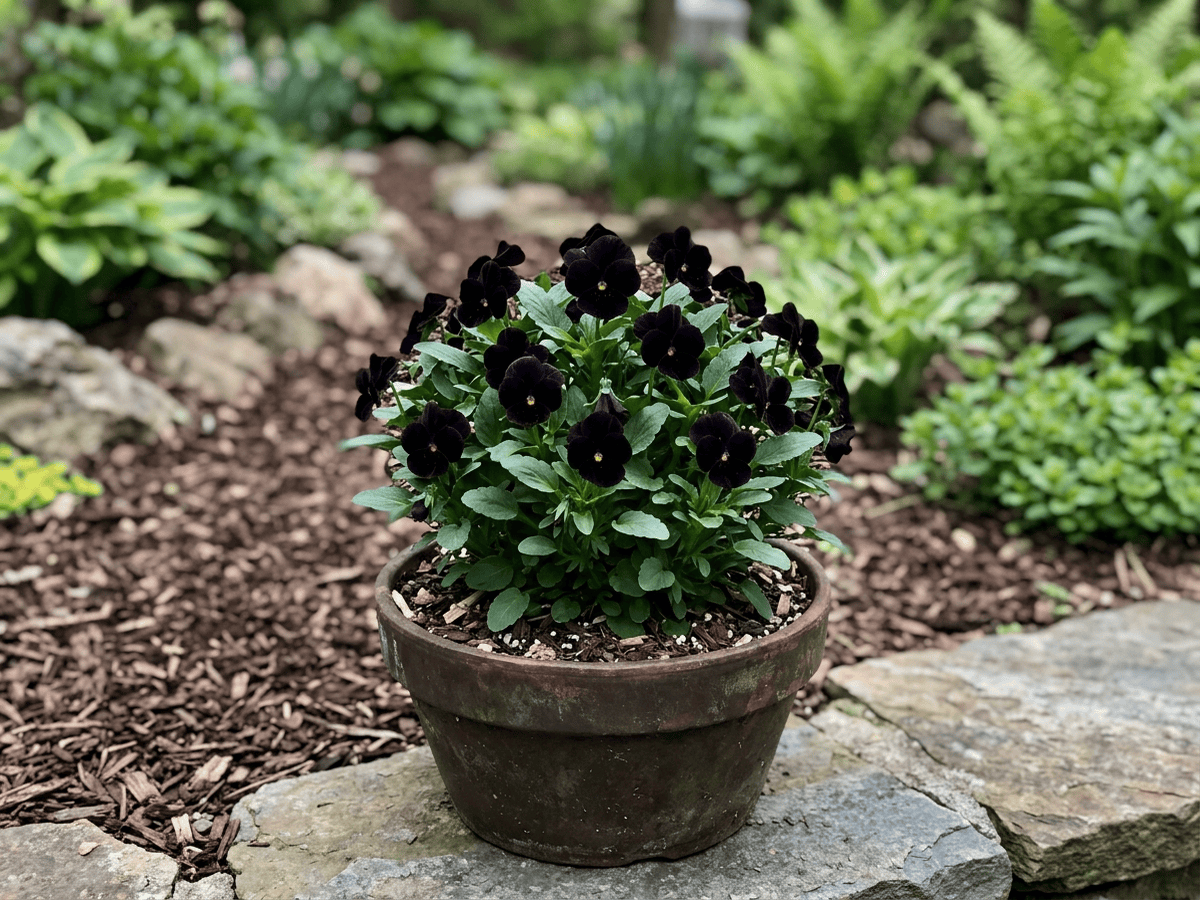 Black ViolaViola 'Molly Sanderson'
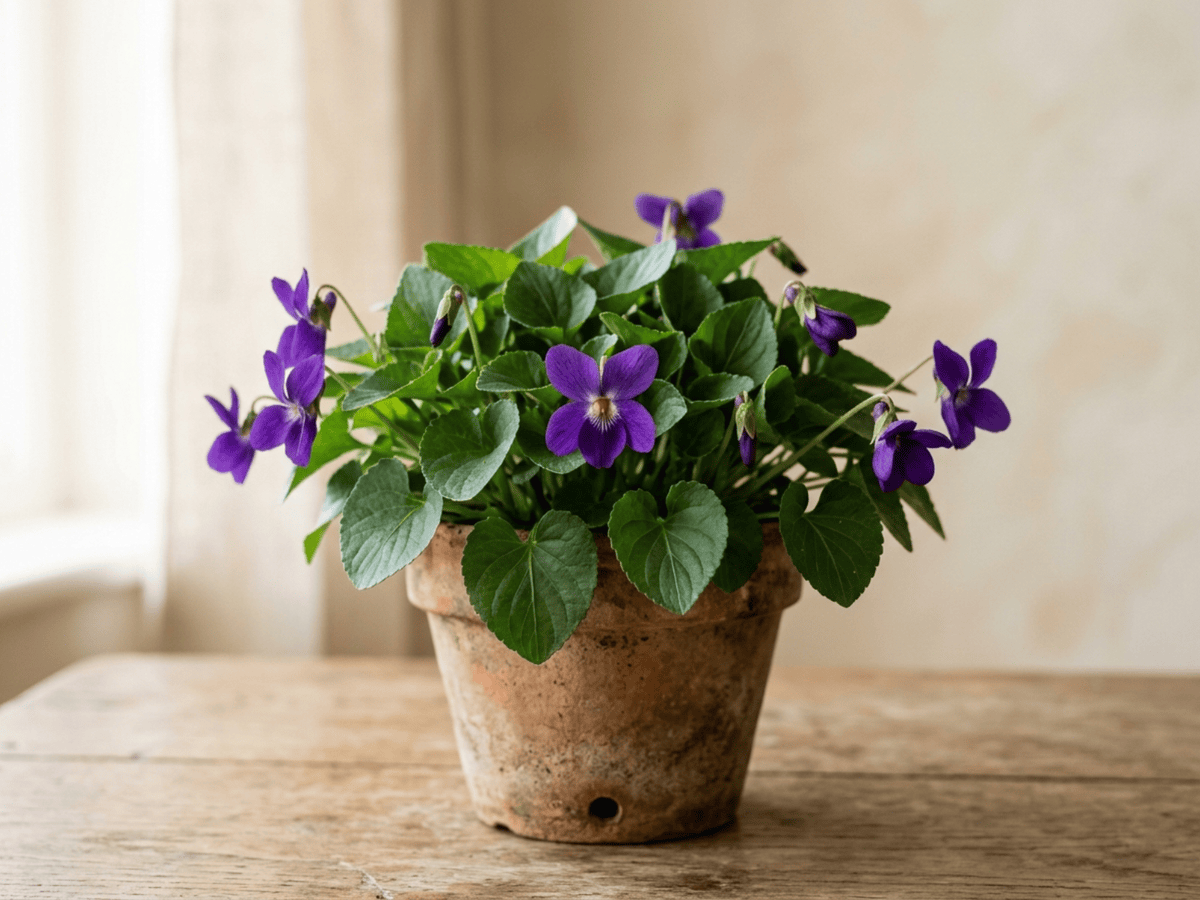 Sweet VioletViola odorata
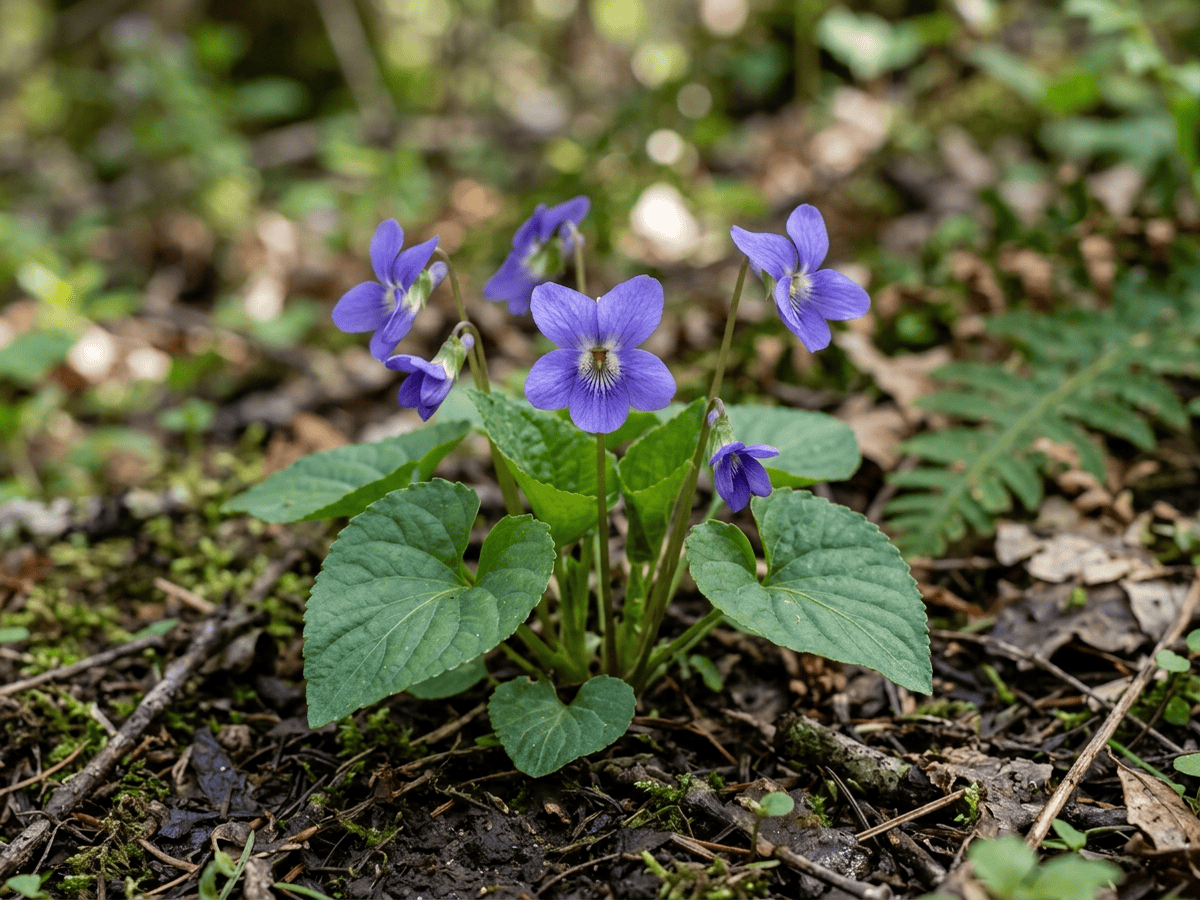 Common Blue VioletViola sororia
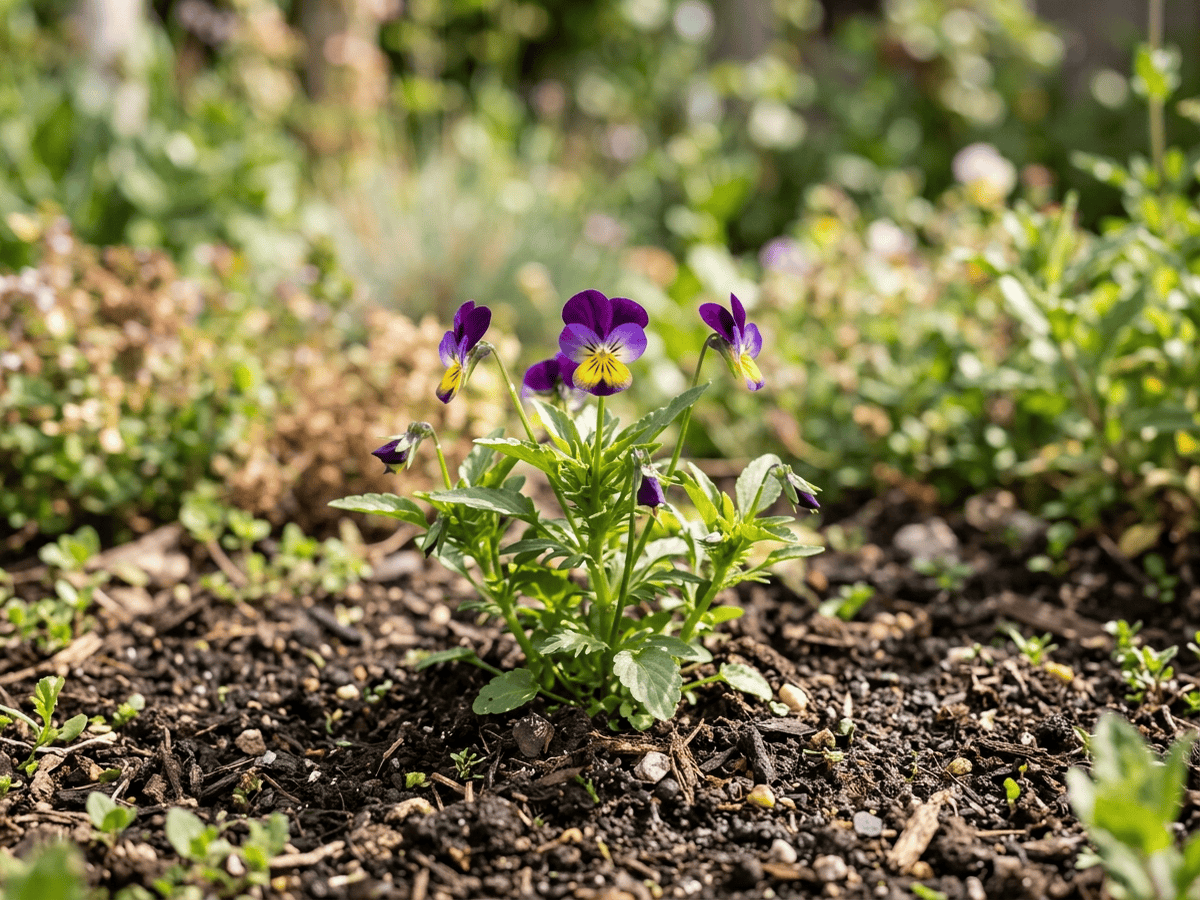 Wild PansyViola tricolor
Plants with similar care
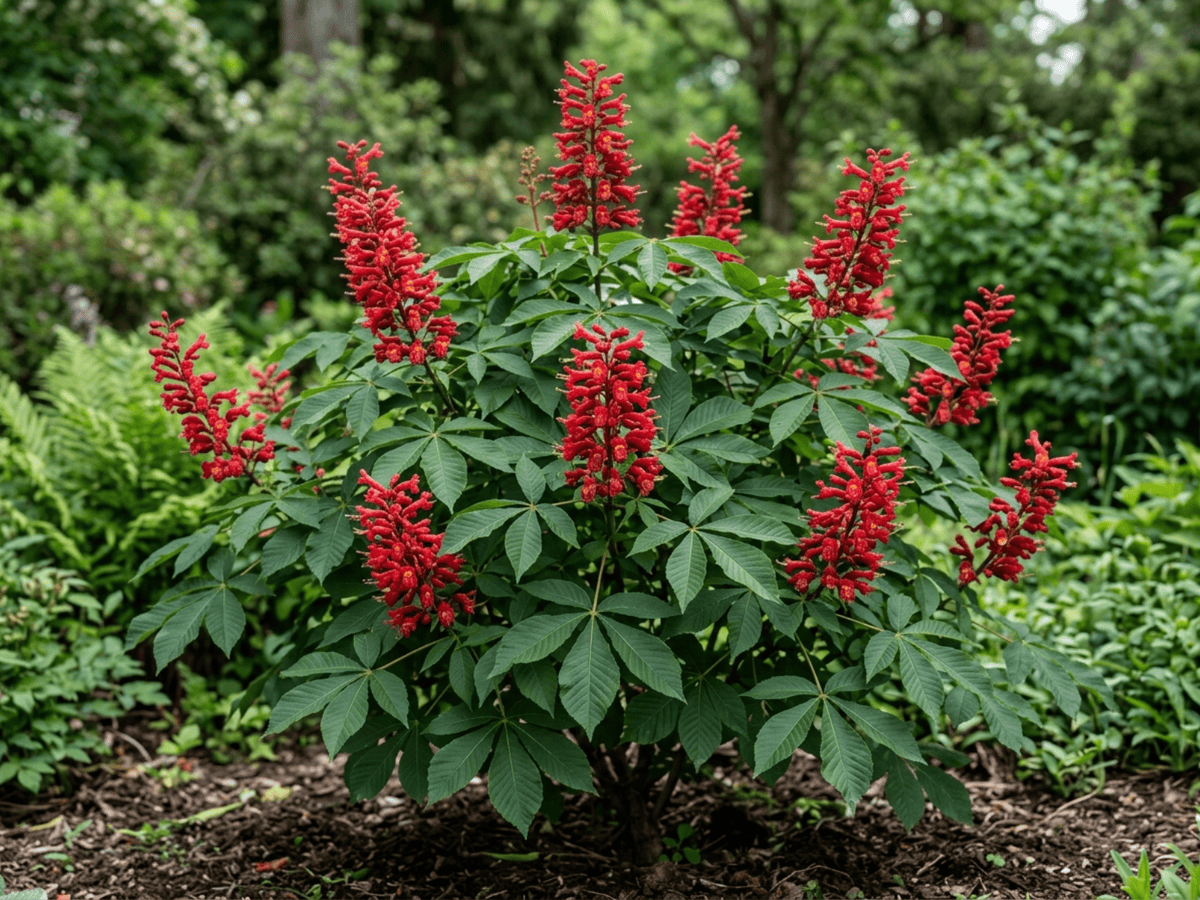 Red BuckeyeAesculus pavia
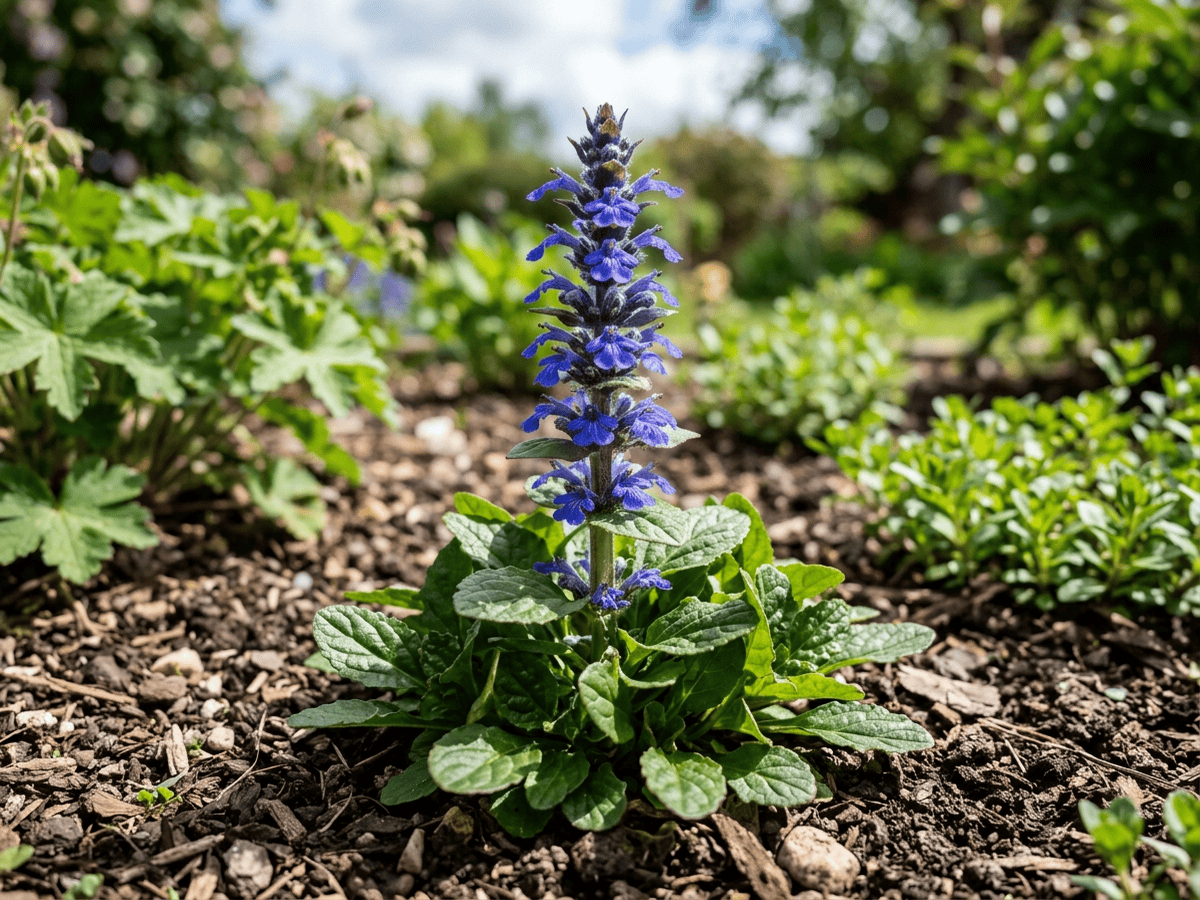 Blue BugleAjuga genevensis
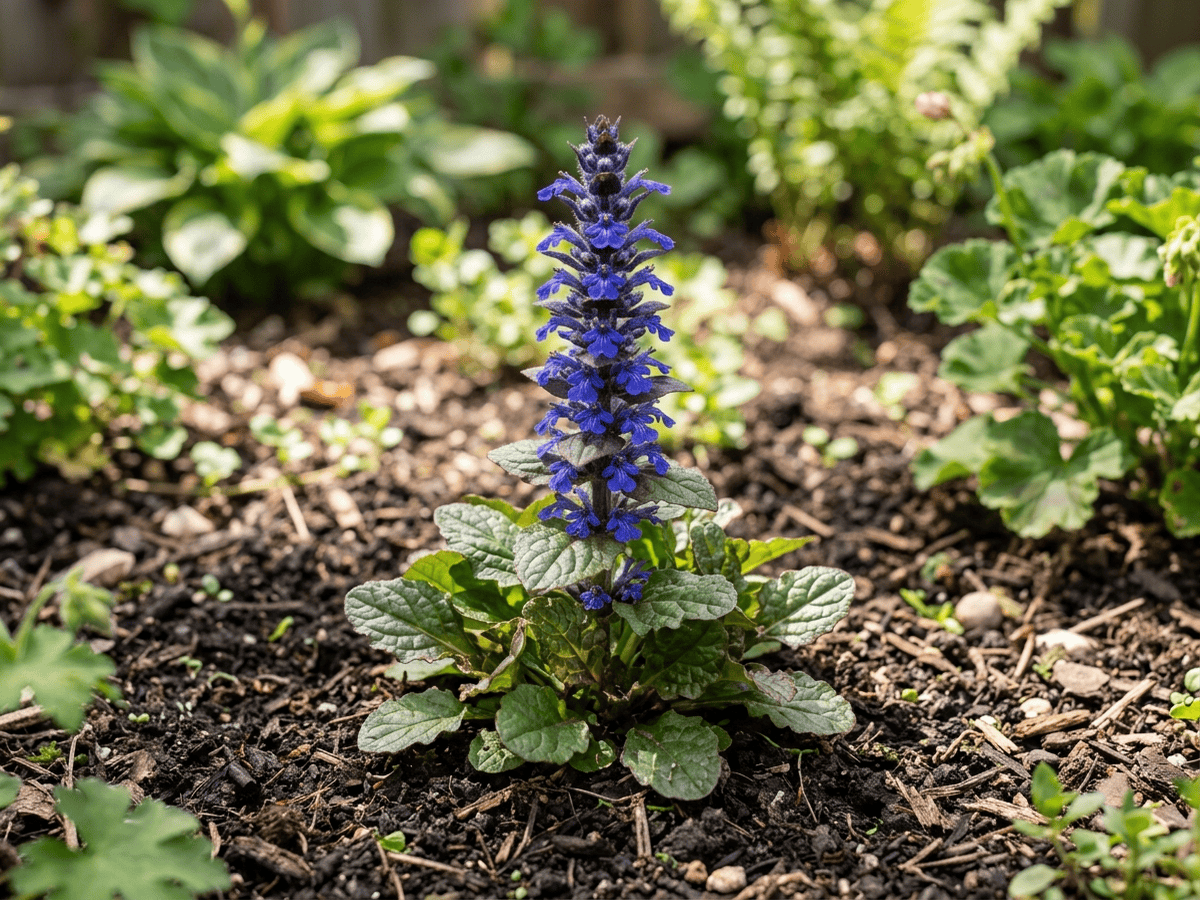 Pyramidal BugleAjuga pyramidalis
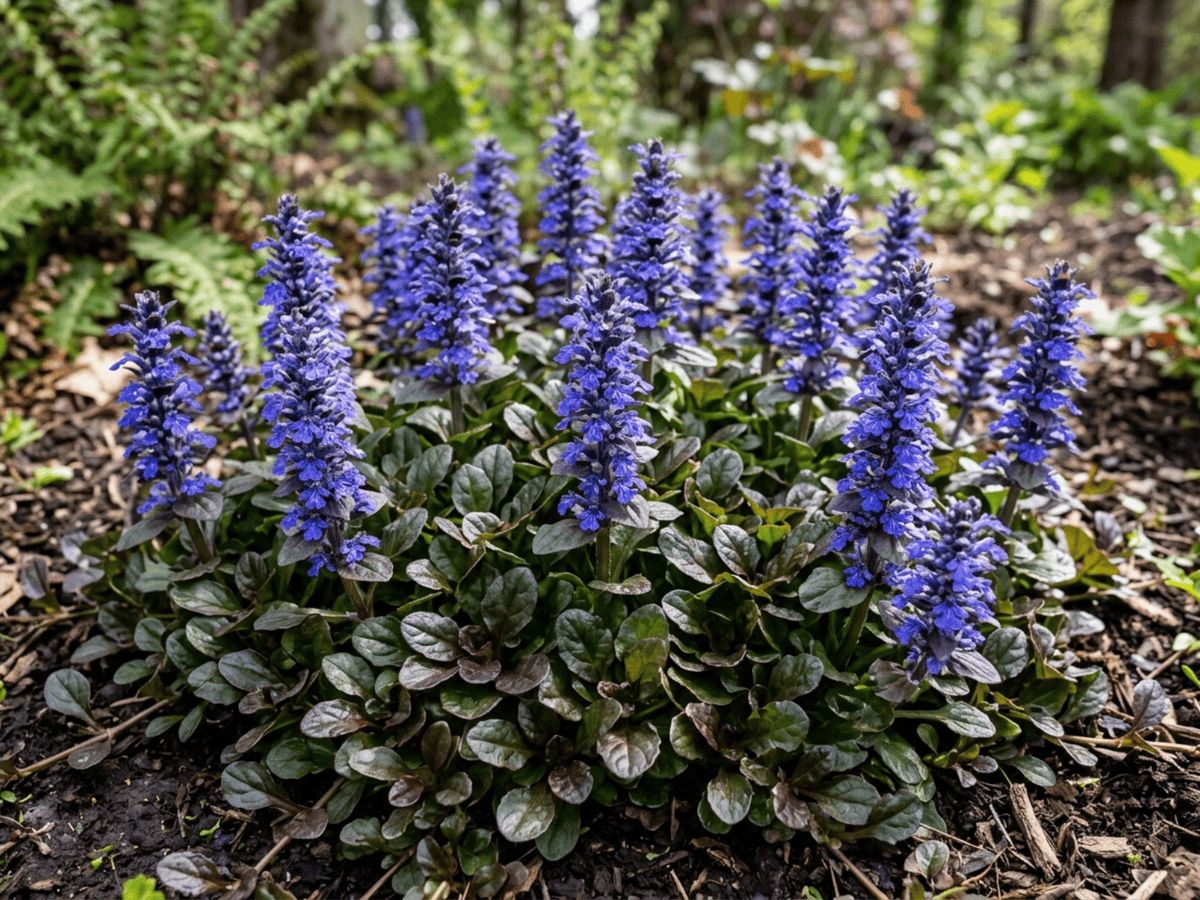 Carpet BugleAjuga reptans
Frequently asked questions
How often should I water Horned Pansy?
In summer, water about every 5 days; in winter, about every 7 days. Adjust for heat, pot size and drainage.
How much light does Horned Pansy need?
Part shade: 2–4 hrs direct. Watch the leaves — scorching or stretching means the light needs adjusting.
Is Horned Pansy toxic to cats or dogs?
Pets Safe (Dogs Safe · Cats Safe) Educational information, not medical or veterinary advice. If exposure is suspected, contact a doctor or veterinarian.
Is Horned Pansy easy to grow?
Yes — it is considered an easy, beginner-friendly plant.
When does Horned Pansy bloom?
It typically blooms Mar–Nov in the Northern Hemisphere.
YardMate
Identify any plant in seconds
Snap a photo — YardMate names the plant, diagnoses problems, and reminds you when to water.
Download on the App Store