 YardMate
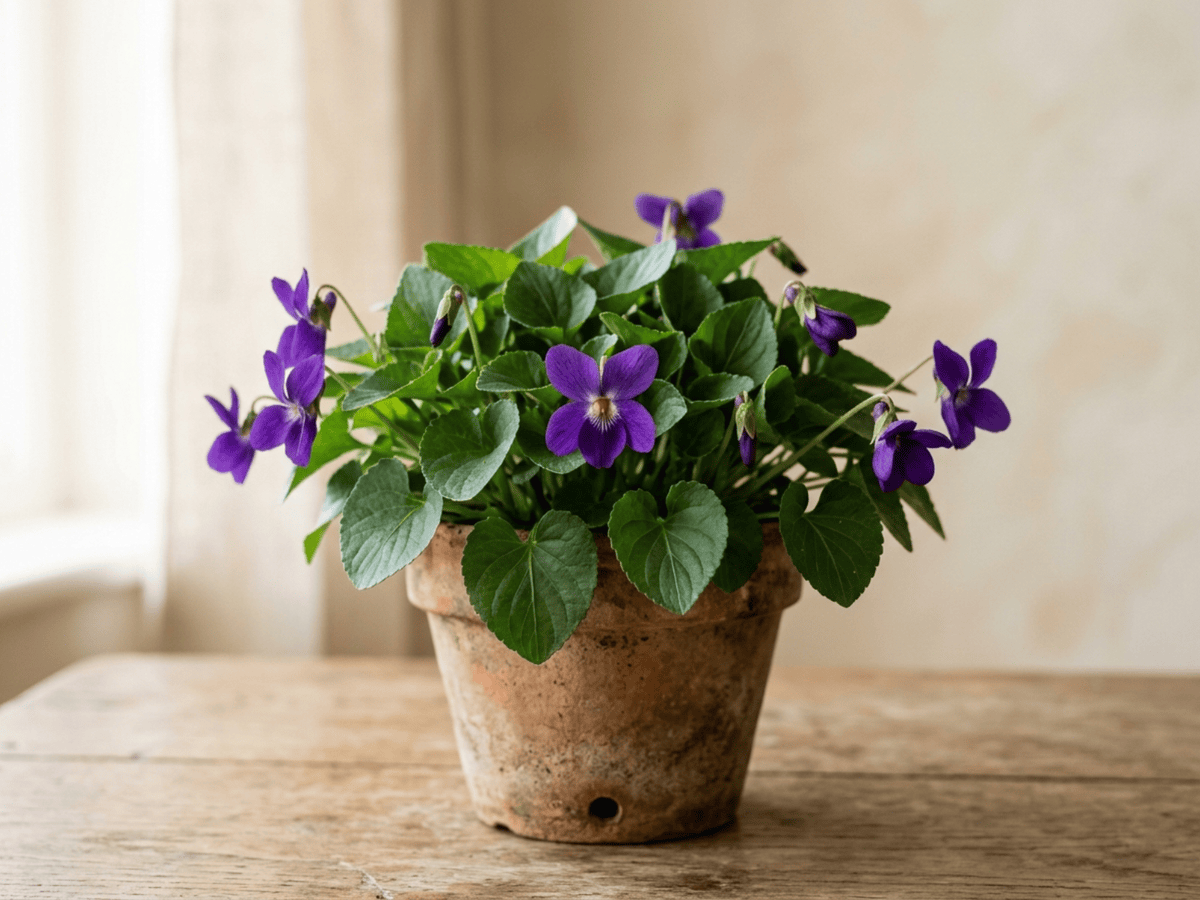


Sweet Violet
Viola odorata
Easy · Beginner friendlyAbout Sweet Violet
Viola odorata, the sweet violet, is a low-growing perennial treasured for its intensely sweet fragrance and delicate purple, blue, pink, or white flowers in early spring. Native to Europe and Asia, it spreads via runners to form ground-covering mats in shade. The fragrance is famously fleeting — a chemical called ionone temporarily numbs the olfactory receptors, so you can smell it once, then it seems to disappear, then returns. This enchanting quality made violets a symbol of modesty. The flowers and leaves are edible, used in confections, liqueurs, and perfumery.
- Edible
- Fragrant
- Shade-tolerant
- Groundcover
How to care for Sweet Violet
Watering
- Springevery 5 days
- Summerevery 3 days
- Fallevery 7 days
- Winterevery 14 days
Soil · Rich & well-draining
- Top dressingCompost10%
- Main mixPotting soil + compost 3:180%
- DrainageGravel10%
Top up the compost layer each season.
FERTILIZER
Balanced Feed 14-14-14
An even feed covers all three needs at once, keeping leaves, roots and blooms moving together with nothing pushed out of balance.
- Nitrogen · Leaves
- Phosphorus · Roots + Blooms
- Potassium · Strength
- Springevery 21 days
- Summerevery 21 days
At a Glance
- NativeEurope, Africa, Western Asia
- Height0.3–0.6 ft (0.1–0.2 m)
- Spread0.5–1 ft (0.2–0.3 m)
- Flower colorPurple, White, Pink
- Foliage colorGreen
- SoilLoamy, Moisture-retentive, Rich
- LocationsYard
Bloom time
BLOOM CYCLE
Peak bloom
Mar–May
Fragrant spring flowers; spreads by runners; fragrance disappears and returns (ionone effect)
Fragrance
STRONG FRAGRANCE
Iconic ionone-driven sweet-powdery scent; historically basis of violet perfumery.
Toxicity
No toxicity has been reported for this plant. Still, it is wise to keep pets from chewing on any houseplant.
Educational information, not medical or veterinary advice. If exposure is suspected, contact a doctor or veterinarian.
DISTRIBUTION


- Native
- Introduced
- Europe
- Africa
- Western Asia
History

Viola odorata is native to Europe, North Africa, and western Asia. Ancient Greeks crowned Athens with it; Romans made violet wine. Medieval monastic herbals prescribed it for headache and insomnia.
The plant's elusive fragrance — which fatigues the nose through ionone receptor blockade, creating an on-off perception — fascinated perfumers. Nineteenth-century France built a violet perfume industry centered on Toulouse (the Parma violet, V. odorata "Parmensis") and Grasse, and the Duchy of Parma, Italy, grew violets commercially for the fragrance trade. Napoleon Bonaparte adopted the violet as his symbol, reputedly pledging to return "with the violets" before his Elba exile; bonapartists exchanged violet greetings in code.
The invention of synthetic ionones by Tiemann in 1893 largely replaced natural violet absolute in perfumery, though traditional cultivation continues in France and Italy. Sweet violets were the favorite flower of Napoleon — he promised to return from exile 'with the violets in spring,' and supporters wore violets as a secret symbol. His opponents called him 'Corporal Violet.' Ancient Athens made the violet its city flower, and violet wreaths were worn at banquets. Crystallized violets remain a classic French confection.
Symbolism & meaning
What It Symbolizes
The Sweet Violet can symbolize modesty, its hidden fragrance tucked low beneath heart-shaped leaves and rewarding only those who kneel close enough to find it. The flower's whole identity is humility made beautiful, a small purple bloom whose scent has nonetheless perfumed Europe's poetry, perfumery and confectionery for centuries. In the language of flowers, viola odorata is the classic emblem of quiet beauty, a plant that proves modesty is not the absence of attraction but a particular, unforgettable way of holding it.
- Modesty — Its hidden fragrance beneath leaves represents humble, quiet beauty
Where the Name Comes From
Viola from Latin for violet. Odorata means 'fragrant.'
Uses & Fun Facts
- Sweet violet flowers candied or used in syrups
- Small purple flowers carry classic violet perfume
- Heart-shaped foliage spreads through woodland edges
- Long-cherished symbol of modesty in European poetry
Related plants
More Viola plants
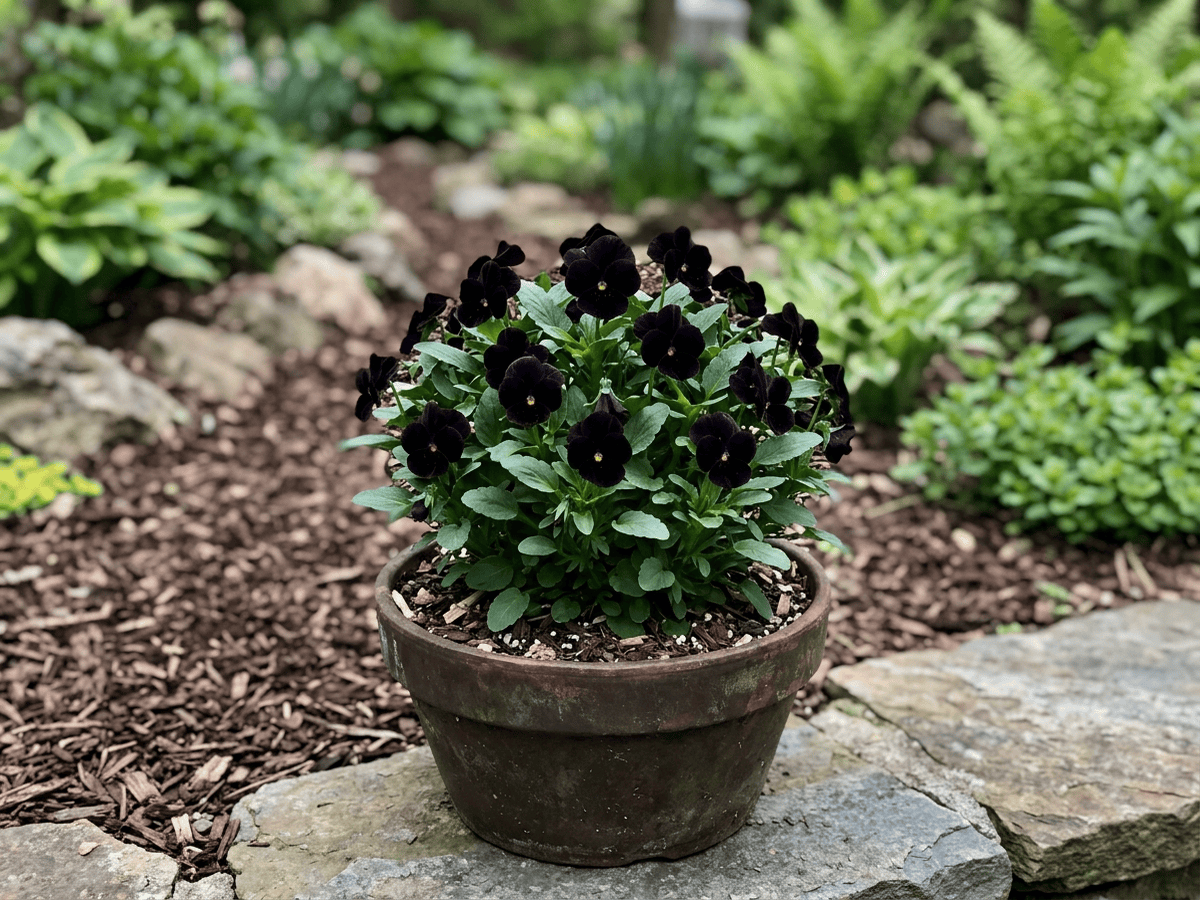 Black ViolaViola 'Molly Sanderson'
 Horned PansyViola cornuta
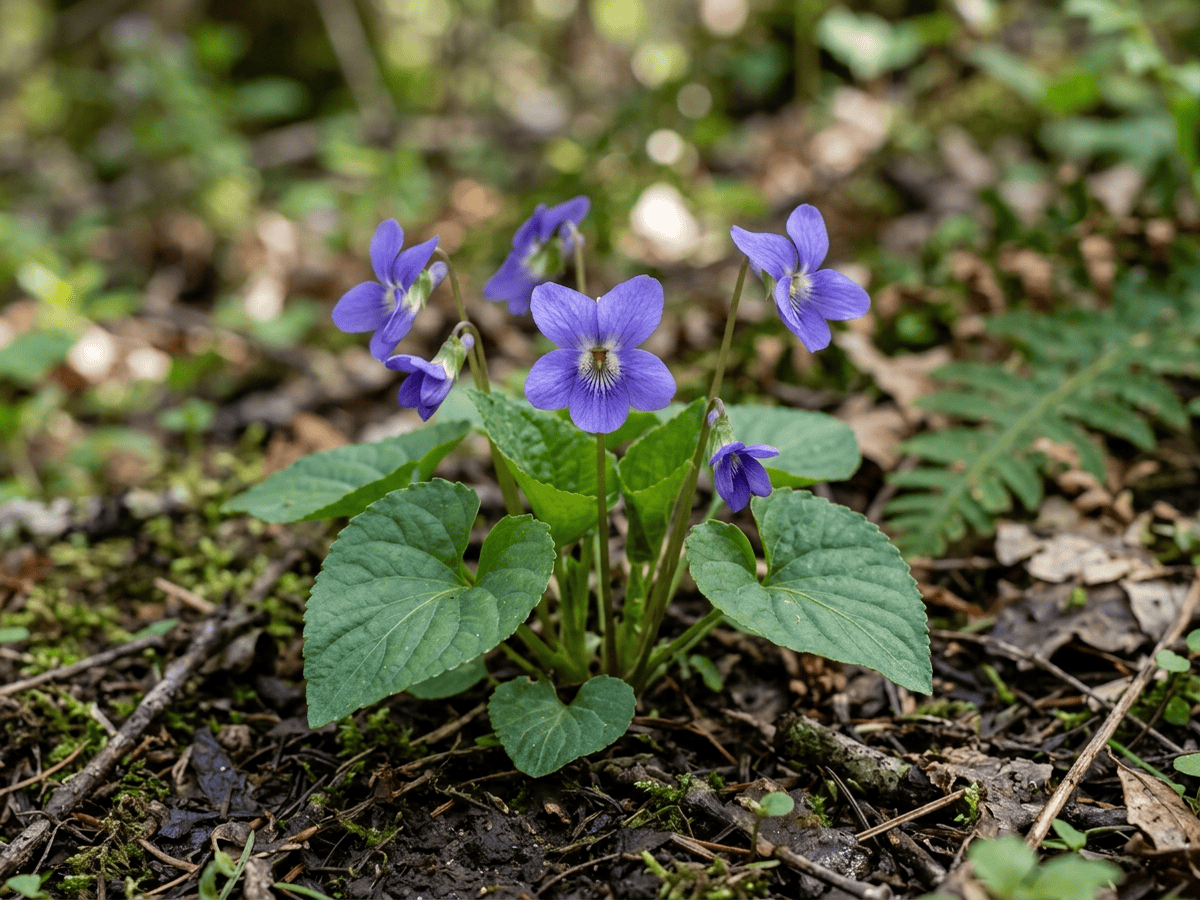 Common Blue VioletViola sororia
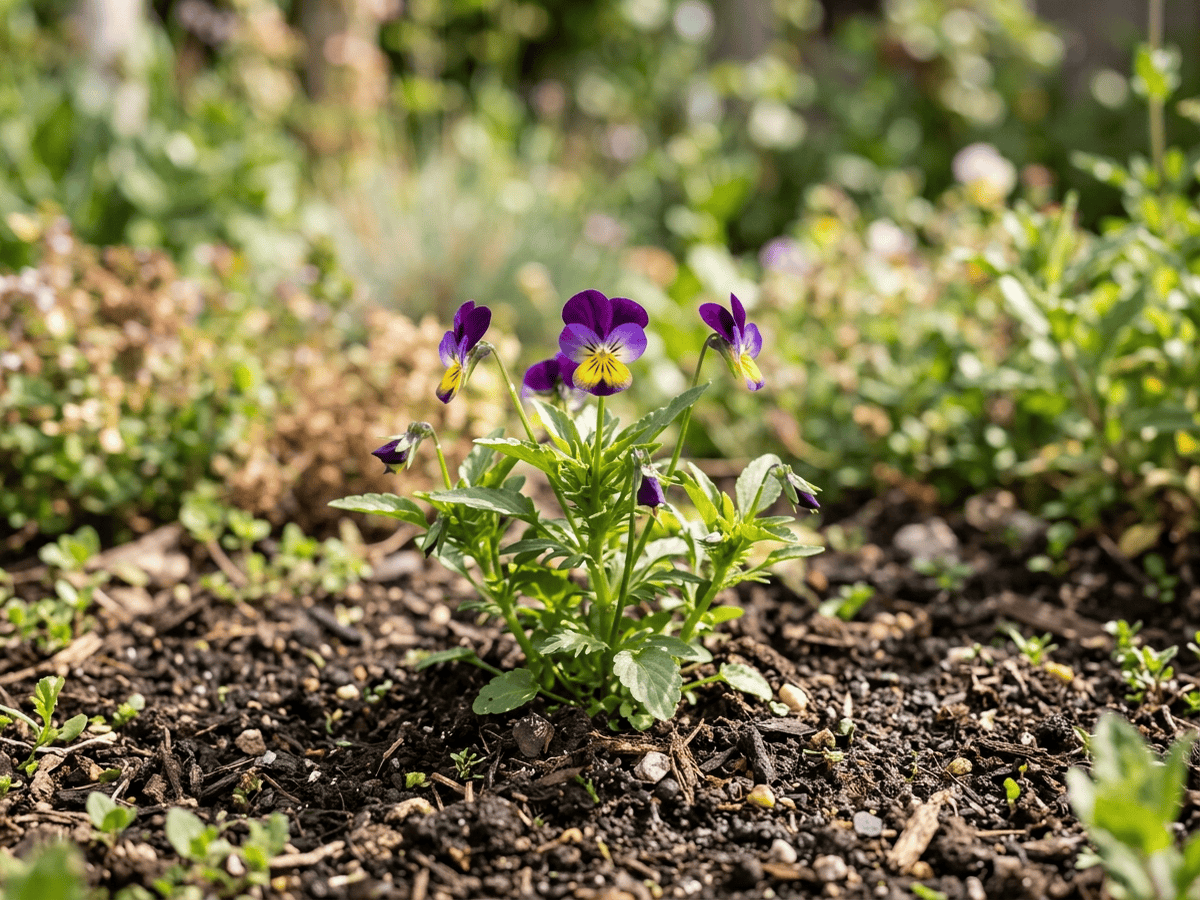 Wild PansyViola tricolor
Plants with similar care
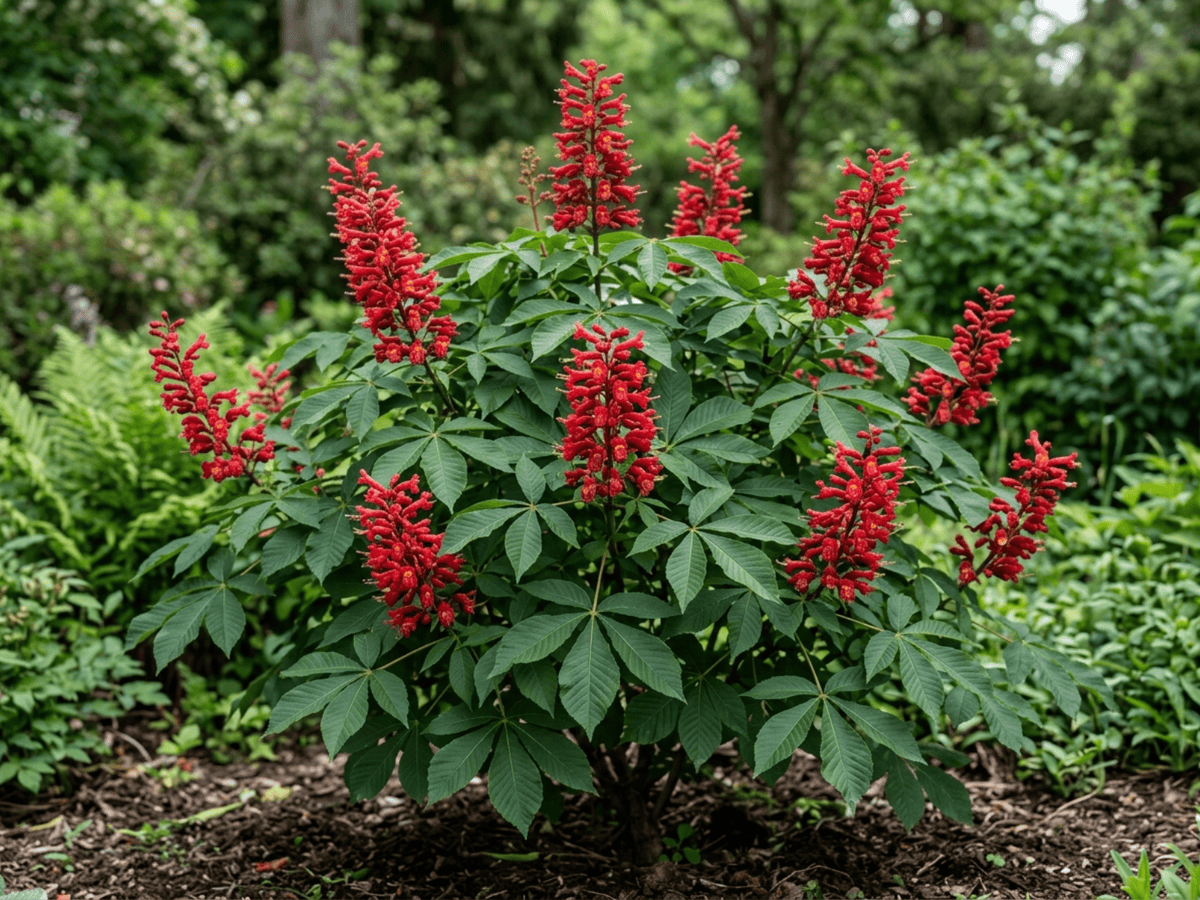 Red BuckeyeAesculus pavia
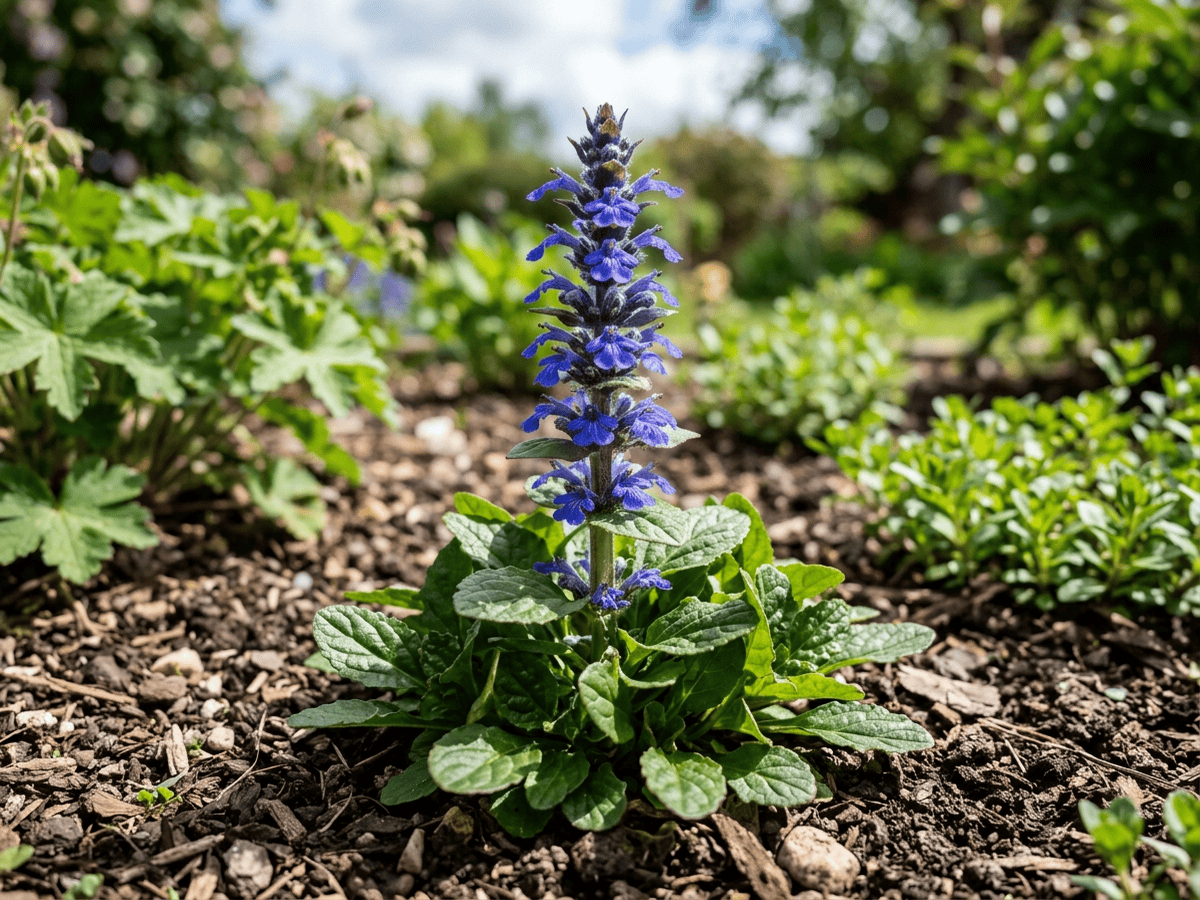 Blue BugleAjuga genevensis
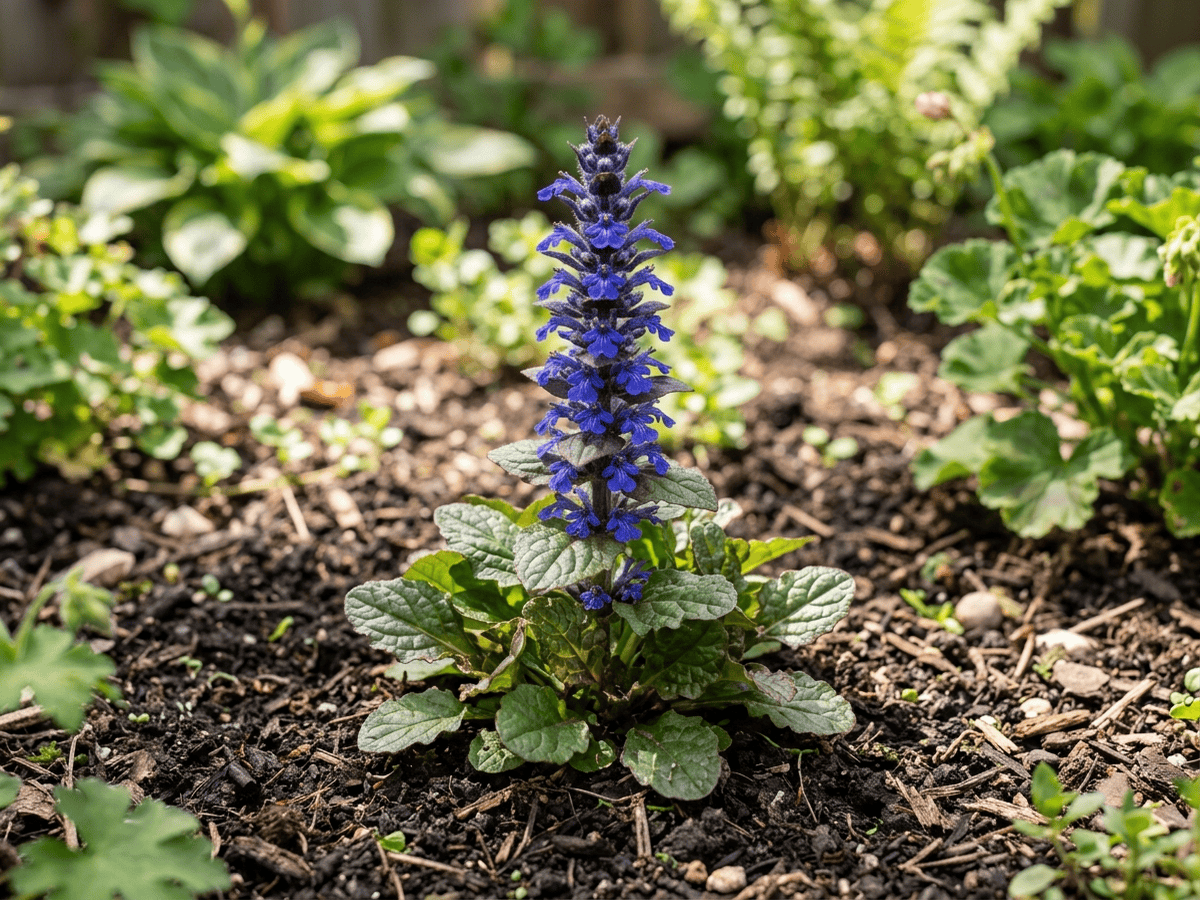 Pyramidal BugleAjuga pyramidalis
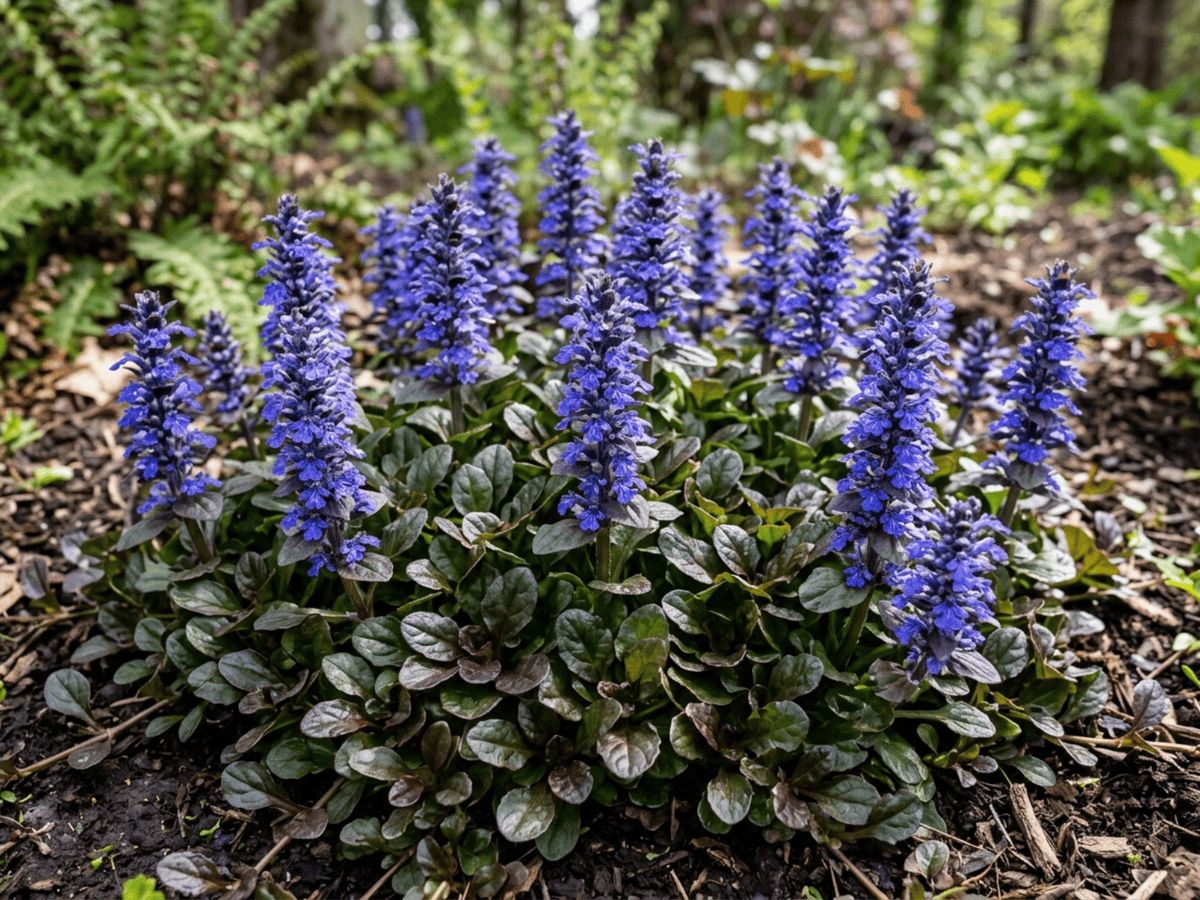 Carpet BugleAjuga reptans
Frequently asked questions
How often should I water Sweet Violet?
In summer, water about every 3 days; in winter, about every 14 days. Adjust for heat, pot size and drainage.
How much light does Sweet Violet need?
Part shade: 2–4 hrs direct. Watch the leaves — scorching or stretching means the light needs adjusting.
Is Sweet Violet toxic to cats or dogs?
No toxicity has been reported for this plant. Still, it is wise to keep pets from chewing on any houseplant. Educational information, not medical or veterinary advice. If exposure is suspected, contact a doctor or veterinarian.
Is Sweet Violet easy to grow?
Yes — it is considered an easy, beginner-friendly plant.
When does Sweet Violet bloom?
It typically blooms Mar–May in the Northern Hemisphere.
YardMate
Identify any plant in seconds
Snap a photo — YardMate names the plant, diagnoses problems, and reminds you when to water.
Download on the App Store