 YardMate


Wild Pansy
Viola tricolor
Easy · Beginner friendlyAbout Wild Pansy
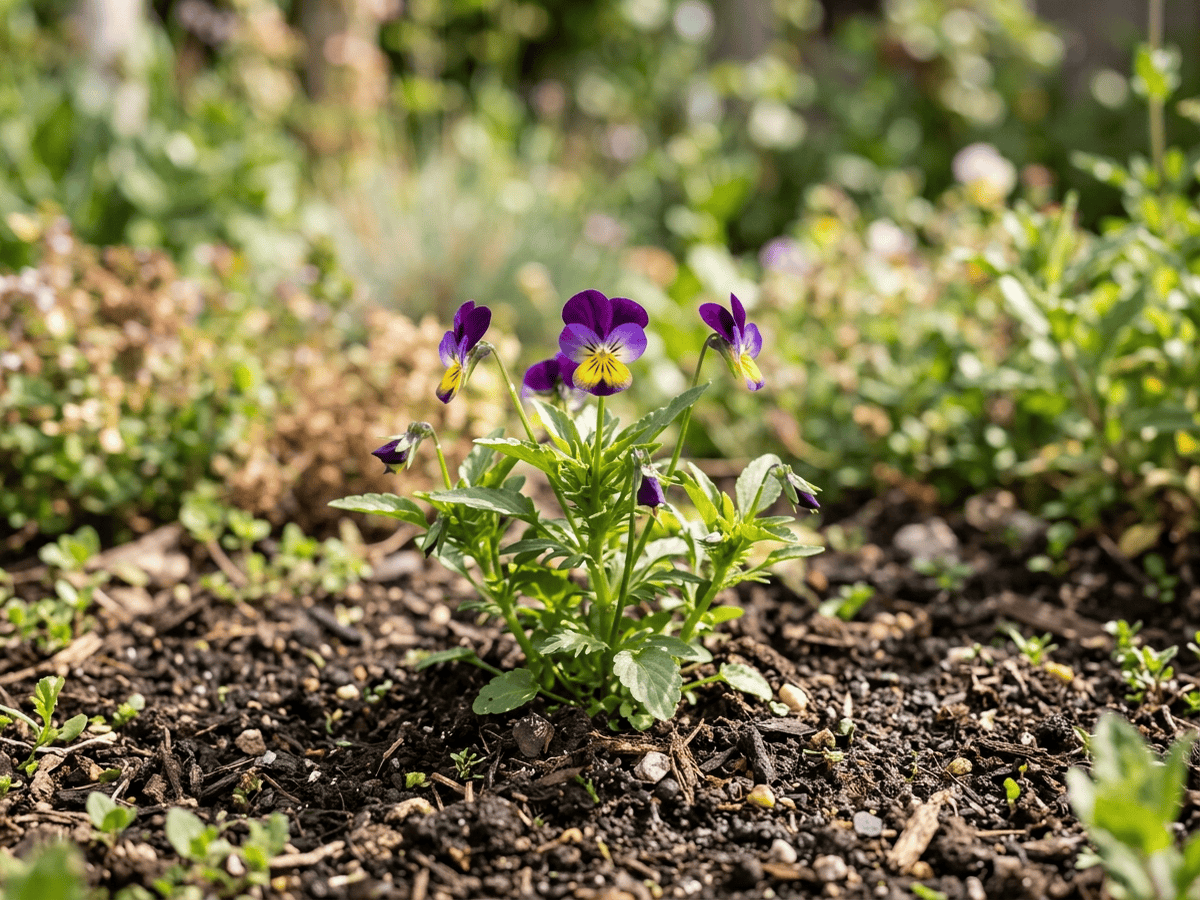
Viola tricolor, wild pansy or heartsease, is a small European annual or short-lived perennial with purple, yellow, and white flowers that look painted by hand. It is one of the key ancestors of the modern garden pansy, but its own charm is lighter and more wandering: 10-20 cm plants that self-sow in open ground and appear where conditions suit them. The flowers are edible and beautiful on cakes, salads, and cold drinks. Its name heartsease reflects a long folklore of love, melancholy, and emotional comfort, and Shakespeare drew on that tradition for the love flower in A Midsummer Night's Dream. In the garden it is a modest plant with a literary shadow.
- Edible
- Medicinal
How to care for Wild Pansy
Watering
- Springevery 5 days
- Summerevery 3 days
- Fallevery 7 days
- Winterevery 10 days
Soil · Rich & well-draining
- Top dressingCompost10%
- Main mixPotting soil + compost 3:180%
- DrainageGravel10%
Top up the compost layer each season.
FERTILIZER
Balanced Feed 14-14-14
An even feed covers all three needs at once, keeping leaves, roots and blooms moving together with nothing pushed out of balance.
- Nitrogen · Leaves
- Phosphorus · Roots + Blooms
- Potassium · Strength
- Springevery 21 days
- Fallevery 21 days
At a Glance
- NativeEurope
- Height0.5–1 ft (0.2–0.3 m)
- Spread0.5–1 ft (0.2–0.3 m)
- Flower colorPurple, Yellow, White, Blue
- Foliage colorGreen
- SoilLoamy, Moisture-retentive, Rich
- LocationsYard · Balcony
Bloom time
BLOOM CYCLE
Peak bloom
Jun–Aug
Tiny tri-colored flowers; self-seeds everywhere; prefers cool weather
Fragrance
LIGHT FRAGRANCE
Delicate scent detectable up close.
Toxicity
Humans Safe · Pets Safe
saponins and salicylates
Safe
EXPOSURE No exposure route is reported.
EFFECT Flowers edible and used as garnish and in folk medicine.
NOTE Listed as non-toxic for humans; avoid eating ornamental plants unless confirmed edible.
Safe
EXPOSURE No exposure route is reported.
EFFECT Not listed as toxic.
NOTE Listed as non-toxic for dogs; avoid eating ornamental plants unless confirmed edible.
Safe
EXPOSURE No exposure route is reported.
EFFECT Not listed as toxic.
NOTE Listed as non-toxic for cats; avoid eating ornamental plants unless confirmed edible.
Educational information, not medical or veterinary advice. If exposure is suspected, contact a doctor or veterinarian.
DISTRIBUTION

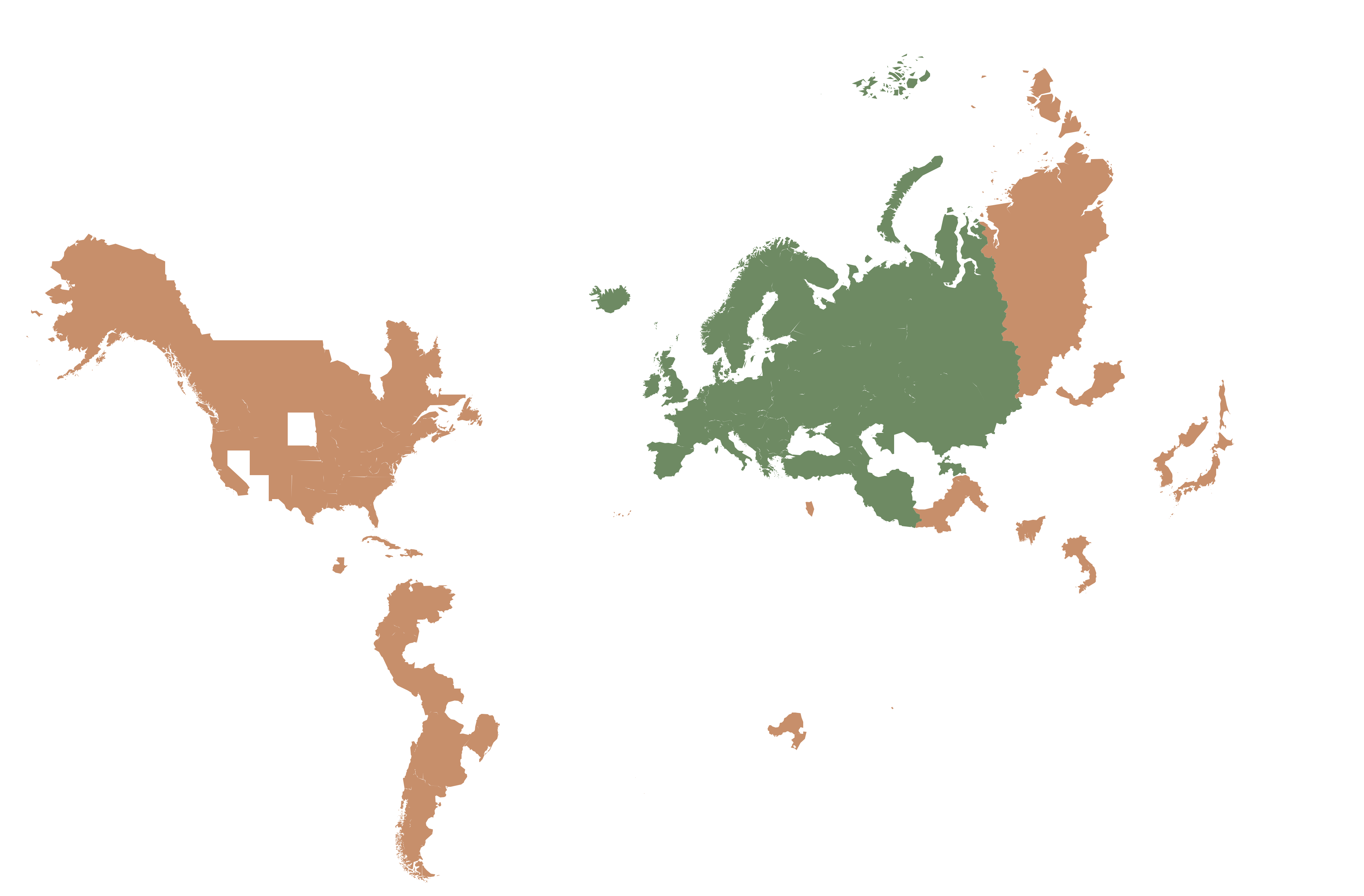
- Native
- Introduced
- Europe
History

Viola tricolor is native to European grasslands, meadows, and waste ground, with a folk history rich in love-magic. Shakespeare's A Midsummer Night's Dream names it "love-in-idleness," the flower Puck squeezes into Titania's eyes. It was used medicinally for eczema and as a cardiotonic, and Hildegard von Bingen recorded it in the 12th century.
The modern pansy emerged in 1812-1820 in England from the garden of Mary Elizabeth Bennet, Lady Monke, where gardener William Richardson selected new forms; further crosses at the garden of Admiral Lord Gambier in the 1830s produced the first round, blotched pansies now associated with the name. Commercial breeding in the late 19th century (Trimardeau series in France) and 20th century (Benary, Sakata, PanAmerican) produced the vast color range of modern winter and spring bedding pansies.
Modern research has identified anti-inflammatory cyclotides in the plant. The transformation from wild pansy to modern garden pansy began in the 1810s when English gardeners began systematic selection, and by 1835, over 400 named pansy varieties existed.
Symbolism & meaning
What It Symbolizes
The Wild Pansy can symbolize loving thoughts, the very flower Shakespeare gave to Ophelia when it said, 'and there is pansies, that's for thoughts.' Every small purple-and-yellow face in a meadow patch becomes a tiny vehicle of remembrance, a flower handed from one heart to another. Few wildflowers have lived so deeply inside English literary memory — a humble bloom forever entangled with grief, love, and the strange tenderness of Hamlet's mad scenes.
- Loving thoughts — Shakespeare's love flower — 'that's for thoughts,' as Ophelia says in Hamlet
Where the Name Comes From
Viola from Latin for violet. Tricolor means 'three-colored,' for the purple, yellow, and white markings.
Uses & Fun Facts
- Edible flowers garnish salads, cakes, syrups, and summer drinks
Related plants
More Viola plants
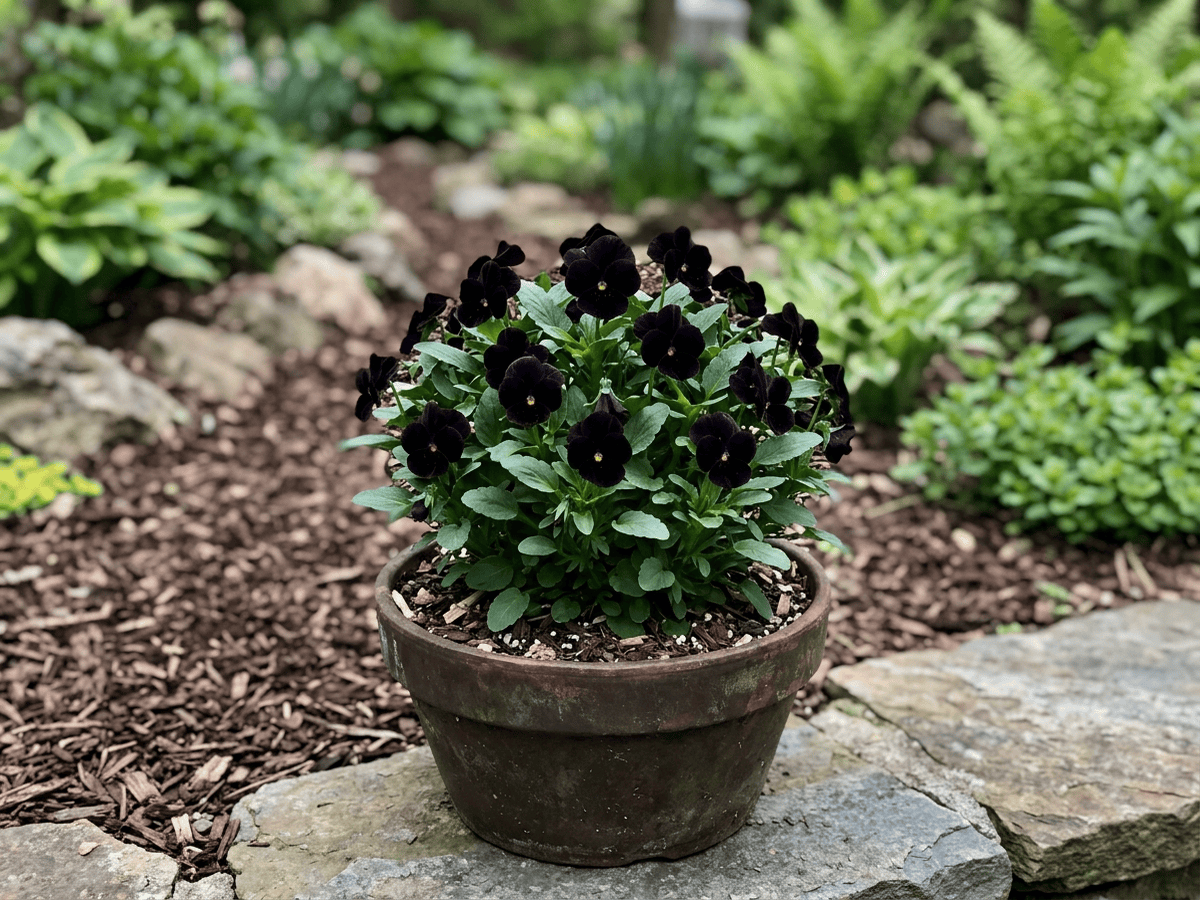 Black ViolaViola 'Molly Sanderson'
 Horned PansyViola cornuta
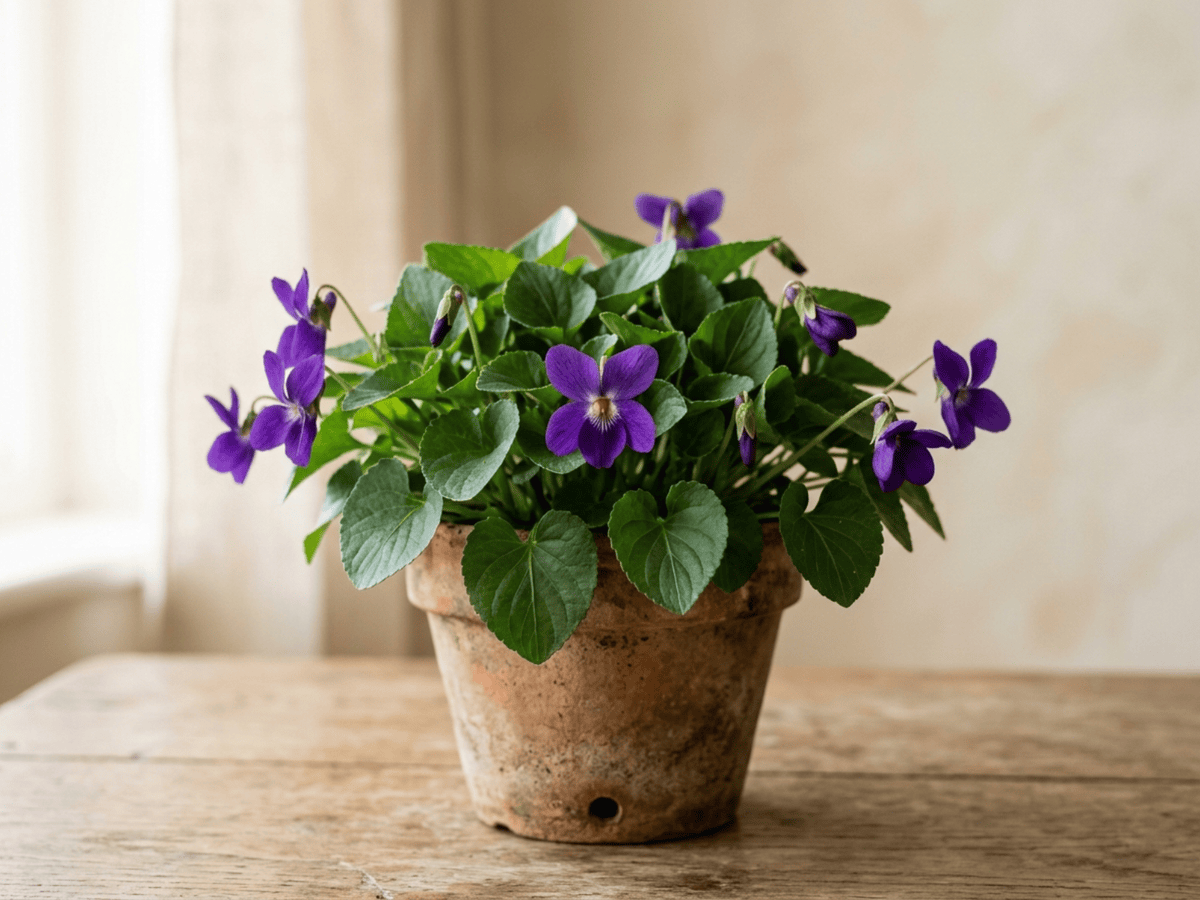 Sweet VioletViola odorata
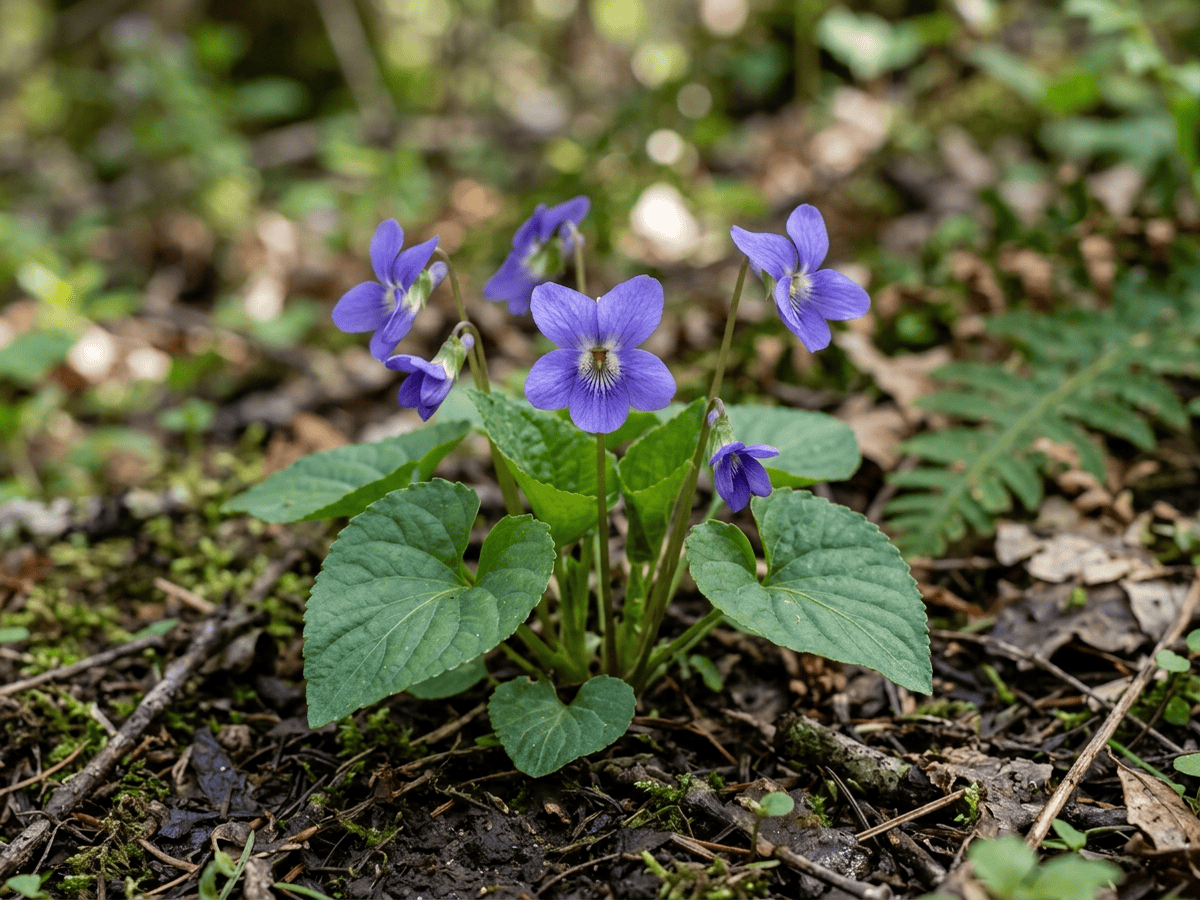 Common Blue VioletViola sororia
Plants with similar care
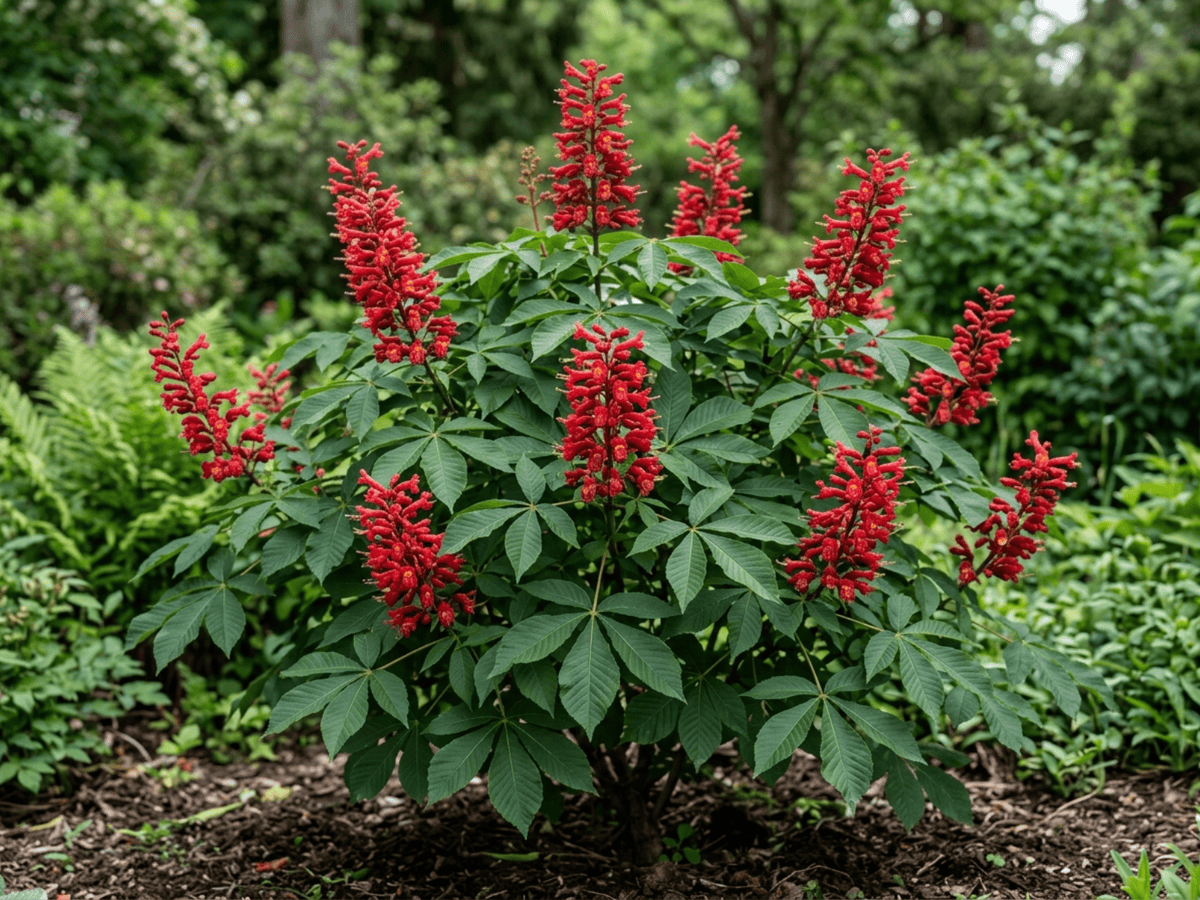 Red BuckeyeAesculus pavia
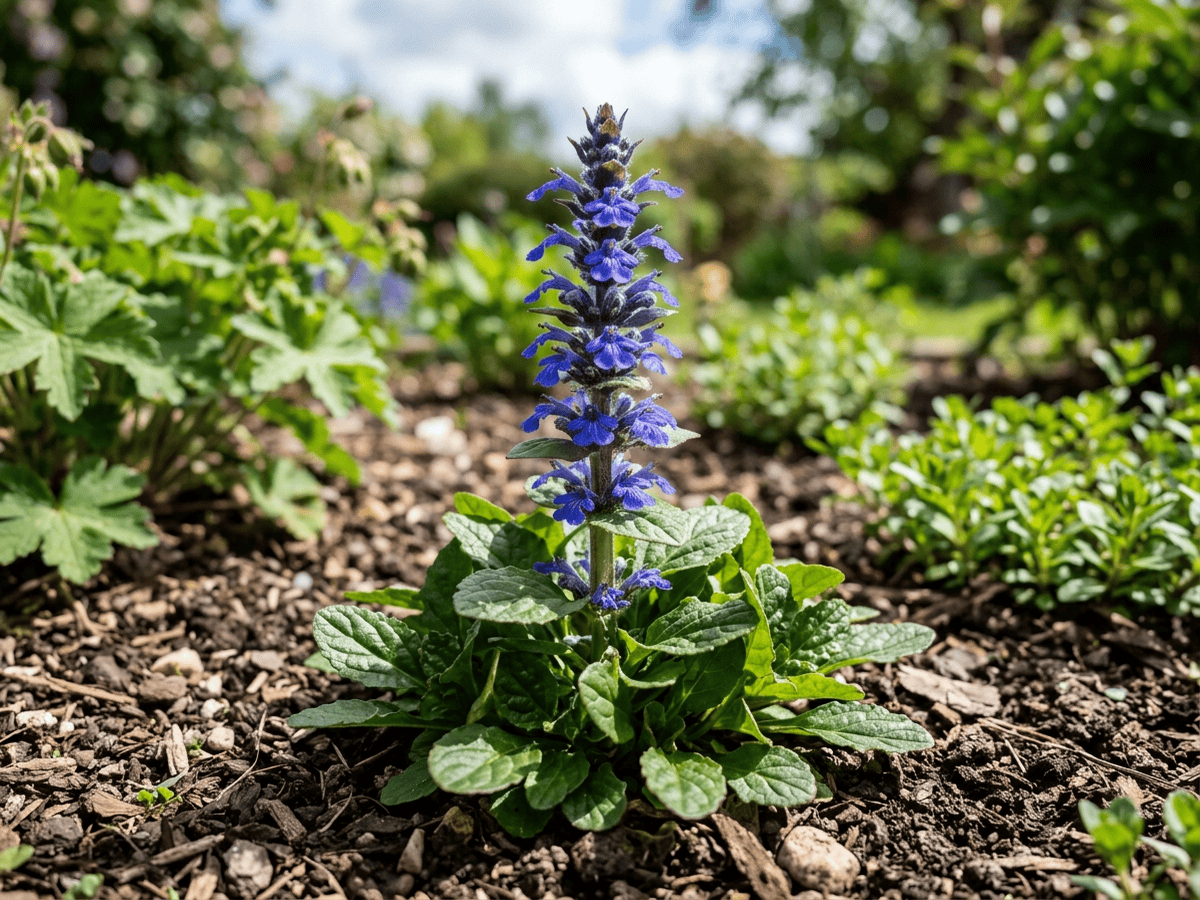 Blue BugleAjuga genevensis
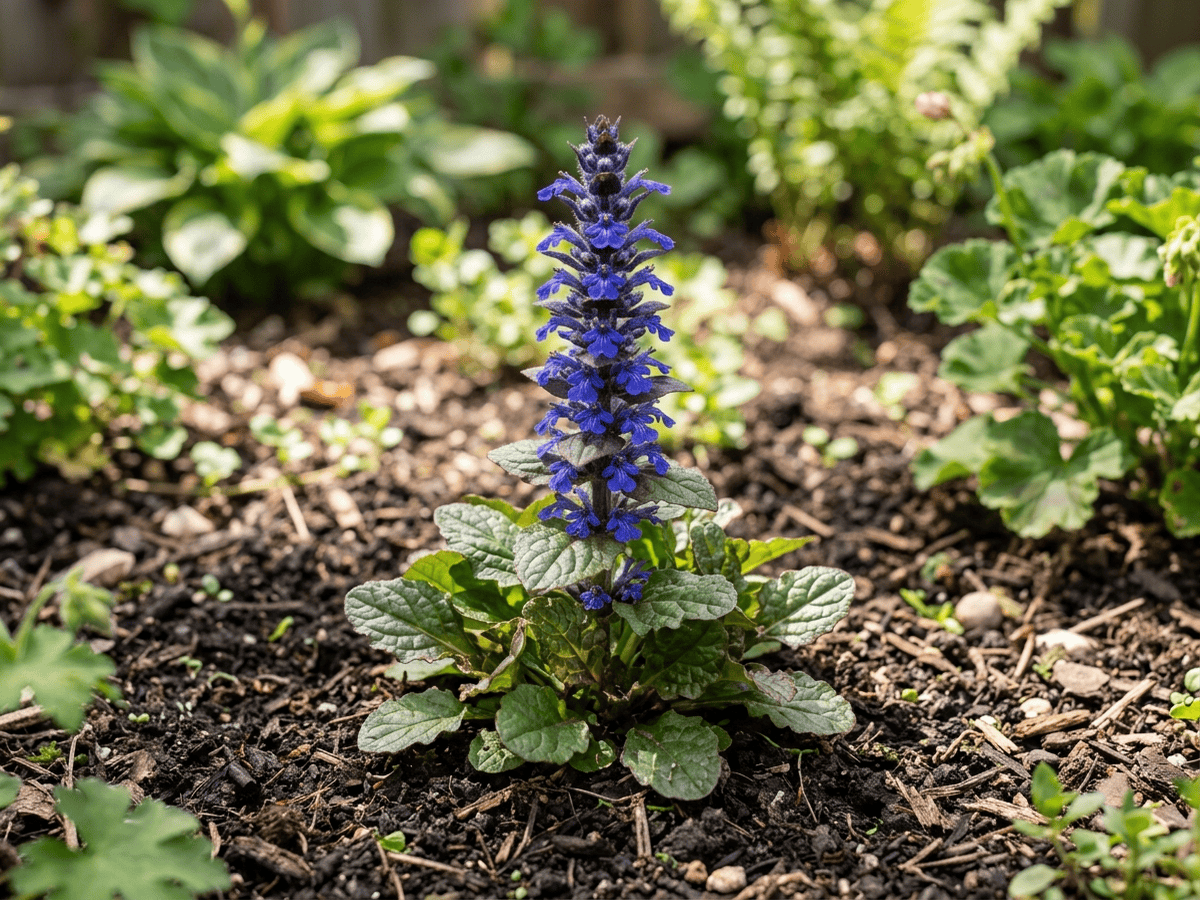 Pyramidal BugleAjuga pyramidalis
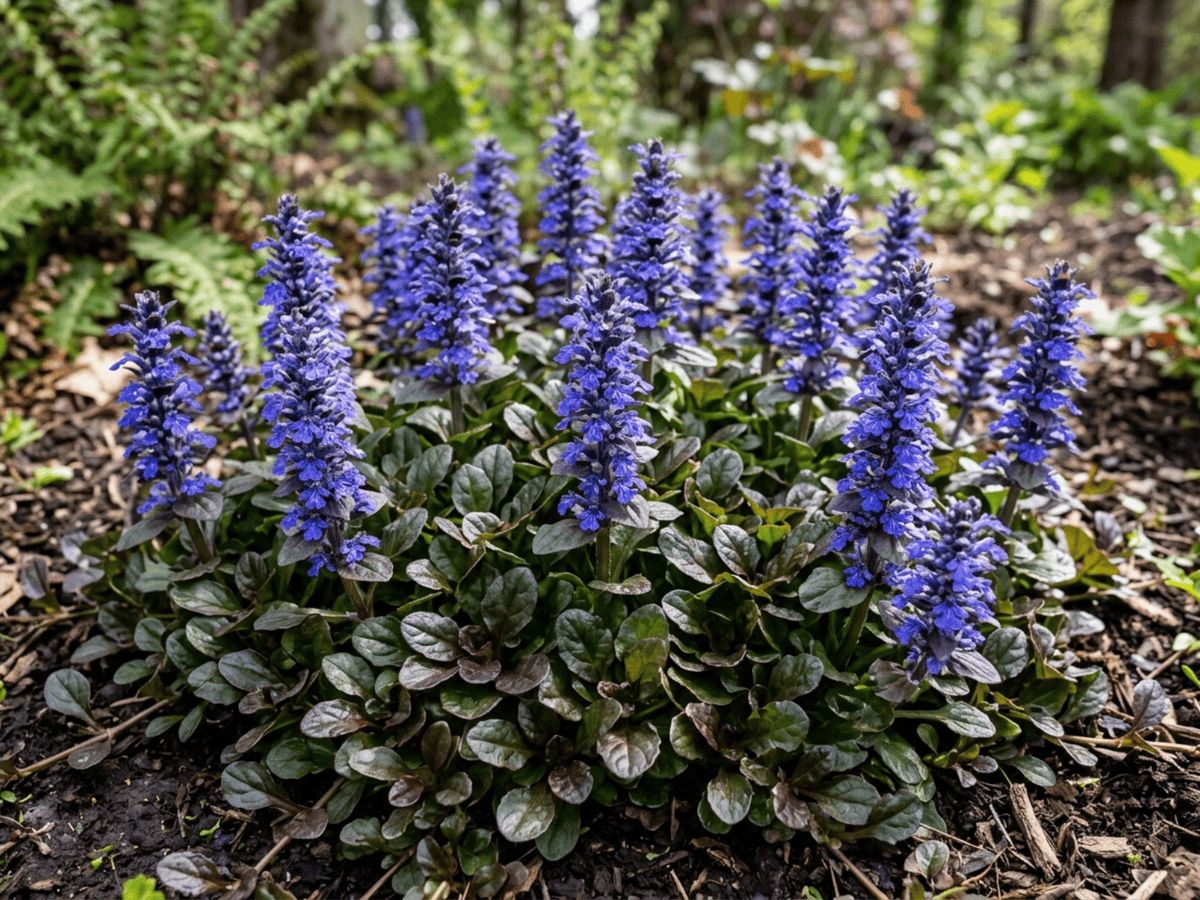 Carpet BugleAjuga reptans
Frequently asked questions
How often should I water Wild Pansy?
In summer, water about every 3 days; in winter, about every 10 days. Adjust for heat, pot size and drainage.
How much light does Wild Pansy need?
Part shade: 2–4 hrs direct. Watch the leaves — scorching or stretching means the light needs adjusting.
Is Wild Pansy toxic to cats or dogs?
Pets Safe (Dogs Safe · Cats Safe) Educational information, not medical or veterinary advice. If exposure is suspected, contact a doctor or veterinarian.
Is Wild Pansy easy to grow?
Yes — it is considered an easy, beginner-friendly plant.
When does Wild Pansy bloom?
It typically blooms Jun–Aug in the Northern Hemisphere.
YardMate
Identify any plant in seconds
Snap a photo — YardMate names the plant, diagnoses problems, and reminds you when to water.
Download on the App Store