 YardMate


Black Viola
Viola 'Molly Sanderson'
Easy · Beginner friendlyAbout Black Viola
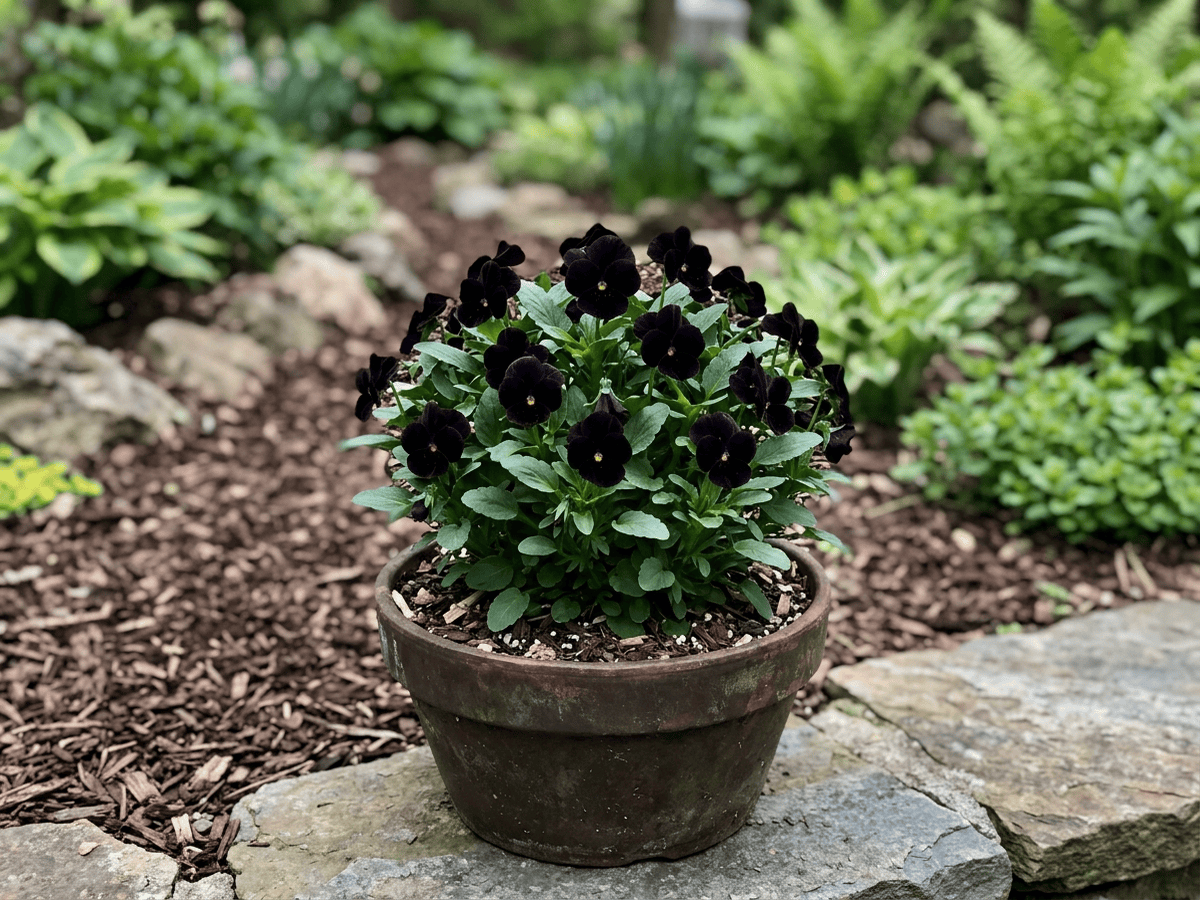
Viola 'Molly Sanderson' is a compact perennial violet with striking jet-black velvety petals accented with a small golden eye. Reaching only 10-15 cm, it spreads to form neat clumps bearing many flowers through spring and sporadically into autumn.
Selected in Britain in the 1980s by gardener Molly Sanderson and introduced to commerce in the 1990s, it remains one of the few reliably black-flowered garden perennials. Best in part shade with cool moist soil; struggles in hot continental summers.
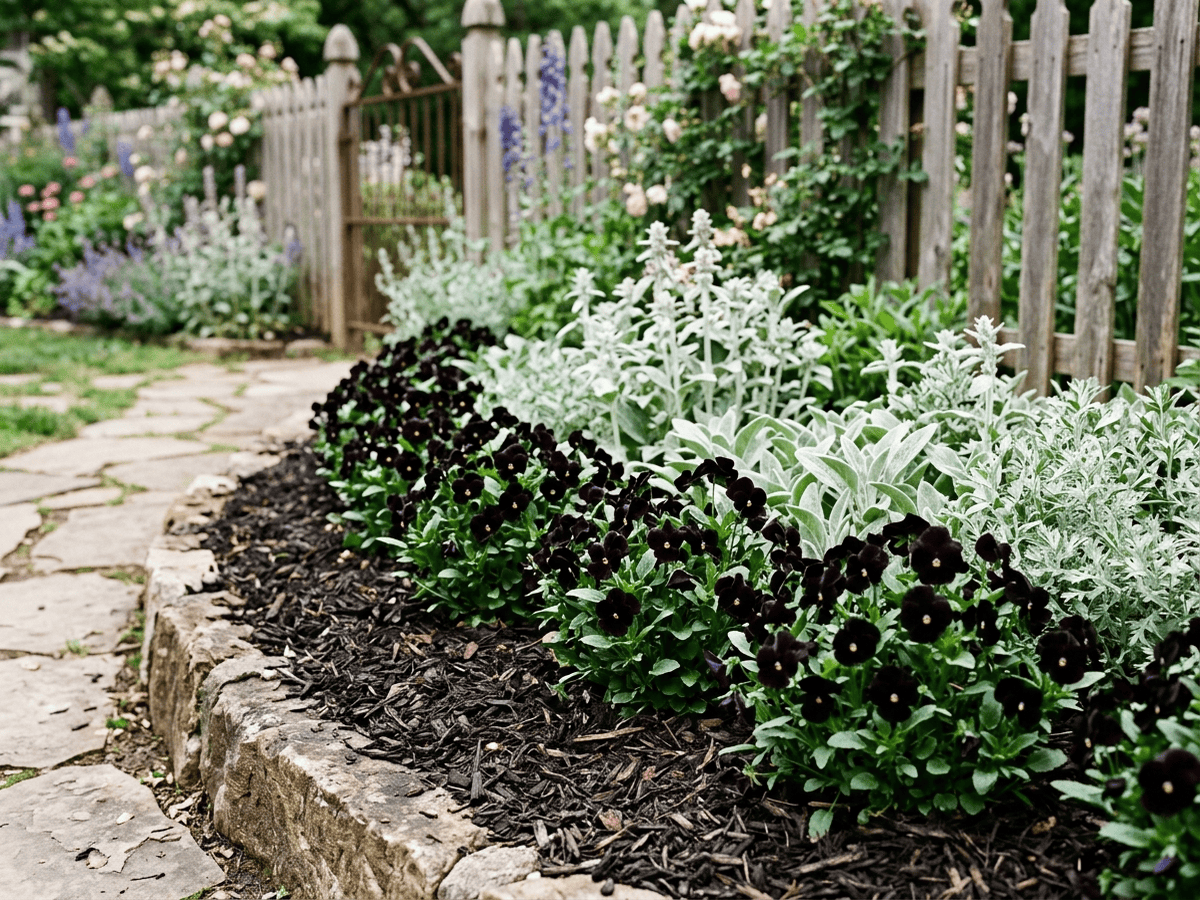
Stunning in containers, rock gardens, shade borders, and as edging. Pairs brilliantly with chartreuse foliage (hostas, Hakonechloa 'Aureola'), silver lamb's ear, and pastel pinks. A modern design darling that retains the charm of traditional old-garden violets.
- Shade-tolerant
- Compact
How to care for Black Viola
Watering
- Springevery 5 days
- Summerevery 3 days
- Fallevery 7 days
- Winterevery 14 days
Soil · Rich & well-draining
- Top dressingCompost10%
- Main mixPotting soil + compost 3:180%
- DrainageGravel10%
Top up the compost layer each season.
FERTILIZER
Balanced Feed 14-14-14
An even feed covers all three needs at once, keeping leaves, roots and blooms moving together with nothing pushed out of balance.
- Nitrogen · Leaves
- Phosphorus · Roots + Blooms
- Potassium · Strength
- Springevery 30 days
- Summerevery 45 days
At a Glance
- NativeEurope
- Height0.3–0.5 ft (0.1–0.2 m)
- Spread0.5–1 ft (0.2–0.3 m)
- Flower colorPurple, Yellow
- Foliage colorGreen
- SoilMoisture-retentive, Loamy, Rich
- LocationsYard · Indoor · Balcony
Bloom time
BLOOM CYCLE
Peak bloom
Mar, Apr, May, Sep, Oct, Nov
Jet-black flowers with gold eye in spring; deadhead for repeat autumn bloom.
Fragrance
LIGHT FRAGRANCE
The flowers have a light classic violet scent.
Toxicity
No toxicity has been reported for this plant. Still, it is wise to keep pets from chewing on any houseplant.
Educational information, not medical or veterinary advice. If exposure is suspected, contact a doctor or veterinarian.
DISTRIBUTION


- Native
- Europe
History
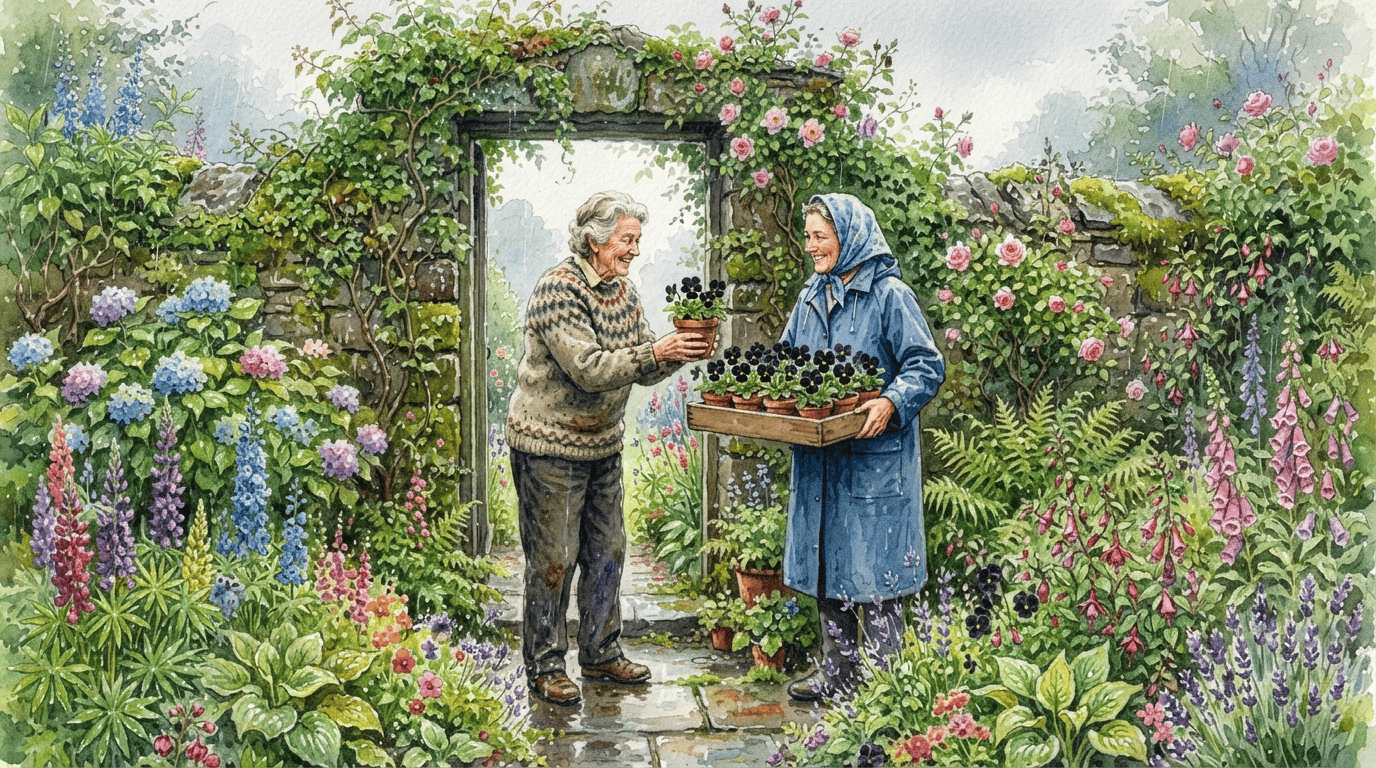
Viola 'Molly Sanderson' was selected by the Northern Irish gardener Molly Sanderson at her garden in the 1980s from a chance seedling. She named and distributed the plant through friends and local specialist nurseries before it was commercially introduced in the 1990s. It has become the standard reference for truly black violets, with distinctive jet-black velvety petals and a small yellow eye.
The plant has a more genuine black coloration than many 'black pansies' which often read as deep purple. Best performance is in cool moist part-shade conditions; it struggles in hot continental summers.
In the UK, Pacific Northwest, and similar cool-climate regions, clumps persist for 4-5 years; in hotter zones plants often behave as biennials or annuals. The cultivar entered numerous modern design palettes in the 2000s-2010s alongside Ophiopogon 'Nigrescens,' Aeonium 'Zwartkop,' and similar dark-foliage/dark-flower plants of the black-plant movement. Related black pansy 'Black Magic' and 'Bowles' Black' (Viola tricolor) cover similar territory but 'Molly Sanderson' remains distinct for its perennial nature and refined small-garden scale.
Symbolism & meaning
What It Symbolizes
The Black Viola suggests Loyalty — violets have long carried the meaning of faithful, steadfast love in European tradition. Yet this near-black variety adds Quiet mystery, its dark blooms bringing a hint of gothic intrigue to the modest violet form. A flower that pairs old-fashioned faithfulness with a slightly secretive air, like a familiar friend in unexpected dress.
- Loyalty — Violets have long symbolized faithfulness
- Quiet Mystery — Black flowers on a classic modest violet form
Where the Name Comes From
Viola from Latin for violet; named for Molly Sanderson, the Northern Irish gardener who selected the seedling.
Uses & Fun Facts
- Near-black velvety pansy flowers create dramatic contrast
- Cool-season standout in window boxes and edging pots
- Petals used as striking dark garnish on desserts
Related plants
More Viola plants
 Horned PansyViola cornuta
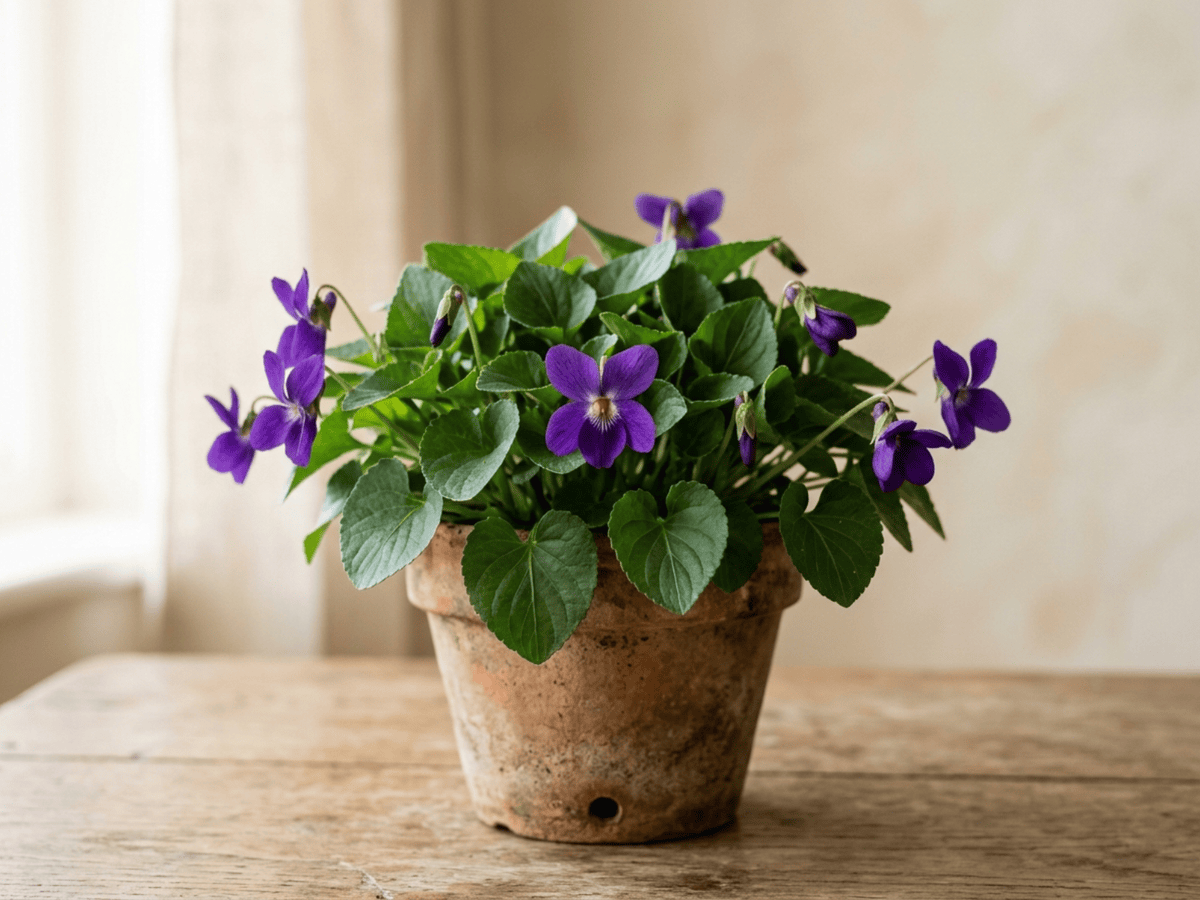 Sweet VioletViola odorata
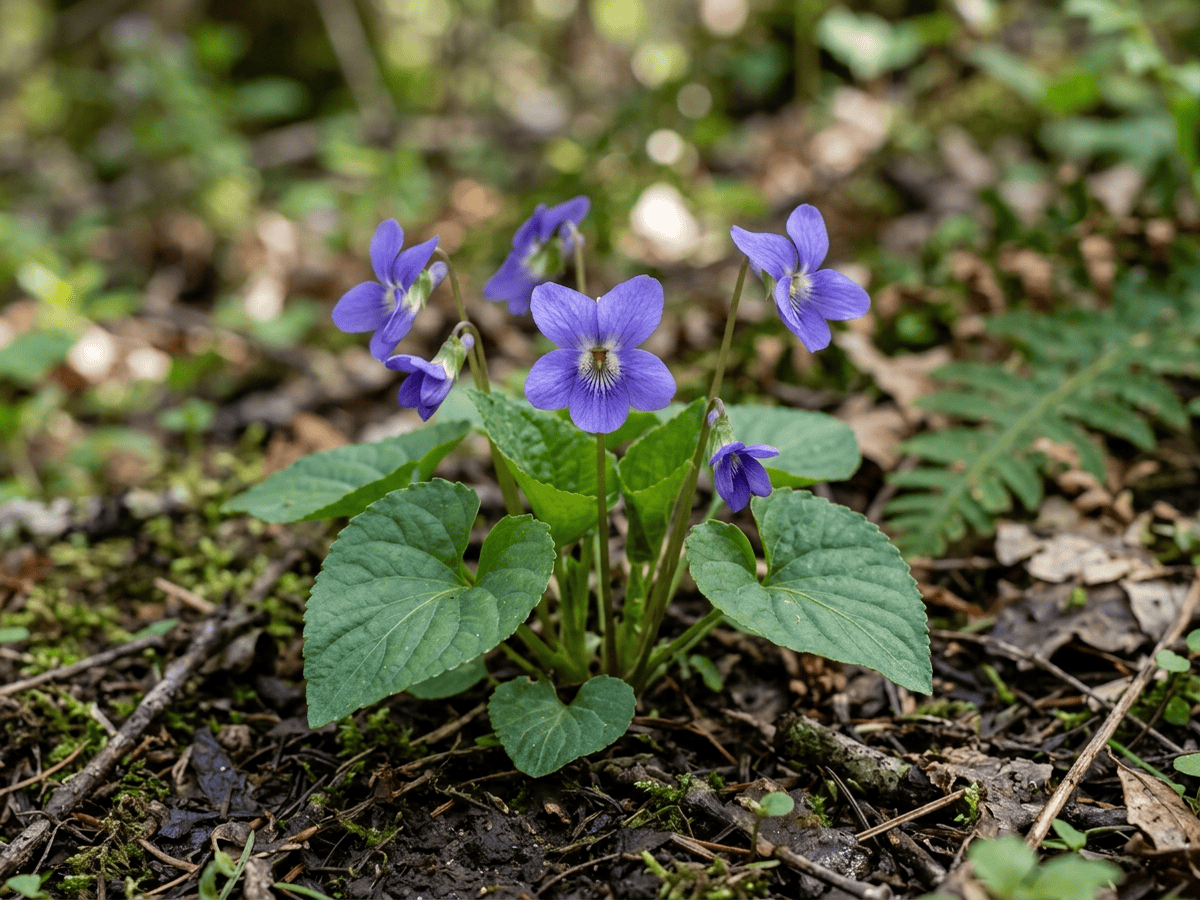 Common Blue VioletViola sororia
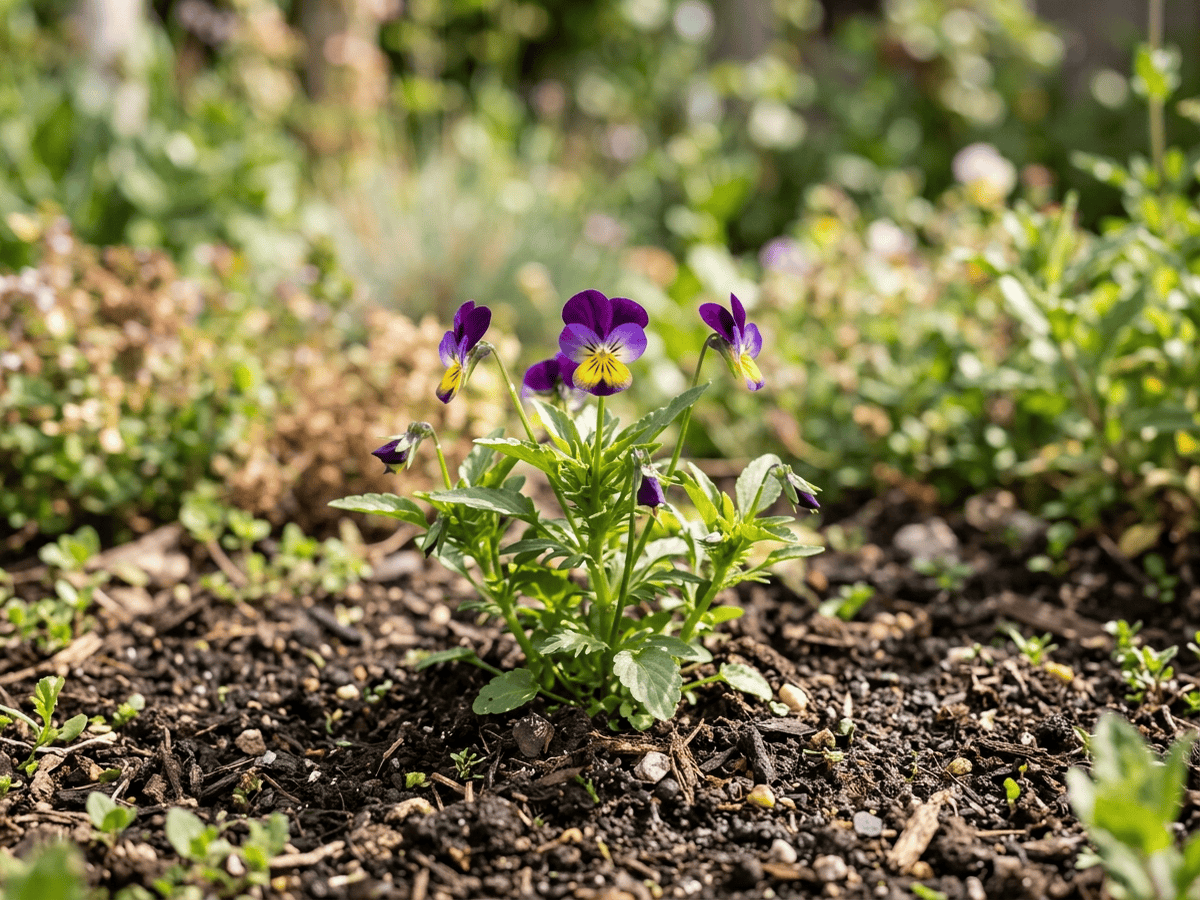 Wild PansyViola tricolor
Plants with similar care
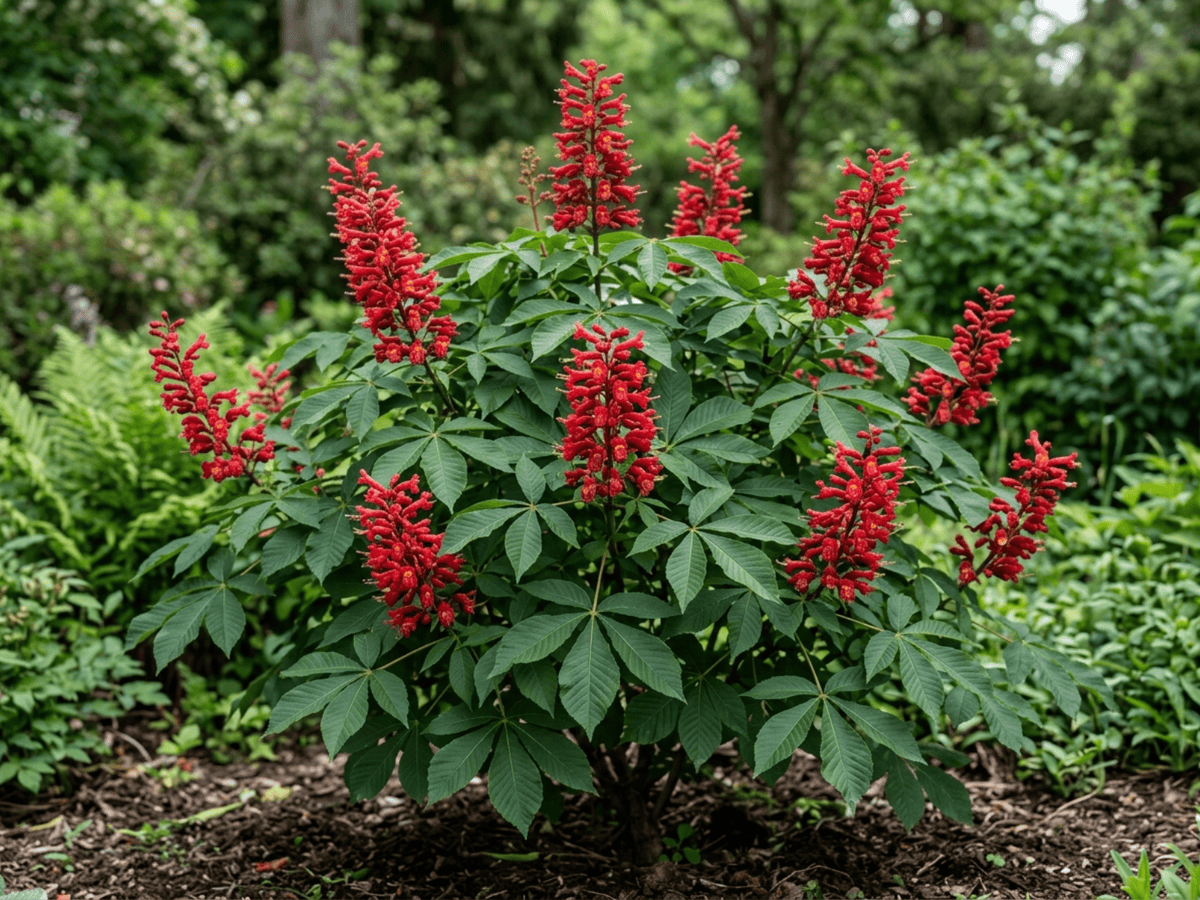 Red BuckeyeAesculus pavia
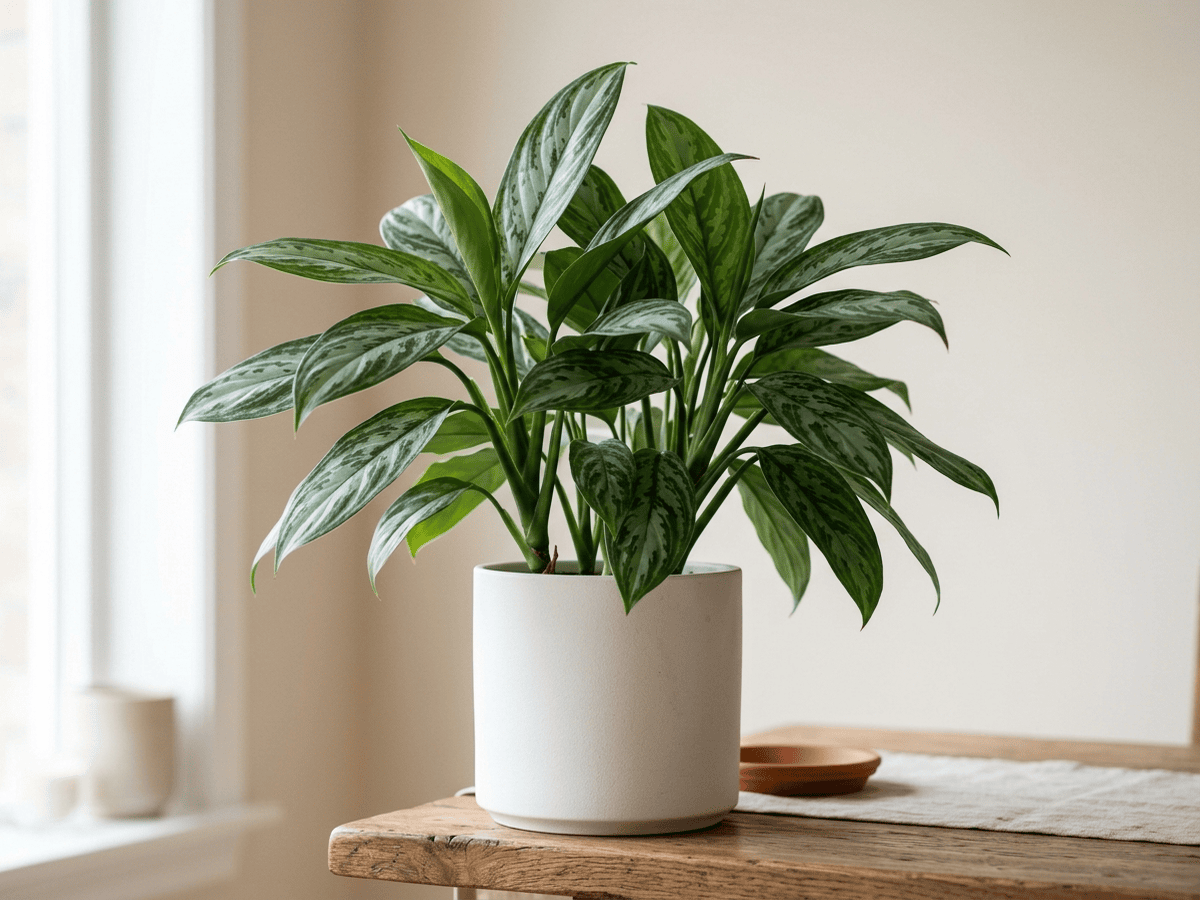 Philippine EvergreenAglaonema commutatum
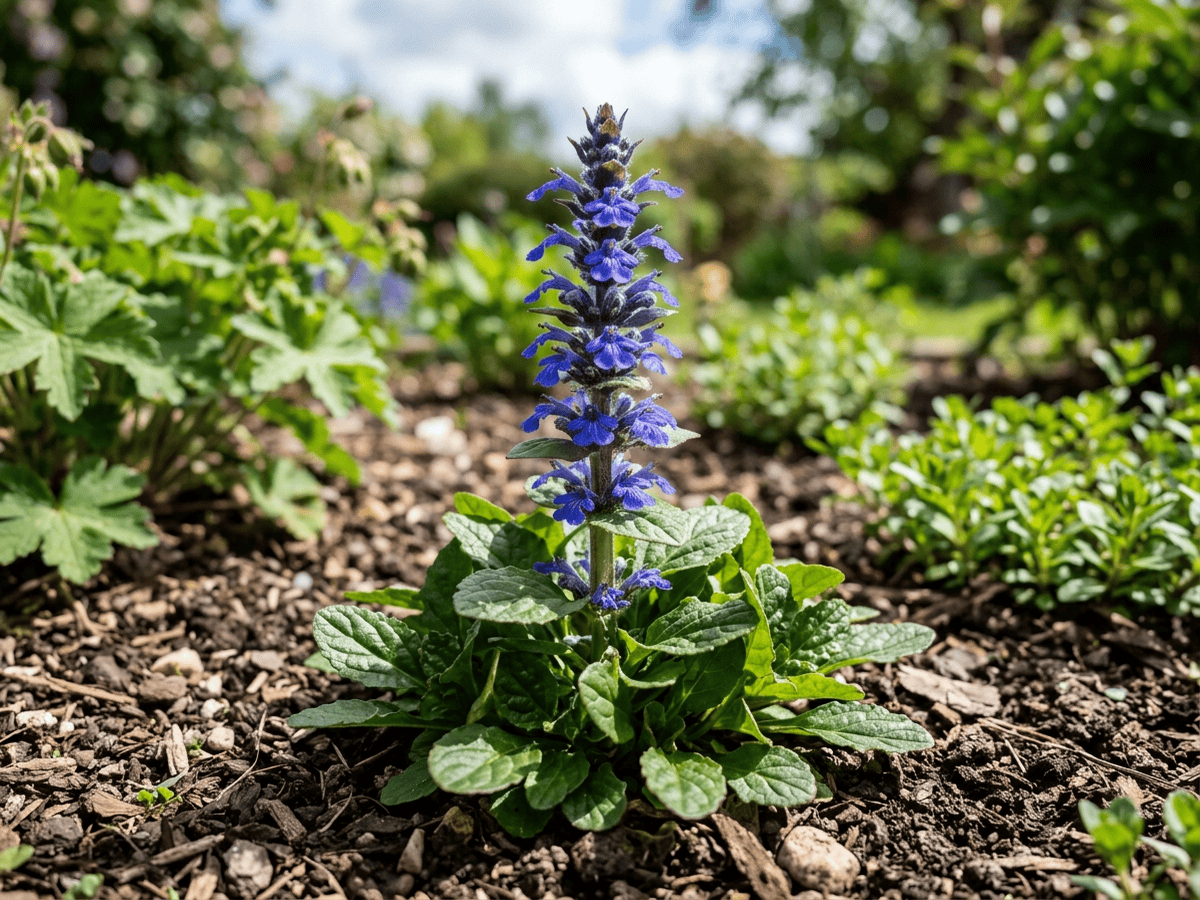 Blue BugleAjuga genevensis
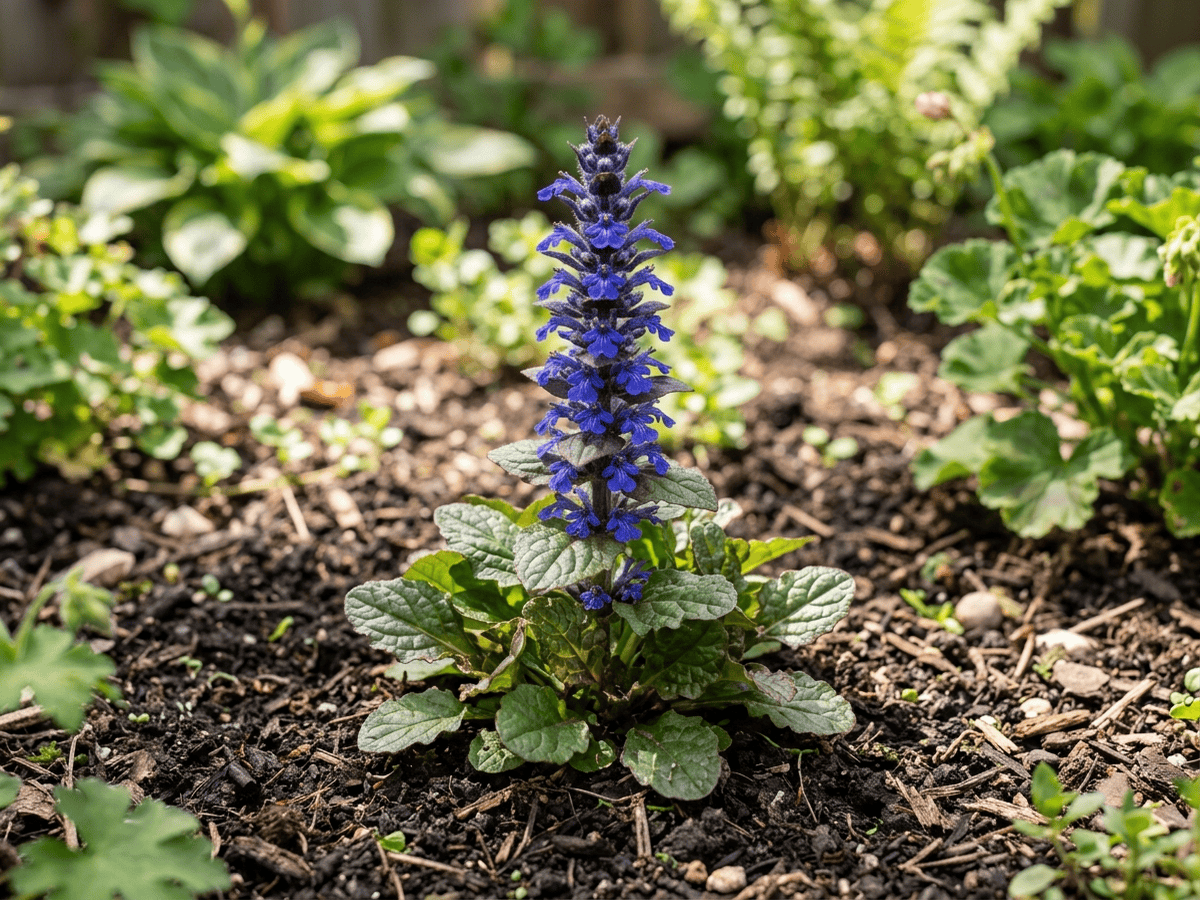 Pyramidal BugleAjuga pyramidalis
Frequently asked questions
How often should I water Black Viola?
In summer, water about every 3 days; in winter, about every 14 days. Adjust for heat, pot size and drainage.
How much light does Black Viola need?
Part shade: 2–4 hrs direct. Watch the leaves — scorching or stretching means the light needs adjusting.
Is Black Viola toxic to cats or dogs?
No toxicity has been reported for this plant. Still, it is wise to keep pets from chewing on any houseplant. Educational information, not medical or veterinary advice. If exposure is suspected, contact a doctor or veterinarian.
Is Black Viola easy to grow?
Yes — it is considered an easy, beginner-friendly plant.
Can Black Viola be grown indoors?
Yes, it adapts well to indoor growing given the right light.
When does Black Viola bloom?
It typically blooms Mar, Apr, May, Sep, Oct, Nov in the Northern Hemisphere.
YardMate
Identify any plant in seconds
Snap a photo — YardMate names the plant, diagnoses problems, and reminds you when to water.
Download on the App Store