 YardMate

Common Blue Violet
Viola sororia
Easy · Beginner friendlyAbout Common Blue Violet
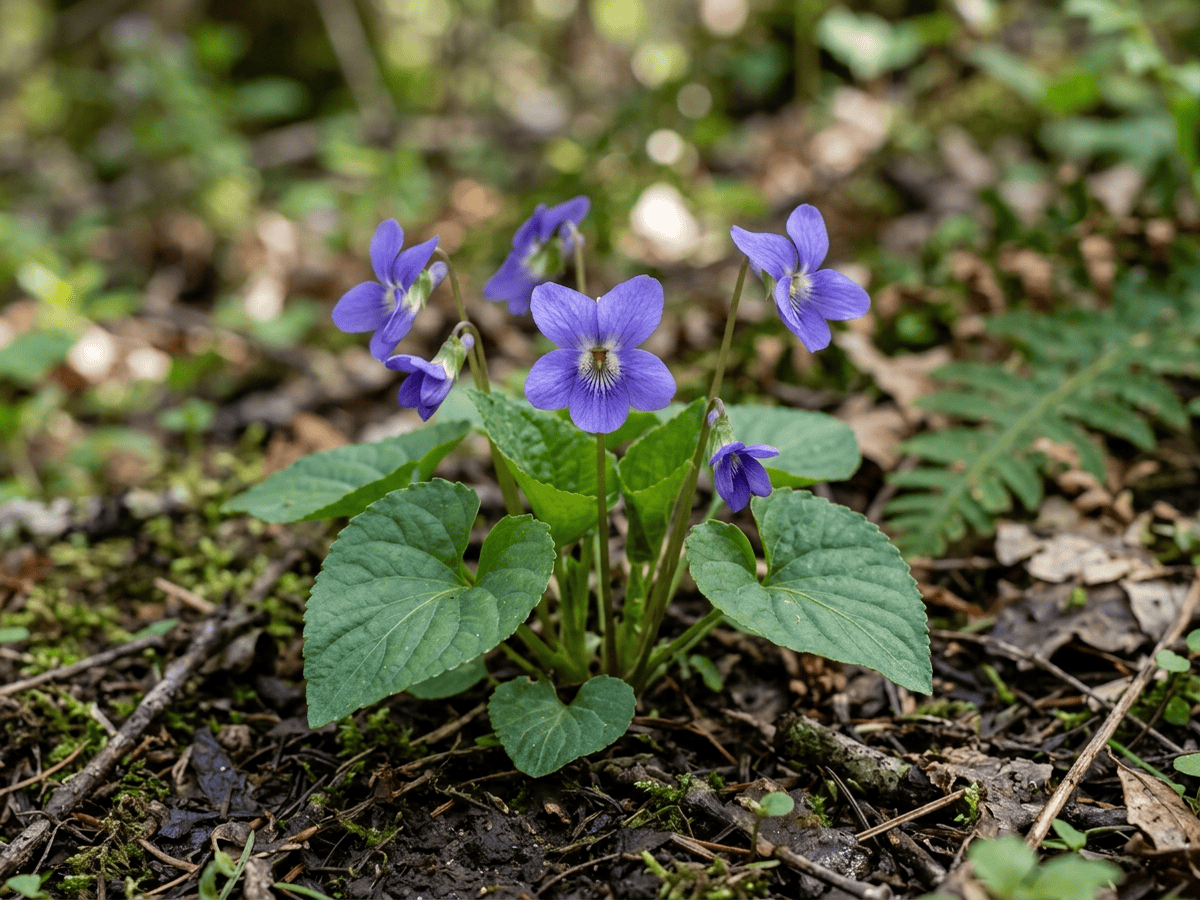
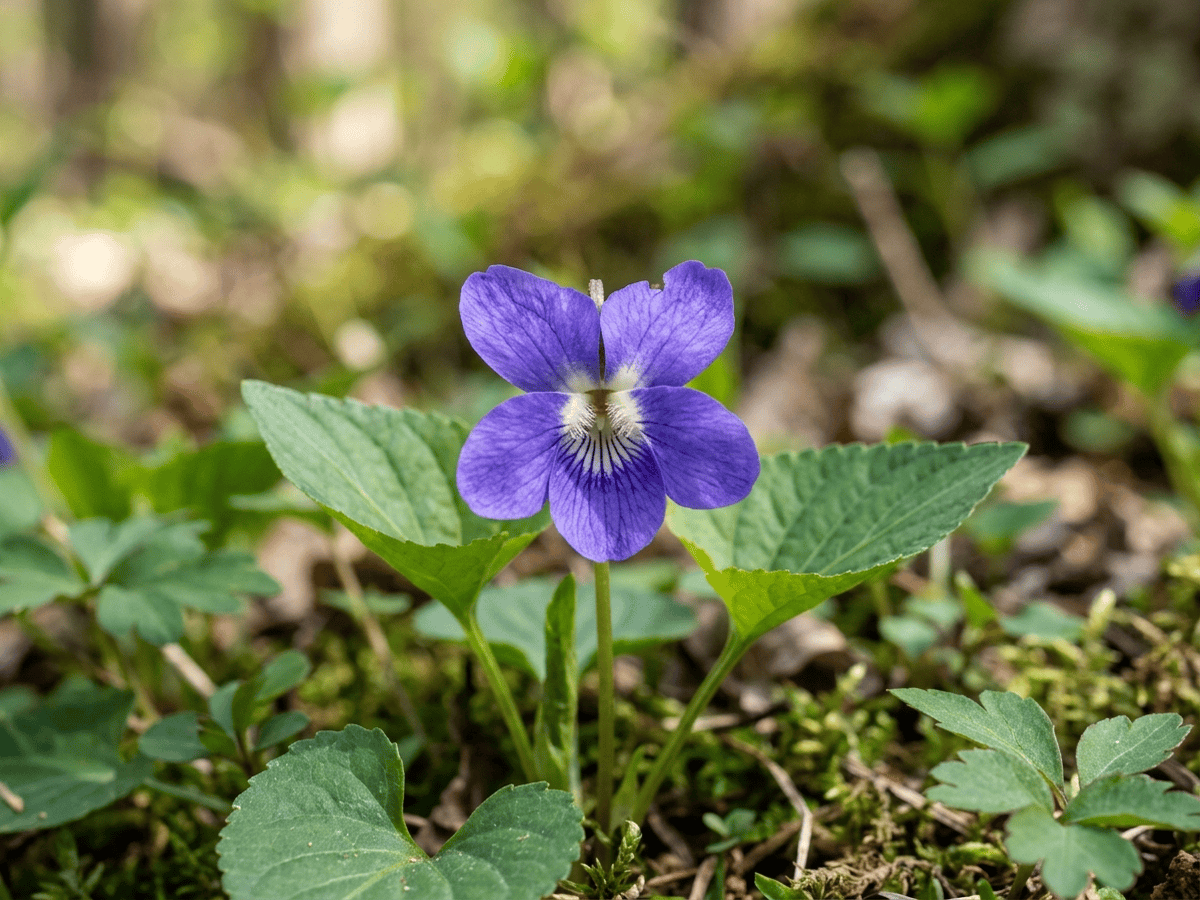
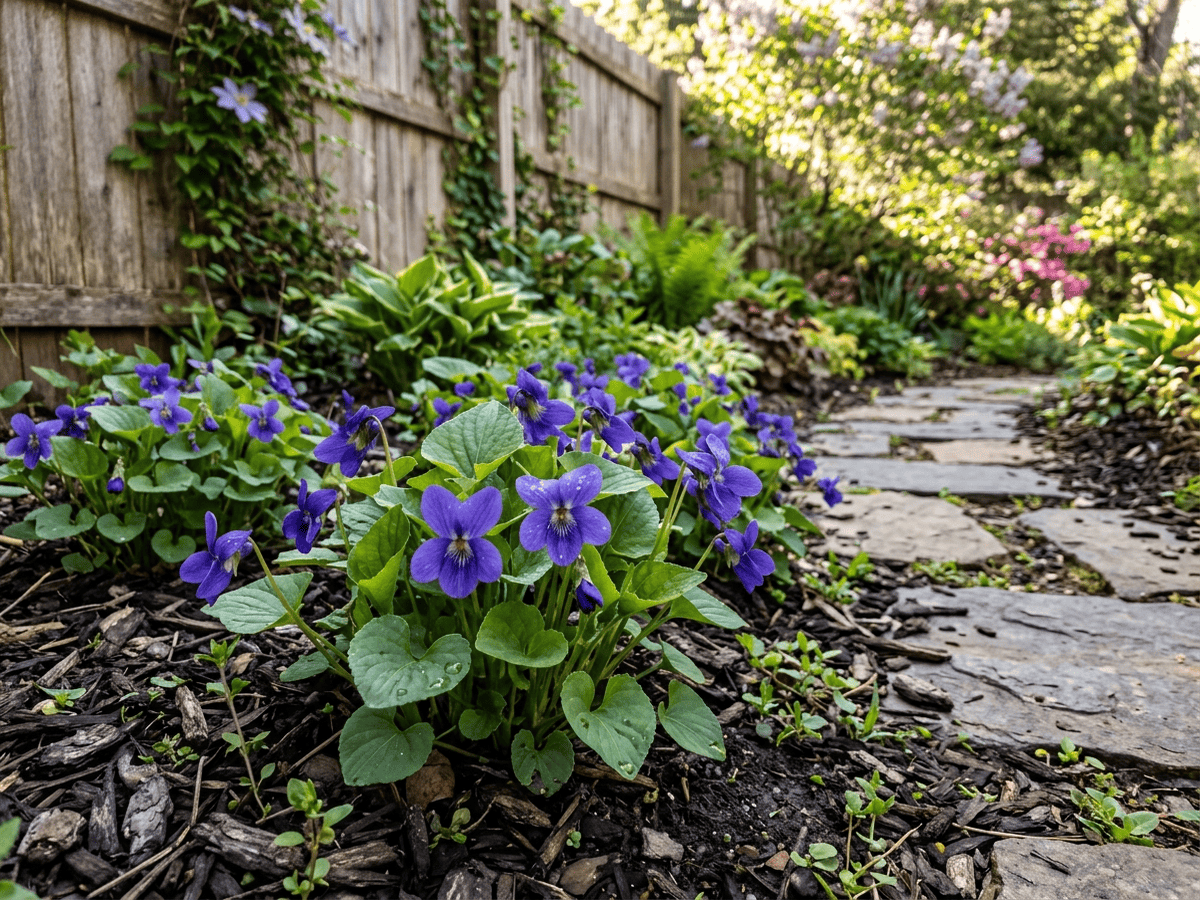
Common Blue Violet is a native eastern North American perennial wildflower and a beloved spring lawn bloomer, the state flower of Illinois, New Jersey, Rhode Island, and Wisconsin. Growing 3 to 8 inches tall from creeping rhizomes, it forms clumps of heart-shaped leaves topped with 1-inch violet-blue flowers in early spring. A classic American woodland and meadow plant, also loved by fritillary butterflies whose caterpillars depend on it.
- Edible
- Shade-tolerant
- Native
- Pollinator-friendly
How to care for Common Blue Violet
Watering
- Springevery 5 days
- Summerevery 4 days
- Fallevery 7 days
- Winterevery 14 days
Soil · Rich & well-draining
- Top dressingCompost10%
- Main mixPotting soil + compost 3:180%
- DrainageGravel10%
Top up the compost layer each season.
FERTILIZER
- Springevery 30 days
- Fallevery 30 days
At a Glance
- NativeNorth America
- Height0.3–0.5 ft (0.1–0.2 m)
- Spread0.5–1 ft (0.2–0.3 m)
- Flower colorBlue, Purple, White
- Foliage colorGreen
- SoilLoamy, Moisture-retentive
- LocationsYard
Bloom time
BLOOM CYCLE
Peak bloom
Mar, Apr, May, Sep, Oct, Nov
Violet-blue flowers early spring, rebloom in fall
Fragrance
LIGHT FRAGRANCE
Flowers have a light violet scent.
Toxicity
Pets Safe
None reported
Not reported
EXPOSURE No exposure route is reported.
EFFECT No toxic effect is reported.
NOTE No human toxicity is reported in this catalog; avoid eating ornamental plants unless confirmed edible.
Safe
EXPOSURE No exposure route is reported.
EFFECT No toxic effect is reported.
NOTE Listed as non-toxic for dogs; avoid eating ornamental plants unless confirmed edible.
Safe
EXPOSURE No exposure route is reported.
EFFECT No toxic effect is reported.
NOTE Listed as non-toxic for cats; avoid eating ornamental plants unless confirmed edible.
Educational information, not medical or veterinary advice. If exposure is suspected, contact a doctor or veterinarian.
DISTRIBUTION

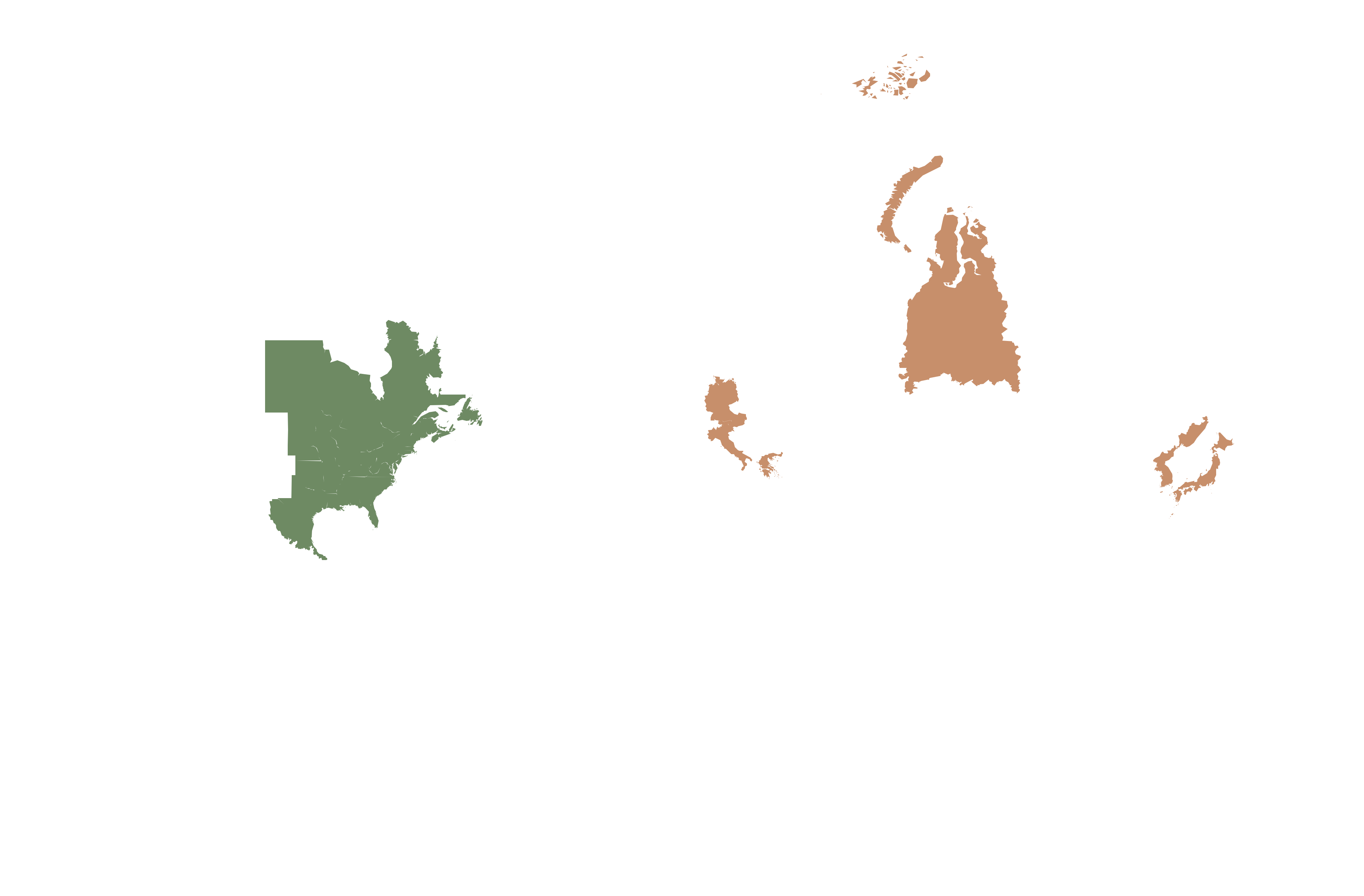
- Native
- Introduced
- North America
History
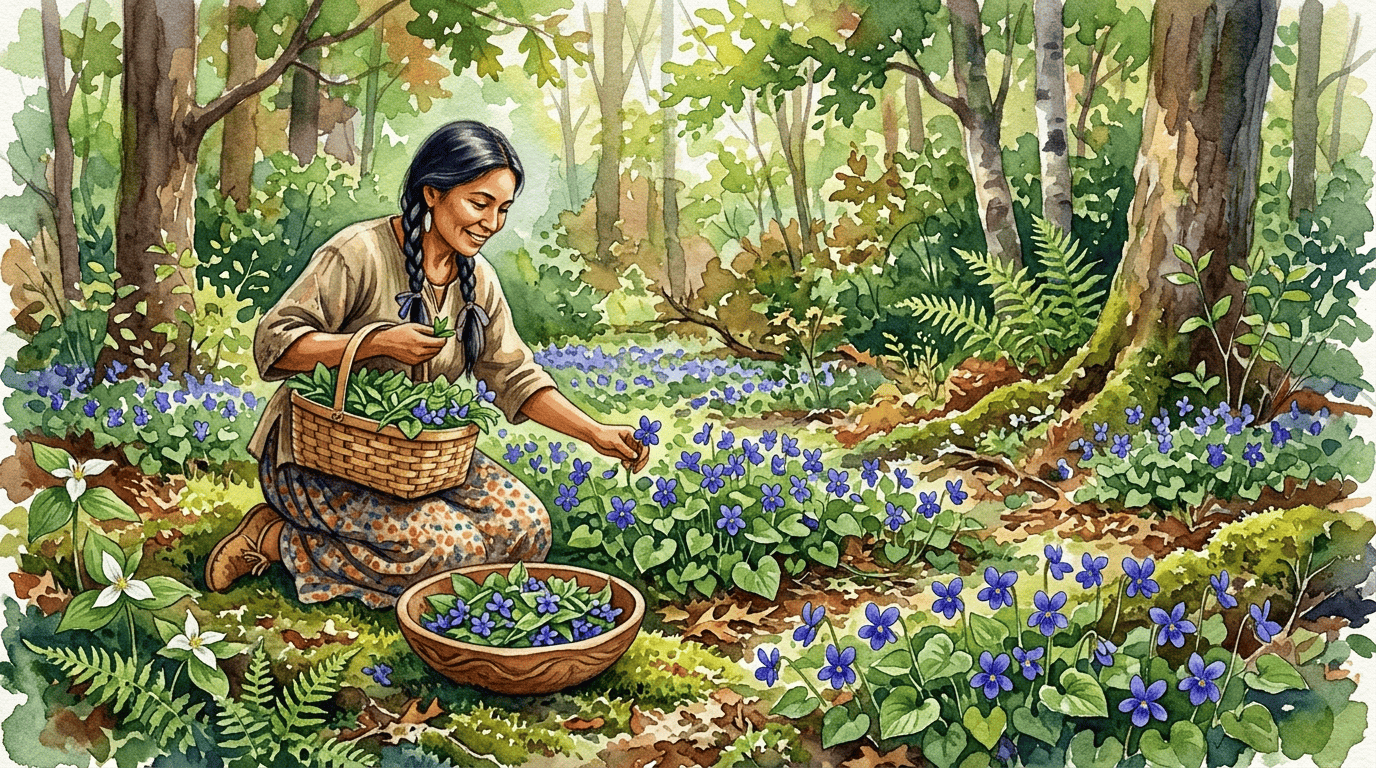
Viola sororia, the common blue violet or wood violet, is a stemless rhizomatous perennial native to eastern and central North America. German botanist Carl Ludwig von Willdenow described the species in 1806. It is the state flower of Illinois, adopted in 1908, New Jersey, Rhode Island, and Wisconsin, reflecting its widespread familiarity across eastern lawns, parks, and woodlands.
Indigenous peoples including the Cherokee and Iroquois used the young leaves and flowers fresh or cooked as a mildly mucilaginous nutrient-dense green, and externally as a poultice for skin ailments. Early American settlers carried the practice forward, and Appalachian folk medicine continued using violet syrup. Modern horticulturists grow heirloom cultivars such as Freckles and Albiflora in cottage gardens and shade borders across the eastern United States.
A cherished native of eastern North American woodlands and lawns, used by Indigenous peoples as food and medicine. Designated state flower of four US states between 1907 and 1971. Spreads freely by seed and rhizome, sometimes considered a lawn weed but increasingly embraced as a native alternative to turf.
Symbolism & meaning
What It Symbolizes
The common blue violet returns with faithfulness — every April the small heart-shaped leaves and purple-blue flowers reappear in the lawn, in the woods, along the fence, exactly where they grew the year before. Its native heritage runs deep in American symbolism, named the state flower of four states. A plant that asks for no garden bed but quietly becomes part of every yard it enters.
- Faithfulness — returns faithfully each spring
- Native heritage — state flower of four US states
Where the Name Comes From
'sororia' from Latin means sisterly, referring to its close similarity to other violet species it was traditionally confused with.
Uses & Fun Facts
- Sweet violet flowers candied or used to garnish salads and desserts
- Spring blooms feed early-emerging native bees and fritillary larvae
- Self-seeding clumps fill shady lawn edges and woodland borders
Related plants
More Viola plants
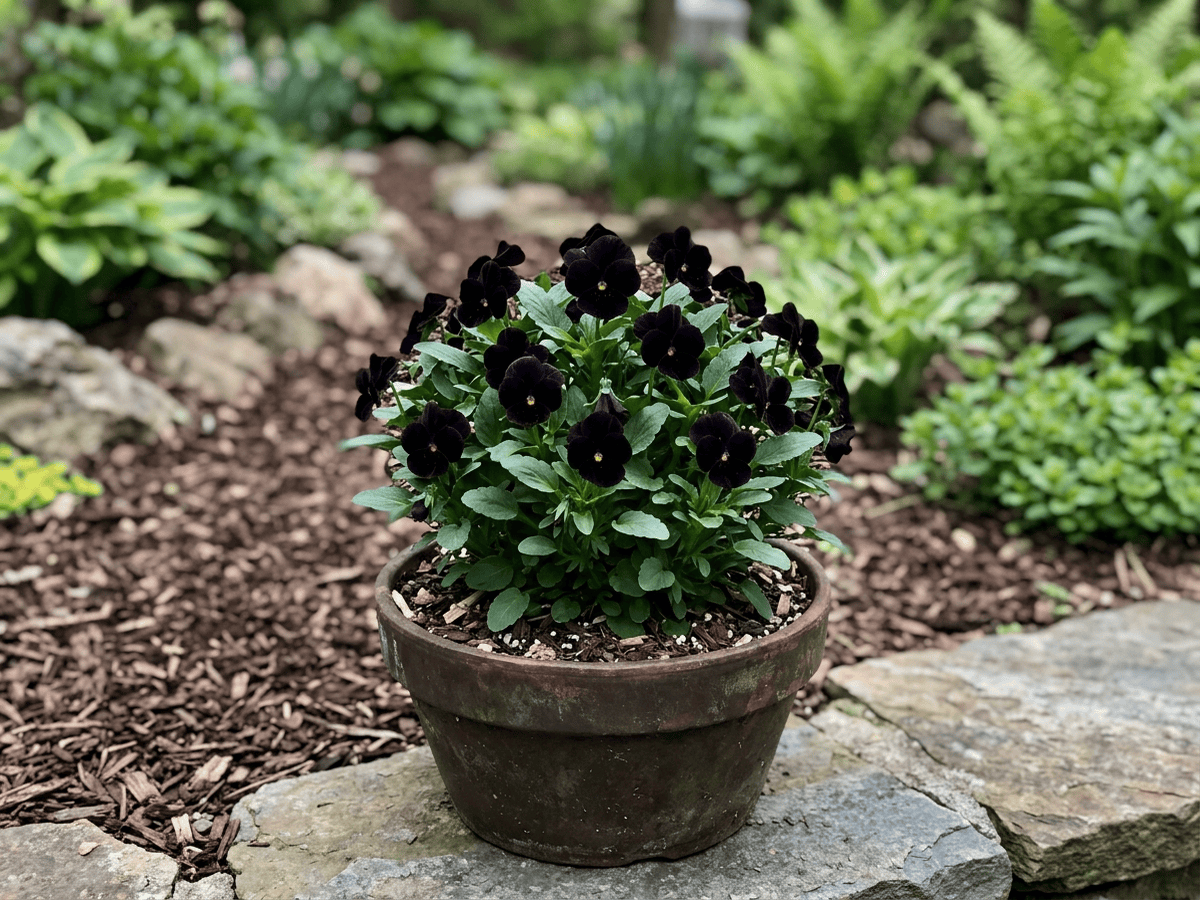 Black ViolaViola 'Molly Sanderson'
 Horned PansyViola cornuta
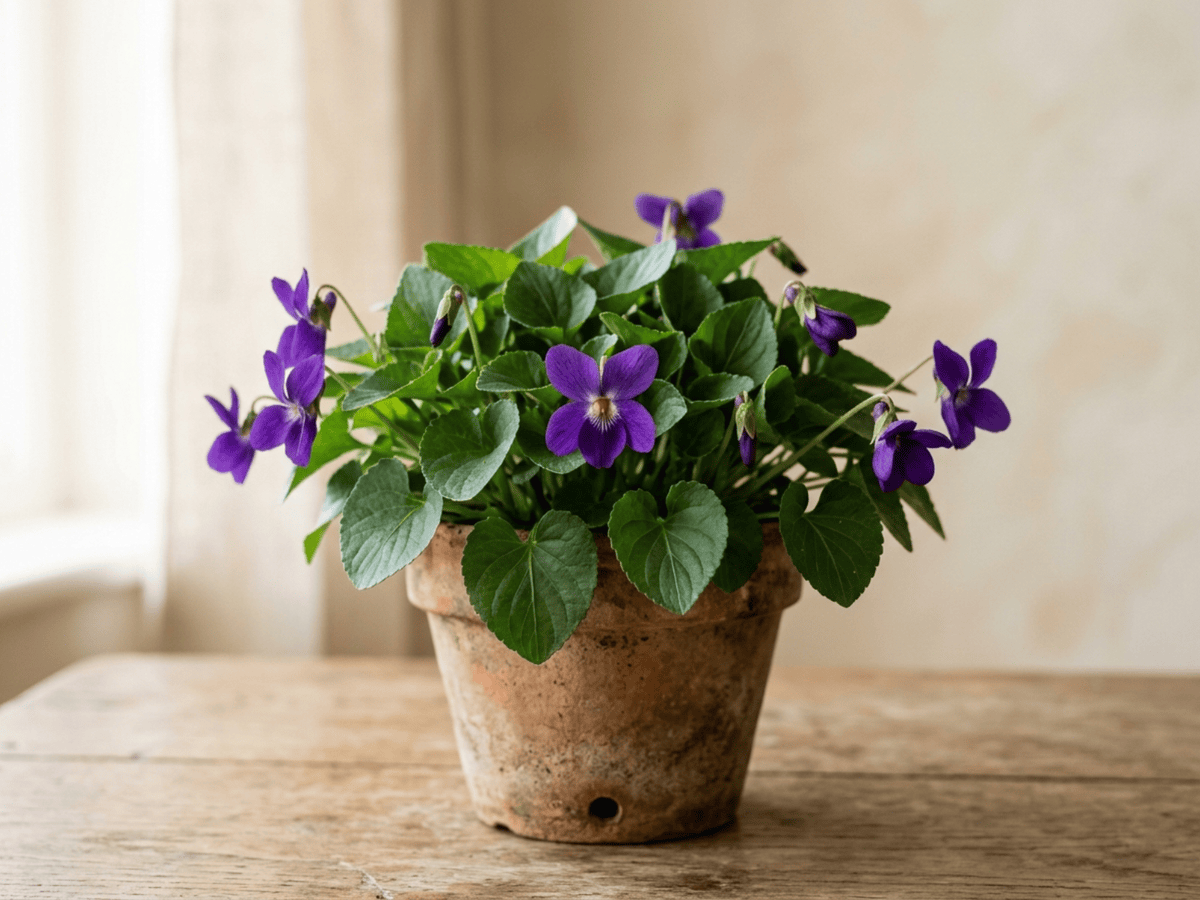 Sweet VioletViola odorata
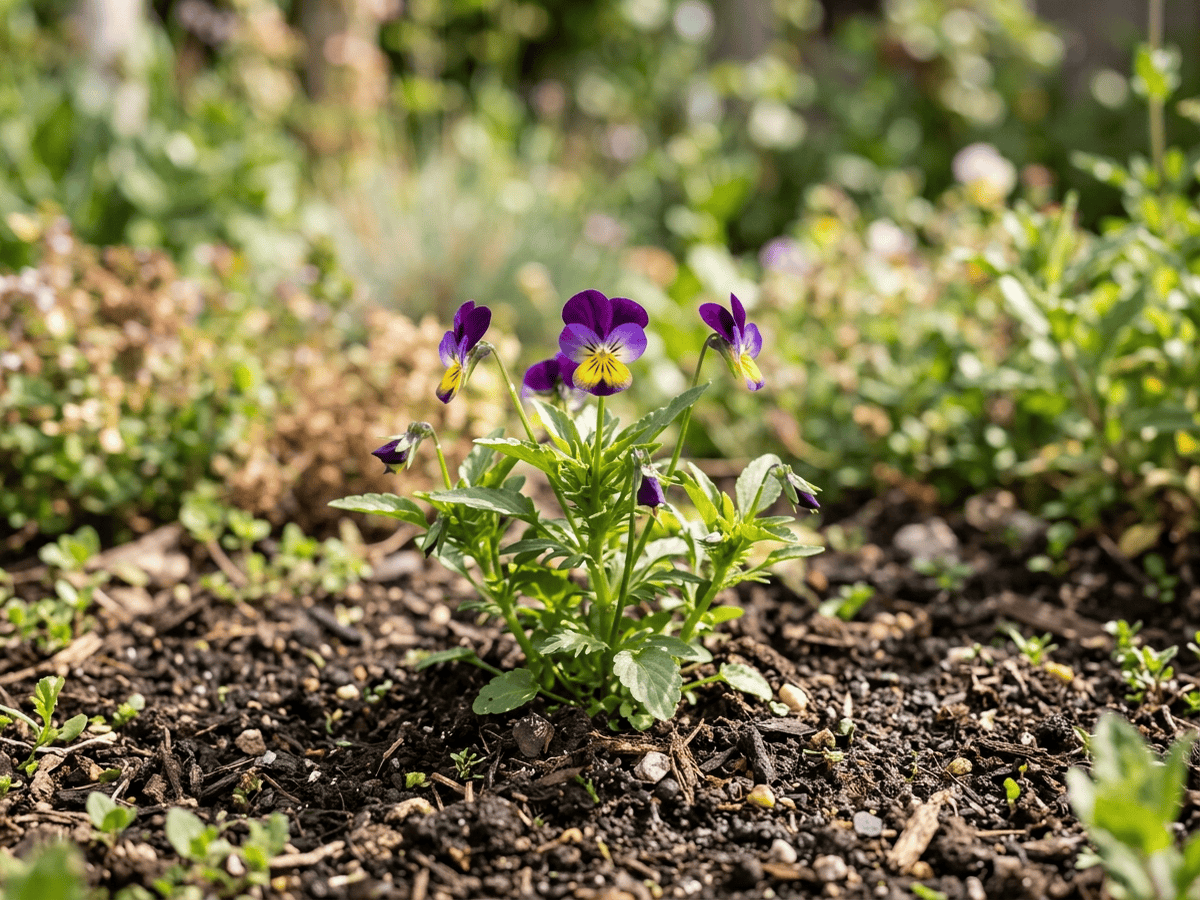 Wild PansyViola tricolor
Plants with similar care
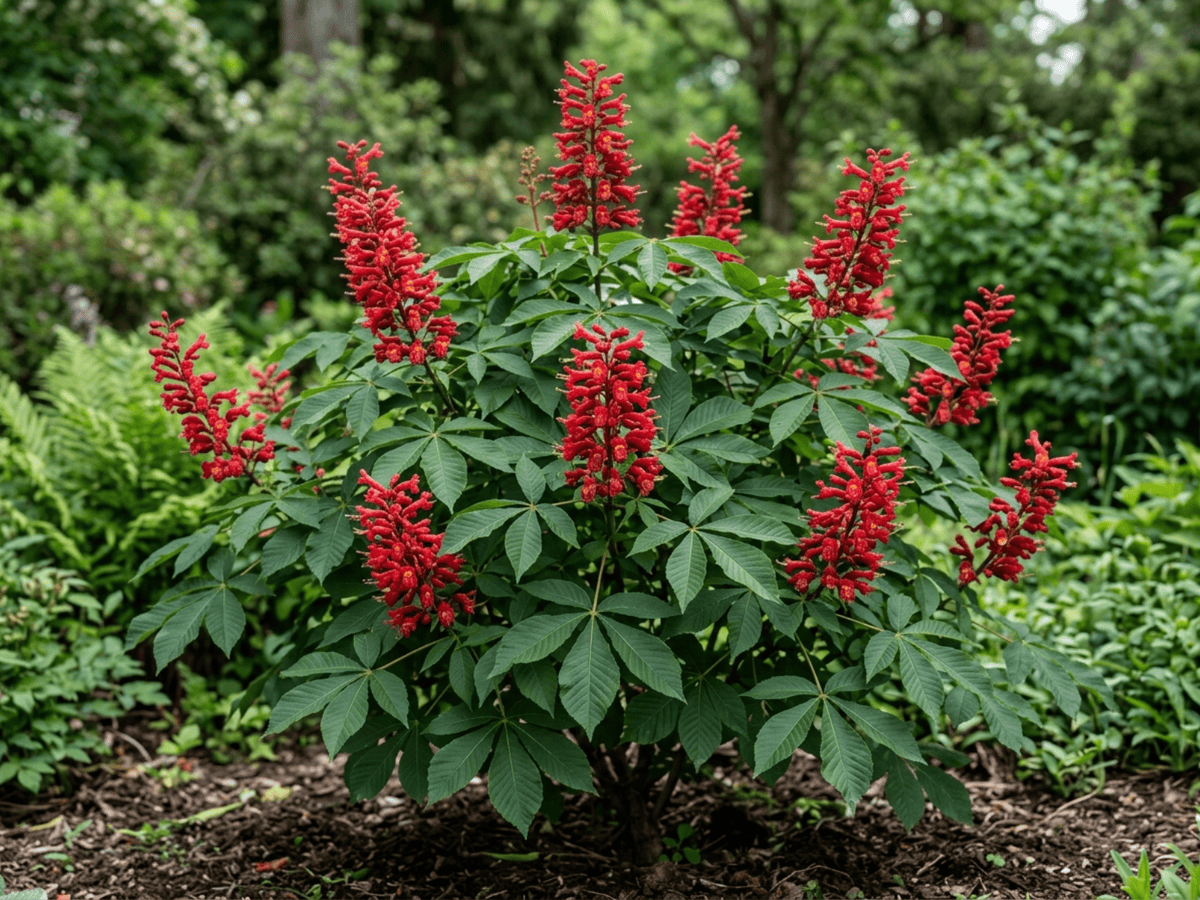 Red BuckeyeAesculus pavia
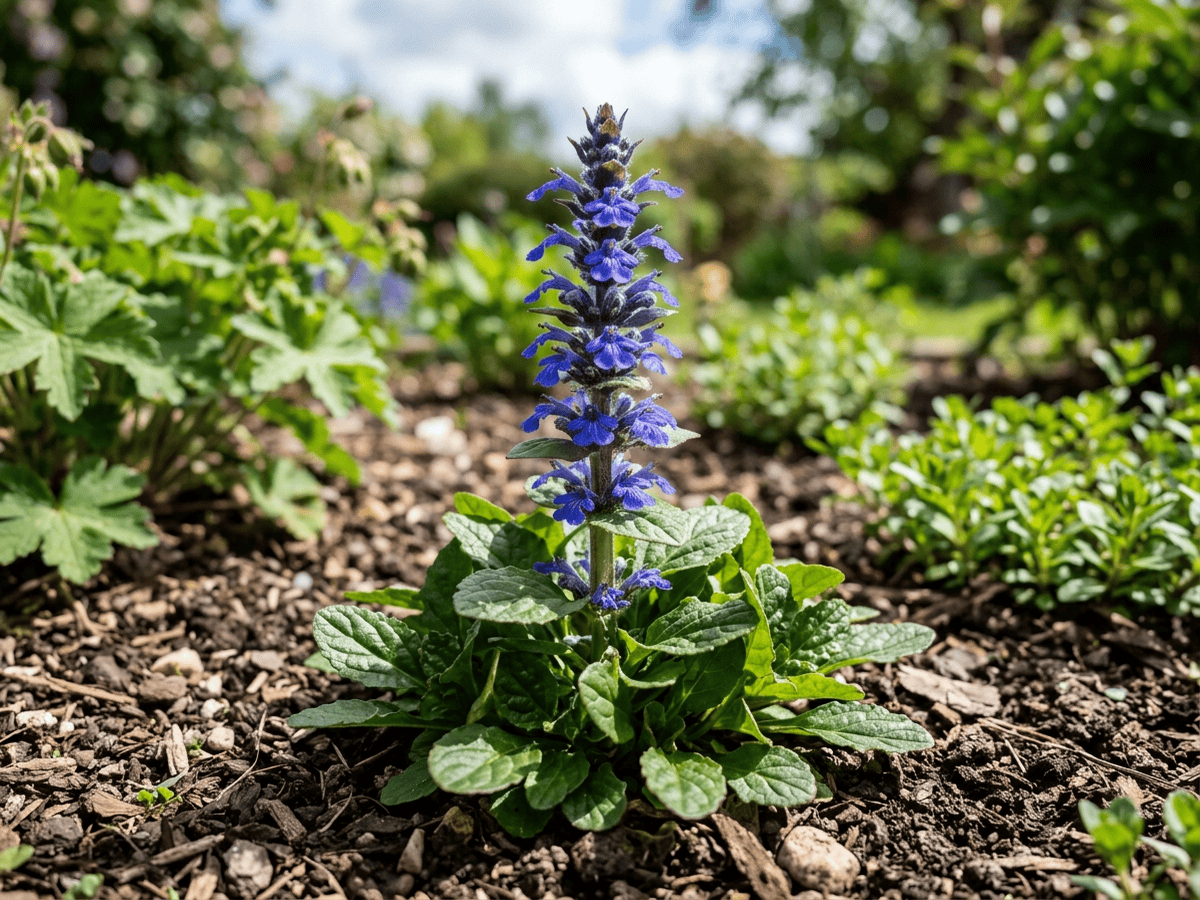 Blue BugleAjuga genevensis
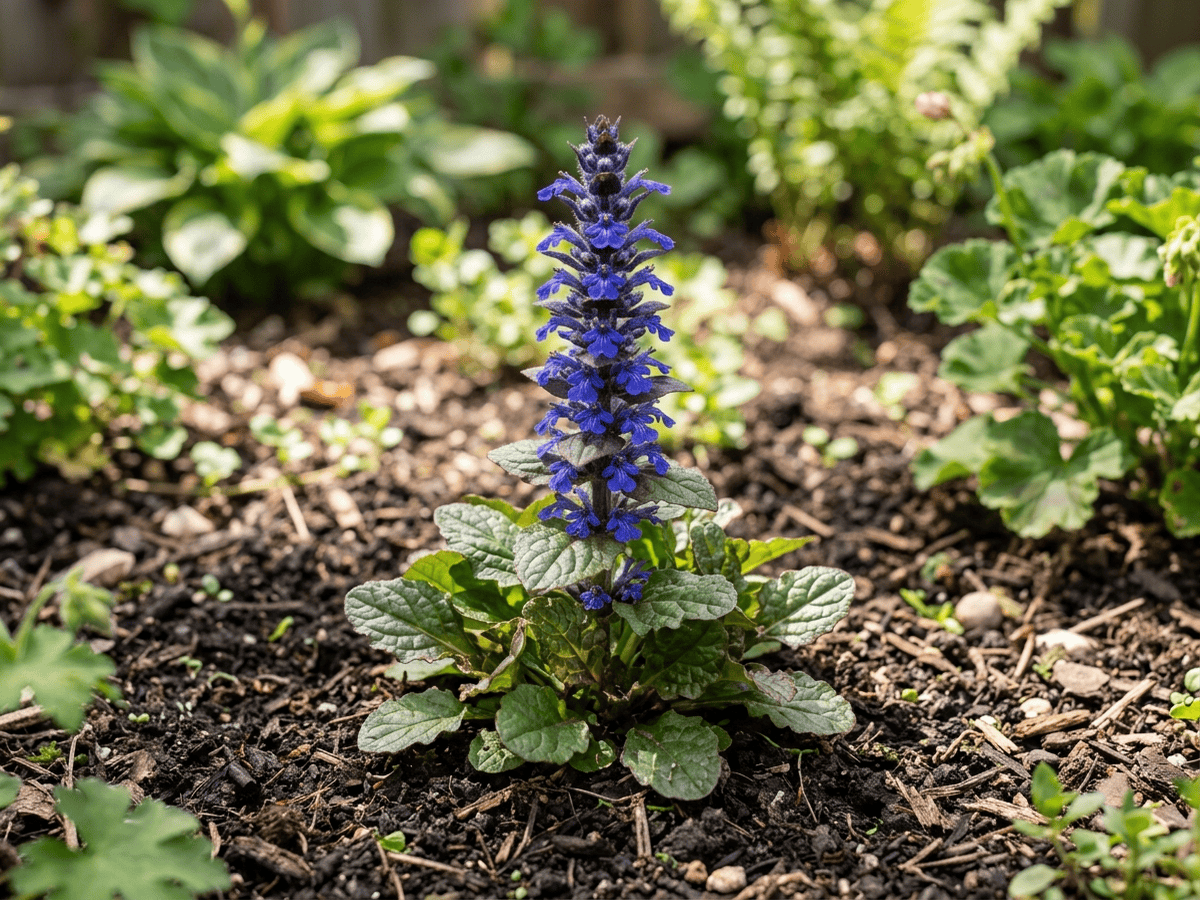 Pyramidal BugleAjuga pyramidalis
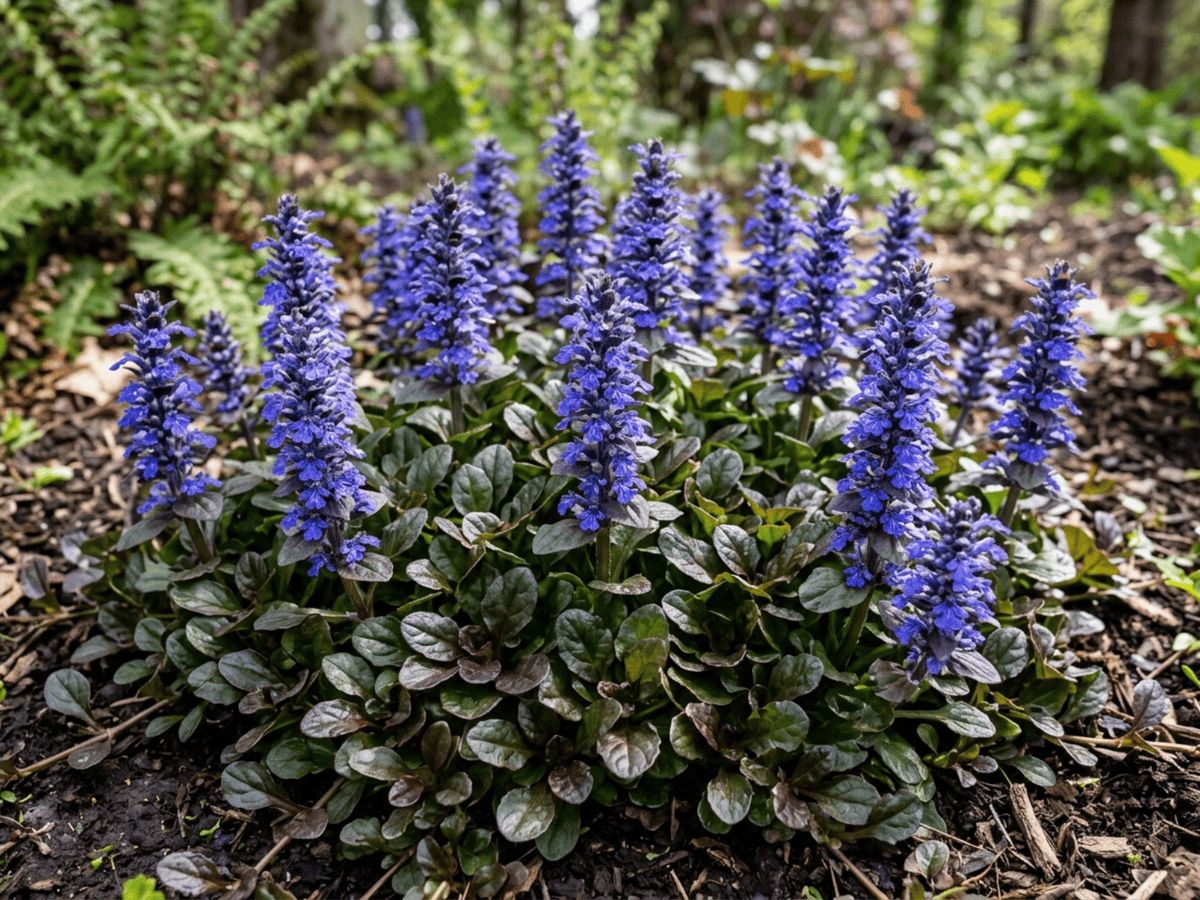 Carpet BugleAjuga reptans
Frequently asked questions
How often should I water Common Blue Violet?
In summer, water about every 4 days; in winter, about every 14 days. Adjust for heat, pot size and drainage.
How much light does Common Blue Violet need?
Part shade: 2–4 hrs direct. Watch the leaves — scorching or stretching means the light needs adjusting.
Is Common Blue Violet toxic to cats or dogs?
Pets Safe (Dogs Safe · Cats Safe) Educational information, not medical or veterinary advice. If exposure is suspected, contact a doctor or veterinarian.
Is Common Blue Violet easy to grow?
Yes — it is considered an easy, beginner-friendly plant.
When does Common Blue Violet bloom?
It typically blooms Mar, Apr, May, Sep, Oct, Nov in the Northern Hemisphere.
YardMate
Identify any plant in seconds
Snap a photo — YardMate names the plant, diagnoses problems, and reminds you when to water.
Download on the App Store