 YardMate


Twin-Flowered Agave
Agave geminiflora
Easy · Beginner friendlyAbout Twin-Flowered Agave
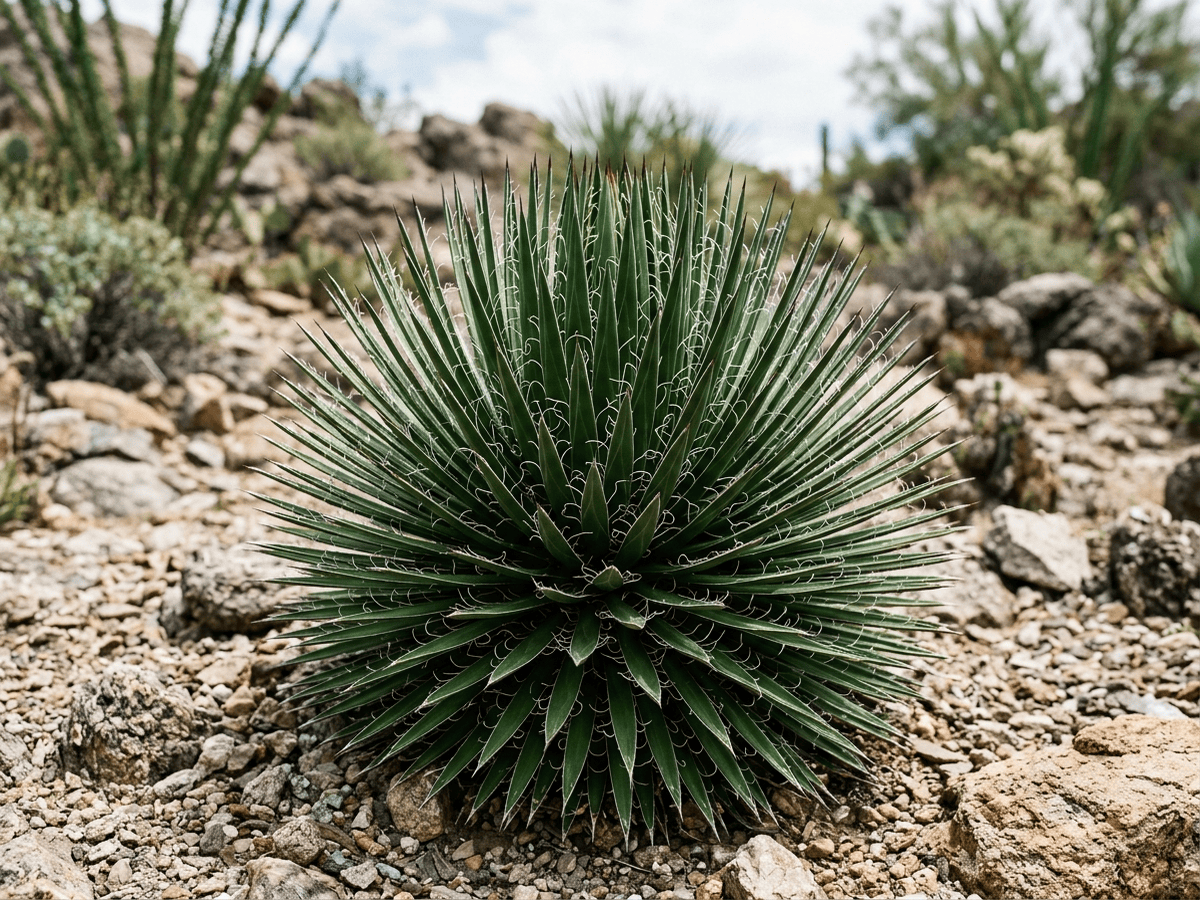
Twin-Flowered Agave is a small symmetrical rosette succulent native to Nayarit, Mexico, forming a perfect 2-3 foot ball of hundreds of narrow dark green leaves edged with curling white filaments. Its tidy mounding form makes it ideal for containers, courtyards, and small modern gardens. Unlike most agaves it has minimal teeth and a soft appearance, lending an elegant fountain-like silhouette popular in Southern California and Arizona landscapes.
- Drought-tolerant
- Container-friendly
- Architectural
- Evergreen
How to care for Twin-Flowered Agave
Watering
- Springevery 21 days
- Summerevery 21 days
- Fallevery 30 days
- Winterevery 60 days
Soil · Fast-draining
- Main mixSand + pumice + soil 1:1:150%
- DrainagePumice / gravel50%
Keep grit at half the mix or more — this soil is meant to dry out fast.
FERTILIZER
- Springevery 60 days
At a Glance
- NativeNorth America
- Height2–3 ft (0.6–0.9 m)
- Spread2–3 ft (0.6–0.9 m)
- Flower colorGreen
- Foliage colorDark-green
- SoilSandy, Well-drained
- LocationsYard · Balcony
Bloom time
BLOOM CYCLE
Peak bloom
Jun–Aug
Paired yellow-green flowers on 15+ ft stalk after 10-15 years
Toxicity
Humans Moderate · Pets Moderate
calcium oxalate raphides and saponins
Moderate
- Leaf
- Sap
- Contact
- Ingestion
EXPOSURE Touching leaves and sap. Eating leaves and sap.
EFFECT Contact dermatitis.
NOTE Documented concern for humans: Contact dermatitis.
Moderate
- Leaf
- Sap
- Ingestion
EXPOSURE Eating leaves and sap.
EFFECT Oral irritation and vomiting.
NOTE Agave listed by ASPCA as toxic.
Moderate
- Leaf
- Sap
- Ingestion
EXPOSURE Eating leaves and sap.
EFFECT Oral irritation and vomiting.
NOTE Agave listed by ASPCA as toxic.
Educational information, not medical or veterinary advice. If exposure is suspected, contact a doctor or veterinarian.
DISTRIBUTION


- Native
- North America
History
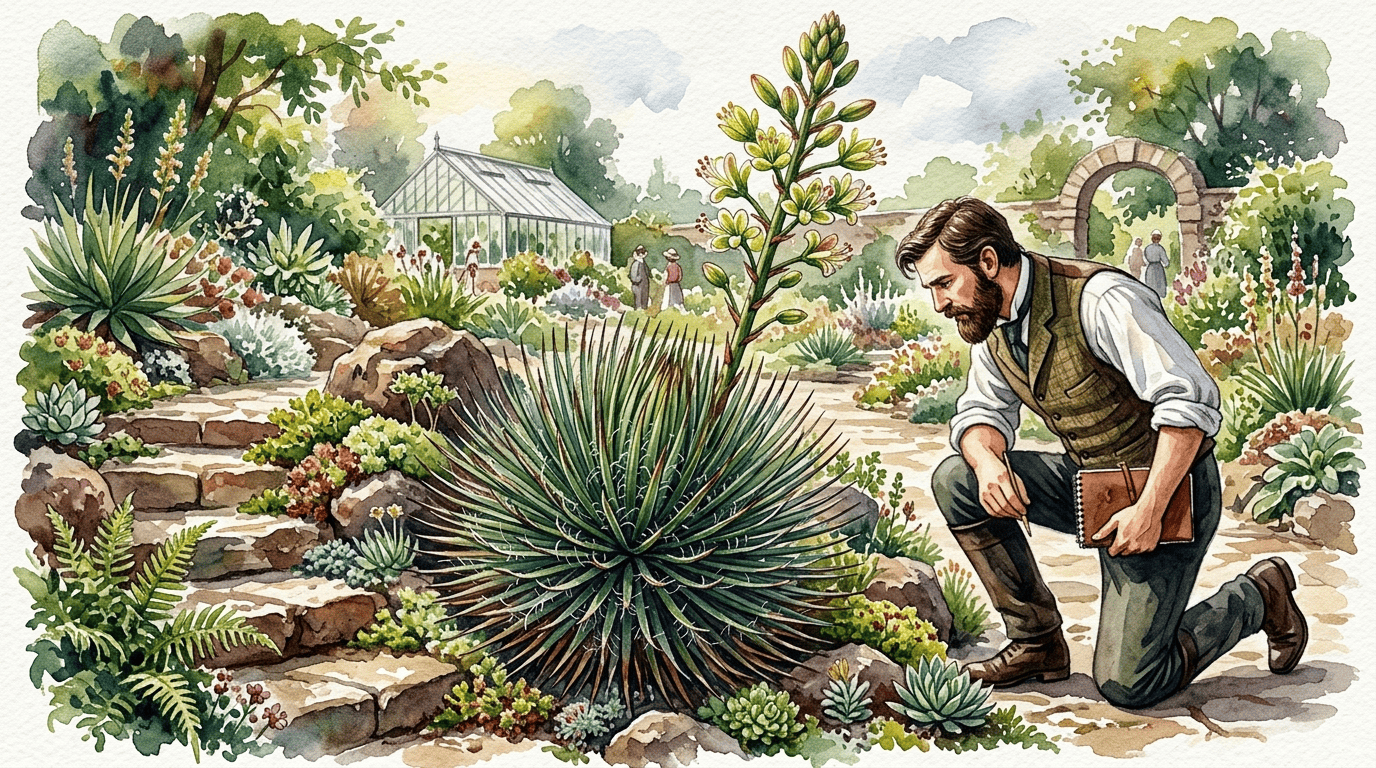
Agave geminiflora, twin-flowered agave, is a solitary monocarpic succulent endemic to a very restricted area in the state of Nayarit, western Mexico, at 700-1400 meters elevation in pine-oak forest. Italian botanist Antonio Tagliabue described it as Littaea geminiflora in 1816 based on cultivated material; British botanist John Bellenden Ker Gawler transferred it to Agave in 1817. The epithet geminiflora refers to the paired (twin) flowers produced along the tall inflorescence, unusual within Agave.
The rosette forms dense 60-90 cm tall spherical pincushions of 100-200 extremely narrow (0.5-1 cm wide) dark green flexible leaves with narrow white margins that split into thin filaments along the edges. Leaves end in soft tips without marginal teeth, making it one of the safer agaves for close plantings. Yellow-green flowers in pairs on a 4-6 meter spike appear after 10-15 years.
Widely planted in Mediterranean-climate rock gardens and Xeriscape designs. Described in 1838 by Charles Lemaire from a Mexican specimen, the name refers to its distinctive paired flower arrangement. Found in only a small area of Nayarit, it became popular in cultivation through European botanical gardens in the 19th century and is now a staple of Southwest landscape design.
Symbolism & meaning
What It Symbolizes
Twin-Flowered Agave is a study in harmony, its perfectly symmetrical rosette of slender leaves radiating outward like a living mandala. But its truest lesson is patience — decades may pass before it sends up its single, magnificent flower spike. In Mexican tradition, such slow-blooming agaves remind us that some forms of beauty cannot be hurried, only honored when they finally arrive.
- Harmony — perfectly symmetrical rosette form
- Patience — decades of slow growth before flowering
Where the Name Comes From
'Geminiflora' from Latin meaning twin-flowered, referring to flowers borne in pairs along the stalk.
Uses & Fun Facts
- Fine-leaved fountain rosette suited to large patio pots
- Threadleaf rosette as architectural xeriscape focal point
- Soft-textured agave for drought-tolerant Southwestern beds
Related plants
More Agave plants
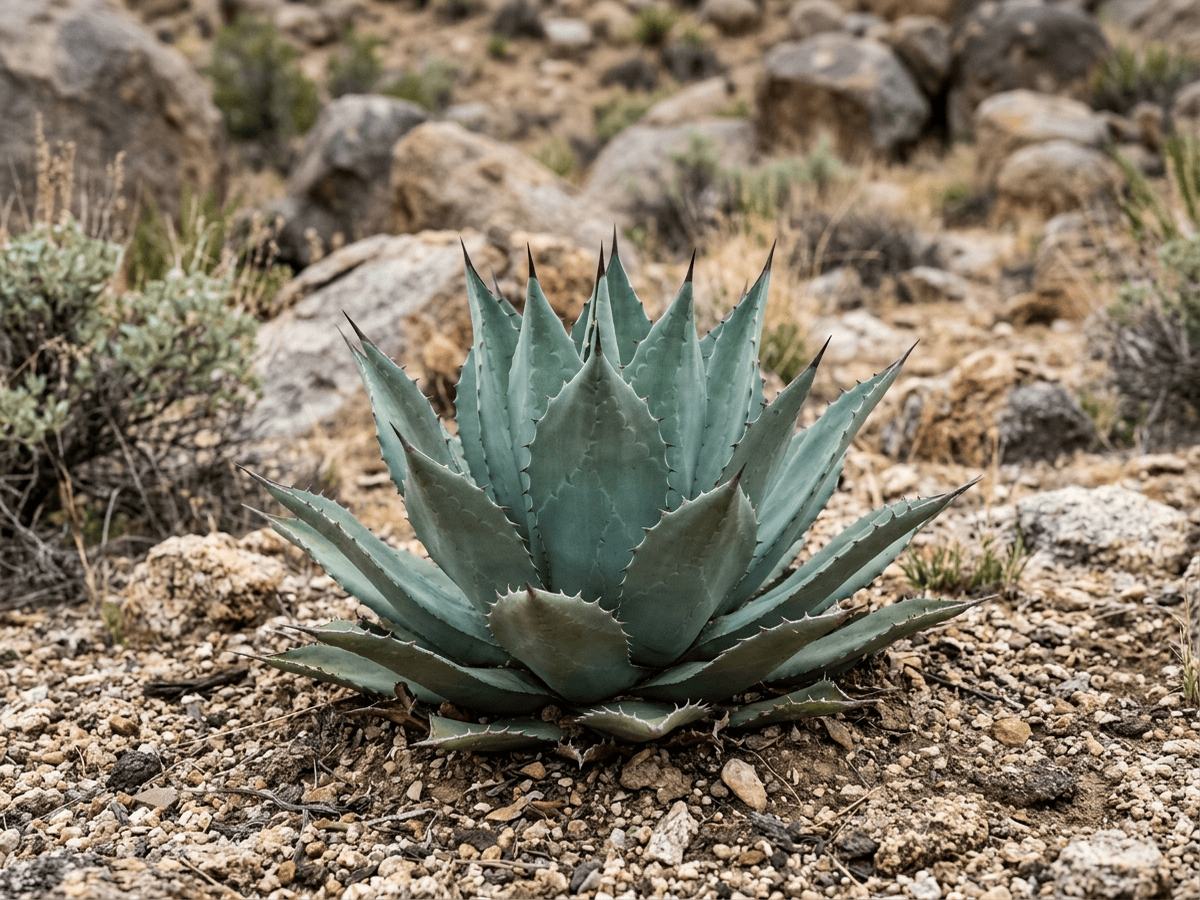 American Century PlantAgave americana
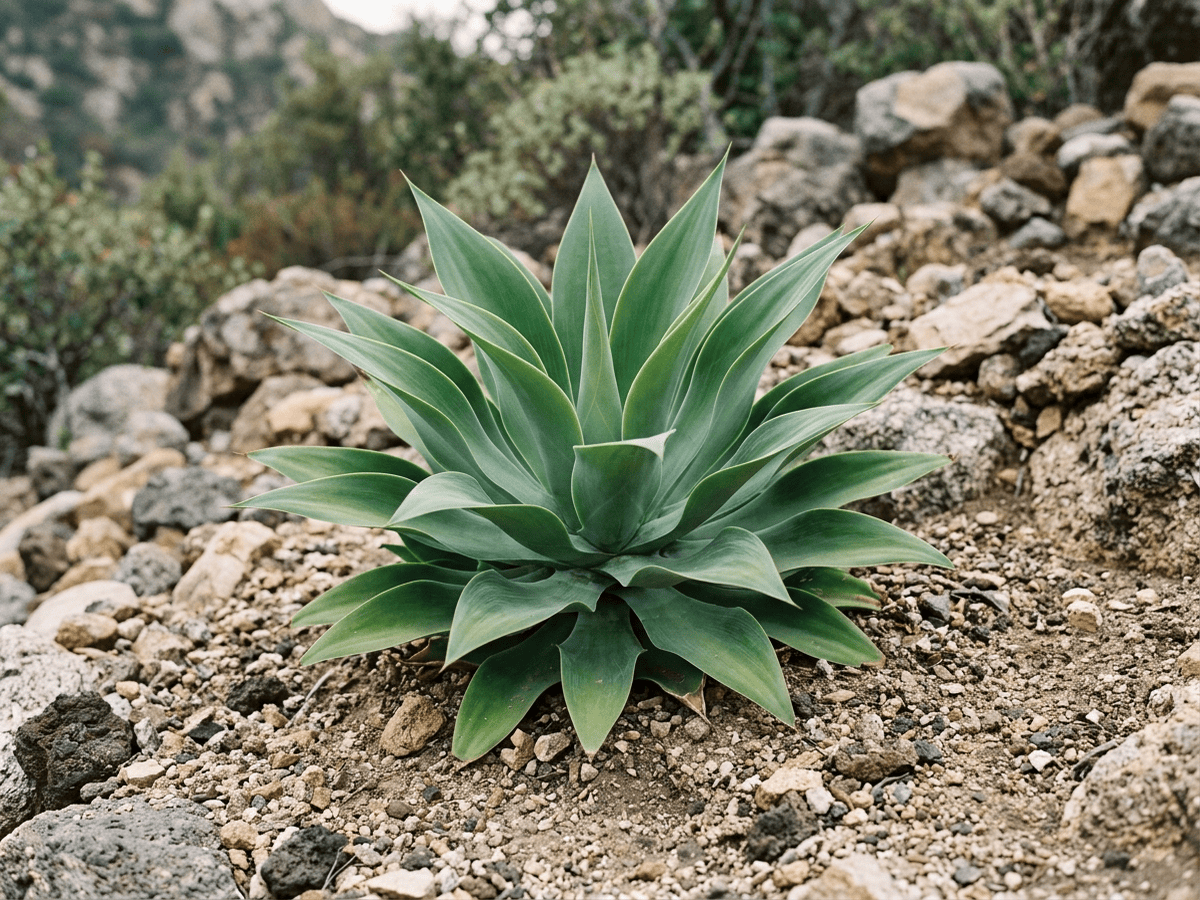 Swan-Neck AgaveAgave attenuata
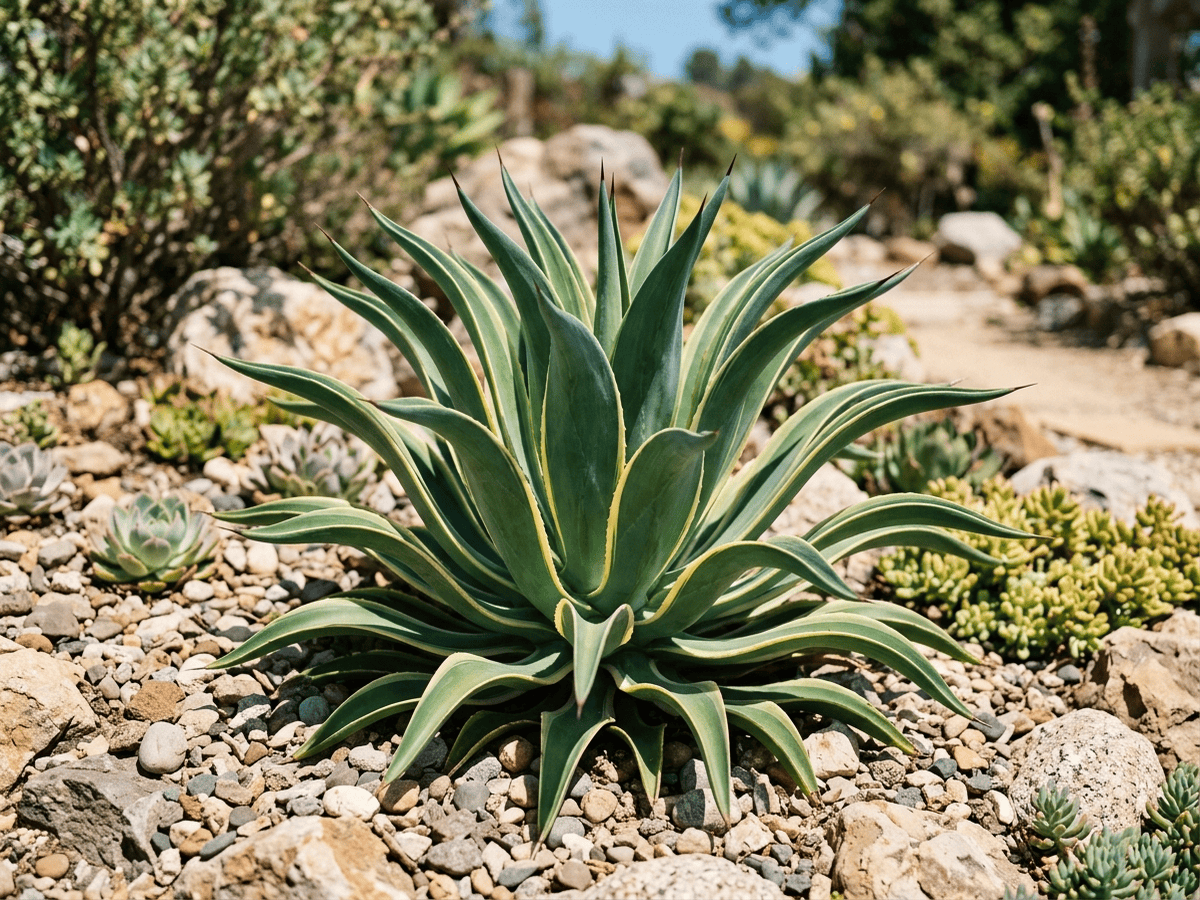 Smooth AgaveAgave desmettiana
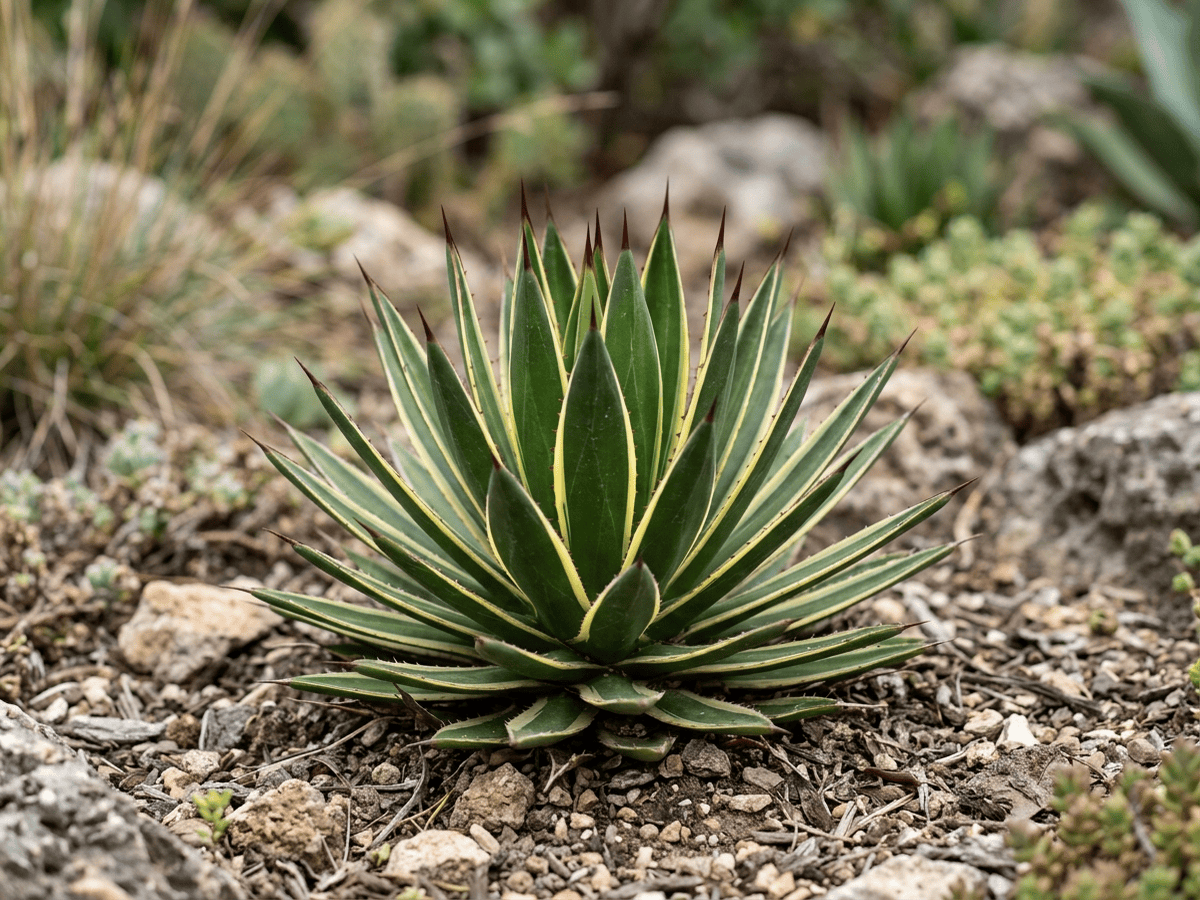 Thorn-Crested AgaveAgave lophantha
Plants with similar care
 Chinese AbeliaAbelia chinensis
 Fragrant AbeliaAbelia mosanensis
 Large-Flowered AbeliaAbelia uniflora
 Glossy AbeliaAbelia x grandiflora
Frequently asked questions
How often should I water Twin-Flowered Agave?
In summer, water about every 21 days; in winter, about every 60 days. Adjust for heat, pot size and drainage.
How much light does Twin-Flowered Agave need?
Full sun: 6+ hrs direct. Watch the leaves — scorching or stretching means the light needs adjusting.
Is Twin-Flowered Agave toxic to cats or dogs?
Pets Moderate (Dogs Moderate · Cats Moderate) Educational information, not medical or veterinary advice. If exposure is suspected, contact a doctor or veterinarian.
Is Twin-Flowered Agave easy to grow?
Yes — it is considered an easy, beginner-friendly plant.
When does Twin-Flowered Agave bloom?
It typically blooms Jun–Aug in the Northern Hemisphere.
YardMate
Identify any plant in seconds
Snap a photo — YardMate names the plant, diagnoses problems, and reminds you when to water.
Download on the App Store