 YardMate


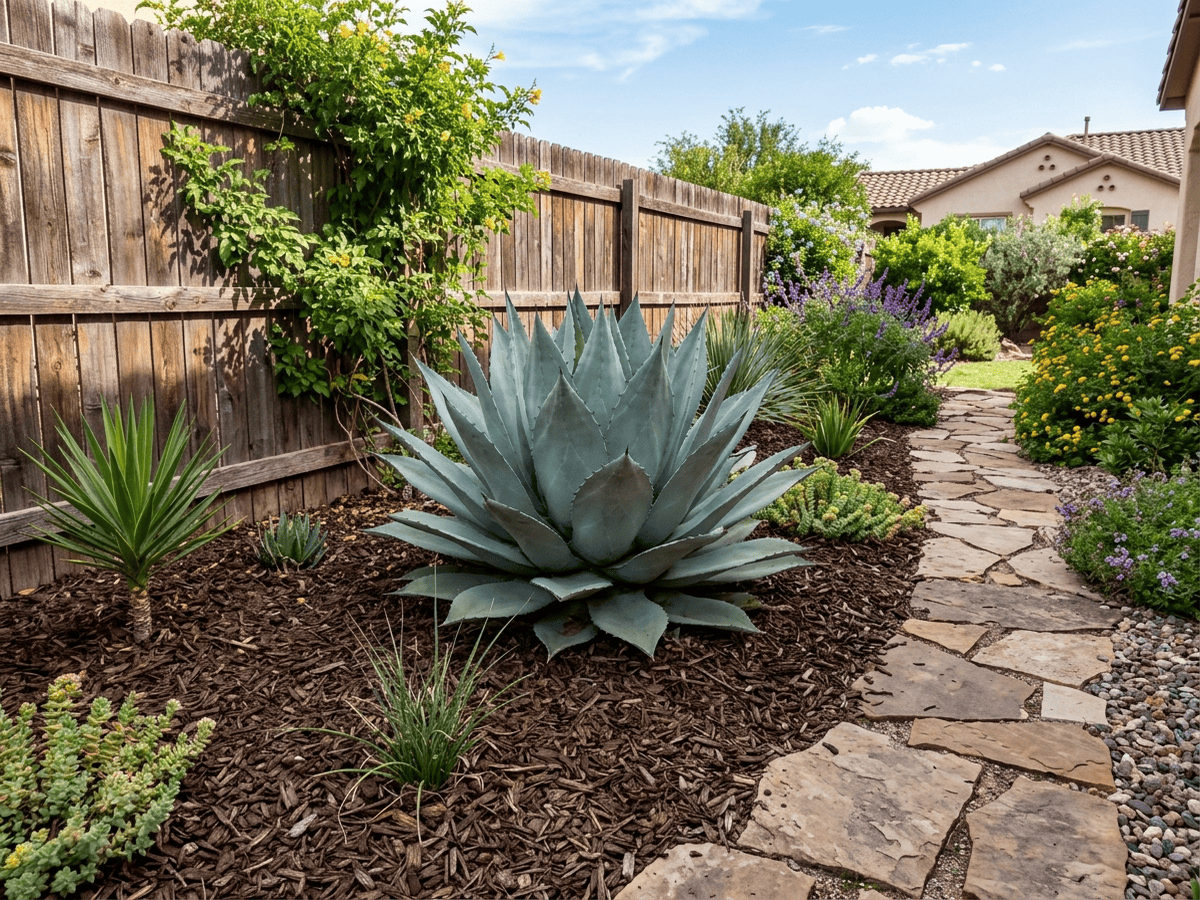
Whale's Tongue Agave
Agave ovatifolia
Easy · Beginner friendlyAbout Whale's Tongue Agave
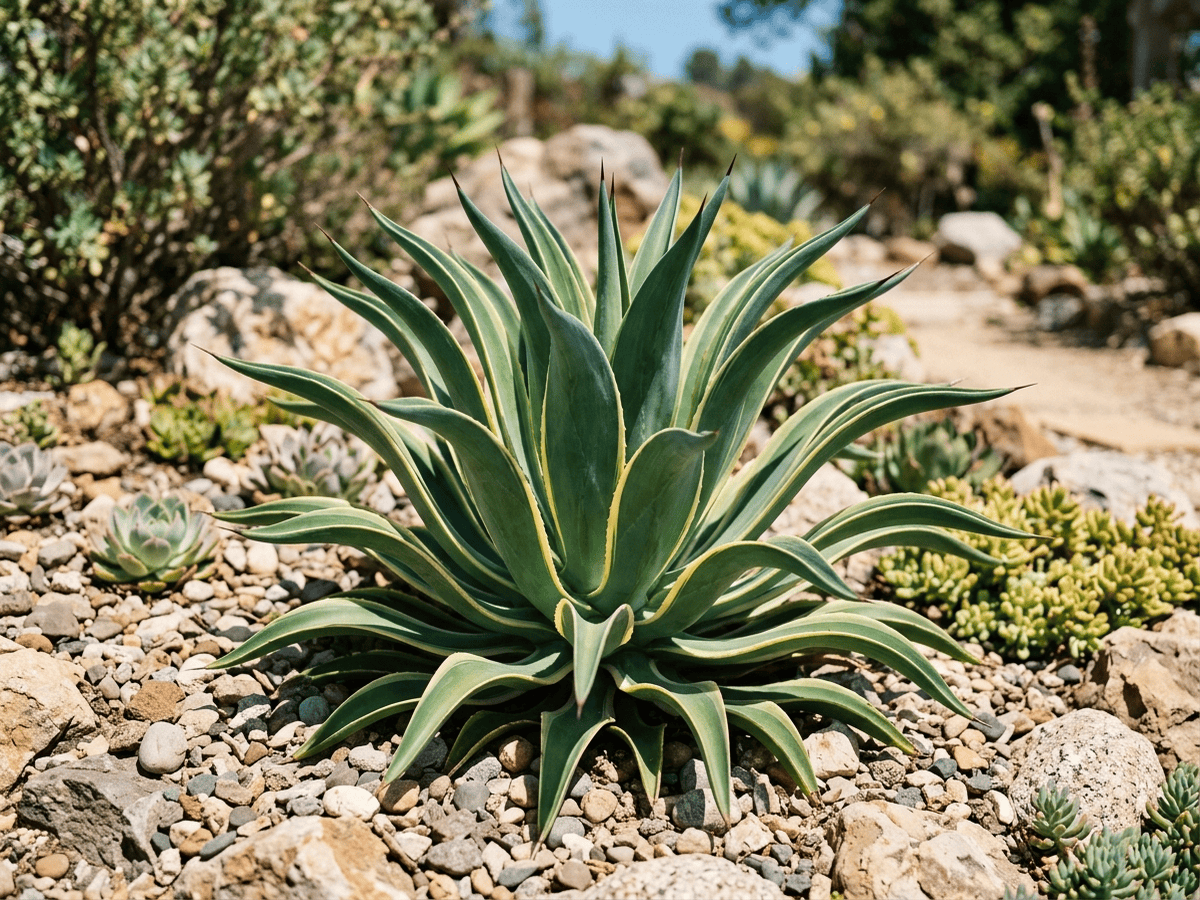
Whale's Tongue Agave is a hardy Mexican rosette succulent reaching 3-4 feet tall and 4-5 feet wide, prized for its broad cupped powder-blue leaves that resemble a whale's tongue. Discovered only in 1996 in Nuevo León, it is among the most cold-hardy of all blue agaves, surviving down to 0°F. Its symmetrical form and luminous blue color make it a sculptural showpiece for gardens from Texas and the Southwest to the Southeast.
- Drought-tolerant
- Cold-hardy
- Evergreen
- Architectural
How to care for Whale's Tongue Agave
Watering
- Springevery 21 days
- Summerevery 21 days
- Fallevery 30 days
- Winterevery 60 days
Soil · Fast-draining
- Main mixSand + pumice + soil 1:1:150%
- DrainagePumice / gravel50%
Keep grit at half the mix or more — this soil is meant to dry out fast.
FERTILIZER
- Springevery 60 days
At a Glance
- NativeNorth America
- Height2–3 ft (0.6–0.9 m)
- Spread4–5 ft (1.2–1.5 m)
- Flower colorGreen
- Foliage colorBlue-green
- SoilSandy, Well-drained
- LocationsYard
Bloom time
BLOOM CYCLE
Peak bloom
Jun–Aug
Greenish-yellow flowers on 12-14 ft stalk after 15+ years
Toxicity
Humans Moderate · Pets Moderate
calcium oxalate raphides and saponins
Moderate
- Leaf
- Sap
- Contact
- Ingestion
EXPOSURE Touching leaves and sap. Eating leaves and sap.
EFFECT Contact dermatitis and mucous membrane irritation.
NOTE Documented concern for humans: Contact dermatitis and mucous membrane irritation.
Moderate
- Leaf
- Sap
- Ingestion
EXPOSURE Eating leaves and sap.
EFFECT Oral irritation and vomiting.
NOTE Agave listed by ASPCA as toxic.
Moderate
- Leaf
- Sap
- Ingestion
EXPOSURE Eating leaves and sap.
EFFECT Oral irritation and vomiting.
NOTE Agave listed by ASPCA as toxic.
Educational information, not medical or veterinary advice. If exposure is suspected, contact a doctor or veterinarian.
DISTRIBUTION


- Native
- North America
History
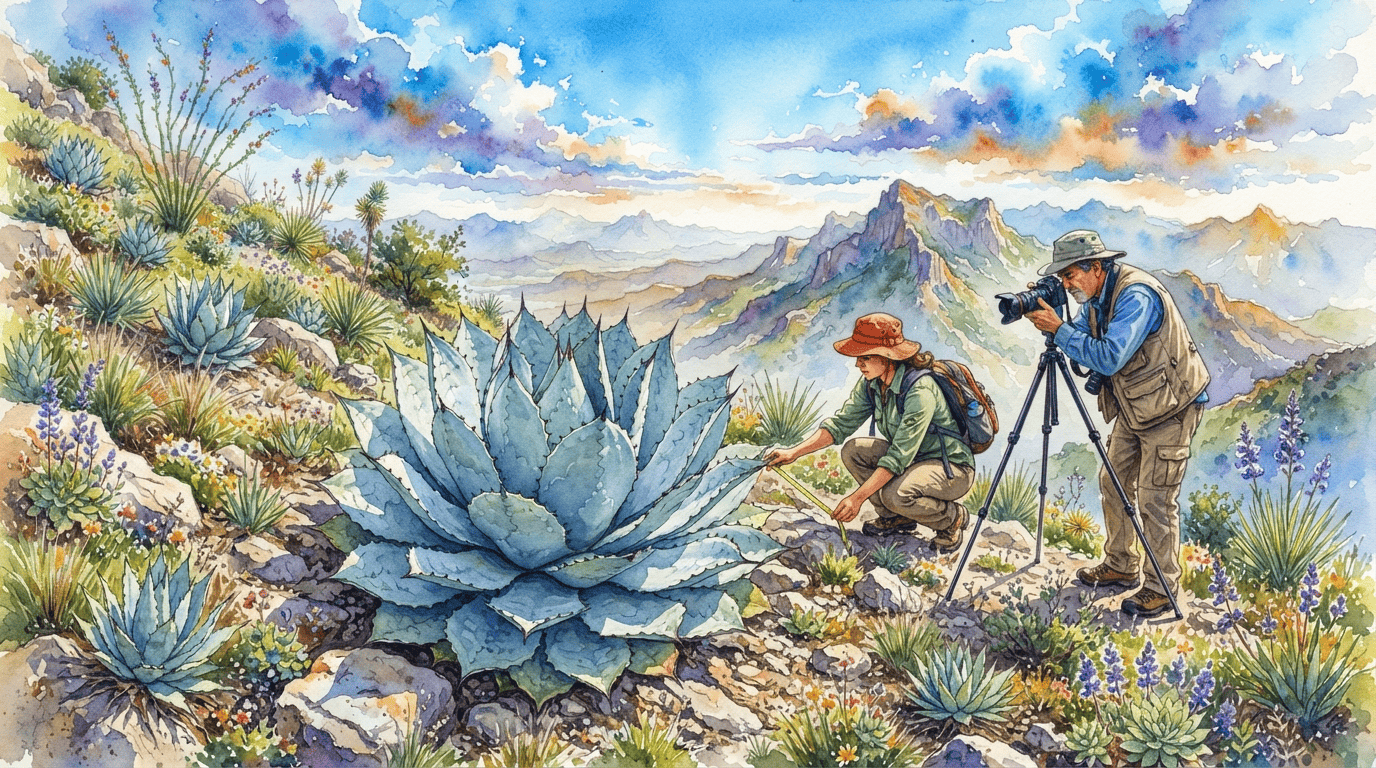
Agave ovatifolia, whale's tongue agave, is a striking monocarpic succulent endemic to limestone slopes of the Sierra Madre Oriental in the state of Nuevo León, northeastern Mexico, at 1000-2200 meters elevation. American botanist Greg Starr and Mexican botanist José Ángel Villarreal-Quintanilla formally described the species in 2002 in Cactus and Succulent Journal, making it one of the most recently named major ornamental agaves. Plants form exceptionally symmetrical 90-120 cm tall and 1.5-1.8 meter wide rosettes of broad, cupped, glaucous powder-blue leaves shaped somewhat like a whale's tongue (ovatifolia means oval-leaved).
Leaves carry regular marginal teeth and a short terminal spine. Greenish-yellow flowers on a 4-5 meter stalk appear after 10-20 years.
The species is notable among ornamental agaves for its hardiness—reliably surviving to about -12°C (10°F)—which has made it popular in Texas, the Southwest, and even southern Midwest American landscapes well beyond the typical agave range. Its remarkable cold hardiness has revolutionized agave gardening in colder regions—it now grows successfully as far north as Pennsylvania and Washington state with sharp drainage.
Symbolism & meaning
What It Symbolizes
Whale's Tongue Agave is strength carved into silver-blue blades that shrug off both desert sun and surprising hard freezes. A plant of recent discovery — formally described only in 2002 — it has reshaped what cold-climate succulent gardening can be, opening new northern territory to architectural agaves. It stands for the quiet thrill of finding something rugged and magnificent that the world had simply not yet named.
- Strength — survives extreme cold and heat
- Discovery — a recently described species reshaping cold-climate succulent gardening
Where the Name Comes From
The name Whale's Tongue Agave describes its broad tongue-shaped leaves. 'Ovatifolia' means egg-shaped leaves, referring to the broad rounded leaf form.
Uses & Fun Facts
- Sculptural powder-blue rosette anchors modern xeriscape compositions
- Cold-hardy architectural succulent for rock and gravel gardens
Related plants
More Agave plants
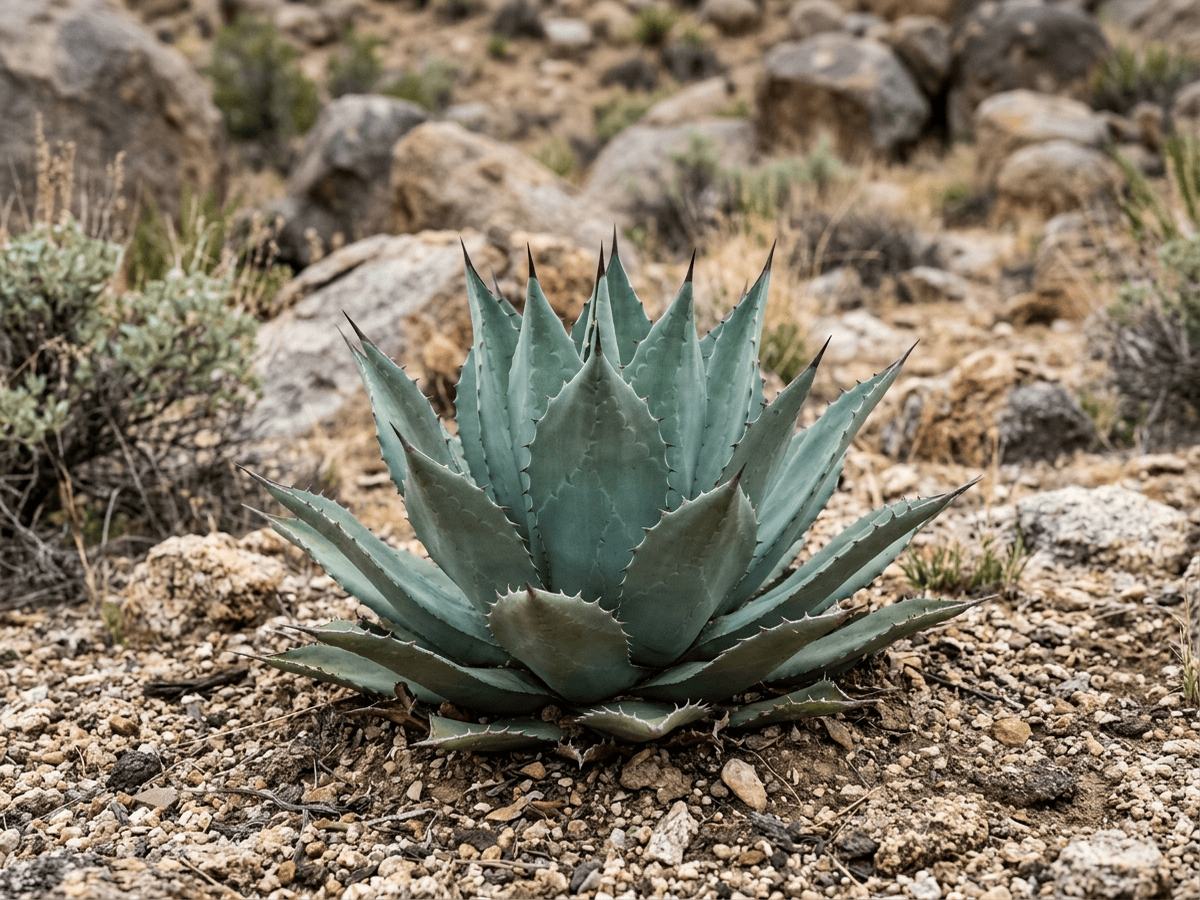 American Century PlantAgave americana
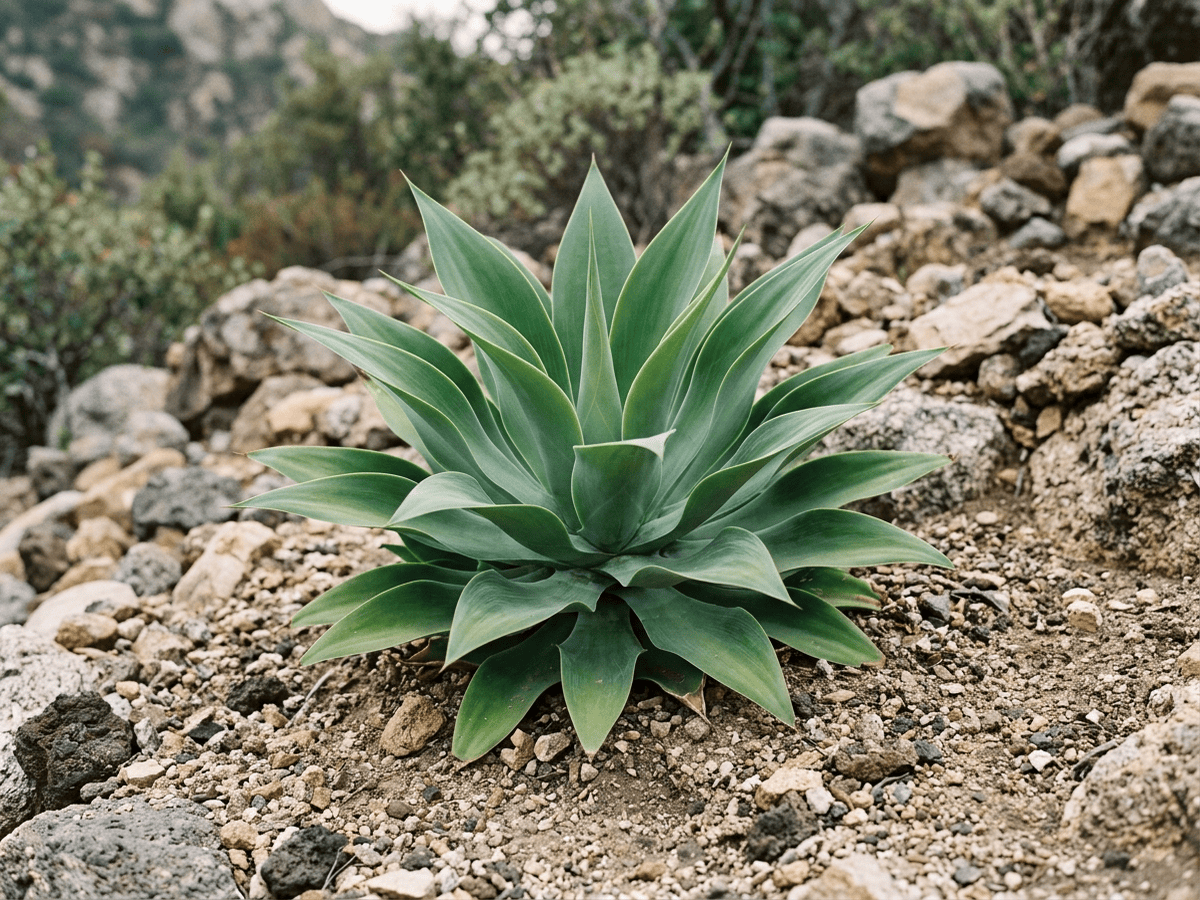 Swan-Neck AgaveAgave attenuata
 Smooth AgaveAgave desmettiana
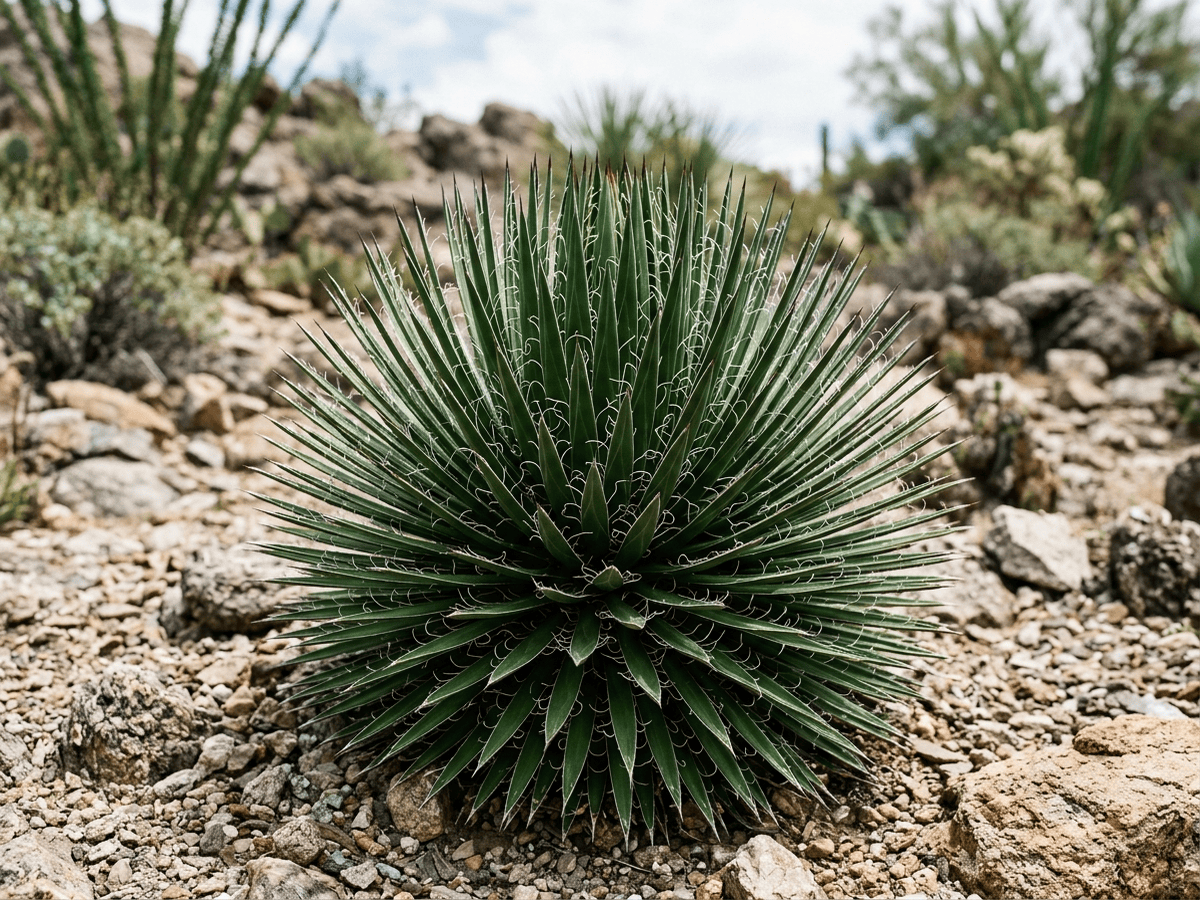 Twin-Flowered AgaveAgave geminiflora
Plants with similar care
 Chinese AbeliaAbelia chinensis
 Fragrant AbeliaAbelia mosanensis
 Large-Flowered AbeliaAbelia uniflora
 Glossy AbeliaAbelia x grandiflora
Frequently asked questions
How often should I water Whale's Tongue Agave?
In summer, water about every 21 days; in winter, about every 60 days. Adjust for heat, pot size and drainage.
How much light does Whale's Tongue Agave need?
Full sun: 6+ hrs direct. Watch the leaves — scorching or stretching means the light needs adjusting.
Is Whale's Tongue Agave toxic to cats or dogs?
Pets Moderate (Dogs Moderate · Cats Moderate) Educational information, not medical or veterinary advice. If exposure is suspected, contact a doctor or veterinarian.
Is Whale's Tongue Agave easy to grow?
Yes — it is considered an easy, beginner-friendly plant.
When does Whale's Tongue Agave bloom?
It typically blooms Jun–Aug in the Northern Hemisphere.
YardMate
Identify any plant in seconds
Snap a photo — YardMate names the plant, diagnoses problems, and reminds you when to water.
Download on the App Store