 YardMate


Octopus Agave
Agave vilmoriniana
Easy · Beginner friendlyAbout Octopus Agave
Octopus Agave is a striking medium-large succulent native to the cliffs of western Mexico, distinguished by long arching unarmed gray-green leaves that twist and curl outward like tentacles. Reaching 3-4 feet tall and 5-6 feet wide, it is one of the safest agaves for households and pathways since it has no terminal spine and minimal marginal teeth. After about 10 years it sends up a 12-foot flower stalk crowded with bulbils that root readily.
- Low-maintenance
- Drought-tolerant
- Architectural
- Evergreen
How to care for Octopus Agave
Watering
- Springevery 21 days
- Summerevery 21 days
- Fallevery 30 days
- Winterevery 60 days
Soil · Fast-draining
- Main mixSand + pumice + soil 1:1:150%
- DrainagePumice / gravel50%
Keep grit at half the mix or more — this soil is meant to dry out fast.
FERTILIZER
- Springevery 60 days
At a Glance
- NativeNorth America
- Height3–4 ft (0.9–1.2 m)
- Spread5–6 ft (1.5–1.8 m)
- Flower colorYellow
- Foliage colorGreen
- SoilSandy, Well-drained
- LocationsYard · Balcony
Bloom time
BLOOM CYCLE
Peak bloom
Jun–Aug
Yellow flowers and bulbils on tall stalk after about 10 years
Toxicity
Humans Moderate · Pets Moderate
calcium oxalate raphides and saponins
Moderate
- Leaf
- Sap
- Contact
- Ingestion
EXPOSURE Touching leaves and sap. Eating leaves and sap.
EFFECT Contact dermatitis.
NOTE Documented concern for humans: Contact dermatitis.
Moderate
- Leaf
- Sap
- Ingestion
EXPOSURE Eating leaves and sap.
EFFECT Oral irritation and vomiting.
NOTE Agave listed by ASPCA as toxic. Root used traditionally as soap source (contains saponins).
Moderate
- Leaf
- Sap
- Ingestion
EXPOSURE Eating leaves and sap.
EFFECT Oral irritation and vomiting.
NOTE Agave listed by ASPCA as toxic. Root used traditionally as soap source (contains saponins).
Educational information, not medical or veterinary advice. If exposure is suspected, contact a doctor or veterinarian.
DISTRIBUTION


- Native
- North America
History
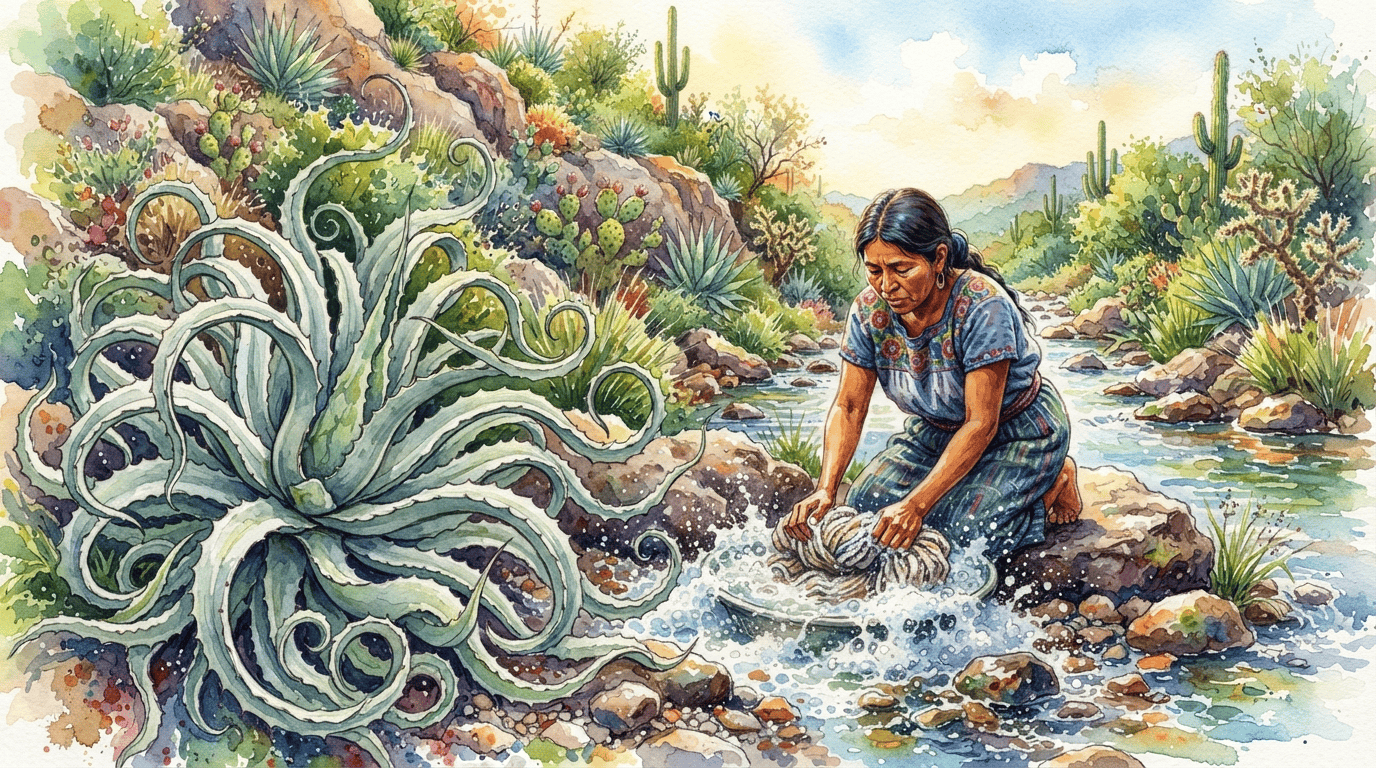
Agave vilmoriniana, commonly called octopus agave, is a distinctive monocarpic succulent native to steep cliff faces and rocky slopes of the Sierra Madre Occidental in northwestern Mexico (states of Sonora, Chihuahua, Sinaloa, Durango, Nayarit, Jalisco, and Aguascalientes) at 600-2200 meters elevation. German botanist Alwin Berger described it in 1913, naming it for the Vilmorin family, prominent French seedsmen and plant patrons. The rosette reaches 1-1.2 meters tall and 1.5-2 meters wide with 60-100 thin, unarmed, deeply channeled, arching and twisting pale gray-green leaves that resemble writhing octopus tentacles.
Unlike most agaves, leaves lack marginal teeth and end in only a soft flexible tip, making it pet- and child-friendly. Yellow flowers appear on a 3-5 meter stalk after 10-15 years, and the spent inflorescence produces thousands of small bulbils that root readily.
One of the most popular ornamental agaves in Mediterranean and arid landscapes worldwide. Described in 1913 by French botanist Aristide Berger and named for the Vilmorin family of seed merchants in Paris. In its native Sonoran cliffs it was used by Indigenous peoples as a soap source, with the saponin-rich leaves yielding rich lather—earning it the Spanish name 'amole'.
Symbolism & meaning
What It Symbolizes
The Octopus Agave embodies resilience born of cliff-edge living, its long, writhing arms clinging to vertical Mexican canyon walls where almost nothing else takes hold. When at last it flowers — once, gloriously — it spends itself in generosity, producing hundreds of bulbil offspring along its towering stalk. Its life is a single dramatic gesture: hold fast through hardship, then give everything away.
- Resilience — thrives clinging to vertical desert cliffs
- Generosity — produces hundreds of bulbil offspring at flowering
Where the Name Comes From
'Vilmoriniana' honors the Vilmorin-Andrieux family, prominent French horticulturists since the 18th century.
Uses & Fun Facts
- Octopus-like arching leaves create dramatic sculptural focal point
- Unarmed safer agave suited to patio pots and pathways
- Drought-tolerant accent for slopes and rock gardens
Related plants
More Agave plants
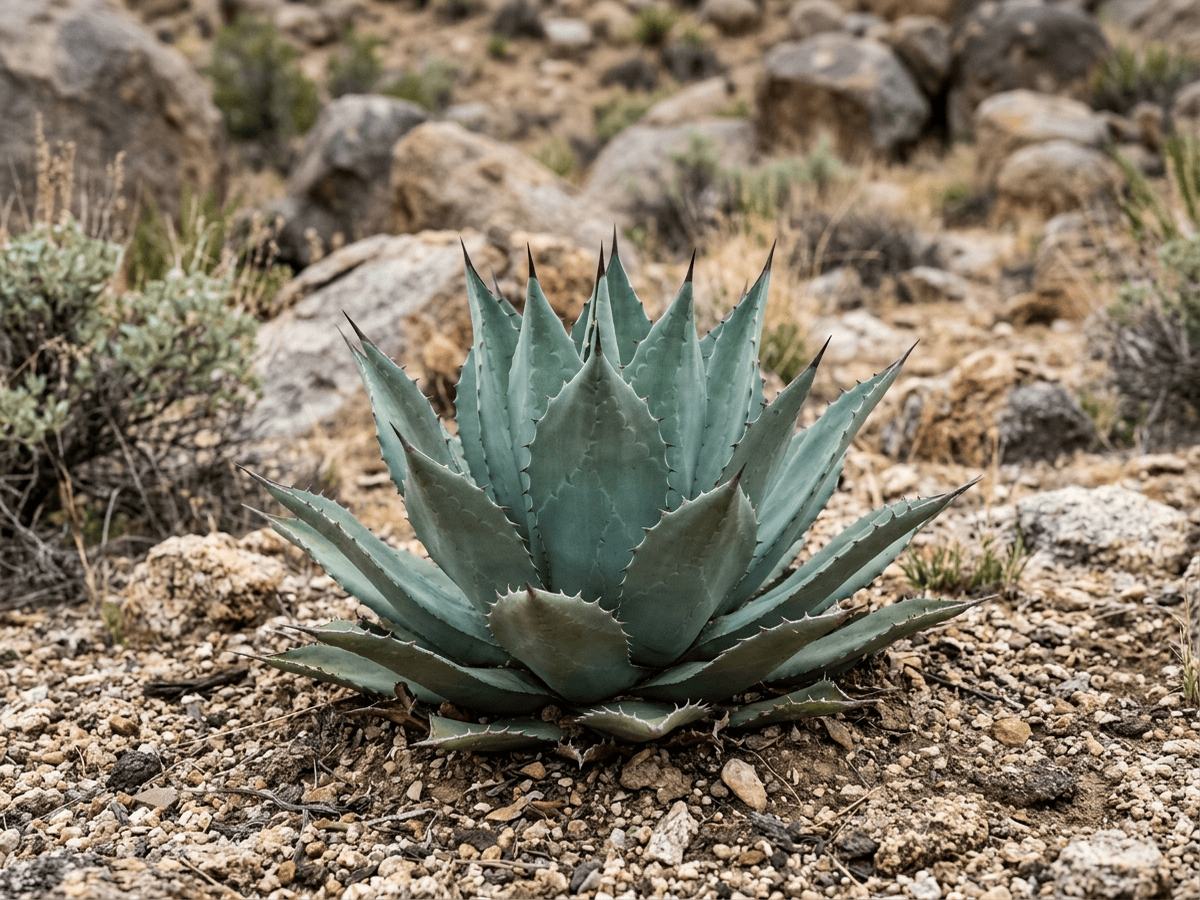 American Century PlantAgave americana
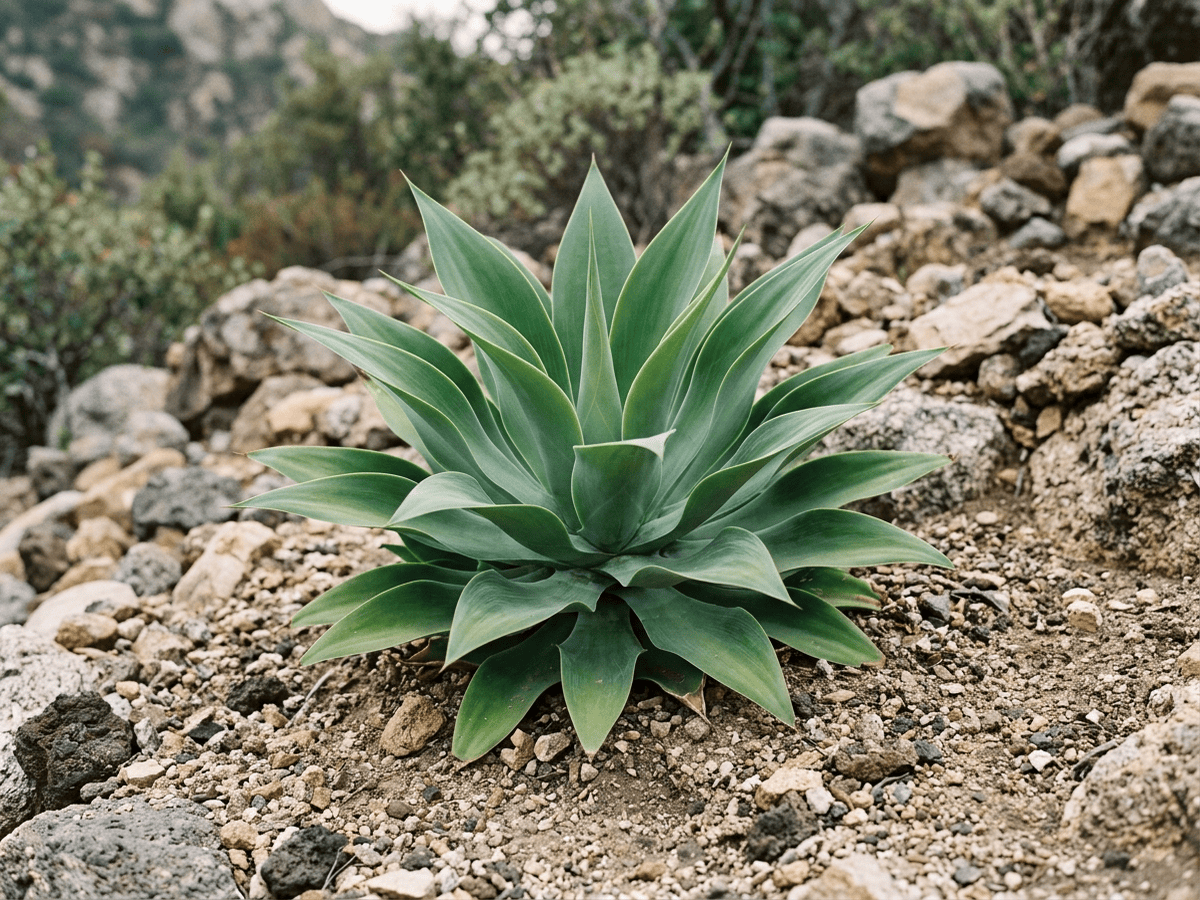 Swan-Neck AgaveAgave attenuata
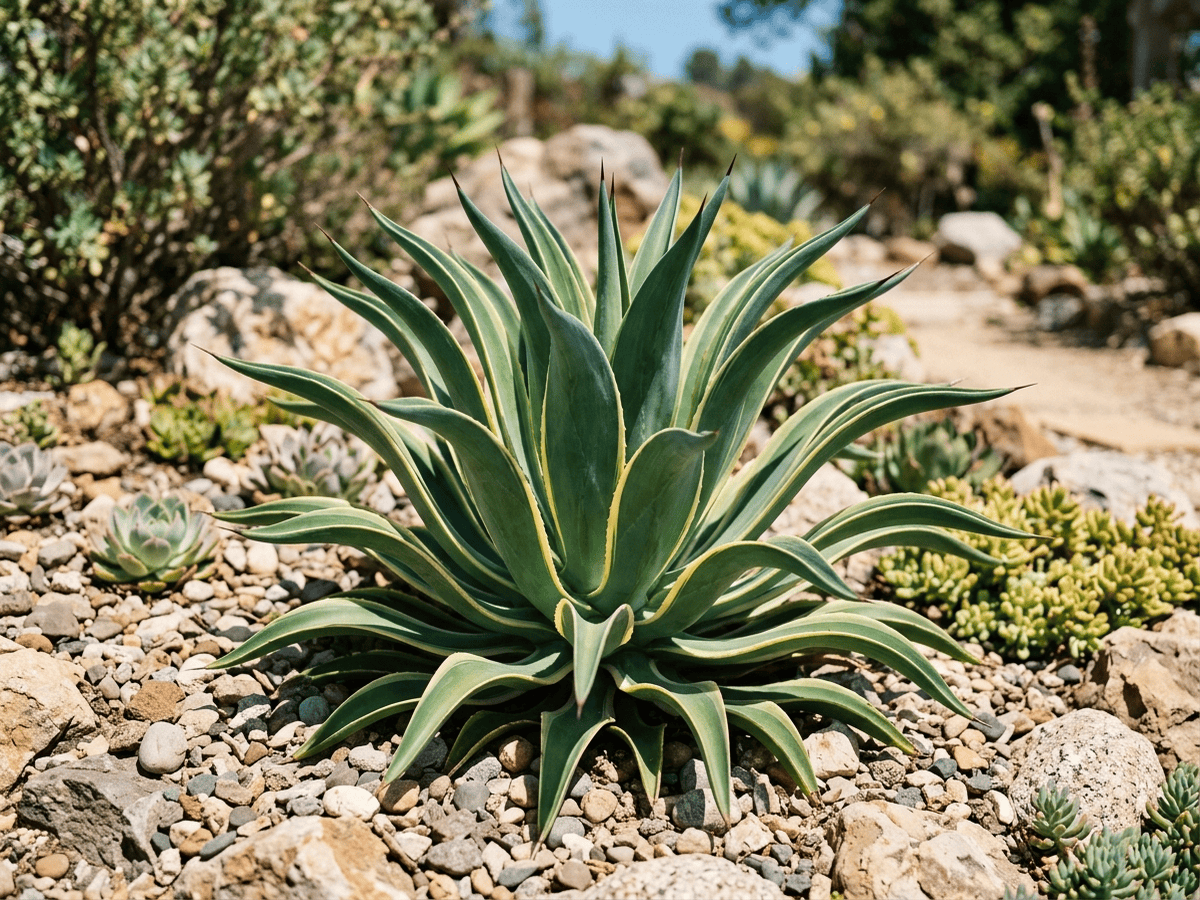 Smooth AgaveAgave desmettiana
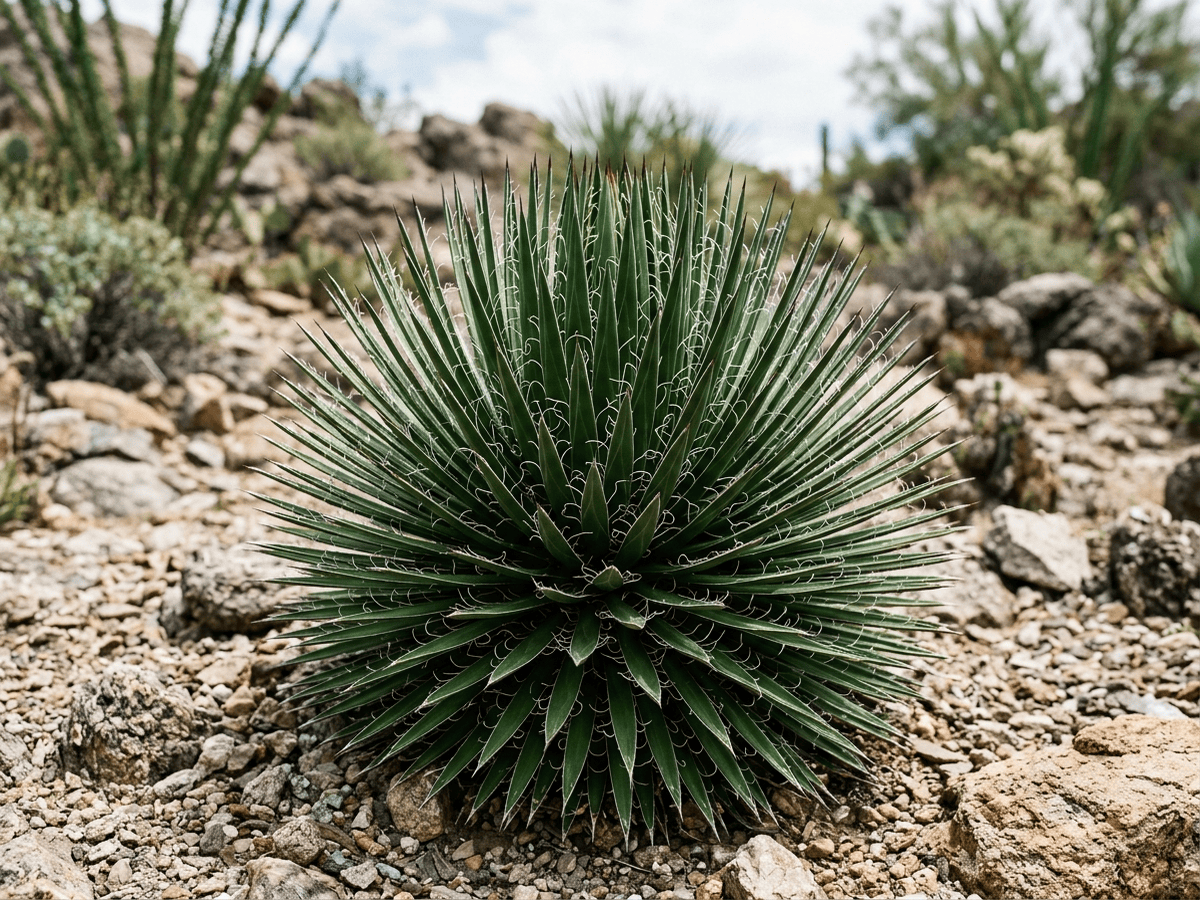 Twin-Flowered AgaveAgave geminiflora
Plants with similar care
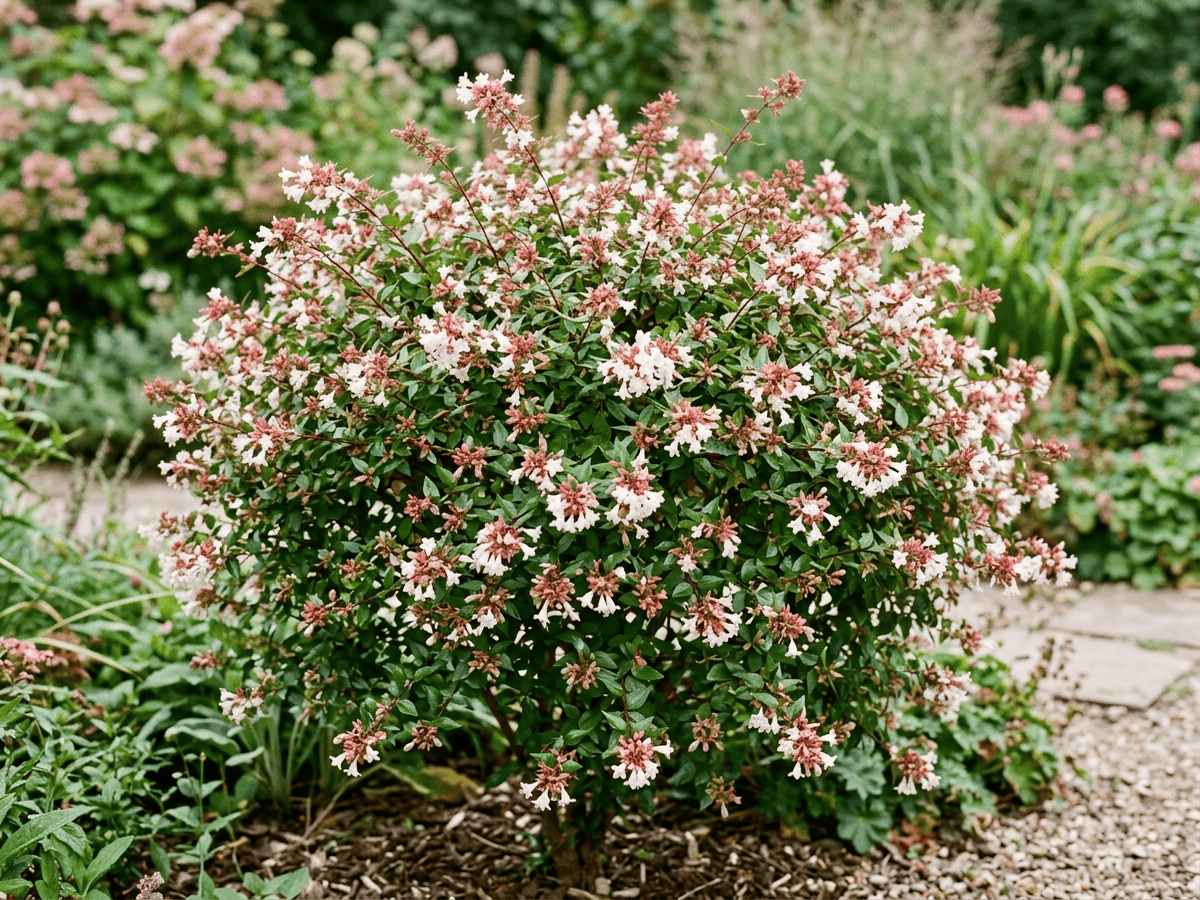 Chinese AbeliaAbelia chinensis
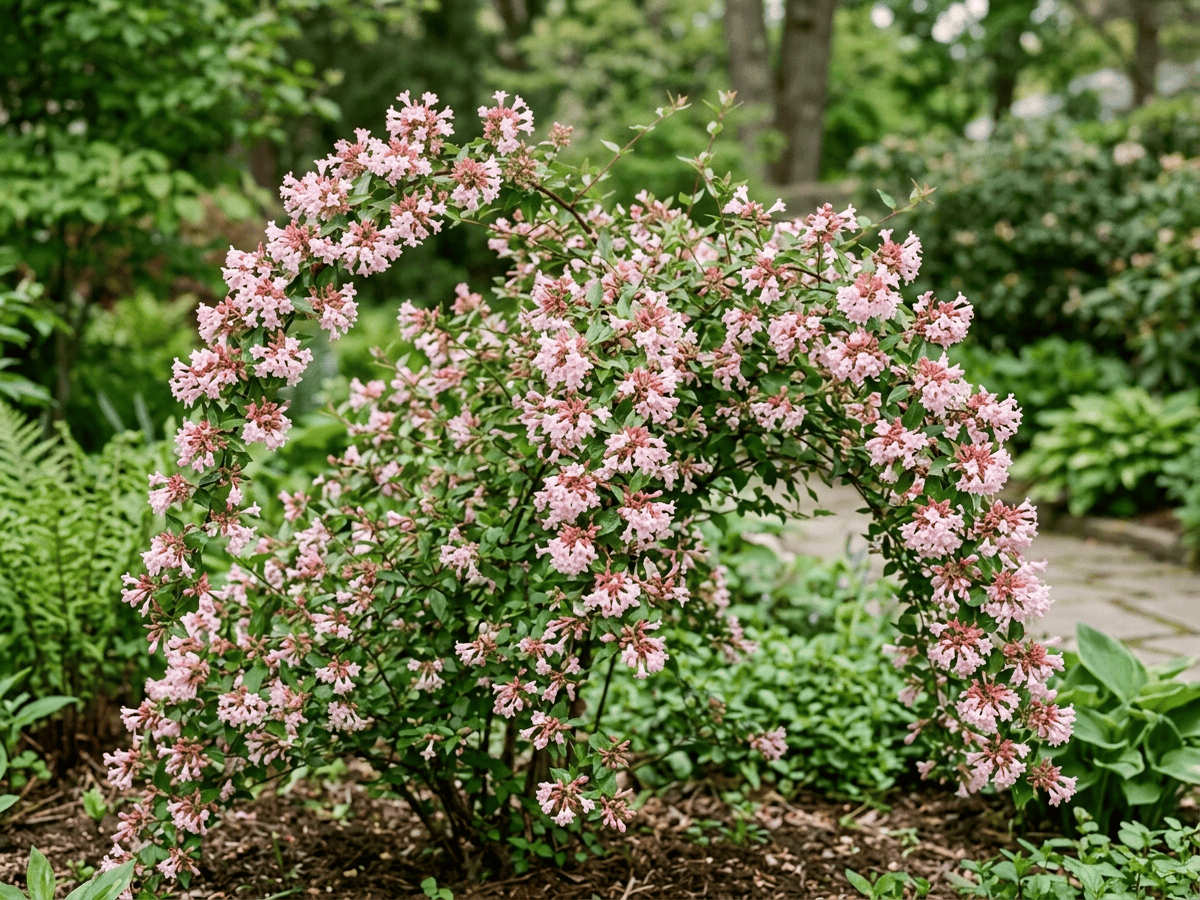 Fragrant AbeliaAbelia mosanensis
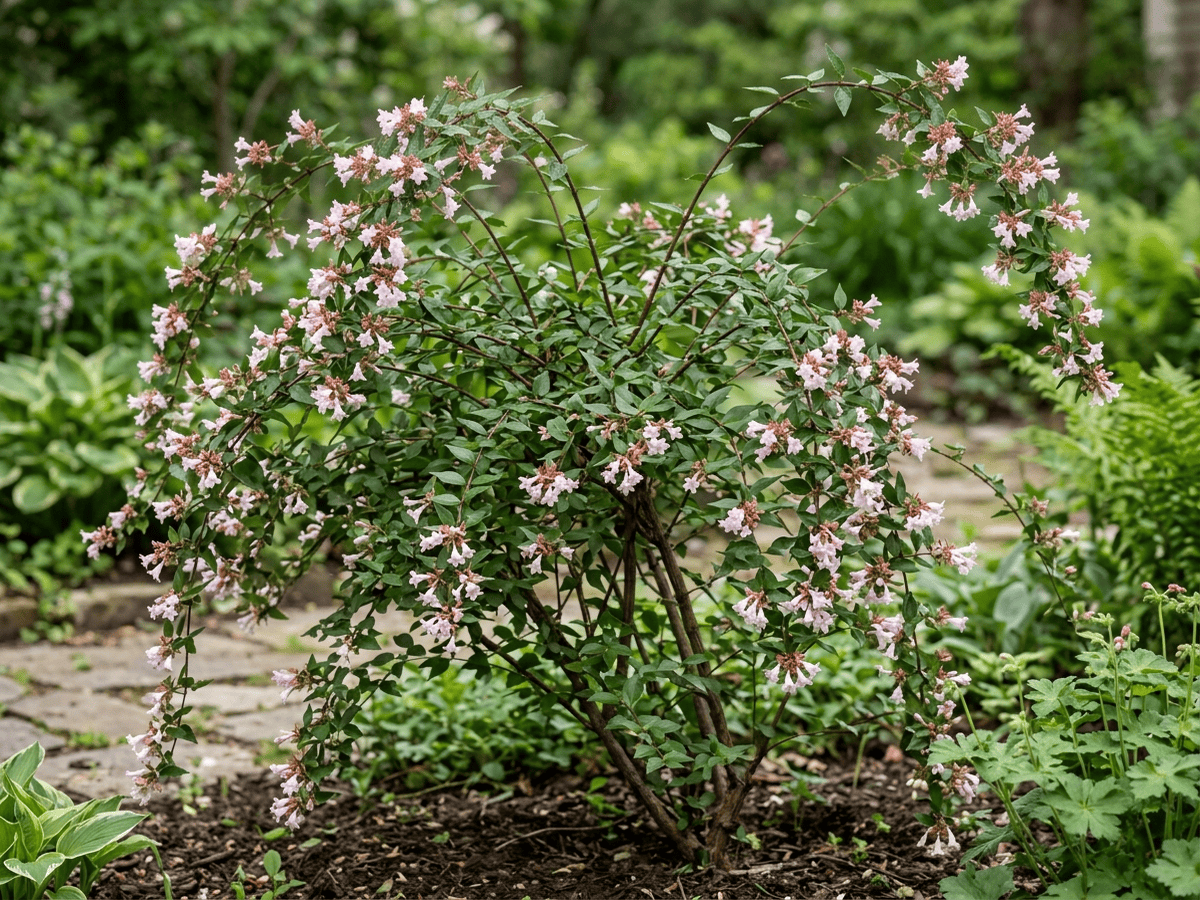 Large-Flowered AbeliaAbelia uniflora
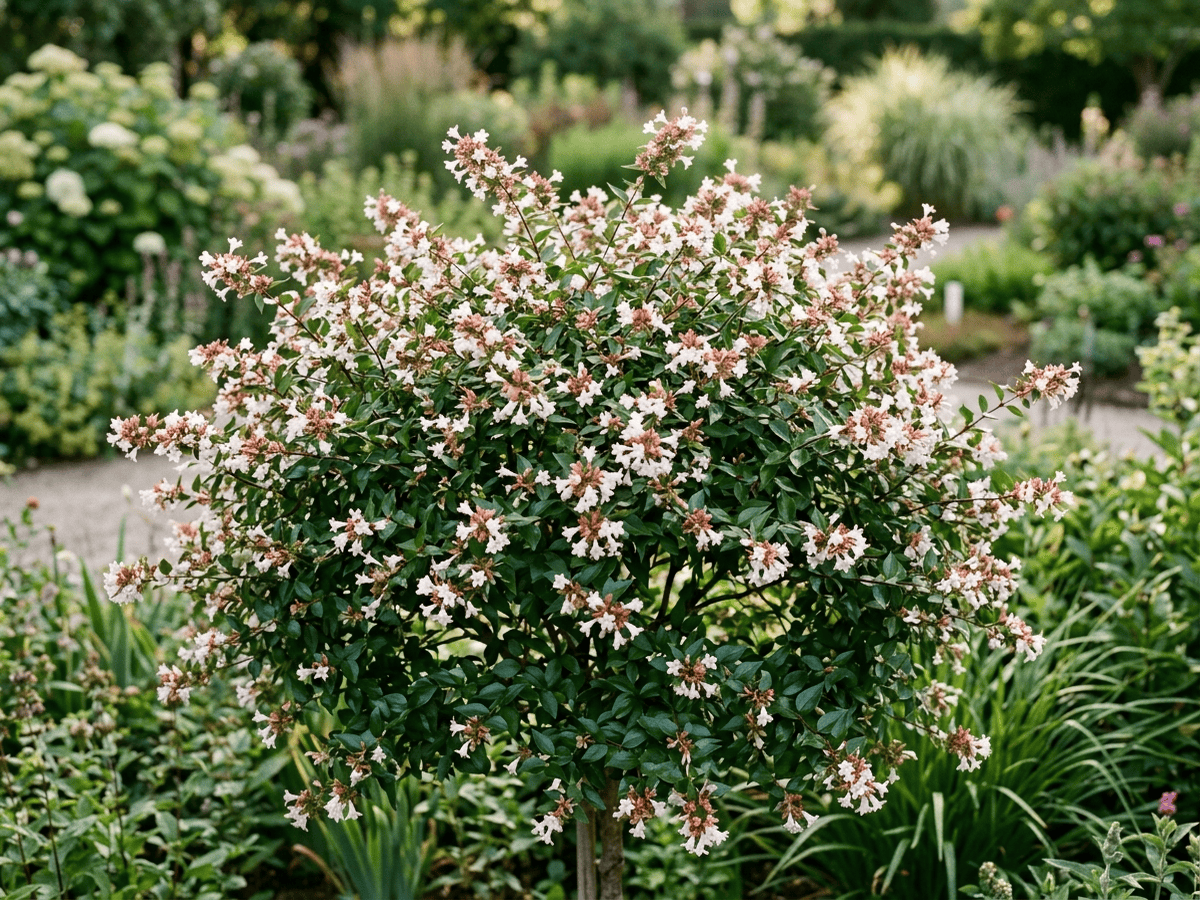 Glossy AbeliaAbelia x grandiflora
Frequently asked questions
How often should I water Octopus Agave?
In summer, water about every 21 days; in winter, about every 60 days. Adjust for heat, pot size and drainage.
How much light does Octopus Agave need?
Full sun: 6+ hrs direct. Watch the leaves — scorching or stretching means the light needs adjusting.
Is Octopus Agave toxic to cats or dogs?
Pets Moderate (Dogs Moderate · Cats Moderate) Educational information, not medical or veterinary advice. If exposure is suspected, contact a doctor or veterinarian.
Is Octopus Agave easy to grow?
Yes — it is considered an easy, beginner-friendly plant.
When does Octopus Agave bloom?
It typically blooms Jun–Aug in the Northern Hemisphere.
YardMate
Identify any plant in seconds
Snap a photo — YardMate names the plant, diagnoses problems, and reminds you when to water.
Download on the App Store