 YardMate


Star Of Persia
Allium christophii
Easy · Beginner friendlyAbout Star Of Persia
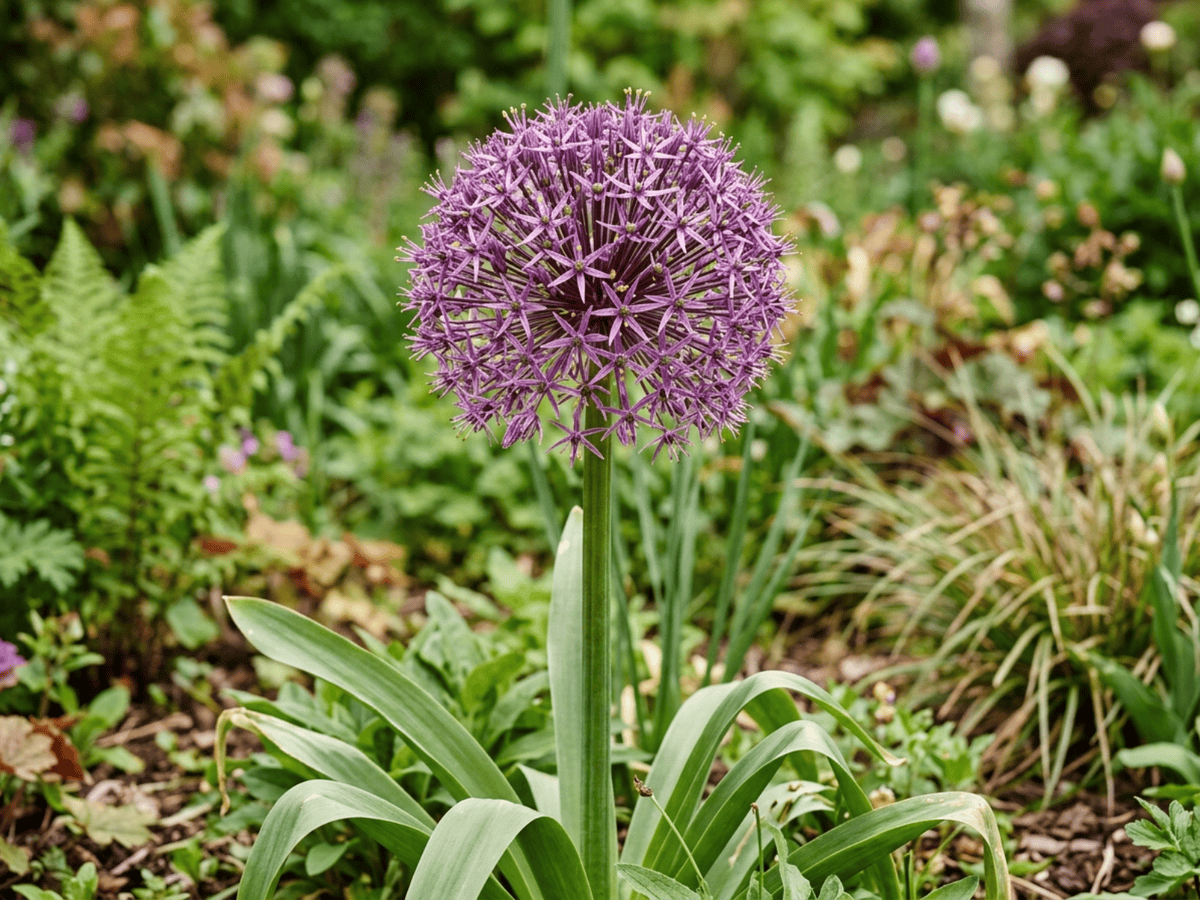
Star of Persia is a spectacular ornamental onion from central Asia producing enormous 10-12 inch globes composed of hundreds of silvery lilac star-shaped flowers with metallic sheen. Growing 18-24 inches tall on sturdy stems, it blooms in early summer and dries beautifully for long-lasting garden interest. One of the most dramatic alliums for American border focal points, hardy in USDA zones 4-8.
- Drought-tolerant
- Deer-resistant
- Pollinator-friendly
How to care for Star Of Persia
Watering
- Springevery 5 days
- Summerpause watering
- Fallevery 10 days
- Winterpause watering
Soil · Well-draining
- Main mixLoam + coarse sand 3:175%
- DrainageGravel25%
Sharp drainage matters most — bulbs rot in wet soil while dormant.
FERTILIZER
Bulb Feed 3-5-3
With bulbs, when matters more than what. One dose goes in the hole at planting, the second when shoots break ground.
- Nitrogen · Leaves
- Phosphorus · Roots + Blooms
- Potassium · Strength
- Springevery 30 days
- Fallevery 60 days
At a Glance
- NativeWestern Asia
- Height1–2 ft (0.3–0.6 m)
- Spread0.5–1 ft (0.2–0.3 m)
- Flower colorPurple, Pink
- Foliage colorGreen
- SoilLoamy, Well-drained, Sandy
- LocationsYard
Bloom time
BLOOM CYCLE
Peak bloom
Jun
Silvery lilac 10-inch globes June
Fragrance
LIGHT FRAGRANCE
The foliage has an onion-like when crushed scent.
Toxicity
Humans Slight · Pets Moderate
organosulfur compounds and n-propyl disulfide
Slight
- Bulb
- Leaf
- Ingestion
EXPOSURE Eating bulbs and leaves.
EFFECT Mild GI in quantity.
NOTE Documented concern for humans: Mild GI in quantity.
Moderate
- All
- Ingestion
EXPOSURE Eating any part of the plant.
EFFECT Hemolytic anemia, vomiting, and weakness.
NOTE ASPCA: all Allium species toxic to pets causing red blood cell damage.
Moderate
- All
- Ingestion
EXPOSURE Eating any part of the plant.
EFFECT Hemolytic anemia, vomiting, and weakness.
NOTE ASPCA: all Allium species toxic to pets causing red blood cell damage.
Educational information, not medical or veterinary advice. If exposure is suspected, contact a doctor or veterinarian.
DISTRIBUTION


- Native
- Western Asia
History
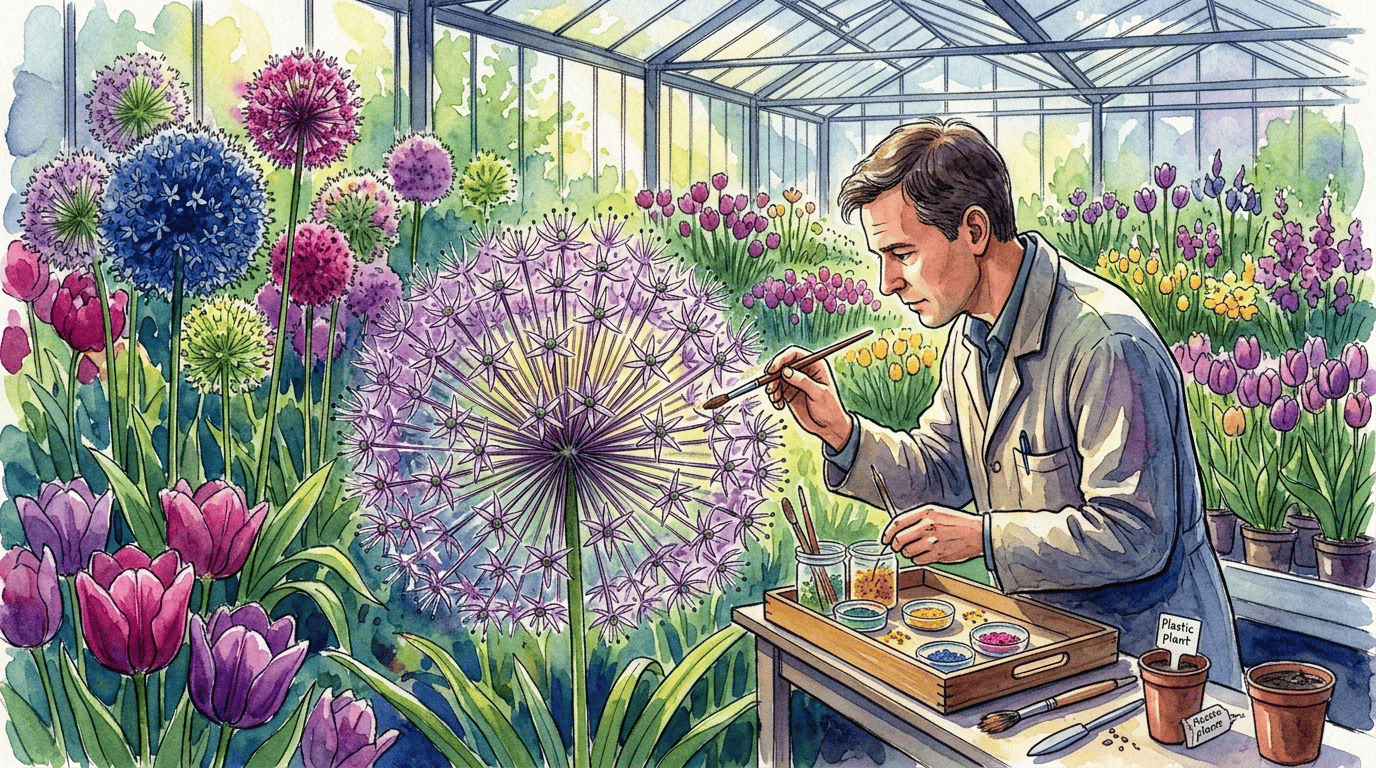
Allium christophii (syn. A. albopilosum) is native to dry stony slopes of eastern Turkey, northern Iran, and Turkmenistan. It was named in honor of a 19th-century German consul named Christoph. Russian and English bulb dealers introduced it to Western gardens around 1900.
The species produces spectacular 8-10 inch spherical umbels of hundreds of star-shaped metallic-purple florets, one of the largest and most striking flower heads of any allium. It became the archetype of the ornamental onion resurgence beginning in the 1960s and was instrumental in inspiring modern allium breeding. Dried seed heads retain their form through winter, providing sculptural interest for months.
It parents several modern hybrid alliums including 'Globemaster' (crossed with A. macleanii) by Jan Bijl of the Netherlands in 1971. First described in 1884 by Regel and named for his son Christoph. Seed introduction to Europe in the late 19th century. The giant dried flower heads remain attractive well into autumn and are often harvested for indoor dried arrangements. A signature plant of Piet Oudolf's New Perennial designs.
Symbolism & meaning
What It Symbolizes
Star of Persia is the patron flower of uniqueness — those metallic violet globes the size of softballs are unlike anything else in the June garden, geometry made into bloom. After flowering it rewards patience: the dried seedheads hold their architecture for months, drifting through summer like quiet fireworks frozen in mid-burst. To plant its is to invite a small constellation into the border.
- Uniqueness — one-of-a-kind massive flower globes
- Patience — dried heads persist for months
Where the Name Comes From
'Christophii' honors Christoph Regel, son of botanist E.L. Regel.
Uses & Fun Facts
- Giant silvery globes dry intact for long-lasting arrangements
- Star-shaped lilac florets attract bees through early summer
- Architectural ten-inch flower heads anchor sunny perennial beds
Related plants
More Allium plants
 Common OnionAllium cepa
 Welsh OnionAllium fistulosum
 Turkistan OnionAllium karataviense
 LeekAllium porrum
Plants with similar care
 Chinese AbeliaAbelia chinensis
 Fragrant AbeliaAbelia mosanensis
 Large-Flowered AbeliaAbelia uniflora
 Glossy AbeliaAbelia x grandiflora
Frequently asked questions
How often should I water Star Of Persia?
Water about every 5 days during the growing season, and always let excess water drain away.
How much light does Star Of Persia need?
Full sun: 6+ hrs direct. Watch the leaves — scorching or stretching means the light needs adjusting.
Is Star Of Persia toxic to cats or dogs?
Pets Moderate (Dogs Moderate · Cats Moderate) Educational information, not medical or veterinary advice. If exposure is suspected, contact a doctor or veterinarian.
Is Star Of Persia easy to grow?
Yes — it is considered an easy, beginner-friendly plant.
When does Star Of Persia bloom?
It typically blooms Jun in the Northern Hemisphere.
YardMate
Identify any plant in seconds
Snap a photo — YardMate names the plant, diagnoses problems, and reminds you when to water.
Download on the App Store