 YardMate
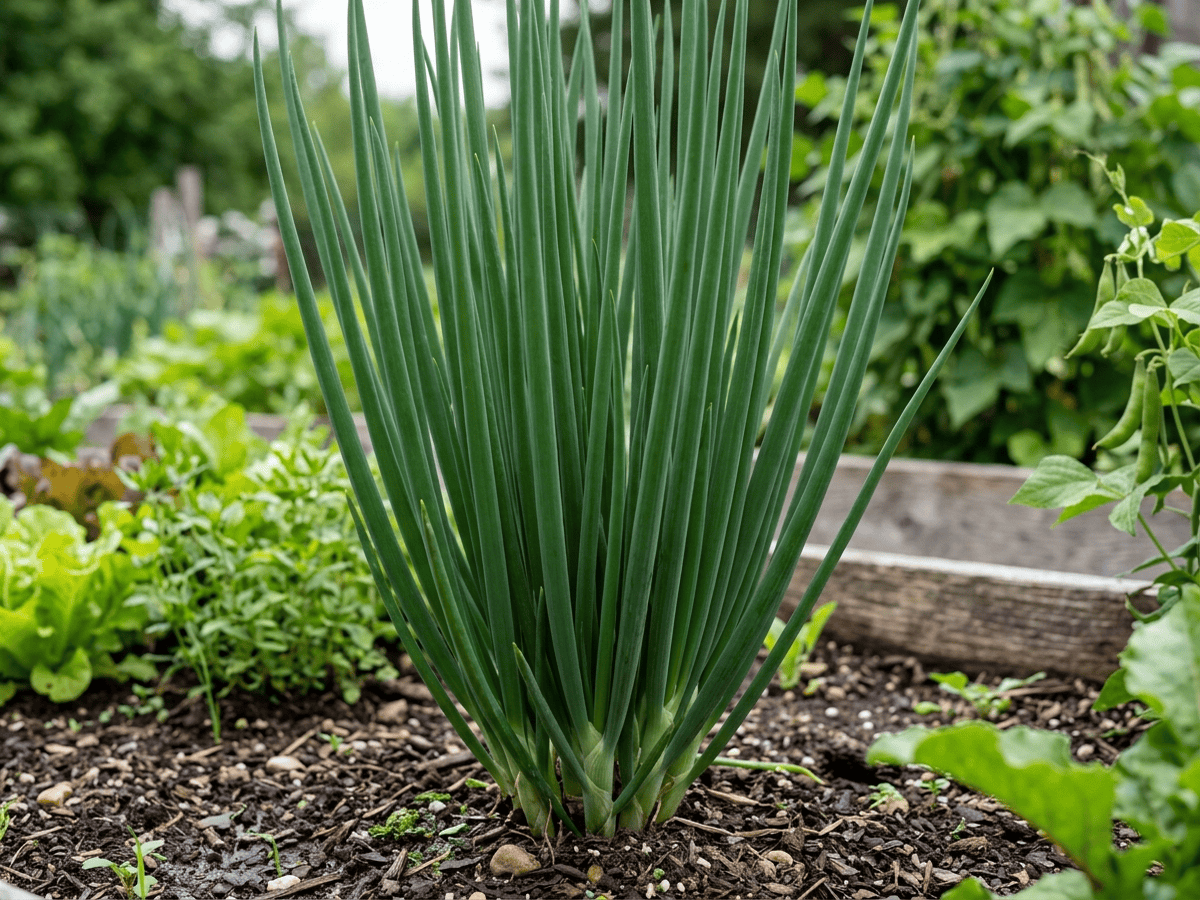


Welsh Onion
Allium fistulosum
Easy · Beginner friendlyAbout Welsh Onion
Welsh Onion or Bunching Onion is an East Asian perennial scallion reaching 12-24 inches tall, forming clumps of hollow tubular green leaves used like green onions in cooking. Unlike common onions, it does not form true bulbs and can be harvested year-round in mild climates. A staple of Chinese, Japanese, and Korean cuisines, it has gained American popularity for its productivity and ease of growth in herb gardens and containers.
- Edible
- Container-friendly
- Fast-growing
How to care for Welsh Onion
Watering
- Springevery 5 days
- Summerevery 5 days
- Fallevery 10 days
- Winterevery 21 days
Soil · Well-draining
- Main mixLoam + coarse sand 3:175%
- DrainageGravel25%
Sharp drainage matters most — bulbs rot in wet soil while dormant.
FERTILIZER
Balanced Feed 14-14-14
An even feed covers all three needs at once, keeping leaves, roots and blooms moving together with nothing pushed out of balance.
- Nitrogen · Leaves
- Phosphorus · Roots + Blooms
- Potassium · Strength
- Springevery 45 days
- Summerevery 45 days
At a Glance
- NativeEast Asia
- Height1–2 ft (0.3–0.6 m)
- Spread0.5–1 ft (0.2–0.3 m)
- Flower colorWhite
- Foliage colorGreen
- SoilWell-drained, Loamy, Rich
- LocationsYard · Balcony
Bloom time
BLOOM CYCLE
Peak bloom
Jun–Aug
Round white flower clusters in summer (rare with regular harvesting)
Fragrance
MODERATE FRAGRANCE
The leaves have an oniony aroma when cut or bruised.
Toxicity
Pets Toxic
n-propyl disulfide and thiosulfates
Not reported
EXPOSURE No exposure route is reported.
EFFECT No toxic effect is reported.
NOTE No human toxicity is reported in this catalog; avoid eating ornamental plants unless confirmed edible.
Toxic
- Leaf
- Bulb
- Ingestion
EXPOSURE Eating leaves and bulbs.
EFFECT Hemolytic anemia, vomiting, and lethargy.
NOTE All Alliums toxic to pets per ASPCA.
Toxic
- Leaf
- Bulb
- Ingestion
EXPOSURE Eating leaves and bulbs.
EFFECT Hemolytic anemia, vomiting, and lethargy.
NOTE All Alliums toxic to pets per ASPCA.
Educational information, not medical or veterinary advice. If exposure is suspected, contact a doctor or veterinarian.
DISTRIBUTION


- Native
- Introduced
- East Asia
History
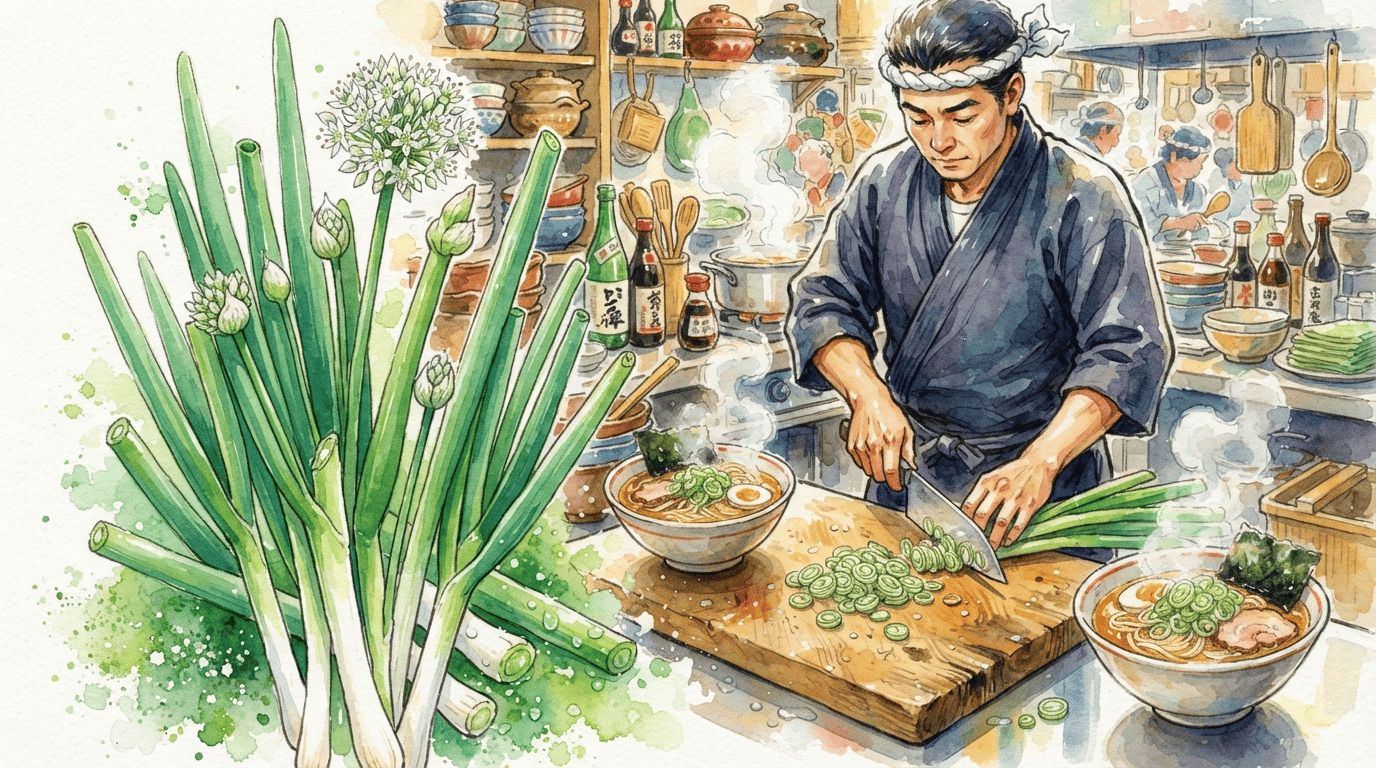
Allium fistulosum, commonly called Welsh onion, scallion, green onion, bunching onion, or negi in Japanese, is a clumping perennial in the onion subfamily (Amaryllidaceae) of obscure wild origin—possibly ancestral to populations in southern Siberia and northern China, but essentially unknown outside cultivation. Carl Linnaeus described it in Species Plantarum in 1753. The English common name 'Welsh onion' derives from Old German welisc meaning foreign, not from Wales.
The epithet fistulosum means hollow or tubular, referring to both leaves and flowering stems. Plants form non-bulbing clumps 30-60 cm tall of erect hollow cylindrical bright green leaves that are harvested as green scallions; clumps divide and regrow after cutting. Spherical white flower umbels on hollow stalks appear in second year.
The species has been cultivated across China, Japan, and Korea for over two thousand years and is considered a cornerstone vegetable in East Asian cuisine, used raw in sushi garnish, cooked in stir-fries and soups, and pickled. Japanese traditional medicine uses it for colds. Toxic to pets (all Alliums). Reached Europe via the Russian steppes in the medieval period. Has become a defining ingredient in Asian-American kitchens and home gardens for its perennial productivity.
Symbolism & meaning
What It Symbolizes
The Welsh Onion is a flower of sustenance more than romance — green spears rising from kitchen gardens through every season, ready for the knife. Its heritage runs deep through East Asia, where it has flavored broths and noodles for thousands of years. To grow it is to keep an old culinary covenant: small daily nourishment, faithfully renewed.
- Sustenance — year-round source of fresh green onions
- Heritage — ancient East Asian culinary staple
Where the Name Comes From
'Fistulosum' from Latin meaning hollow or pipe-like, referring to the tubular leaves.
Uses & Fun Facts
- Hollow green stalks chopped into Asian dishes and salads
- Used in traditional remedies for colds and digestion
Related plants
More Allium plants
 Common OnionAllium cepa
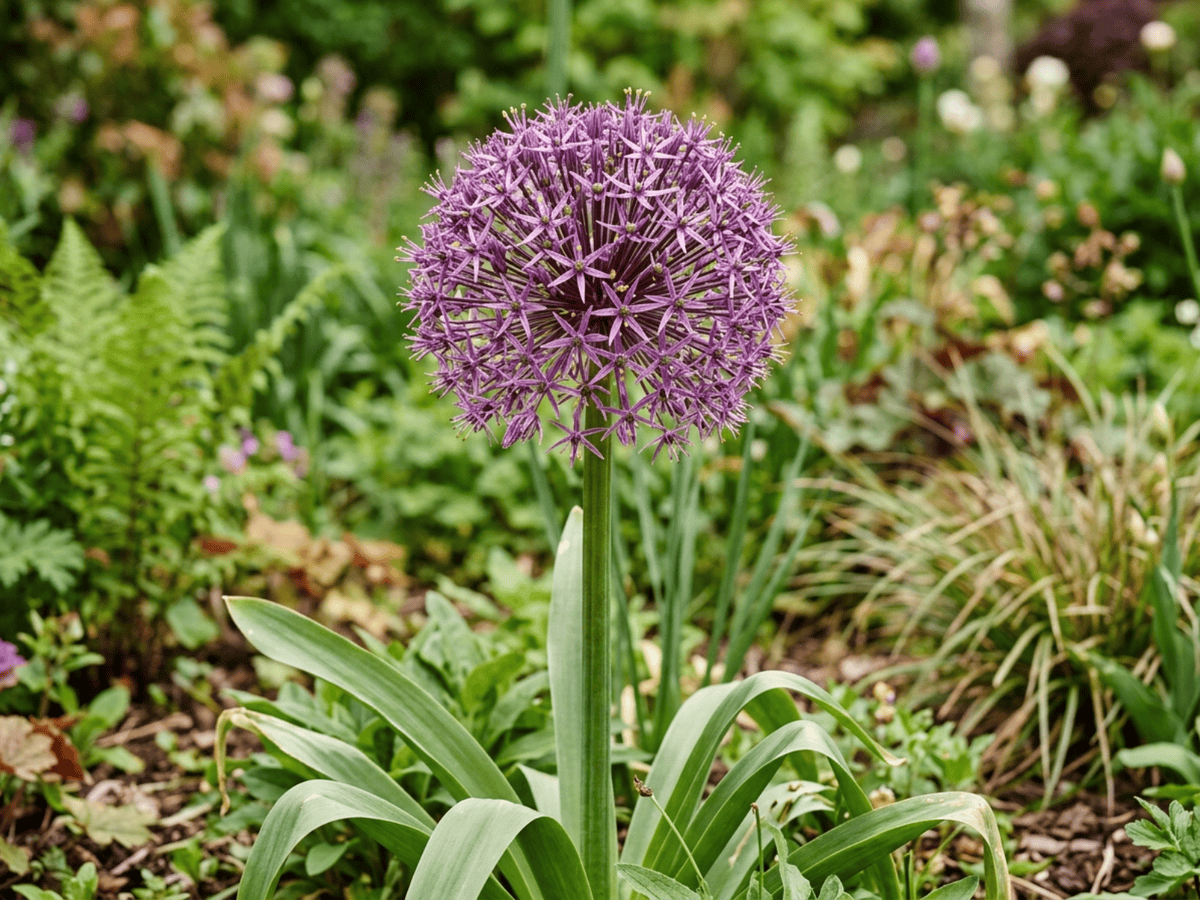 Star Of PersiaAllium christophii
 Turkistan OnionAllium karataviense
 LeekAllium porrum
Plants with similar care
 Chinese AbeliaAbelia chinensis
 Fragrant AbeliaAbelia mosanensis
 Large-Flowered AbeliaAbelia uniflora
 Glossy AbeliaAbelia x grandiflora
Frequently asked questions
How often should I water Welsh Onion?
In summer, water about every 5 days; in winter, about every 21 days. Adjust for heat, pot size and drainage.
How much light does Welsh Onion need?
Full sun: 6+ hrs direct. Watch the leaves — scorching or stretching means the light needs adjusting.
Is Welsh Onion toxic to cats or dogs?
Pets Toxic (Dogs Toxic · Cats Toxic) Educational information, not medical or veterinary advice. If exposure is suspected, contact a doctor or veterinarian.
Is Welsh Onion easy to grow?
Yes — it is considered an easy, beginner-friendly plant.
When does Welsh Onion bloom?
It typically blooms Jun–Aug in the Northern Hemisphere.
YardMate
Identify any plant in seconds
Snap a photo — YardMate names the plant, diagnoses problems, and reminds you when to water.
Download on the App Store