 YardMate


Leek
Allium porrum
Medium · Some experienceAbout Leek
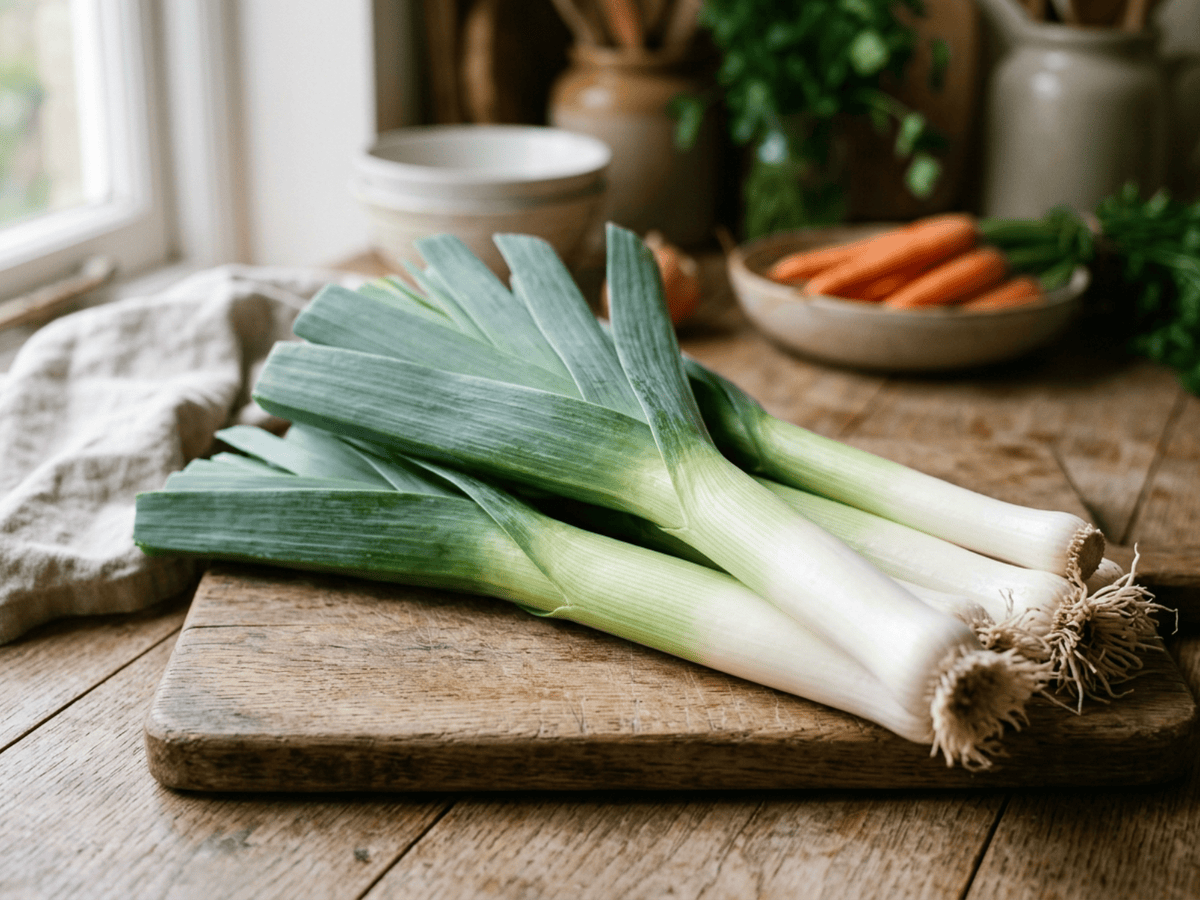
Allium porrum, the leek, is a hardy biennial in the Amaryllidaceae family grown as an annual, closely related to onion and garlic. Native to the Mediterranean, leeks grow as thick, cylindrical white-to-pale-green stalks (actually tightly wrapped leaf bases) topped by flat, blue-green leaves. Unlike onions, leeks do not form a bulb—the edible portion is the long, blanched shank.
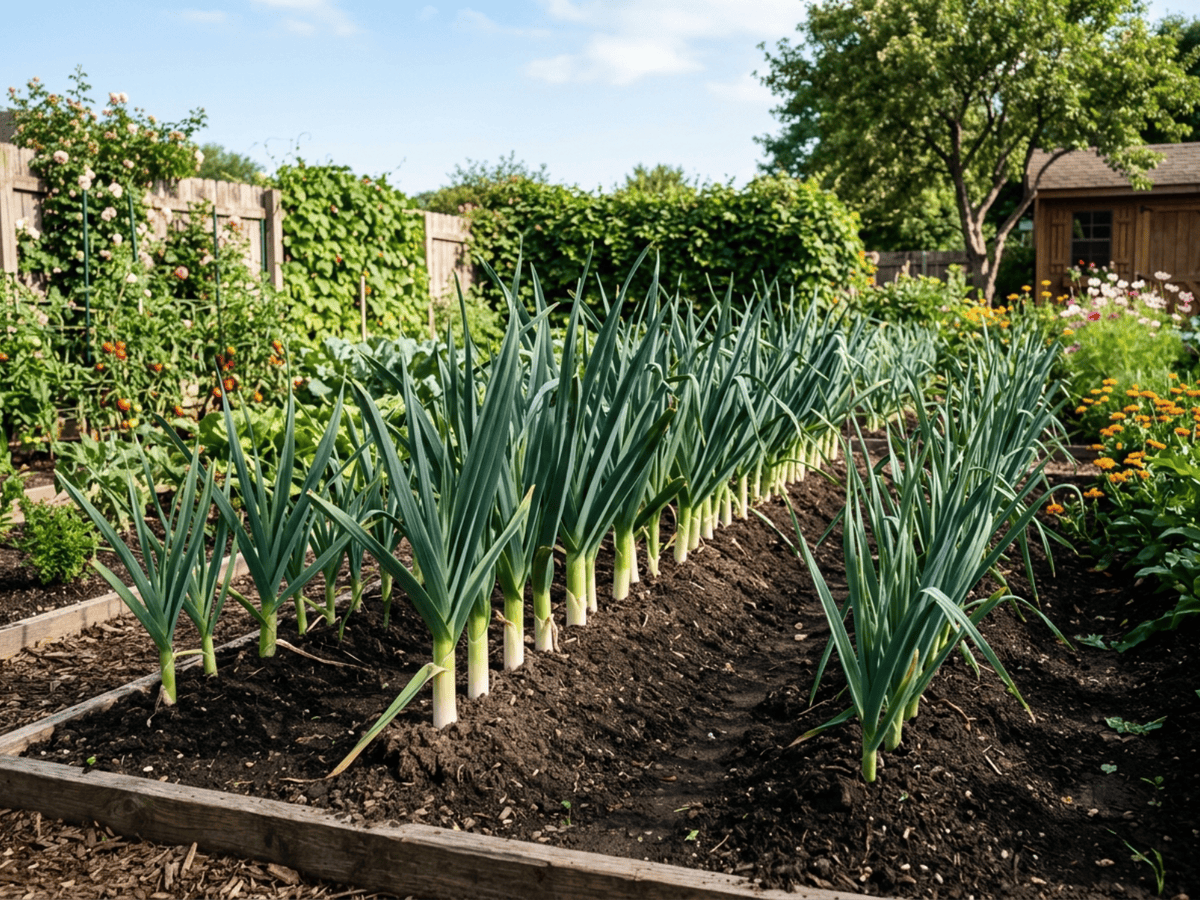
Leeks are one of the hardiest garden vegetables, tolerating frost and even snow in USDA zones 3–10. They prefer full sun, deep, rich soil, and consistent moisture. The key technique is 'blanching'—mounding soil or mulch around the stems as they grow to extend the white, tender portion. Leeks are slow-growing (90–150 days), but their cold hardiness means they can be harvested well into winter, even from frozen ground.
In the kitchen, leeks have a sweeter, more subtle flavour than onions—described as elegant and complex. They are essential in French cuisine: vichyssoise, quiche, cock-a-leekie soup, and as the base for countless stocks and braises. The Welsh have adopted the leek as their national emblem, worn on St. David's Day (March 1). Leeks are a good source of vitamin K, vitamin A, and prebiotic fibre (inulin) that supports beneficial gut bacteria.
- Edible
- Cold-hardy
How to care for Leek
Watering
- Springevery 3 days
- Summerevery 2 days
- Fallevery 4 days
- Winterevery 7 days
Soil · Well-draining
- Main mixLoam + coarse sand 3:175%
- DrainageGravel25%
Sharp drainage matters most — bulbs rot in wet soil while dormant.
FERTILIZER
Balanced Feed 14-14-14
An even feed covers all three needs at once, keeping leaves, roots and blooms moving together with nothing pushed out of balance.
- Nitrogen · Leaves
- Phosphorus · Roots + Blooms
- Potassium · Strength
- Springevery 21 days
- Summerevery 21 days
- Fallevery 30 days
At a Glance
- NativeMediterranean, Western Asia
- Height2–3 ft (0.6–0.9 m)
- Spread0.5–1 ft (0.2–0.3 m)
- Foliage colorGreen, Blue-green
- SoilLoamy, Well-drained, Rich
- LocationsYard
Fragrance
LIGHT FRAGRANCE
The plant has a mild onion-garlic aroma.
Toxicity
Pets Toxic
organosulfur compounds
Not reported
EXPOSURE No exposure route is reported.
EFFECT Widely consumed.
NOTE No human toxicity is reported in this catalog; avoid eating ornamental plants unless confirmed edible.
Toxic
- All
- Ingestion
EXPOSURE Eating any part of the plant.
EFFECT Hemolytic anemia and all Allium species toxic to dogs.
NOTE ASPCA lists all Allium species as toxic to dogs and cats.
Toxic
- All
- Ingestion
EXPOSURE Eating any part of the plant.
EFFECT Hemolytic anemia and cats especially vulnerable.
NOTE ASPCA lists all Allium species as toxic to dogs and cats.
Educational information, not medical or veterinary advice. If exposure is suspected, contact a doctor or veterinarian.
DISTRIBUTION


- Native
- Introduced
- Mediterranean
- Western Asia
History
Allium porrum, the leek, descends from wild Allium ampeloprasum of the eastern Mediterranean and has been cultivated since Egyptian, Greek, and Roman antiquity. Roman colonization spread it through Europe, and Emperor Nero supposedly ate leeks to maintain his singing voice, earning the nickname porrophagus, or leek-eater. Its deepest symbolic life is in Wales.
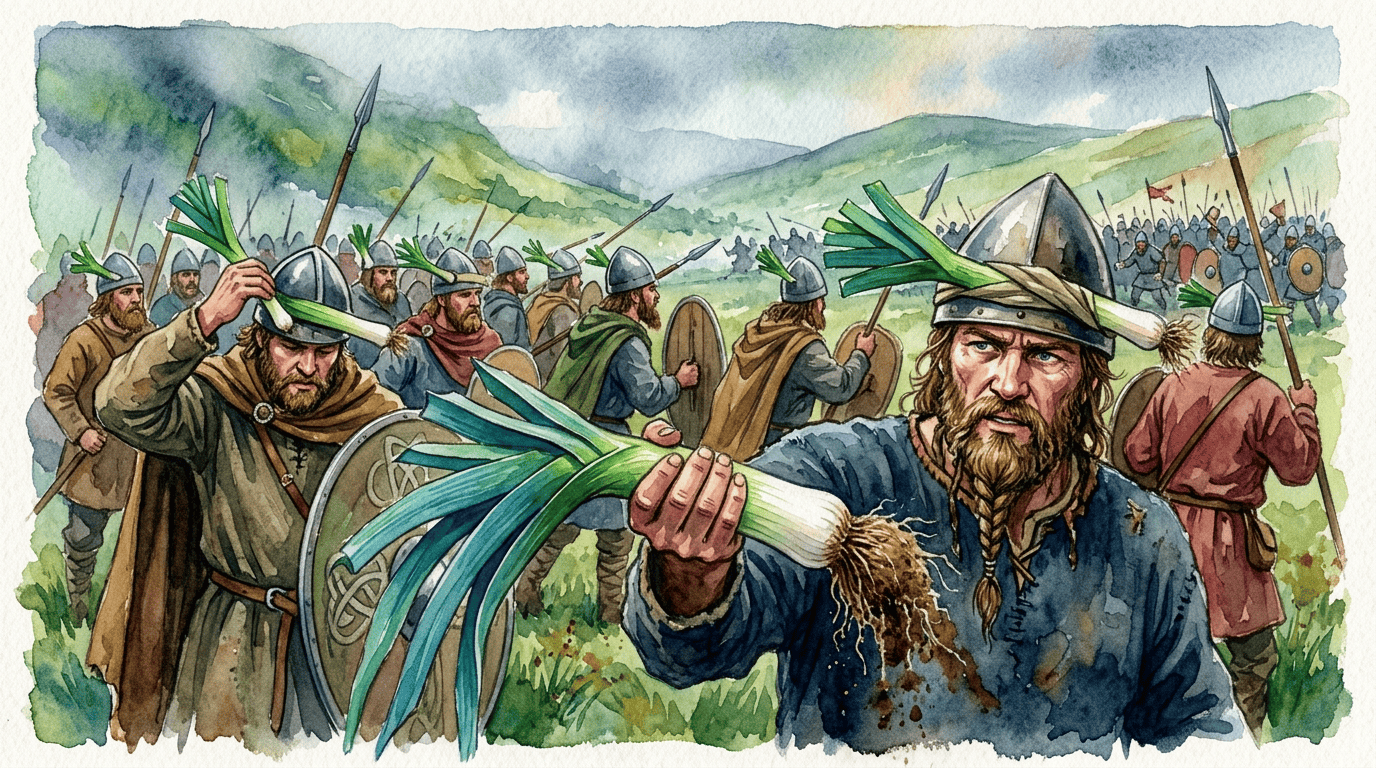
Legend says Welsh troops under King Cadwaladr wore leeks in their hats at the Battle of Heathfield in 640 CE to distinguish themselves from Saxons, and the plant became a national emblem. Shakespeare preserves the tradition in Henry V, where Fluellen insists the leek is an ancient Welsh badge. Welsh soldiers and civilians still wear leeks on St. David's Day, March 1. The same wild ancestor also gave rise to elephant garlic and kurrat, making leek part of a broad Mediterranean allium lineage.
Symbolism & meaning
What It Symbolizes
The humble Leek wears the meaning of nobility with quiet conviction, for it is the national emblem of Wales and was prized at Nero's table as the food of orators. Standing firm in the vegetable bed through frost and snow, it also expresses endurance, the steadfast survival of the long winter garden. To cook with leeks is to taste centuries of pride and distinction folded into something as ordinary, and as dignified, as a winter soup.
- Nobility — As the Welsh national emblem and Nero's favoured food, the leek symbolizes pride and distinction
- Endurance — Standing firm through frost and snow, leeks represent steadfast winter survival
Where the Name Comes From
Allium is Latin for garlic; 'porrum' is the Latin word for leek. The English 'leek' comes from Old English 'leac,' a broad term for allium plants.
Uses & Fun Facts
- Mild Leek stalks used in soups and braises
Related plants
More Allium plants
 Common OnionAllium cepa
 Star Of PersiaAllium christophii
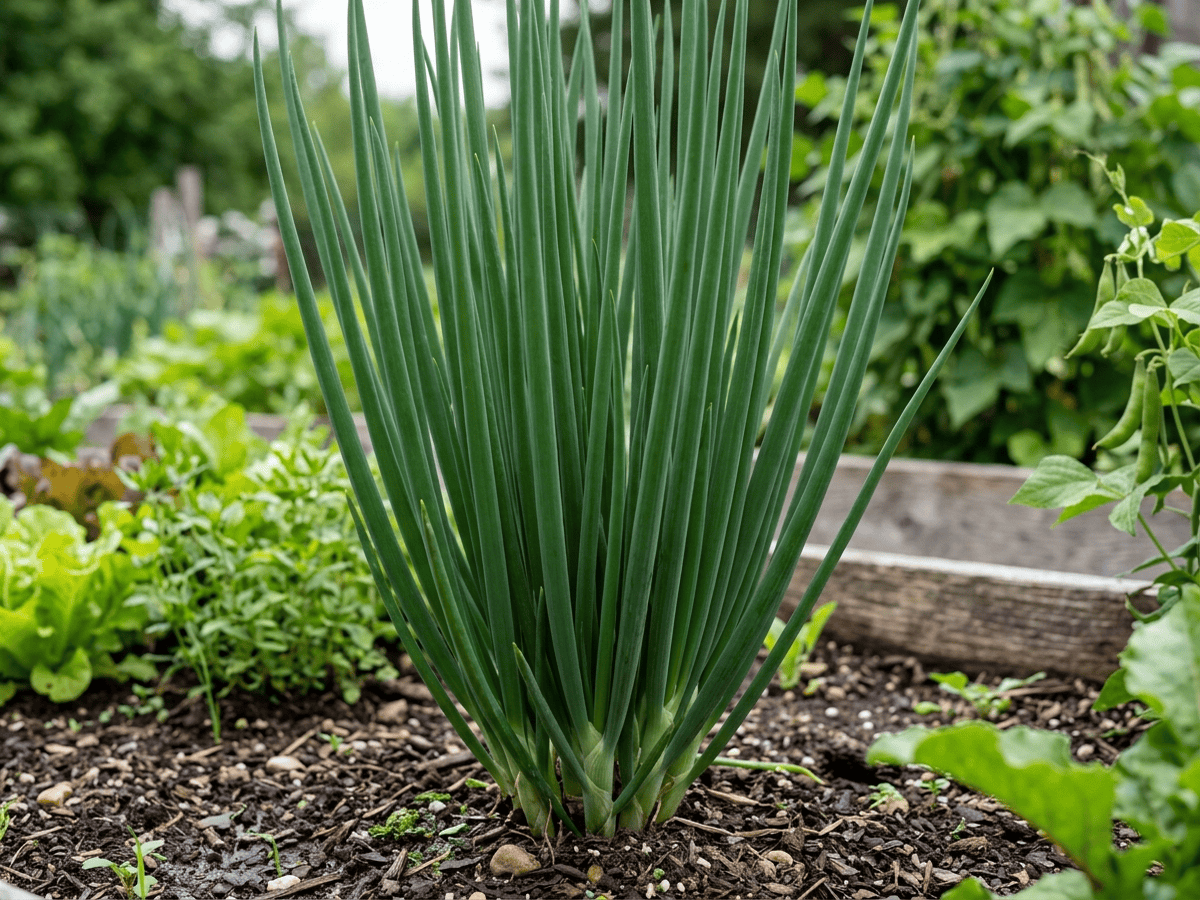 Welsh OnionAllium fistulosum
 Turkistan OnionAllium karataviense
Plants with similar care
 Mexican AbeliaAbelia floribunda
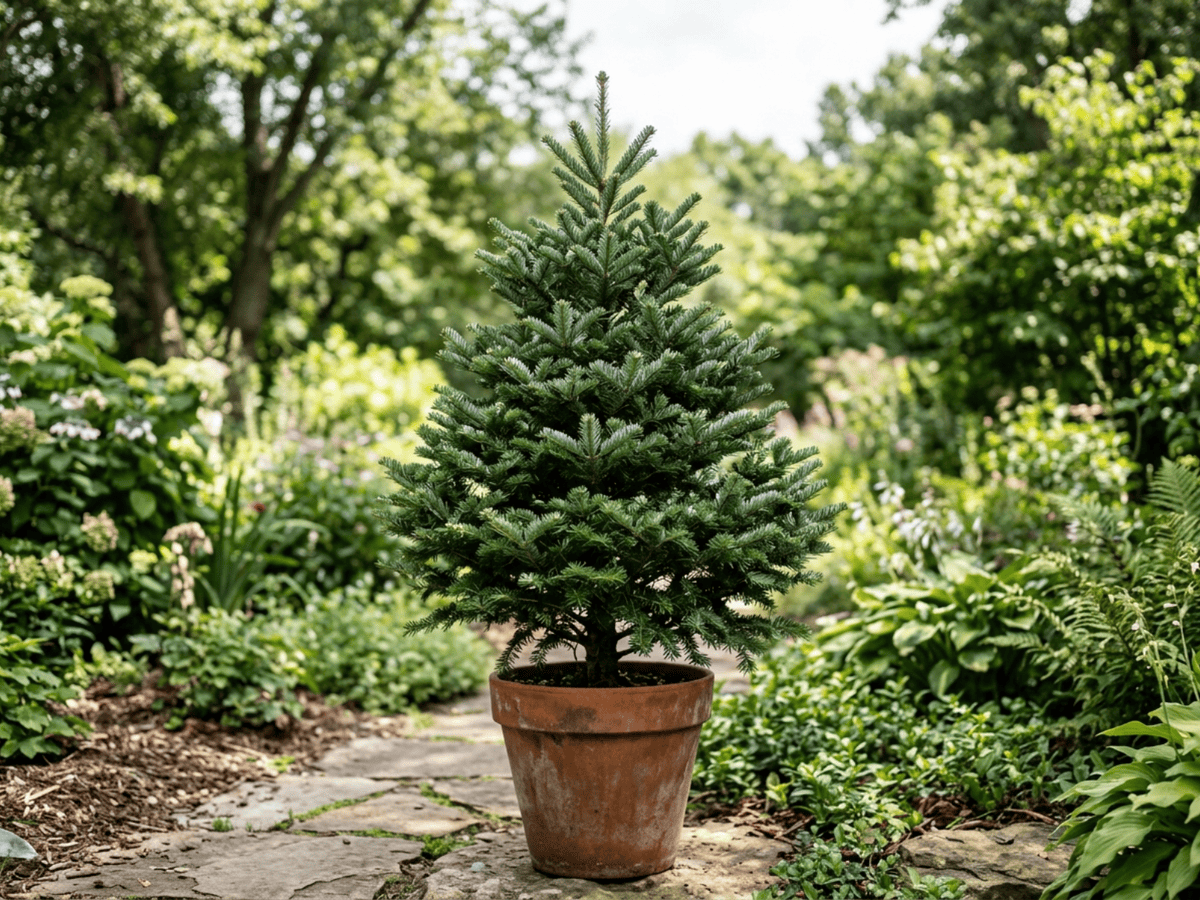 Fraser FirAbies fraseri
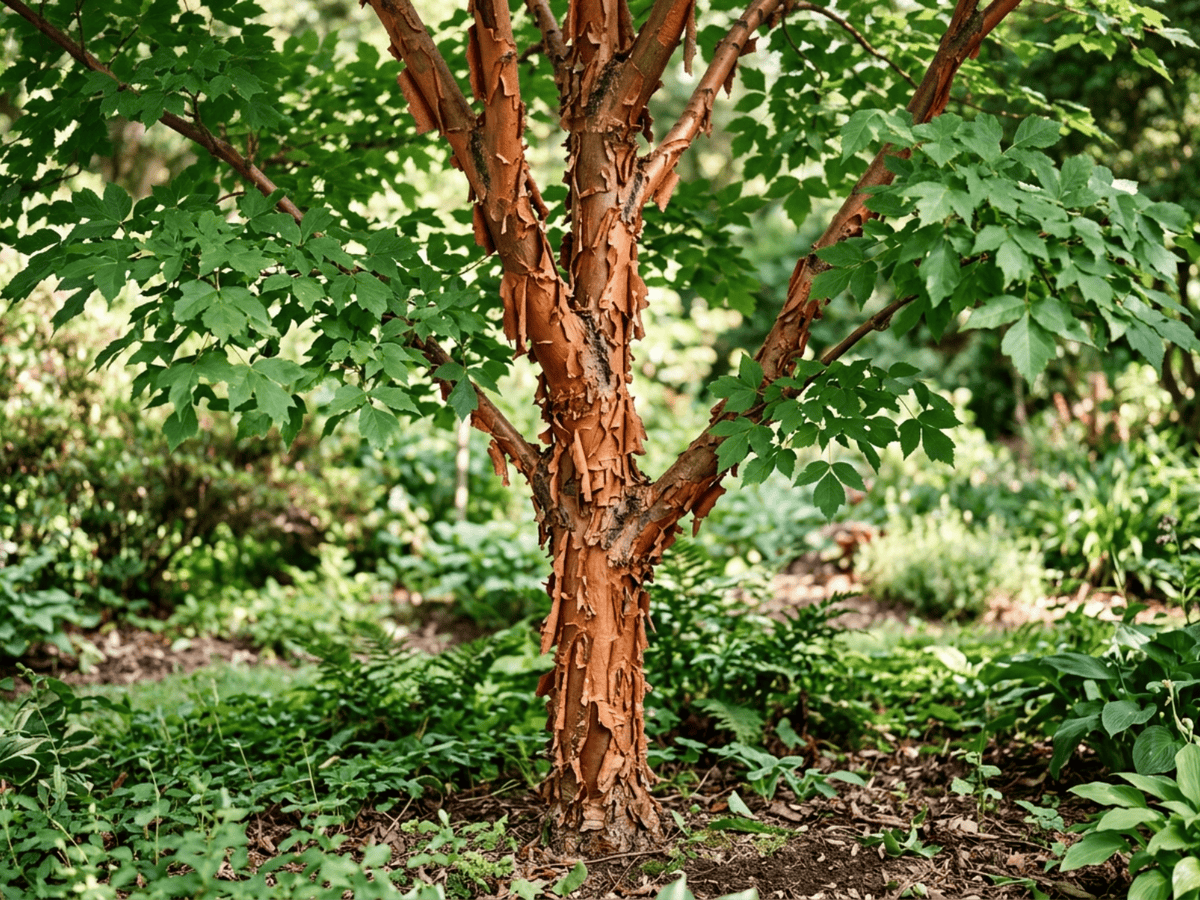 Paperbark MapleAcer griseum
 Sugar MapleAcer saccharum
Frequently asked questions
How often should I water Leek?
In summer, water about every 2 days; in winter, about every 7 days. Adjust for heat, pot size and drainage.
How much light does Leek need?
Full sun: 6+ hrs direct. Watch the leaves — scorching or stretching means the light needs adjusting.
Is Leek toxic to cats or dogs?
Pets Toxic (Dogs Toxic · Cats Toxic) Educational information, not medical or veterinary advice. If exposure is suspected, contact a doctor or veterinarian.
Is Leek easy to grow?
It is moderately demanding: a good choice once you have a little experience.
YardMate
Identify any plant in seconds
Snap a photo — YardMate names the plant, diagnoses problems, and reminds you when to water.
Download on the App Store