 YardMate


Turkistan Onion
Allium karataviense
Easy · Beginner friendlyAbout Turkistan Onion
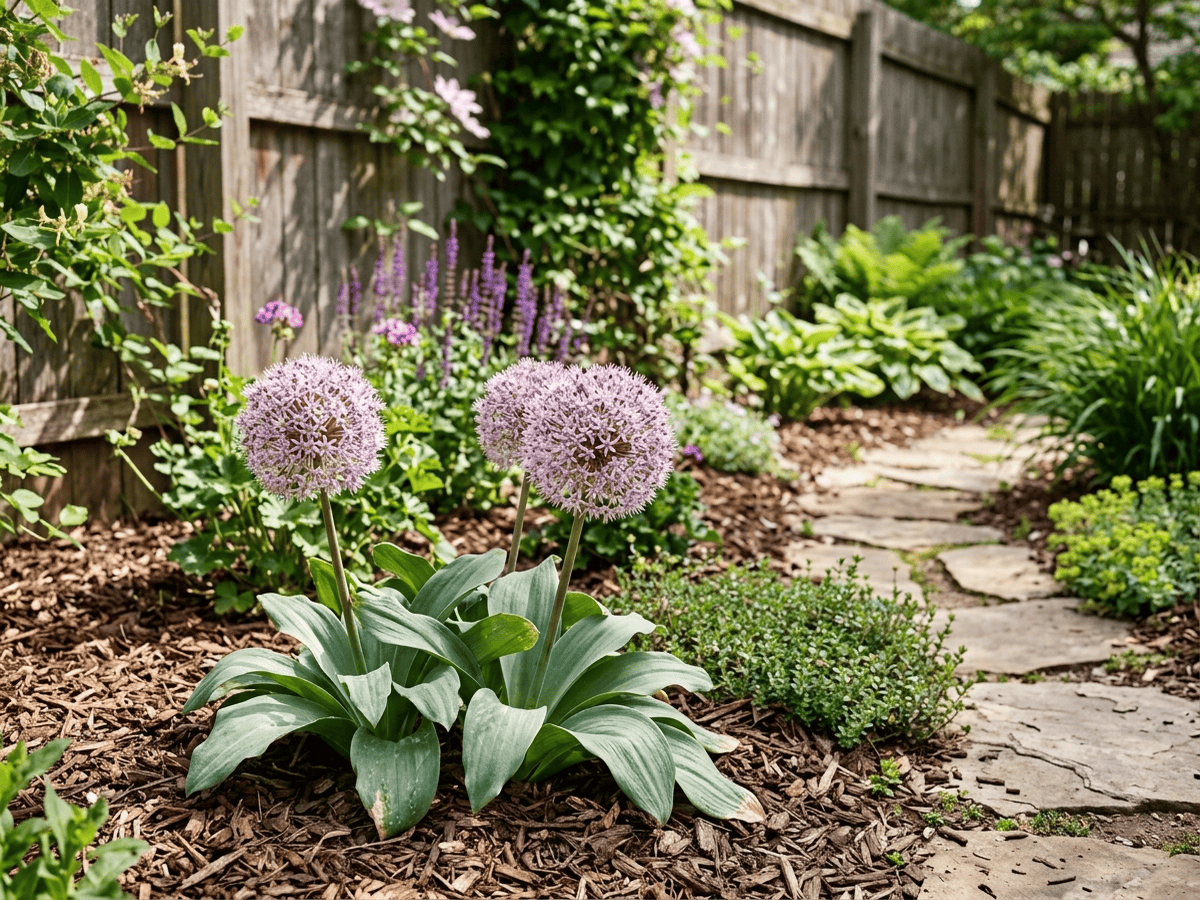
Turkestan Onion is a low-growing ornamental allium with broad gray-blue leaves and dense globes of pale pink or lilac star-flowers held just above the foliage. Growing only 8-12 inches tall, it is prized as much for its bold strap-like leaves as its short-lived but impressive bloom. Native to the Karatau mountains of Kazakhstan, it thrives in hot dry American rock gardens and front borders in USDA zones 5-9.
- Drought-tolerant
- Deer-resistant
- Compact
- Pollinator-friendly
How to care for Turkistan Onion
Watering
- Springevery 7 days
- Summerpause watering
- Fallevery 14 days
- Winterpause watering
Soil · Well-draining
- Main mixLoam + coarse sand 3:175%
- DrainageGravel25%
Sharp drainage matters most — bulbs rot in wet soil while dormant.
FERTILIZER
Bulb Feed 3-5-3
With bulbs, when matters more than what. One dose goes in the hole at planting, the second when shoots break ground.
- Nitrogen · Leaves
- Phosphorus · Roots + Blooms
- Potassium · Strength
- Springevery 30 days
- Fallevery 60 days
At a Glance
- NativeWestern Asia
- Height0.5–1 ft (0.2–0.3 m)
- Spread0.5–1 ft (0.2–0.3 m)
- Flower colorPink, White
- Foliage colorBlue-green, Green
- SoilSandy, Well-drained
- LocationsYard
Bloom time
BLOOM CYCLE
Peak bloom
May–Jun
Pale pink 5-inch globes May to June
Fragrance
LIGHT FRAGRANCE
The foliage has an onion-like scent.
Toxicity
Humans Slight · Pets Moderate
organosulfur compounds
Slight
- Bulb
- Ingestion
EXPOSURE Eating bulbs.
EFFECT Mild GI.
NOTE Documented concern for humans: Mild GI.
Moderate
- All
- Ingestion
EXPOSURE Eating any part of the plant.
EFFECT Hemolytic anemia and vomiting.
NOTE ASPCA: all Allium species toxic to pets.
Moderate
- All
- Ingestion
EXPOSURE Eating any part of the plant.
EFFECT Hemolytic anemia and vomiting.
NOTE ASPCA: all Allium species toxic to pets.
Educational information, not medical or veterinary advice. If exposure is suspected, contact a doctor or veterinarian.
DISTRIBUTION


- Native
- Western Asia
History

Allium karataviense grows in limestone scree and gravelly slopes of Central Asia, especially the Karatau Mountains of Kazakhstan, with a broader range extending toward neighboring mountain regions. Eduard Regel formally described the species in 1875.
Unlike most ornamental alliums, it is valued almost as much for foliage as for flowers. Broad, paired, blue-gray leaves spread close to the ground, then a short sturdy stem lifts a pale pink to silvery-white globe of bloom in late spring.
Dutch bulb growers helped bring it into wider twentieth-century horticulture, and the white-flowered cultivar 'Ivory Queen' remains especially prized. In sharp drainage, Turkistan onion can be one of the longest-lived and most architectural small alliums for rock gardens, troughs, and sunny border fronts.
Symbolism & meaning
What It Symbolizes
The Turkistan Onion gathers tiny florets into a single perfect globe, an emblem of unity drawn tight by silver-pink color. Adapted to the hot, stony slopes of Central Asia, it suggests adaptability, thriving where rock gardens bake and softer bulbs would falter. In bloom it looks like a small planet hovering above broad gray leaves — many voices joined into one round, quiet song.
- Unity — tightly unified flower globe
- Adaptability — thrives in hot dry rock gardens
Where the Name Comes From
The name Turkistan Onion points to Central Asia. 'Karataviense' refers to the Karatau mountains of Kazakhstan.
Uses & Fun Facts
- Bold gray-blue strap leaves and pink globe blooms front borders
- Lilac star flowers attract bees in late spring
- Compact rock-garden bulb prized for foliage as much as bloom
Related plants
More Allium plants
 Common OnionAllium cepa
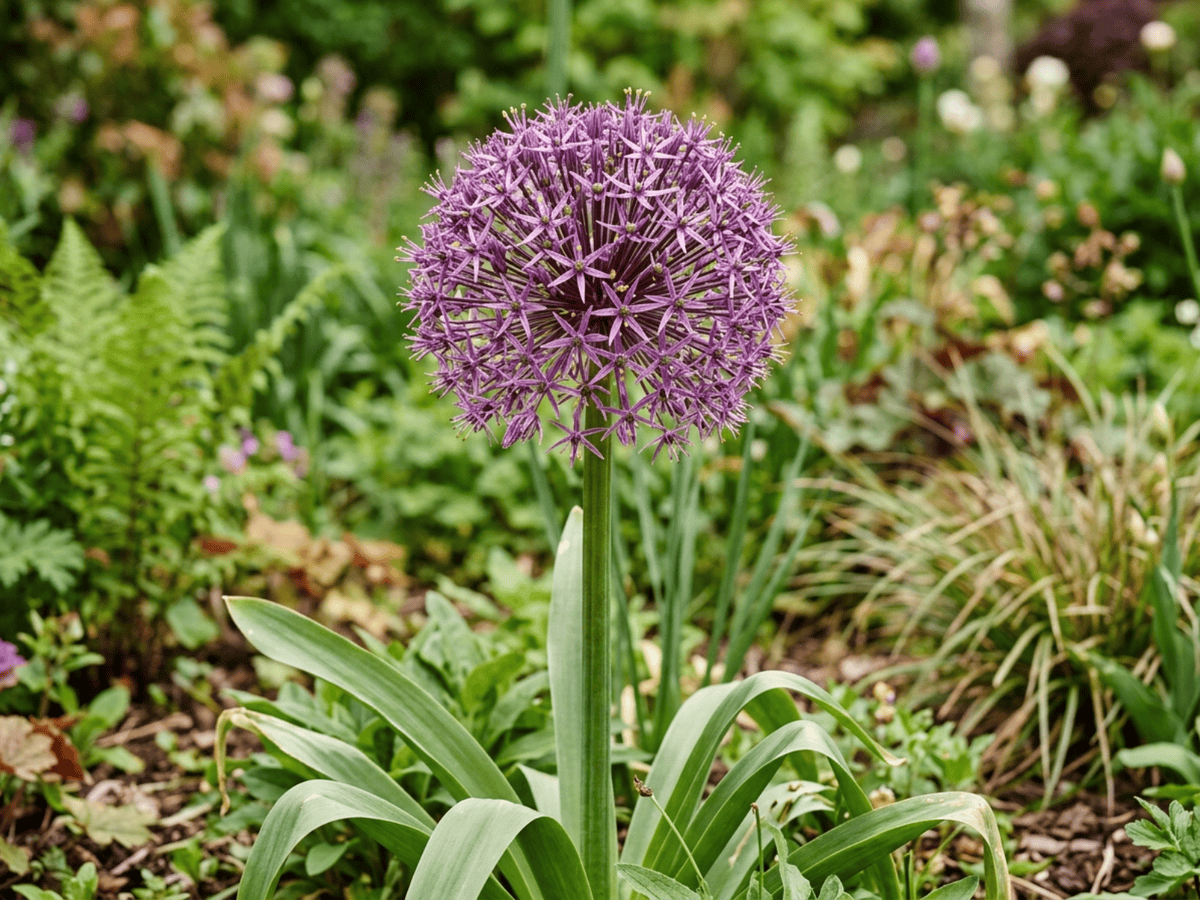 Star Of PersiaAllium christophii
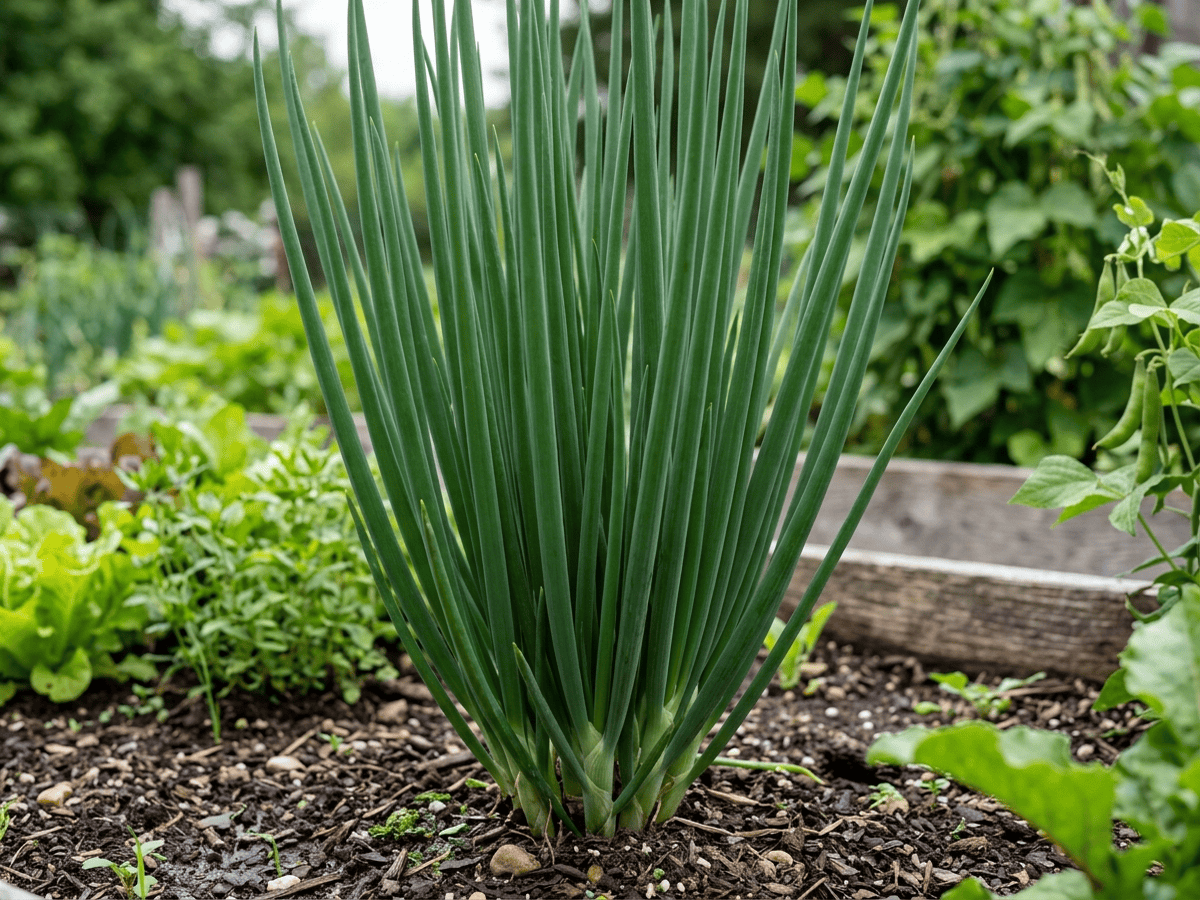 Welsh OnionAllium fistulosum
 LeekAllium porrum
Plants with similar care
 Chinese AbeliaAbelia chinensis
 Fragrant AbeliaAbelia mosanensis
 Large-Flowered AbeliaAbelia uniflora
 Glossy AbeliaAbelia x grandiflora
Frequently asked questions
How often should I water Turkistan Onion?
Water about every 7 days during the growing season, and always let excess water drain away.
How much light does Turkistan Onion need?
Full sun: 6+ hrs direct. Watch the leaves — scorching or stretching means the light needs adjusting.
Is Turkistan Onion toxic to cats or dogs?
Pets Moderate (Dogs Moderate · Cats Moderate) Educational information, not medical or veterinary advice. If exposure is suspected, contact a doctor or veterinarian.
Is Turkistan Onion easy to grow?
Yes — it is considered an easy, beginner-friendly plant.
When does Turkistan Onion bloom?
It typically blooms May–Jun in the Northern Hemisphere.
YardMate
Identify any plant in seconds
Snap a photo — YardMate names the plant, diagnoses problems, and reminds you when to water.
Download on the App Store