 YardMate


Common Onion
Allium cepa
Medium · Some experienceAbout Common Onion
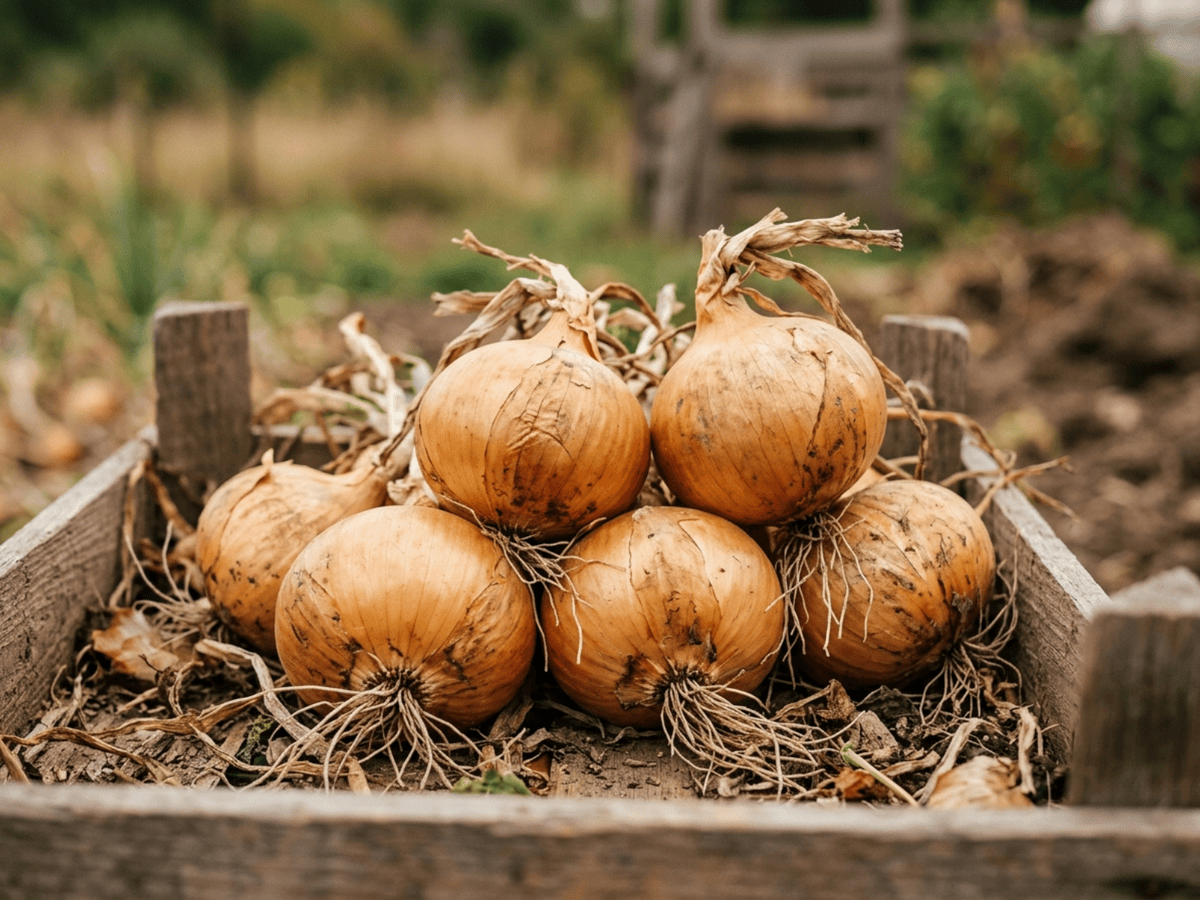
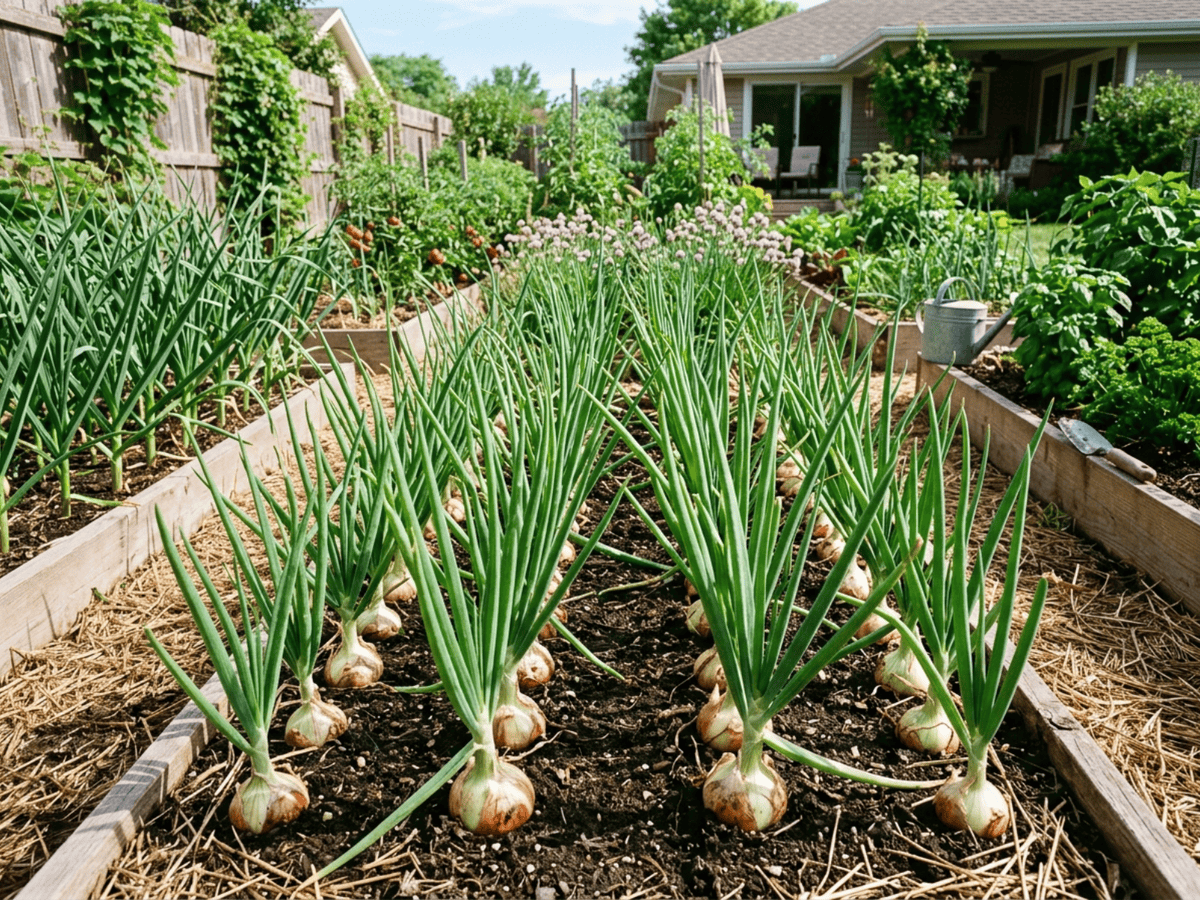
Allium cepa, the onion, is a biennial bulb grown worldwide as an annual and one of the oldest domesticated vegetables. Its wild ancestor remains uncertain, but cultivation likely began in Central or southwestern Asia more than 5,000 years ago. Onions sort themselves by day length: short-day cultivars suit southern latitudes, long-day cultivars need northern summer light, and intermediate types bridge the middle. The bulb is a layered storage organ rich in sulfur compounds, which explain both its tear-inducing sharpness and its deep sweetness after slow cooking. Red, yellow, white, pearl, sweet, and green onions anchor cuisines everywhere. Harvest when tops fall, dry the bulbs in warm moving air, and store only those with tight skins and dry necks.
- Edible
How to care for Common Onion
Watering
- Springevery 3 days
- Summerevery 2 days
- Fallevery 4 days
- Winterevery 7 days
Soil · Well-draining
- Main mixLoam + coarse sand 3:175%
- DrainageGravel25%
Sharp drainage matters most — bulbs rot in wet soil while dormant.
FERTILIZER
Balanced Feed 14-14-14
An even feed covers all three needs at once, keeping leaves, roots and blooms moving together with nothing pushed out of balance.
- Nitrogen · Leaves
- Phosphorus · Roots + Blooms
- Potassium · Strength
- Springevery 21 days
- Summerevery 21 days
- Fallevery 30 days
At a Glance
- NativeWestern Asia
- Height1–2 ft (0.3–0.6 m)
- Spread0.3–0.5 ft (0.1–0.2 m)
- Foliage colorGreen
- SoilRich, Loamy, Well-drained
- LocationsYard
Fragrance
STRONG FRAGRANCE
The plant has a characteristic pungent sulfur aroma.
Toxicity
Pets Toxic
n-propyl disulfide and organosulfur compounds
Not reported
EXPOSURE No exposure route is reported.
EFFECT Widely consumed and gI irritation at extreme consumption.
NOTE No human toxicity is reported in this catalog; avoid eating ornamental plants unless confirmed edible.
Toxic
- All
- Ingestion
EXPOSURE Eating any part of the plant.
EFFECT Oxidative damage to red blood cells, Heinz body hemolytic anemia and even small amounts cumulative.
NOTE ASPCA lists all Allium species as toxic to dogs and cats at dose-dependent levels. Any onion-containing table food is a pet hazard.
Toxic
- All
- Ingestion
EXPOSURE Eating any part of the plant.
EFFECT Even smaller amounts per body weight than dogs cause hemolytic anemia and cats especially vulnerable.
NOTE ASPCA lists all Allium species as toxic to dogs and cats at dose-dependent levels. Any onion-containing table food is a pet hazard.
Educational information, not medical or veterinary advice. If exposure is suspected, contact a doctor or veterinarian.
DISTRIBUTION


- Native
- Introduced
- Western Asia
History

Allium cepa has no confirmed wild ancestor and is believed to have been domesticated in central Asia, probably in an area spanning modern Iran, Pakistan, and Afghanistan, at least 5,000-7,000 years ago. It rapidly spread through ancient Mesopotamia and Egypt. Egyptian pyramid workers received rations of onions, garlic, and radishes — recorded in hieroglyphic accounts and found in offering tombs — and Egyptian priests considered the onion sacred, its concentric spheres seen as a representation of eternity.
Onions were placed in tombs as food for the dead; King Ramses IV was buried with onions in his eye sockets. Alexander the Great reportedly fed onions to his soldiers to strengthen them before battle. Medieval Europeans hung onions in houses to ward off plague (the medicinal reputation was more superstition than efficacy, though allicin and sulfur compounds have documented mild antibacterial properties).
China is now the world's largest producer. The characteristic tear-inducing volatile is propanethial S-oxide, produced by onion cells only when cut and released as a lachrymatory gas. One of the earliest cultivated crops, onions were worshipped in ancient Egypt — traces were found in the eye sockets of Ramses IV's mummy. Egyptian labourers building the pyramids were paid partly in onions. Medieval Europeans used onions as rent payment and wedding gifts.
Symbolism & meaning
What It Symbolizes
The common onion is a foundation plant in the truest sense — the quiet base note beneath nearly every cooked dish on earth, from French stock to Indian curry to Mexican sofrito. Its concentric layers have long symbolized depth and gradual revelation, the way understanding peels back one ring at a time. Humble, pungent, indispensable, the onion stands for the unseen groundwork that supports every richer flavor above.
- Foundation — The essential starting ingredient of nearly every cooked dish worldwide, onions represent the base upon which all else is built
- Layers — The onion's concentric layers symbolize depth, hidden complexity, and gradual revelation
Where the Name Comes From
Allium is the Latin word for garlic (applied broadly to the genus); 'cepa' is Latin for onion. The English word 'onion' comes through Anglo-French from Latin 'unio' (unity/single large pearl).
Uses & Fun Facts
- Bulbs harvested as staple culinary vegetable worldwide
Related plants
More Allium plants
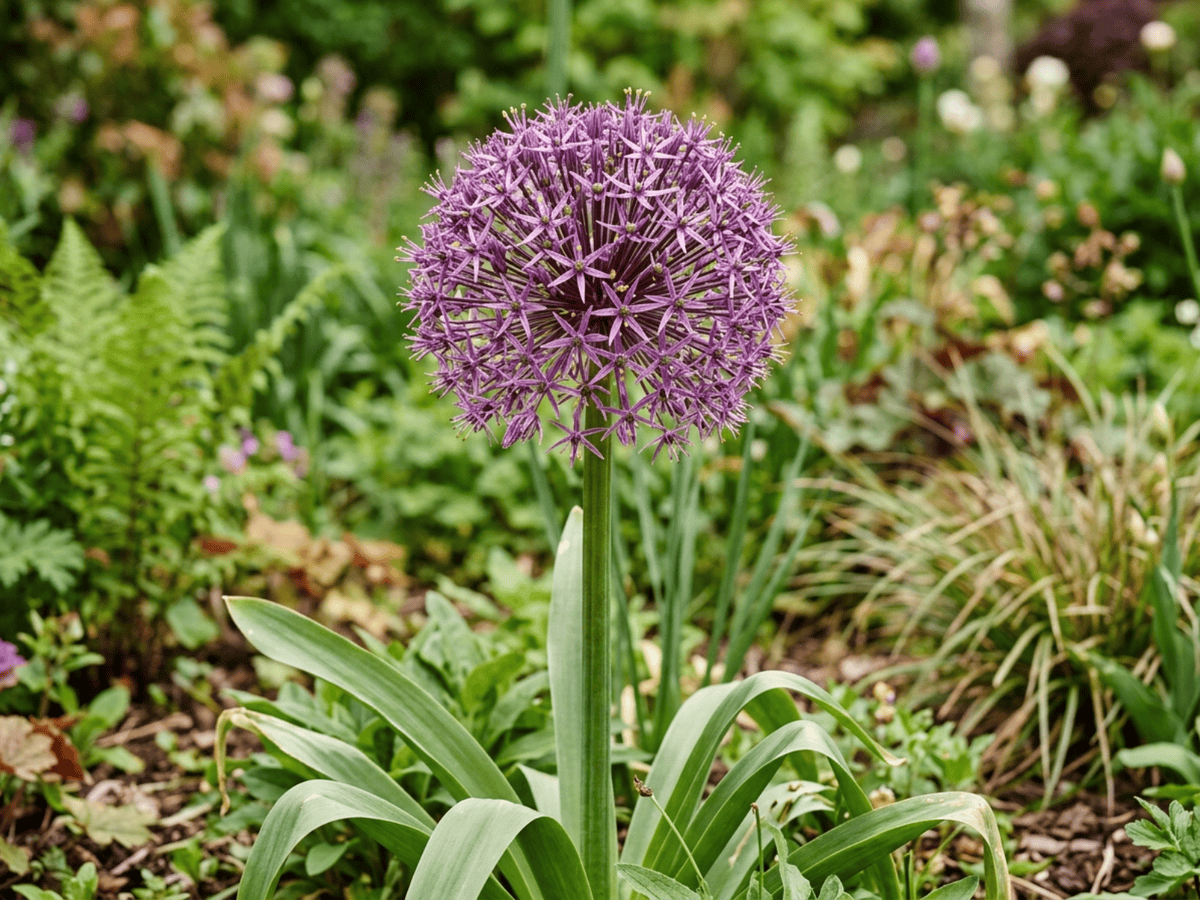 Star Of PersiaAllium christophii
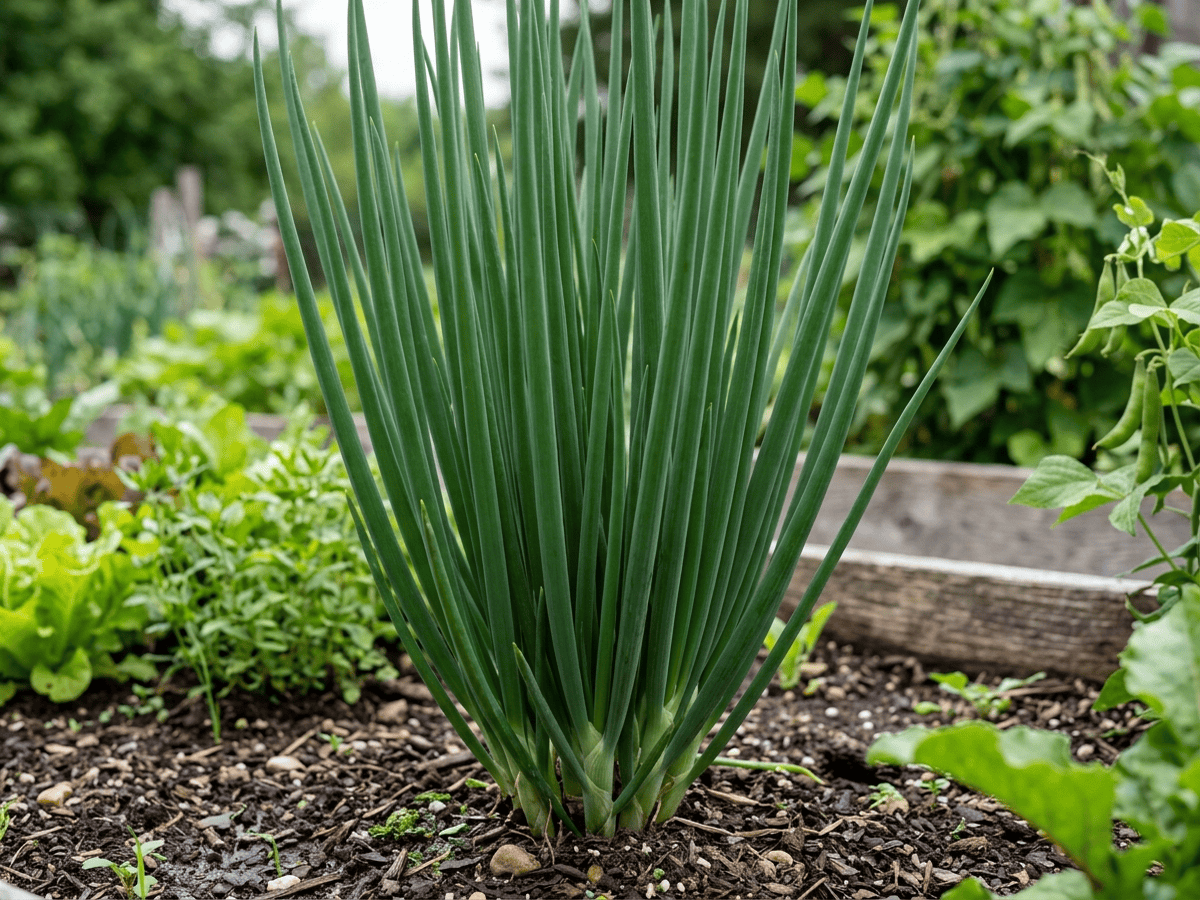 Welsh OnionAllium fistulosum
 Turkistan OnionAllium karataviense
 LeekAllium porrum
Plants with similar care
 Mexican AbeliaAbelia floribunda
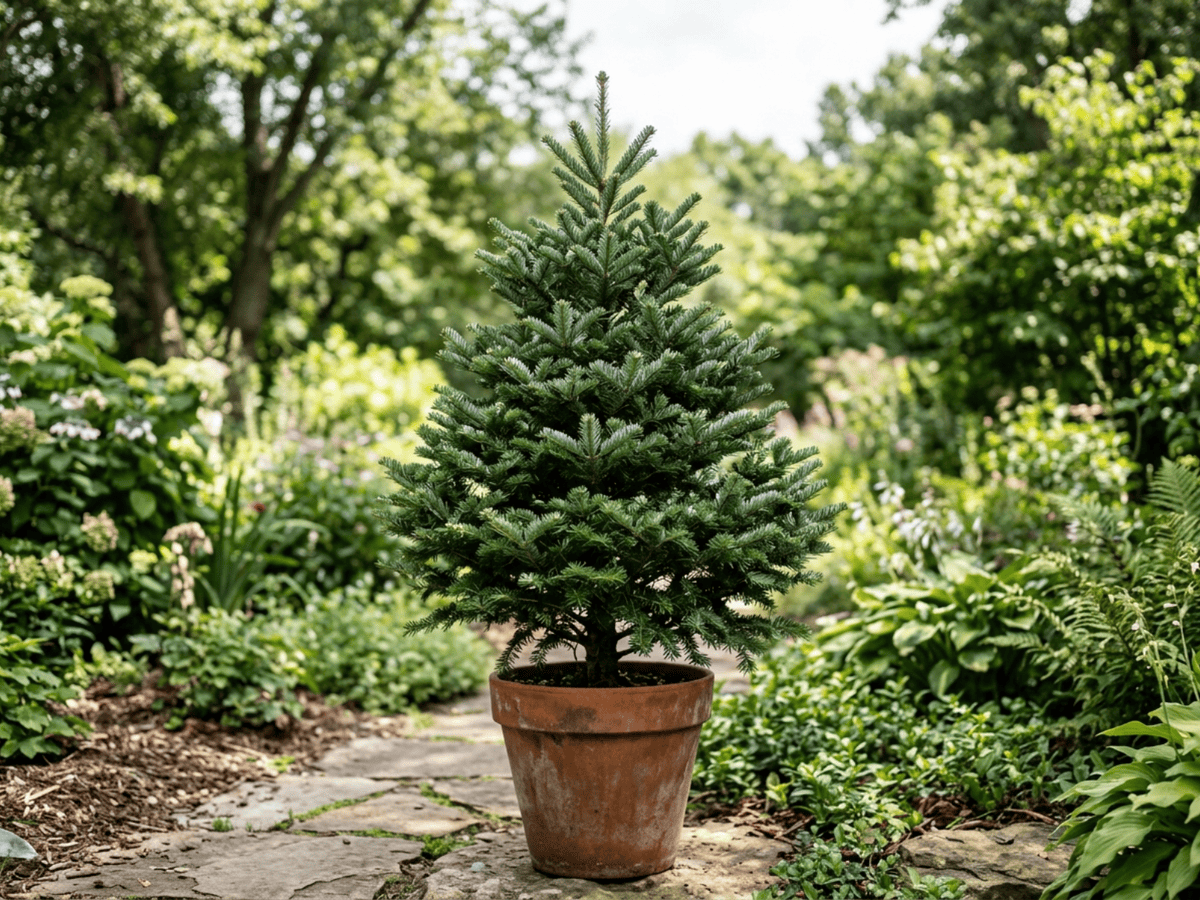 Fraser FirAbies fraseri
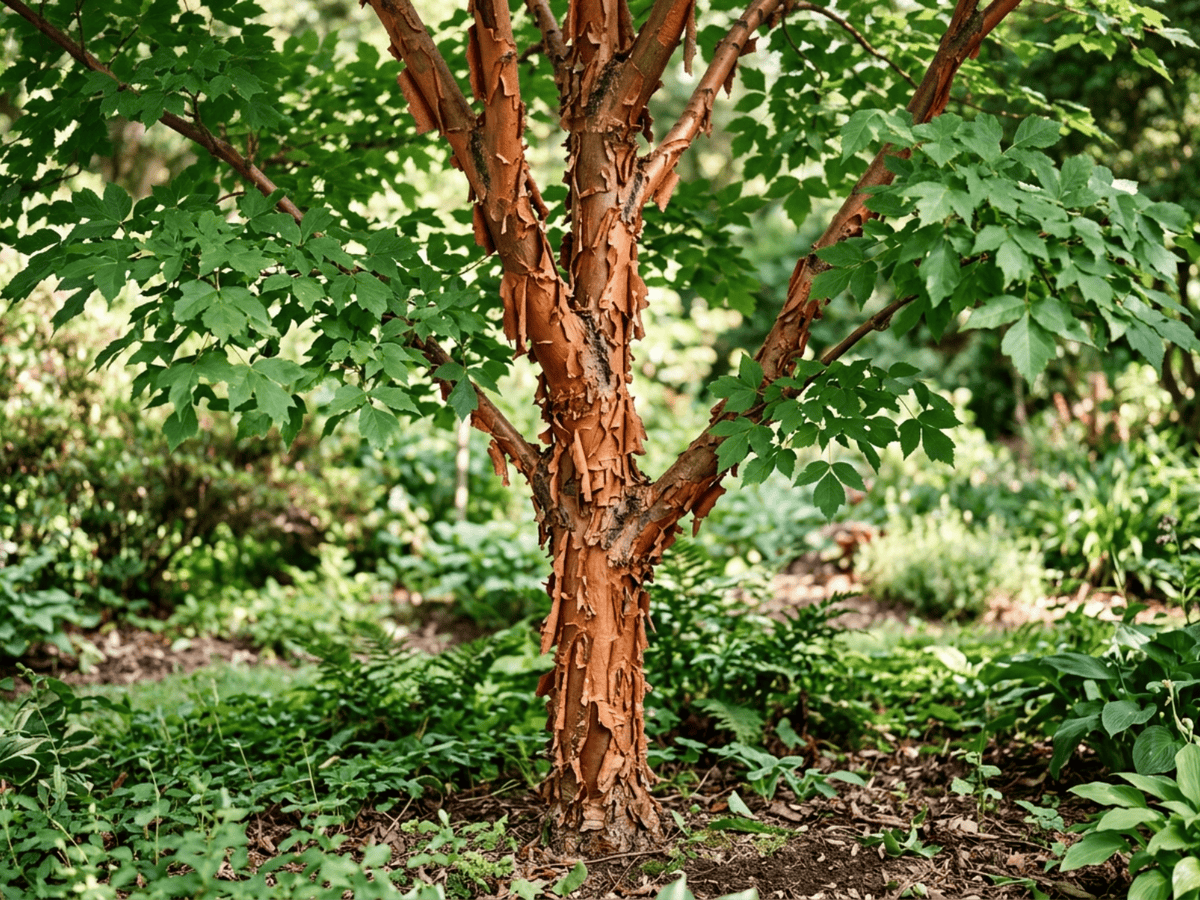 Paperbark MapleAcer griseum
 Sugar MapleAcer saccharum
Frequently asked questions
How often should I water Common Onion?
In summer, water about every 2 days; in winter, about every 7 days. Adjust for heat, pot size and drainage.
How much light does Common Onion need?
Full sun: 6+ hrs direct. Watch the leaves — scorching or stretching means the light needs adjusting.
Is Common Onion toxic to cats or dogs?
Pets Toxic (Dogs Toxic · Cats Toxic) Educational information, not medical or veterinary advice. If exposure is suspected, contact a doctor or veterinarian.
Is Common Onion easy to grow?
It is moderately demanding: a good choice once you have a little experience.
YardMate
Identify any plant in seconds
Snap a photo — YardMate names the plant, diagnoses problems, and reminds you when to water.
Download on the App Store