 YardMate


Tumbleweed Onion
Allium schubertii
Medium · Some experienceAbout Tumbleweed Onion
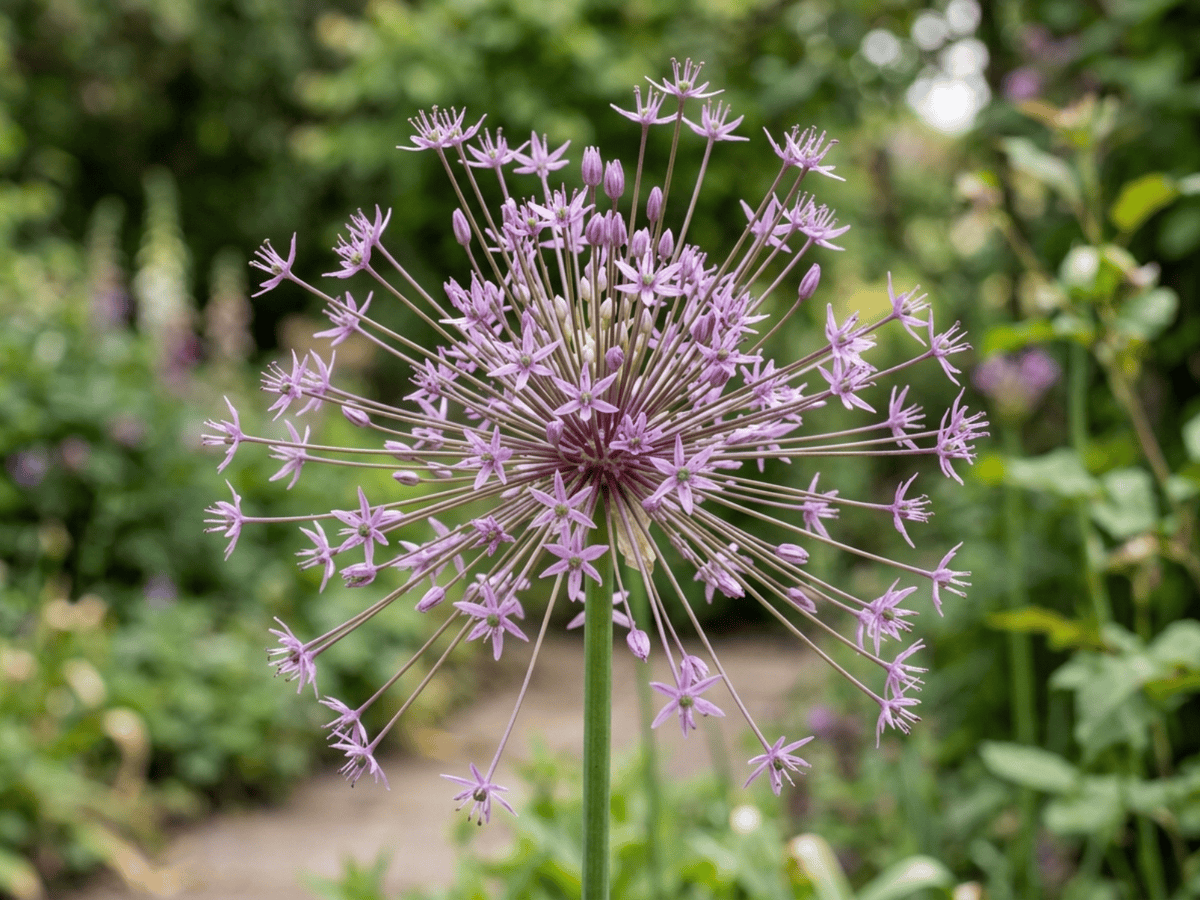
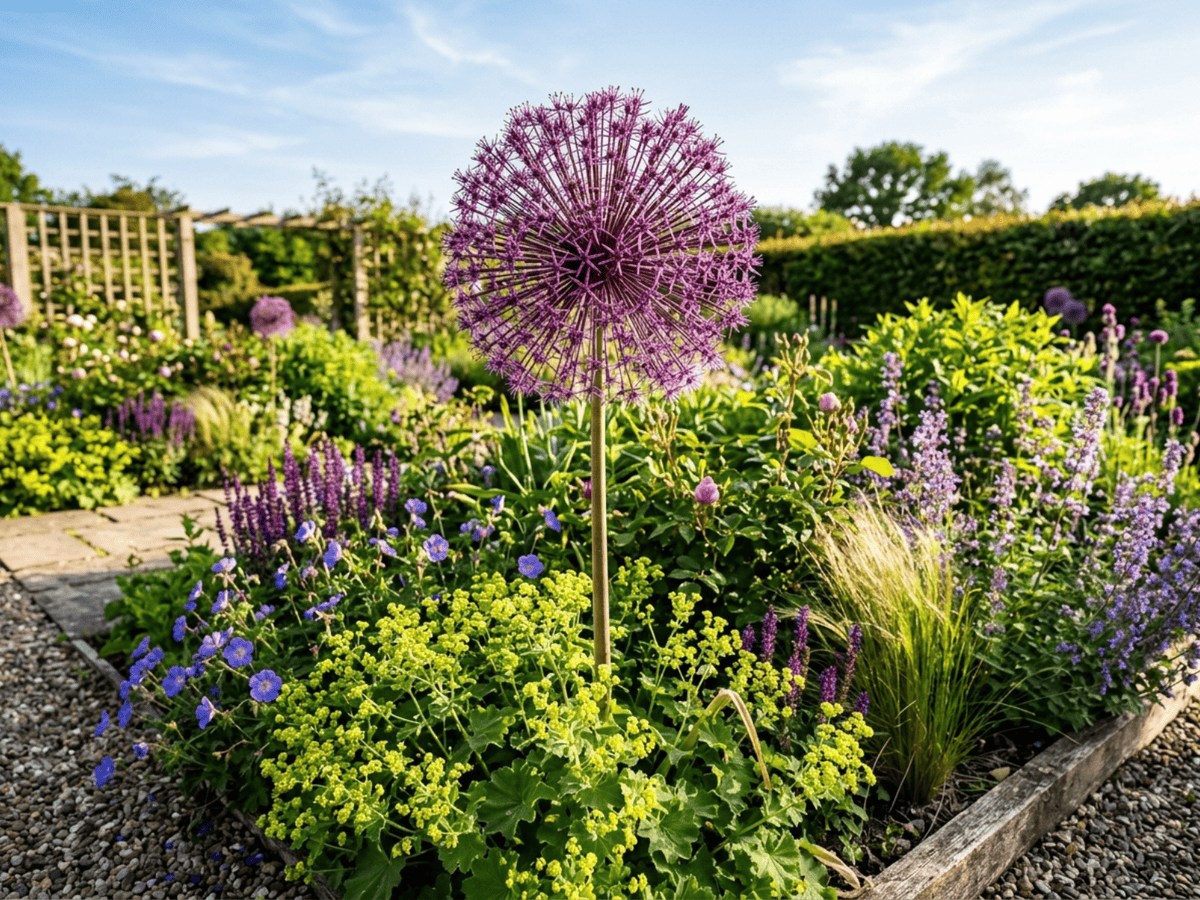
Schubert's Allium is an extraordinary ornamental onion producing enormous 12-18 inch spherical flower heads that look like exploding fireworks—hundreds of pale pink florets on stems of varying lengths, some short and some long, creating a unique 3D starburst. Growing 18-24 inches tall, it is one of the most sculptural alliums and dries beautifully for striking arrangements in American gardens.
- Drought-tolerant
- Deer-resistant
- Pollinator-friendly
How to care for Tumbleweed Onion
Watering
- Springevery 7 days
- Summerpause watering
- Fallevery 14 days
- Winterpause watering
Soil · Well-draining
- Main mixLoam + coarse sand 3:175%
- DrainageGravel25%
Sharp drainage matters most — bulbs rot in wet soil while dormant.
FERTILIZER
Bulb Feed 3-5-3
With bulbs, when matters more than what. One dose goes in the hole at planting, the second when shoots break ground.
- Nitrogen · Leaves
- Phosphorus · Roots + Blooms
- Potassium · Strength
- Springevery 30 days
- Fallevery 60 days
At a Glance
- NativeMediterranean, Western Asia
- Height1.5–2 ft (0.5–0.6 m)
- Spread1–1.5 ft (0.3–0.5 m)
- Flower colorPink, Purple
- Foliage colorGreen
- SoilWell-drained, Sandy
- LocationsYard
Bloom time
BLOOM CYCLE
Peak bloom
May–Jun
Pale pink 18-inch starburst heads May to June
Fragrance
LIGHT FRAGRANCE
The foliage has an onion-like scent.
Toxicity
Humans Slight · Pets Moderate
organosulfur compounds
Slight
- Bulb
- Ingestion
EXPOSURE Eating bulbs.
EFFECT Mild GI.
NOTE Documented concern for humans: Mild GI.
Moderate
- All
- Ingestion
EXPOSURE Eating any part of the plant.
EFFECT Hemolytic anemia and vomiting.
NOTE ASPCA: all Allium species toxic to pets.
Moderate
- All
- Ingestion
EXPOSURE Eating any part of the plant.
EFFECT Hemolytic anemia and vomiting.
NOTE ASPCA: all Allium species toxic to pets.
Educational information, not medical or veterinary advice. If exposure is suspected, contact a doctor or veterinarian.
DISTRIBUTION


- Native
- Mediterranean
- Western Asia
History
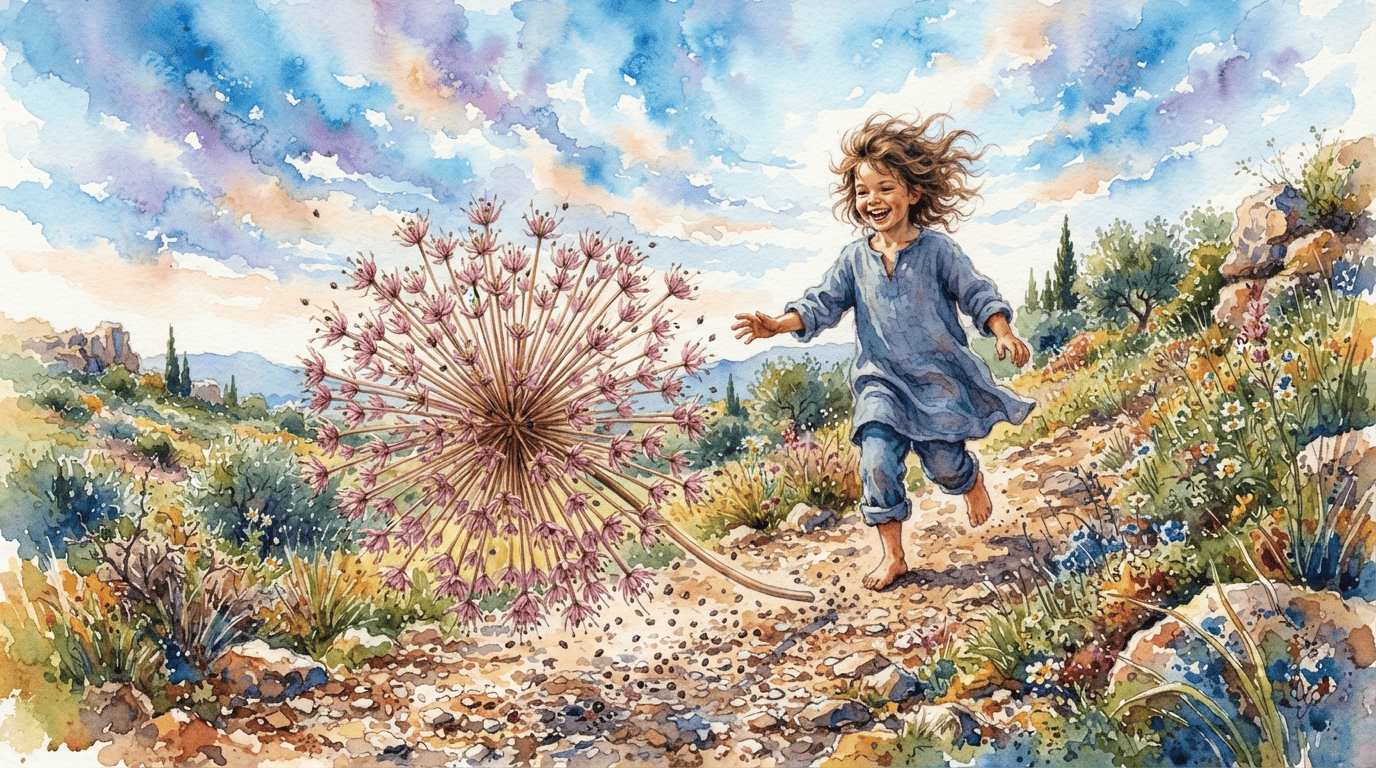
Allium schubertii grows wild on dry rocky ground across the eastern Mediterranean from Israel through Lebanon, Syria, and southern Turkey to Libya. German botanist Joseph Gerhard Zuccarini described the species in 1843 honoring Gotthilf Heinrich von Schubert, an early 19th-century German naturalist. Its exploding starburst inflorescences feature hundreds of pink-purple florets on stalks of vastly unequal length—some 6 inches, others 2 inches—creating a firework-like spherical effect up to 18 inches in diameter, the largest of any ornamental allium.
When dry the seedhead breaks free and tumbles across the ground dispersing seed like a tumbleweed. Native to eastern Mediterranean and central Asia.
Named by Zucarini in 1843 for the Austrian botanist Gotthilf Heinrich von Schubert. Less hardy than most alliums (USDA 6-10), it is especially popular in California and Southern American gardens where it reliably perennialize. Though less hardy than many alliums (best in zones 7-10 unless protected), its dramatic form makes it a choice collector's plant and a spectacular dried flower.
Symbolism & meaning
What It Symbolizes
Allium schubertii is often read as a flower of wonder — its enormous, fireworks-like blossoms genuinely astonish on first sight, sparks of soft purple frozen mid-explosion. With this comes pure exuberance, a cosmic burst that turns a quiet border into spectacle. To plant it is to invite delight into the garden: the kind of bloom that stops a visitor mid-sentence.
- Wonder — fireworks-like blossoms astound viewers
- Exuberance — explosive cosmic form
Where the Name Comes From
'Schubertii' honors Gotthilf Heinrich von Schubert (1780–1860), Austrian naturalist.
Uses & Fun Facts
- Starburst flower heads attract bees and beneficial insects
- Firework-like 12-inch flower spheres as dramatic garden focal point
- Dried seedheads prized for long-lasting sculptural arrangements
Related plants
More Allium plants
 Common OnionAllium cepa
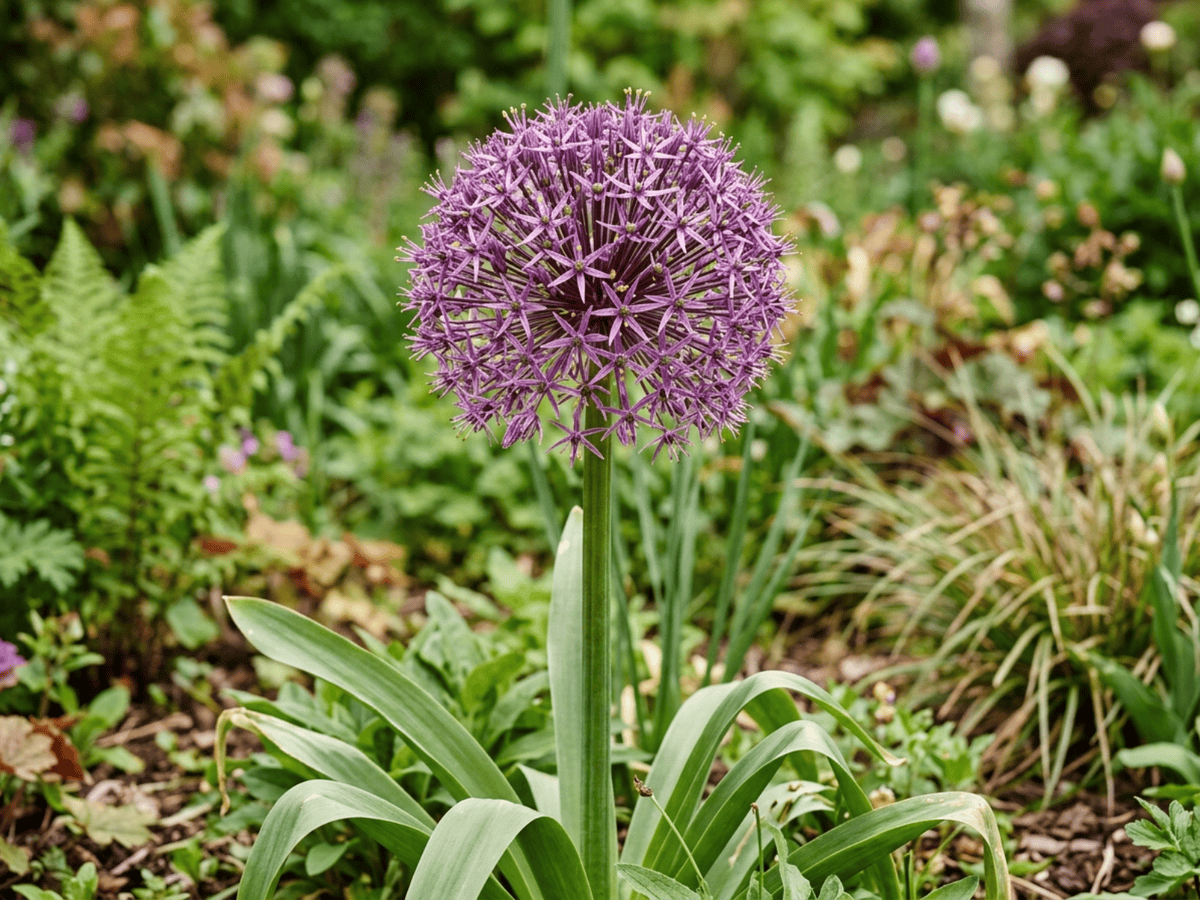 Star Of PersiaAllium christophii
 Welsh OnionAllium fistulosum
 Turkistan OnionAllium karataviense
Plants with similar care
 Mexican AbeliaAbelia floribunda
 Fraser FirAbies fraseri
 Paperbark MapleAcer griseum
 Sugar MapleAcer saccharum
Frequently asked questions
How often should I water Tumbleweed Onion?
Water about every 7 days during the growing season, and always let excess water drain away.
How much light does Tumbleweed Onion need?
Full sun: 6+ hrs direct. Watch the leaves — scorching or stretching means the light needs adjusting.
Is Tumbleweed Onion toxic to cats or dogs?
Pets Moderate (Dogs Moderate · Cats Moderate) Educational information, not medical or veterinary advice. If exposure is suspected, contact a doctor or veterinarian.
Is Tumbleweed Onion easy to grow?
It is moderately demanding: a good choice once you have a little experience.
When does Tumbleweed Onion bloom?
It typically blooms May–Jun in the Northern Hemisphere.
YardMate
Identify any plant in seconds
Snap a photo — YardMate names the plant, diagnoses problems, and reminds you when to water.
Download on the App Store