 YardMate


Round-Headed Leek
Allium sphaerocephalon
Easy · Beginner friendlyAbout Round-Headed Leek
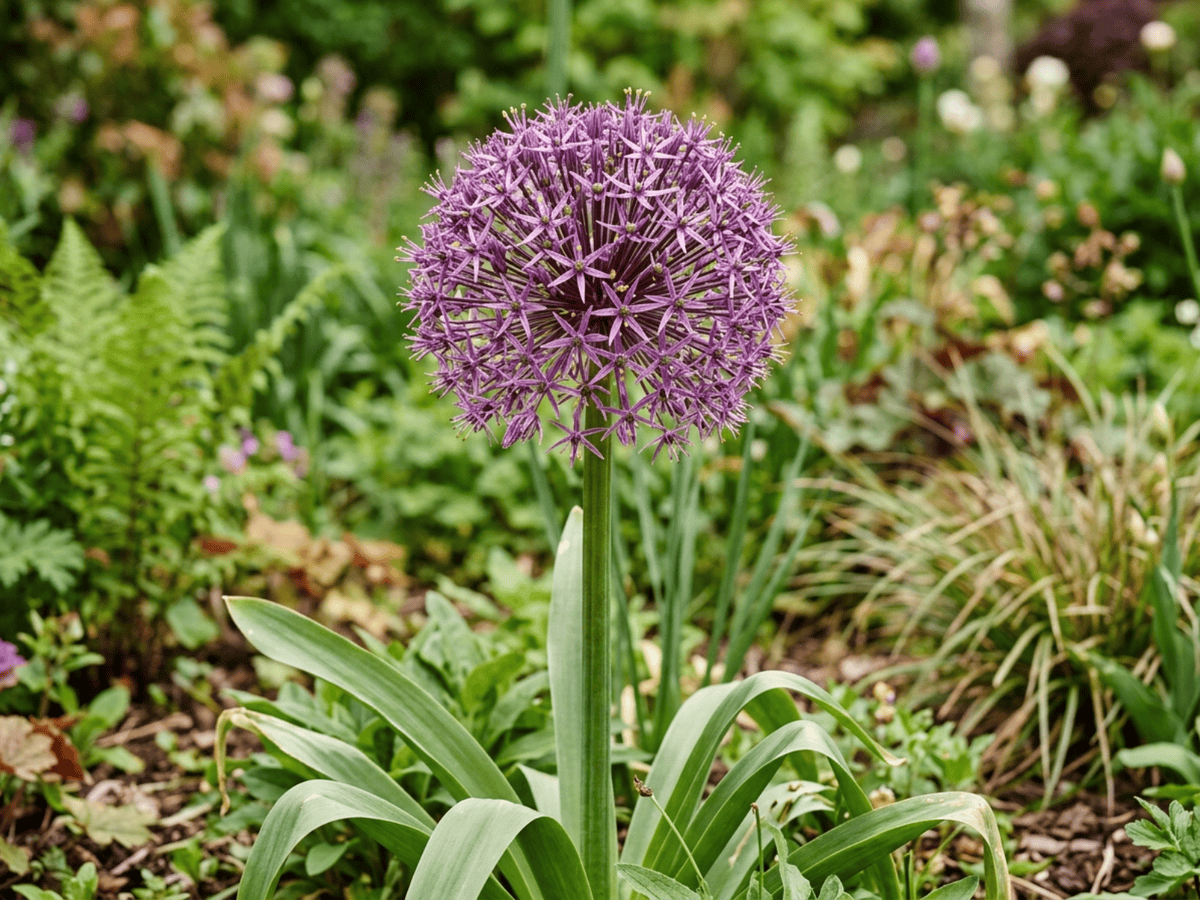
Round-headed Garlic or Drumstick Allium is a slender ornamental onion producing egg-shaped dense flower heads that open green and mature to rich purple-maroon, held on wiry stems 24-36 inches tall. Blooming in midsummer after most alliums have faded, it weaves elegantly through perennial borders like living lollipops. A cornerstone plant of naturalistic American meadow-style plantings, hardy in USDA zones 4-8.
- Drought-tolerant
- Deer-resistant
- Pollinator-friendly
How to care for Round-Headed Leek
Watering
- Springevery 7 days
- Summerpause watering
- Fallevery 14 days
- Winterpause watering
Soil · Well-draining
- Main mixLoam + coarse sand 3:175%
- DrainageGravel25%
Sharp drainage matters most — bulbs rot in wet soil while dormant.
FERTILIZER
Bulb Feed 3-5-3
With bulbs, when matters more than what. One dose goes in the hole at planting, the second when shoots break ground.
- Nitrogen · Leaves
- Phosphorus · Roots + Blooms
- Potassium · Strength
- Springevery 30 days
- Fallevery 60 days
At a Glance
- NativeEurope, Western Asia
- Height2–3 ft (0.6–0.9 m)
- Spread0.5–1 ft (0.2–0.3 m)
- Flower colorPurple, Burgundy, Green
- Foliage colorGreen
- SoilLoamy, Well-drained, Neutral
- LocationsYard
Bloom time
BLOOM CYCLE
Peak bloom
Jun–Aug
Purple-maroon egg-shaped heads June to August
Fragrance
LIGHT FRAGRANCE
The foliage has an onion-like scent.
Toxicity
Humans Slight · Pets Moderate
organosulfur compounds
Slight
- Bulb
- Ingestion
EXPOSURE Eating bulbs.
EFFECT Mild GI.
NOTE Documented concern for humans: Mild GI.
Moderate
- All
- Ingestion
EXPOSURE Eating any part of the plant.
EFFECT Hemolytic anemia and vomiting.
NOTE ASPCA: all Allium species toxic to pets.
Moderate
- All
- Ingestion
EXPOSURE Eating any part of the plant.
EFFECT Hemolytic anemia and vomiting.
NOTE ASPCA: all Allium species toxic to pets.
Educational information, not medical or veterinary advice. If exposure is suspected, contact a doctor or veterinarian.
DISTRIBUTION


- Native
- Europe
- Western Asia
History

Allium sphaerocephalon grows wild across Europe, the Mediterranean basin, and western Asia in dry meadows and rocky ground. Linnaeus described the species in 1753. Its common name drumstick allium references the distinctive egg-shaped or drumstick-shaped tightly packed umbels, unique among ornamental alliums.
The flowers open from green tops downward, transitioning through maroon and deep purple stages that extend visual interest over weeks. Reaching 24-30 inches on slender stems, it weaves gracefully through other perennials without overwhelming them. Dutch designer Piet Oudolf popularized it in large naturalistic drifts at gardens including the Lurie Garden in Chicago and the Oudolf Garden at Hauser & Wirth in Somerset.
It self-sows freely to maintain presence in appropriate conditions and is particularly attractive to bees. A favorite allium of Dutch designer Piet Oudolf and his New Perennial Movement followers—used in the High Line in New York City and Chicago's Lurie Garden. Naturalizes modestly and provides successive bloom as individual flower heads open over several weeks.
Symbolism & meaning
What It Symbolizes
Round-Headed Leek signals prosperity through its abundant drumstick blooms, rising in dense meadow plantings that promise fullness and increase. Its repeated forms create rhythm, a visual cadence that gives movement to still gardens. It is often read as a flower of accumulation, of small gestures multiplied into something generous, teaching that abundance is often a matter of repetition rather than scale.
- Prosperity — abundant blooms in meadow plantings
- Rhythm — repeated drumsticks create garden movement
Where the Name Comes From
'Sphaerocephalon' means 'round-headed' in Greek.
Uses & Fun Facts
- Drumstick purple-maroon heads weave through midsummer borders
- Late-summer nectar source for bees and butterflies
- Long wiry stems excellent for fresh and dried bouquets
Related plants
More Allium plants
 Common OnionAllium cepa
 Star Of PersiaAllium christophii
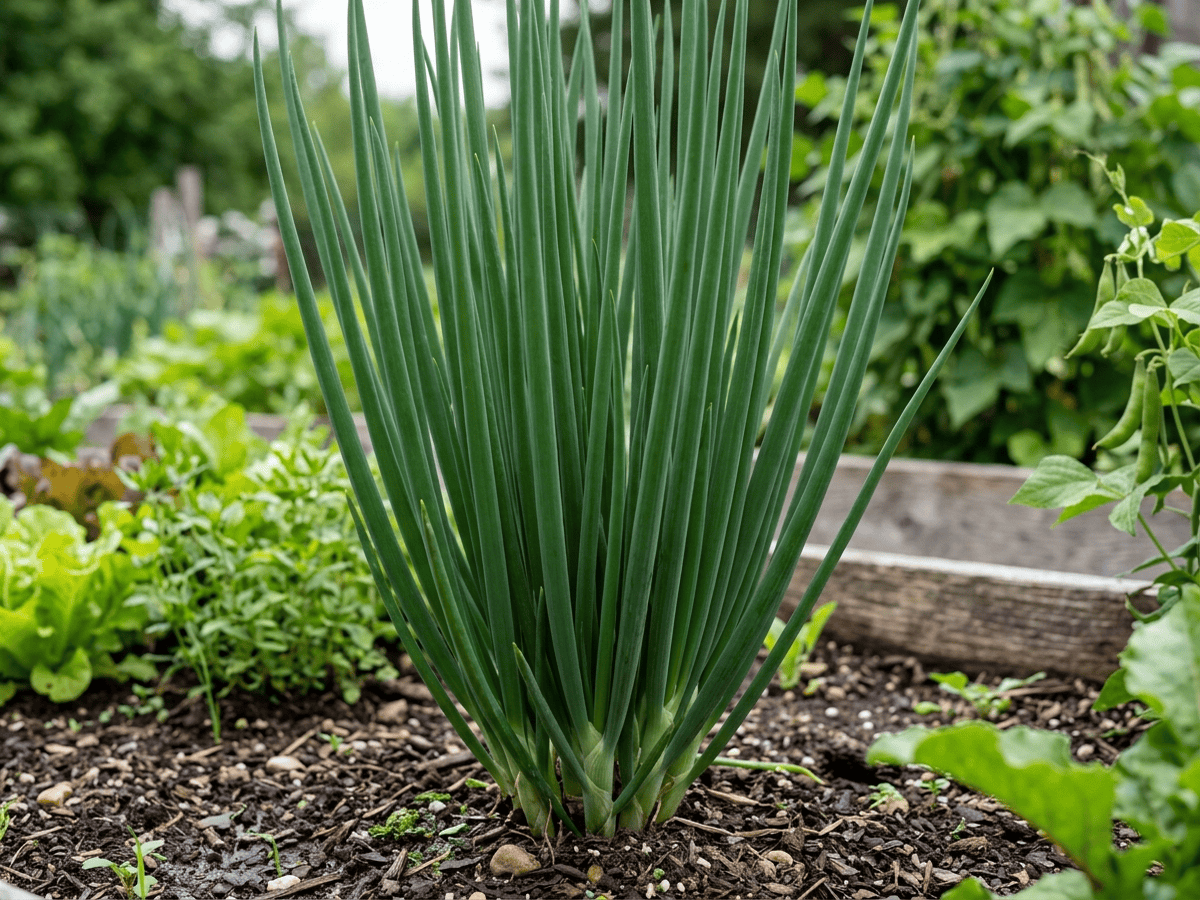 Welsh OnionAllium fistulosum
 Turkistan OnionAllium karataviense
Plants with similar care
 Chinese AbeliaAbelia chinensis
 Fragrant AbeliaAbelia mosanensis
 Large-Flowered AbeliaAbelia uniflora
 Glossy AbeliaAbelia x grandiflora
Frequently asked questions
How often should I water Round-Headed Leek?
Water about every 7 days during the growing season, and always let excess water drain away.
How much light does Round-Headed Leek need?
Full sun: 6+ hrs direct. Watch the leaves — scorching or stretching means the light needs adjusting.
Is Round-Headed Leek toxic to cats or dogs?
Pets Moderate (Dogs Moderate · Cats Moderate) Educational information, not medical or veterinary advice. If exposure is suspected, contact a doctor or veterinarian.
Is Round-Headed Leek easy to grow?
Yes — it is considered an easy, beginner-friendly plant.
When does Round-Headed Leek bloom?
It typically blooms Jun–Aug in the Northern Hemisphere.
YardMate
Identify any plant in seconds
Snap a photo — YardMate names the plant, diagnoses problems, and reminds you when to water.
Download on the App Store