 YardMate

Soap Aloe
Aloe maculata
Easy · Beginner friendlyAbout Soap Aloe
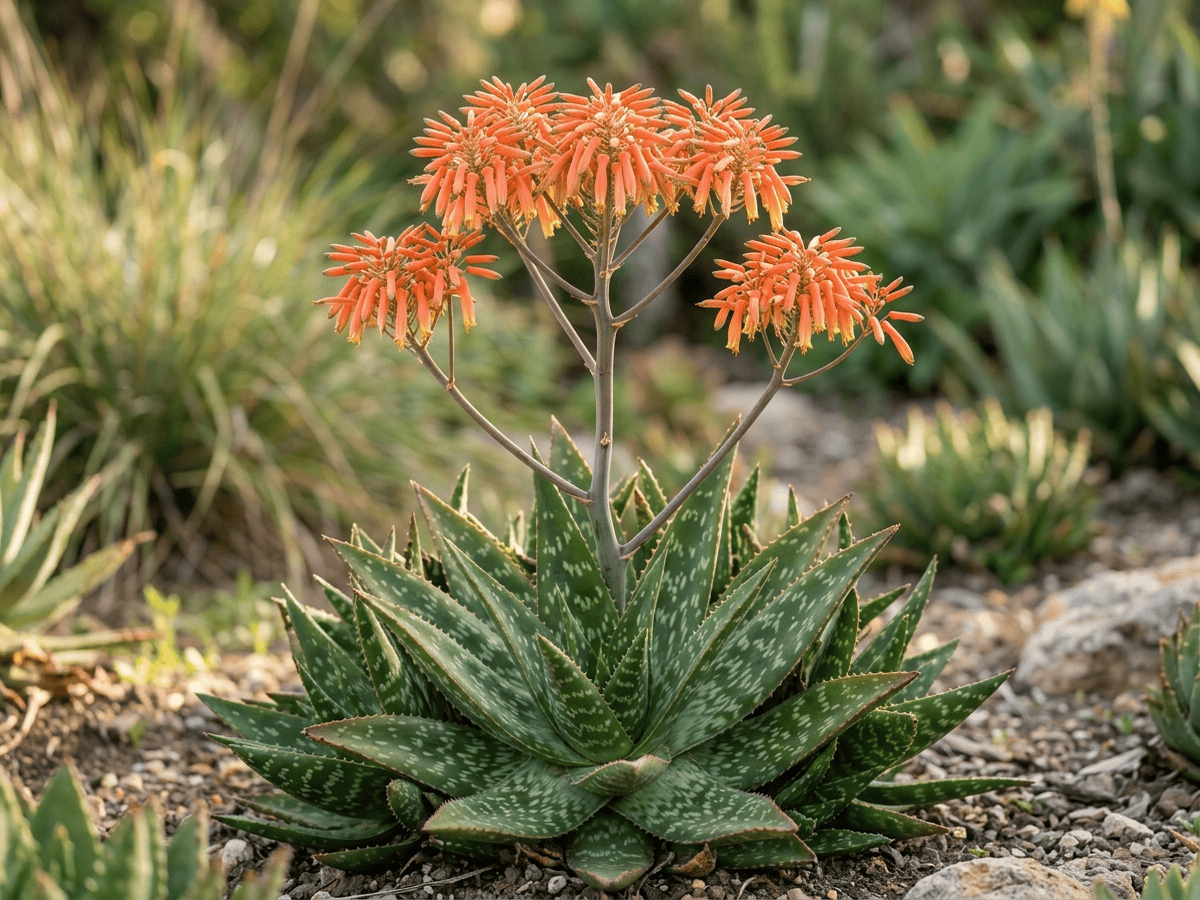
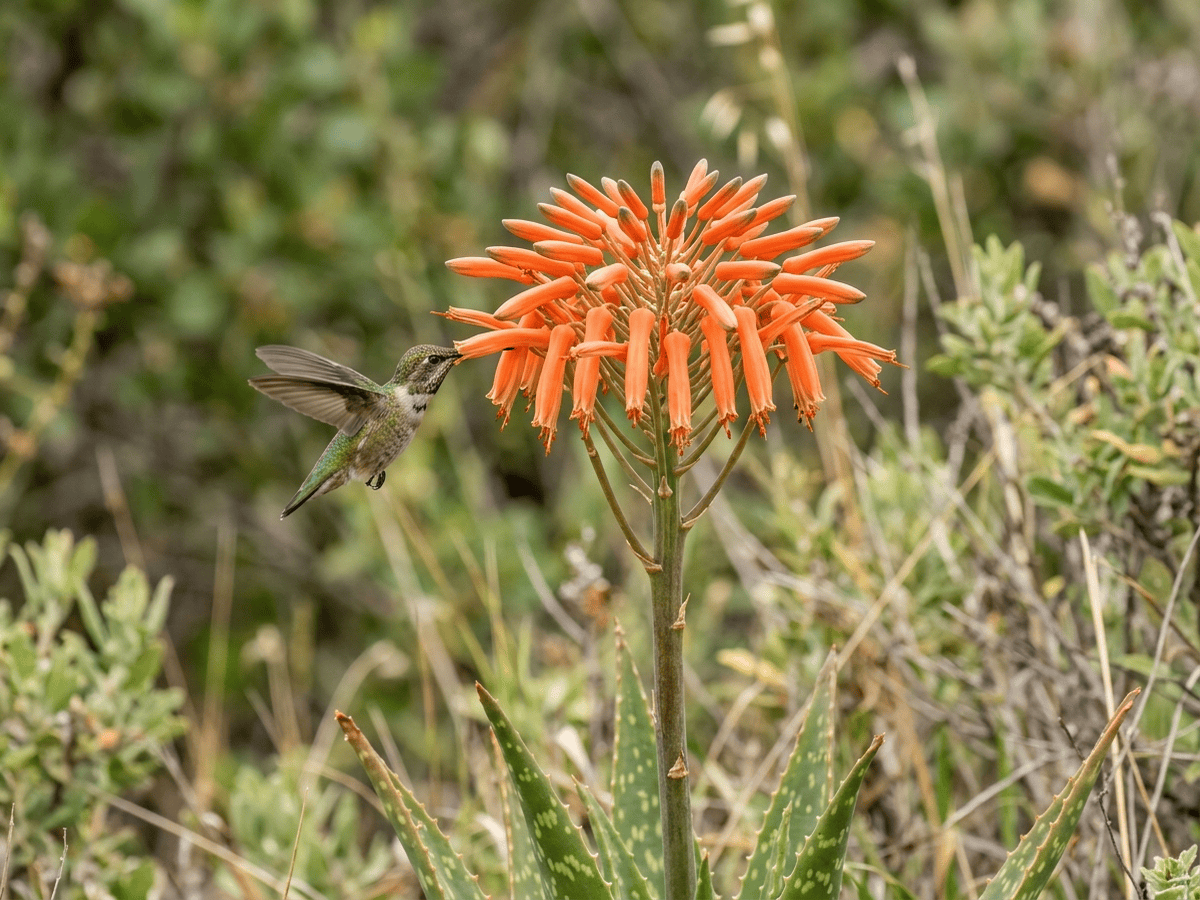
Soap Aloe is a clumping South African succulent reaching 18-24 inches with broad triangular green leaves heavily spotted with white blotches. From spring through summer it sends up branched flower stalks topped with dense flat-topped clusters of orange, coral, or yellow tubular flowers that are irresistible to hummingbirds. Highly adaptable, it tolerates drought, brief frost, salt spray, and poor soils—making it a workhorse succulent across California and the Sun Belt.
- Drought-tolerant
- Evergreen
- Pollinator-friendly
How to care for Soap Aloe
Watering
- Springevery 14 days
- Summerevery 21 days
- Fallevery 21 days
- Winterevery 45 days
Soil · Fast-draining
- Main mixSand + pumice + soil 1:1:150%
- DrainagePumice / gravel50%
Keep grit at half the mix or more — this soil is meant to dry out fast.
FERTILIZER
- Springevery 60 days
At a Glance
- NativeAfrica
- Height1–2 ft (0.3–0.6 m)
- Spread1–2 ft (0.3–0.6 m)
- Flower colorCoral, Orange, Red, Yellow
- Foliage colorGreen, Variegated
- SoilSandy, Well-drained
- LocationsYard · Balcony
Bloom time
BLOOM CYCLE
Peak bloom
Mar–Aug
Flat-topped orange/coral/yellow flower clusters spring to summer
Toxicity
Humans Slight · Pets Moderate
anthraquinones, saponins, and aloin
Slight
- Leaf
- Sap
- Ingestion
EXPOSURE Eating leaves and sap.
EFFECT Gastrointestinal upset.
NOTE Documented concern for humans: Gastrointestinal upset.
Moderate
- Leaf
- Sap
- Ingestion
EXPOSURE Eating leaves and sap.
EFFECT Vomiting and diarrhea.
NOTE Aloe listed by ASPCA as toxic to pets.
Moderate
- Leaf
- Sap
- Ingestion
EXPOSURE Eating leaves and sap.
EFFECT Vomiting and diarrhea.
NOTE Aloe listed by ASPCA as toxic to pets.
Educational information, not medical or veterinary advice. If exposure is suspected, contact a doctor or veterinarian.
DISTRIBUTION

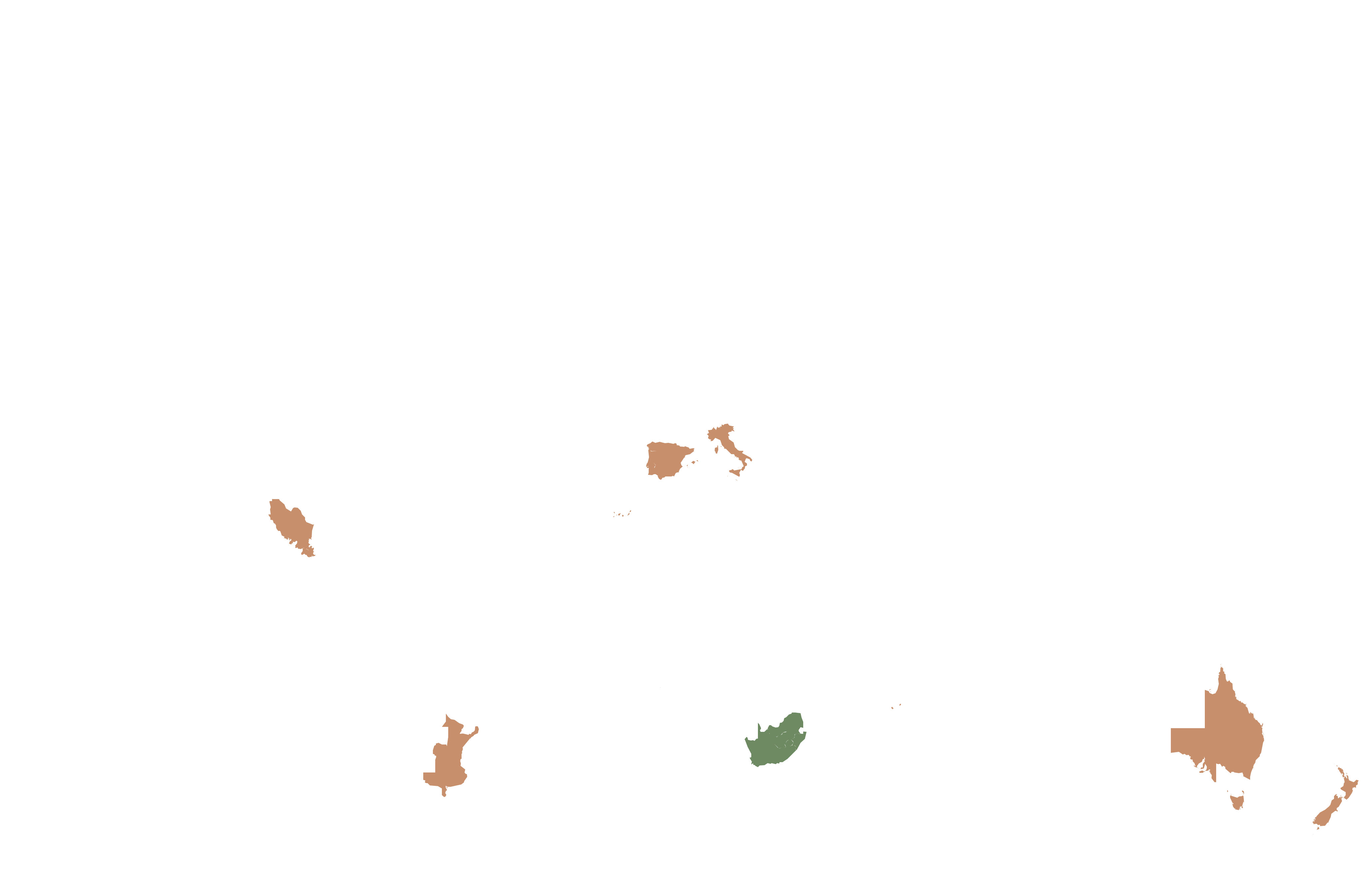
- Native
- Introduced
- Africa
History
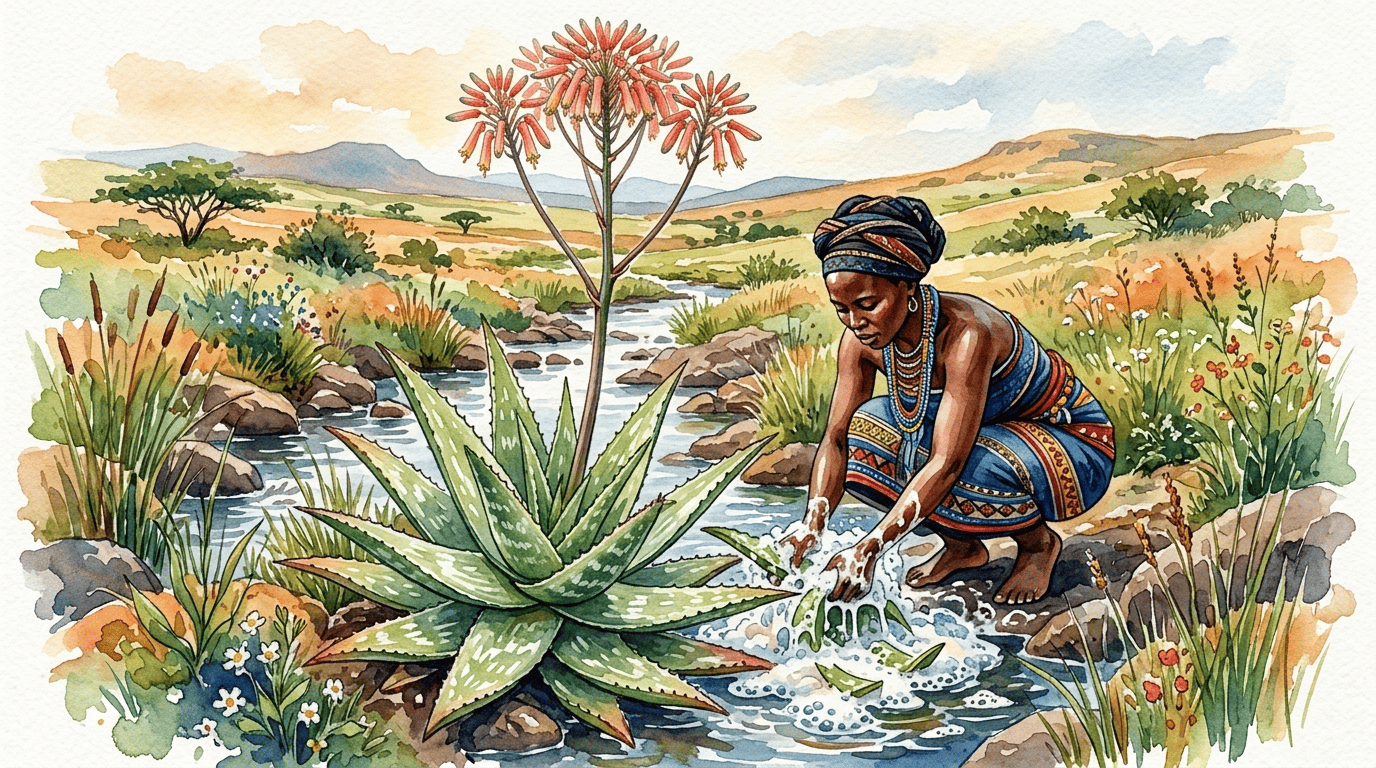
Aloe maculata, commonly called soap aloe or zebra aloe, is one of the most widespread wild aloes of southern Africa, native to grasslands and rocky slopes from the Western and Eastern Cape through KwaZulu-Natal, Free State, Mpumalanga, Limpopo, and into Zimbabwe, Mozambique, and Swaziland. Italian botanist Carlo Allioni described it in 1773 in Turin, making it one of the earliest aloes named in European botanical literature (the name predates the widely-used synonym Aloe saponaria, hence this species is now correctly called maculata). Plants form stemless 30-45 cm wide rosettes of broad triangular pale green leaves prominently marked with irregular H-shaped pale bands.
Distinctive flat-topped (corymbose) heads of tubular coral-pink, orange, yellow, or red flowers appear on 1 meter stalks from late winter through spring. The species is a foundational ornamental aloe in Mediterranean and arid-climate landscapes worldwide and has become naturalized in parts of California, Australia, and the Mediterranean.
The common name 'soap aloe' refers to the saponins in its sap. Native to southern Africa, used historically by the Xhosa and Zulu peoples as a soap substitute—the saponin-rich leaves produce lather when crushed in water. Also called Zebra Aloe, it has naturalized in coastal California and is among the most widely cultivated landscape aloes worldwide.
Symbolism & meaning
What It Symbolizes
Soap Aloe joins usefulness with display. Its old association with cleansing comes naturally from a plant whose leaf sap foams in water, while its branched coral flower spikes feed birds for weeks. It stands for generous care: a tough succulent that gives both practical history and bright winter color.
- Healing — traditional medicinal and cleansing plant
- Generosity — blooms heavily and feeds hummingbirds for months
Where the Name Comes From
'Maculata' from Latin meaning spotted, referring to the white-marked leaves.
Uses & Fun Facts
- Leaf gel applied topically for minor burns and skin care
- Coral spike flowers attract sunbirds and nectar-feeding insects
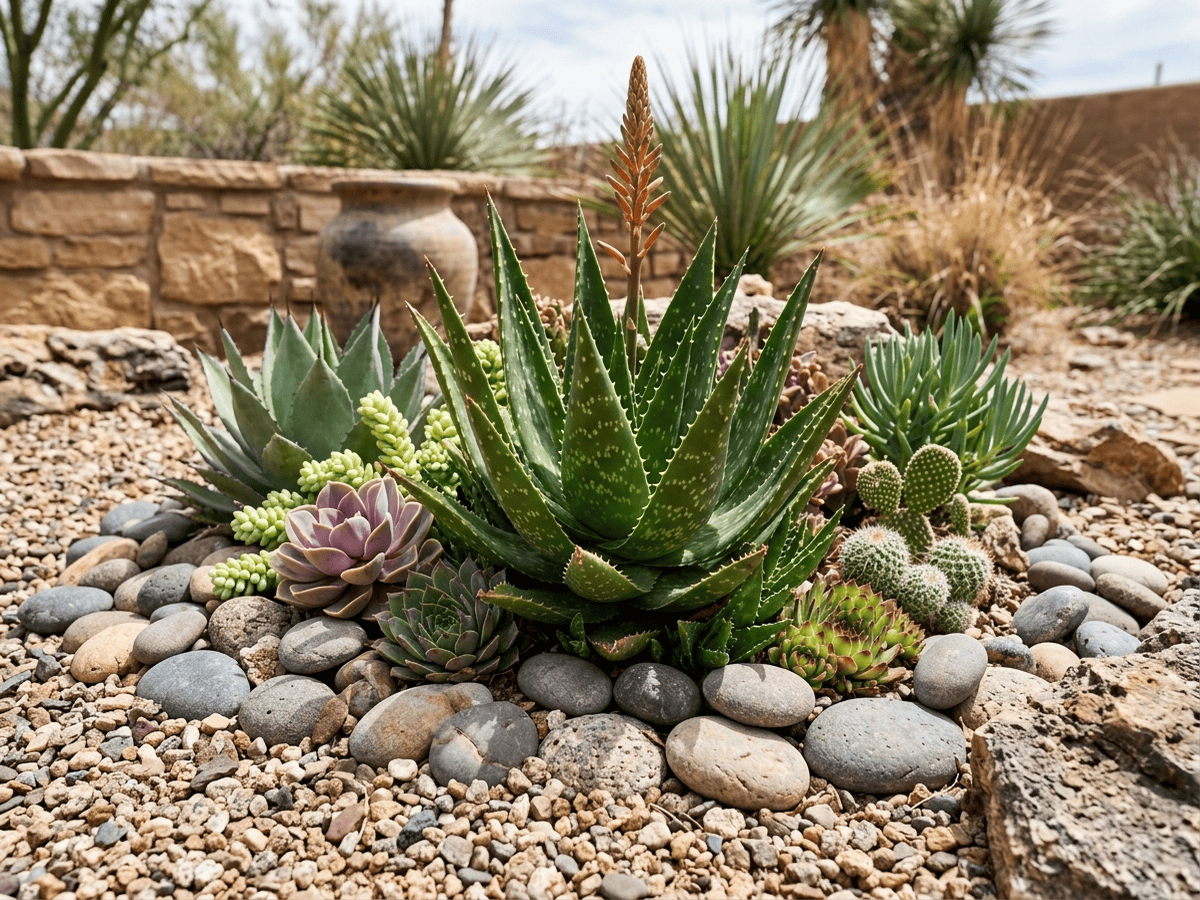
- Spotted rosettes thrive in shallow patio succulent pots
Related plants
More Aloe plants
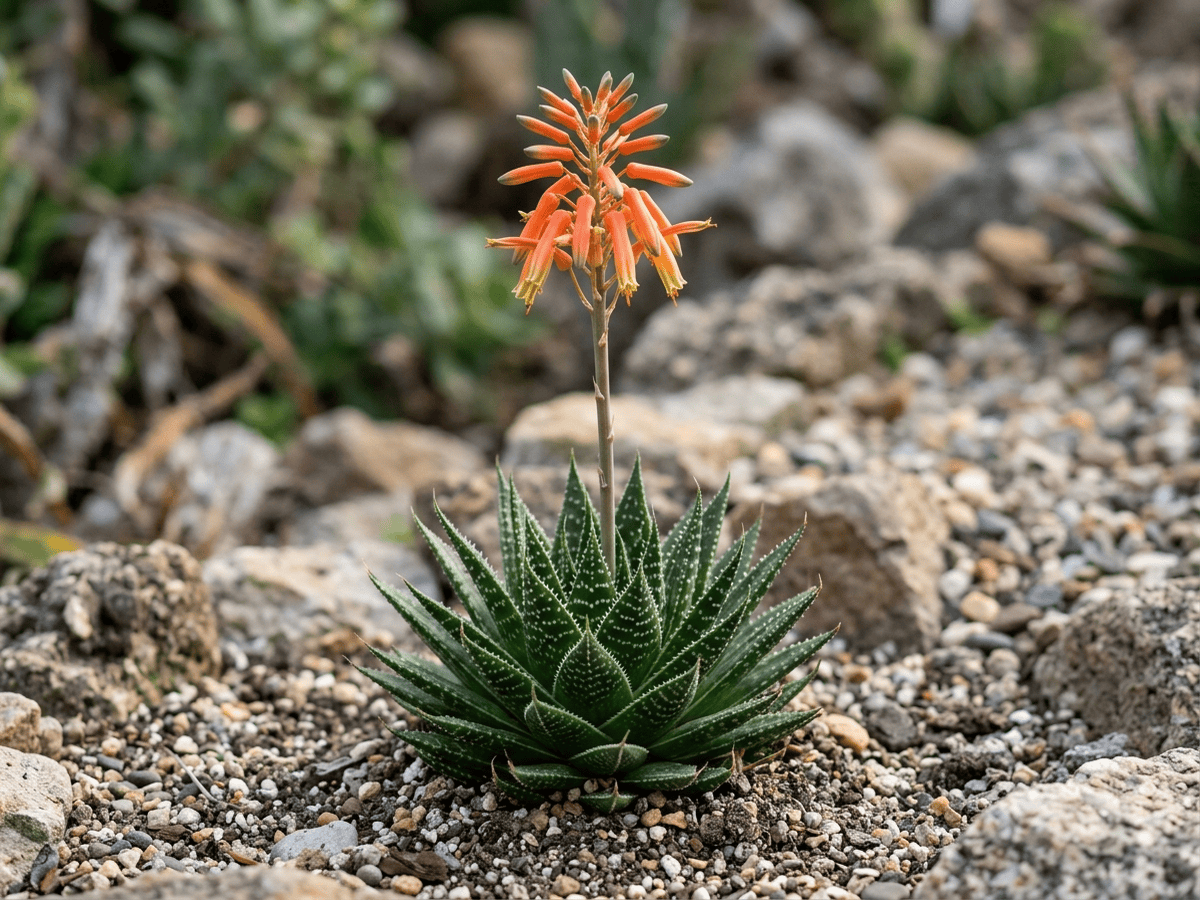 Lace AloeAloe aristata
 Short-Leaved AloeAloe brevifolia
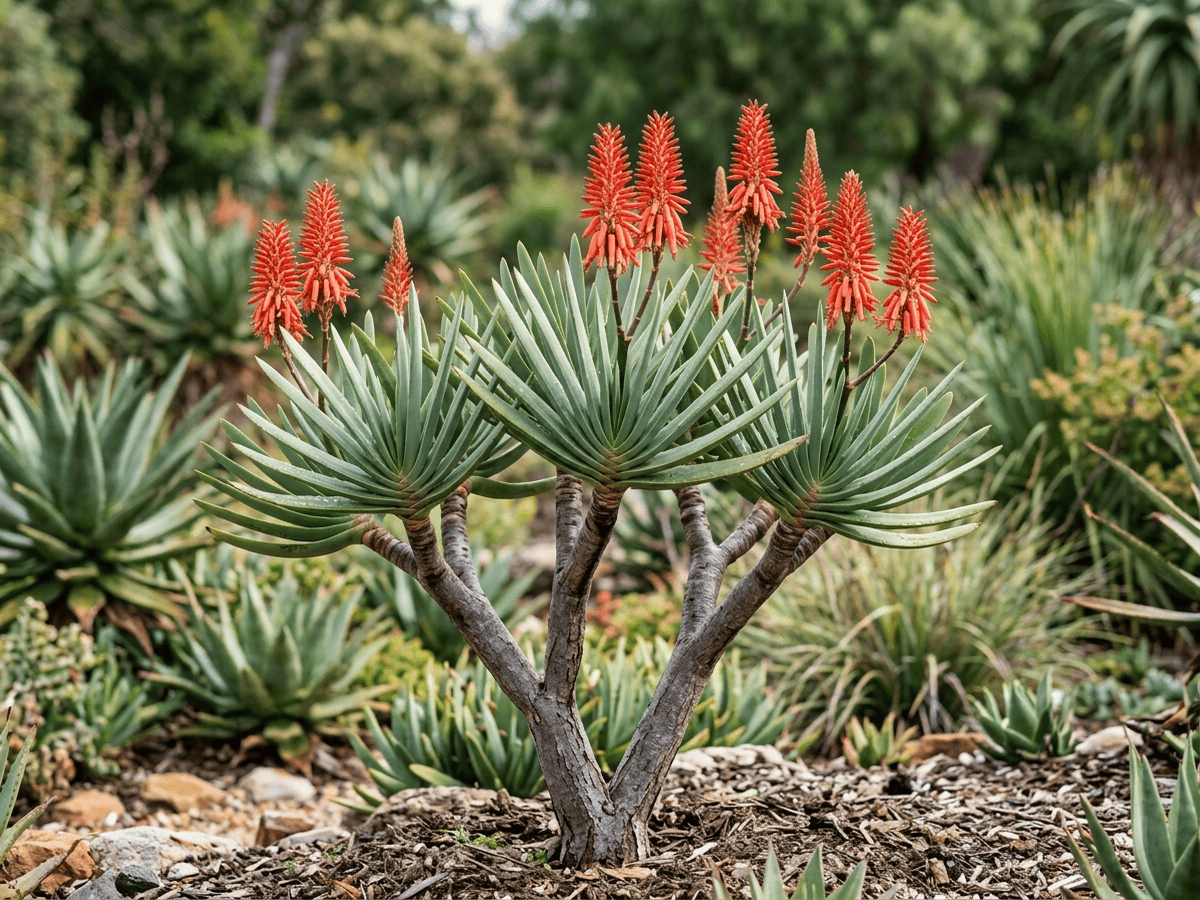 Fan AloeAloe plicatilis
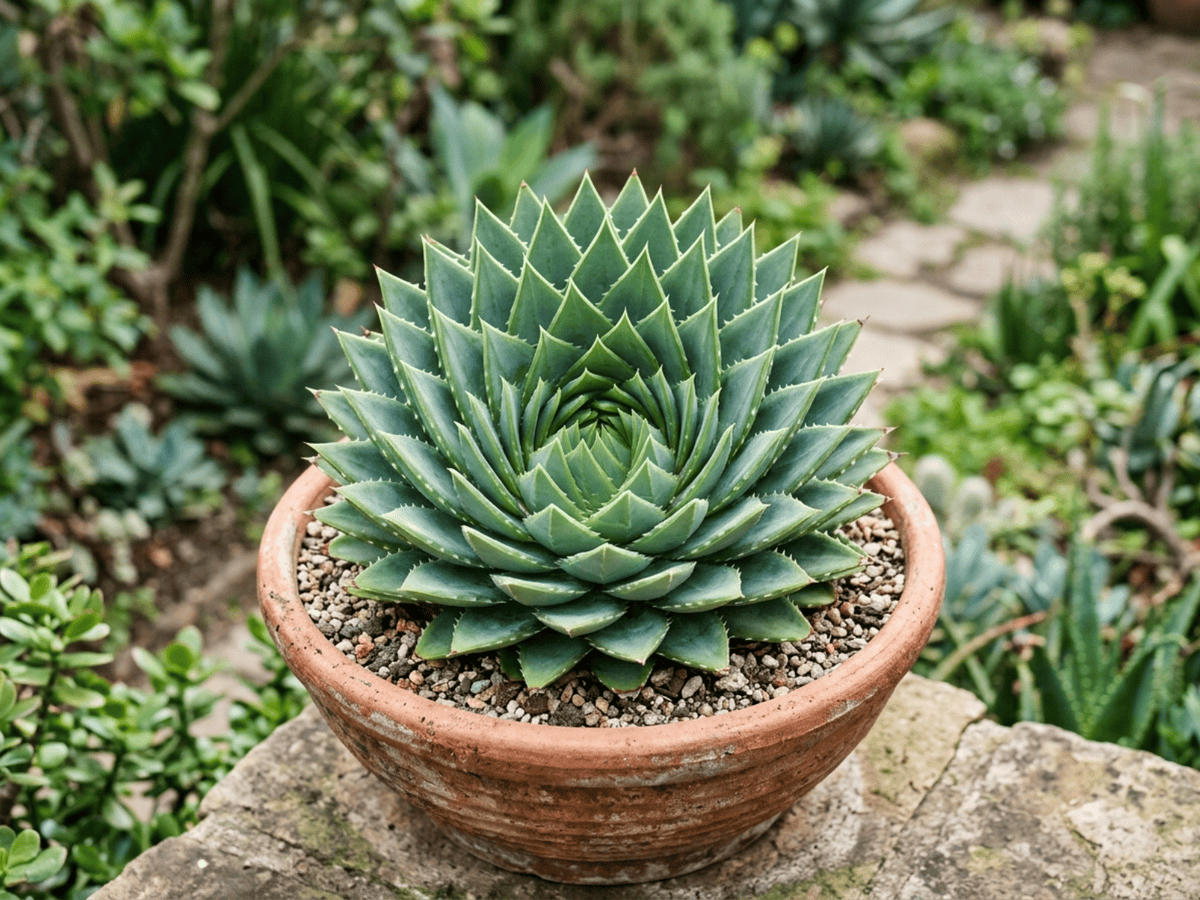 Spiral AloeAloe polyphylla
Plants with similar care
 Chinese AbeliaAbelia chinensis
 Fragrant AbeliaAbelia mosanensis
 Large-Flowered AbeliaAbelia uniflora
 Glossy AbeliaAbelia x grandiflora
Frequently asked questions
How often should I water Soap Aloe?
In summer, water about every 21 days; in winter, about every 45 days. Adjust for heat, pot size and drainage.
How much light does Soap Aloe need?
Full sun: 6+ hrs direct. Watch the leaves — scorching or stretching means the light needs adjusting.
Is Soap Aloe toxic to cats or dogs?
Pets Moderate (Dogs Moderate · Cats Moderate) Educational information, not medical or veterinary advice. If exposure is suspected, contact a doctor or veterinarian.
Is Soap Aloe easy to grow?
Yes — it is considered an easy, beginner-friendly plant.
When does Soap Aloe bloom?
It typically blooms Mar–Aug in the Northern Hemisphere.
YardMate
Identify any plant in seconds
Snap a photo — YardMate names the plant, diagnoses problems, and reminds you when to water.
Download on the App Store