 YardMate


Fan Aloe
Aloe plicatilis
Medium · Some experienceAbout Fan Aloe
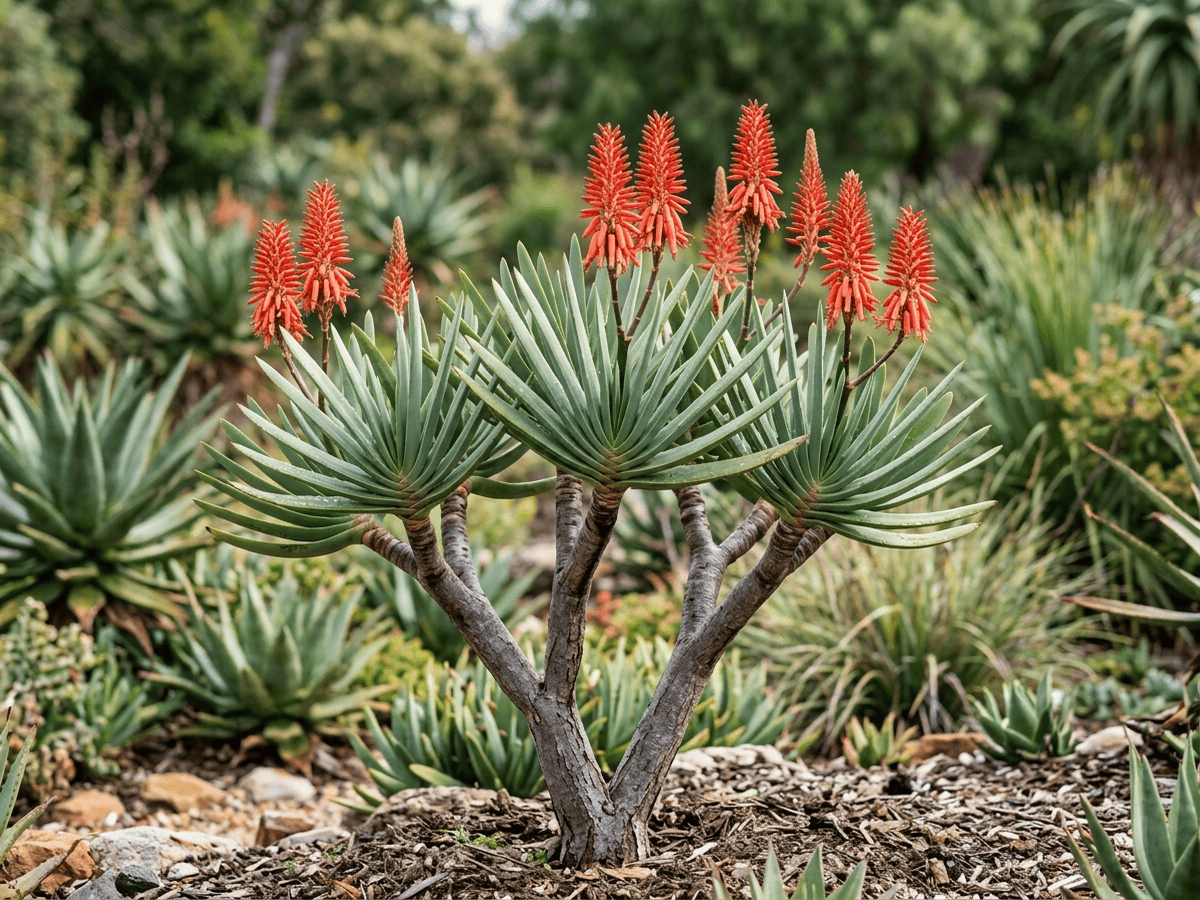
Fan Aloe is an extraordinary South African succulent reaching 6-8 feet, distinguished by leaves arranged in flat fan-shaped pairs at the tips of branched gray trunks. Native only to a small area of the Western Cape fynbos, it is a slow-growing tree-form aloe with sculptural architecture unlike any other. Coral-red tubular flowers appear in late winter to early spring. It is highly prized in California collector gardens and Mediterranean-climate landscapes.
- Drought-tolerant
- Evergreen
- Architectural
How to care for Fan Aloe
Watering
- Springevery 14 days
- Summerevery 21 days
- Fallevery 21 days
- Winterevery 45 days
Soil · Fast-draining
- Main mixSand + pumice + soil 1:1:150%
- DrainagePumice / gravel50%
Keep grit at half the mix or more — this soil is meant to dry out fast.
FERTILIZER
- Springevery 60 days
At a Glance
- NativeAfrica
- Height6–10 ft (1.8–3 m)
- Spread4–6 ft (1.2–1.8 m)
- Flower colorCoral, Orange
- Foliage colorGreen
- SoilSandy, Well-drained
- LocationsYard
Bloom time
BLOOM CYCLE
Peak bloom
Dec–May
Coral-red tubular flowers late winter to early spring
Toxicity
Humans Slight · Pets Moderate
anthraquinones and aloin
Slight
- Leaf
- Sap
- Ingestion
EXPOSURE Eating leaves and sap.
EFFECT Gastrointestinal upset.
NOTE Documented concern for humans: Gastrointestinal upset.
Moderate
- Leaf
- Sap
- Ingestion
EXPOSURE Eating leaves and sap.
EFFECT Vomiting and diarrhea.
NOTE Aloe listed by ASPCA as toxic to pets.
Moderate
- Leaf
- Sap
- Ingestion
EXPOSURE Eating leaves and sap.
EFFECT Vomiting and diarrhea.
NOTE Aloe listed by ASPCA as toxic to pets.
Educational information, not medical or veterinary advice. If exposure is suspected, contact a doctor or veterinarian.
DISTRIBUTION


- Native
- Africa
History
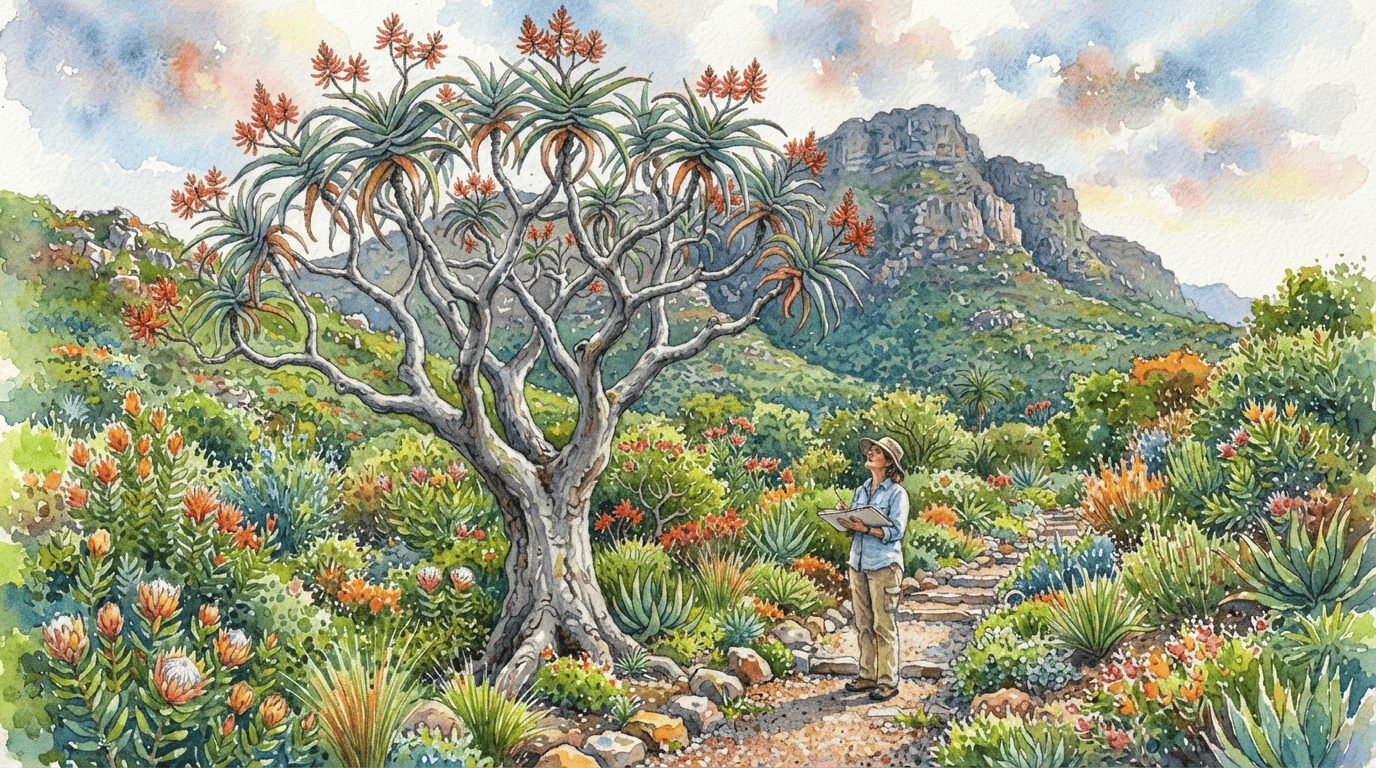
Aloe plicatilis, the fan aloe, is one of the most distinctive aloes—a slow-growing branching small tree endemic to winter-rainfall sandstone slopes of the Western Cape of South Africa from the Franschhoek Mountains to the Elandskloof. Carl Linnaeus described it as Aloe disticha var. plicatilis in 1753; Philip Miller elevated it to species rank in 1768. Based on molecular studies by Grace, Klopper, Smith and colleagues (2013), the species was transferred to the monotypic genus Kumara as Kumara plicatilis, though horticultural trade still widely uses Aloe plicatilis.
Unlike rosette aloes, this species develops a distinctive forking dichotomous branching habit with smooth gray bark reaching 3-5 meters tall over many decades, each branch tip holding a flattened two-ranked fan of 12-16 strap-shaped gray-green leaves (plicatilis meaning folded or pleated). Coral-red tubular flowers on short racemes appear in winter and early spring.
One of the most architecturally valued aloes for collectors and Mediterranean-climate landscapes. Endemic to the Cape Winelands fynbos, where it is fire-adapted and increasingly rare in the wild. Iconic for its appearance in the gardens of Kirstenbosch and the Huntington Botanical Gardens in California.
Symbolism & meaning
What It Symbolizes
The Fan Aloe stands apart in its genus, fanning out flat ranks of gray-green leaves in a form no other aloe shares. That uniqueness is its meaning — alongside a deep heritage in South African fynbos, where it weathers fynbos fires and rocky slopes near the Cape. To grow one is to keep a fragment of that singular landscape, a living emblem of botanical individuality and place.
- Uniqueness — no other aloe shares its flat fan leaf form
- Heritage — iconic species of South African fynbos
Where the Name Comes From
'Plicatilis' from Latin meaning folded or pleated, referring to the fan arrangement of leaves.
Uses & Fun Facts
- Fan-shaped leaf arrangement makes striking succulent focal point
- Slow-growing tree aloe suited to large patio containers
Related plants
More Aloe plants
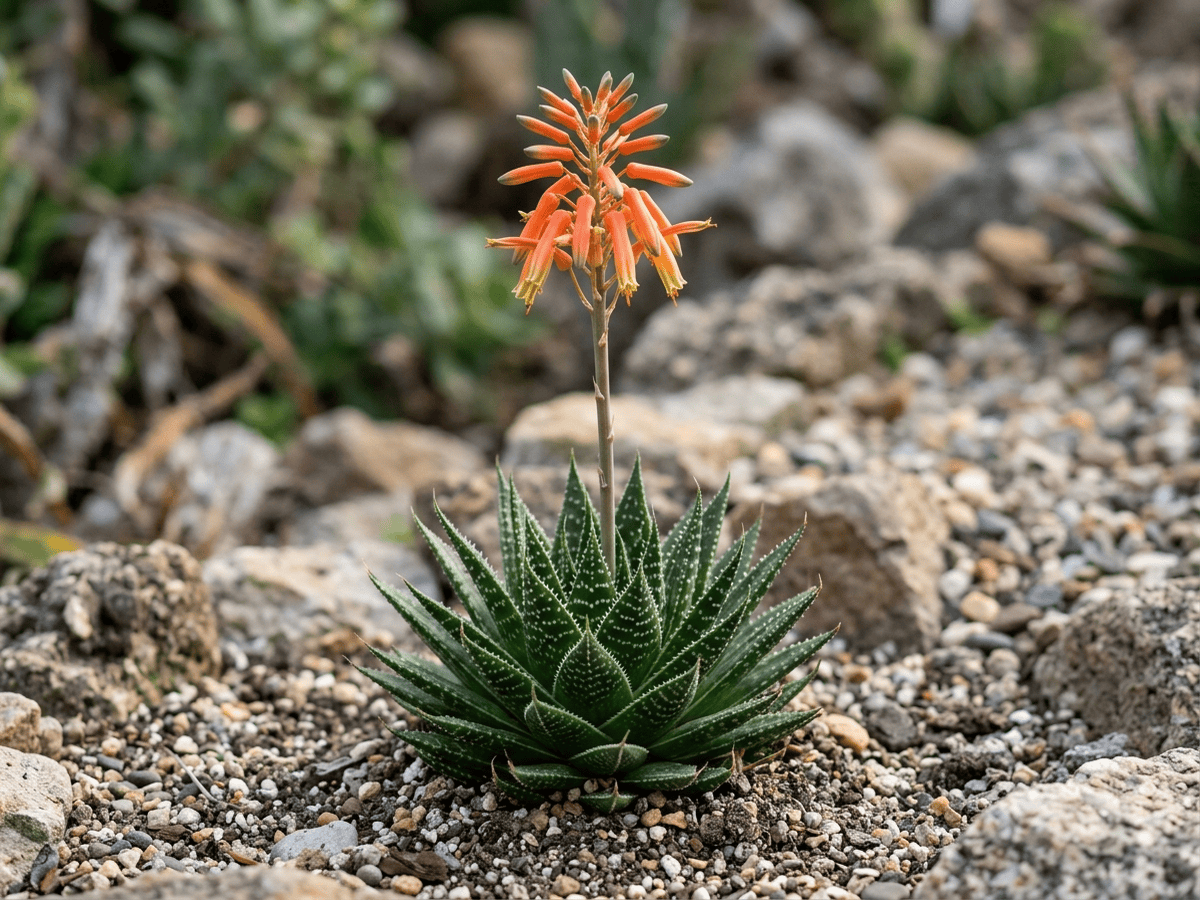 Lace AloeAloe aristata
 Short-Leaved AloeAloe brevifolia
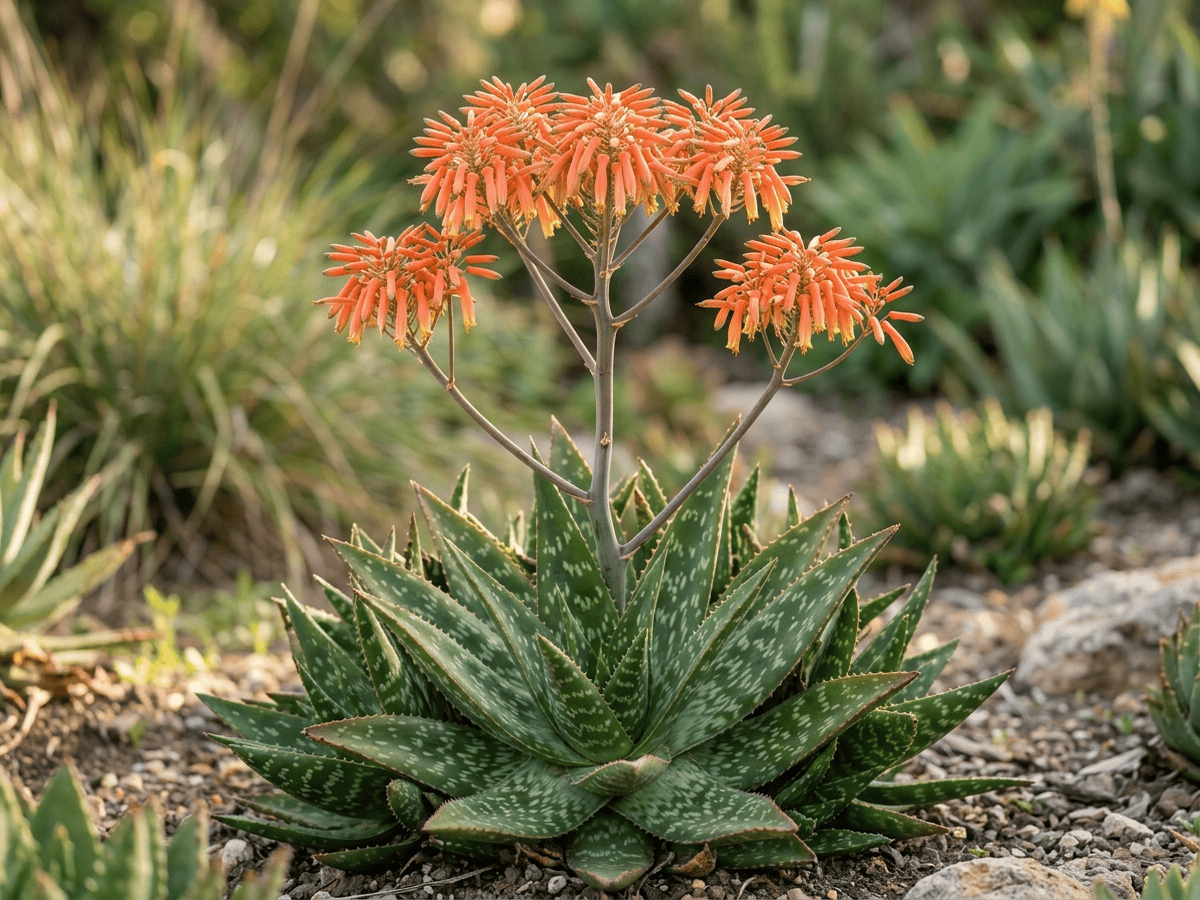 Soap AloeAloe maculata
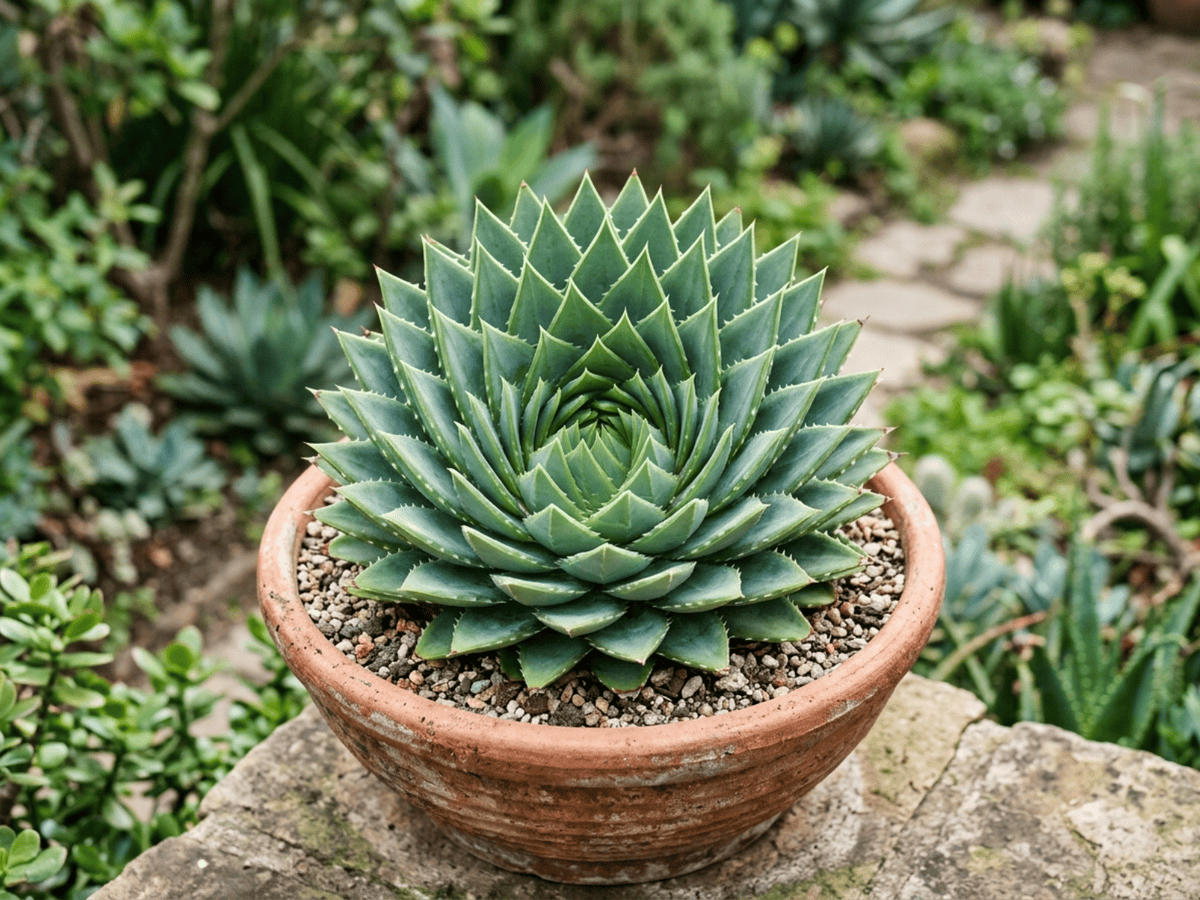 Spiral AloeAloe polyphylla
Plants with similar care
 Mexican AbeliaAbelia floribunda
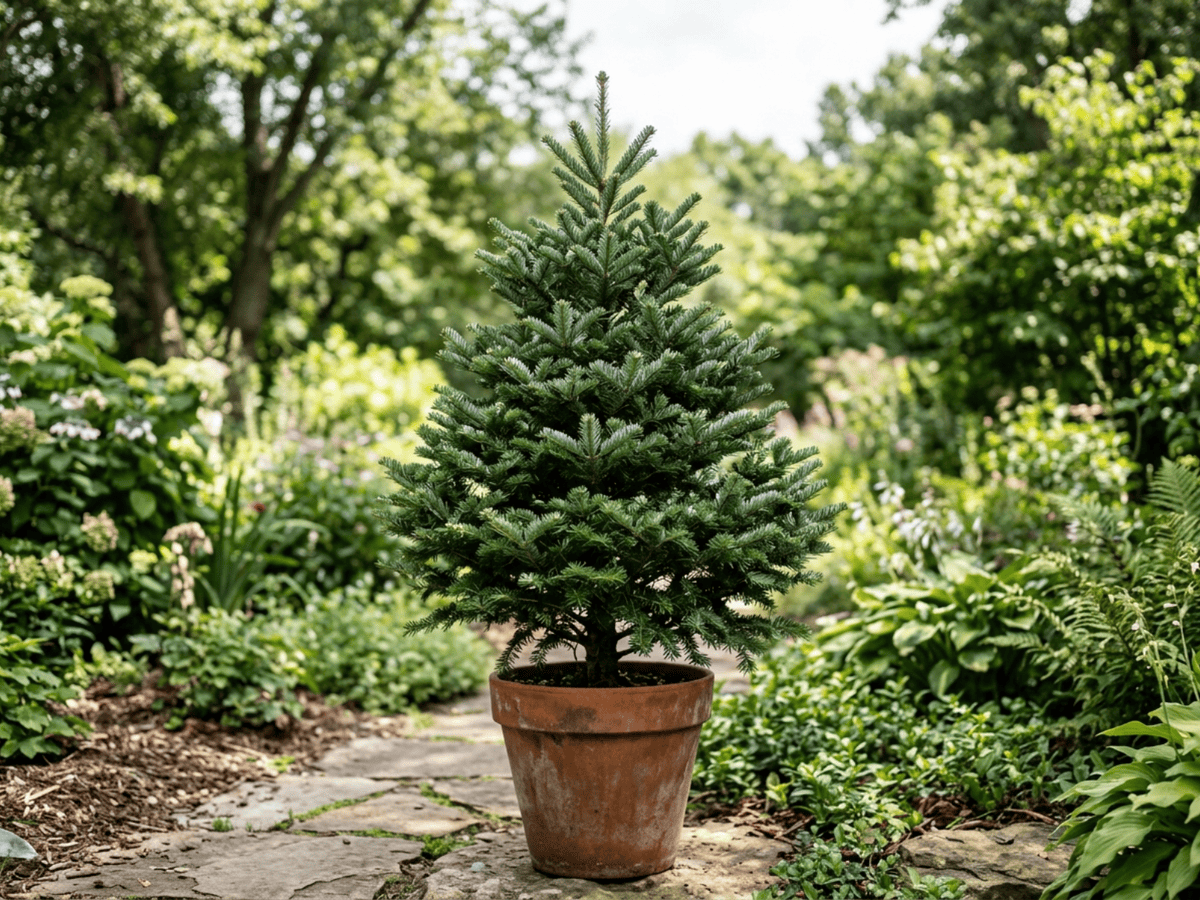 Fraser FirAbies fraseri
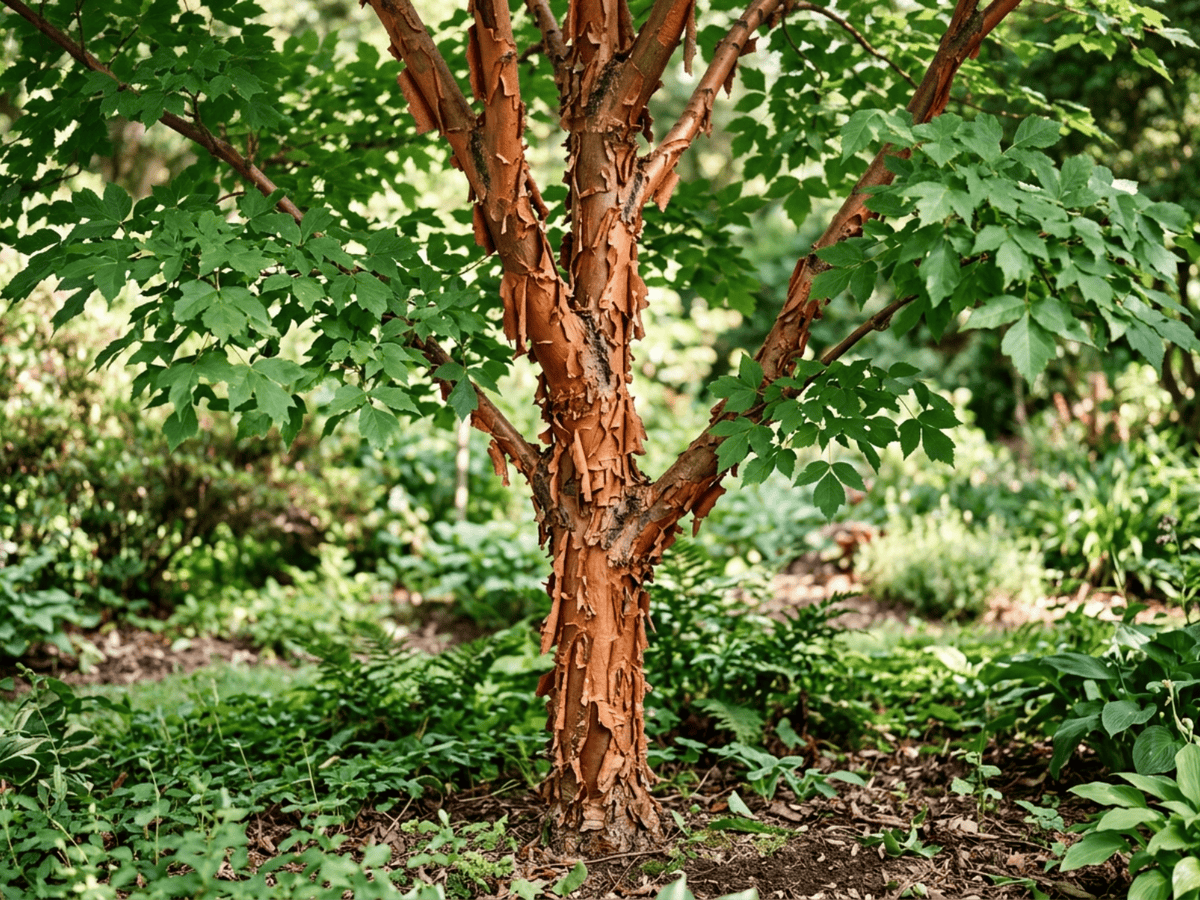 Paperbark MapleAcer griseum
 Sugar MapleAcer saccharum
Frequently asked questions
How often should I water Fan Aloe?
In summer, water about every 21 days; in winter, about every 45 days. Adjust for heat, pot size and drainage.
How much light does Fan Aloe need?
Full sun: 6+ hrs direct. Watch the leaves — scorching or stretching means the light needs adjusting.
Is Fan Aloe toxic to cats or dogs?
Pets Moderate (Dogs Moderate · Cats Moderate) Educational information, not medical or veterinary advice. If exposure is suspected, contact a doctor or veterinarian.
Is Fan Aloe easy to grow?
It is moderately demanding: a good choice once you have a little experience.
When does Fan Aloe bloom?
It typically blooms Dec–May in the Northern Hemisphere.
YardMate
Identify any plant in seconds
Snap a photo — YardMate names the plant, diagnoses problems, and reminds you when to water.
Download on the App Store